Table of Contents
Disclosure: This post contains affiliate links. If you book through our links, we may earn a small commission at no extra cost to you. Thanks for supporting Faceted Travel!
If there is one Greek island that keeps surprising us the more we explore the Cyclades, it is Milos. We first heard about it as a quieter alternative to Santorini, but that description barely scratches the surface. Milos has dramatic volcanic landscapes, colorful fishing villages, some of the best beaches in Greece, and a laid-back pace that feels genuinely unhurried even in peak summer. We fell hard for this place, and we think you will too.
Why Visit Milos?
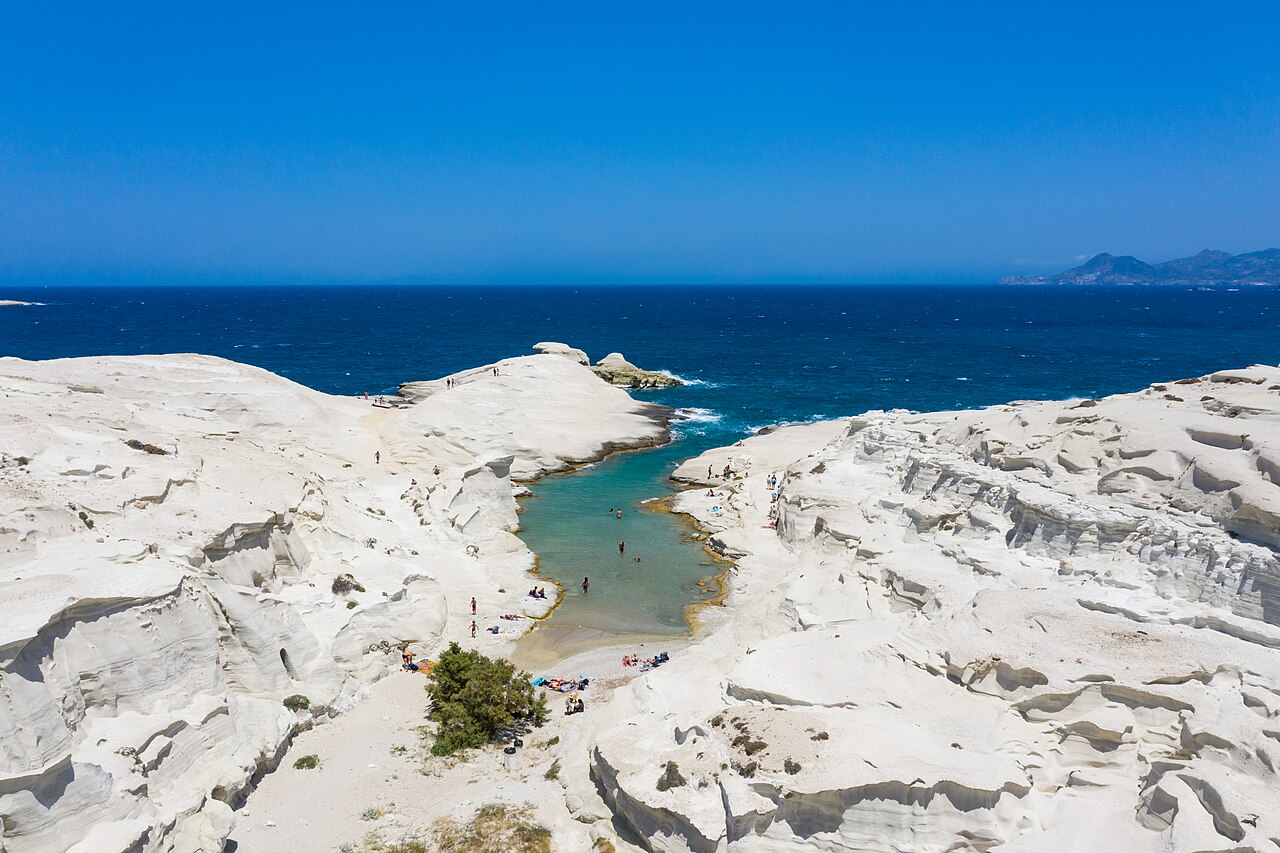
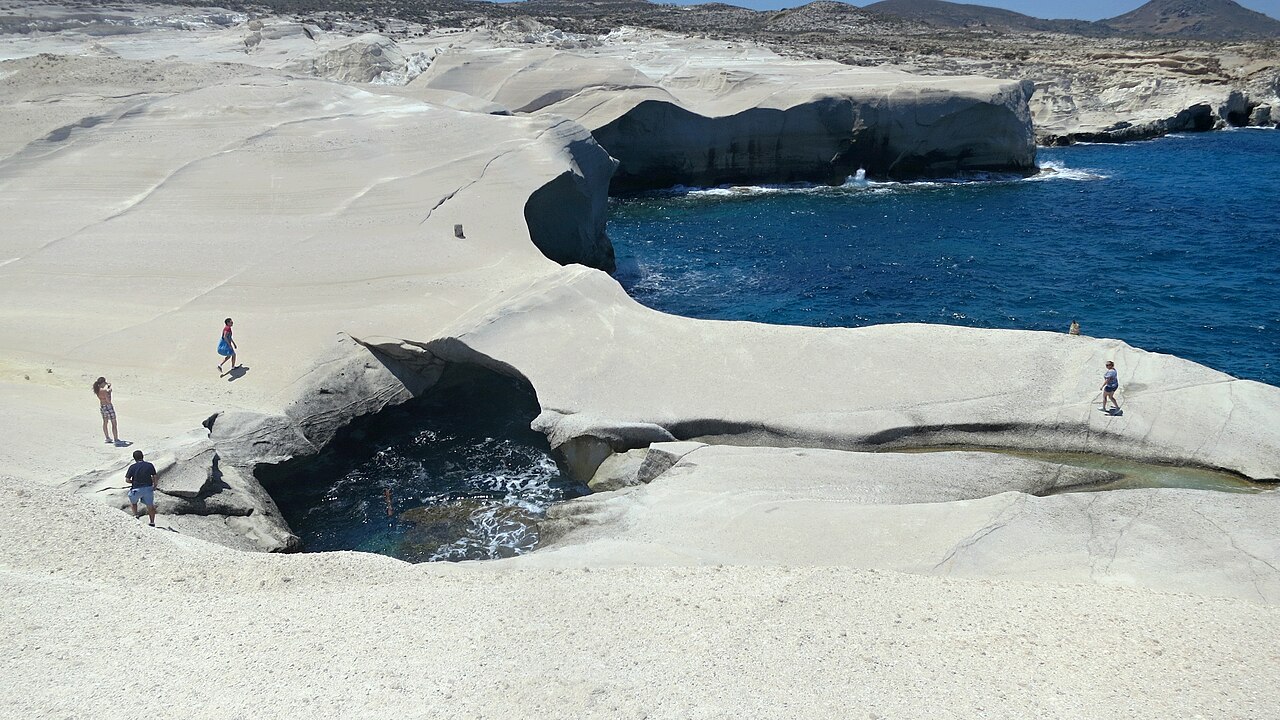
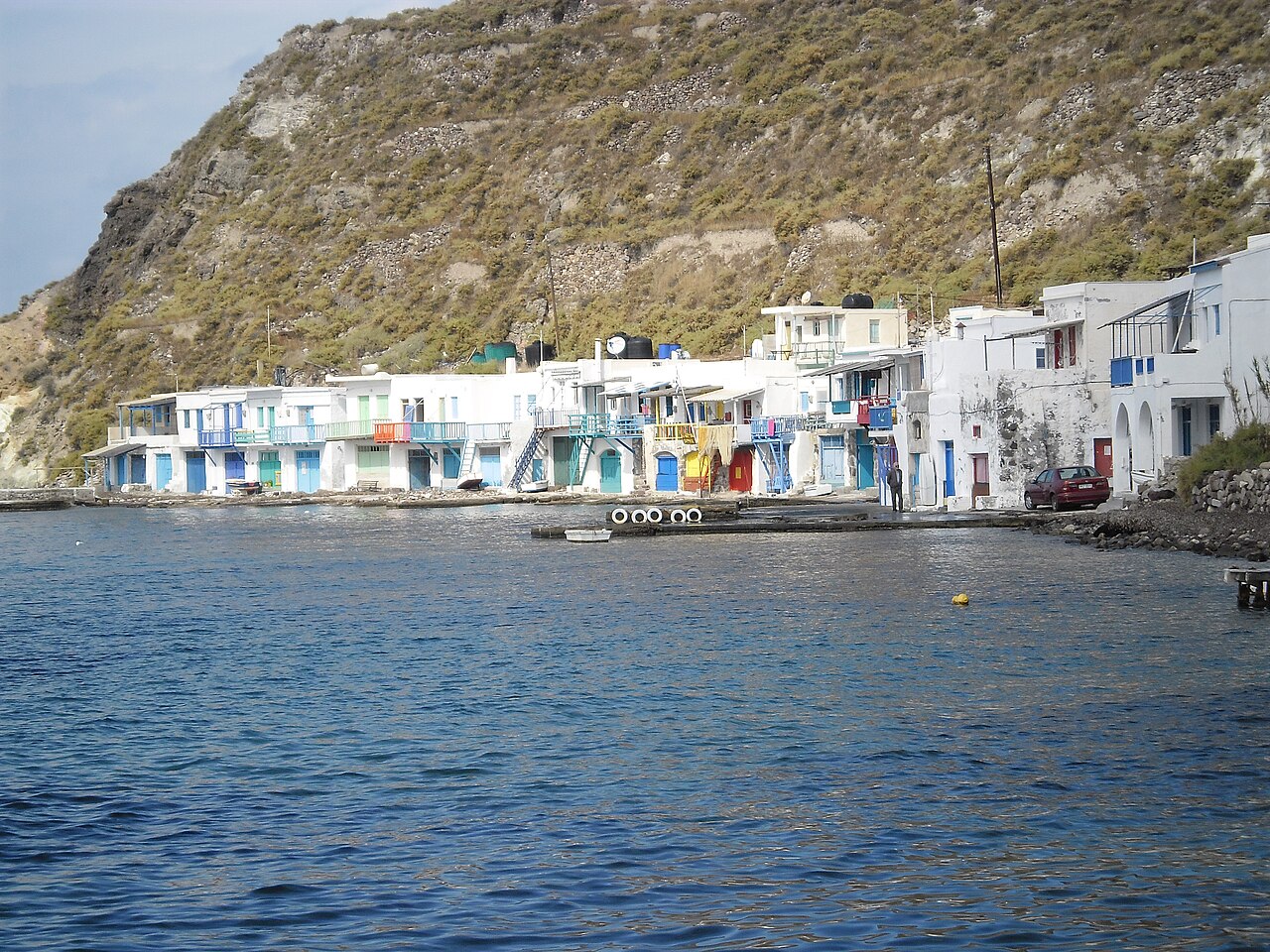
Milos sits in the southwestern Cyclades, formed by a volcanic crater that left behind one of the most geologically wild coastlines in the Mediterranean. The same volcanic activity that gave the island its moonscape beaches (looking at you, Sarakiniko) also created a palette of colors you just don’t see elsewhere: white pumice cliffs, ochre sea caves, deep blue water, and the iconic red-and-yellow painted syrmata boat houses of Klima village.
What really sets Milos apart from the Instagram-famous islands is the balance. Yes, Sarakiniko fills up in July and August, but you can escape to dozens of secluded coves that require a short hike or a boat. Accommodation is spread across several villages rather than concentrated in one tourist strip, so the island never feels overwhelmed. And the food is genuinely excellent, built around the Cycladic tradition of fresh seafood and simple, honest ingredients.
We have visited in late May and again in September, and both times felt like the sweet spot: warm weather, functioning ferry connections, and crowds that were manageable rather than crushing.
When to Visit Milos
The island is open for tourism from April through October, with peak season running July through mid-August.
May and June offer warm, sunny weather with water temperatures climbing to a comfortable swimming level by early June. Prices are below peak, most tavernas and boat operators are running, and the iconic sites are busy but not overwhelming. This is our personal favorite window.
July and August are peak season. The ferries run frequently, every restaurant and beach bar is open, and the vibe is festive. Sarakiniko and Klima get very busy in the mornings, so plan to arrive early or late. Book accommodation several months in advance.
September is arguably the best month for independent travelers. The sea is warmest, the crowds thin noticeably after the first week, and prices drop. Most businesses stay open through the end of the month.
October sees a rapid wind-down. Ferry schedules thin, some restaurants close, and the weather can turn. Not ideal unless you specifically want solitude.
Getting to Milos
By ferry: The main way to reach Milos from Athens is by ferry from Piraeus port. High-speed catamarans take about 3.5 hours; slower conventional ferries take around 5 to 7 hours overnight. Seajets, Golden Star Ferries, and Minoan Lines all serve the route. Book well in advance for summer, particularly for vehicle transport.
Milos also connects to other Cycladic islands including Santorini, Naxos, Paros, and Folegandros, making it easy to combine into a multi-island itinerary.
By plane: Milos has a small airport (MLO) with regular connections to Athens (about 45 minutes). Olympic Air and Sky Express operate this route. In peak season, flights sell out weeks ahead, so book early. The airport is convenient but has limited facilities.
Ferry port and airport transfers: The port of Adamas is the hub of the island and where most accommodation clusters. Taxis, rental car offices, and some hotel transfers operate from both the port and the airport.
Getting Around Milos
Rental car or ATV: This is by far the best way to explore Milos. The road network covers most of the island, and a small rental car or ATV gives you the flexibility to reach hidden beaches, arrive before the crowds, and leave when you want. Rent in Adamas from one of several local agencies. Book in advance in high season.
Local bus: The bus system connects Adamas to Plaka, Pollonia, and some beaches. It works fine for village hopping but will not get you to many of the best beaches, and schedules are limited. Use it as a backup rather than a primary plan.
Boat trips: Many of the island’s most spectacular beaches and sea caves are only accessible by boat, including Kleftiko (the highlight of any visit to Milos). Daily boat tours depart from Adamas and Pollonia, and most cover 8 to 12 stops including swimming and snorkeling. Book the day before in summer to guarantee a spot.
Water taxis: Smaller water taxis run between Pollonia and the peninsula of Glaronisia or over to the nearby island of Kimolos. Great for day trips.
Where to Stay in Milos
Adamas is the port town and most convenient base, with easy access to ferries, restaurants, supermarkets, and rental agencies. Plaka, the traditional capital perched above the island, offers a more atmospheric village experience with stunning sunset views. Pollonia, on the northeast coast, is more casual and popular with windsurfers and families.
Mid-range picks
Adamas: Look for studios and guesthouses near the harbor for the most convenient location. Many are family-run, and you’ll find better value here than in Plaka or the resort-style properties.
Plaka and Triovassalos: The villages above Adamas have beautiful traditional houses, some converted into small hotels. The tradeoff is that you’ll need your own wheels to get around easily.
Splurge
Several boutique properties have opened in recent years offering pool villas and Cycladic-style suites. If you want the full luxury experience, Plaka and the hillside above Adamas have the best options.
Where to Book in Milos
Search Milos hotels, apartments, and studios on Booking.com for the widest selection across all budgets. For guided day trips, boat tours to Kleftiko and the sea caves, cooking classes, and excursions to Kimolos, Viator has excellent verified options with traveler reviews.
Top Things to Do in Milos
1. Sarakiniko Beach
The most photographed spot on the island, Sarakiniko is a landscape of white volcanic rock sculpted by wind and sea into smooth, almost lunar formations. At sunrise or sunset, the light turns everything a warm gold. The swimming area has clear turquoise water. Arrive early (before 9am) or in the late afternoon to avoid the biggest crowds. There is no shade and no facilities, so bring water, sun protection, and snacks.
2. Kleftiko Sea Caves
Accessible only by boat, Kleftiko is a cluster of dramatic white rock formations, sea caves, and crystal-clear water on the southwest coast. It was historically used as a pirate hideout, and the water here is extraordinary for snorkeling. Join a full-day or half-day boat tour from Adamas or Pollonia. This is a non-negotiable on any Milos itinerary.
3. Klima Fishing Village
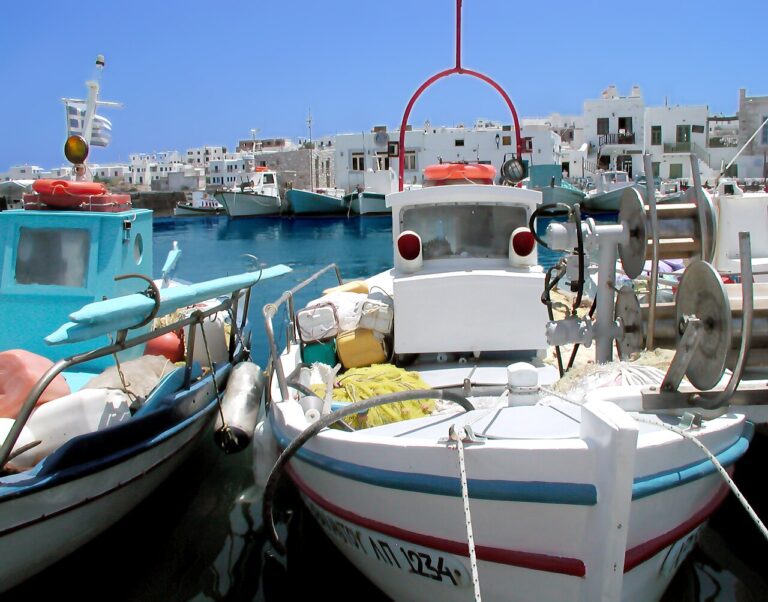
Klima is a tiny, impossibly photogenic settlement on the western coast with syrmata, the traditional two-story boat houses painted in vivid shades of red, yellow, and blue. Fishermen store their boats on the ground floor and sleep upstairs. The village has no tourist infrastructure to speak of, which is exactly why it remains one of the most authentic and beautiful spots in the Cyclades. Visit in the morning light for the best photos.
4. Plaka Village
The capital of Milos sits on a ridge above the island with panoramic views across the caldera and out to the sea. Wander the narrow streets, visit the Castro (the fortified Venetian settlement at the top), and watch the sunset from the upper terraces. The views are comparable to Santorini’s famous caldera sunsets, without the crowds or the premium pricing.
5. Catacombs of Milos
One of the most unusual sights in the Cyclades, the Early Christian catacombs near Tripiti date from the 1st century AD and are among the largest in the world outside Rome. The narrow underground tunnels once held thousands of burial niches. Guided tours run from the site entrance and take about 30 minutes. A genuinely fascinating and slightly eerie experience.
6. Ancient Theater and Venus de Milo Discovery Site
The limestone theater dates from the Hellenistic period and has been partially restored. Nearby is the spot where the famous Venus de Milo statue was discovered in 1820. The original is in the Louvre in Paris, but a replica stands in Plaka’s archaeological museum. Worth combining with a visit to Plaka and the catacombs as part of a cultural half-day.
7. Tsigrado Beach
One of the most dramatic beaches in Greece, Tsigrado requires climbing down a rickety ladder fixed to the cliff face (or swimming around from the tiny bay to the right if you don’t fancy the descent). The reward is a small, sheltered strip of sand with shallow turquoise water and almost total solitude even in summer. For those comfortable with the climb, it’s one of the most memorable beach experiences on the island.
8. Boat Trip Around the Island
Beyond the Kleftiko tours, a full circumnavigation of Milos by boat is one of the great experiences of the Cyclades. The volcanic coastline shifts constantly, revealing sea caves, colored rock formations, and hidden coves inaccessible by road. Several operators in Adamas offer full-day private or shared boat tours that circle the entire island.
Best Beaches in Milos
Milos has over 70 beaches, which is remarkable for an island of its size.
Sarakiniko: The famous lunar landscape. Striking and worth the visit, but go early or late.
Firopotamos: A quiet, sheltered bay with a small cluster of syrmata and calm, shallow water. Excellent for families.
Provatas: One of the longest sandy beaches on the island, with a beach bar and calm, clear water. Easier to reach by car than many alternatives.
Paliorema: Requires a short walk (or a boat) but rewards you with a sheltered bay, abandoned sulfur mines, and a historic loading dock. A favorite for swimmers and snorkelers.
Papafragas: Three narrow sea inlets cut into the volcanic rock, with crystal water and natural diving ledges. Not suitable for children but spectacular for those who can swim in open water.
Firiplaka and Tsigrado: Neighboring beaches on the southern coast, both accessible by car (though Tsigrado requires the famous ladder descent or a swim). Among the most beautiful white-sand beaches on the island.
What to Eat in Milos
Milos has a strong culinary tradition rooted in Cycladic ingredients.
Pitarakia: Small fried pies stuffed with cheese and herbs, a Milos specialty you’ll find at local bakeries and tavernas. Don’t leave without trying them.
Fresh fish and octopus: Order at the tavernas along Adamas harbor or in Pollonia. The octopus hanging to dry in the sun is one of the classic Greek island images, and it tastes as good as it looks.
Fourtalia: A local omelette made with eggs and potatoes, substantial enough to be a full meal and perfect for a casual lunch.
Kapama: A Milos-style meat dish slow-cooked with tomatoes, onions, and spices. Shows up on taverna menus in the evenings and is worth ordering.
Practical Tips for Milos
Cash: Carry euros. Many smaller tavernas, beach operators, and markets are cash-only. There are ATMs in Adamas.
Fuel: Fill up in Adamas. There is only one petrol station on the island, and it is not always open in the early morning.
Wind: Milos, like all Cycladic islands, gets strong meltemi winds in July and August. These can cancel boat tours, so build flexibility into your schedule. If a tour gets cancelled, it usually reschedules the next day.
Crowds at Sarakiniko: The first boats arrive around 9am. Getting there at 7am or 8am, or after 5pm, gives you the landscape almost to yourself.
Water: Tap water on Milos is drinkable but mineral-heavy. Many visitors prefer bottled water.
How Long to Spend in Milos
Three to four nights is the sweet spot for most visitors. That gives you time for the main beaches, a boat trip to Kleftiko, the villages of Plaka and Klima, and a relaxed day or two without rushing. If you are combining Milos with other Cycladic islands, two nights works, but you will feel like you are leaving too soon.
Getting to and from Other Islands
Milos connects well with other Cycladic islands via ferry. From Milos you can reach Santorini in about 3 to 4 hours, Naxos in 3 hours, and Paros in under 3 hours. Folegandros is a short 1 to 2 hour hop and makes an excellent quiet pairing with Milos.
For more Greece island inspiration, see our guides to Santorini, Mykonos, Naxos, and our complete Greece travel planning guide.
Final Thoughts on Milos
Milos is one of those islands that quietly earns a place on your list of all-time favorites. It doesn’t have Santorini’s fame or Mykonos’s party scene, and that is entirely to its advantage. What it has is a volcanic landscape unlike anything else in Greece, a fishing village that looks like a painting, beaches that reward the curious, and a pace of life that lets you breathe. We would go back in a heartbeat.
More Greece inspiration: Don’t miss our guides to Corfu, Thessaloniki, Rhodes, Meteora, and How Much Does a Trip to Greece Cost?