Disclosure: This post contains affiliate links. If you book through our links, we may earn a small commission at no extra cost to you. Thanks for supporting Faceted Travel!
Table of Contents
- The Short Answer
- Flights: $500 to $1,300 Per Person
- Accommodation: $80 to $400+ Per Night
- Food: $40 to $150+ Per Person Per Day
- Getting Around: $30 to $60 Per Person Per Day
- Activities and Sightseeing: $15 to $50 Per Person Per Day
- Sample Budgets: Three Real Trips
- Five Decisions That Move the Total Most
- What If You Are Not a Couple on a 10-Day Trip?
- Do Not Skip Trip Protection
- Our Honest Take
Every time we come home from France, someone asks the same two questions: “Was it amazing?” (yes) and “Wasn’t it expensive?” (less than you think, if you make a few smart choices). France has a reputation as a splurge destination, and Paris and the Riviera can absolutely drain a wallet at speed. But France also has some of the best value food, trains, and small hotels in Western Europe once you step off the most famous streets.
So here are the real numbers: what a France trip actually costs per person and per couple, where the money goes, and the specific decisions that move the total by a thousand dollars or more.
The Short Answer
For a 10-day trip for two people from the US, here is what we consider realistic totals in 2026:
- Budget: $3,500 to $5,000 total (hostels or simple hotels, bakery breakfasts, picnic lunches, trains booked early)
- Mid-range: $6,000 to $9,000 total (3-star boutique hotels, one nice restaurant meal daily, a couple of tours, first-class trains here and there)
- Comfortable splurge: $10,000 to $15,000+ total (4-star hotels in prime locations, Michelin dinners, private guides, business-class flights push it higher still)
Per person per day on the ground, excluding flights: roughly $90 to $130 budget, $175 to $275 mid-range, $350+ splurge. Paris and the Riviera sit at the top of each range; Brittany, Dordogne, and most small cities sit at the bottom.
Flights: $500 to $1,300 Per Person
Round-trip economy from the US to Paris typically lands between $550 and $950 depending on season and departure city, with East Coast departures cheapest. Shoulder-season fares (April, May, October) from hubs like New York, Boston, or Atlanta regularly dip into the $500s; summer peak from smaller cities can push $1,200+.
Three ways we keep this line down:
- Fly shoulder season. The weather in May and September is arguably better than July anyway, and everything else on this list costs less too. Our best time to visit France guide breaks down the seasons region by region.
- Book at the right moment. For transatlantic flights that usually means 2 to 5 months out; our best time to book flights guide covers the timing rules that actually hold up.
- Use points for the big ticket. Flights are the single best use of credit card points on a France trip. Our guide to using points and miles for nearly free flights walks through how we fly to Europe for taxes and fees.
Accommodation: $80 to $400+ Per Night
This is the biggest on-the-ground variable, and the one where location strategy matters most.
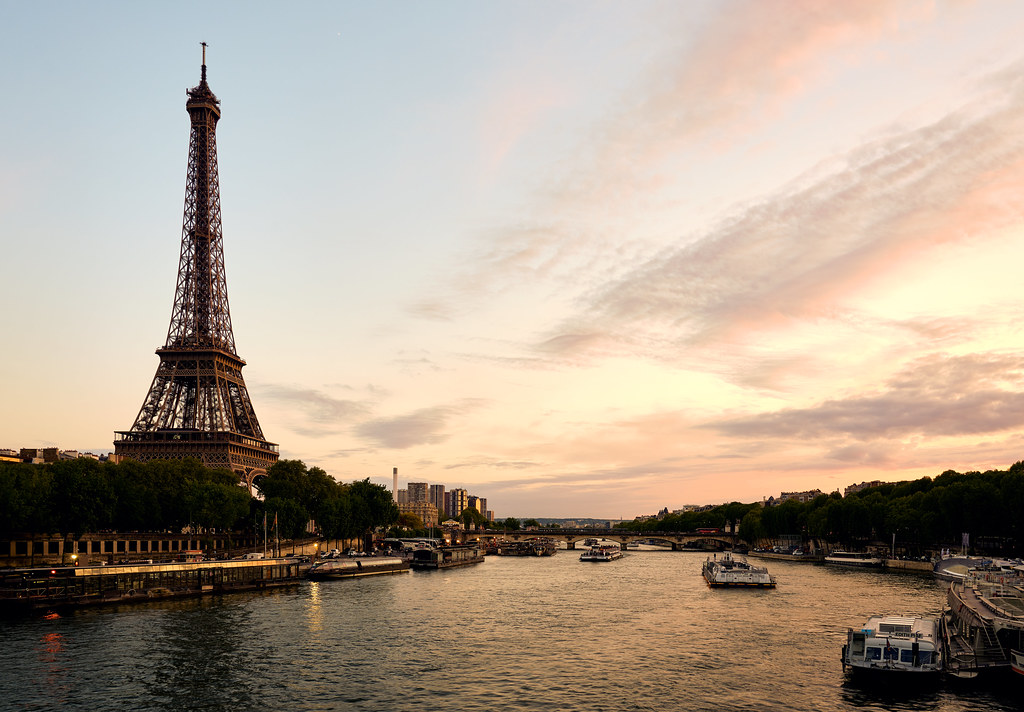
Paris is the expensive anchor. Budget hotels in walkable arrondissements run $120 to $180, decent 3-star boutiques $200 to $320, and anything with a view or a famous address climbs fast from there. Dropping from the 1st or 6th arrondissement to the 10th, 11th, or Batignolles saves $75+ a night without hurting the trip; the Métro erases the distance.
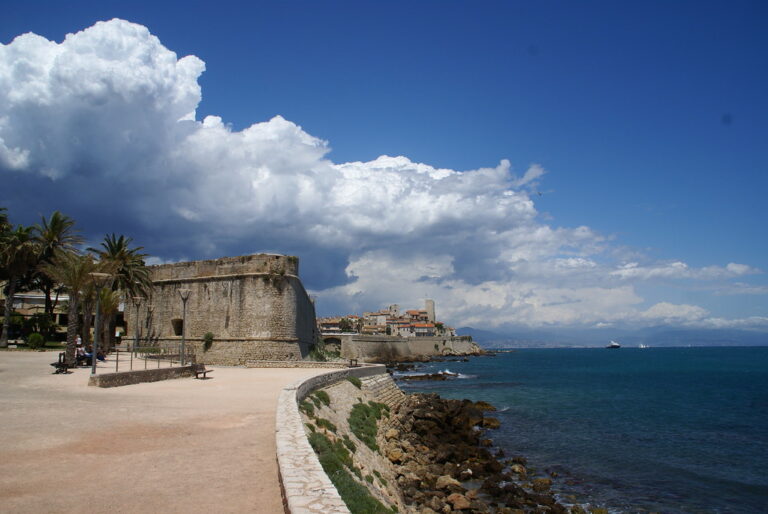
The Riviera in summer matches Paris prices in Nice and exceeds them in Cannes and the cape towns. Our trick, covered in our Antibes travel guide, is basing in the mid-size towns between the famous ones: same sea, same trains, 30 percent less per night.
Everywhere else is the good news. Lyon, Bordeaux, Strasbourg, Annecy, and the small-city heartland offer lovely 3-star hotels for $110 to $180, chambres d’hôtes (French B&Bs, often with spectacular breakfasts) for $90 to $150, and rural gîtes that make weeklong stays cheap. A trip that splits Paris with the provinces will average far below a Paris-only number.
Realistic 10-night lodging total for two: $1,000 to $1,400 budget, $2,000 to $3,000 mid-range, $4,000+ splurge.
Food: $40 to $150+ Per Person Per Day
Here is the secret that makes France affordable: the everyday food is phenomenal, and the everyday food is cheap.
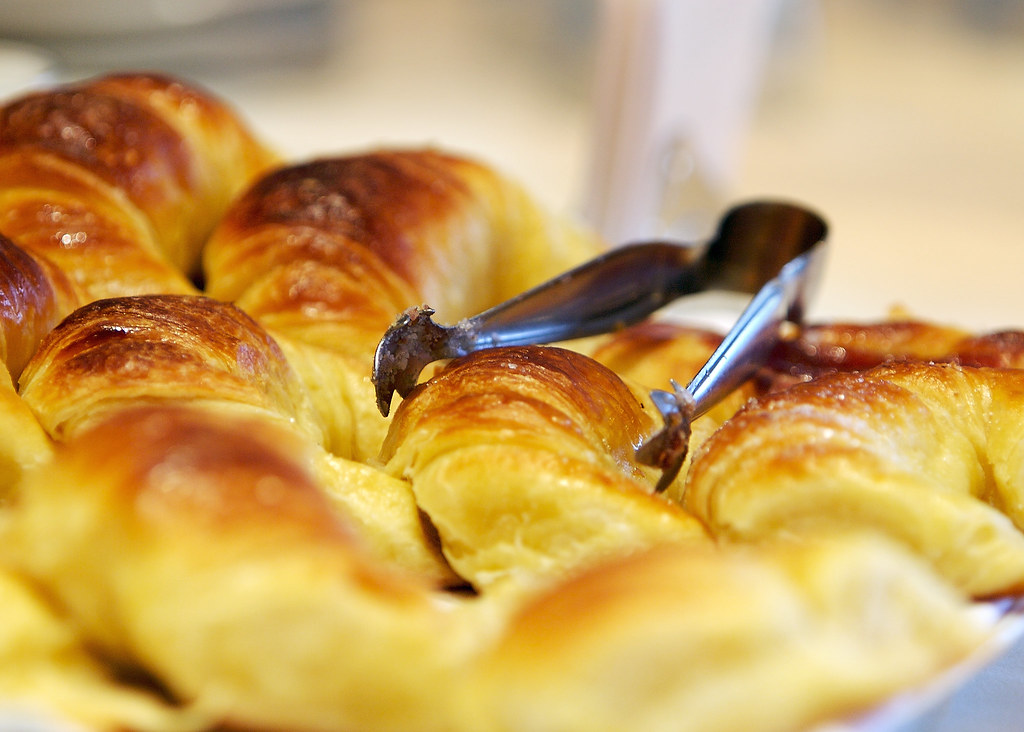
- Bakery breakfast: a croissant and a coffee runs $4 to $6. A full hotel breakfast at $15 to $25 per person is almost never worth it. Go to the boulangerie.
- The lunch formule is the best deal in Europe. The fixed-price lunch menu (two or three courses, often with wine) at bistros runs $18 to $30 for cooking that would cost double at dinner. Make lunch your big restaurant meal and you eat like royalty on a budget.
- Picnics are a feature, not a compromise. Market cheese, a baguette, fruit, and a $8 bottle of perfectly good wine make the best meal of many France days, eaten in a park or on a riverbank.
- Dinner at a neighborhood bistro runs $30 to $50 per person with wine; famous-name restaurants and anything with a Michelin star start around $100 and climb past $400 for the temples.
Realistic daily food spend for two: $80 to $110 budget (bakery, picnic, bistro), $150 to $220 mid-range, $300+ if you chase stars. Wine mercifully stays cheap: good bottles at restaurants from $25, at shops from $6.
Getting Around: $30 to $60 Per Person Per Day
France’s TGV high-speed trains are the envy of the world and the backbone of any multi-city trip: Paris to Lyon in 2 hours, to Bordeaux in 2h04, to the Riviera in 5.5. The pricing works like airlines: book 2 to 3 months early and pay $30 to $60 per leg; walk up on the day and pay $120+. The low-cost Ouigo trains cut fares further if you pack light.
- City transit: Métro and tram day passes run $6 to $9. Paris is also one of the world’s great walking cities; we averaged 20,000 steps and half our planned Métro budget.
- Rental cars make sense only for the countryside: Provence villages, Dordogne, wine routes, Normandy’s D-Day coast. Figure $45 to $75 a day plus gas ($7+/gallon equivalent) and tolls ($20 to $40 per long highway stretch). Skip the car entirely in cities; parking is expensive misery.
- Taxis/rideshare from Paris airports run a flat $60 to $70 to central Paris; the RER train does it for $13.
Realistic 10-day transport total for two, multi-city by train: $400 to $700 booked early.

Activities and Sightseeing: $15 to $50 Per Person Per Day
France’s headline attractions are reasonably priced, and an enormous amount is free: every cathedral, most of Paris’s best neighborhoods, the Riviera’s coastal paths, market mornings, and all those riverbanks.
- Museums: the Louvre runs about $24, the Orsay $18, Versailles $22+. The Paris Museum Pass (2/4/6 days) pays off if you hit two majors a day. EU residents under 26 and kids get in free almost everywhere.
- Tours: a good walking tour runs $25 to $40, day trips from Paris (Versailles, Giverny, D-Day beaches, Champagne) $100 to $200 with transport. We book most of ours through Viator’s Paris listings, which cover the whole country’s highlights.
- The free stuff is the trip. Our favorite Riviera day, the Cap d’Antibes coastal path, cost zero dollars. Same for Montmartre at sunrise and the walled ramparts of half the towns we love.
Sample Budgets: Three Real Trips
The $4,200 trip (two people, 10 days, budget-smart): shoulder-season flights on points plus taxes ($400), Paris 4 nights in the 11th + Lyon 3 + Annecy 3 in simple hotels ($1,150), bakery-picnic-bistro eating ($900), trains booked 10 weeks out ($380), museums and one paid tour ($350), transit, coffees, and buffer ($1,000). This trip misses nothing that matters.
The $7,500 trip (two people, 10 days, mid-range): cash flights in May ($1,500), boutique 3-stars split Paris/Riviera ($2,600), one restaurant meal daily plus market lunches ($1,700), first-class TGV legs ($500), tours including a Champagne day trip ($600), everything else ($600). This is the trip we would book for friends.
The $13,000 trip (two people, 10 days, splurge): peak flights with seat upgrades ($2,600), 4-star hotels in the 6th and on the Riviera ($4,800), two Michelin dinners plus daily restaurant meals ($2,800), private transfers and guides ($1,600), the rest ($1,200). Wonderful, and honestly not twice as fun as the $7,500 version.
Five Decisions That Move the Total Most
- Season beats everything. May, early June, September, and October cut flights and hotels 25 to 40 percent versus July and August, with better weather than the brochures admit.
- Split Paris with the provinces. Every night moved from Paris to Lyon, Annecy, or the Dordogne saves $75 to $150 and usually improves the eating. Our Annecy travel guide makes the case for the single prettiest swap.
- Book trains like flights. Early TGV booking saves a couple literally hundreds across a multi-city trip.
- Lunch big, dinner small. The formule flips the usual restaurant math in your favor every single day.
- Points on the flights, cash on the ground. France’s on-the-ground value is strong; its transatlantic airfare is where points earn their keep.
What If You Are Not a Couple on a 10-Day Trip?
The math scales predictably. Solo travelers should budget about 65 to 70 percent of the couple totals, not half: hotel rooms cost the same alone, though food and activity costs drop cleanly. Hostels (excellent in Paris and Lyon, $40 to $60 a bed) close the gap for budget solo trips. Families can actually do France cheaper per person than couples: apartments and gîtes sleep four for the price of 1.5 hotel rooms, kids eat brilliantly from bakeries and markets, and children get into nearly every museum in the country free. Figure a family of four spends 2.5 to 3 times the solo budget, not four times. Shorter trips cost disproportionately more per day because the flight is fixed: a 6-day trip for two still runs $4,500 to $6,500 mid-range. If you have crossed the Atlantic, stay at least 9 or 10 days; the per-day price of the trip falls every extra morning you wake up to that bakery.
Do Not Skip Trip Protection
A France trip front-loads money: nonrefundable flights, prepaid hotels, train tickets bought months out. One strike, one storm, or one sprained ankle on a cobbled lane can put four figures at risk. We compare the options in our best travel insurance for Europe guide; for a $6,000+ trip the premium is usually 4 to 6 percent, which is the cheapest peace of mind on this list.
Our Honest Take
A wonderful France trip for two costs $6,000 to $8,000 for ten days, and a merely disciplined one costs $4,500. That is real money, but it is less than the mythology suggests, and the levers are all in your control: season, city mix, train timing, and the glorious economics of the lunch formule. France rewards planners more than almost any country we cover.
Set the budget, book the shoulder season, and go. The croissants are waiting, and they cost four dollars.
Planning the trip itself? Our How to Plan a Trip to France guide covers routes, trains, and timing step by step, the best time to visit France breaks down the seasons, and if you are comparing destinations, How Much Does a Trip to Europe Cost? puts France beside its neighbors.
Keep Reading