Disclosure: This post contains affiliate links. If you book through our links, we may earn a small commission at no extra cost to you. Thanks for supporting Faceted Travel!
Table of Contents
Gothenburg surprised us more than any city we visited in Sweden. We came expecting a scruffy port town, a place to catch our breath between Stockholm and Copenhagen, and instead found canals lined with cafes, a car-free archipelago twenty minutes from downtown, and the best seafood either of us has eaten in Europe. By day two we were asking each other the dangerous question: why does nobody talk about this place?
Sweden’s second city sits on the west coast, facing Denmark across the Kattegat, and it has a completely different personality from the capital. Where Stockholm is polished and grand, Gothenburg is warm, a little industrial around the edges, and disarmingly friendly. Swedes themselves will tell you the west coast is where the country relaxes.
Why Gothenburg Is Worth the Trip
Three things make Gothenburg worth building into any Scandinavia itinerary.
First, the seafood. Gothenburg sits next to some of the coldest, cleanest shellfish waters in the world, and the langoustines, oysters, and shrimp that come out of them are a genuine reason to route a trip through this city. There is a reason the town’s fish market is housed in a building that looks like a church: locals call it Feskekôrka, the Fish Church, and the name is only half a joke.
Second, the southern archipelago. Stockholm gets the fame for its islands, but Gothenburg’s are car-free, reachable on a regular transit ticket, and almost eerily quiet. You can be standing on smooth granite slabs watching sailboats an hour after leaving your hotel.
Third, the scale. Gothenburg has around 600,000 people, which means you can walk most of the center, trams cover everything else, and nothing ever feels like a fight. After the crowds of the big-name capitals, that ease is worth a lot.
We spent three nights here as part of a bigger Sweden loop, and it balanced beautifully against the capital. If you are planning that route, our Stockholm, Sweden travel guide covers the other half of the trip, and the two cities are just over three hours apart by train.
Best Time to Visit Gothenburg
June through August is the sweet spot. The archipelago ferries run constantly, the outdoor cafes along the Haga district stay full until 10pm under the long northern light, and the water gets warm enough for the brave to swim. This is when Gothenburg feels most alive, and even in peak season it never approaches Stockholm-level crowds.
May and September are the value months. The weather is a coin flip, but hotel rates drop noticeably, and the light in September turns the harbor gold in the evenings.
October through April is dark, wet, and windy: this is a North Sea port city in winter. That said, December has real charm, because Liseberg amusement park transforms into one of Scandinavia’s biggest Christmas markets, all glögg and candlelight and several million fairy lights.
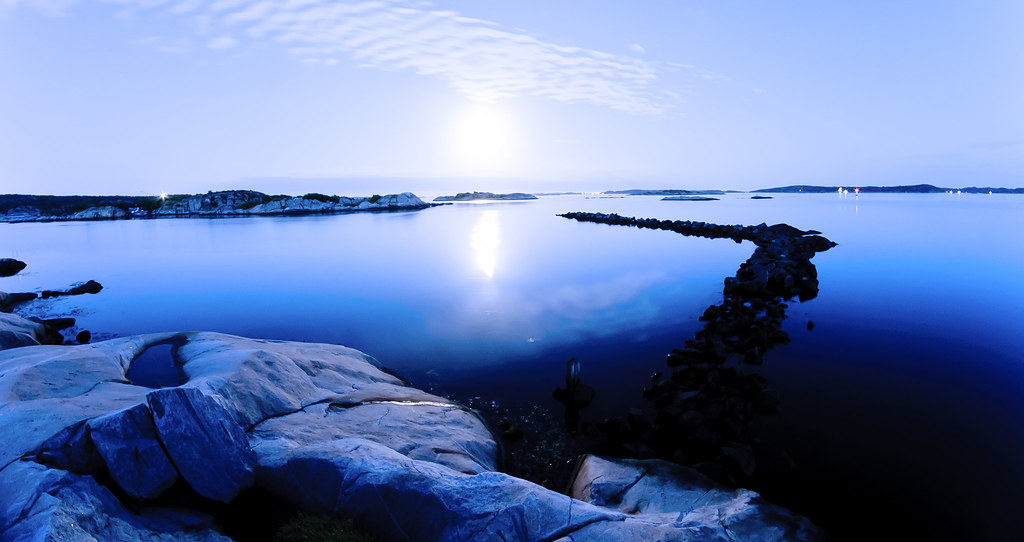
Our take: aim for June or late August, exactly like the rest of coastal Scandinavia. We were there in summer and the long evenings on the water were the highlight of the trip.
Things to Do in Gothenburg
Eat Your Way Through Feskekôrka and the Seafood Scene
Start at the Fish Church, the 1874 fish market hall on the canal, which reopened a few years ago after a long renovation with seafood bars and counters where you can eat what the boats brought in that morning. Order the shrimp sandwich, a west coast institution: an open-faced pile of hand-peeled shrimp on buttered bread with mayonnaise and dill. It costs more than a sandwich should and it is worth every krona. For a longer meal, book a table at one of the seafood restaurants in the Haga or Linné districts and order the langoustines. They are sweeter than lobster and half the price.
Ferry Out to the Southern Archipelago
This was our favorite half day in the city. Take tram 11 to Saltholmen, then hop a ferry (the same transit ticket covers it) to the car-free islands. Styrsö and Vrångö are the classic picks. Vrångö, the southernmost, has a marked walking trail that loops the island past swimming coves and fishing huts in about an hour. Bring swimsuits, buy an ice cream at the harbor kiosk, and do absolutely nothing else. It is perfect.
Stroll the Haga District
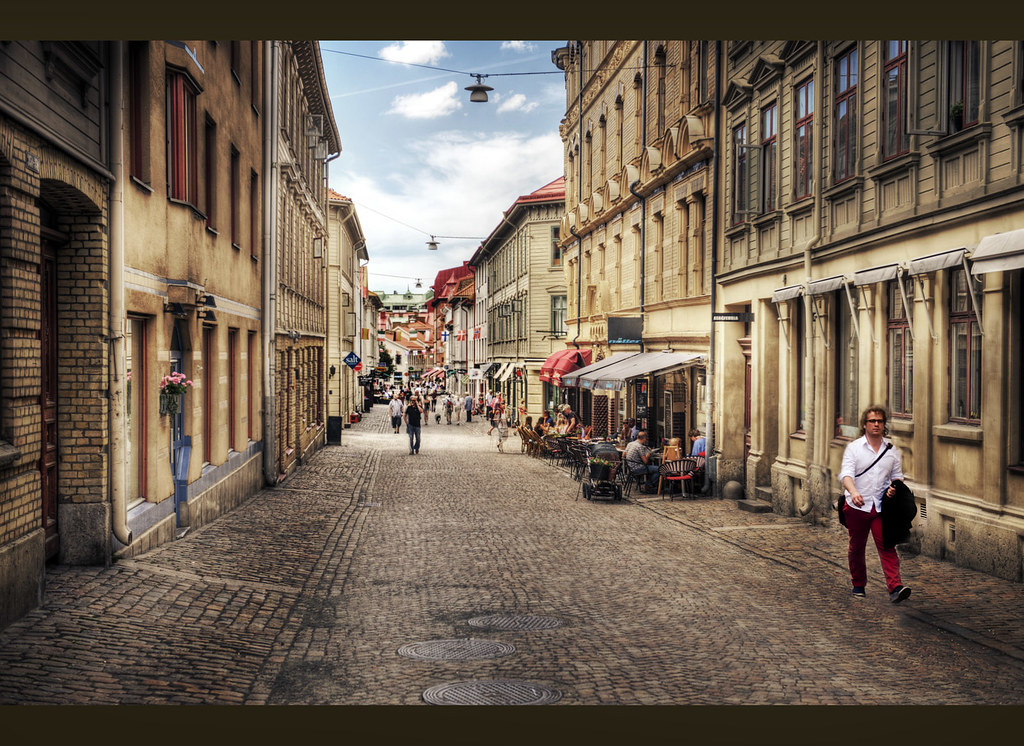
Haga is Gothenburg’s oldest neighborhood, a grid of cobbled streets and wooden houses that survived demolition plans in the 1970s and is now the city’s most charming quarter. The main street, Haga Nygata, is lined with cafes, vintage shops, and bakeries selling the neighborhood specialty: cinnamon buns the size of dinner plates, called hagabullen. One is enough for two people. In theory.
Ride the Rides at Liseberg
Scandinavia’s biggest amusement park sits right in the middle of the city, and it is far better than a city amusement park has any right to be. The wooden coaster Balder and the drop tower AtmosFear (with views over the whole city on the way up, briefly) headline, but the park’s gardens, concerts, and general polish make it worth an evening even if you are not a coaster person. In summer it stays open late; in December it becomes the Christmas market.
Take Your Fika Seriously
Gothenburg claims, with some evidence, to have Sweden’s best coffee culture. The daily coffee-and-bun ritual of fika is not optional here. Da Matteo in the Magasinsgatan district is the local standard-bearer, and the courtyard tables are prime people-watching. Budget an hour. Fika is not a to-go culture.
Museums for a Rainy Day
The Volvo Museum tells the story of the city’s most famous export and is more fun than it sounds, even for non-car people. The Gothenburg Museum of Art on Götaplatsen holds a strong Nordic collection, including Zorn and Larsson, and the Maritime Museum’s collection of historic ships floats right in the harbor. This is a port city with North Sea weather, so keep one of these in your back pocket.
Day Trip Up the Bohuslän Coast
If you have a spare day and a rental car (or a summer bus ticket), the coastline north of Gothenburg is one of Scandinavia’s great secrets: thousands of smooth granite islands, red fishing huts, and villages like Marstrand and Smögen that look painted for a postcard. Marstrand, an hour away, pairs a car-free island town with a 17th-century fortress you can wander at will. Fjällbacka, further north, sits beneath a granite cliff with views over the whole archipelago and serves shrimp that were swimming that morning. In summer you can even take a seal safari or join a lobster fishing tour, depending on the season. It is the day trip we recommend to everyone who has already fallen for the southern islands and wants more.
Where to Stay in Gothenburg
Inom Vallgraven (city center): The area inside the old moat holds most of the sights, the canals, and the shopping streets. Staying here means walking everywhere. Best for first-timers.
Haga/Linné: The charming option. Cobbled streets, cafes, and a neighborhood feel, still only a 15-minute walk from the center. This is where we stayed and we would pick it again.
Avenyn area: The boulevard district near Götaplatsen has larger hotels, good tram links, and easy access to Liseberg. Slightly less character, often better rates.
Gothenburg’s hotel prices sit noticeably below Stockholm’s, which makes it a good place to spend a little more for a nicer room. Summer weekends still book out, because half of Sweden vacations on this coast.
Where to Book
- Hotels: Booking.com’s Gothenburg listings cover every neighborhood; filter for Inom Vallgraven to be central or Haga for charm, and book early for June through August.
- Tours and activities: Viator’s Gothenburg tours include archipelago cruises, canal boat tours, food walks through Haga, and day trips up the Bohuslän coast; the canal tour is a great first-morning orientation.
How to Get There and Around
Gothenburg Landvetter Airport has direct flights from most major European hubs, and the airport bus reaches the center in 30 minutes. From Stockholm, the fast train takes just over three hours and drops you at Central Station downtown; from Copenhagen, the train crosses the Öresund Bridge and runs up the coast in about three and a half hours, which makes Gothenburg an easy link between the two capitals.
In town, buy a transit ticket that covers trams, buses, and the archipelago ferries. The trams are the city’s veins and no ride across the center takes more than 15 minutes. We never once wanted a car, and on the islands you could not use one anyway.
What It Costs
Gothenburg runs 15 to 25 percent cheaper than Stockholm across the board. Comfortable hotel doubles land around $120 to $180 in summer, a shrimp sandwich lunch runs $15 to $20, and a nice seafood dinner for two with wine comes in around $90 to $120. Transit tickets, museum entries, and ferry rides are all reasonable. Sweden is card-only in practice, so do not bother with cash. For a full breakdown of what a Nordic trip actually costs, our How Much Does a Trip to Scandinavia Cost? post covers budgets in detail.
A Perfect Day in Gothenburg
Start with coffee and a cinnamon bun in Haga before the day-trippers arrive. Walk the canal to Feskekôrka for an early shrimp sandwich lunch. Take tram 11 to Saltholmen and spend the afternoon on Vrångö, walking the island loop and swimming off the rocks. Ferry back in the golden evening light, shower, and have a long langoustine dinner in Linné. If it is summer, the sky will still be bright when you finish. End with a walk along the harbor, where the cranes of the old shipyards glow across the water.
Gothenburg With Kids
Liseberg alone makes this an easy family stop, and Universeum next door, a seven-story indoor rainforest and science center complete with sharks and sloths, covers the rainy days. The archipelago ferries are an adventure that costs nothing extra, the islands have shallow swimming coves, and the trams entertain transit-minded kids all by themselves. Like everywhere in Sweden, the city is built with families in mind: strollers ride free, and every cafe seems to have a kids’ corner.
Our Honest Take
Gothenburg is the best kind of second city: confident, unhurried, and genuinely itself. It does not have Stockholm’s grandeur, and it does not want it. What it offers instead is Sweden with the volume turned down: better seafood, friendlier locals, an archipelago without the crowds, and prices that leave room in the budget for that second langoustine platter. If your Scandinavia trip has four spare days, give them to the west coast. We are already plotting a return trip up the Bohuslän coast, and that is usually the surest sign a city won us over.
Planning a Scandinavia trip? Start with our Stockholm, Sweden travel guide for the capital, add our Copenhagen, Denmark travel guide for the Danish side of the Öresund, and budget the whole route with How Much Does a Trip to Scandinavia Cost?
Keep Reading