Disclosure: This post contains affiliate links. If you book through our links, we may earn a small commission at no extra cost to you. Thanks for supporting Faceted Travel!
Table of Contents
- The Short Answer
- Summer in Norway: Late June Through August
- Northern Lights Season: Late September Through March
- Midnight Sun: Late May Through Late July
- Shoulder Seasons: May and September
- Winter Outside the Aurora Conversation
- Matching the Season to Your Trip
- Weather Reality Check
- What to Pack, by Season
- Booking Timing and Cost
- What We Would Actually Do
- Where to Book
- The Bottom Line
Norway is the only country where we have given genuinely opposite advice to two different friends in the same week. One wanted northern lights, so we told her to go in February. The other wanted to hike above a fjord in daylight that never ends, so we told him to go in late June. Both were right, and they were describing two completely different countries.
That is the whole challenge with timing a Norway trip. This is a long, thin country stretching about 1,100 miles from the southern coast into the Arctic, and the “best” month depends entirely on what you came for. So instead of naming one month, we are going to walk you through what each season actually delivers, then match seasons to trip types.
The Short Answer
For fjords, hiking, and long days: late June through August.
For northern lights: late September through late March, with the best odds from October to February.
For the best balance of decent weather, lower prices, and thinner crowds: May and September.
For midnight sun above the Arctic Circle: late May through late July.
For the lowest prices: November and January, outside the Christmas and New Year window.
Now the detail.
Summer in Norway: Late June Through August
This is Norway’s headline season and for good reason. Days are enormously long, roads and mountain passes are open, ferries and tourist boats run at full frequency, and everything in the country is accessible.
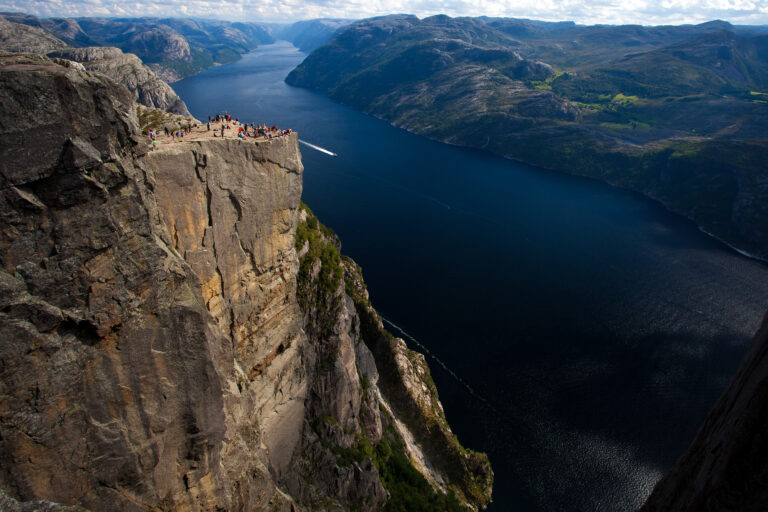
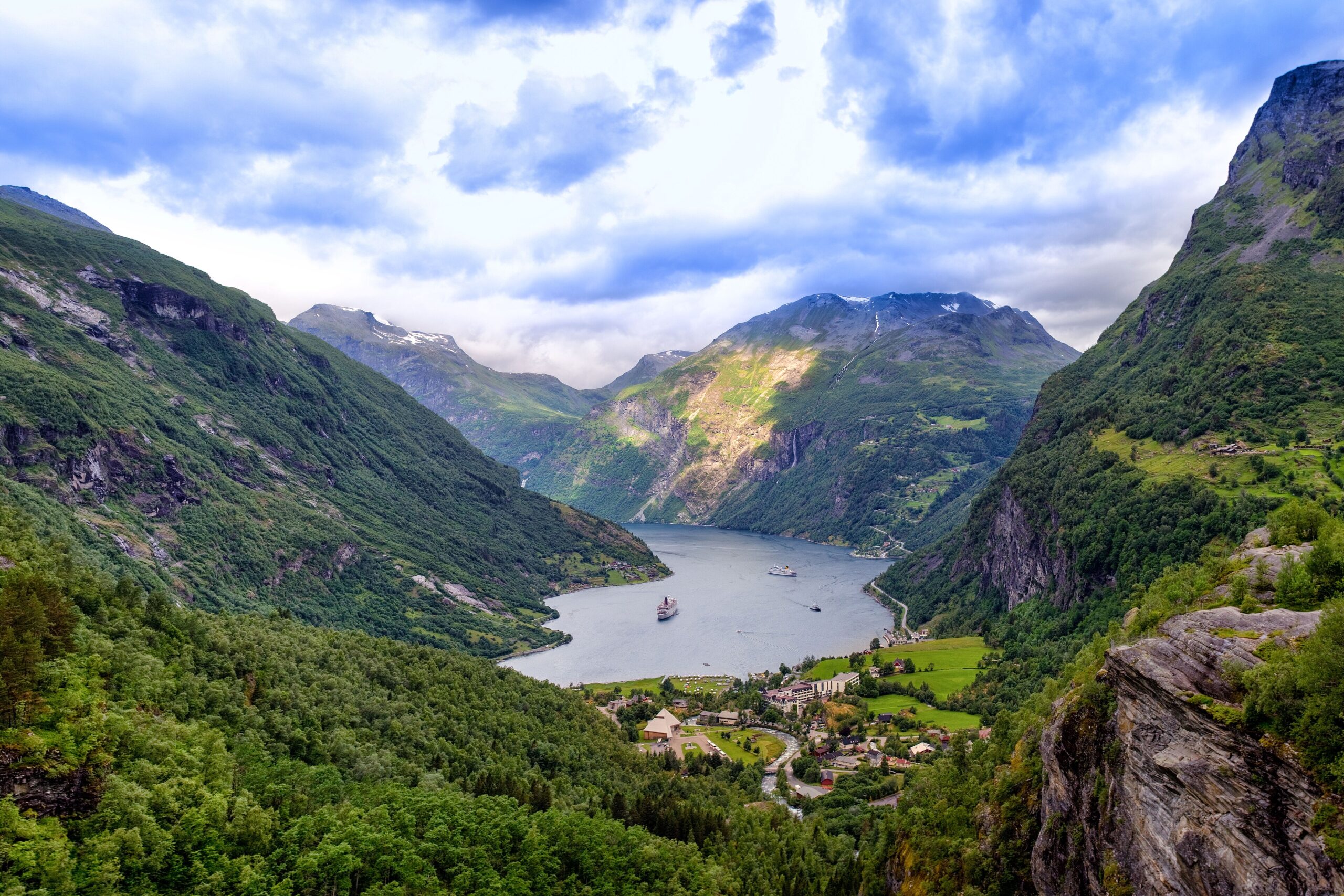
What it delivers: Fjord cruises operating on full schedules. Hiking trails to Trolltunga, Preikestolen, and the Romsdalseggen ridge clear of snow. Midnight sun in the north. Every scenic road, including the Atlantic Road and the Trollstigen switchbacks, open. Outdoor dining, harbor swimming, and festival season in the cities.
Temperatures are mild rather than hot. Coastal cities like Bergen and Oslo typically run in the 60s Fahrenheit with occasional pushes into the 70s. It is sweater weather much of the time, and the mountains are colder.
The catch: this is peak everything. Hotel rates are at their annual high, the Bergen Railway and popular fjord cruises sell out weeks ahead, and the well known viewpoints get genuinely crowded in July. Bergen is also famously rainy, averaging rain on a majority of days even in summer.
Our take: if this is your first Norway trip and the fjords are the point, take the hit and go in summer. Aim for the second half of June or the last week of August to shave the worst of the crowds while keeping long days.
Northern Lights Season: Late September Through March
The aurora requires darkness, and Norway does not have meaningful darkness in the north from late May to late July. So the season is roughly late September through late March.
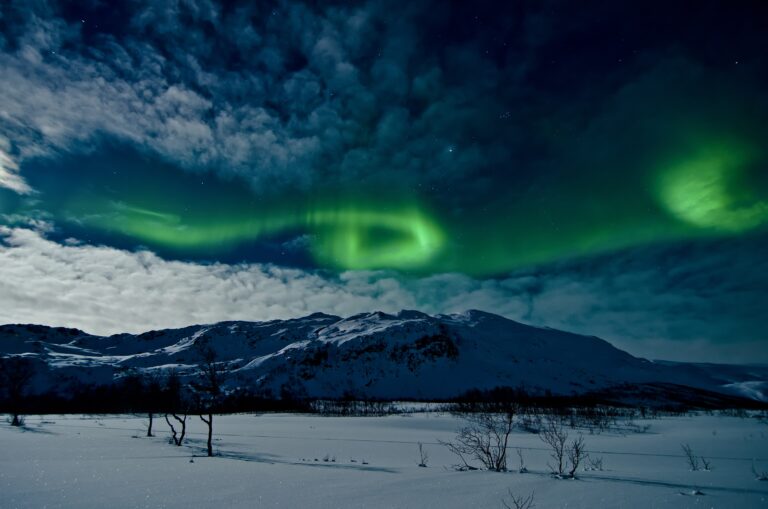
Best odds come from a combination of three things: high latitude, clear skies, and long nights. That points to the Arctic north, which is why Tromsø is the aurora capital of the country. The Lofoten Islands are also excellent and dramatically more scenic as a backdrop.
Month by month within the season:
Late September and October give you dark nights plus fall color and slightly milder temperatures. Underrated window.
November is dark, wet, and cheap. Aurora odds are fine but cloud cover is the enemy.
December and January bring the polar night in the far north, meaning the sun does not clear the horizon at all. It is dim blue twilight around midday, which is beautiful and strange. Cold, expensive around the holidays, and very atmospheric.
February and March are our pick. Long dark nights, more stable weather, deep snow for dog sledding and snowmobiling, and increasing daylight hours so you can actually do things during the day. March in particular gives you real daytime plus real aurora nights.
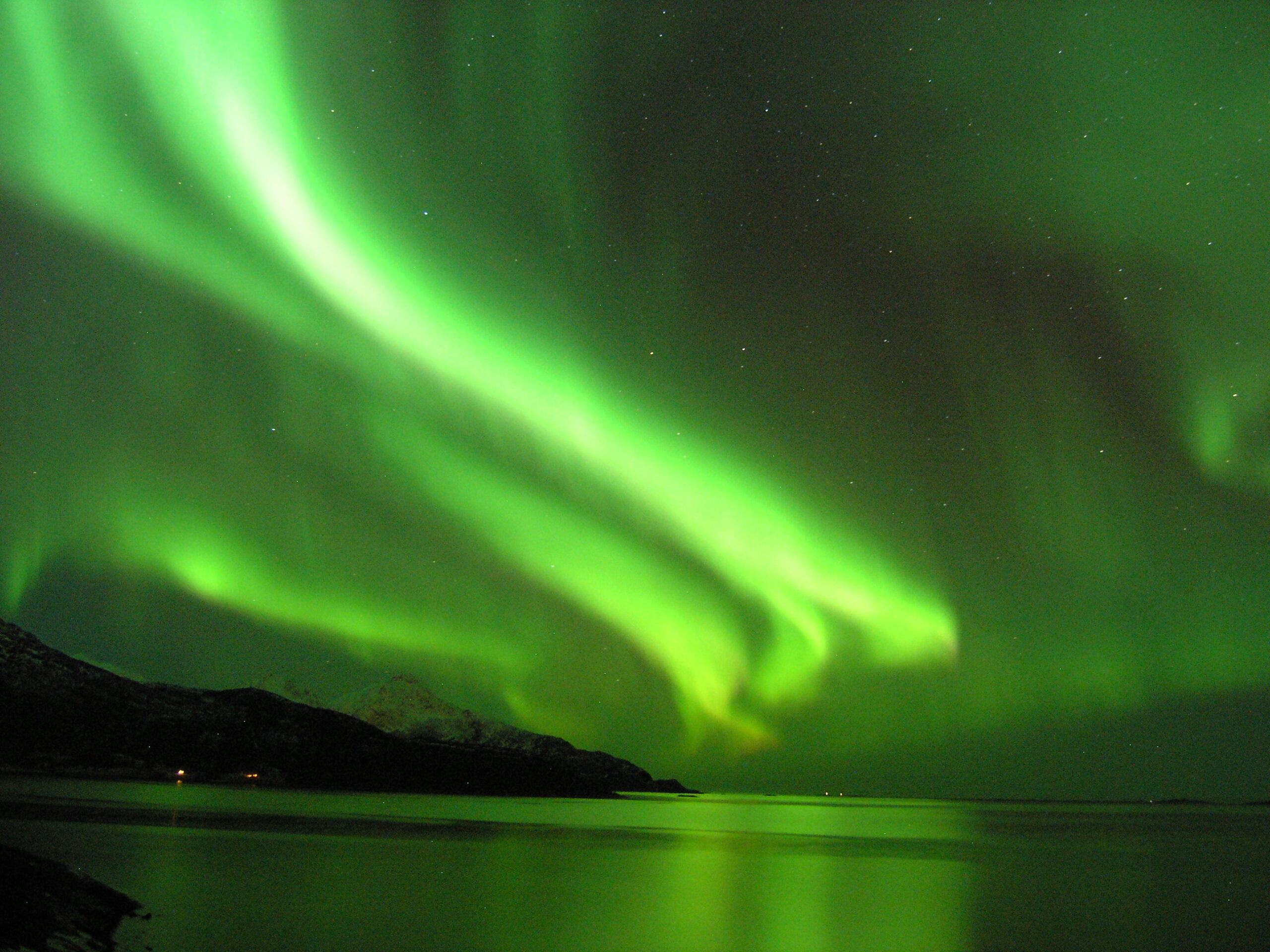
Important expectation setting: the aurora is a weather-dependent natural phenomenon. Three clear nights in the Arctic gives you good odds. One night gives you a coin flip. Build in time.
Midnight Sun: Late May Through Late July
Above the Arctic Circle, the sun genuinely does not set for part of the summer. In Tromsø that runs roughly from late May to late July. In the Lofoten Islands the window is similar.
It is a genuinely disorienting experience. We hiked at 11pm in full daylight and it never stopped feeling wrong in the best possible way. Bring a sleep mask, seriously, because Nordic hotel curtains are not always up to the job.
Even south of the Arctic Circle, midsummer nights barely go dark. In Oslo in late June, there is usable light past 11pm.
Shoulder Seasons: May and September
These are the two months we recommend most often to travelers who have some flexibility.
May brings waterfalls at full volume from snowmelt, orchards in bloom in the Hardanger fjord region, rapidly lengthening days, and prices well below summer. The catch is that some high mountain roads and trails are still closed, and Trollstigen in particular usually does not open until late May at the earliest.
September brings fall color, still-open ferries and trails through most of the month, far fewer people, and softer prices. Early September is basically summer with fewer crowds. By late September you are getting dark enough nights that aurora becomes possible in the north, which makes late September a rare month where you might get both hiking and northern lights.
If someone told us they had one week and wanted the best overall value, we would say the first two weeks of September without hesitating.
Winter Outside the Aurora Conversation
Even if the northern lights are not your goal, Norwegian winter has real appeal. Oslo has lit cross country ski trails inside the city limits. Bergen in December is all candles and wooden houses. The Flåm Railway and Bergen Railway run year round through snow-covered plateau scenery that is arguably more dramatic than the summer version.
Winter is also when Norway is cheapest, with the sharp exception of Christmas week and New Year.
The trade-off is daylight. In December, Oslo gets about six hours of usable light and the far north gets none. Plan short days and long dinners.
Matching the Season to Your Trip
Classic fjords trip (Bergen, Flåm, Geiranger): June through August, or early September. The tourist boats and shuttle buses that make this route work run on a summer schedule. See our Bergen travel guide for the gateway city.
Northern lights trip: February or March in Tromsø or Lofoten. Give yourself at least four nights.
Big hiking trip: July and August only. Preikestolen has a longer season, but Trolltunga and the high ridges are realistically a summer proposition.
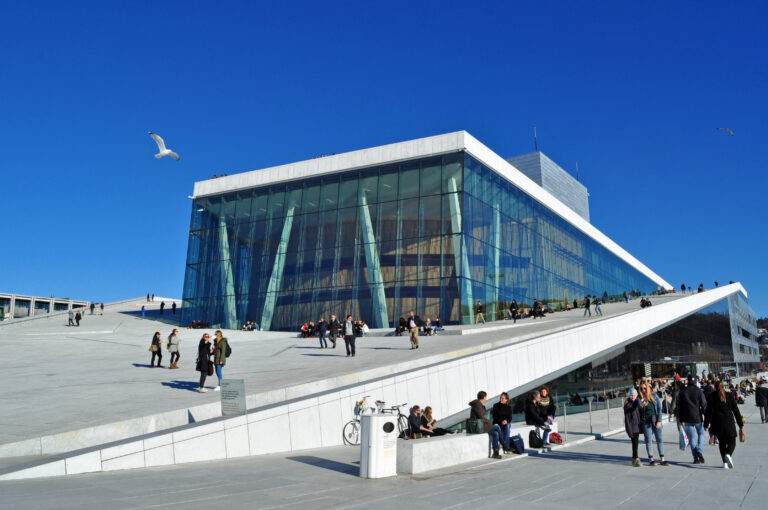
City break (Oslo and Bergen): any month works. Late spring and early fall are most pleasant, winter is cheapest and cozy.
Road trip on the scenic routes: mid-June through early September, when the mountain passes are reliably open.
Cruise: May through September is the operating season for most fjord itineraries.
Budget-first trip: November or January. Cold, dark, and genuinely affordable by Norwegian standards.
Weather Reality Check
Two things surprise most first-time visitors.
First, Norway is milder than its latitude suggests, thanks to the Gulf Stream. Tromsø sits well above the Arctic Circle but has milder winters than a lot of inland Canada. Coastal winter temperatures often hover near freezing rather than far below it.
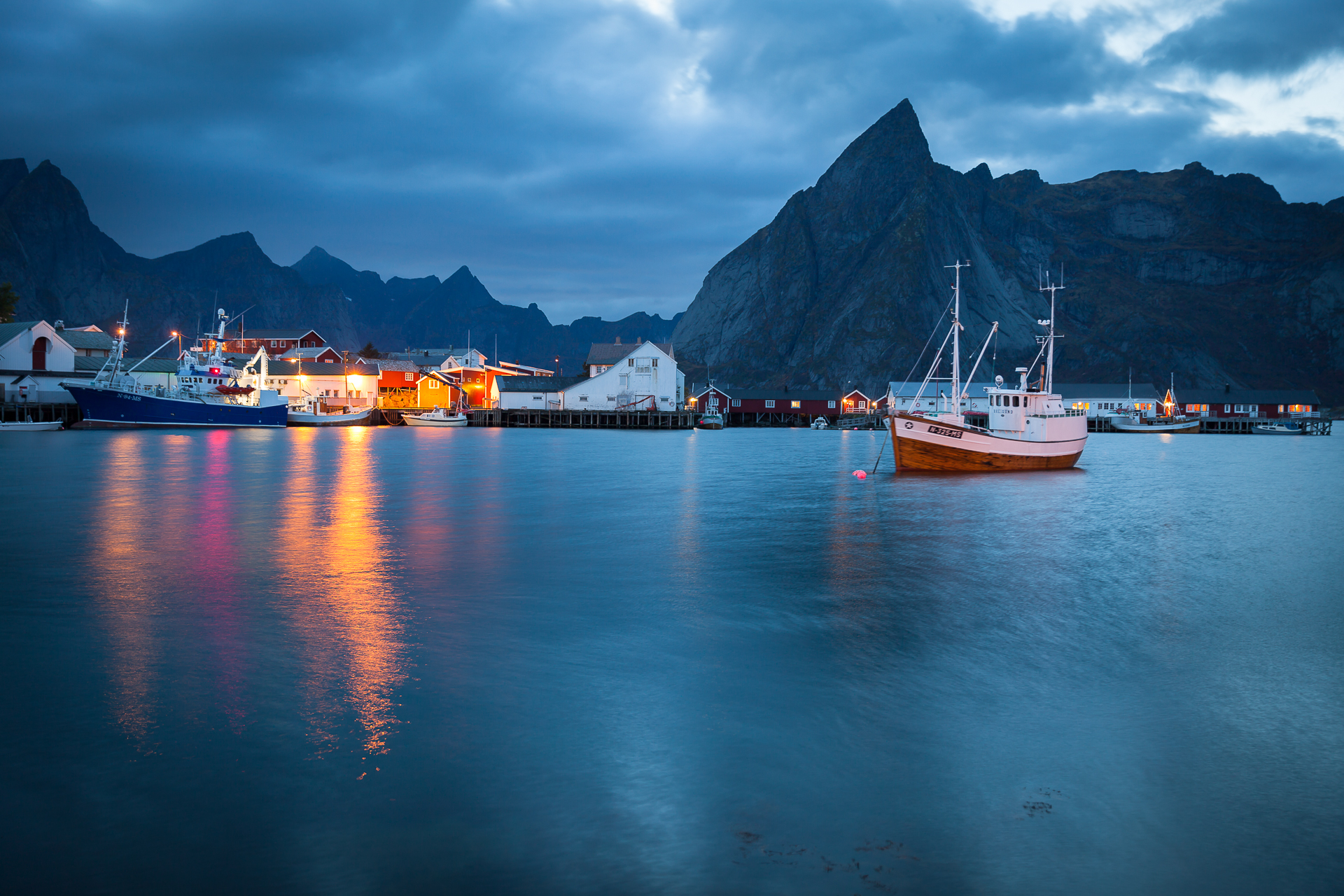
Second, the west coast is wet. Bergen averages well over 200 rainy days a year. This is not a reason to avoid it, but it is a reason to pack a proper rain shell and to plan indoor backups. Norwegians have a saying about there being no bad weather, only bad clothing, and they mean it.
Inland and eastern Norway, including Oslo, is drier and has more temperature extremes, colder winters and warmer summers than the coast.
What to Pack, by Season
Summer: layers rather than warm clothes. A light insulated jacket, a proper waterproof shell, quick-dry hiking pants, and one warm hat, because fjord boats and mountain viewpoints are much colder than the town you left. A sleep mask is not optional above the Arctic Circle.
Shoulder season: everything above, plus a warmer mid layer and waterproof footwear. May and September both produce rain and wind on the coast.
Winter: real thermal base layers, an insulated waterproof outer layer, wool socks, traction cleats for icy city sidewalks, and mittens rather than gloves. Most aurora tour operators lend heavy thermal suits, so you do not need to buy expedition gear for a few nights outside.
Year round, wool beats cotton in Norway. The locals are right about this.
Booking Timing and Cost
Norway is expensive year round, so the timing of your booking matters as much as the timing of your trip.
Flights: Norway routes reward early booking more than most European destinations, particularly for summer. Our full breakdown is in best time to book flights.
Trains: the Bergen Railway and Flåm Railway release cheap advance tickets that climb steeply as departure nears. Book as soon as your dates are firm.
Hotels and cabins: summer accommodation in the fjord towns and Lofoten sells out early because inventory is genuinely small. Lofoten in particular has limited beds.
Aurora tours: February and March slots in Tromsø book out. So do dog sledding and whale watching.
For a broader sense of what a Nordic trip costs, our Europe cost guide sets the framework, and how to plan a trip to Europe covers sequencing.
What We Would Actually Do
If we were planning a first Norway trip right now, we would go the last week of August into the first week of September. You keep long days and open trails, the fjord boats are still running, the summer crowds have gone home with the school calendar, prices step down, and the light turns gold. It is the version of Norway that gets the most out of a single trip.
And if the northern lights are the whole reason for the trip, we would fly to Tromsø in early March, stay four nights minimum, and treat any daytime dog sledding or fjord cruise as a bonus rather than the plan.
Where to Book
Hotels: We book Norway stays through Booking.com, which has the best coverage of Norwegian hotels, cabins, and the small guesthouses in the fjord villages. Free cancellation is worth prioritizing here, because Norway trips often hinge on weather-dependent activities.
Tours and activities: For fjord cruises, aurora chases, dog sledding, and guided hikes, we book through Viator. In peak season and aurora season alike, the good operators fill up, so book ahead.
Insurance: Norway trips tend to carry a lot of prepaid cost across flights, trains, boats, and cabins, plus weather risk. That combination is exactly when insurance pays for itself. Here is how we evaluate policies for travel insurance in Europe.
The Bottom Line
There is no single best month to visit Norway. There is a best month for the trip you want to take. Summer for fjords and hiking, deep winter for aurora, May and September for value, and late August into early September for the best overall compromise. Decide what the trip is about first, and the calendar answers itself.
Ready to plan the details? Start with our Oslo travel guide for the gateway city, our Tromsø guide for the Arctic and northern lights, and our best time to visit Europe guide if Norway is one stop on a bigger trip.
Keep Reading