Disclosure: This post contains affiliate links. If you book through our links, we may earn a small commission at no extra cost to you. Thanks for supporting Faceted Travel!
Table of Contents
We almost skipped Milan. For years we heard the same thing other travelers say, that it is “just a business city,” a place to change trains on the way to somewhere prettier. Then we actually spent three days there, and we came home wondering how we had gotten it so wrong.
Milan is Italy’s most modern, stylish, and fast-moving city, but scratch the polished surface and you find a jaw-dropping Gothic cathedral, a Leonardo da Vinci masterpiece, canal-side neighborhoods made for evening strolls, and some of the best food in the north. It is also the perfect launchpad for the Italian Lakes and half a dozen gorgeous day trips. Here is our complete guide to making the most of it.
Why Visit Milan
Milan wears two faces, and we fell for both. There is the glamorous, contemporary Milan of fashion houses, sleek design showrooms, and rooftop cocktail bars. And there is the historic Milan of a 600-year-old cathedral, Renaissance art, and centuries-old traditions that quietly hum beneath the newer city.
What surprised us most was how walkable and livable the center feels. This is a city where locals actually live and work, so it never tips into the theme-park feeling that overtakes some Italian destinations in high season. You get authentic neighborhood life, world-class culture, and, crucially, an easy base for exploring the rest of northern Italy. If you are building a bigger itinerary, our how to plan a trip to Italy guide walks through how to string the regions together.
When to Visit Milan
Milan is a year-round city, but a few timing notes will make your visit smoother.
Spring (April to June) and early autumn (September to October) are the sweet spots: pleasant temperatures, blooming parks, and a lively street-side atmosphere without the worst of the heat or crowds.
Summer (July and August) gets hot and humid, and many Milanese leave the city in August, so some restaurants and shops close for holidays. It is quieter and airfares can be lower, but pack for the heat.
Winter (November to March) is cold and sometimes foggy, yet it has real charm, especially around the holidays when the Duomo is lit up and Christmas markets appear. Just be aware that Fashion Weeks (usually late February and September) and major furniture and design fairs send hotel prices soaring, so check the calendar before you book. For a broader seasonal breakdown, see our best time to visit Italy guide.
How to Get to Milan
Milan is one of the easiest cities in Italy to reach. It has three airports: Malpensa (the largest, best for international flights), Linate (closest to the city, great for European routes), and Bergamo (a hub for budget carriers). The Malpensa Express train whisks you from the airport into the center in under an hour.
Milan is also a major rail hub. High-speed trains connect it to Florence in under two hours, Venice in about two and a half, and Rome in roughly three. The grand Milano Centrale station is a sight in itself. Because the train network is so good, we recommend arriving by air and getting around Italy by rail rather than renting a car.
Best Things to Do in Milan
Marvel at the Duomo (and Climb to the Roof)
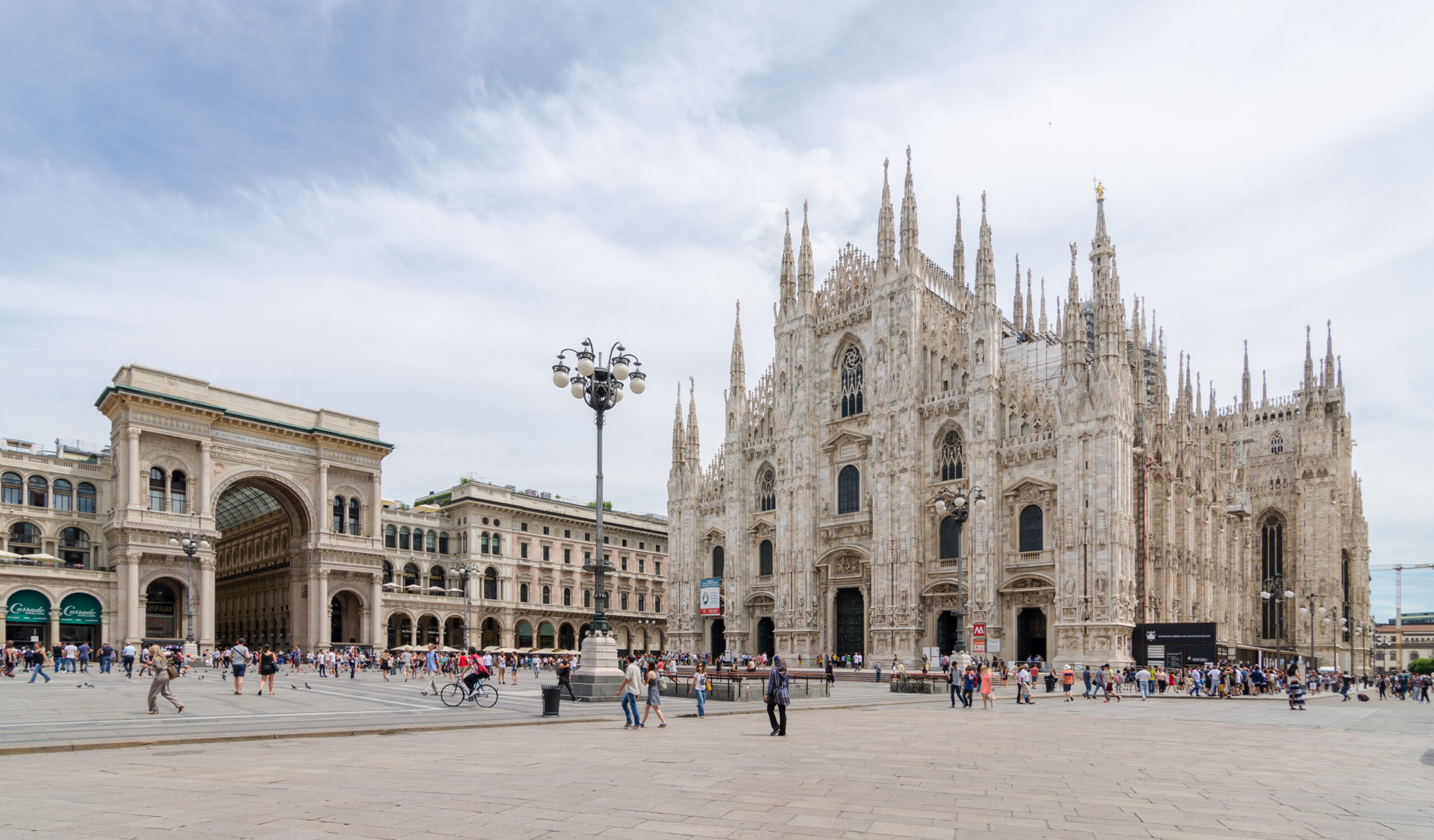
The Duomo di Milano is one of the most spectacular cathedrals on earth, a forest of marble spires and statues that took nearly 600 years to complete. Walking into the vast interior is humbling, but the real magic is on the roof. You can climb (or take an elevator) up among the pinnacles for close-up views of the carvings and a panorama across the city to the Alps on a clear day. Book a timed ticket in advance to skip the long lines, and go early or near closing for the best light.
Stroll the Galleria Vittorio Emanuele II
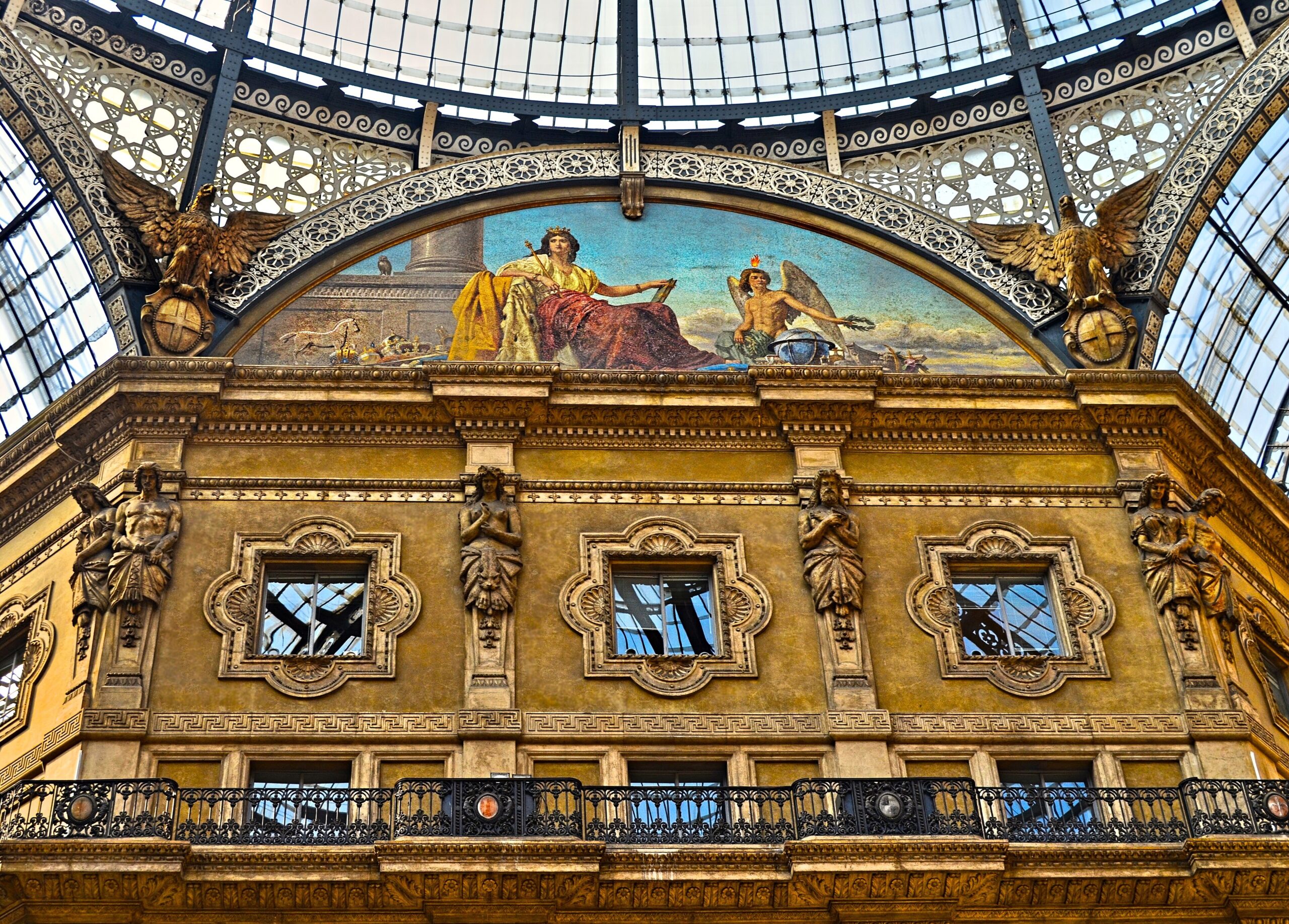
Right beside the Duomo sits the Galleria Vittorio Emanuele II, a soaring glass-roofed shopping arcade from the 1800s that locals call “il salotto di Milano,” the city’s living room. Even if you have no intention of buying a Prada bag, it is worth wandering through to admire the mosaics, the ironwork, and the elegant cafes. Tradition says spinning your heel on the mosaic bull brings good luck, so watch for the little divot travelers have worn into the floor.
See Leonardo’s Last Supper
Leonardo da Vinci painted The Last Supper on the wall of the refectory at Santa Maria delle Grazie, and it remains one of the most famous artworks in the world. Only small groups are admitted for timed 15-minute viewings, so tickets sell out weeks ahead. This is the one thing in Milan you truly must book far in advance. Standing in front of it, faded and fragile as it is, gave us chills.
Explore Sforza Castle and Parco Sempione
The massive Sforza Castle once housed the dukes of Milan and now holds a cluster of museums, including works by Michelangelo and Leonardo. Behind it stretches Parco Sempione, the city’s leafy central park, perfect for a picnic or an afternoon breather. We loved just sitting on the grass watching Milanese families and joggers go by.
Wander the Navigli Canals at Aperitivo Hour
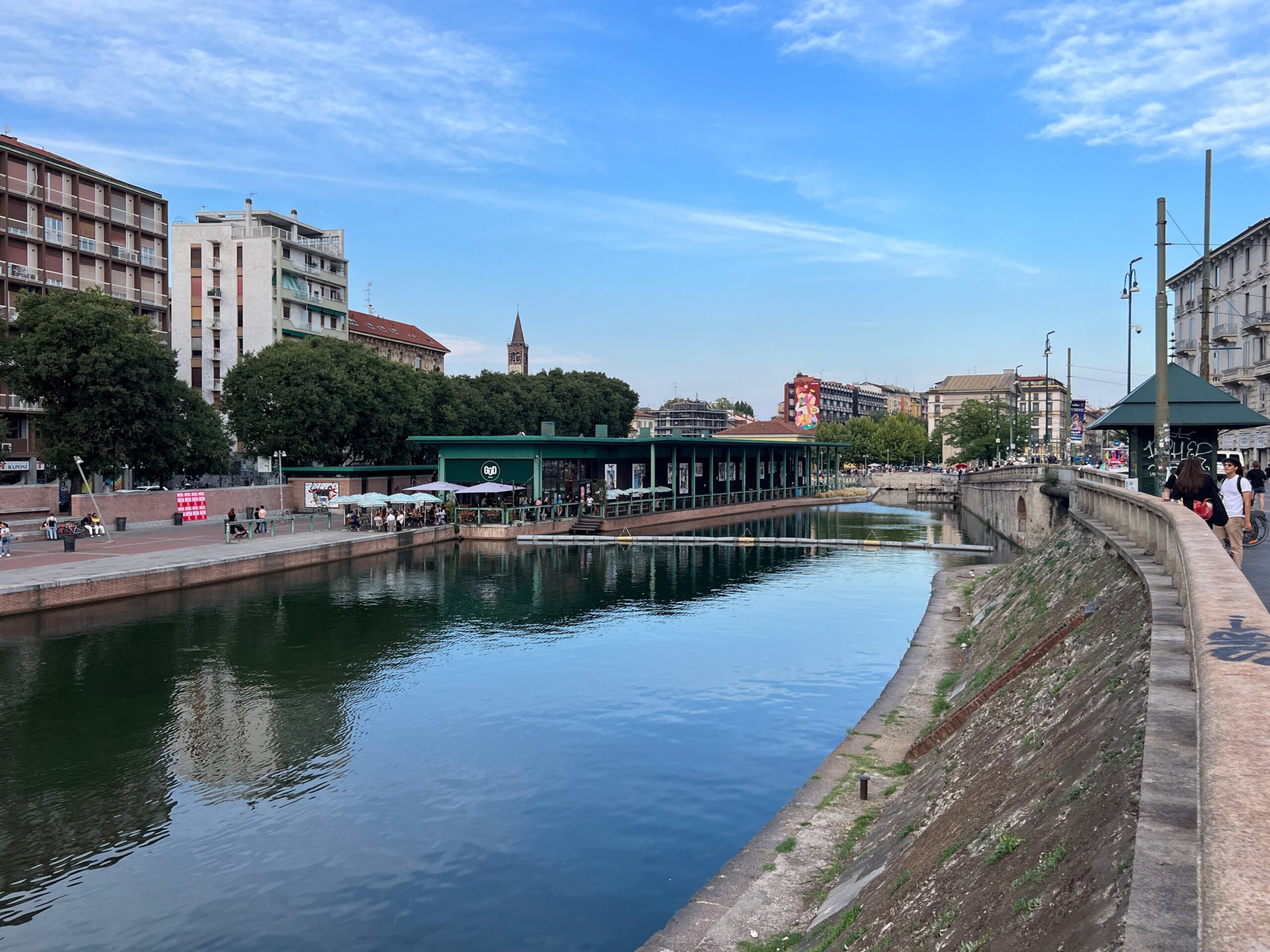
The Navigli district, with its historic canals designed in part by Leonardo, is the best place in Milan to experience aperitivo, the beloved northern Italian ritual of a pre-dinner drink served with generous snacks. As the sun sets, the canal-side bars fill up and the whole neighborhood glows. It became our favorite way to end a day of sightseeing.
Take In the Brera District and La Scala
The Brera neighborhood is Milan at its most romantic: cobbled lanes, art galleries, ivy-draped restaurants, and the excellent Pinacoteca di Brera art museum. Nearby, the legendary Teatro alla Scala opera house is one of the most famous stages in the world. Even a quick visit to its museum, or a splurge on a performance, is a treat for music lovers.
Shop (or Just Gawk) in the Quadrilatero della Moda
Milan is a global fashion capital, and even confirmed non-shoppers like us enjoyed a wander through the Quadrilatero della Moda, the “fashion quadrilateral” of streets around Via Montenapoleone. The window displays are works of art, the people-watching is unbeatable, and the whole district hums with a certain Milanese confidence. For more attainable finds, Corso Buenos Aires offers block after block of mainstream shops, and the weekend antique markets along the Navigli canals are fun to browse without the designer price tags.
Where to Stay in Milan
Milan’s neighborhoods each have a distinct feel, so choose based on the trip you want:
Around the Duomo and city center: The most convenient base, steps from the cathedral, the Galleria, and the main sights. Ideal for first-timers and short visits.
Brera: Chic, artsy, and romantic, full of boutiques and wine bars. A lovely area to stay if you want atmosphere and charm.
Navigli: Younger and livelier, with the best nightlife and aperitivo scene. Great if you want to be where the evening action is.
Near Milano Centrale: Practical for early trains and day trips, with plenty of hotels at a range of prices. Slightly less charming but very functional.
We compare properties by guest review score and location before booking. Our recommended tools are in the “Where to Book” section below.
Where to Eat in Milan
Milanese food is richer and more buttery than the tomato-and-olive-oil cooking of the south, and it is delicious. Do not leave without trying risotto alla milanese, a creamy saffron risotto, and cotoletta alla milanese, a breaded veal cutlet fried in butter. In winter, cassoeula (a hearty pork and cabbage stew) warms you right up, and any time of year panettone, the fluffy sweet bread invented here, is a treat.
Then there is aperitivo. For the price of a drink in the early evening, many bars lay out a spread of snacks or even a small buffet. We made a habit of it and often skipped a formal dinner altogether. Pair it with a Negroni or a Milano-Torino (the local cocktail that gave the Americano its name) and you are eating like a local.
Day Trips from Milan
This is Milan’s secret weapon. Few Italian cities put so much within easy reach.
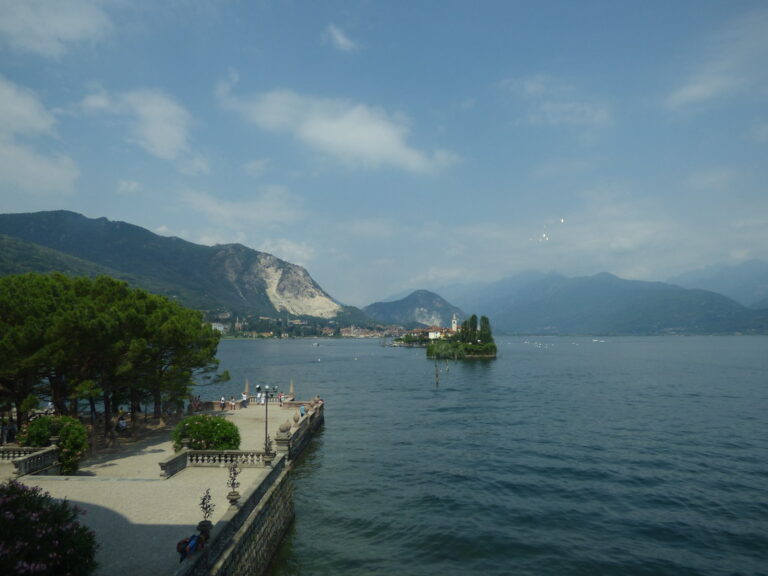
Lake Como is under an hour away by train and delivers the dreamy villa-and-mountain scenery you have seen in a hundred photos. Our full Lake Como travel guide covers exactly how to plan it.
Lake Garda, Italy’s largest lake, is a bit farther but rewards with charming towns and even a theme park for families. See our Lake Garda guide for the details.
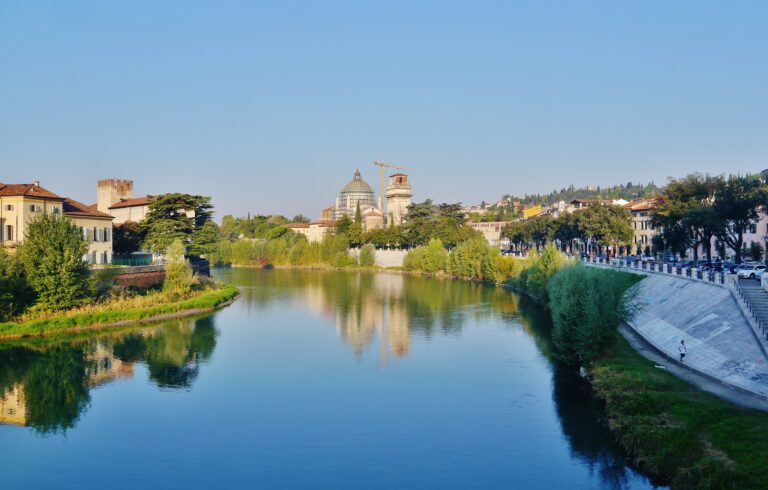
Verona, the city of Romeo and Juliet, is about an hour and a half by fast train and makes a wonderful day out, as we describe in our Verona travel guide.
Bergamo, with its walled hilltop old town, is barely an hour away and criminally underrated.
How Many Days Do You Need in Milan?
Two full days is our recommended minimum for Milan, and three is even better. With two days you can comfortably cover the Duomo and its rooftop, the Galleria, the Last Supper, Sforza Castle, and an evening of aperitivo along the Navigli. A third day frees you up for a museum like the Pinacoteca di Brera, a slow wander through the fashion district, or an afternoon at La Scala.
If you have four or more days, use Milan as a base and pick a day trip or two. Lake Como and Bergamo are both close enough to visit and still be back for dinner, which is exactly the kind of flexibility that makes Milan such a smart anchor for a northern Italy trip. Honestly, the biggest mistake we see travelers make is giving Milan a rushed half-day layover. Give it real time and it repays you.
Where to Book Your Milan Trip
These are the tools we use for our own Italy trips.
Hotels: We book Milan hotels and apartments through Booking.com, which has the deepest selection across every neighborhood and price point. Filter by review score and reserve early if your dates overlap with Fashion Week or a design fair.
Tours and tickets: For skip-the-line Duomo access, Last Supper viewings, and day trips to the lakes, we book through Viator. Booking key sights ahead is essential in Milan, and Viator’s cancellation flexibility gives us peace of mind.
Travel insurance: For any international trip we make sure we are covered. Here is our take on the best travel insurance for Europe.
Practical Tips for Visiting Milan
A few lessons from our visit:
Book the big sights before you go. The Last Supper and Duomo rooftop in particular need advance tickets. Do not leave them to chance.
Use the metro. Milan’s subway is clean, cheap, and easy, and it connects all the major sights. Buy a travel pass if you plan to ride often.
Dress the part. This is a fashion capital and locals dress well. You will feel more comfortable in smart-casual clothes than in obvious tourist gear, and some upscale restaurants expect it.
Give it at least two full days. One day is enough for the Duomo and Galleria, but a second lets you slow down for the Last Supper, Navigli, and a day trip. Three days is ideal.
Milan turned out to be one of our favorite surprises in Italy, a city that rewards travelers willing to look past its reputation. Come for the Duomo and the shopping, stay for the aperitivo evenings and the lakes just up the track.
Continuing through northern Italy? Pair Milan with our guides to Lake Como and Verona, and map out your whole route with our how to plan a trip to Italy guide.
Keep Reading