Disclosure: This post contains affiliate links. If you book through our links, we may earn a small commission at no extra cost to you. Thanks for supporting Faceted Travel!
Table of Contents
- Step 1: Decide When to Go
- Step 2: Decide How Long to Stay
- Step 3: Budget the Trip
- Step 4: Book Flights
- Step 5: Sort Out Transportation
- Step 6: Choose Where to Go
- Step 7: Book Accommodation
- Step 8: Handle the Practical Details
- Step 9: Pack Smart
- A Sample Two-Week Japan Itinerary
- Where to Book
- Final Thoughts
Planning our first trip to Japan felt genuinely overwhelming. The country seemed impossibly far, impossibly complicated, and impossibly expensive, and we almost talked ourselves out of it. Then we went, fell completely in love, and realized that Japan is one of the easiest, safest, and most rewarding places we have ever traveled once you understand how the pieces fit together.
This guide is the walkthrough we wish we’d had before our first trip: when to go, how long to stay, what it costs, how to get around, where to go, and the handful of practical things that trip up first-timers. Whether you are dreaming of neon Tokyo, temple-filled Kyoto, or a bowl of ramen in a tiny alley, here is how to actually plan a trip to Japan.
Step 1: Decide When to Go
Japan is a genuine four-season destination, and timing matters more here than almost anywhere. Spring (late March to April) brings the famous cherry blossoms and is spectacular but crowded and expensive. Fall (October to November) delivers fiery autumn foliage, comfortable temperatures, and, in our opinion, the best all-around weather. Summer (June to August) is hot, humid, and includes a rainy season, though it is festival season and great for the mountains and the north. Winter (December to February) is cold but magical, with world-class skiing, fewer tourists, and lower prices.
If you can, aim for late spring or fall. Just know these are peak windows, so you will want to book flights and hotels early. Cherry blossom season in particular sells out months in advance.
Step 2: Decide How Long to Stay
Japan is far from almost everywhere, so we would not recommend fewer than seven days on the ground. That said, here is how the math tends to work:
- 7 days: Enough for Tokyo plus Kyoto, with a day trip or two. A great first-timer sampler.
- 10 to 14 days: The sweet spot. Tokyo, Kyoto, Osaka, Hakone or the Japanese Alps, and time to slow down.
- 3 weeks or more: Now you can reach Hiroshima, the southern islands, or the northern wilds of Hokkaido.
Because the flight is long and the jet lag is real (Japan is many hours ahead of Denver, where we are based), give yourself a buffer day at the start to adjust. You will thank yourself.
Step 3: Budget the Trip
Here is the good news: Japan is far more affordable than its reputation suggests. Excellent meals can cost a few dollars, transport is efficient and fairly priced, and there is a lodging option for every budget. Your biggest expenses will be the international flight and, if you buy one, the rail pass.
We break down real daily costs, sample budgets, and money-saving tricks in our detailed guide to how much a trip to Japan costs. Read that alongside this one and you will have both the plan and the price tag. To keep flight costs down, use the strategies in our guide to the best time to book flights, and consider putting the trip on a rewards card from our roundup of the best travel credit cards for families to bank points toward the airfare.
Step 4: Book Flights
Most visitors fly into Tokyo (Narita or Haneda) or Osaka (Kansai). A smart move for a two-week trip is to fly into one and out of the other, often called an open-jaw ticket, so you are not backtracking across the country. For example, land in Tokyo, work your way south to Kyoto and Osaka, and fly home from there.
Flights to Japan are the single biggest cost, so flexibility pays. Use fare alerts, be willing to shift your dates a few days, and book a couple of months ahead for the best fares. Our full playbook lives in our guide to the best time to book flights.
Step 5: Sort Out Transportation
Japan’s rail network is the stuff of legend, and it will be your main way of getting around. The shinkansen (bullet trains) connect the major cities at over 300 kilometers per hour, on time to the minute.
For years the Japan Rail Pass was a no-brainer for tourists, but recent price increases mean you should do the math. If you are doing a classic Tokyo to Kyoto to Osaka loop, individual tickets may now be cheaper than the nationwide pass, while regional passes can still be excellent value. Whatever you decide, get an IC card (Suica or Pasmo, now available in Apple Wallet) for tapping onto local trains, subways, and even buying snacks. Within cities, the subway and train systems are clean, punctual, and easy to navigate with Google Maps.
Step 6: Choose Where to Go
For a first trip, the classic route through Honshu is classic for a reason. Here is the shortlist we would build a two-week itinerary around.
Tokyo
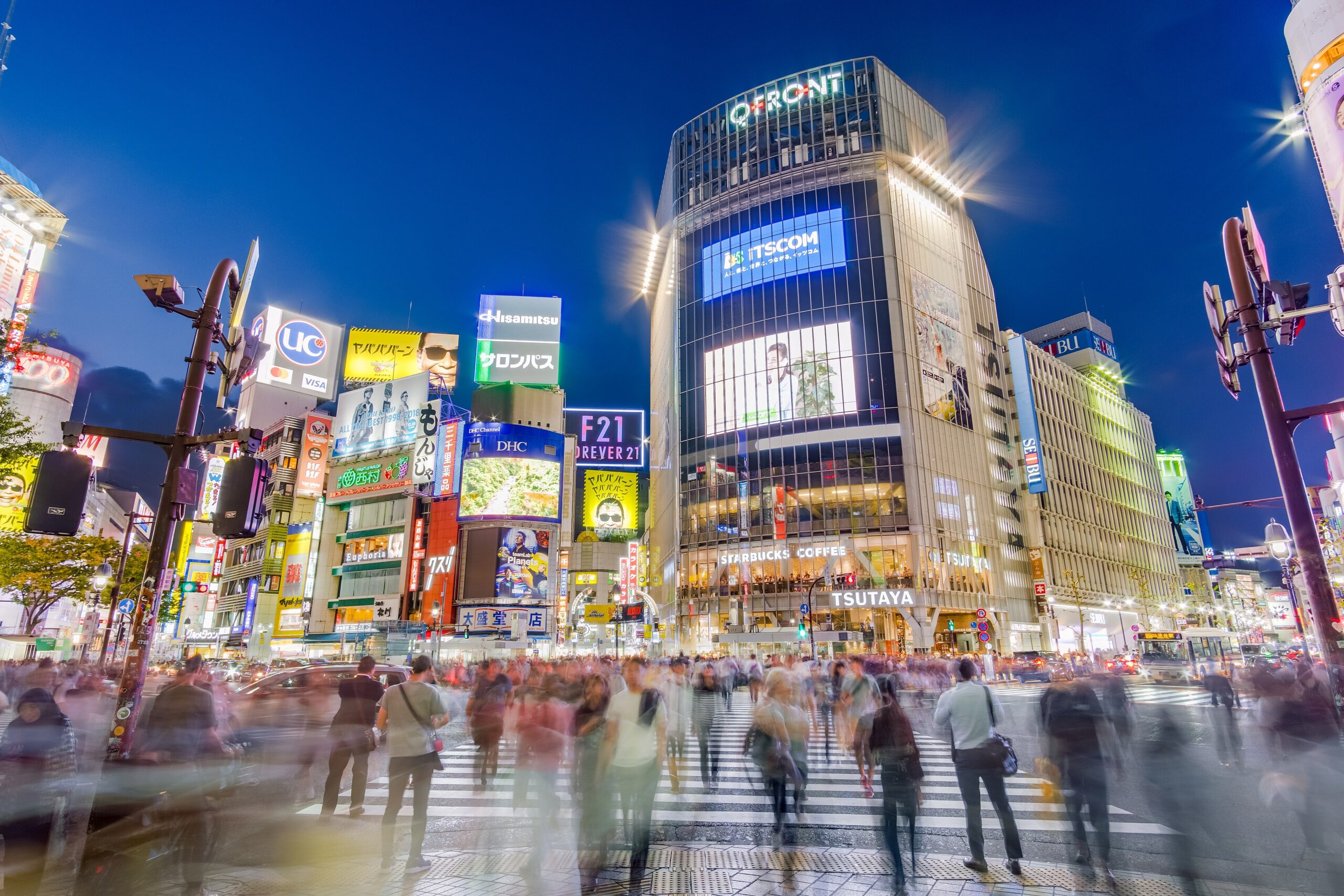
The electric capital, endlessly deep: neon districts, serene shrines, the world’s best food scene, and neighborhoods that each feel like their own city. Traveling with little ones? Our Tokyo with kids travel guide shows how family-friendly this megacity really is.
Kyoto
The cultural heart of Japan, home to thousands of temples and shrines, geisha districts, bamboo groves, and traditional inns. This is where you slow down and soak up old Japan.
Osaka
The nation’s kitchen: brash, friendly, and food-obsessed, with a nightlife and street-eats scene that makes it the perfect counterpoint to refined Kyoto.
Hakone and the Japanese Alps
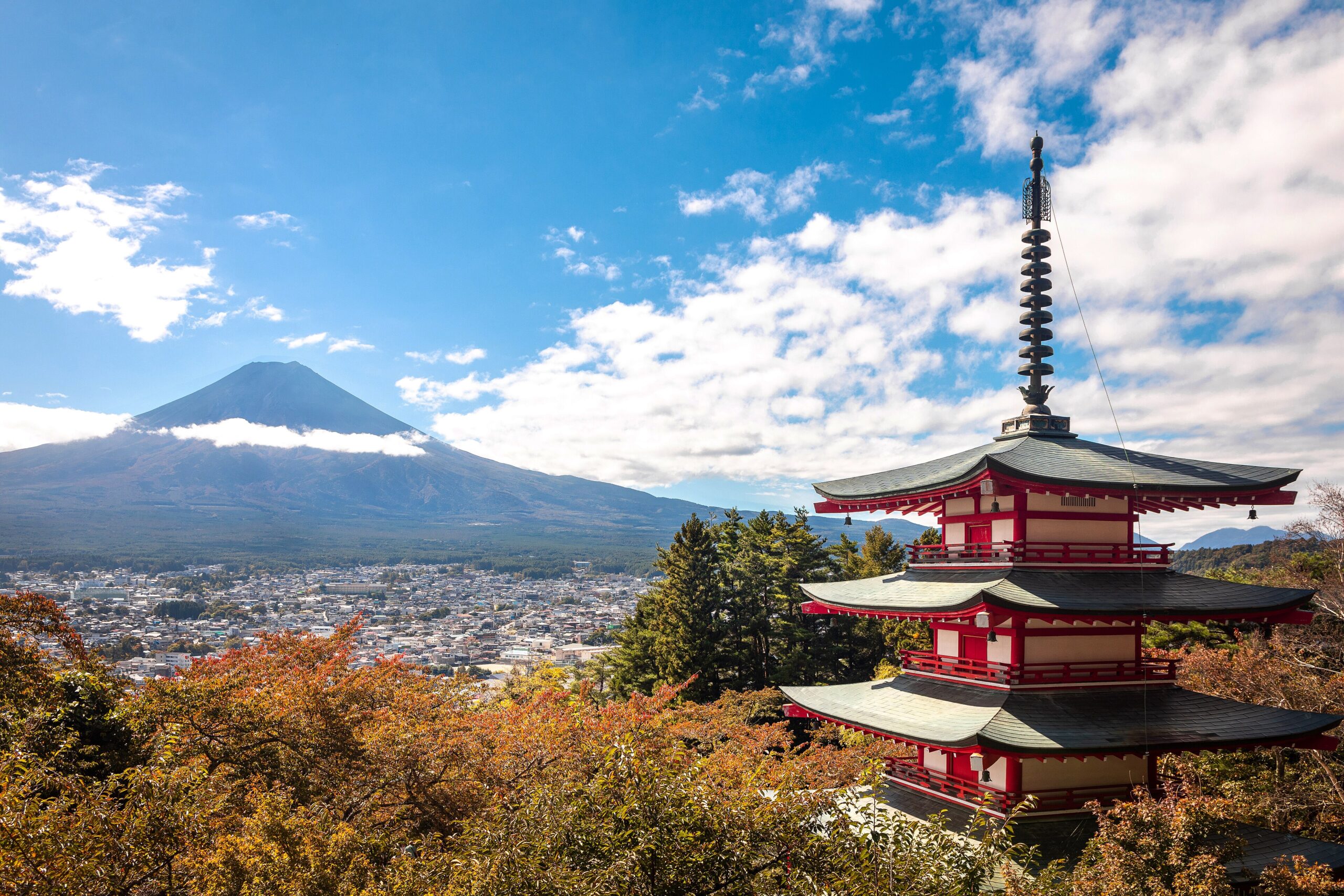
For hot springs, mountain scenery, and a glimpse of Mount Fuji, escape the cities for a night in a ryokan with an onsen (hot-spring bath). It is one of the most memorable experiences in the country.
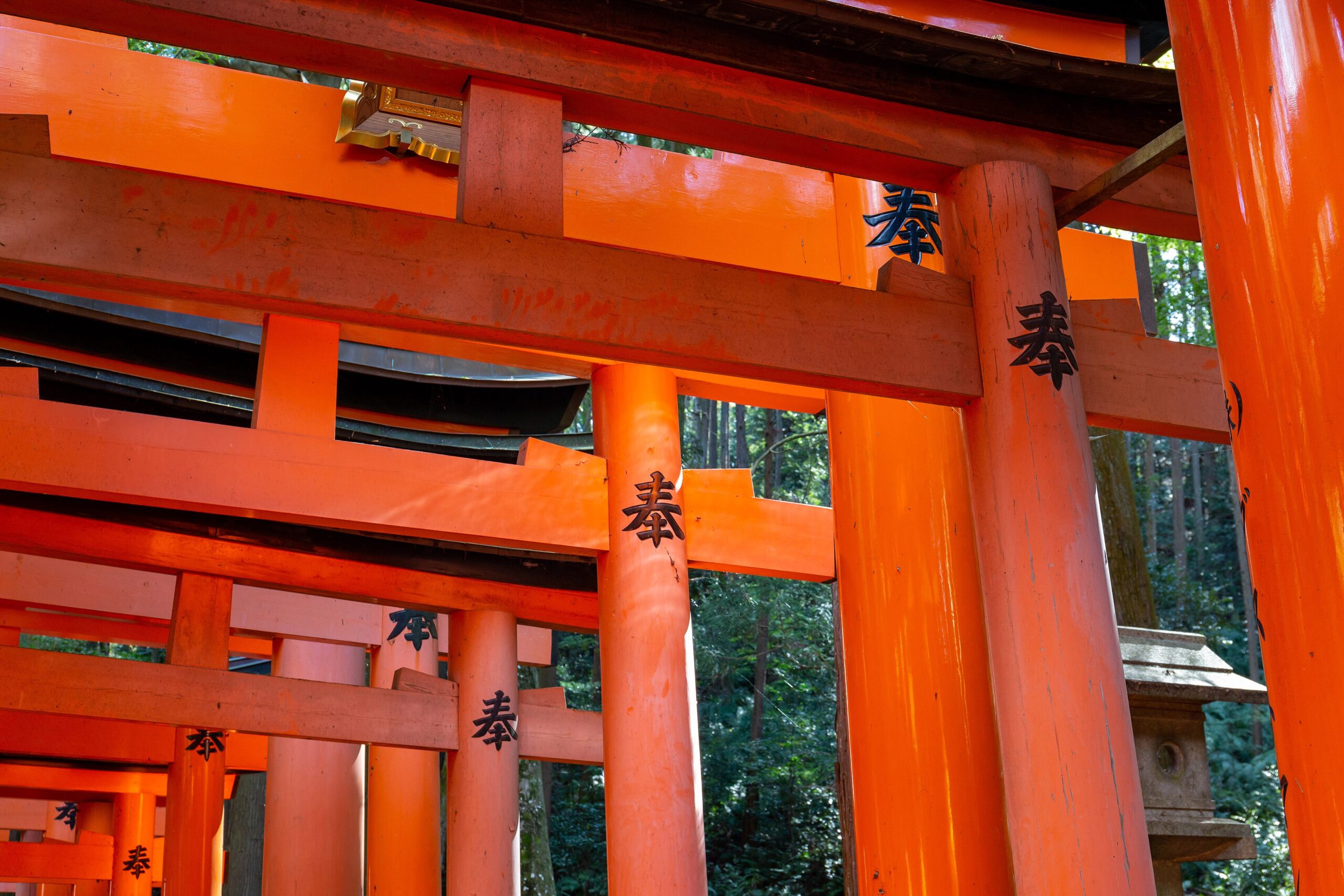
Once you have the anchors, you can add day trips like Nara (bowing deer and a giant Buddha), Hiroshima and Miyajima, or the Fushimi Inari shrine gates. If Japan is the start of a bigger Asia trip, our Seoul, South Korea travel guide and Singapore travel guide cover two easy, rewarding add-ons.
Step 7: Book Accommodation
Japan has a lodging type for every traveler. Business hotels are compact, spotless, and affordable. Ryokan are traditional inns with tatami floors, futon beds, and multicourse dinners, a bucket-list splurge for at least one night. Capsule hotels are a fun, cheap novelty, and Western-brand hotels cover the high end. Rooms run small by American standards, so do not expect sprawling suites, and book early for spring and fall, which sell out fast.
We reserve through Booking.com for the range and flexible cancellation, then splurge on one special ryokan directly. Whatever you choose, staying near a major train station makes everything easier.
Step 8: Handle the Practical Details
A few things smooth out every Japan trip:
- Cash: Japan still loves cash. Cards are increasingly accepted, but carry yen for small restaurants, shrines, and rural areas. Convenience-store ATMs (7-Eleven) reliably take foreign cards.
- Connectivity: Rent a pocket WiFi device or buy an eSIM before you go. Constant data for maps and translation is a game-changer.
- Language: You do not need to speak Japanese. Signs in tourist areas include English, and a translation app covers the rest. A few polite phrases go a long way.
- Etiquette: Do not tip (it can cause confusion), be quiet on trains, do not eat while walking, and carry a small bag for your trash, since public bins are rare.
- Convenience stores: Do not underestimate the konbini (7-Eleven, Lawson, FamilyMart). They are everywhere and sell genuinely good, cheap meals, coffee, tickets, and ATM access, and they saved us on many a busy travel day.
- Safety: Japan is one of the safest countries we have ever visited, with famously low crime and a culture of returned lost items. Normal travel awareness is plenty.
- Insurance: International medical care and trip protection are worth having. See our honest take on whether travel insurance is worth it.
Step 9: Pack Smart
You will walk enormous distances and hop on and off trains constantly, so pack light and comfortable. Great walking shoes that slip on and off easily are essential, since you will remove them at temples, ryokan, and some restaurants. Bring layers for the season, a small daypack, and a portable charger. Our ultimate carry-on packing list works beautifully for a Japan trip, and traveling carry-on only makes those train transfers infinitely easier.
A Sample Two-Week Japan Itinerary
If you want a plug-and-play route, here is the two-week loop we would run for a first trip. It balances big cities, culture, and a mountain breather without feeling rushed.
- Days 1 to 4, Tokyo: Settle in, beat the jet lag, and explore neighborhoods like Shibuya, Shinjuku, Asakusa, and Harajuku. Add a day trip to Nikko or Kamakura.
- Days 5 to 6, Hakone: Take the shinkansen out for hot springs, a ryokan night, and Mount Fuji views.
- Days 7 to 10, Kyoto: Temples, shrines, the bamboo grove, Fushimi Inari, and a day trip to Nara.
- Days 11 to 12, Osaka: Eat your way through Dotonbori and use it as a base for Himeji Castle or Kobe.
- Days 13 to 14, back toward departure: Return to Tokyo or fly home from Osaka’s Kansai airport on an open-jaw ticket.
Shift the balance to fit your interests. Foodies linger in Osaka, culture lovers add nights in Kyoto, and outdoors types swap a city day for the Japanese Alps. The point is that a well-paced two weeks covers the classics comfortably.
Where to Book
Here is the short version of how we book a Japan trip.
- Hotels and ryokan: Booking.com for the widest choice and free cancellation across Tokyo, Kyoto, and beyond.
- Tours, food crawls, and day trips: Viator for guided experiences like Tokyo food tours, Kyoto temple walks, and Mount Fuji day trips that take the guesswork out of logistics.
- Costs and cards: Budget with our how much a trip to Japan costs guide, and earn toward the flight with the best travel credit cards for families.
Final Thoughts
Japan looks intimidating from a distance and turns out to be one of the smoothest, most delightful countries in the world to actually travel. The trains run on time, the food is astonishing at every price, the people are unfailingly kind, and the mix of ancient and futuristic never stops surprising you. Do the planning up front, especially flights, dates, and rail, and the rest of the trip more or less runs itself. Ours remains one of the best we have ever taken, and we cannot wait to go back.
Ready to keep planning? Start with our real-numbers guide to how much a trip to Japan costs, get the family-friendly lowdown in our Tokyo with kids travel guide, and if Japan is part of a bigger adventure, our how to plan a trip to Europe guide uses the same step-by-step approach. Yoi tabi o!