Disclosure: This post contains affiliate links. If you book through our links, we may earn a small commission at no extra cost to you. Thanks for supporting Faceted Travel!
Table of Contents
- Why Seoul Should Be Your Next Big Trip
- The Best Things to Do in Seoul
- Day Trips From Seoul
- Where to Stay in Seoul
- Where to Book Your Seoul Trip
- What and Where to Eat in Seoul
- K-Culture Experiences Worth Your Time
- Seoul on a Budget
- When to Visit Seoul
- Getting Around Seoul
- Seoul Travel Tips We Learned the Hard Way
- How Many Days Do You Need in Seoul?
Our first night in Seoul, we ate charcoal-grilled pork belly wrapped in perilla leaves at a tiny restaurant where the owner kept refilling our banchan and laughing at our chopstick technique, then walked out into a neon canyon of shops open past midnight. Seoul runs on an energy we have not felt anywhere else in the world. It is ancient and hypermodern at the same time, and it might be the most underrated major city in Asia for American travelers.
This Seoul travel guide covers the unmissable sights, the neighborhoods worth your time, what and where to eat, day trips including the DMZ, when to visit, and the practical tips that made our trip easy.
Why Seoul Should Be Your Next Big Trip
Seoul is a city of 25 million in its metro area, yet it works beautifully. The subway is spotless and cheap, crime is remarkably low, and almost everything stays open late. Five royal palaces sit among glass skyscrapers. Mountains with hiking trails rise inside the city limits. The food scene runs from one-dollar street snacks to some of Asia’s most exciting fine dining. And thanks to K-pop, K-dramas, and Korean film, the culture feels instantly familiar even on a first visit.
Flights from the US west coast run nonstop to Incheon, one of the world’s best airports, and your dollar goes noticeably further than in Tokyo or Western Europe.
The Best Things to Do in Seoul
Gyeongbokgung Palace
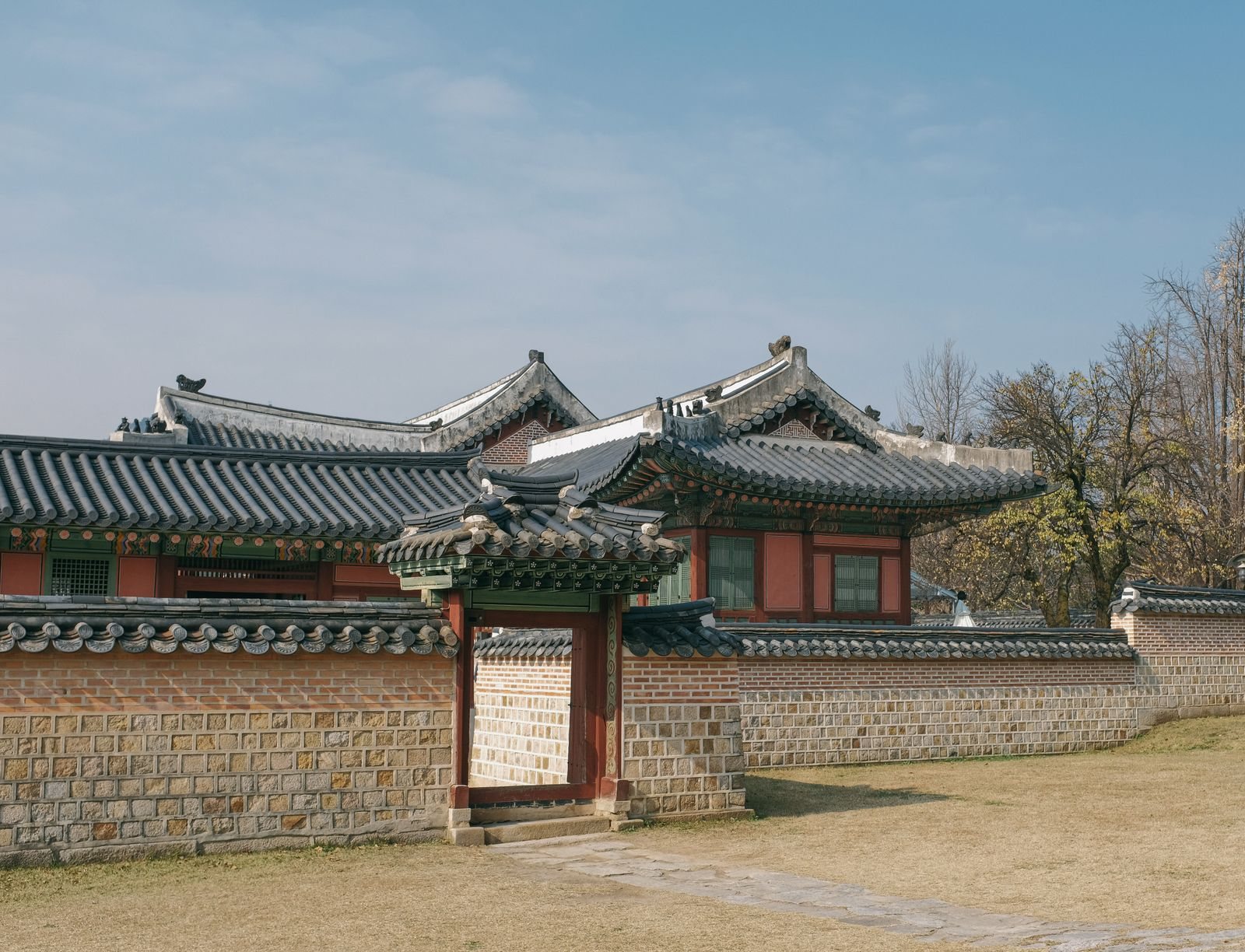
The grandest of Seoul’s five royal palaces, built in 1395, is the city’s must-see. Time your visit for the changing of the guard ceremony (10am and 2pm, free with admission), and consider renting a hanbok, the traditional Korean dress, from one of the shops nearby: wearers get free palace admission and the photos are unforgettable. The National Folk Museum inside the grounds is excellent and included.
Bukchon Hanok Village
Between two palaces sits a hillside neighborhood of hundreds of traditional Korean houses (hanok) with curved tile roofs and wooden beams. It is a real residential area, so go early and keep voices low. The lanes around Bukchon-ro 11-gil have the postcard views over the rooftops to the N Seoul Tower.
Insadong and Ikseondong
Insadong is the classic strip for tea houses, calligraphy brushes, and souvenirs that are actually worth buying. One block over, Ikseondong is a maze of hanok alleys reborn as the city’s most charming cafe district. We spent a whole afternoon getting lost here with hotteok (sweet filled pancakes) in hand.
N Seoul Tower and Namsan
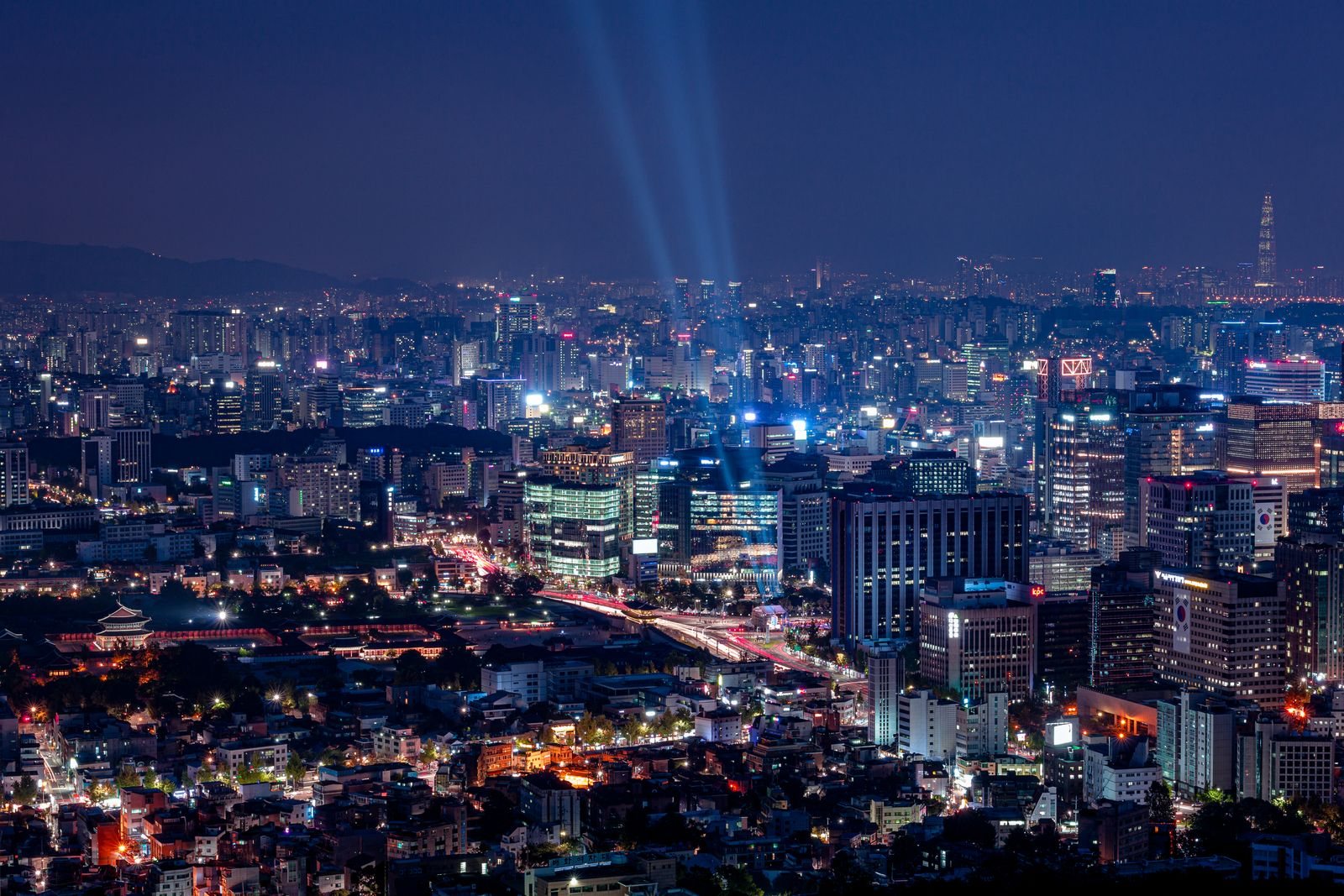
Ride the cable car (or hike 30 minutes) up Namsan mountain in the center of the city for the classic panorama, best at sunset as the city lights switch on. The love-lock terraces are cheesy and fun.
Myeongdong Street Food and Shopping
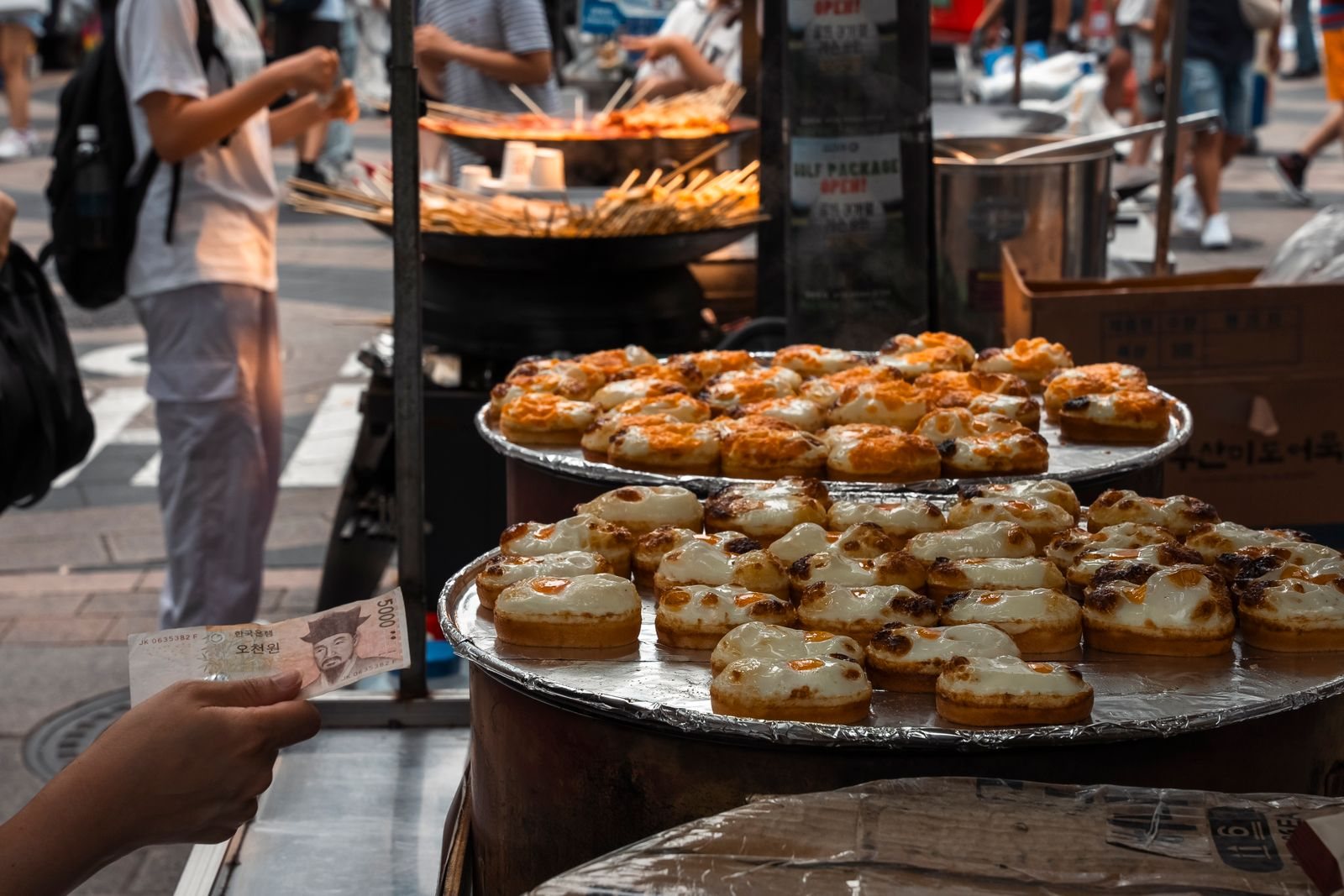
Myeongdong is sensory overload in the best way: a grid of pedestrian streets packed with Korean skincare shops and one of the best street food markets in Asia. Come hungry for tornado potatoes, grilled cheese lobster, tteokbokki (chewy rice cakes in sweet-spicy sauce), and hotteok. Evening is when it fully comes alive.
Gwangjang Market
Seoul’s oldest market is the spot for sitting elbow-to-elbow with locals over bindaetteok (crispy mung bean pancakes) and mayak gimbap (addictive mini seaweed rolls). If you saw it on a Netflix food show, this is the place. Cash is king here.
Hongdae and the Han River
Hongdae, the university district, is street performers, indie music, vintage shops, and nightlife that goes until sunrise. For a calmer evening, do what locals do: grab fried chicken and beer, rent a mat, and picnic at a Han River park as the bridges light up. Banpo Bridge runs a rainbow fountain show on summer nights.
Gangnam and COEX
Yes, that Gangnam. Seoul’s glitzy south-of-the-river district holds the COEX Mall with its Instagram-famous Starfield Library, the Bongeunsa temple wedged between skyscrapers, and K-pop landmarks for fans making the pilgrimage.
Day Trips From Seoul
The DMZ
The Demilitarized Zone between North and South Korea is one of the most surreal day trips on earth: observation decks looking into North Korea, the Third Infiltration Tunnel, and Imjingak park’s poignant memorials. You can only visit on an organized tour, so book a reputable one in advance. It was the single most memorable thing we did in Korea.
Suwon Hwaseong Fortress
An hour south by subway, this UNESCO-listed 18th-century fortress wall makes a gorgeous half-day walk, and Suwon is the birthplace of Korean fried chicken. Combine the two.
Nami Island and Gapyeong
A tree-lined island made famous by K-dramas, about 90 minutes out, often combined with the Garden of Morning Calm and a rail-bike ride. Beautiful in fall foliage and spring blossom seasons.
Bukhansan National Park
Here is the wild part: a full national park with granite peaks sits inside Seoul’s city limits, reachable by subway. The hike to Baegundae Peak (the highest point, at 2,744 feet) takes about four hours round trip and rewards you with a 360-degree view over the entire metropolis. Trails are well marked, busy on weekends with impressively outfitted Korean hikers, and free. Pack water and snacks from a convenience store and join them; hiking culture is one of the most charming things about Korea, and elderly hikers will cheer you up the steep sections.
Where to Stay in Seoul
Myeongdong: The classic first-timer base: central, packed with hotels at every price, and walkable to palaces and street food. Our pick for a first visit.
Insadong / Jongno: Closest to the palaces and hanok villages, with a more traditional feel and excellent mid-range hotels.
Hongdae: Best for nightlife and a younger vibe, with great budget options and direct airport rail access.
Gangnam: Sleek high-rise hotels and shopping, though you are a longer subway ride from the historic sights.
A note on hanok stays: spending at least one night in a traditional guesthouse, sleeping on a heated ondol floor, was a highlight of our trip and surprisingly affordable.
Where to Book Your Seoul Trip
Hotels: Search Seoul hotels on Booking.com. Myeongdong and Jongno put you in the middle of everything, and Seoul hotel prices are a pleasant surprise compared to Tokyo.
Tours & Activities: Browse Seoul tours on Viator including DMZ tours (the essential booking, since you cannot go independently), palace and food walking tours, Nami Island day trips, and cooking classes.
Getting Here Cheaply: Incheon is a major hub and fare sales from the US west coast are common. Our guide to finding cheap flights covers the strategies we actually use.
Travel Insurance: For any international trip we recommend coverage for medical care and trip disruption. See our travel insurance guide for what we buy.
What and Where to Eat in Seoul
Korean food deserves its global moment, and Seoul is its capital. The musts: Korean BBQ (samgyeopsal pork belly or galbi short ribs, grilled at your table), bibimbap (the famous rice bowl, best in its sizzling stone-pot form), kimchi jjigae (kimchi stew that cures jet lag), Korean fried chicken with beer (a combo so beloved it has its own name, chimaek), and tteokbokki from any street cart.
Do not miss a traditional tea house in Insadong, dessert cafes piled with bingsu shaved ice, and convenience store culture: Korean 7-Elevens and CUs are legitimately fun, with ramyeon stations where you cook your own noodles. Vegetarians can seek out temple cuisine restaurants, a serene Buddhist tradition that is among the most beautiful food we have eaten anywhere.
K-Culture Experiences Worth Your Time
Even if you arrived knowing nothing about K-pop, Seoul makes Korean pop culture irresistible. HYBE Insight and the SM Town museum at COEX cater to serious fans, while K-Star Road in Gangnam is a quick photo stop. Music show tapings (Music Bank, The Show) are free to attend if you plan ahead, and fans line up early. K-drama lovers can visit filming locations all over the city; even our non-fan selves recognized half of Bukchon from shows we had half-watched on the couch.
The K-beauty world deserves its own afternoon. Olive Young, the beloved Korean drugstore chain, is everywhere and dangerously fun, and the flagship beauty shops of Myeongdong hand out free samples like candy. A Korean skincare haul costs a fraction of US prices and makes the best souvenir gifts we have found anywhere. For something more traditional, book a hanbok photo session near Gyeongbokgung or a Korean cooking class where you make your own kimchi to bring home.
Seoul on a Budget
Seoul is one of the best value major cities in the developed world. Street food meals run 3 to 8 dollars, a filling kimchi jjigae lunch costs about 8, and even a full Korean BBQ dinner with drinks is far cheaper than its US equivalent. The subway costs about a dollar per ride. Palace admission is about 2 to 3 dollars (or free in hanbok), and an integrated palace pass covers all five for around 8. Markets, river parks, hiking trails, and neighborhood wandering, which is most of what makes Seoul great, cost nothing at all. Our daily budget excluding the hotel was roughly half what we spend in Tokyo.
When to Visit Seoul
Spring (April to early June) brings cherry blossoms along the Yeouido riverside and mild sunny days; it is the best overall window. Fall (late September through November) is its equal, with crisp air and blazing foliage on the palace grounds and mountains. Summer is hot, humid, and rainy in July, but it is also festival and Han River picnic season. Winter is genuinely cold (Siberian winds, temperatures well below freezing) but dry and atmospheric, with heated floors, steaming stews, and cheap hotel rates.
We visited in May and the weather was flawless: 70s, sunny, and the city’s parks in full leaf.
Getting Around Seoul
Seoul’s subway is among the best in the world: cheap, spotless, air-conditioned, with English signage and announcements everywhere. Buy a T-money card at any convenience store, load cash on it, and tap onto subways, buses, and even taxis. Google Maps barely works in Korea due to mapping laws, so download Naver Map or Kakao Map before you arrive; both have full English modes. Taxis are plentiful and inexpensive by US standards, and the Kakao T app works like Uber. From Incheon airport, the AREX express train reaches the city in under an hour.
One more app to grab: Papago, Naver’s translation app, which handles Korean far better than Google Translate and made menus and conversations easy all trip.
Seoul Travel Tips We Learned the Hard Way
Carry some cash for markets and street food, though cards work almost everywhere else. Tipping is not expected anywhere, ever. Many palaces close one day a week (usually Monday or Tuesday), so check before planning your route. Trash cans are rare on the street; pocket your wrappers like locals do. Slip-on shoes save you time at hanok stays and some restaurants. And build in rest: Seoul tempts you into 25,000-step days, and the jjimjilbang (Korean bathhouse) is the perfect recovery, an experience worth having in itself.
How Many Days Do You Need in Seoul?
Three full days covers the palaces, Bukchon, Myeongdong, Namsan, and a market or two at a brisk pace. Four to five days is the sweet spot, adding the DMZ, Hongdae nights, and a Han River evening without rushing. A full week lets you add Suwon or Nami Island and still leave wanting more. Seoul also pairs brilliantly with the rest of Asia: it is a natural stopover en route to Southeast Asia or Japan.
Seoul grabbed us by the appetite and never let go. Few cities on earth offer this much history, food, safety, and pure fun for the money. Go before everyone else figures it out.
Planning more of Asia? Pair Seoul with our guides to Tokyo with kids, Bangkok, and Chiang Mai for an unforgettable Asia itinerary.