Disclosure: This post contains affiliate links. If you book through our links, we may earn a small commission at no extra cost to you. Thanks for supporting Faceted Travel!
Table of Contents
Chiang Mai changed the way we think about Thailand. We’d heard it was great, but nothing prepared us for how deeply the city would get under our skin — the ancient temples draped in morning mist, the night markets buzzing with life, the mountains rising just beyond the moat. If you’re wondering whether Chiang Mai belongs on your Thailand itinerary, let us settle it: it absolutely does.
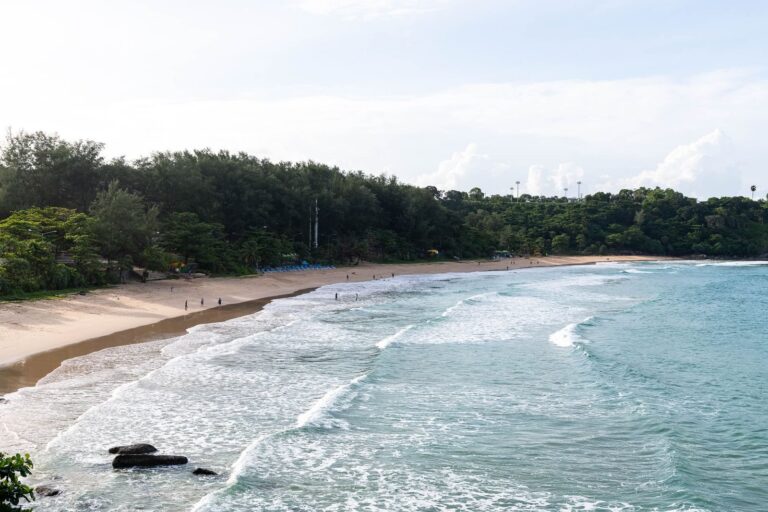
Whether you’re coming straight here from home or adding it to a broader Thailand trip (we paired it with Bangkok and a few days in Phuket), Chiang Mai rewards slow travel. Here’s everything we learned during our time in Northern Thailand.
Why Visit Chiang Mai?
Chiang Mai is Thailand’s second-largest city, but it feels nothing like Bangkok. The pace is gentler, the air (mostly) fresher, and the culture feels more accessible. It’s the capital of Northern Thailand, sitting at roughly 300 meters above sea level in a valley surrounded by mountains — which means cooler temperatures than the south, especially from November through February.
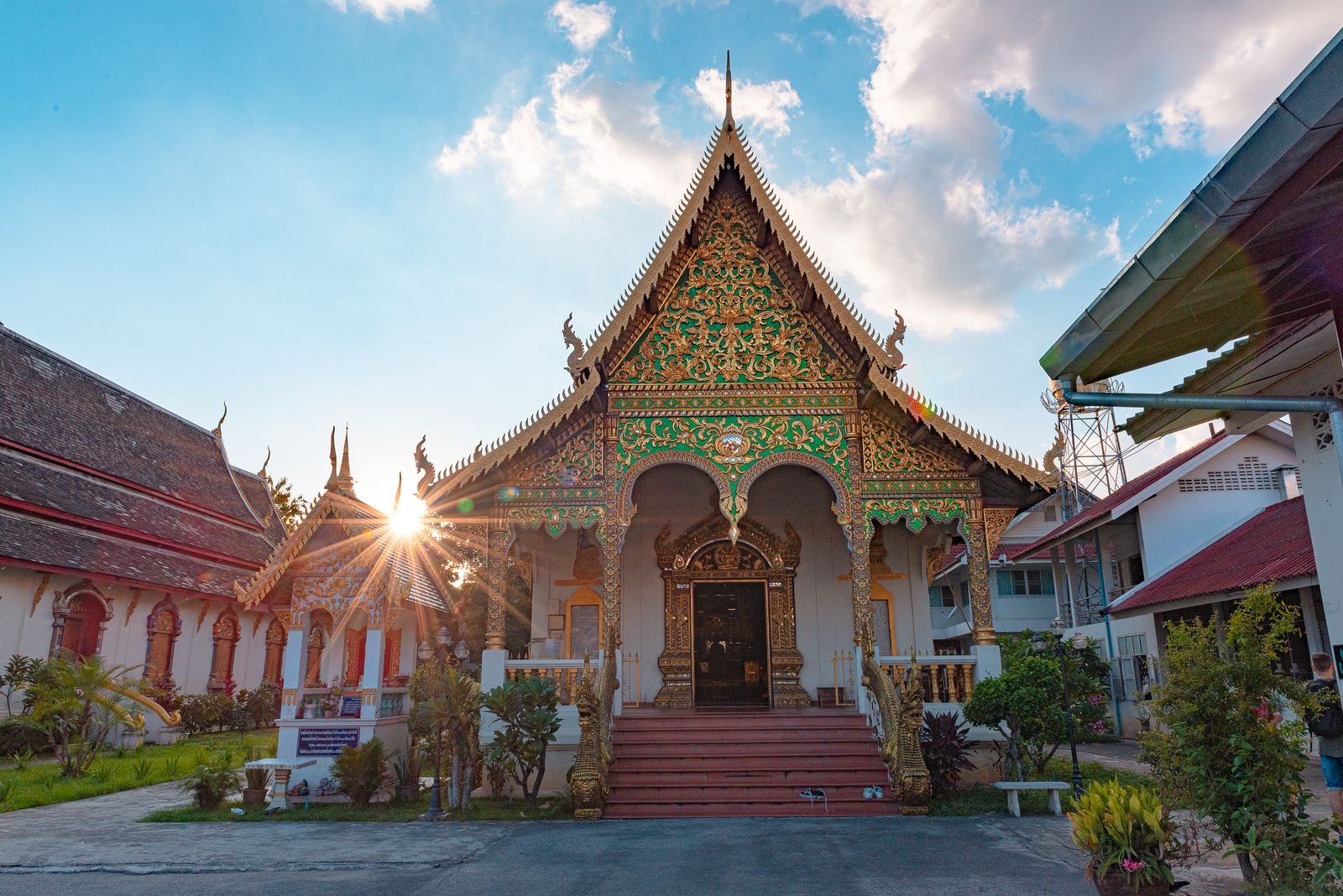
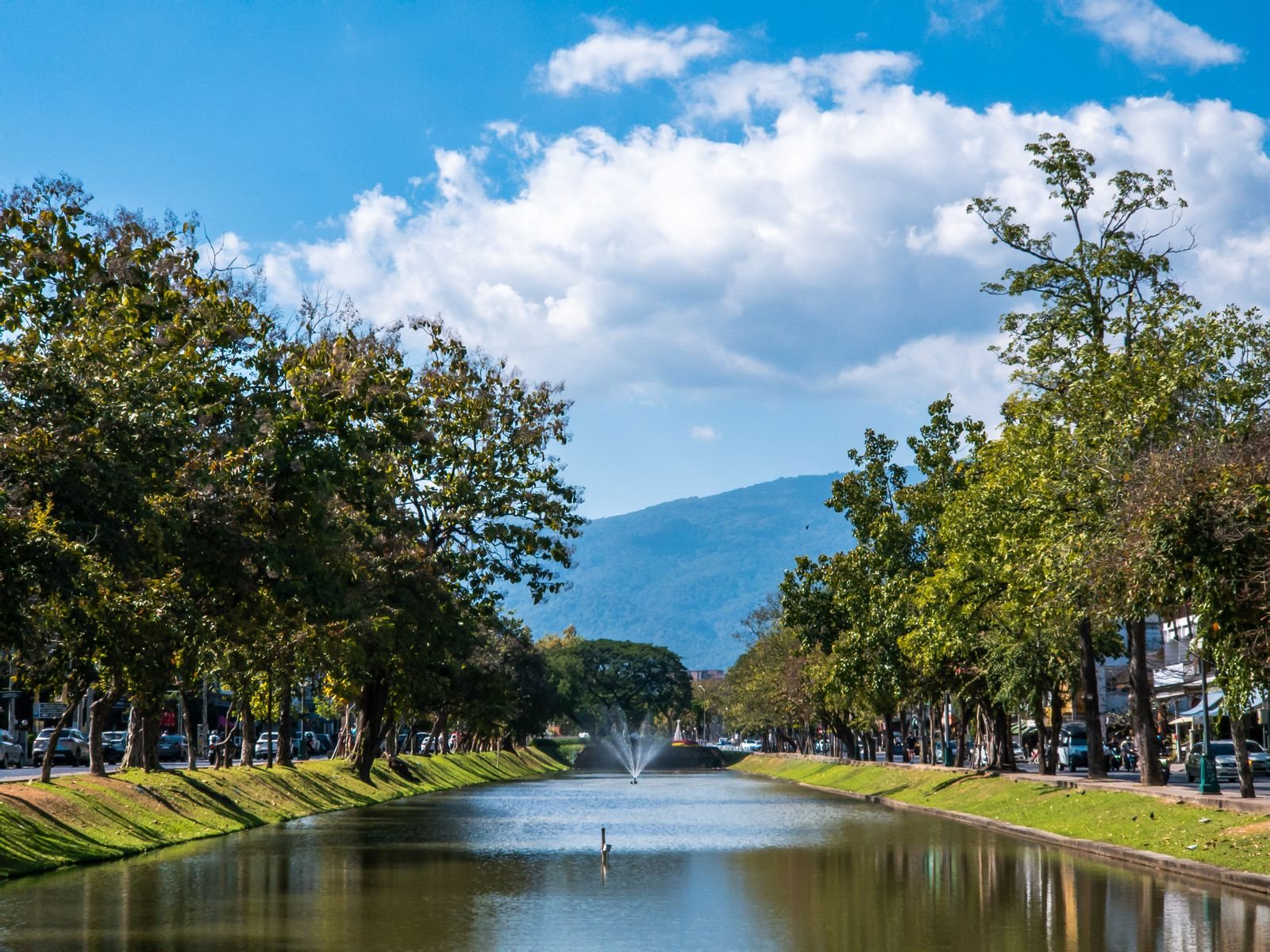
The Old City is ringed by a moat and ancient walls, with more than 300 Buddhist temples packed inside and around it. The food scene is one of the best in all of Southeast Asia. And the surrounding mountains offer trekking, elephant sanctuaries, waterfalls, and a whole lot of adventure for those willing to venture outside the city.
Chiang Mai also happens to be incredibly affordable. We stretched our budget further here than almost anywhere else in Southeast Asia.
When to Go to Chiang Mai
Best time: November through February. This is cool season — temperatures hover between 15–25°C (60–77°F), skies are clear, and it’s peak travel season for good reason. Nights can actually be chilly, so pack a light layer.
Avoid: March through May is the burning season when farmers burn fields, and the smoke can be genuinely bad — air quality becomes a real concern, especially in March and April.
Shoulder season: June through October brings the rainy season. It’s greener, less crowded, and cheaper, but expect daily afternoon downpours. Still perfectly enjoyable if you’re flexible.
Getting to Chiang Mai
By plane: Chiang Mai International Airport (CNX) is just a few kilometers from the Old City. Direct flights from Bangkok run about 1.5 hours, often $30–60 round trip on AirAsia or Thai Lion Air.
By overnight train: The sleeper train from Bangkok’s Hua Lamphong station takes 12–15 hours. First-class sleeper berths run around $30–50 and are surprisingly comfortable.
By bus: VIP buses run overnight from Bangkok’s Mo Chit terminal, around $15–25.
Getting around Chiang Mai: Rent a scooter ($7–10/day), take red songthaews (shared red trucks, $1–2/ride), or use Grab. The Old City is very walkable.
Where to Stay in Chiang Mai
Old City: Walking distance from temples and night markets. Midrange guesthouses and boutique hotels abound. We loved the convenience on our first visit.
Nimman Road (Nimmanhaemin): Trendy neighborhood with cafés, boutiques, and restaurants — where digital nomads and hip young Thais hang out.
Riverside: Quieter and more residential, along the Ping River. Great for a peaceful stay.
What to budget: Guesthouses from $15–25/night. Midrange hotels $40–80. Boutique properties $60–100.
👉 Search hotels in Chiang Mai on Booking.com
Top Things to Do in Chiang Mai
Visit Doi Suthep Temple
Wat Phra That Doi Suthep sits atop a mountain 13 km from the city at 1,080 meters elevation. The golden chedi glints in the sunlight and the views over Chiang Mai are spectacular. Get there early to beat the crowds — 306 steps lead up to the temple complex.
Explore the Old City Temples
Must-visits include Wat Chedi Luang (a partially ruined 15th-century chedi), Wat Phra Singh (the most revered temple in the city), and Wat Chiang Man (the oldest, dating to 1296). Dress modestly — cover knees and shoulders.
Spend an Evening at the Sunday Walking Street
Every Sunday, Wualai Road transforms into one of Thailand’s best night markets, with handmade crafts, clothing, and incredible street food. We always budget more time and money than planned, because the shopping is irresistible.
Visit an Ethical Elephant Sanctuary
Elephant Nature Park (founded by Lek Chailert) is the gold standard — no rides, focused on rescue and rehabilitation. Half-day and full-day programs run $80–120 per person. Book weeks in advance — it fills up fast.
👉 Book Elephant Nature Park via Viator
Take a Thai Cooking Class
Chiang Mai is arguably the best place in the world to take a Thai cooking class. You’ll learn Northern Thai specialties like khao soi, nam prik noom, and larb. Most classes include a market tour and run $30–50 for a full day.
Day Trip to Doi Inthanon National Park
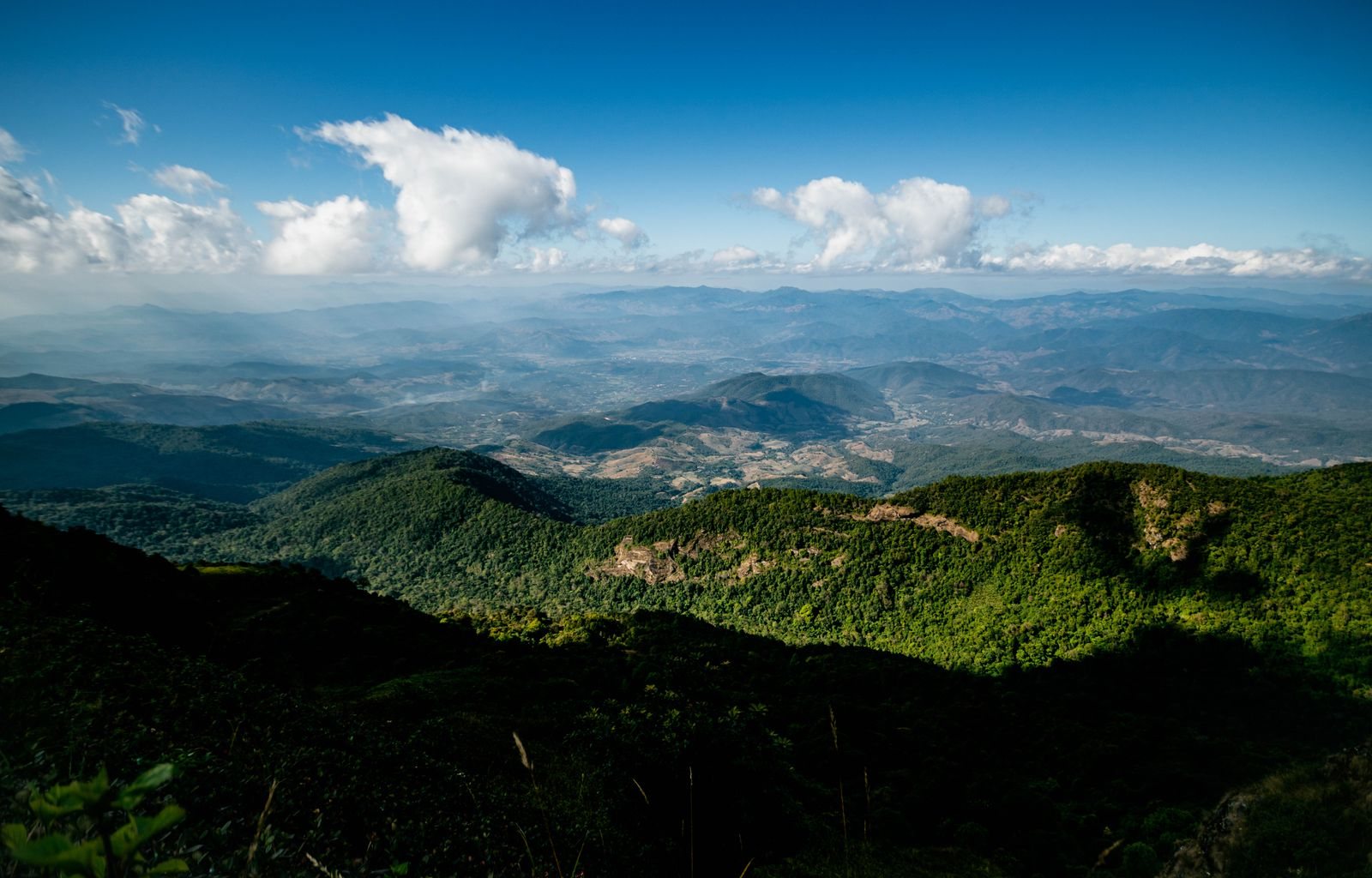
Thailand’s highest mountain (2,565 meters), about 60 km southwest. Twin royal pagodas, stunning viewpoints, and excellent birdwatching. Join a tour for $40–70 per person.
What to Eat in Chiang Mai
Khao Soi — Rich coconut curry broth with crispy egg noodles. Your first priority in Chiang Mai. Khao Soi Khun Yai is legendary.
Sai Oua — Northern Thai sausage, fragrant with lemongrass and kaffir lime.
Khao Niaw Mamuang — Mango sticky rice, somehow even better here than elsewhere in Thailand.
Naem Khao Tod — Crispy rice salad with fermented pork, peanuts, ginger, and lime.
Budget around $5–10 for a full meal at street stalls and local restaurants near the Tha Phae Gate.
Where to Book Your Chiang Mai Trip
Hotels: Search Chiang Mai hotels on Booking.com
Tours & Activities: Browse Chiang Mai tours on Viator — elephant sanctuaries, cooking classes, Doi Inthanon day trips, and more
Travel Insurance: We always get covered before international trips. See our guide to the best travel insurance — it’s saved us thousands.
Chiang Mai Travel Tips
Learn a few words of Thai. “Sawadee kha/khrap” (hello) and “khob khun kha/khrap” (thank you) are always appreciated.
Carry small bills. Markets and street stalls don’t have change for large notes. Stock up on 20s and 50s at ATMs.
Use Grab for transportation. Cheaper and more reliable than negotiating with tuk-tuk drivers.
Book the elephant sanctuary early. Ethical sanctuaries fill up weeks in advance.
How Many Days Do You Need in Chiang Mai?
Minimum 4 nights, but a week is better. Old City highlights take 2 days, but you’ll want time for day trips, cooking classes, and wandering at your own pace.
Planning a broader Thailand trip? Check out our Bangkok travel guide and Phuket travel guide. And our guide to finding cheap flights has the strategies we actually use.
Chiang Mai is one of those places you plan to visit for a week and end up wanting to stay for a month. Go — you’ll understand once you’re there.