Disclosure: This post contains affiliate links. If you book through our links, we may earn a small commission at no extra cost to you. Thanks for supporting Faceted Travel!
Table of Contents
- The Short Answer
- Flights to Japan
- Accommodation in Japan
- Getting Around: Trains and the JR Pass
- Food: The Best Value in Japan
- Activities and Attractions
- Three Sample Budgets for a 12-Day Trip
- How to Save Money on a Trip to Japan
- Hidden Costs to Budget For
- Does the Region Change the Price?
- Is Japan Worth the Cost?
"Japan is so expensive." We heard it constantly before our first trip, and then we got there and found the opposite was often true: a bowl of ramen that ruined us for all other ramen cost about five dollars, and the trains ran so well we never needed a rental car. Japan can absolutely be a splurge, but it can also be one of the best values in the developed world, especially right now with the yen this weak against the dollar.
So how much does a trip to Japan actually cost? We have made the trip more than once, tracked our spending closely, and in this guide we are breaking down real numbers for flights, hotels, trains, food, and activities, plus three sample budgets so you can plan a trip that fits your style. All figures are in US dollars and are meant as realistic estimates per person; prices shift with the exchange rate and the season, so treat these as planning ranges rather than guarantees.
The Short Answer
For a typical 10 to 14 day trip, here is roughly what one person should expect to spend, including international flights:
- Budget backpacker: $2,000 to $2,800
- Comfortable mid-range (what most travelers spend): $3,200 to $5,000
- Luxury: $7,000 and up
The single biggest variable is your flight, followed by how you sleep and how you get around. Let us break each piece down.
Flights to Japan
Your airfare will likely be the largest single line item, and it swings a lot based on where you live and when you go.
From the US West Coast, we have seen round-trip economy fares to Tokyo as low as $650 to $900 in the off-season and $1,200 to $1,700 in peak periods like cherry blossom season and fall. From the East Coast or Midwest, add roughly $200 to $400. Business class runs $3,000 to $7,000 depending on the route and how far ahead you book.
The good news is that Japan is one of the best places to use points. We covered our strategy in detail in how to use points and miles for nearly free flights, and a good travel card can knock hundreds off this trip. If you are paying cash, our guide on how to find cheap flights and our breakdown of the best time to book flights will help you time it well.
Estimated flight cost per person: $700 to $1,700 economy.
Accommodation in Japan
Japan has an incredible range of places to sleep, and you can dial your budget up or down dramatically here.
- Hostels and capsule hotels: $25 to $50 per night. Japanese hostels are famously clean and well run, and a night in a capsule hotel is an experience in itself.
- Business hotels (our usual pick): $70 to $130 per night. Chains like APA, Toyoko Inn, and Dormy Inn offer small but spotless rooms, often with a communal hot spring bath. This is where the value shines.
- Mid-range and Western hotels: $150 to $280 per night.
- Ryokan (traditional inns): $150 to $600 per night, often including an elaborate dinner and breakfast. Splurging on one night in a ryokan with a private hot spring was worth every yen for us.
- Luxury hotels: $350 to $1,000 and up.
For a two-week trip in comfortable business hotels, budget around $1,000 to $1,800 total. We book almost all of our Japan stays through Booking.com, which has strong coverage even in smaller cities and reliable free cancellation.
Getting Around: Trains and the JR Pass
Japan's rail network is the stuff of legend, and it is how you should get around. The famous shinkansen bullet trains connect the major cities at up to 200 miles per hour, and everything runs on time to the minute.
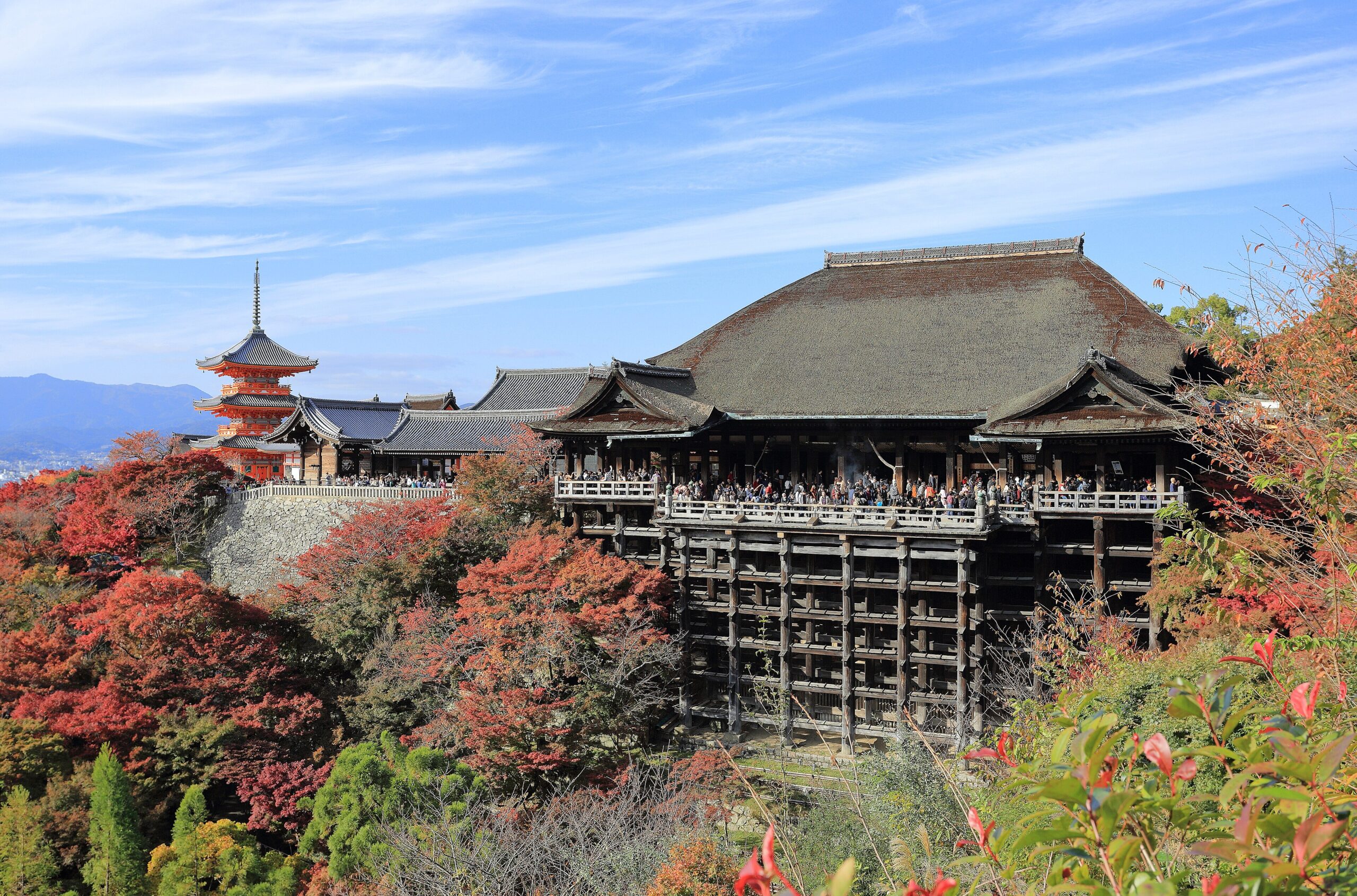
Here is the thing many older guides get wrong: the Japan Rail Pass jumped in price in late 2023, and it is no longer the automatic bargain it once was. A 7-day pass now costs roughly $340, and a 14-day pass around $540. Whether it pays off depends on your route. A round trip between Tokyo and Kyoto or Osaka alone runs close to the 7-day pass price, so if you are doing that plus a couple of side trips, the pass still wins. If you are mostly staying in one region, you are better off buying individual tickets or a regional pass.
Within cities, expect to spend $5 to $12 a day on subways and local trains. Grab a rechargeable Suica or Pasmo IC card (now available in Apple Wallet) and tap your way around.
Estimated transport cost for two weeks: $350 to $550 with a national pass, or $150 to $400 with individual tickets in a tighter region.
Food: The Best Value in Japan
This is where Japan will delight your wallet and your taste buds at the same time. You can eat extraordinarily well for very little.
- Convenience store meals: $3 to $6. Do not sleep on Japanese konbini. A 7-Eleven egg salad sandwich became a genuine obsession of ours.
- Ramen, udon, or a rice bowl: $6 to $10.
- Standing sushi or a casual set lunch: $8 to $15.
- Mid-range dinner with a drink: $20 to $40.
- High-end sushi or kaiseki: $80 to $300 and up.
We averaged around $40 to $50 per day on food eating very happily, mixing cheap lunches with the occasional nicer dinner. A budget traveler can do it on $25 a day; a foodie chasing Michelin experiences can spend that on a single course.
Estimated food cost for two weeks: $500 to $900 for most travelers.
Activities and Attractions
Here is another pleasant surprise: sightseeing in Japan is cheap. Most temples and shrines charge $3 to $8 entry, and many are free. A day at a world-class museum runs $10 to $20.
Where costs add up is the special experiences: a sumo tournament ticket, a robot show, a guided food tour, a day trip to Mount Fuji, a themed cafe, or a ticket to teamLab. Budget $150 to $400 for a couple of weeks of paid activities depending on your interests. Traveling with kids changes the math a bit, and our Tokyo with kids travel guide has family-friendly picks that keep costs reasonable.
Do not forget travel insurance, which we consider non-negotiable for an international trip. A policy for a two-week trip typically runs $40 to $120; see our guide to the best travel insurance for how to choose.
Three Sample Budgets for a 12-Day Trip
Here is how it all comes together per person, including flights.
The Budget Trip: about $2,300
Hostels and capsule hotels, konbini and casual meals, regional rail rather than a full JR Pass, and mostly free temples and parks. Totally doable and still a wonderful experience.
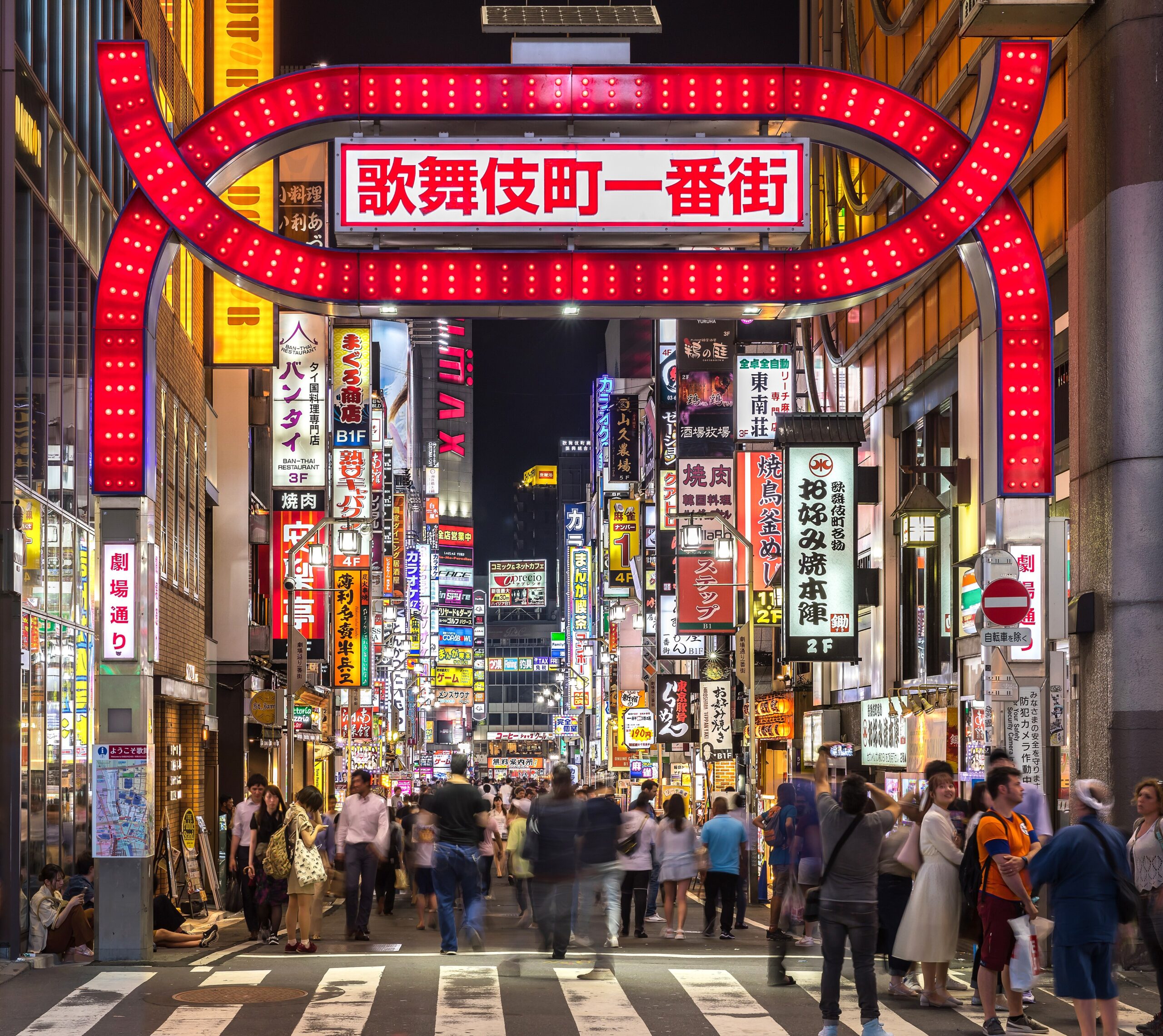
The Comfortable Trip: about $3,900
Clean business hotels, a mix of cheap lunches and nicer dinners, a 7-day JR Pass for the Tokyo to Kyoto to Osaka loop, one splurge ryokan night, and a handful of paid experiences. This is what we spend and what we recommend for most first-timers.
The Luxury Trip: about $8,500 and up
Western luxury hotels or high-end ryokan, fine dining, private guides, business-class flights, and premium experiences. Japan does luxury beautifully.
How to Save Money on a Trip to Japan
A few habits that saved us real money without hurting the experience:
- Travel in the shoulder seasons. Late spring after the cherry blossoms and early winter bring lower flight and hotel prices. Peak sakura and fall foliage seasons are gorgeous but pricey.
- Lean into konbini and lunch sets. Restaurants often offer the same dishes at lunch for half the dinner price.
- Do the JR Pass math honestly. Use an online fare calculator for your exact route before you buy; it is not always worth it anymore.
- Use a no-foreign-transaction-fee travel card and pay in yen. Our best travel credit cards roundup covers cards that also earn points toward your next flight.
- Carry some cash. Japan is still surprisingly cash-friendly, and some smaller spots do not take cards. Withdraw from 7-Eleven ATMs, which reliably accept foreign cards.
Hidden Costs to Budget For
The big categories are easy to plan, but a few smaller costs sneak up on people, and they add up over a two-week trip. Budget a little extra for these so nothing catches you off guard.
Luggage forwarding (takkyubin) is a wonderful Japanese service that ships your suitcase between hotels for around $15 to $25 a bag, so you can ride the bullet train hands-free. We used it every time we changed cities and considered it money well spent. Coin lockers at stations run a few dollars when you need to stash bags for a day. Pocket Wi-Fi or an eSIM for data runs roughly $5 to $8 a day, and it is essential for maps and translation. Expect to tip almost nowhere, which is a nice savings, but do budget for small souvenirs and snacks, because the packaging and regional treats are genuinely hard to resist.
Also set aside a cushion for checked-bag fees on domestic budget flights if you fly between regions rather than taking the train, and for the occasional reserved-seat surcharge on popular train routes during peak travel weeks.
Does the Region Change the Price?
Yes, and understanding this helps you stretch your budget. Tokyo and Kyoto are the priciest cities for hotels, especially during cherry blossom and fall foliage weeks, when Kyoto rooms in particular can double. Osaka tends to be a bit cheaper for lodging and famously affordable for food, which is why we often base ourselves there and day-trip to Kyoto. Smaller cities and rural areas like the Japanese Alps, Hiroshima, or the countryside of Tohoku are gentler on the wallet across the board.
Timing matters as much as geography. Avoid the three big domestic travel periods when prices spike and everything books out: Golden Week in late April and early May, Obon in mid-August, and the New Year holiday around late December and early January. Travel just outside those windows and you will find better prices and thinner crowds.
Is Japan Worth the Cost?
For us, absolutely, and then some. Dollar for dollar, Japan delivers some of the most memorable travel we have ever done: the food, the trains, the temples, the mountains, and a level of service and cleanliness that is hard to describe until you experience it. With the yen where it is, there has rarely been a better time to go. Plan smart, book your flights early, and Japan will surprise you with how much value it offers.
Ready to start dreaming? Read our Kyoto, Japan travel guide for the cultural heart of the country, our Tokyo with kids travel guide for family-friendly ideas, and if you are comparing destinations, see how it stacks up against how much a trip to Europe costs and how much a trip to Hawaii costs. Happy planning!