Disclosure: This post contains affiliate links. If you book through our links, we may earn a small commission at no extra cost to you. We only recommend places and things we’ve personally used or vetted.
Table of Contents
Cancun has a reputation problem. Mention it to a seasoned traveler and they’ll wrinkle their nose a little — Spring Break memories, the strip of identical all-inclusive resorts, party boats with foam cannons. We get it. We had the same instinct.
Then we actually went, and here’s what we found: the Hotel Zone is exactly what you’d expect, but it’s surrounded by — and acts as a gateway to — some of the most spectacular natural and archaeological wonders in the Western Hemisphere. The Great Mayan Reef is right there. Cenotes are everywhere. Chichen Itza is two hours away. Tulum is 90 minutes south. The Caribbean water is that impossible blue that exists almost nowhere else on earth.
Cancun done right is an excellent trip. Here’s how to do it right.
Is Cancun Actually Worth It?
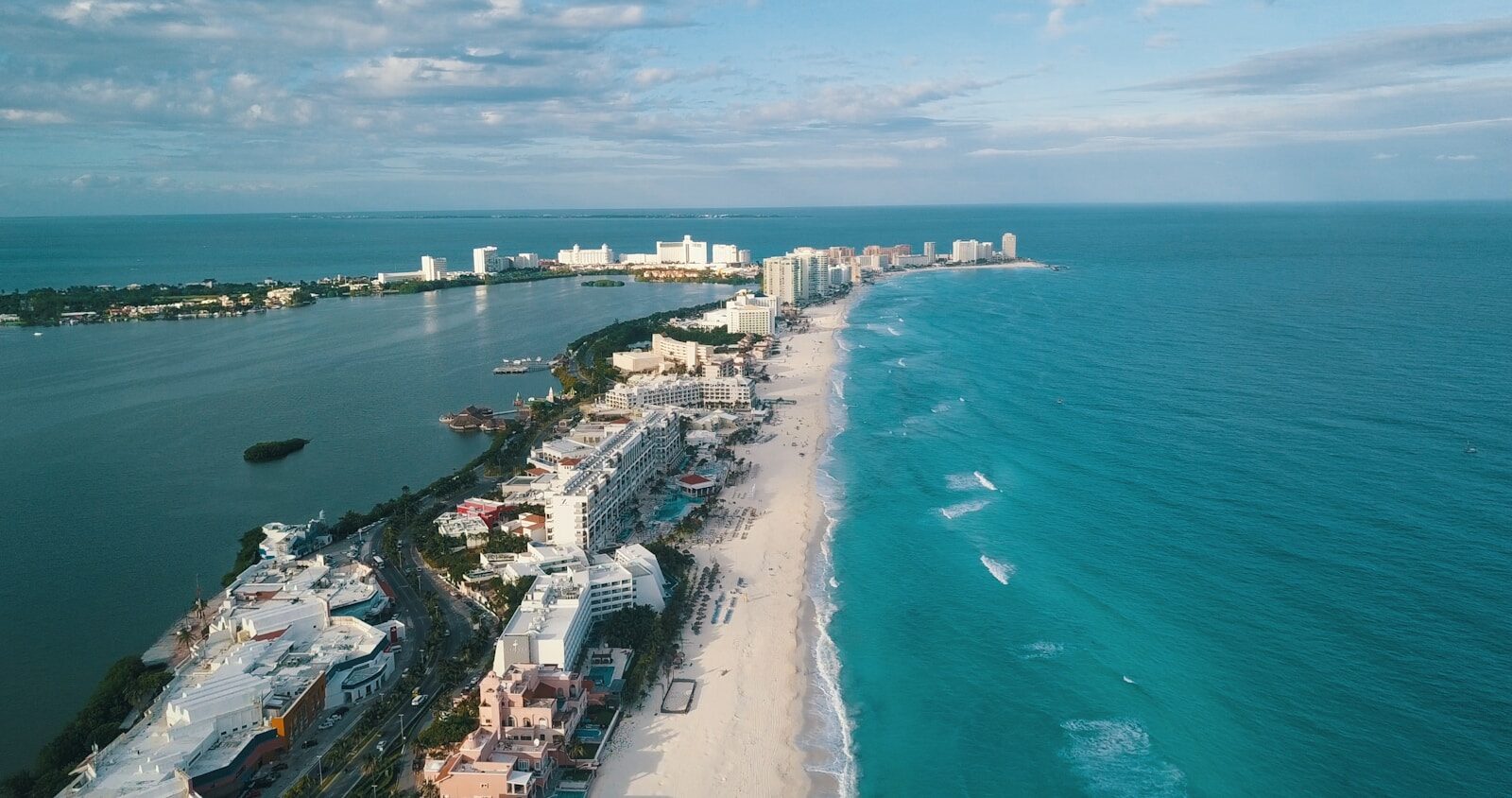
Yes, if you know what you’re getting into. Cancun itself — specifically the Hotel Zone, or Zona Hotelera — is a 14-mile strip of beaches, resorts, clubs, and tourist infrastructure. It’s designed for convenience and beach access, and it delivers on both.
What Cancun is not is the authentic Mexico experience. For that, you go to downtown Cancun (El Centro), or — better — you use Cancun as a base and explore the surrounding region: the Yucatan Peninsula, the Riviera Maya, the archaeological sites, and the cenote network that makes this part of Mexico one of the most unique places on earth.
When to Visit Cancun
Best months: December through April. The dry season brings low humidity, consistent sunshine, and calm Caribbean seas. This is also peak season — prices are higher, and certain weeks (Christmas, spring break in March) get absolutely packed.
Shoulder season: May and early June are excellent — prices drop, crowds thin, and the weather is still warm and mostly sunny before the rainy season kicks in.
Hurricane season (June–November): The Yucatan Peninsula can be affected by tropical storms and hurricanes, most commonly August through October. Weather is more unpredictable, rain is possible, and you should always purchase travel insurance if visiting this time of year. The upside: hotel rates can be significantly lower.
If you’re booking during hurricane season, do not skip travel insurance. We recommend World Nomads for Mexico trips — see our full best travel insurance comparison.
Getting to Cancun
By air: Cancun International Airport (CUN) is one of the most well-connected resort airports in the Americas. Direct flights operate from dozens of US and Canadian cities — including budget carriers that make Cancun genuinely affordable to reach. Set price alerts on Google Flights; we’ve seen round-trip fares from major US cities under $200.
From the airport: The official taxi stands in the arrivals hall charge fixed rates by zone ($30–55 USD to the Hotel Zone). You can also book a shared shuttle through your hotel or via Viator’s Cancun airport transfer options. Private transfers are worth it if you’re arriving late or with a family.
Where to Stay in Cancun
The choice between the Hotel Zone and downtown defines your entire Cancun experience.
Hotel Zone (Zona Hotelera)
If you want beach access, resort amenities, and the full all-inclusive experience, you’re staying here. The Hotel Zone runs north to south, with the north end (near the airport) being more party-oriented and the south end being quieter and more upscale.
North Hotel Zone: Spring break central. Energetic, young, loud on weekends. Good if that’s your scene.
South Hotel Zone (Punta Cancun & beyond): Higher-end resorts, calmer vibe, still great beach access.
For families and couples who want a well-run all-inclusive, see our guide to the best all-inclusive resorts in Mexico — we break down the best options by budget and vibe.
Top picks for independent travelers: Hyatt Ziva Cancun (excellent service, multiple pools, great reef snorkeling right off property), Le Blanc Spa Resort (adults-only, genuinely luxurious), Moon Palace (massive, great for families with entertainment options for every age).
El Centro (Downtown Cancun)
The actual city of Cancun — where Mexicans live and work — is a 10–20 minute drive inland from the Hotel Zone. If you want local tacos and tortas, authentic markets, lower prices, and a more genuine Mexico experience, you stay here.
Hotels are significantly cheaper downtown. The tradeoff is you’ll need a cab or the R1/R2 bus to reach the beach. For budget travelers or those who plan to spend more time exploring the region than sitting at a pool, downtown makes sense.
Search all Cancun hotels on Booking.com
Cancun’s Best Beaches
The Hotel Zone has beachfront throughout, but quality varies significantly.
Playa Delfines — The best public beach in Cancun. At the southern end of the Hotel Zone, it’s wide, uncrowded relative to other Hotel Zone beaches, has no resort blocking access, and has the classic Cancun photo-op sign everyone knows. Stunning turquoise water.
Playa Gaviota Azul — Mid-Hotel Zone, adjacent to the Forum mall. Nice beach, good access, one of the calmer stretches.
Playa Norte (Isla Mujeres) — Not technically Cancun — it’s on a small island 20 minutes by ferry from the port — but Playa Norte is arguably the single most beautiful beach in the Cancun region. Shallow, impossibly calm turquoise water, powdery white sand. Day trip or stay overnight on the island.
What to Do in and Around Cancun
Snorkeling & Diving
Cancun sits on the edge of the Mesoamerican Barrier Reef, the second-largest coral reef system in the world. The snorkeling and diving here is world-class — diverse coral formations, sea turtles, colorful fish, and exceptional water clarity.
The MUSA Underwater Museum (Museo Subacuatico de Arte) is one of the most unique dive experiences on the planet: over 500 life-sized sculptures submerged in the Caribbean, now encrusted with coral. Available for both snorkeling and scuba. Book a MUSA snorkeling or diving tour through Viator — skip the glass-bottom boat and go in the water.
Cenotes
This is the thing that makes the Yucatan Peninsula unlike anywhere else. Cenotes are natural sinkholes or caves filled with freshwater, formed when ancient limestone collapsed to reveal the underground river system below. They’re scattered throughout the jungle surrounding Cancun — crystal clear, turquoise, and stunning.
Ik Kil — Near Chichen Itza; the most photographed, with vines hanging down into the blue water. Touristy but genuinely beautiful.
Gran Cenote — Near Tulum; possibly the most gorgeous we’ve visited. Clear enough to see the bottom, with stalactites in the cave sections.
Dos Ojos — Two connected cenotes near Tulum, famous for cave snorkeling and diving. One of the best cenote experiences available. Book a cenote tour from Cancun through GetYourGuide.
Chichen Itza
One of the Seven Wonders of the Modern World, Chichen Itza is a 2-hour drive from Cancun and absolutely worth a full-day excursion. The scale of El Castillo pyramid is humbling in person — photos don’t prepare you for it. Go early to beat the worst heat and crowds.
Book a guided Chichen Itza tour from Cancun on Viator — guided tours add significant historical context and typically include Ik Kil cenote and a buffet lunch.
Isla Mujeres
This small island 20 minutes by ferry from Cancun’s Puerto Juarez is one of the most charming places in Mexico. Golf cart rentals, beautiful beaches, excellent seafood, and a laid-back vibe completely different from the Hotel Zone. Playa Norte is the standout. Spend a day or stay overnight — it genuinely recharges you.
Book an Isla Mujeres day trip from Cancun on GetYourGuide.
Tulum Day Trip
Tulum is 90 minutes south of Cancun and home to one of the most dramatically situated archaeological sites in Mexico: Mayan ruins perched directly on the Caribbean cliffs. The beaches below the ruins are stunning. And the town of Tulum has its own distinct travel scene — more on that in our Tulum Travel Guide. It’s an easy and very worthwhile day trip from Cancun.
Where to Eat in Cancun
Hotel Zone
Most all-inclusives are self-contained, but if you’re eating outside your resort:
La Habichuela Sunset — One of Cancun’s best traditional Yucatecan restaurants, beautifully decorated garden setting. Try the cochinita pibil.
Kinich — Authentic Yucatecan cuisine in a relaxed, locally-loved setting. Papadzules (egg tacos in pumpkin sauce) and poc chuc (marinated pork) are not to be missed.
Harry’s — Upscale steakhouse and sushi hybrid in the Hotel Zone; excellent for a special dinner out.
Downtown El Centro
Mercado 23 and Mercado 28 — Local markets with food stalls serving tacos, antojitos, and fresh juice. Authentic and cheap.
La Parilla — A downtown institution for traditional Mexican food. Everything is good; the fajitas are excellent.
Cancun Travel Budget
Cancun’s cost depends enormously on where and how you stay.
| Budget Level | Accommodation | Food | Activities | Daily Total |
|---|---|---|---|---|
| Budget | Downtown hotel ($40–70/night) | Market tacos + local restaurants ($20–35) | Free beach + public cenotes | $80–130/day |
| Mid-range | Hotel Zone (non-all-inclusive) ($150–250) | Mix of resort + restaurants ($50–80) | Tours, snorkeling, Chichen Itza | $250–400/day |
| All-inclusive | Hotel Zone AI resort ($200–400/person) | Included | Add-on tours separately | $250–450+/day (per person) |
Note: All-inclusive pricing varies wildly by property, season, and how far in advance you book. The best rates are typically found 3–6 months out.
Where to Book Your Cancun Trip
Hotels & Resorts: Booking.com has the largest selection for Cancun, including all-inclusives that can be booked without a package.
Tours: Viator is our go-to for Cancun’s big excursions — Chichen Itza, MUSA diving, cenote tours. GetYourGuide is great for Isla Mujeres and water sports.
Travel Insurance: Required if traveling during hurricane season; highly recommended year-round. See our best travel insurance guide for Mexico-specific recommendations.
Practical Tips for Cancun First-Timers
The public bus is great. The R1 and R2 buses run the length of the Hotel Zone and downtown for about $0.80 USD. If you’re a budget traveler or just want to get around cheaply, use it.
Tap water is not safe. Stick to bottled water and be cautious with ice outside of established tourist restaurants.
Don’t drink the tap water — even to brush your teeth. Use the bottled water your hotel provides or buy your own.
USD is widely accepted in the Hotel Zone, but you’ll often get slightly worse rates than paying in pesos. Withdraw pesos from an airport ATM or your hotel for day-to-day use.
Book cenote and archaeological tours in advance. Popular cenotes and Chichen Itza have capacity limits, especially in peak season. Book a few days ahead at minimum.
Watch your belongings on public beaches. The Hotel Zone public beaches see pickpocketing. Don’t leave valuables unattended.
Final Thoughts: The Real Cancun
Cancun isn’t trying to be Mexico City or Oaxaca. It’s not pretending to be undiscovered or “authentic” in the way some destinations trade on. What it is, done well, is a beautiful stretch of Caribbean coastline with extremely convenient access to some of the most remarkable natural and historical sites in the Americas.
The Hotel Zone is a tool — use it for the beach and the comfortable base, then get out and explore. Swim in cenotes. Hire a guide for Chichen Itza. Take the ferry to Isla Mujeres. Make the drive to Tulum (our full Tulum guide has everything you need). The Caribbean will be waiting when you get back.
That’s the Cancun most visitors never see, and it’s genuinely, surprisingly wonderful.