Tulum travel guide — we’ve been researching and testing travel strategies for years, and this guide covers everything you need to know. This post contains affiliate links. If you book or buy something through our links, we may earn a small commission at no extra cost to you. Thanks for supporting Faceted Travel!
Table of Contents
Table of Contents
Tulum has a reputation problem — or rather, it has a reputation that doesn’t quite match the reality of visiting. The Instagram version of Tulum (boho-chic cenote photos, white linen everything, DJ sets at sunset) is real. But the actual Tulum is messier, more interesting, and more complex than any curated feed suggests. And if you go in knowing what to expect, it still delivers some genuinely extraordinary experiences.
We’ve been twice. Here’s the honest guide to Tulum beyond the hype — what’s actually worth your time, where to stay, and how to navigate one of Mexico’s most complicated destinations.
What Tulum Actually Is (and Isn’t)
Tulum sits on the Caribbean coast of Mexico’s Yucatán Peninsula, about 130 km south of Cancún. It has two distinct zones: Tulum Pueblo (the town, inland on the main highway) and Tulum Beach (the hotel zone, several kilometers of white-sand beach fronting the Caribbean). Most visitors stay on the beach strip, which is where almost all the famous hotels, beach clubs, and restaurants are located.
The Instagram version of Tulum comes from a specific slice of the beach zone — luxury boho hotels with cenotes, yoga platforms, and organic menus. This exists. It’s also expensive and crowded in high season. But the Yucatán Peninsula around Tulum is genuinely extraordinary, and the cenotes, Mayan ruins, and natural wonders accessible from here are among the most remarkable in Mexico.
The Tulum Ruins: Ancient Mayan Cliffside
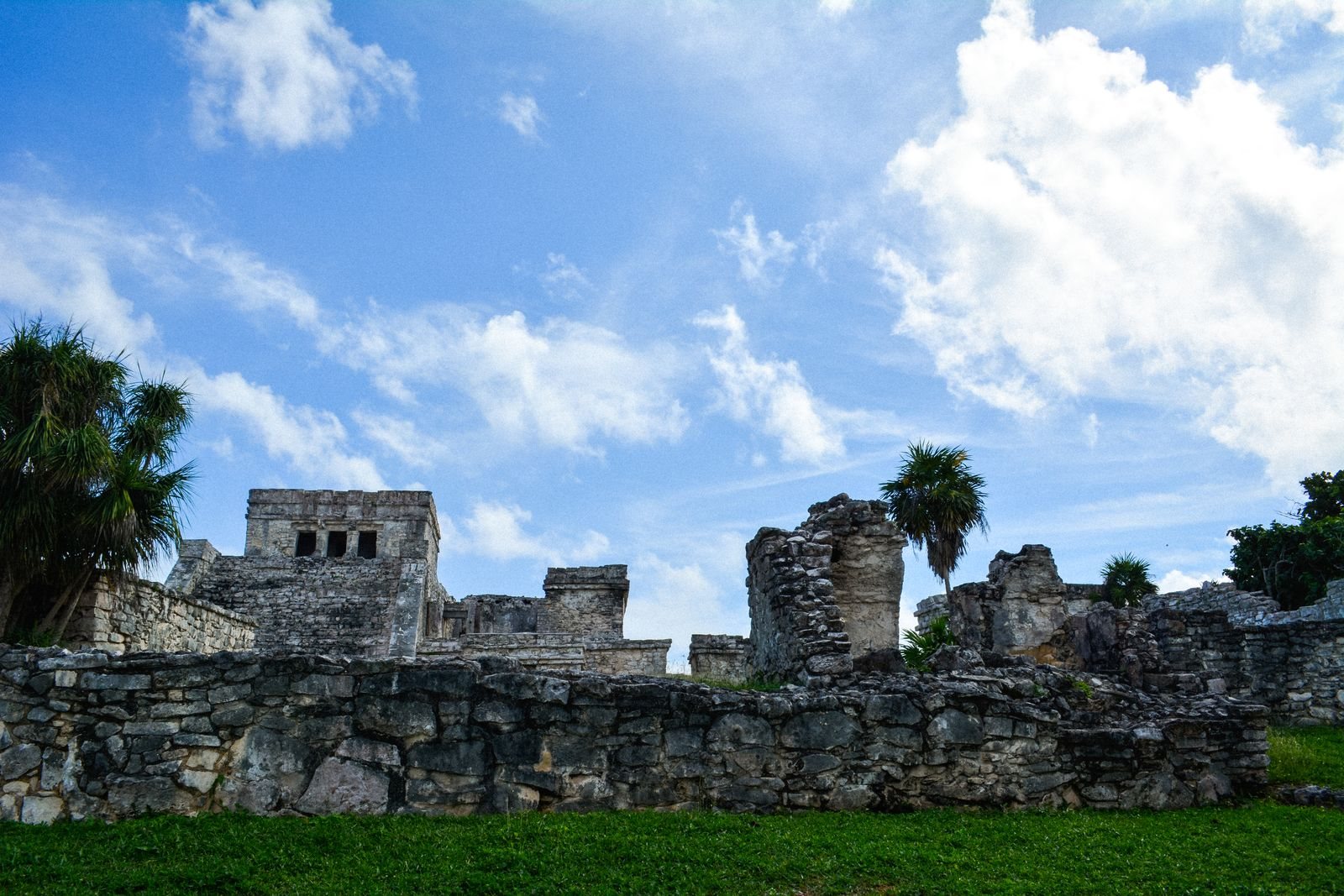
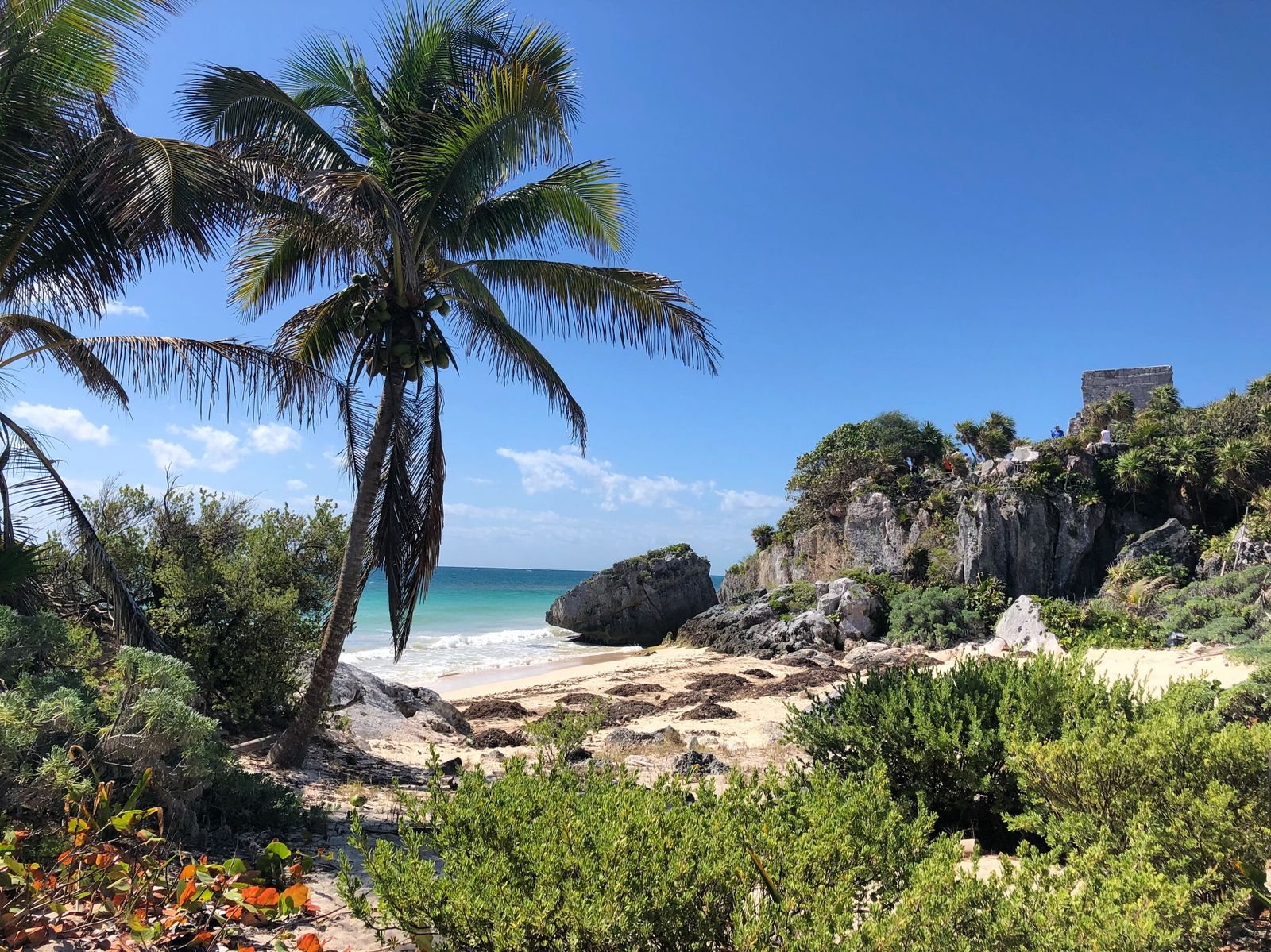
The Tulum archaeological site is the most visually dramatic Mayan ruin complex in Mexico — not the largest or most impressive architecturally, but uniquely positioned on a cliff directly above the turquoise Caribbean Sea. The combination of ancient stone temples, tropical jungle, and the blue water below creates images that explain why Tulum is one of the most visited archaeological sites in the country.
Come at opening (8am) to beat the crowds — by 10am it’s very busy. The site is small enough to see in about 90 minutes. You can swim at the beach below the ruins, which is one of the better beaches in the area. Book a guided Tulum ruins tour through Viator for historical context and to combine with cenote visits.
Cenotes: The Real Reason to Go to Tulum
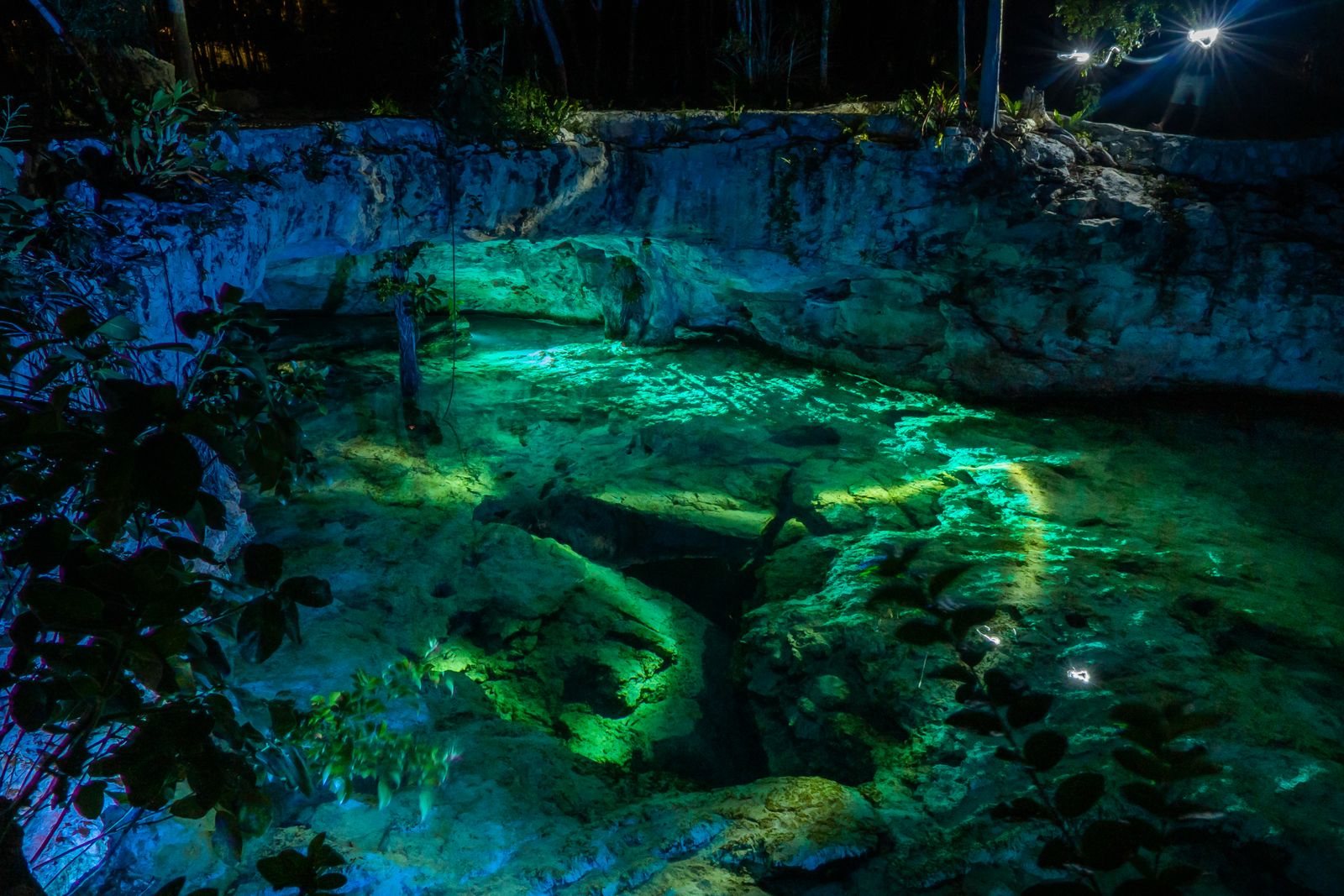
The Yucatán Peninsula is honeycombed with cenotes — natural sinkholes in the limestone filled with crystalline freshwater, some connected by underground river systems that stretch for hundreds of kilometers. Swimming in a cenote is unlike any other experience: clear water illuminated by shafts of light filtering through gaps in the cave ceiling, surrounded by stalactites and absolute silence underwater.
Best Cenotes Near Tulum
- Gran Cenote — The most accessible from Tulum, about 5 minutes by bike. Open water with a cave section, excellent snorkeling, usually clear visibility. Go early morning for best light and fewer people.
- Dos Ojos — Two connected cenote systems with incredible cave diving and snorkeling. One of the most beautiful cenotes in the Yucatán.
- Cenote Calavera (Temple of Doom) — Three openings in the rock; you jump or descend by ladder. More adventurous and less crowded than Gran Cenote.
- Sac Actun / Aktun-Ha — Part of the world’s longest underwater cave system. Guided cave dives available for certified divers.
Book a guided cenote tour through Viator to combine multiple cenotes efficiently and get transportation sorted — cenotes are spread across the area and having a guide maximizes your time.
The Sian Ka’an Biosphere Reserve
Just south of Tulum’s hotel zone, the Sian Ka’an UNESCO World Heritage biosphere reserve is 1.3 million acres of protected tropical forest, wetlands, mangroves, and coral reef. Boat tours through the reserve take you through the ancient Mayan canal system (you float down them like a river), past wildlife (manatees, crocodiles, hundreds of bird species), and out to pristine Caribbean reef. It’s one of the most extraordinary half-days you can spend in the Yucatán. Book through Viator’s Sian Ka’an tours.
Tulum Beach: What to Expect
Tulum’s beach strip is beautiful — white sand, turquoise Caribbean water, jungle behind — but it’s significantly more developed and crowded than the photos suggest. Beach clubs dominate the shoreline, and most require a minimum spend for access. The northern end of the beach (near the ruins) is the least developed. The main hotel zone road has notoriously bad road quality and no street lighting at night — renting a bike is genuinely better than driving for short distances.
The sargassum seaweed problem (common across the Caribbean) affects Tulum intermittently — check current conditions before booking if pristine beach swimming is important to you.
Where to Stay in Tulum
- Hotel Zone / Beach Strip: The classic Tulum experience. Boho-luxury hotels, beach access, cenotes nearby. Expensive, especially May–December peak season.
- Tulum Pueblo (Town): Significantly cheaper, genuine local life, easy access to highways and buses. 10–15 minutes from the beach by bike or taxi.
- Aldea Zamá: A residential development between town and beach — quieter than the hotel zone but closer than the pueblo. Growing food and boutique hotel scene.
Find and compare options on Booking.com. Book well in advance for December through March — peak season in Tulum sees prices double and rooms disappear months ahead.
Tulum Food and Restaurants
Tulum’s restaurant scene is genuinely excellent, if expensive by Mexico standards. The beach zone has a disproportionate number of exceptional restaurants serving creative Mexican cuisine. For more affordable eating, Tulum Pueblo has excellent tacos, cochinita pibil, and fresh ceviche at local prices. The Mercado Municipal in town is the real deal — and easily the most authentic meal you’ll have in Tulum.
Where to Book Your Tulum Trip
- Cenote tours, ruins & Sian Ka’an: Viator Tulum tours
- Hotels: Booking.com
- Travel insurance: Our travel insurance guide
- Cheap flights to Cancún: Flight booking strategies that work
Tulum is worth visiting — the cenotes alone justify the trip, and the Yucatán Peninsula is one of the richest travel destinations in all of Mexico. Just go in with accurate expectations rather than Instagram ones, and you’ll come home with memories that are real and extraordinary, not filtered and staged.
Planning resources: For the latest details, visit Visit Mexico – Tulum official info, Tulum Archaeological Zone (INAH), and Mexico’s Secretariat of Tourism.