Disclosure: This post contains affiliate links. If you book through our links, we may earn a small commission at no extra cost to you. Thanks for supporting Faceted Travel!
Table of Contents
- The Quick Answer
- Understanding North Macedonia's Climate
- Spring (March to May): Green, Quiet and Great Value
- Summer (June to August): Lake Season
- Fall (September to November): Harvest, Color and Calm
- Winter (December to February): Snow, Carnivals and City Breaks
- North Macedonia Month by Month at a Glance
- When Is North Macedonia Cheapest?
- Combining North Macedonia With Albania or Greece
- Our Recommendation
- Where to Book
- Final Thoughts
North Macedonia can feel like three different countries depending on when you show up. Visit in July and you get a lakeside summer on Ohrid with warm water and open-air concerts; come in January and you find snowy ski slopes in Mavrovo and costumed carnivals in mountain villages; arrive in September and the whole Tikves wine region is celebrating the grape harvest.
We have traveled around North Macedonia in several seasons, from Skopje and Matka Canyon to Bitola and the shores of Lake Ohrid, and the timing of your trip matters more here than in most places. So here is our honest, month-by-month guide to the best time to visit North Macedonia, plus what each season is really like, what it costs and which festivals are worth planning around.
The Quick Answer
- Best overall: late May to June and September, when the weather is warm, Lake Ohrid is lovely, hiking trails are open and crowds are light.
- Best for swimming in Lake Ohrid: July and August, when the water is at its warmest (and the lakeside is at its busiest).
- Best for wine lovers: September, during the grape harvest in the Tikves region.
- Best for skiing: January and February at Mavrovo and Popova Shapka.
- Best for budget travel: April, October and November, when prices drop and you have historic sites largely to yourself.
Understanding North Macedonia’s Climate
North Macedonia is a small, landlocked, mountainous country, and its climate varies more than you might expect for its size.
Skopje and the Vardar valley have a continental climate: hot, dry summers where temperatures regularly climb above 95°F (35°C), and cold winters that dip below freezing. Lake Ohrid and Lake Prespa in the southwest sit at around 2,300 feet (700 meters), so summers are warm but softened by the lake breeze and evenings are pleasantly cool. The mountains, including Mavrovo, Pelister and Shar, stay cooler year-round and get reliable snow in winter.
The practical takeaway: if Skopje feels too hot in July, head to the lakes or mountains, where it can be 10 degrees cooler.
Spring (March to May): Green, Quiet and Great Value
Spring is one of the most underrated times to visit North Macedonia. The hills turn bright green, wildflowers bloom along the roads, and the country’s many monasteries and old towns are peaceful.
March is still cool, with highs around 55°F (13°C) in Skopje and chilly nights. It is a good month for city sightseeing, but not for the lakes.
April brings warmer days, blossoming fruit trees and Orthodox Easter, which is one of the most meaningful times to be in the country. Churches fill for midnight services, and families gather for big feasts with red-dyed eggs. Easter dates change every year, so check the Orthodox calendar.
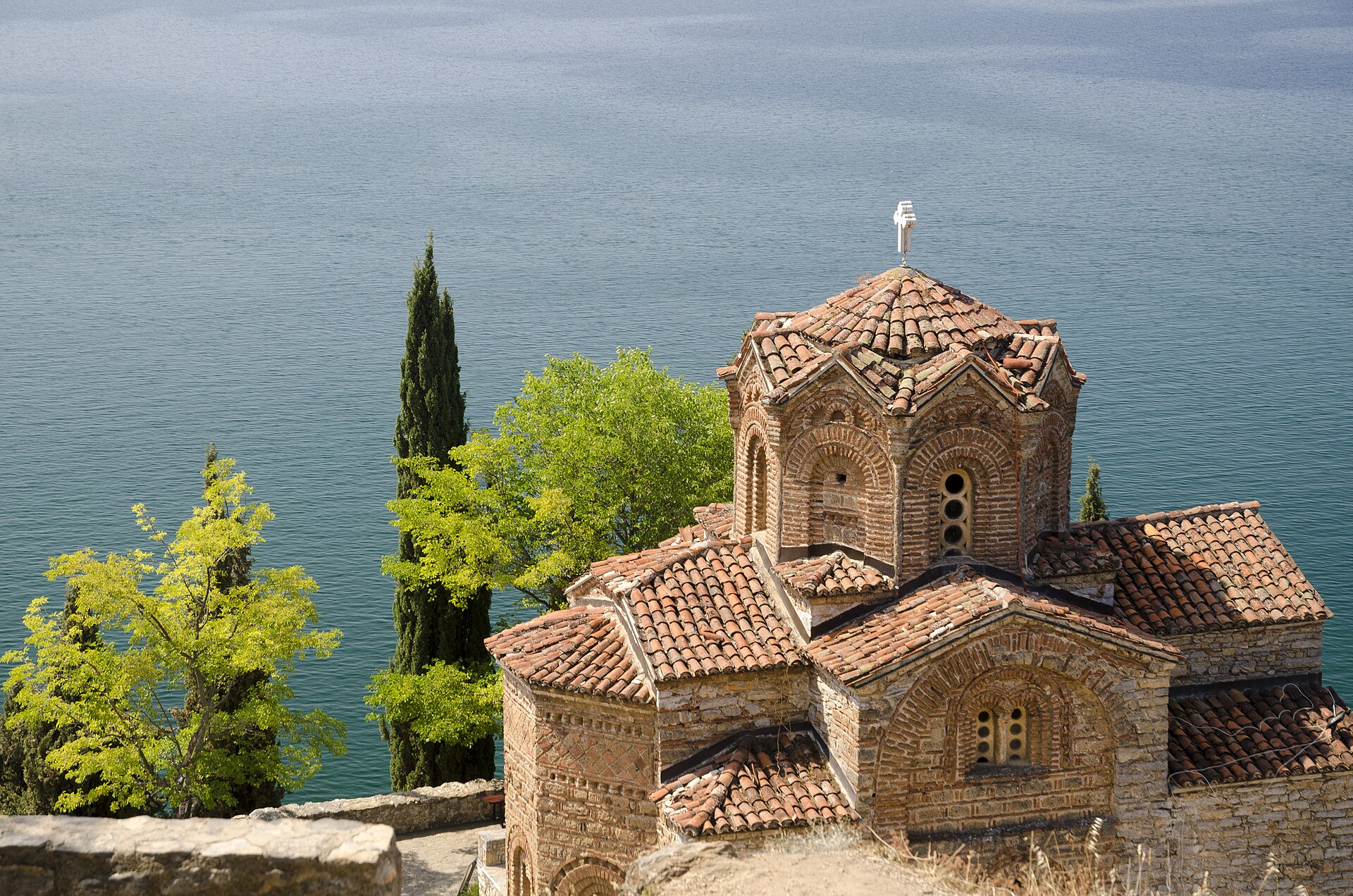
May is fantastic. Daytime temperatures reach the mid-70s°F (low to mid-20s°C), hiking trails open up, and the boat trips on Matka Canyon start running regularly. Lake Ohrid is too cold for most swimmers until late in the month, but it is perfect for walking the lakeside and visiting the old churches without the summer crowds. Our Matka Canyon guide covers how to time a visit.
Spring pros: lower prices, green scenery, few crowds, comfortable temperatures for sightseeing.
Spring cons: unpredictable rain, lake too cold for swimming until late May or June.
Summer (June to August): Lake Season
Summer is peak season, and for good reason. This is when Lake Ohrid comes alive, the old town fills with cafes and music, and the mountains are ideal for escaping the heat.
June is our favorite summer month. The lake warms up enough for swimming, the days are long and sunny, and the big crowds have not quite arrived. Highs are in the low to mid-80s°F (around 28°C) in Ohrid.
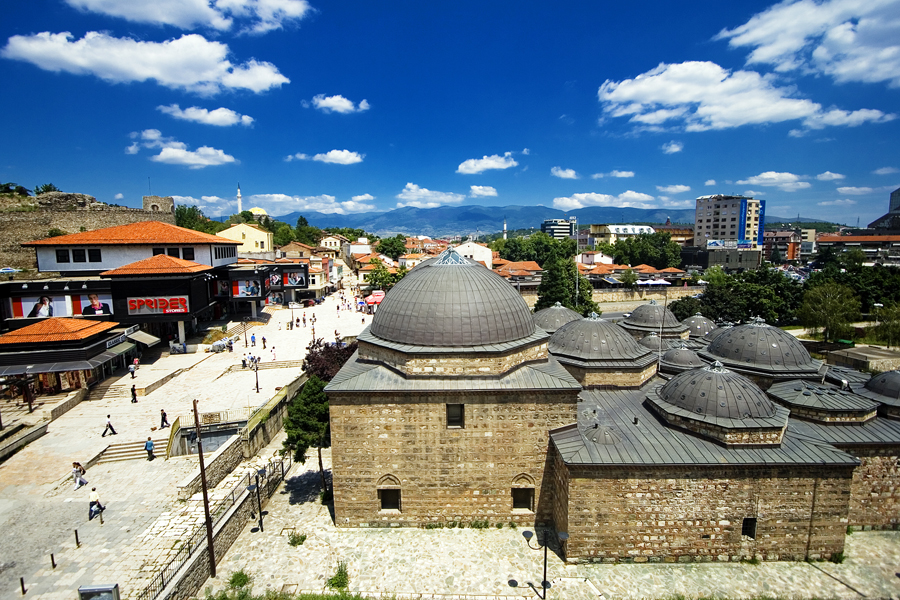
July and August are the hottest and busiest months. Skopje can be brutally hot, often topping 100°F (38°C) in heat waves, so plan outdoor sightseeing for early morning and evening. Ohrid is at its liveliest, with the beaches around the lake packed with families from across the Balkans. This is also when the Ohrid Summer Festival runs, bringing classical music, theater and dance to venues like the ancient theater and the Church of St. Sophia. In July, the mountain village of Galicnik in Mavrovo National Park hosts its famous traditional wedding festival, where a couple marries in a full folk ceremony watched by crowds of visitors.
If you visit in high summer, book accommodation in Ohrid well ahead. Our Ohrid travel guide has neighborhood tips.
Summer pros: warm lake for swimming, festivals, long days, everything open.
Summer cons: heat in Skopje and the valleys, crowds and higher prices around Ohrid, especially in late July and August.
Fall (September to November): Harvest, Color and Calm
Fall might be the single best season to visit North Macedonia.
September is close to perfect. Lake Ohrid is still warm enough to swim in the first half of the month, the summer crowds have gone home, and temperatures are pleasant everywhere. It is also grape harvest season in the Tikves wine region around Kavadarci and Negotino, the heart of Macedonian winemaking. Kavadarci hosts a lively harvest festival with parades and grape stomping, and many wineries welcome visitors for tastings. Look for the local Vranec red, which is bold, inky and excellent value.
October brings golden and red colors to the mountains, especially in Mavrovo and around Pelister above Bitola. Days are mild and sunny, perfect for hiking and wandering old towns. The Skopje Jazz Festival, one of the oldest in the region, usually takes place in October. Our Mavrovo National Park guide and Bitola travel guide are great for planning a fall road trip.
November turns cooler and damper, and some seasonal businesses around the lakes close. It is quiet and cheap, and a good time for city breaks focused on food, museums and cafes.
Fall pros: harvest festivals, fall foliage, mild weather, lower prices, far fewer tourists.
Fall cons: shorter days, some lakeside restaurants and boat services wind down after mid-October.
Winter (December to February): Snow, Carnivals and City Breaks
Winter is the least popular time to visit, but it has its own charm.
December is cold, with highs around 40°F (4°C) in Skopje. The capital’s squares fill with holiday lights and markets, and New Year’s Eve is celebrated with concerts and fireworks.
January is the heart of ski season at Mavrovo, the country’s biggest ski area, and Popova Shapka above Tetovo. Lift tickets and rentals are a fraction of Alpine prices. In mid-January, the village of Vevchani near Ohrid holds its famous carnival for the Orthodox New Year, a centuries-old tradition with wild masks, satirical costumes and a party atmosphere that draws visitors from around the region.
February stays cold and snowy in the mountains. Depending on the calendar, the Strumica Carnival in the southeast, one of the biggest in the Balkans, can take place in late February or early March.
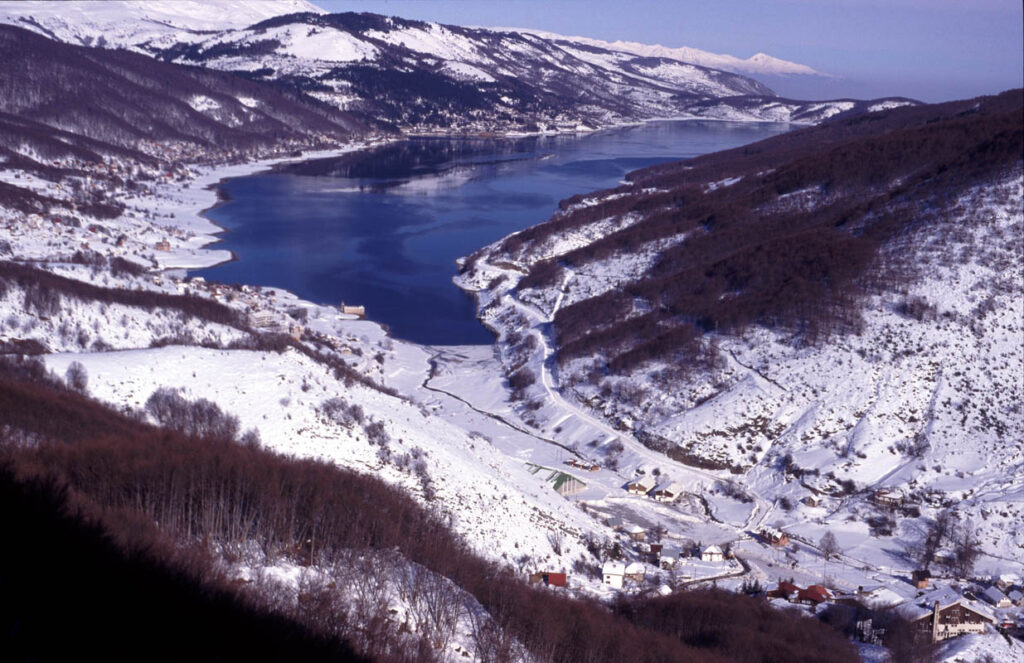
One thing to know about winter: Skopje, and some other cities in valleys, can experience serious air pollution on still, cold days, when smoke from heating gets trapped. It is worth checking air quality forecasts and planning more of your time in the mountains or at the lakes.
Winter pros: cheap skiing, unique carnivals, very low prices, no crowds.
Winter cons: cold, short days, air pollution in Skopje, many lakeside businesses closed.
North Macedonia Month by Month at a Glance
| Month | Skopje avg high | Crowds | Best for |
|---|---|---|---|
| January | 39°F / 4°C | Very low | Skiing, Vevchani Carnival |
| February | 45°F / 7°C | Very low | Skiing, Strumica Carnival |
| March | 55°F / 13°C | Low | City sightseeing |
| April | 64°F / 18°C | Low | Easter, spring blossoms |
| May | 74°F / 23°C | Moderate | Hiking, Matka, sightseeing |
| June | 83°F / 28°C | Moderate | Lake Ohrid, hiking |
| July | 89°F / 32°C | High | Swimming, Ohrid Summer Festival |
| August | 89°F / 32°C | High | Swimming, festivals |
| September | 80°F / 27°C | Moderate | Wine harvest, lake, hiking |
| October | 67°F / 19°C | Low | Fall colors, jazz festival |
| November | 53°F / 12°C | Very low | Budget city breaks |
| December | 41°F / 5°C | Low | Holiday markets |
Temperatures are approximate averages; heat waves in summer can push well past these numbers.
When Is North Macedonia Cheapest?
North Macedonia is already one of the most affordable countries in Europe, but prices do move with the seasons. Accommodation around Lake Ohrid can double in late July and August, and the best lakeside places sell out. Outside the lake, prices in Skopje, Bitola and the mountains are fairly stable year-round.
For the best value, aim for April, May, October or November. You will find great deals on guesthouses, and restaurants that feel packed in summer will have tables waiting.
Combining North Macedonia With Albania or Greece
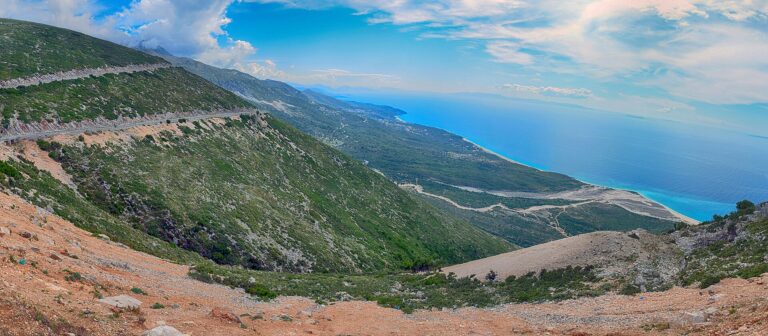
Many travelers pair North Macedonia with its neighbors, and timing matters for that too. If you are planning a loop with the Albanian Riviera, June and September work best for both countries, giving you warm beaches in Albania and comfortable temperatures in Ohrid. Ohrid is only about an hour from the Albanian border, making it an easy add-on. Our guide to the best time to visit Albania lines up well with this one.
Northern Greece, including Thessaloniki, is also close by, and the same shoulder months are ideal there as well.
Our Recommendation
If we could only pick one time to visit North Macedonia, we would choose the first half of September. The lake is still warm, the grape harvest is underway, the mountains are beautiful for hiking, and the summer crowds have gone. Late May and June come a very close second.
If swimming and summer nightlife are your priority, July and August are great as long as you book early and stay near the lake rather than in Skopje. And if you want something completely different, a January trip for skiing and the Vevchani Carnival is one of the more memorable winter experiences in Europe.
Before you go, read our full guide on how to plan a trip to North Macedonia for itineraries, costs and transportation tips.
Where to Book
We book almost all our stays in North Macedonia on Booking.com, which has an excellent selection of lakeside guesthouses in Ohrid, boutique hotels in Skopje and family-run mountain lodges. Search Ohrid stays on Booking.com or search Skopje stays on Booking.com.
For day trips and tours, Viator offers everything from Matka Canyon half-day trips and Skopje walking tours to Tikves wine tastings and Lake Ohrid boat cruises, many with free cancellation. Browse North Macedonia tours on Viator.
Final Thoughts
There is no truly bad time to visit North Macedonia, only different trips. Summer is for the lake, fall is for wine and hiking, winter is for skiing and carnivals, and spring is for quiet monasteries and green hills. Pick the version that fits your travel style, and you will leave wondering why more people have not discovered this little country yet.
Planning your route? Start with our Skopje travel guide, then head south with our Ohrid travel guide and Bitola travel guide.