Disclosure: This post contains affiliate links. If you book through our links, we may earn a small commission at no extra cost to you. Thanks for supporting Faceted Travel!
Table of Contents
We get this question more than almost any other, and it usually arrives in the same shape: “We have ten days, we want the Adriatic, and we cannot decide.” Fair enough. From a distance Croatia and Montenegro look like the same trip. Same sea, same stone towns, same red roofs, same Venetian history, and a border you can cross in a morning.
They are not the same trip. After a lot of time in both, we think the honest answer comes down to four things: how many days you have, how much you want to spend, whether you are chasing islands or mountains, and how much you mind crowds. Here is how we would actually choose.
The Short Answer
Choose Croatia if you want islands, a longer coastline with more variety, better tourist infrastructure, direct flights from more places, and the specific experience of Dubrovnik and Hvar and Split. It is easier, more polished, and more expensive.
Choose Montenegro if you have a shorter trip, a smaller budget, and you want dramatic mountains within an hour of the sea. It is more compact, wilder, rougher around the edges, and considerably cheaper.
Do both if you have twelve days or more, because they are genuinely adjacent and the drive from Dubrovnik to Kotor is about two and a half hours.
Now the detail.
Size and Pace
This is the difference that surprises people most.
Croatia’s coast runs roughly 1,800 kilometers from Istria in the north to Dubrovnik in the south, plus over a thousand islands. Driving from Rovinj to Dubrovnik takes the better part of a day. That length is Croatia’s gift and its trap: there is enormous variety, and there is no way to see it in a week without spending your holiday in a car.
Montenegro’s entire coastline is about 290 kilometers. You can drive it end to end in three hours. The mountains, the lake, the canyon, and the sea all sit inside an area smaller than Connecticut.
What this means in practice: with seven days, Montenegro gives you a complete country and Croatia gives you one region. With fourteen days, Croatia opens up in a way Montenegro cannot match.
Cost
Montenegro is cheaper, meaningfully so, and the gap has held even as it has become more popular.
Coastal apartments in high season run roughly thirty percent less in Montenegro than for the equivalent in Croatia, and the gap widens in Dubrovnik specifically, which is the most expensive place on either coast. Restaurant meals, wine, and coffee follow the same pattern. Fuel is similar. Rental cars are similar.
The one place Croatia wins on money is flights, because it has far more direct and budget routes. Getting to Montenegro often means flying into Dubrovnik or Tivat with a connection.
If you want real numbers rather than percentages, we tracked our actual spending in how much does a trip to Croatia cost and how much does a trip to Montenegro cost.
Islands vs Mountains
This is the real fork in the road.
Croatia is an island country. Hvar, Brac, Korcula, Vis, Mljet, the Kornati archipelago. Ferries are frequent, reliable, and cheap, and island hopping is a legitimate way to structure a whole trip. There is nothing equivalent in Montenegro, which has a small handful of islets and no ferry culture at all. If the picture in your head involves catamarans and a different harbor every three days, that is Croatia, and our Croatia island hopping itinerary is the place to start.
Montenegro is a mountain country with a coast attached. From Kotor you can be at 1,700 meters in under an hour. Durmitor has glacial lakes and the second deepest canyon in the world. Lovcen looks down on the entire Bay of Kotor. Lake Skadar is the largest lake in the Balkans and is full of pelicans and water lilies. Croatia has mountains, and Plitvice and Krka are wonderful, but the mountains are further from the sea and less central to the experience.
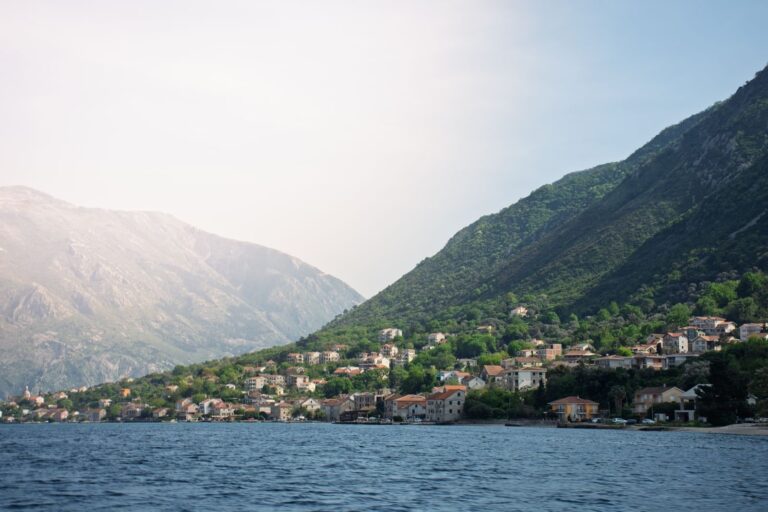
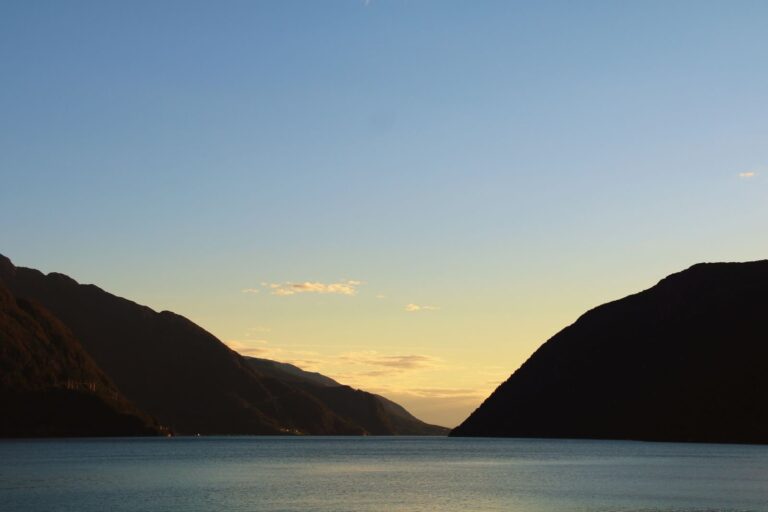
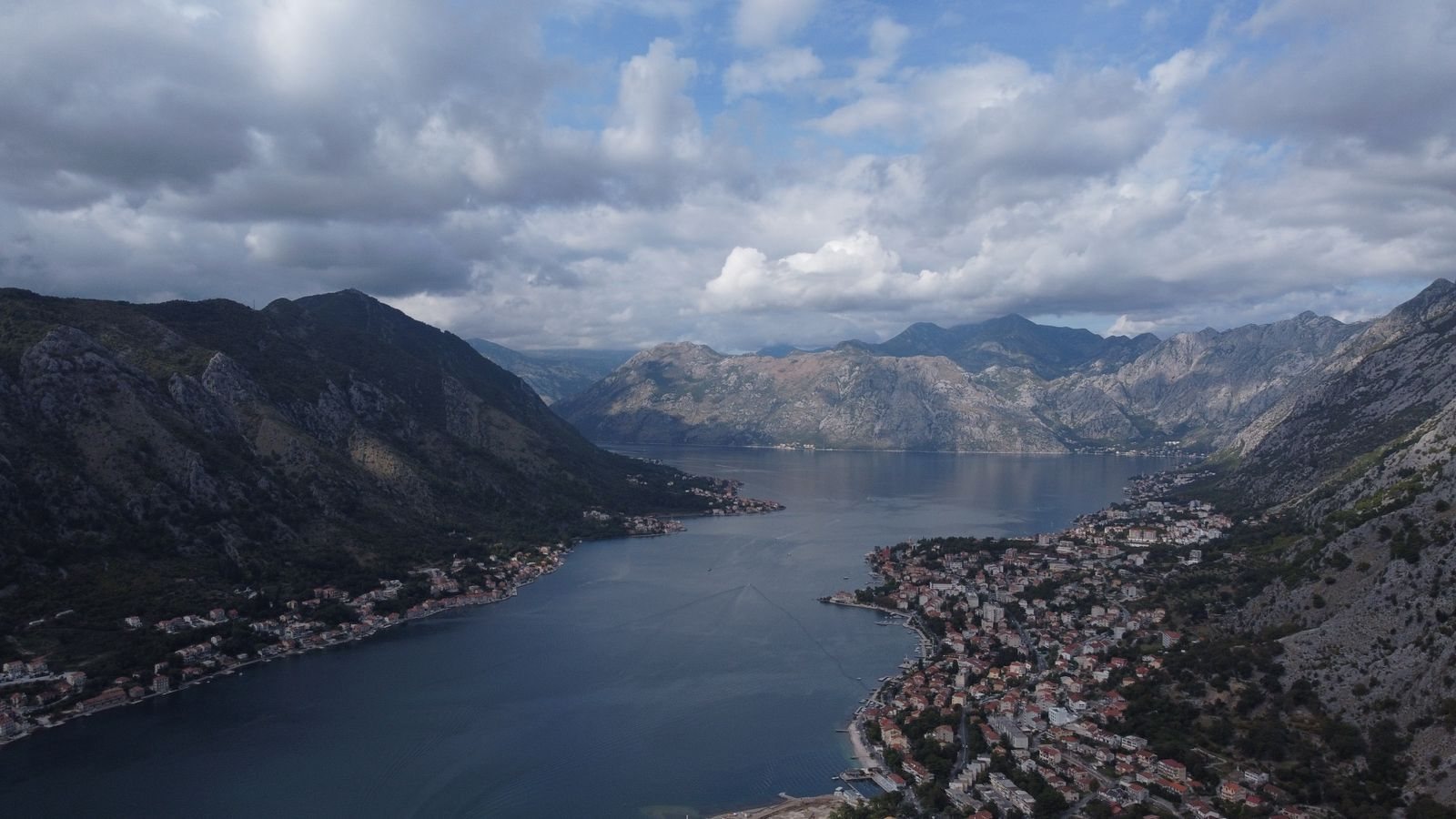
There is one exception worth naming. The Bay of Kotor is not really a bay, it is a submerged river canyon, and it is the single most dramatic piece of coastline on either side of the border. Croatia has nothing that looks like it.
Crowds
Both are busy in July and August. The distribution is different.
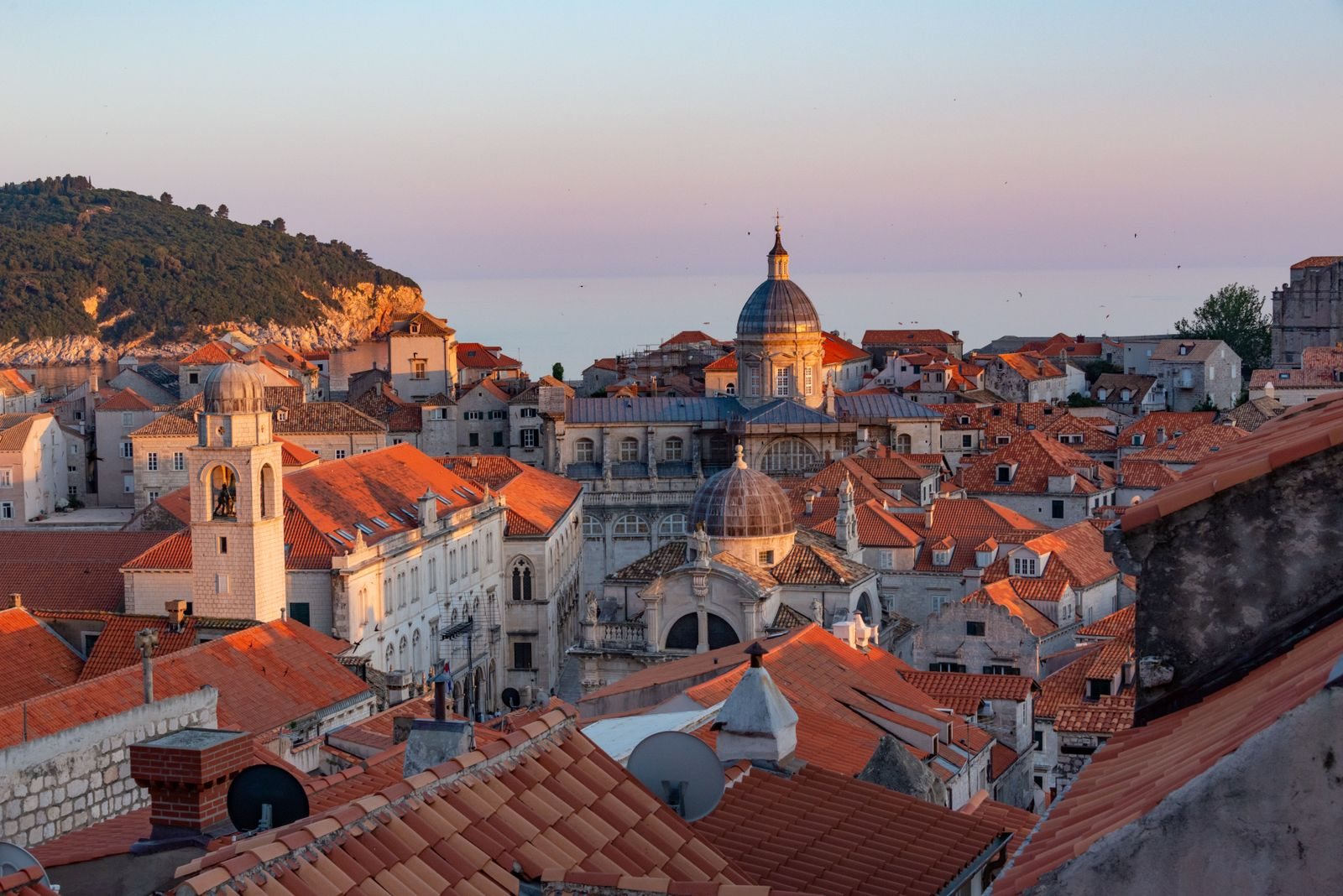
Croatia’s crowds are extreme in a few specific places and manageable everywhere else. Dubrovnik’s old town on a three cruise ship day is genuinely unpleasant. Hvar town in August is a scene. But Zadar, Sibenik, Trogir, and most of Istria stay reasonable, and we have written about all of them.
Montenegro’s crowds are concentrated in Kotor and Budva, and because the country is so small there is less room to escape them on the coast. Inland, though, Montenegro empties out fast. Durmitor and Ostrog in shoulder season feel almost private in a way that is hard to find in Croatia anymore.
Shoulder season fixes most of this for both. May, early June, and September are the answer. Our guides to the best time to visit Croatia and the best time to visit Montenegro break it down month by month.
Food and Wine
Closer than you would expect, because this was one country until fairly recently and the coastal cooking is shared. Grilled fish, black risotto, peka, blitva, olive oil, prosciutto.
Croatia is ahead on wine tourism and on fine dining. Istria in particular is a serious food region with truffles, olive oil producers, and tasting rooms that are set up for visitors. Montenegro’s Vranac and Krstac are good and very cheap, but the wine tourism infrastructure barely exists.
Montenegro is ahead on value and on mountain food, which is a genuinely different cuisine: kajmak, lamb cooked under the bell, smoked meats from the Njegusi villages, and cheeses you will not find on the Croatian coast.
Old Towns and History
Both countries were shaped by Venice, and the family resemblance in their walled towns is obvious the moment you walk into either one. Pale limestone, bell towers, winged lions carved over gateways, marble streets worn smooth.
Croatia has more of them and bigger ones. Dubrovnik’s walls are the headline, and they earn it, but Trogir, Sibenik, Korcula, and Rovinj are all complete medieval towns you can spend a day inside. Split is stranger and better than any of them, because it is a working city built inside a Roman emperor’s palace, with laundry hanging off fourth century walls.
Montenegro’s are fewer but more concentrated. Kotor’s old town is the equal of anything in Croatia and its setting under a thousand meter cliff is better. Perast is a single street of baroque palaces facing two islands, and it is arguably the prettiest village on the whole Adriatic. Beyond those two, and Budva’s small walled core, the historic sights thin out on the coast and shift inland to monasteries and the old royal capital at Cetinje.
The other difference is what happened after Venice. Croatia’s coast went to Austria, then Yugoslavia, then independence after a war whose scars are still visible in places if you look. Montenegro kept an independent mountain kingdom going through most of the Ottoman period, which is why the inland identity is so distinct from the coastal one and why places like Cetinje and Lovcen feel like a different country from Budva.
Getting There
Croatia has far better air access. Split, Dubrovnik, Zagreb, Zadar, and Pula all take direct flights from across Europe, and budget carriers serve most of them heavily in summer. From North America you will usually connect once.
Montenegro has two small airports, Tivat and Podgorica, with a much thinner route map and a short summer season. Many people fly into Dubrovnik and drive south, which works well and takes about two and a half hours to Kotor including the border.
This matters more than it sounds. A cheap direct flight into Split can wipe out Croatia’s higher on-the-ground costs for a short trip, and the extra connection into Tivat can eat half a day at each end of a week.
Beaches
Croatia’s beaches are almost all pebble or rock, with famously clear water. Montenegro has more sand, particularly in the south around Ulcinj and Velika Plaza, which is a twelve kilometer stretch of actual sand.
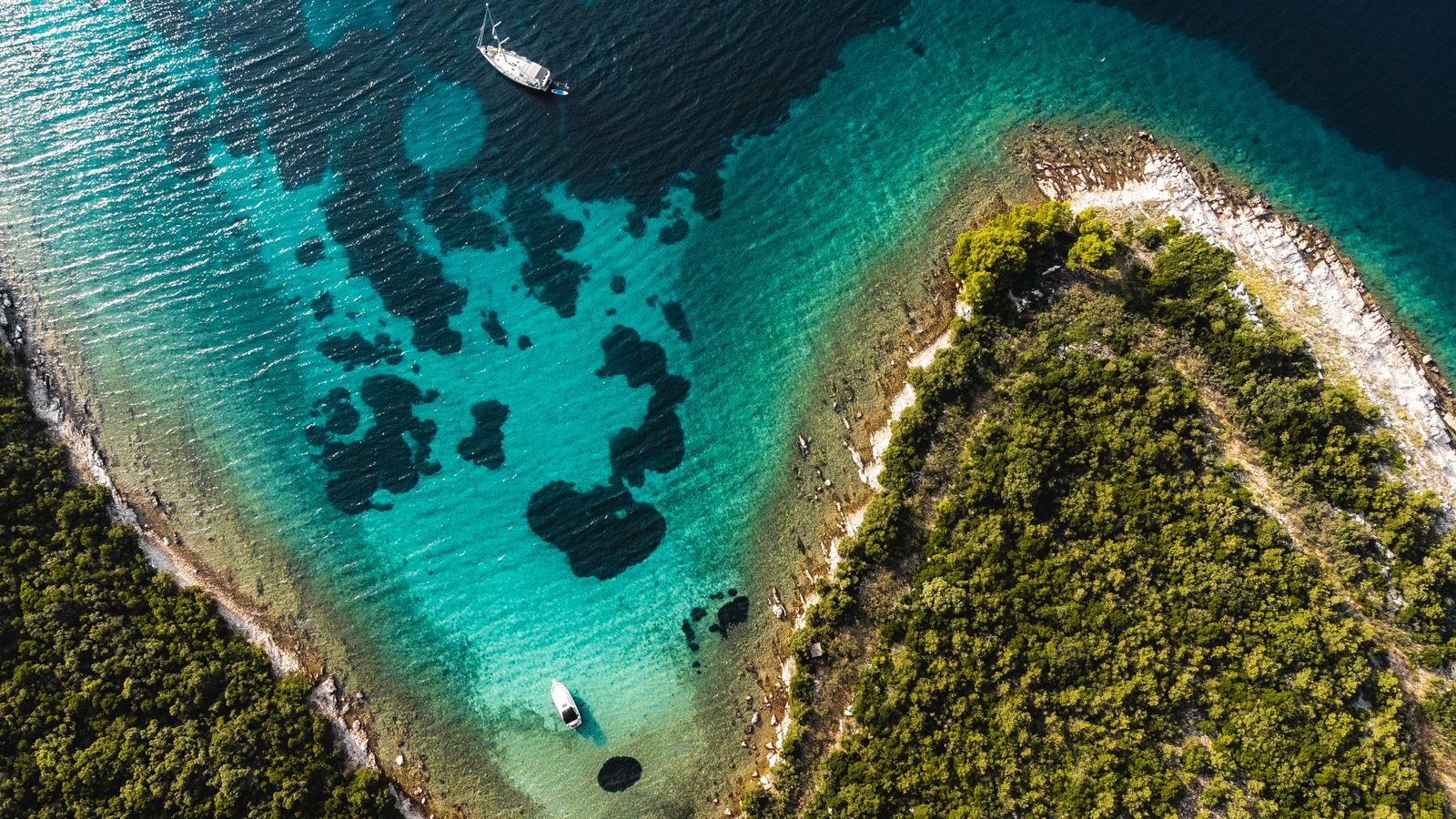
Croatia wins on water clarity and on the sheer number of small coves you can find by boat. Montenegro wins if you specifically want sand and if you want a beach day and a mountain day in the same trip without moving hotels.
Driving and Logistics
Croatia has better roads, a real motorway network, and easier driving overall. Montenegro’s coastal road is narrow and slow in summer, and the mountain roads, while spectacular, demand attention.
Both are easy to rent in. The main gotcha is crossing between them: many Croatian rental agreements require a green card supplement for Montenegro, so check before you book, and expect the Debeli Brijeg border crossing to take anywhere from ten minutes to two hours in August.
Can You Do Both?
Yes, and if you have the days we would. The natural version:
- Days 1 to 5, Croatia. Split, an island or two, then down the coast.
- Days 6 to 7, Dubrovnik.
- Days 8 to 12, Montenegro. Herceg Novi, the Bay of Kotor, Budva, and then inland to Ostrog or Durmitor.
That order works because Dubrovnik sits right next to the border and because Montenegro’s inland leg is the right note to end on. Our Montenegro road trip itinerary covers the second half in detail, and how to plan a trip to Croatia handles the first.
Who We Would Send Where
First trip to the Adriatic, ten days or more: Croatia. More variety, easier logistics, and the islands are the thing you cannot get elsewhere.
Seven days or fewer: Montenegro. You will see a whole country instead of a slice of one.
Tight budget: Montenegro, comfortably.
Traveling with kids: Croatia, for the ferries, the infrastructure, and the shorter distances between things once you pick a region.
You want hiking and mountains: Montenegro, no contest.
You want to sail or island hop: Croatia, no contest.
Second or third visit to the region: Montenegro, and go inland.
Where to Book
We book accommodation in both countries through Booking.com, which has by far the deepest coverage of the apartments and family-run guesthouses that dominate both coasts. In Croatia, book Dubrovnik and Hvar earliest, because those two sell out first. In Montenegro, book the Bay of Kotor earliest.
For boat trips, island transfers, wine tours in Istria, and Bay of Kotor cruises, we use Viator. Cross-border day tours between Dubrovnik and Kotor are also easy to find there, and they handle the border paperwork for you, which is worth something in August.
The Verdict
If we could only go back to one, it would be Montenegro, because the Bay of Kotor and the mountains behind it are the more astonishing landscape and because it still feels like somewhere you are discovering rather than visiting.
But that is our answer after several trips to both. For a first Adriatic holiday, Croatia is the safer, richer, easier choice, and we would not talk anybody out of it.
The best answer is still the greedy one. Fly into Split, drive south, cross the border, and finish in the mountains.
Ready to plan? Start with how to plan a trip to Croatia or how to plan a trip to Montenegro for the logistics, and read our Kotor travel guide and Dubrovnik travel guide for the two towns most people build the trip around.