Disclosure: This post contains affiliate links. If you book through our links, we may earn a small commission at no extra cost to you. Thanks for supporting Faceted Travel!
Table of Contents
The first time we drove into Ulcinj, we honestly thought our GPS had quietly moved us into a different country. The minarets, the smell of grilled fish and Turkish coffee, the Albanian being spoken at the next table over: none of it felt like the Montenegro we had just spent a week in. That is exactly why we keep telling people to drive the extra ninety minutes past Budva and see it for themselves.
Ulcinj sits in the far southern corner of Montenegro, close enough to the Albanian border that you can see it from the beach. It is the oldest town on this stretch of the Adriatic, it has the longest sand beach in the whole country, and it is the one coastal town in Montenegro that still feels genuinely lived in rather than staged for cruise passengers. Here is everything we would tell a friend before they went.
Why Ulcinj Is Worth the Drive
Most people planning a Montenegro trip stop at Budva and turn around. We get it: the Bay of Kotor is genuinely stunning and there is a lot packed into a small area up north. But the south is a different experience entirely, and Ulcinj is the reason to go.
Three things make it worth the detour. First, the beaches are actual sand, not the pebble coves you get everywhere else in Montenegro. Velika Plaza runs for roughly eight miles of soft dark sand, which is a rarity on the Adriatic. Second, the Old Town is a real neighborhood built into a fortress on a headland, with families living inside the walls and laundry hanging between medieval stone buildings. Third, the culture here is majority Albanian and majority Muslim, which gives the food, the architecture, and the rhythm of the day a completely different feel from the Venetian-influenced towns up the coast.
It also happens to be the cheapest place on the Montenegrin coast. We were paying about two-thirds of what a comparable meal cost us in Budva, and accommodation followed the same pattern.
Getting to Ulcinj
Ulcinj is the last major town before Albania, roughly 55 miles south of Budva. There is no train station and no airport, so you are looking at a car, a bus, or a transfer.
By car. This is what we did and what we would recommend. From Podgorica it is about a 90-minute drive south. From Budva it is roughly an hour and forty minutes along the coast, and the stretch past Bar is genuinely pretty. Parking in Ulcinj is straightforward outside of peak August, and most guesthouses include a spot.
By bus. Regular buses connect Ulcinj with Bar, Budva, Kotor, and Podgorica. The ride from Podgorica takes about two hours and costs a few euros. It is reliable but slow, and it drops you at the station about a fifteen-minute walk from the Old Town.
From Tivat or Podgorica airport. Podgorica is the closer and usually cheaper arrival point for the south. If you are building a full itinerary, our Montenegro road trip itinerary walks through how to sequence the coast so you are not backtracking.
One note on the border: Ulcinj is close enough to Albania that a day trip to Shkoder is genuinely doable. If you are in a rental car, check with your rental company before you book, because most Montenegrin agencies require advance notice and a green card for cross-border travel.
The Beaches: Which One and When
This is the reason most people come, so it deserves detail.
Velika Plaza (Long Beach)
Eight miles of wide, flat, dark sand starting about three miles southeast of town. The sand here has a high mineral content and has been used for therapeutic purposes for decades, which explains the older Montenegrin visitors you will see burying their arms in it.
The beach is broken into named sections, each with its own beach club, parking area, and access road. The sections closest to town are the busiest. Drive further southeast and the crowds thin out fast. The water stays shallow for a very long way out, which makes it excellent for families and terrible for anyone wanting to actually swim laps.

Velika Plaza is also one of the better kitesurfing spots in the Adriatic because of the consistent afternoon thermals. Several schools operate along the beach in summer and rent gear by the hour.
Mala Plaza (Small Beach)
The town beach, tucked directly below the Old Town walls. It is a small crescent of sand, it gets packed by 10am in July and August, and it is surrounded by cafes and rental umbrellas. Convenient rather than beautiful, but the view up at the fortress is genuinely great in the evening light.
Ada Bojana
An island formed where the Bojana River meets the sea, right on the Albanian border. It is famous for two things: the wooden stilt fishing houses along the river, and the fact that most of the island is a naturist beach. The fish restaurants built on those stilt platforms are, in our opinion, the single best meal on the Montenegrin coast. You sit over the water, you order whatever came in that morning, and it arrives grilled with nothing more than olive oil and lemon.
You do not have to visit the naturist section to eat at the restaurants. There is a small entry fee for the island in summer.
Ulcinj Old Town
The Old Town sits on a rocky headland above Mala Plaza, and unlike the polished museum pieces up the coast, people actually live here. Cats sleep on the steps, kids ride bikes through the gates, and about half the buildings are homes rather than shops.
Walk up through the main gate and follow the lane to the upper terrace. The views back over the beach and out toward Albania are the best in town, and they are free. Inside the walls you will find the small Ulcinj Museum, housed in a former mosque, with a modest collection of Roman and Ottoman-era finds. It takes twenty minutes and costs a couple of euros.
There is real history here. Ulcinj was a notorious pirate haven in the 16th and 17th centuries, and for a long stretch it was one of the last slave markets on the Adriatic. Cervantes is said to have been held here after the Battle of Lepanto, and local lore claims the character of Dulcinea in Don Quixote was named for the town. Take that one with a grain of salt, but the guides will absolutely tell you about it.
Go at sunset. The stone turns gold, the call to prayer goes up from the mosques below, and it is one of those travel moments that sticks.
Beyond the Beaches
The Ulcinj Salina. A former commercial salt pan just north of town that has become one of the most important bird habitats in the Adriatic. Flamingos, pelicans, and something like 250 recorded species pass through. Birders should build in a morning. There are viewing platforms and a visitor point on the northern edge.
Sveti Nikola and the coastal path. A short walk from the Old Town takes you along the rocks toward the small church of Saint Nicholas. Nice at golden hour, quiet almost always.
Shkoder, Albania. About an hour from Ulcinj. The lake, the Rozafa Castle, and a bustling pedestrian center make it a legitimate day trip if you have the car paperwork sorted.
Where to Stay in Ulcinj
Accommodation in Ulcinj splits cleanly into three zones.
Old Town and around Mala Plaza. Best for atmosphere and walkability. You will be in guesthouses and small apartments rather than hotels, and you can walk to dinner. This is where we stayed and where we would stay again.

Along Velika Plaza. Larger resort-style properties and apartment complexes, mostly built for the summer season. Good if the beach is the whole point of your trip and you have a car. Dead in the shoulder season.
Ulcinj town center. Cheapest, least scenic, and a ten-minute walk from everything. Perfectly fine for a night or two.
Prices here run noticeably below the rest of the coast, and outside of late July and August you can find very good apartments for what a mediocre room costs in Kotor. For a fuller breakdown of what a Montenegro trip actually costs, we put together a detailed budget guide.
Where to Book
We book almost everything for Montenegro through two places:
- Accommodation: Booking.com has by far the best coverage of Ulcinj’s guesthouses and apartments, which is important here because the big hotel chains have almost no presence. Filter for free cancellation, since coastal plans shift.
- Tours and day trips: Viator covers the Ada Bojana boat trips, the Lake Skadar excursions, and the Shkoder day trips if you would rather not drive across the border yourself.
We also never travel in Europe without coverage, and we walk through how we choose it in our guide to the best travel insurance for Europe.
What to Eat
Ulcinj food leans Albanian and Ottoman rather than Italian, and it is one of the real pleasures of coming this far south.
Order japrak (stuffed grape leaves), byrek (a flaky filled pastry, eaten for breakfast), and tave kosi if you find it. On the coast, the fresh fish is the move: sea bass, bream, and whatever the Bojana boats brought in. At the Ada Bojana stilt restaurants, just ask what is good that day.
Coffee culture here is Turkish rather than Italian. Order a domaca kafa and expect it thick, unfiltered, and served with a glass of water. Alcohol is available but noticeably less central than up the coast, and several of the best local spots do not serve it at all.
Best Time to Visit Ulcinj
June and September are the sweet spot. The water is warm, the beaches are usable, and you are not fighting for a parking space. July and August are hot, crowded, and expensive by local standards, though still cheaper than Croatia.
May and early October are lovely for the Old Town and the salt pans but chilly for swimming. November through March, most of the beach infrastructure shuts down entirely and Ulcinj becomes a quiet working town, which has its own appeal if that is what you want. Our full best time to visit Montenegro breakdown goes month by month for the whole country.
How Many Days Do You Need?
Two nights is enough to see the Old Town, spend a full day on Velika Plaza, and eat at Ada Bojana. Three nights lets you add the salt pans and a run over to Shkoder without rushing.
We would not build a whole Montenegro trip around Ulcinj, but we would absolutely not skip it either. It is the piece that makes the country feel bigger and stranger than the postcard version of the Bay of Kotor, and it is the part of our trip we still talk about most.
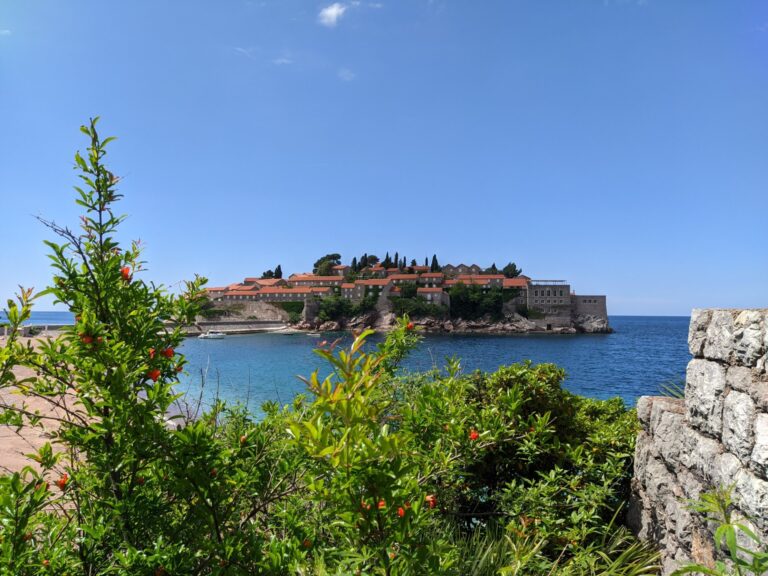
Planning the rest of your Montenegro trip? Start with our complete guide to planning a trip to Montenegro, then read up on Sveti Stefan and Perast for the two most photogenic stops on the coast. If you are still deciding between countries, our comparison of Croatia vs Montenegro lays out the real differences.