Disclosure: This post contains affiliate links. If you book through our links, we may earn a small commission at no extra cost to you. Thanks for supporting Faceted Travel!
Table of Contents
Montenegro is the country people add to a Croatia trip as an afterthought and then wish they had given a week. It is smaller than Connecticut, it has an Adriatic coastline that rivals anything north of it, and behind that coast it climbs into canyons and glacial lakes that almost no one visits. We came for two nights on our first trip and have gone back twice since.
The planning, though, catches people out. Montenegro is not in the European Union but uses the euro. It is not in Schengen but sits between two countries that are. The coast is easy and the interior is not. And the country is small enough that people badly underestimate how long the driving takes, because the roads follow mountains rather than straight lines.
This is the guide we wish we had had. It covers how long to go, how to get there, a realistic route, what it costs, and the handful of practical things that will save you a bad afternoon.
How Long Do You Need?
Three nights is the minimum that makes the trip worth its own logistics. That gets you the Bay of Kotor properly and one beach day.
Five to seven nights is our recommendation and the sweet spot. Coast plus one inland push to Durmitor or Lake Skadar.
Ten nights or more lets you do the whole country at a human pace, including the north, and still have days where you do nothing.
If you only have a day, do it as a trip from Dubrovnik and accept the limits. Our day trips from Dubrovnik guide covers that version honestly.
Getting There
By air. Tivat (TIV) is the most useful airport for the coast, 20 minutes from Kotor, with seasonal flights from across Europe. Podgorica (TGD) is the capital’s airport, better connected year round, 90 minutes from the coast. Many travelers fly into Dubrovnik (DBV) in Croatia instead, because the flight options are far better and the drive to Kotor is only about two hours.
There are no direct flights from North America. Expect a connection through a European hub.
By car from Croatia. This is how most people arrive. Dubrovnik to Kotor runs roughly two hours plus whatever the border costs you. Confirm two things with your rental company before you book: that the vehicle may cross into Montenegro, and that you have the green card insurance certificate. Cross border fees are typically 30 to 50 euros. This is the single most common planning mistake we see.
By bus. Regular services connect Dubrovnik, Kotor, Budva and Podgorica. They are cheap and slow, and you will be off the bus at the border for passport control.
By ferry. Seasonal services run from Bari and Ancona in Italy to Bar.
When to Go
June and September are the two best months. Sea temperatures are swimmable, everything is open, and the crowds are tolerable.
July and August bring the heat, the cruise ships and the highest prices. Coastal accommodation can double. The upside is that the mountain north is at its most accessible, with the Durmitor roads clear and rafting at full swing.
May and early October are excellent for hiking, driving and old towns, with cooler water and thinner restaurant hours.
November through April is quiet and wet on the coast and genuinely snowy inland. Durmitor becomes a small ski destination. Most travelers should not plan a first visit in this window.
Note that Montenegro’s rain falls in dramatic quantities. The mountains behind Kotor make the bay one of the wettest places in Europe outside of the summer months.
A Realistic One Week Route
This is the route we would give a friend, built around short driving days.
Nights 1 to 3: Bay of Kotor. Base in Dobrota just outside Kotor’s walls. Climb the fortress at dawn, drive the bay loop, take the boat to Our Lady of the Rocks from Perast. Our full Kotor travel guide breaks these days down.
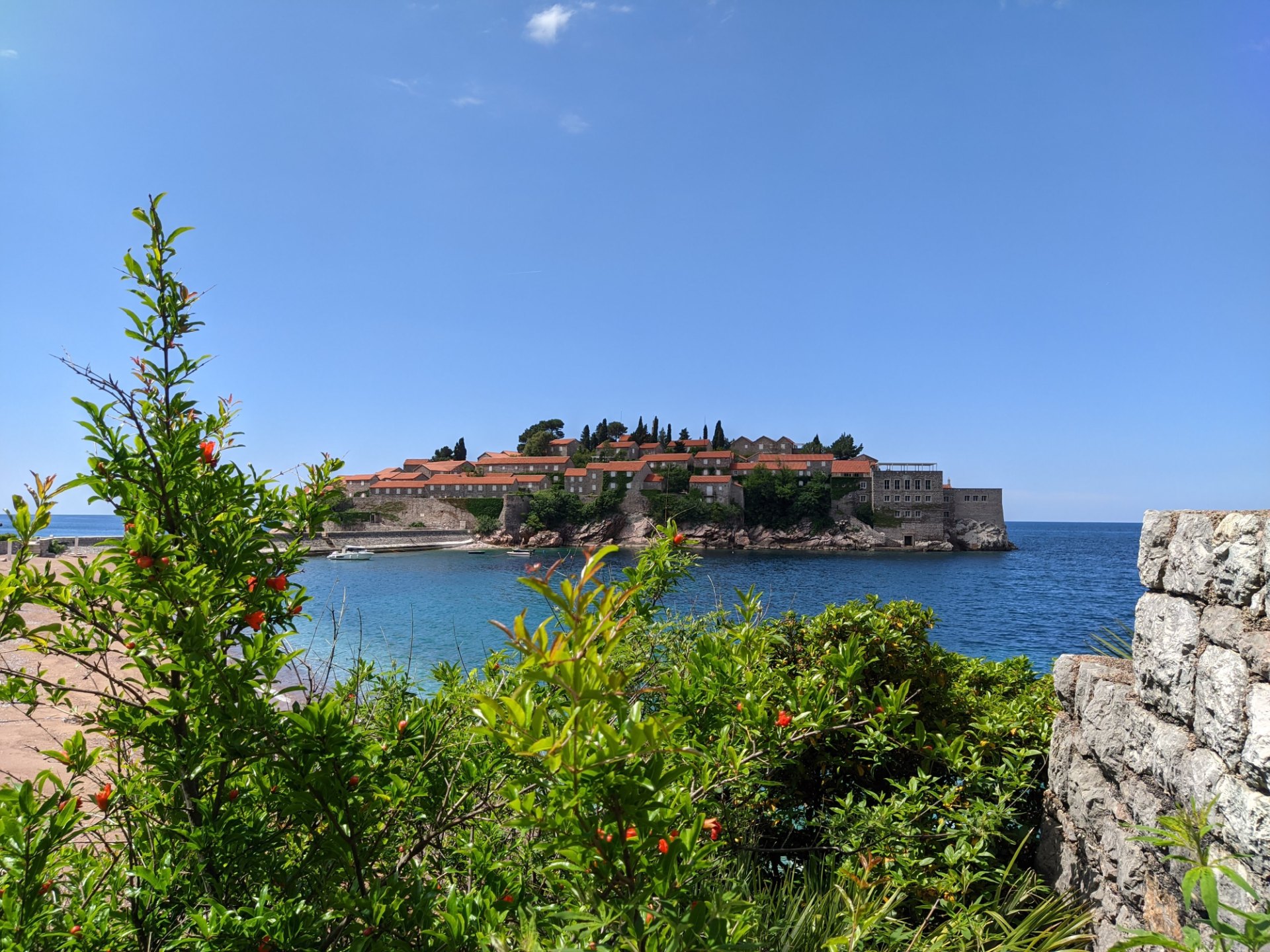
Night 4: Budva or Sveti Stefan. Twenty five minutes south. Budva has the beaches, the walled old town and the nightlife. Sveti Stefan, the fortified islet on the postcard, is now a private resort, but the viewpoint above it is public and the beaches either side are open.
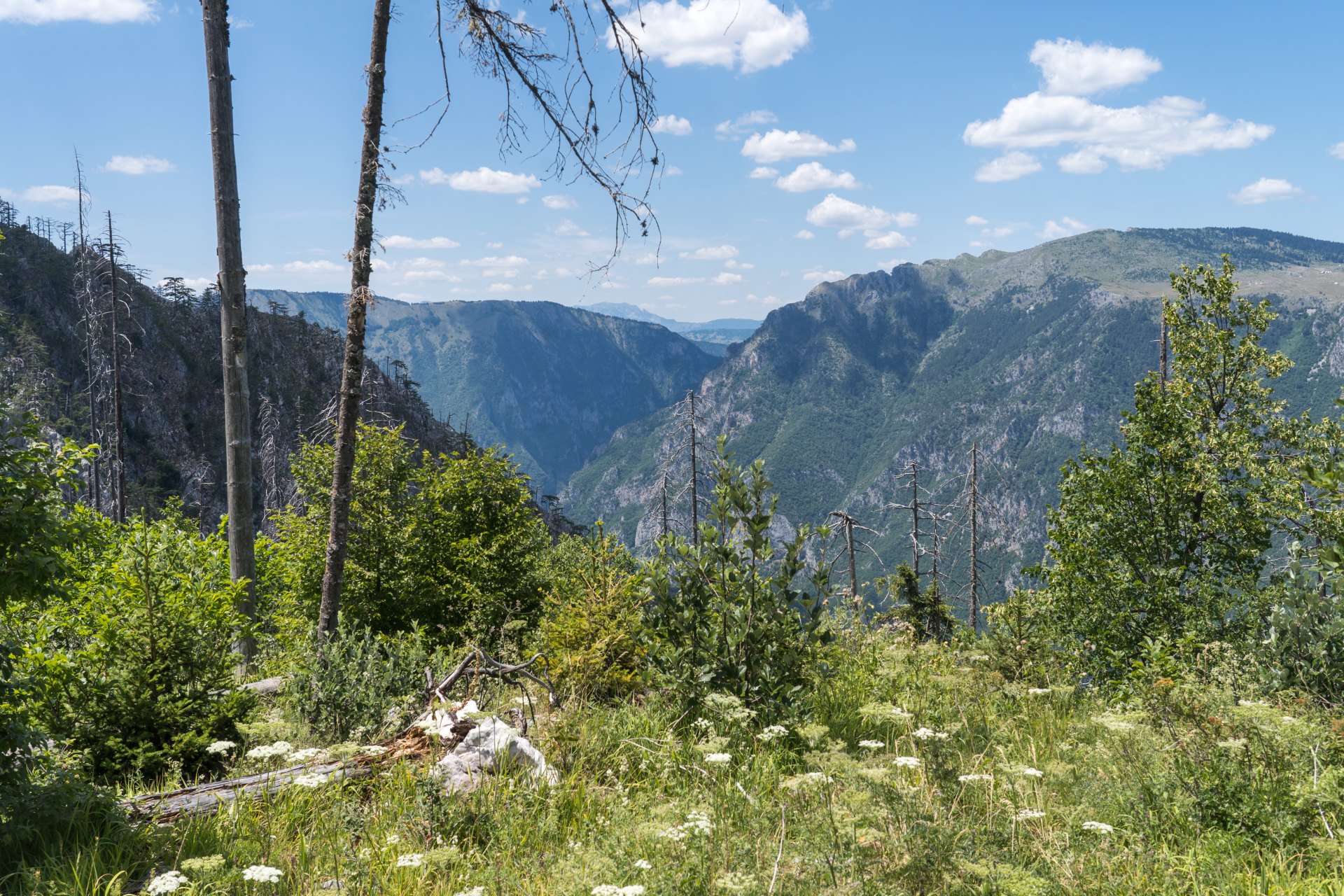
Nights 5 and 6: Durmitor National Park. Three hours inland via the Tara Canyon, which is the deepest river canyon in Europe and second deepest in the world. Base in Zabljak. Walk the loop around Black Lake, drive the Durmitor Ring road, and raft the Tara if the season allows.
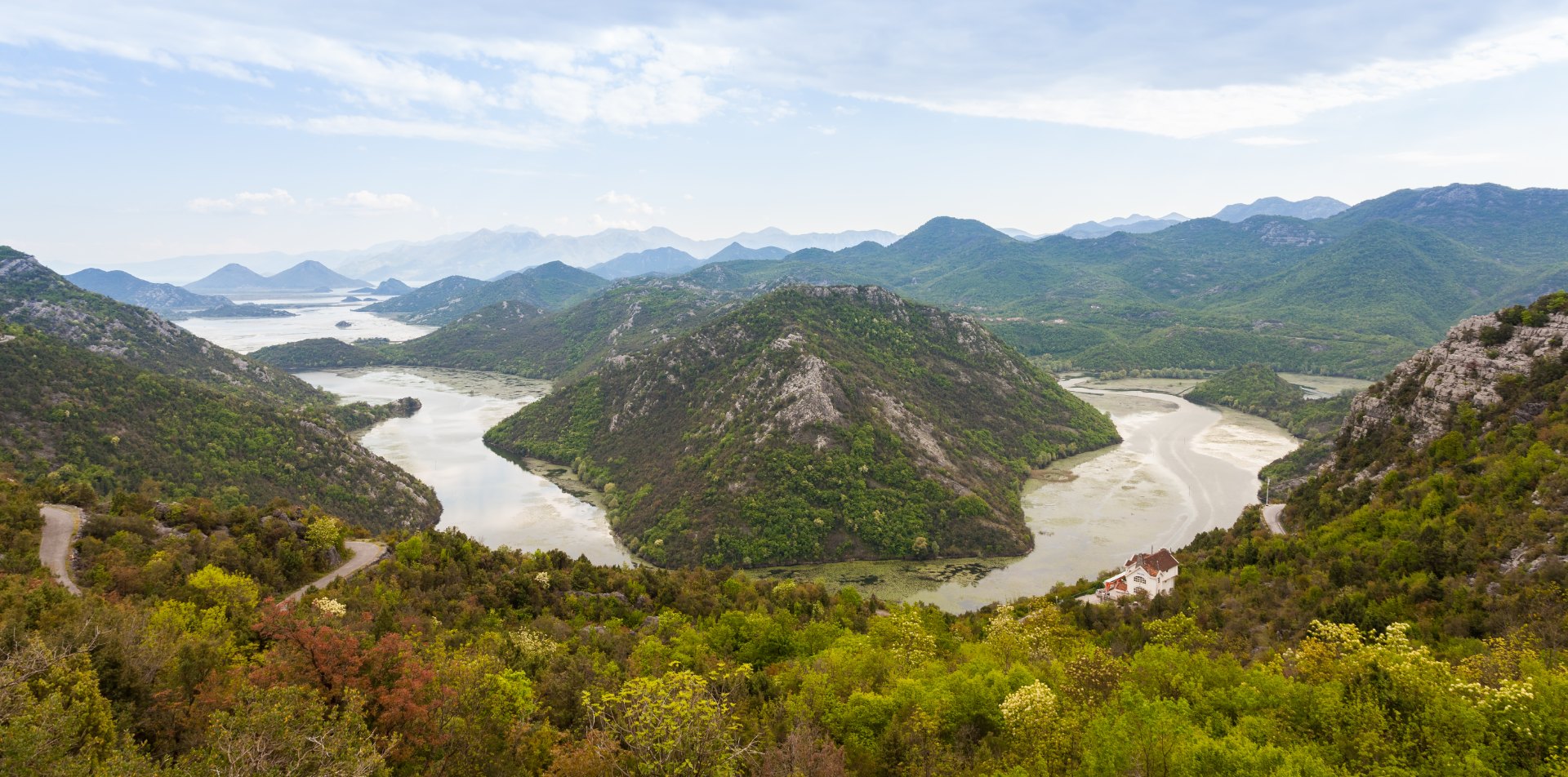
Night 7: Lake Skadar or Podgorica. Break the return with the largest lake in southern Europe, which is a birdwatching reserve, a wine region and a boat trip in one.
If you would rather stay coastal, swap Durmitor for Ulcinj in the far south, which has the country’s long sand beaches and a strong Ottoman influence.
What It Costs
Montenegro sits noticeably below Croatia and well below Italy. Rough per person per day, excluding flights, for two people traveling together in shoulder season:
- Budget: 60 to 80 euros. Guesthouses and apartments, self catering breakfasts, buses, one paid activity every other day.
- Mid range: 110 to 150 euros. Good apartments or three star hotels, restaurant dinners, a rental car split two ways, daily activities.
- Comfortable: 200 euros and up. Boutique hotels on the bay, boat charters, restaurant lunches and dinners.
Specific numbers that help: a rental car runs 35 to 60 euros a day in season, fuel is broadly European in price, a konoba dinner for two with wine lands around 40 to 55 euros, the Kotor fortress entry is a few euros, and a Perast boat shuttle is under 10 euros return. For a fuller comparison, our how much a trip to Croatia costs breakdown is a good baseline, and Montenegro comes in roughly 15 to 25 percent under it.
Where to Base Yourself
Montenegro is small, but the driving is slow enough that where you sleep genuinely shapes the trip. These are the bases worth considering.
Dobrota, just outside Kotor. Our default. Waterfront apartments with parking and a swimming ladder into the bay, a ten to twenty minute walk into the old town, and prices well under the walls. You get Kotor without the 2am bar noise.
Inside Kotor’s walls. Atmospheric and central, and loud in summer. Worth one night if you want the town at dawn to yourself, which is a real pleasure.
Perast. A single street of Venetian palaces on the water, and the prettiest place on the bay. Very quiet, limited dining, and you will want a car.
Budva or Becici. The beach and nightlife base. Becici is a few minutes along the coast and consistently cheaper for the same sand.
Sveti Stefan and Przno. More expensive, more scenic, good for a splurge night midway through a trip.
Zabljak. The Durmitor base, at 1,450 meters. Simple guesthouses and mountain hotels, cool evenings in August, and immediate access to Black Lake and the Ring road.
Virpazar. A village of about 300 people on Lake Skadar with a handful of guesthouses. It works well as a single night breaking the drive between the coast and Podgorica.
Ulcinj. The far south, near the Albanian border, with the country’s long sand beaches and a distinct Ottoman and Albanian character. Worth it if beaches are your priority and you have the days.
We would avoid basing in Podgorica unless your flight demands it. It is a functional capital rather than a destination.
Booking Order That Works
We plan trips in this sequence and it consistently reduces stress.
- Fix the flights first, and compare Dubrovnik against Tivat and Podgorica before deciding. Our cheap flights guide covers how we search.
- Book the rental car second, especially for July and August, when Tivat and Dubrovnik both run out of automatics. Confirm the cross border permission in writing.
- Book coastal accommodation third. Kotor, Perast and Sveti Stefan sell out earliest.
- Leave inland nights flexible if you can. Zabljak has capacity, and weather in Durmitor is worth reacting to.
- Book only the activities that genuinely sell out, which realistically means Tara rafting in peak season and any boat charter.
Practical Tips We Wish We Had Known
Montenegro uses the euro but is not in the EU. Your bank may treat transactions as non EU, and some travel insurance policies define Europe narrowly. Check both.
It is not in Schengen. Days spent here do not count against your 90 day Schengen allowance, which is genuinely useful on a long trip.
Distances lie. A 90 kilometer drive can take two and a half hours. Mountain roads, tunnels and single lane sections are the norm. Do not plan more than three hours of driving in a day.
The Kamenari to Lepetane ferry across the bay narrows costs a few euros and saves roughly an hour of driving. Use it.
Border queues at Debeli Brijeg are worst between 10am and 4pm in summer. Cross early.
Tap water is safe in the main towns.
Tipping is modest. Rounding up or adding around 10 percent in restaurants is normal.
Cash for small operators. Boats, mountain huts, market stalls and some konobas are cash only.
Driving standards are assertive. Overtaking on blind bends happens. Drive defensively and do not feel pressured by tailgaters.
The Sozina tunnel between the coast and Podgorica costs a few euros and cuts about half an hour off the mountain road. Worth it every time.
English is widely spoken in the coastal tourist areas and much less so inland. A few words of the local language go a long way in Zabljak and Virpazar, and people are generous about the attempt.
Sundays slow everything down outside the summer season. Plan supermarket runs for Saturday.
Where to Book
- Accommodation: we search Booking.com’s Montenegro listings, comparing Kotor against Dobrota and Budva against Becici, since the walking distance is small and the price gap is not.
- Tours, boat trips and transfers: Viator’s Montenegro listings cover bay cruises, Durmitor day trips and Dubrovnik transfers.
- Travel insurance: we would not drive a rental across this border without it. Our reasoning is in our travel insurance guide.
Our Honest Take
Montenegro is the best value coastline in Europe right now, and that will not last. The Bay of Kotor is already busy in August, the airports keep adding routes, and the development around Budva and Tivat is moving fast. Go before the rest of the coast looks like Porto Montenegro.
What surprised us most was the interior. Everyone comes for the bay, and the bay deserves it, but Durmitor and the Tara Canyon are the part of the trip we still talk about, and we shared them with almost nobody. If you have seven nights, give two of them to the mountains. If you have four, stay on the coast and do it well rather than rushing inland.
For the region as a whole, start with how to plan a trip to Croatia, then read our Kotor travel guide for the bay in detail and our Croatia island hopping itinerary if you want to build the coast into one long Adriatic run.