Disclosure: This post contains affiliate links. If you book through our links, we may earn a small commission at no extra cost to you. Thanks for supporting Faceted Travel!
Table of Contents
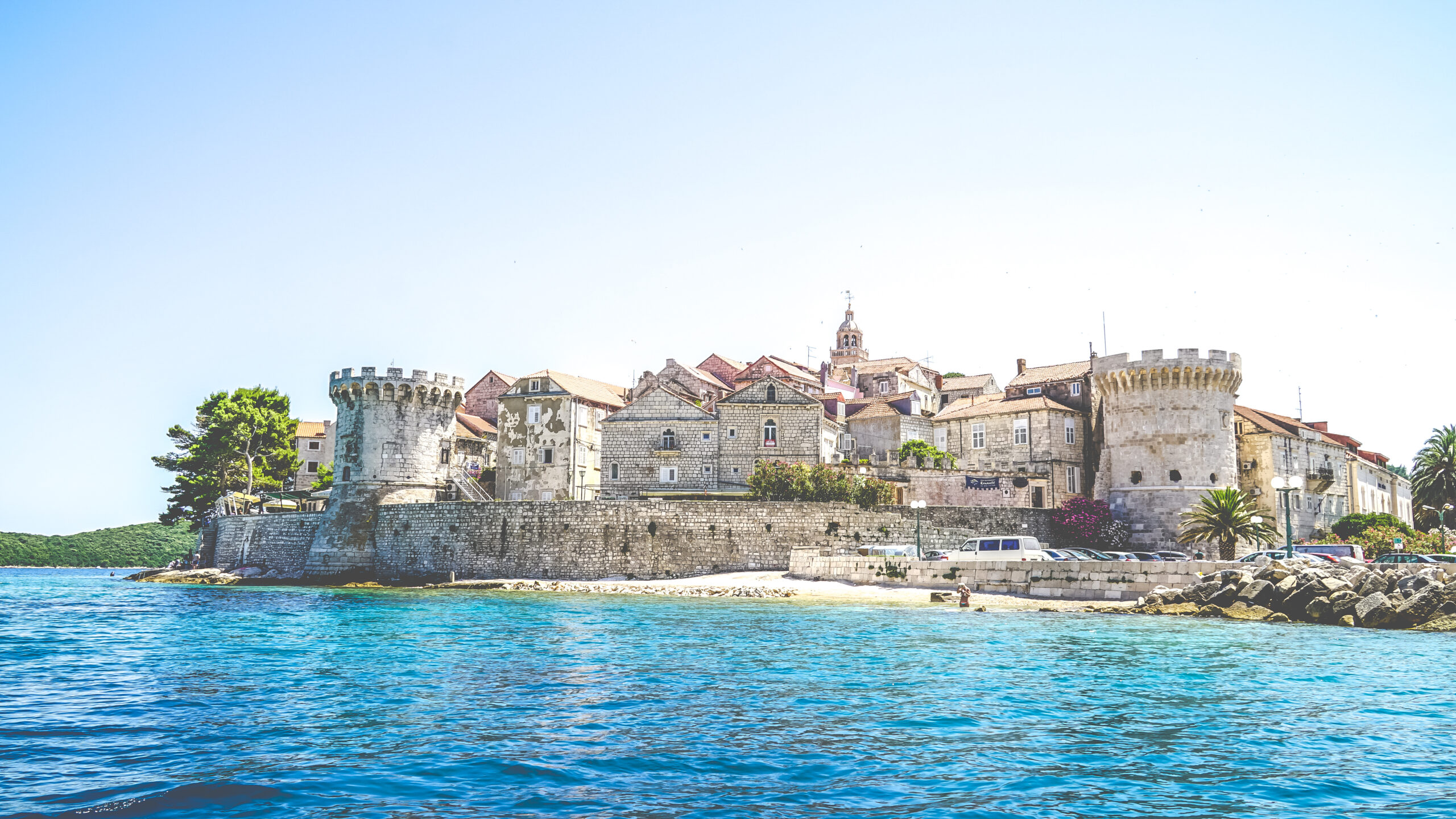
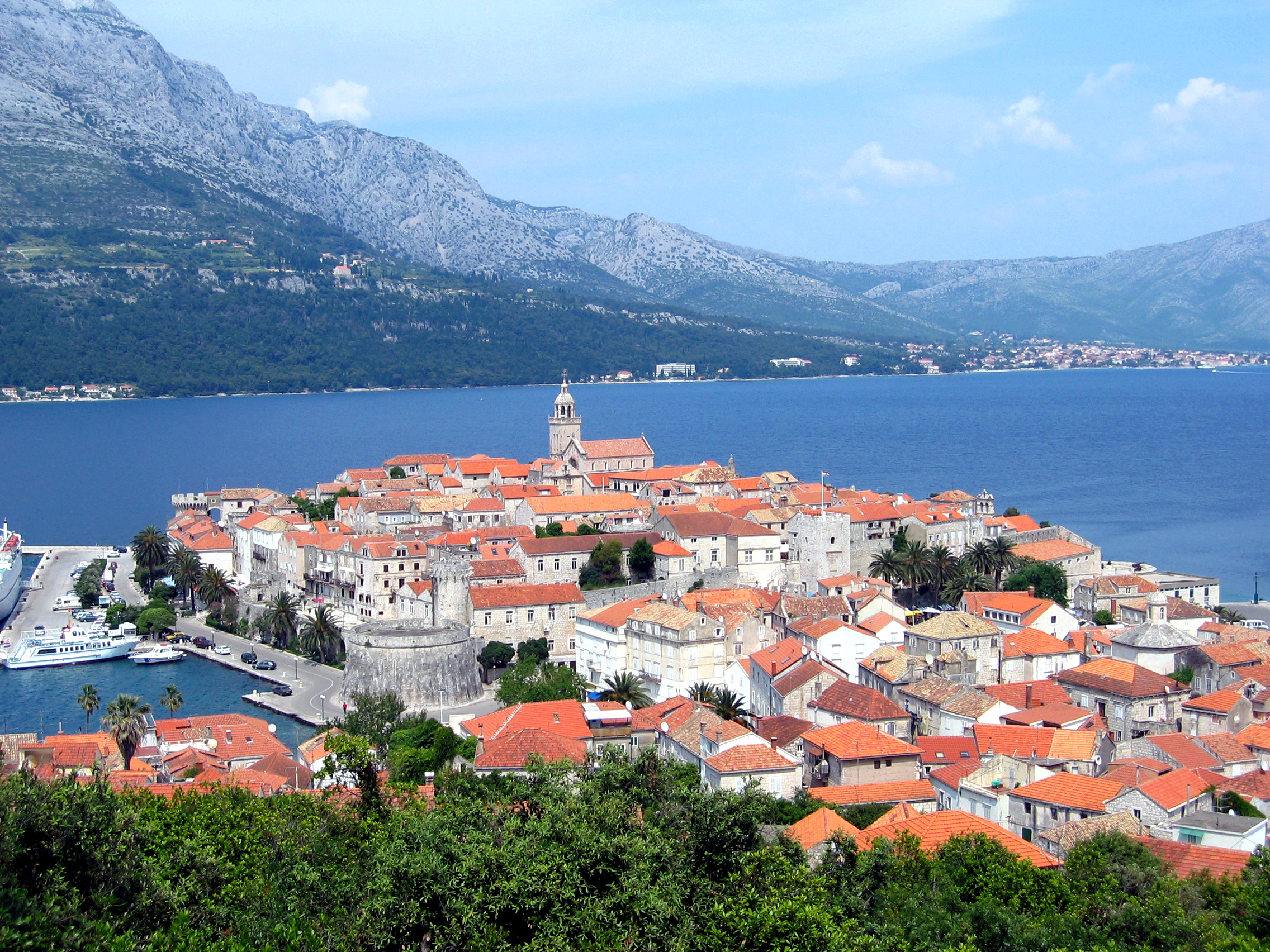
The first time we saw Korcula Town from the ferry, Todd said out loud what we were both thinking: this is what people picture when they say Dubrovnik. A compact walled town on a small peninsula, honey-colored stone, a bell tower rising out of the middle of it, and dark green pines behind. The difference is that on Korcula you can walk the whole thing in twenty minutes and you will not be doing it shoulder to shoulder with four thousand cruise passengers.
Korcula is the island we recommend to people who love the idea of the Dalmatian coast but have been quietly worried about the crowds. It has a genuinely beautiful old town, some of the best white wine in Croatia, quiet pebble coves on the south side, and a working island economy that has nothing to do with tourism. It is also easy to reach, which is the part most people do not realize.
Where Korcula Is and Why It Is Different
Korcula sits in the southern Adriatic between the Peljesac peninsula and the open sea, roughly halfway between Split and Dubrovnik. It is long and narrow, about twenty five miles end to end, and heavily forested, which is where the Greek name for it, Black Corfu, comes from.
What makes it feel different from Hvar is that Korcula never fully converted to tourism. Hvar Town in August is a party destination with a superyacht harbor. Korcula Town in August is busy, certainly, but it is still a place where fishermen unload in the morning and the same families have run the same restaurants for decades. There is no club scene. The nightlife is a cocktail bar built into the old town wall with the sea underneath you, and that is genuinely as wild as it gets.
Getting to Korcula
There are two arrival points and choosing the wrong one costs you an hour.
Korcula Town is on the eastern tip and is where you want to be. Catamarans from Split and Dubrovnik run directly here in season, taking roughly two to three hours from Split. Jadrolinija and Krilo both operate the route. These are foot passenger only.
Vela Luka is on the western end and is where the car ferry from Split arrives. It is a pleasant enough town but it is a full hour’s drive from Korcula Town, so if you booked a hotel in the old town and a ferry to Vela Luka, budget for that transfer.
The third route is the short car ferry from Orebic on the Peljesac peninsula, which takes about fifteen minutes and lands you right by Korcula Town. If you are driving down from Split or up from Dubrovnik, this is the smart option, and the Peljesac drive itself is spectacular.
Do you need a car? Only if you plan to explore the island’s interior and the western beaches. For a stay focused on Korcula Town, Lumbarda and boat trips, skip the car and save yourself the parking problem.
Korcula Town: The Fishbone Old Town
The old town is built on a small peninsula in a herringbone street plan that is genuinely clever rather than accidental. Streets on the eastern side are straight, to let the cooling maestral wind through. Streets on the western side are curved, to block the cold winter bura. It was designed in the fifteenth century and it still works, which you notice on a hot afternoon when a breeze comes through the eastern lanes.
St. Mark’s Cathedral anchors the center, and its bell tower is climbable. The stairs are narrow and steep near the top, and the view over the tile roofs to the Peljesac channel is the best in town. Go late in the day for the light.
Korcula claims Marco Polo as a native son, and the evidence is thin but the town commits to it fully. There is a Marco Polo house you can climb for another rooftop view, and a small museum. Treat it as a viewpoint with a story attached rather than a historical site and you will enjoy it more.
The town walls and the surviving towers ring the peninsula, and the walk around the outside at sea level takes about fifteen minutes. Massimo Cocktail Bar, built into the top of a defensive tower and reached by a ladder, is the famous sunset spot. Drinks are winched up by rope. It is touristy and it is also legitimately one of the best sunset seats in Croatia.
If you visit between June and September, watch for the Moreska, a traditional sword dance performed here since the sixteenth century. It is theatrical, loud, and one of the few living folk traditions in Croatia that is not a recent revival.
Beaches and Swimming
Korcula’s beaches are pebble and rock rather than sand, which is standard for Croatia and which we have come to prefer because the water stays clear.
Lumbarda, about four miles east of Korcula Town, is the exception. Przina and Bilin Zal are genuinely sandy, shallow and warm, and they are the best family beaches on the island. Lumbarda is reachable by local bus, taxi or a flat bike ride.
Pupnatska Luka on the south coast is the one people put on postcards: a deep horseshoe cove with white pebbles and unreasonably blue water, backed by pines. It needs a car, and the road down is narrow.
Bacva Bay and the string of coves west of Lumbarda are quieter still, and a rented boat or kayak opens up a dozen more.
From Korcula Town you can also take a day boat to the Badija island and the small islets in the channel, which are close, pretty and swimmable.
Wine, Food and Grk
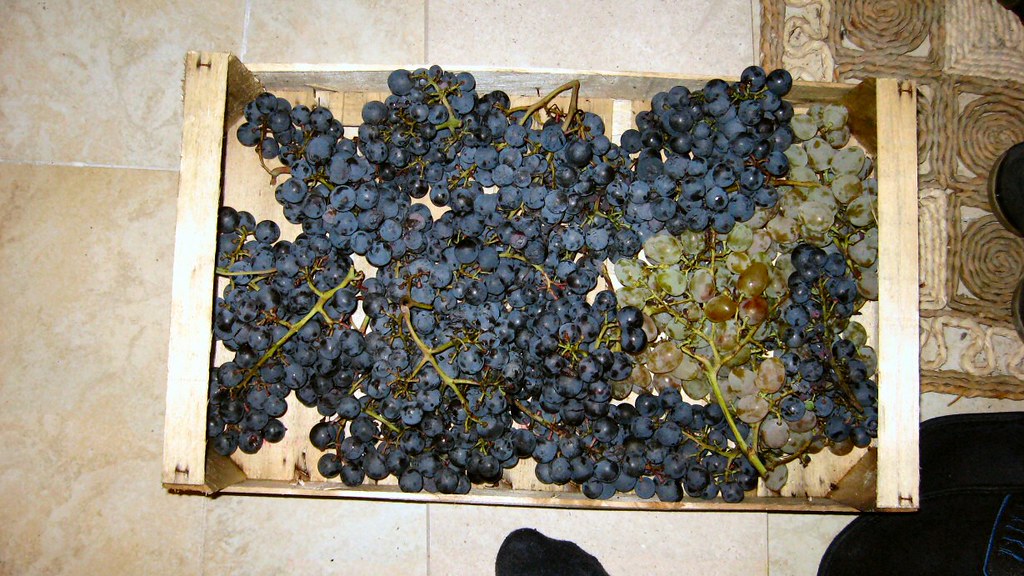
This is the part of Korcula we underestimated. The island produces two white wines you cannot easily get anywhere else. Grk is grown almost exclusively in the sandy soil around Lumbarda, is dry and mineral, and is genuinely unusual. Posip is the more widely planted white and is the one you will see across Dalmatia.
Across the channel on Peljesac, the reds take over: Plavac Mali, the parent grape of Zinfandel, produces the big Dingac and Postup wines. A tasting circuit combining Lumbarda’s Grk producers with a Peljesac red tasting is one of the better days out in southern Croatia, and several operators run it as a half day trip.
For food, expect what the Adriatic does well: grilled fish sold by the kilo, black risotto made with cuttlefish ink, octopus salad, and peka, meat or octopus cooked slowly under a bell-shaped lid buried in embers. Peka usually needs to be ordered several hours ahead, so ask at lunch about dinner.
Day Trips and the Rest of the Island
Most people never leave Korcula Town, and that is a mistake worth correcting with one rented car day or one boat day.
Peljesac is the obvious excursion. The ferry from Korcula Town to Orebic takes fifteen minutes, and from there you are in one of Croatia’s best wine regions within twenty minutes of driving. The village of Potomje sits at the top of the Dingac vineyards, and the single lane tunnel cut through the mountain down to the terraced slopes above the sea is a genuinely memorable drive. Ston, at the far end of the peninsula, has salt pans worked continuously since Roman times and the longest defensive wall in Europe after the Great Wall of China, plus oyster beds you can eat from off a boat.
Vela Luka, at the western end of the island, is a real working town with a large sheltered bay. Just offshore is Proizd, a small uninhabited island with white pebble beaches and water so clear it is disorienting. Local boats run out there in summer and it is worth the trip.
Mljet National Park is reachable by catamaran in summer and is one of the quietest national parks in Croatia: two saltwater lakes surrounded by pine forest, with a twelfth century monastery on an islet in the middle. A day is enough.
Inland, the villages of Zrnovo, Pupnat and Cara sit up in the hills among olive groves and vineyards, and they are where you find the family konobas serving the food the coastal restaurants have adapted for visitors. Zrnovo is famous for zrnovski makaruni, a hand rolled pasta made nowhere else.
Where to Stay
Staying inside or immediately beside the old town is worth the premium. You get the walls at night, the early morning quiet before the day boats arrive, and the sunset bars on your doorstep. The trade off is stairs and limited parking.
Lumbarda is the choice if beaches matter more than atmosphere. It is fifteen minutes from town and quieter, and it is where we would stay with kids.
Vela Luka is cheaper and works if you are arriving by car ferry and moving on quickly, but it is not where you want to spend your whole stay.
Three nights is our recommendation. Two if Korcula is one stop on an island hopping route, four if you want the wine day and a boat day without rushing.
Where to Book
- Hotels and apartments: Booking.com for Korcula has the widest range, from old town apartments to the resort hotels just outside the walls.
- Boat trips and wine tours: Viator’s Korcula listings cover island hopping day boats, Peljesac wine tours and sea kayaking.
- Travel insurance: ferries get cancelled in bad weather and plans shift, which is one of several reasons we cover in best travel insurance for Europe.
When to Visit Korcula
June and September are the sweet spot. The water is warm enough to swim, the catamaran schedule is running at full frequency, restaurants are all open, and the town is busy without being overwhelmed. July and August are hot and full, and accommodation prices roughly double.
May and early October are lovely for walking and wine but the sea is cold and the ferry schedule thins out. From November to March much of the island effectively closes, catamarans drop to a skeleton service, and Korcula Town goes very quiet. That can be atmospheric if you know what you are signing up for.
Our full seasonal breakdown for the country is in best time to visit Croatia, and the wider regional picture is in best time to visit Europe.
Our Honest Take
Korcula is the answer to a specific question: where do we get the Dalmatian walled town experience without the crush? It delivers on that completely. The old town is beautiful, the wine is genuinely worth the trip, and the pace is slow in a way the bigger destinations no longer manage in summer.
It is not the place for you if you want nightlife, sandy resort beaches or a long list of major sights. It is very much the place for you if your ideal day involves a swim, a long lunch, a nap, and a glass of Grk on a wall above the sea.
More Croatia planning: work out the shape of your trip with how to plan a trip to Croatia, budget it with how much does a trip to Croatia cost, and compare islands using our Hvar guide.