Disclosure: This post contains affiliate links. If you book through our links, we may earn a small commission at no extra cost to you. Thanks for supporting Faceted Travel!
Table of Contents
- Flights: $450 to $1,100 Round Trip
- Hotels: $80 to $250 Per Night for Two
- Food: $40 to $90 Per Person Per Day
- Getting Around: $15 to $40 Per Person Per Day
- Sightseeing: $10 to $30 Per Person Per Day
- Sample Budgets: Three Real Trips
- Where Spain Saves You Money (and Where It Doesn’t)
- Ten Ways We Actually Save Money in Spain
- Where to Book
- Our Honest Take
Spain is the value play of Western Europe, and we say that as people who keep a spreadsheet for every trip. For the cost of an average week in France or Switzerland, Spain hands you an extra course at dinner, a nicer hotel room, and usually a few extra days. But “Spain is cheap” is only half true: Barcelona in July can bill like Paris, while inland cities in shoulder season can cost less than a road trip at home. So let’s do what we always do and put real numbers on it.
The quick answer: for a comfortable mid-range trip, budget about $150 to $250 per person per day on the ground in Spain, before flights. A 10-day trip for two typically lands between $4,500 and $6,500 including flights from the US. Budget travelers can do it on $80 to $110 per person per day, and there is effectively no ceiling if you point yourself at San Sebastián’s tasting menus and five-star paradores. Here is where all that money actually goes.
Flights: $450 to $1,100 Round Trip
Flights from the US East Coast to Madrid or Barcelona typically run $500 to $900 round trip in economy, with shoulder-season deals dipping into the $400s and occasionally lower from hub cities like New York, Boston, and Miami. West Coast departures add $150 to $300. Summer peak (mid-June through August) is the expensive window; May, September, and October usually save $150 to $250 per ticket while delivering the best weather in the country, a happy alignment we cover in our Best Time to Visit Spain guide.
Two booking notes from our own experience. Madrid and Barcelona prices are often meaningfully different for the same dates, and Spain’s excellent trains make an open-jaw ticket (fly into one, home from the other) cost almost nothing extra in logistics while saving a backtrack. And book international flights 2 to 5 months out; the mythical last-minute deal to Spain in June does not exist.
Hotels: $80 to $250 Per Night for Two
Spain’s lodging is where your money stretches furthest compared to the rest of Western Europe.
Budget ($50 to $90 per night): Clean one- and two-star hotels, hostales (family-run guesthouses, not hostels, though those exist too), and simple pensiones, often perfectly located in old towns. Spain does this tier better than almost anywhere.
Mid-range ($90 to $180 per night): This is the sweet spot. Stylish three- and four-star hotels in Madrid, Valencia, and Seville routinely sit here outside peak dates, the kind of properties that would cost double in France or Italy.
Splurge ($200 to $450+ per night): Five-star city hotels, beach resorts, and the paradores, Spain’s state-run hotels inside castles, convents, and palaces. A parador night is the best luxury value in the country and worth building into any itinerary.
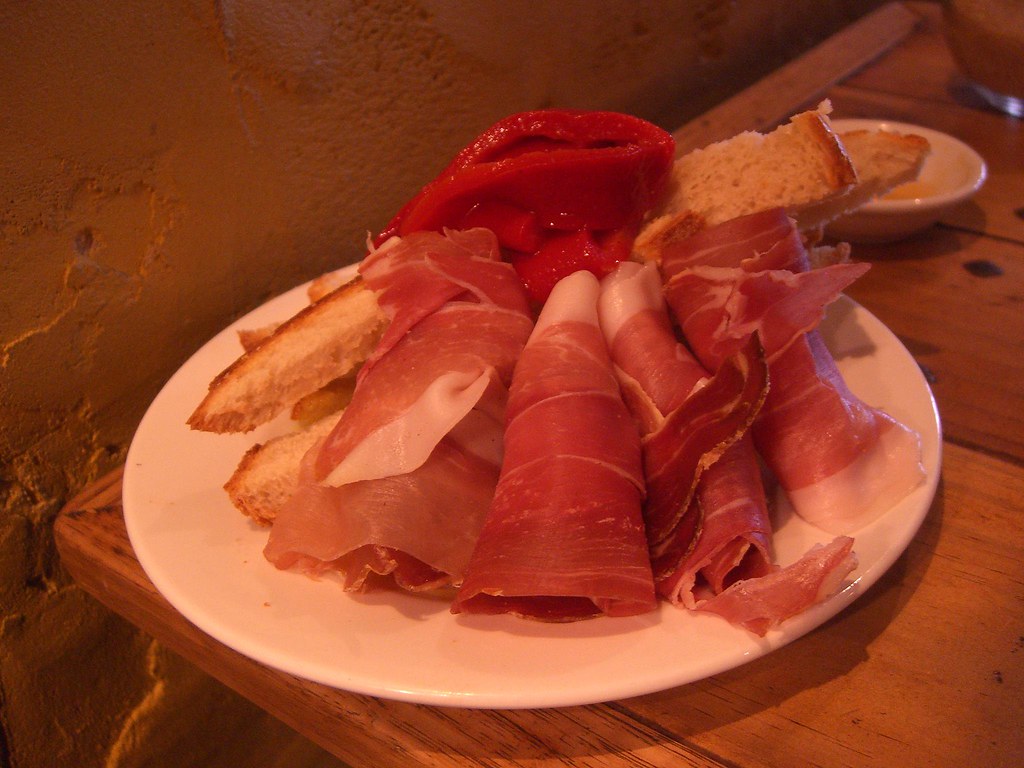
City matters as much as category. Barcelona and San Sebastián are Spain’s priciest beds; Madrid is moderate; Valencia, Seville, and Granada are kind; and smaller inland cities are almost embarrassingly affordable. August coastal prices spike everywhere, as does Seville during its April fair.
Food: $40 to $90 Per Person Per Day
Eating well in Spain is not a splurge; it is the default setting.
Breakfast ($3 to $8): Coffee and a tostada (toasted bread with tomato and olive oil) at the bar, standing like a local. Hotel breakfasts are skippable in a country this good at cafés.
The menú del día ($12 to $18): Spain’s great lunch institution: three courses with bread and usually wine, served on weekdays at restaurants everywhere. It is how workers eat and how smart travelers eat, and it makes lunch your cheap gourmet meal of the day.
Tapas and dinner ($15 to $40 per person): A tapas crawl in Madrid or Granada (where many bars still hand you a free tapa with each drink) can fill you for $20 including drinks. A proper sit-down dinner with starters, mains, and a bottle of house wine runs $25 to $40 per person at normal places. Paella by the sea in Valencia, done right, is about $18 to $25 a head.
The splurge tier: San Sebastián has more Michelin stars per capita than nearly anywhere on Earth, and tasting menus run $150 to $350 per person. One of them was among the best meals of our lives. Budget for it deliberately or skip it guiltlessly.
Wine deserves its own line: a very drinkable bottle costs $3 to $6 in a supermarket and $10 to $16 in a restaurant. Spain quietly has some of the best wine value in the world.
Getting Around: $15 to $40 Per Person Per Day
Spain’s high-speed AVE network is one of the best in Europe, linking Madrid to Barcelona, Valencia, Seville, and Málaga in under three hours each. Book 1 to 3 months ahead on the Renfe site (or the competing Ouigo and Iryo trains, which have pushed prices down) and major legs cost $25 to $60; walk-up fares can triple that. The low-cost competition means Madrid to Barcelona can genuinely cost less than dinner.
City transit is cheap: metro rides run about $1.50 to $2.50, and 10-ride carnets cut that further. Taxis and rideshares are moderate by European standards.
Rent a car only for the countryside: Andalusian white villages, Rioja wineries, the green north. City driving is a parking bill with a steering wheel. Compact rentals run $30 to $60 per day plus fuel at roughly $6 per gallon equivalent; automatic transmissions cost more and sell out, so book early.
Sightseeing: $10 to $30 Per Person Per Day
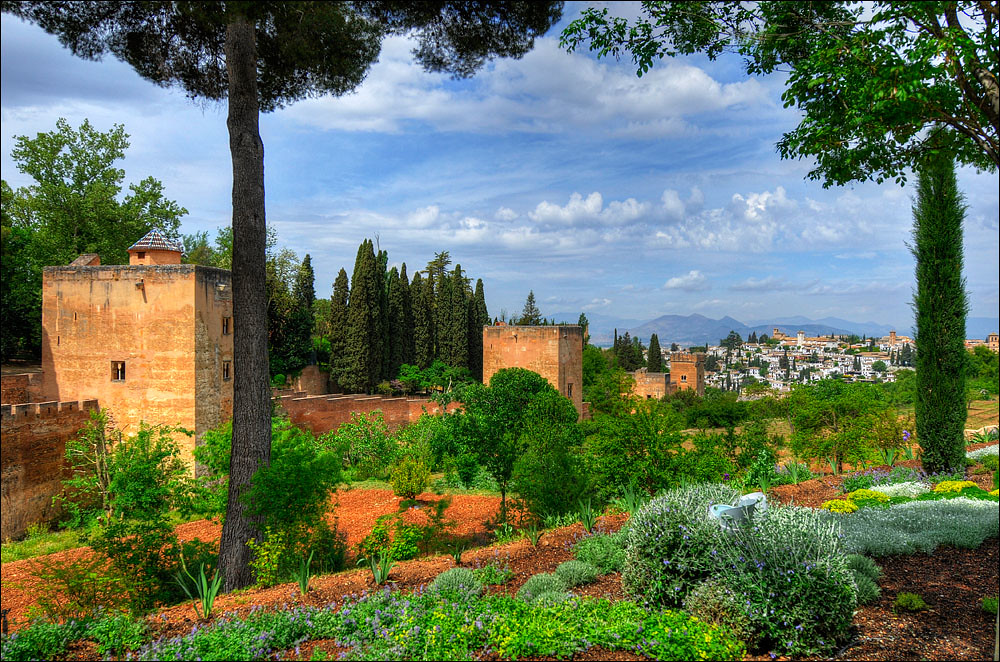
Spain’s blockbuster sights are reasonably priced but increasingly timed-entry: the Alhambra in Granada (about $20, and it sells out weeks ahead; book the moment your dates firm up), the Sagrada Família in Barcelona (about $28 to $40), the Prado in Madrid (about $16, free in the evenings), and the Alcázar in Seville (about $15). Budget two or three big-ticket entries per city and fill the rest with what Spain does free: cathedrals at mass times, plazas, markets, beaches, and entire old towns that are themselves the attraction.
Guided experiences are worth targeted spending: a tapas-and-history walk ($40 to $80) early in the trip pays dividends every meal after, and flamenco in Seville or Granada ($25 to $50 for a quality tablao) is not a tourist trap, it is the actual art form at home.
Sample Budgets: Three Real Trips
The Backpacker (10 days, one person, about $1,600 to $2,100 including flights): Hostel dorms and hostales ($35 to $50 per night), menú del día lunches and market picnics, city metro plus one or two pre-booked train legs, free sights plus the Alhambra and Sagrada Família. Roughly $85 to $105 per day on the ground.
The Mid-Range Couple (10 days, two people, about $4,800 to $6,300 including flights): This is us. Three- and four-star hotels around $130 per night, tapas crawls and one nice dinner per city, AVE trains between Madrid, Valencia or Seville, and Barcelona, all the headline sights booked ahead, one flamenco night, one long paella lunch. About $190 to $240 per person per day on the ground.
The Splurge (10 days, two people, $9,000 to $14,000+): Five-star hotels and a parador or two, a San Sebastián tasting menu, private Alhambra guide, first-class AVE seats, and a rental car through Rioja with winery visits. Spain’s luxury tier still undercuts France’s by 20 to 30 percent, which is part of why we keep coming back.
Where Spain Saves You Money (and Where It Doesn’t)
The savings are structural. Lodging and food, the two biggest daily lines, run 25 to 40 percent below France or Italy for equivalent quality. Wine is nearly free by European standards. The menú del día institutionalizes a cheap great lunch. Trains are fast and, with the new competition, often cheap.
The traps are equally predictable: August on the coasts, Barcelona’s hotel market generally, San Sebastián’s food scene if you treat it as mandatory, Seville during Feria and Semana Santa, and the Balearic Islands in summer, which bill like a different country. Move your dates to May, June, September, or October and point your itinerary at Valencia, Seville, Granada, and Madrid, and Spain becomes the best-value great trip in Western Europe. For a full comparison of how Spain’s costs stack against its northern neighbor, our How Much Does a Trip to France Cost? breakdown makes the contrast vivid.
Ten Ways We Actually Save Money in Spain
Our repeatable playbook, in rough order of impact. Travel in May, June, September, or October instead of peak summer. Fly open-jaw into Madrid and out of Barcelona (or the reverse) to skip a backtrack. Book AVE trains 1 to 3 months out and compare Renfe against Iryo and Ouigo for the same route. Make lunch your big meal via the menú del día and keep dinner to tapas. Drink house wine, which is good, instead of imported anything. Book the Alhambra and Sagrada Família the day your dates firm up, because sold-out tickets resurface on pricey resold tours. Use hostales and paradores at opposite ends of the same trip; both out-value their price tags. Skip hotel breakfast for the corner café. Take the metro from the airport (Madrid’s connection is excellent and costs a few euros). And spend deliberately on one or two experiences, a flamenco tablao or a great meal, rather than diluting the budget across a dozen forgettable upgrades.
Where to Book
- Hotels: Booking.com’s Spain listings cover everything from $60 hostales to clifftop paradores; filter for free cancellation, book 3 to 4 months out for shoulder season, and check both Madrid and Barcelona as your gateway city since hotel and flight math can differ by hundreds of dollars.
- Tours and activities: Viator’s Spain tours handle the timed-entry heavyweights (Alhambra, Sagrada Família, Alcázar) plus tapas walks, flamenco evenings, and Rioja winery day trips; book the Alhambra and any San Sebastián food experiences as far ahead as your dates allow.
Our Honest Take
Spain rewards planners more than almost any destination we cover: the same 10-day trip can cost $4,500 or $8,000 for two depending on nothing more than your month, your gateway city, and how far ahead you booked the trains and the Alhambra. Get those three right and the rest of the budget largely takes care of itself, because day-to-day Spain, the tostadas and menús del día and $12 bottles of Rioja, is structurally kind to your wallet. Go in May or September, mix one splurge night into a string of $130 hotels, and spend the savings on one meal you will never forget. That is the Spain formula, and it has not failed us yet.
Building the itinerary? Start with our Best Time to Visit Spain guide to pick your window, then plan the cities with our Madrid, Spain travel guide and our brand-new Valencia, Spain travel guide, the best-value city of the big three.
Keep Reading