Disclosure: This post contains affiliate links. If you book through our links, we may earn a small commission at no extra cost to you. Thanks for supporting Faceted Travel!
Table of Contents
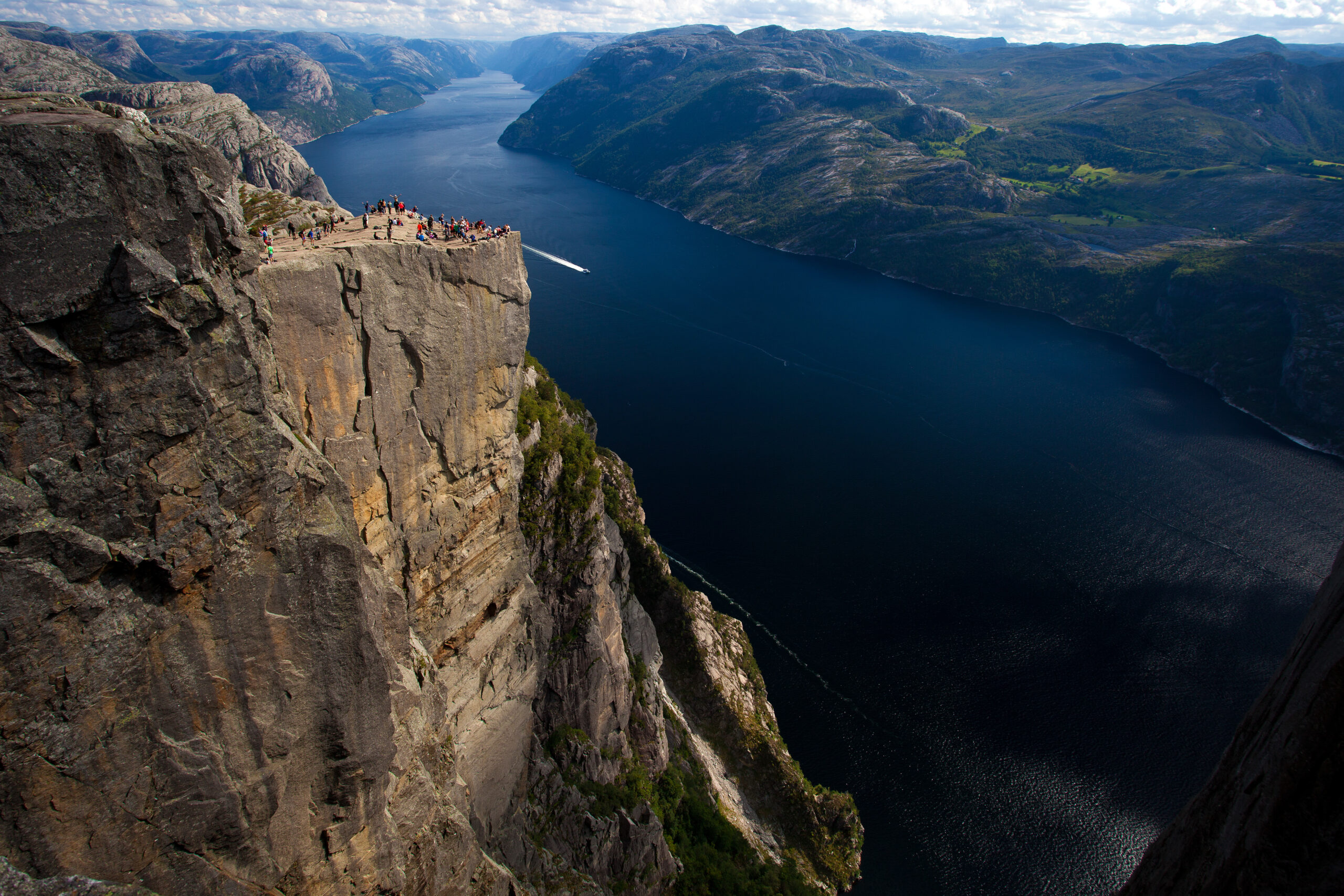
We stood on the edge of Pulpit Rock, 1,982 feet above the blue ribbon of Lysefjord, and understood in one glance why Stavanger has quietly become our favorite base in Norway. This is the city where white wooden streets from the 1700s sit ten minutes from a modern harbor, where you can hike one of the world’s most famous cliff viewpoints in the morning and eat some of Norway’s best food that night.
Stavanger surprised us more than anywhere else on our Norway travels, and that’s saying something after Bergen and the Arctic north. Here’s our full guide: the hikes, the old town, the fjord cruises, and the practical details that make this corner of southwestern Norway easier and more affordable than you’d expect.
Why Visit Stavanger
Most Norway itineraries run Oslo to Bergen and stop there. Stavanger, three hours south of Bergen by coastal ferry and boat, is the gateway to Lysefjord and its three legendary viewpoints: Preikestolen (Pulpit Rock), Kjeragbolten, and the endless stairs of Flørli. It’s also Norway’s oil capital, which sounds unromantic until you realize what that means for visitors: excellent restaurants, a lively food scene, direct flights from all over Europe, and a compact, prosperous city center that’s a pleasure to walk.
Add Gamle Stavanger, the largest surviving wooden house settlement in northern Europe, plus a surprisingly good street art scene and sandy beaches 20 minutes away, and you have a city that punches far above its size of 130,000 people.
When to Go
Summer (June through August)
Hiking season. Trails are snow-free, ferries and buses to the trailheads run frequently, and daylight stretches past 10pm. Highs sit in the mid 60s to low 70s, ideal for the climb to Pulpit Rock. This is also peak cruise season, so time your old-town wanders for early morning or late afternoon.
Shoulder Season (May, September, early October)
Our favorite window. The Preikestolen trail is usually walkable from May through October, crowds thin dramatically, and hotel prices soften. September brings crisp air and golden light on the fjord.
Winter (November through April)
The city itself is cozy and Christmassy, and food and museum life carry on happily. But the famous hikes are snowbound and unsafe without a guide, so only visit in winter if the city, not the cliffs, is your goal.
Things to Do in Stavanger
Hike Preikestolen (Pulpit Rock)
The headline act. This flat-topped granite cliff hangs 1,982 feet over Lysefjord, and the 5-mile round-trip hike to reach it climbs about 1,600 feet over rock steps and boardwalk. Allow four to five hours with photo time. We started on the 8am bus from Stavanger and beat both the crowds and the midday sun; by the time we descended, the trail was a conga line. It’s a proper hike but a manageable one: we saw everyone from trail runners to grandparents up top. Bring layers, water, and real shoes, and check the weather, because the view in fog is the inside of a cloud.
Cruise Lysefjord
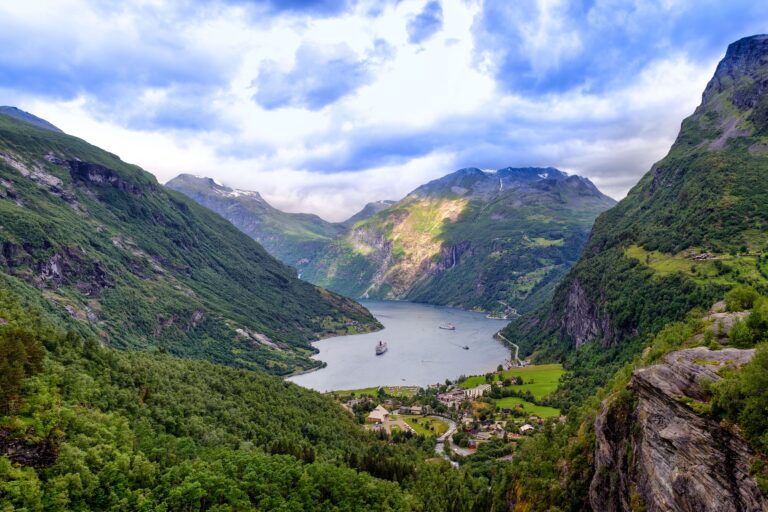
If you’d rather see Pulpit Rock from below, sightseeing boats run from Stavanger’s harbor year-round, gliding past waterfalls, goat farms, and the sheer fjord walls. The three-hour cruise pairs perfectly with an afternoon in the old town, and in summer you can combine boat and hike in one long, glorious day.
Get Lost in Gamle Stavanger
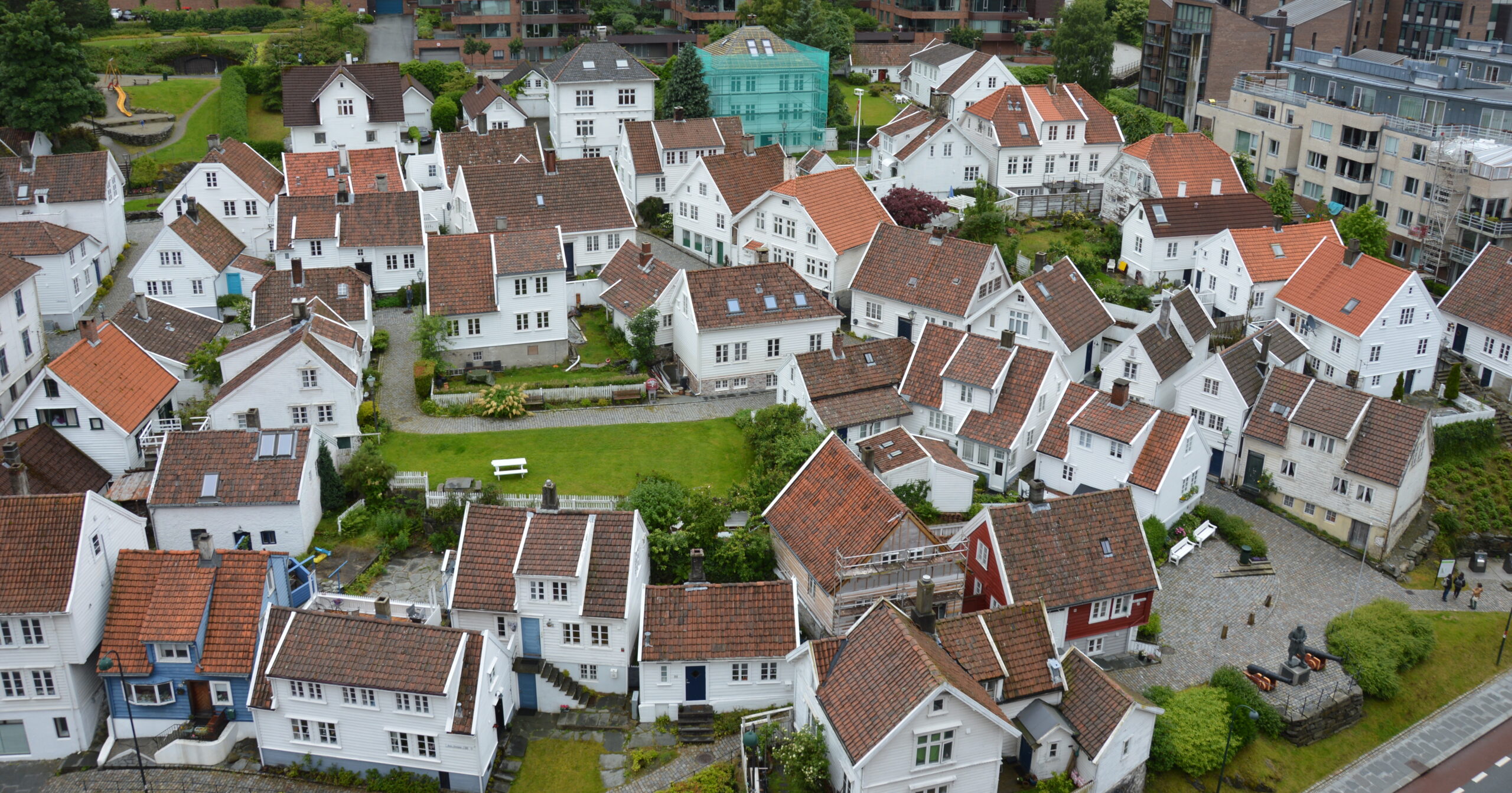
Across the harbor from the city center, 173 white wooden houses from the 18th and 19th centuries climb the hillside along cobbled lanes. Roses over doorways, gas lamps, not a straight line anywhere: it’s one of the most photogenic neighborhoods in Norway and somehow still residential and lived-in. Go at golden hour when the white clapboard glows.
Øvre Holmegate, the Colorful Street
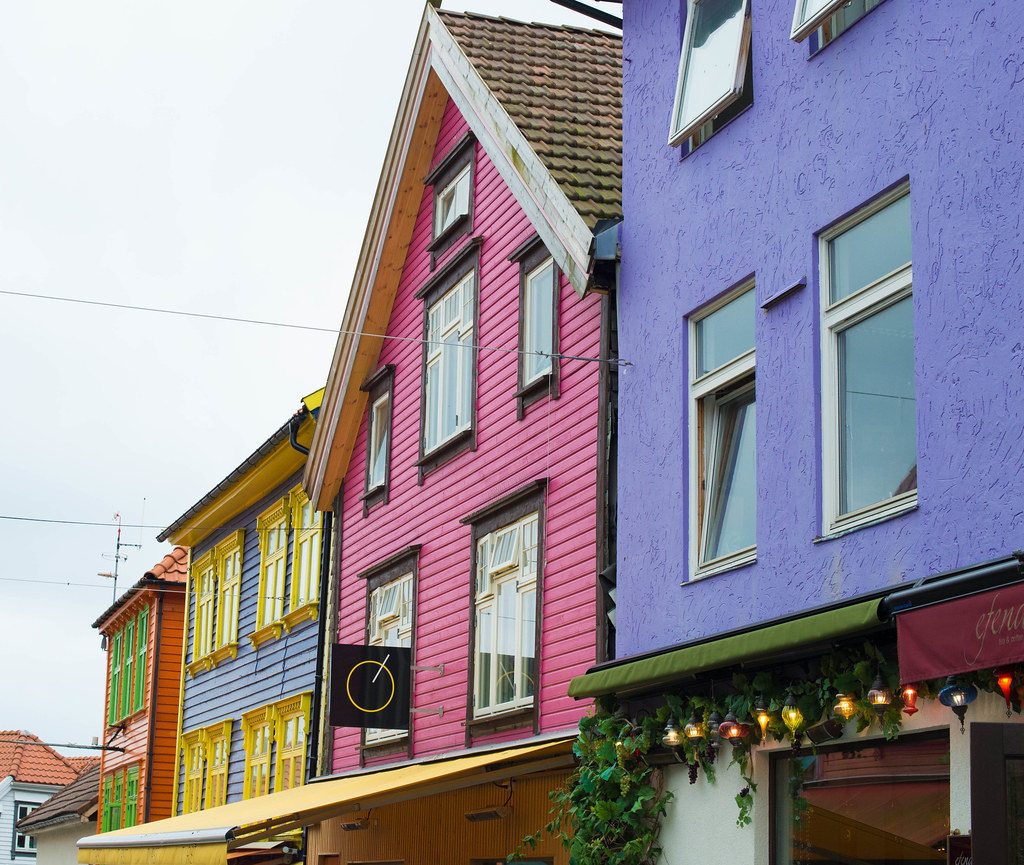
Stavanger’s answer to Notting Hill: an entire street painted in candy colors by agreement of its shopkeepers. Coffee bars, record shops, and bakeries line the block, and it’s the city’s best spot for a cinnamon bun and people-watching.
The Norwegian Petroleum Museum
Trust us on this one. Norway’s oil story explains everything about the modern country, and this harborside museum tells it brilliantly, with real drilling platforms models, a survival capsule you can climb into, and honest exhibits about climate change. Kids love it; we stayed three hours.
Street Art Hunting
Thanks to the long-running Nuart festival, world-class murals hide all over Stavanger’s center. Pick up the free map from the tourist office and turn your walk between sights into a scavenger hunt.
Beach Day at Sola
Twenty minutes from downtown, Sola Beach unrolls a mile and a half of pale sand and North Sea surf. Norwegians actually swim here in summer; we managed a full 90 seconds. Even if you skip the swim, the dunes and big sky make a lovely, un-Norwegian afternoon.
Flørli 4444: The World’s Longest Wooden Staircase
Deep in Lysefjord, the tiny hamlet of Flørli is home to 4,444 wooden steps climbing straight up the fjord wall beside an old hydropower pipeline. It’s a thigh-burning, unforgettable half-day: ferry in, climb the stairs (about two to three hours up with the views getting more absurd every hundred steps), loop down the path, and catch the boat back with a cinnamon bun from the little café. It sees a fraction of Preikestolen’s traffic, and if you want the fjord almost to yourself, this is the hike.
Kjeragbolten, for the Brave
Farther up Lysefjord, a boulder wedged between two cliff faces 3,228 feet above the water has become Norway’s most terrifying photo op. The hike is strenuous, the season short (roughly June through September), and stepping onto the rock is entirely optional. We watched others do it. Our hearts were in our throats from solid ground.
Where to Eat
Stavanger’s food scene shocked us, in the best way. Oil money and a young population have built a restaurant culture that rivals Oslo’s at three-quarters of the price. The harbor area and the streets around Fargegaten hold most of the action: modern Nordic tasting rooms, casual fish restaurants, and bakeries whose cardamom buns fueled our every hike.
For a classic Stavanger meal, order fish soup somewhere near the harbor: creamy, loaded with salmon and shellfish, and exactly what you want after a day on the fjord. Fiskepiren and the fish market area serve shrimp straight off the boats in summer; buy a bag, find a dock edge, and peel them like a local. On the fancy end, the city has multiple Michelin-recognized kitchens if you feel like celebrating a successful Pulpit Rock summit, and the set lunch menus make them surprisingly attainable.
Coffee culture runs deep too. The roasteries around Øvre Holmegate take their pour-overs seriously, and lingering is expected. Our routine settled quickly: bun and coffee mid-morning, big hotel breakfast before hikes, fish soup or a food-hall dinner after.
Where to Stay
Stay central: the area between the harbor, the cathedral, and Øvre Holmegate puts everything within a 10-minute walk, including the boat and bus departures for Lysefjord. Harbor-view rooms cost more but earn it at sunset. Norway hotel rates are high by American standards, but nearly all include generous breakfast buffets, and Stavanger runs meaningfully cheaper than Oslo in summer when business travel drops away. Budget option: guesthouses and apartments in Storhaug, a 15-minute walk east.
Where to Book
- Hotels: Booking.com’s Stavanger listings cluster around the harbor and old town; book early for June through August, when hiking season and cruise calls collide.
- Tours and activities: Viator’s Stavanger tours include Lysefjord cruises, guided Preikestolen hikes with transport, Kjerag day trips, and food walks through the city center.
How to Get There and Around
Stavanger’s airport at Sola has direct flights from Amsterdam, London, Copenhagen, and Oslo, with the airport bus reaching downtown in 30 minutes. From Bergen, the coastal route south is half the fun: bus and ferry combinations thread the islands in about five hours, or you can fly in 40 minutes. From Oslo, direct flights take under an hour, and the scenic train-plus-bus alternatives make a full day of it.
In town you’ll walk everywhere. For Preikestolen, buses run from the city to the trailhead lodge in about 50 minutes during hiking season; no rental car needed, though having one opens up beaches and fjord back roads.
Suggested Itinerary: Three Days in Stavanger
Day 1: Arrive, wander Gamle Stavanger and the harbor, coffee on Øvre Holmegate, Petroleum Museum in the afternoon, seafood dinner by the water.
Day 2: Early bus to Preikestolen, hike up and back, late lunch at the trailhead lodge, easy evening and an early night.
Day 3: Morning Lysefjord cruise, afternoon street art walk or Sola Beach, farewell dinner in the Fargegaten quarter.
With a fourth day and good legs, add Kjeragbolten in high summer, or slow down with a day trip along the Jæren coast’s beaches and lighthouses.
What to Pack
Hiking gear is the difference-maker here. For Preikestolen you want broken-in shoes with real tread (the granite is polished slick in places), a rain shell no matter the forecast, a warm mid-layer for the windy summit, and at least a liter of water per person. Trekking poles help on the descent if your knees complain. In town, Stavanger is casual: jeans and sneakers fit in everywhere, even at nicer restaurants.
Weather insurance matters in every season. We hiked in June sunshine and ate dinner that night in near-horizontal rain, which is simply southwestern Norway being itself. A packable rain jacket lives in your daypack at all times, sunglasses and sunscreen join it from May to September, and gloves and a beanie sneak in for shoulder-season summits. One more tip: pack a swimsuit. Between Sola Beach, hotel saunas, and the harbor sauna rafts, you’ll use it more than you’d think.
Budget Tips
Norway is never cheap, but Stavanger can be done sensibly. Hotel breakfasts are huge, so load up and make lunch your light meal. Supermarket chains sell great picnic supplies for hike days, and tap water everywhere is excellent, so carry a bottle. The city’s best experiences (Gamle Stavanger, street art, the harbor, Sola Beach) are free, and the Preikestolen bus-plus-hike day costs a fraction of the guided version if you’re comfortable self-guiding in good weather. For a full cost breakdown of the region, see our guide to how much a trip to Norway costs.
Is Stavanger Worth It?
Completely. If your Norway dream involves standing above a fjord with your heart pounding, Stavanger delivers the country’s most accessible version of that moment, wrapped in a white wooden old town with food and coffee culture to match. It rounds out a southern Norway trip perfectly and gives you a reason to linger where most travelers rush through.
Building a bigger Norway or Nordic route? Pair Stavanger with our guides to Bergen and the Arctic drama of the Lofoten Islands, and check the best time to visit Norway before you lock in dates, because season changes everything here.
Keep Reading