Disclosure: This post contains affiliate links. If you book through our links, we may earn a small commission at no extra cost to you. Thanks for supporting Faceted Travel!
Table of Contents
Everybody knows Cannes for eleven days in May. We went in late September, when the red carpet was long gone, the sea was still warm enough to swim, and a plate of grilled sea bass on the port cost less than dinner in Denver. That version of Cannes, the off-season one, turned out to be one of our favorite stops on the entire French Riviera.
Here is the thing nobody tells you: strip away the film festival and Cannes is a genuinely lovely mid-sized Mediterranean town with a medieval hilltop quarter, a two mile sweep of beach, a working fishing port, and two islands you can reach in fifteen minutes. It is also a much better base than its reputation suggests.
Cannes Is Not What You Think It Is
The image most people carry is the Croisette: palm trees, luxury hotels, boutiques with security guards, yachts the size of apartment buildings. That is real, and it is roughly one street.
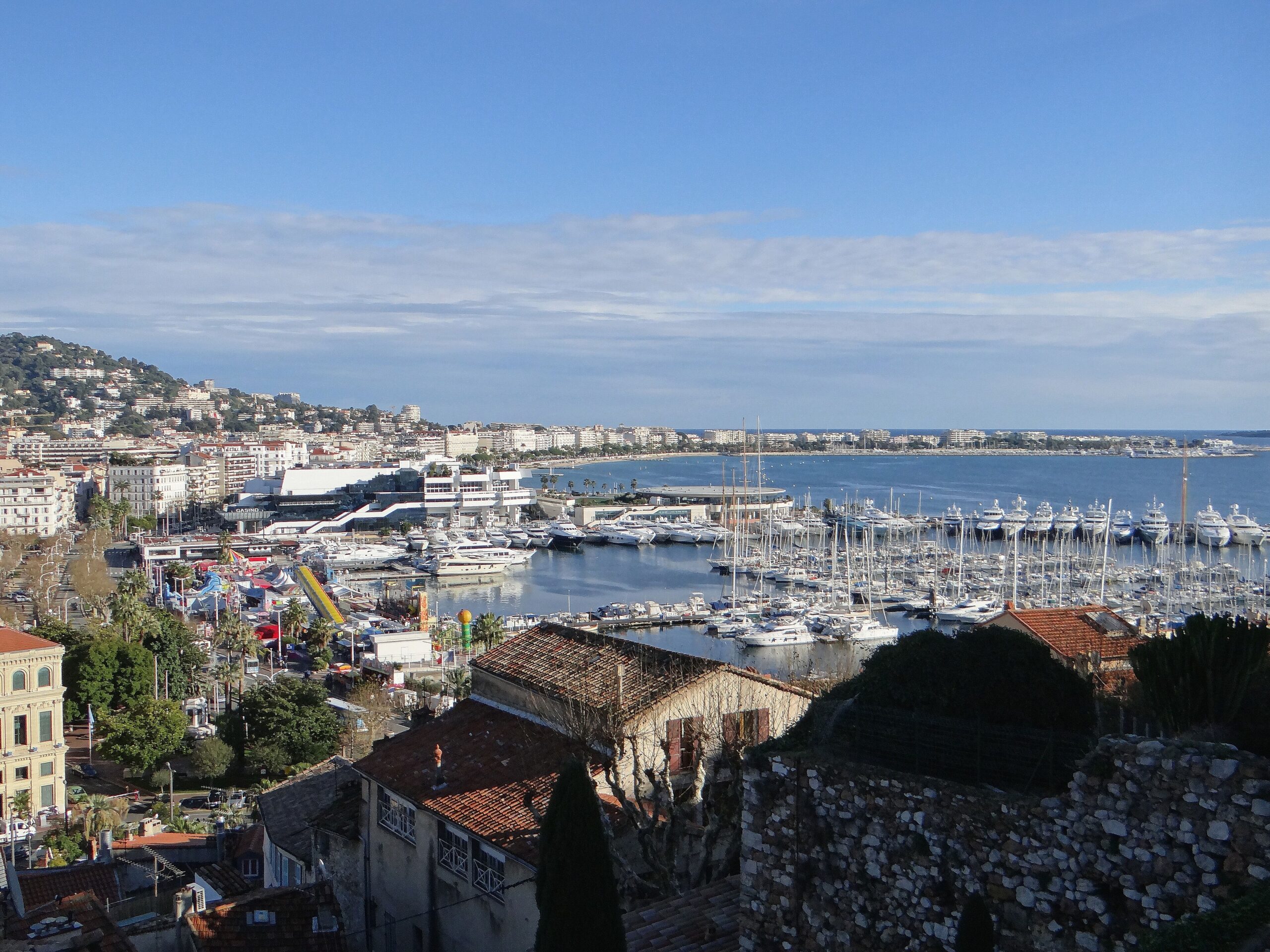
Walk five minutes inland and you are in a normal French town with a covered market, a bakery on every corner, and grandmothers arguing about tomatoes. Walk ten minutes west and you climb into Le Suquet, the old quarter, where the streets are cobbled and steep and end at a 12th century watchtower with the best view on the coast.
Both versions are true. You get to choose which one your trip is about, and the good news is that the second one is affordable.
When to Visit Cannes
May through September is beach season. Warm water, long evenings, and the highest prices of the year. Avoid the second week of May unless you are actually attending the film festival, because hotel rates triple and the town belongs to the industry.
Late September and October is our pick. The Mediterranean holds its summer warmth well into October, the crowds thin dramatically after the first week of September, and prices drop noticeably. We swam comfortably in the last week of September.
November through March is quiet and mild, with average highs in the 50s and 60s. Many beach clubs close, but the old town, the market, and the islands are all still there, and hotel prices are at their lowest.
April and early May bring flowers and comfortable walking weather before the summer rush.
We go deeper on Riviera timing in our guide to the best time to visit France.
How Long to Spend in Cannes
Two days is enough for Cannes itself: one day for the town, the beach, and Le Suquet, and one for the Îles de Lérins.
Three to five days makes sense if you are using Cannes as a Riviera base, which we would recommend. The regional train line puts Antibes, Nice, Monaco, and a string of smaller coastal towns within an hour, and Cannes is meaningfully cheaper to sleep in than Nice or Monaco.
The Best Things to Do in Cannes
Climb Le Suquet, the Old Town
Le Suquet is the original Cannes, a fishing village on a hill that predates every yacht in the harbor by about eight hundred years. The climb up Rue Saint-Antoine is steep and lined with restaurants, and at the top you get the Notre-Dame de l’Espérance church, the Musée des Explorations du Monde inside the old castle, and a square tower with a panorama over the entire bay.
Go up around 6pm. The light on the water from the tower is the photo you came for, and the restaurants on the way down fill up right after.
Walk the Croisette
Yes, it is touristy. It is also a genuinely beautiful two mile promenade with palm trees, art deco hotel facades, and public beach access mixed in among the private clubs. Walk it end to end at least once. Stop at the Palais des Festivals to find the handprints of film stars pressed into the pavement, which is free and mildly ridiculous and fun.
Take the Boat to the Îles de Lérins
This is the best thing we did in Cannes and it is the thing most day trippers skip. Two islands sit fifteen minutes offshore.
Île Sainte-Marguerite is the larger one, covered in eucalyptus and pine forest with walking trails, small rocky swimming coves, and the fort where the Man in the Iron Mask was imprisoned. There is essentially no development. Bring water and lunch, or eat at the one restaurant near the dock.
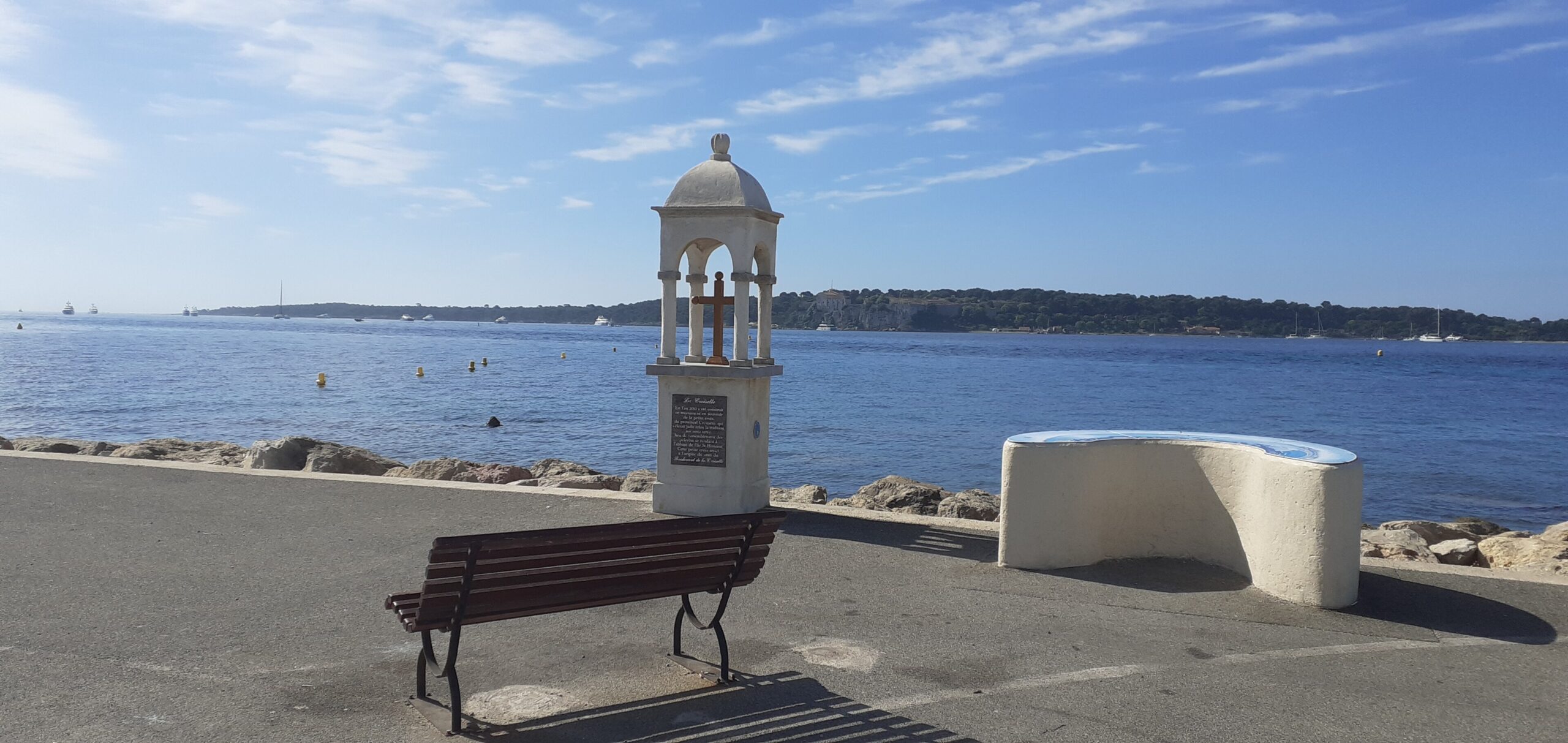
Île Saint-Honorat is smaller and belongs to a community of Cistercian monks who have been there since the fifth century and who make and sell their own wine. It is silent, beautiful, and unlike anywhere else on the Riviera.
Ferries leave from the old port. Give yourself a full day for one island, or a long morning for each if you are efficient.
Marché Forville
The covered market a block behind the port, open every morning except Monday, is where Cannes actually shops. Provençal produce, olives, cheese, fish landed that morning, and rotisserie chicken. We put together picnic lunches here for the islands twice and it was both the cheapest and the best food of the trip.
The Beaches
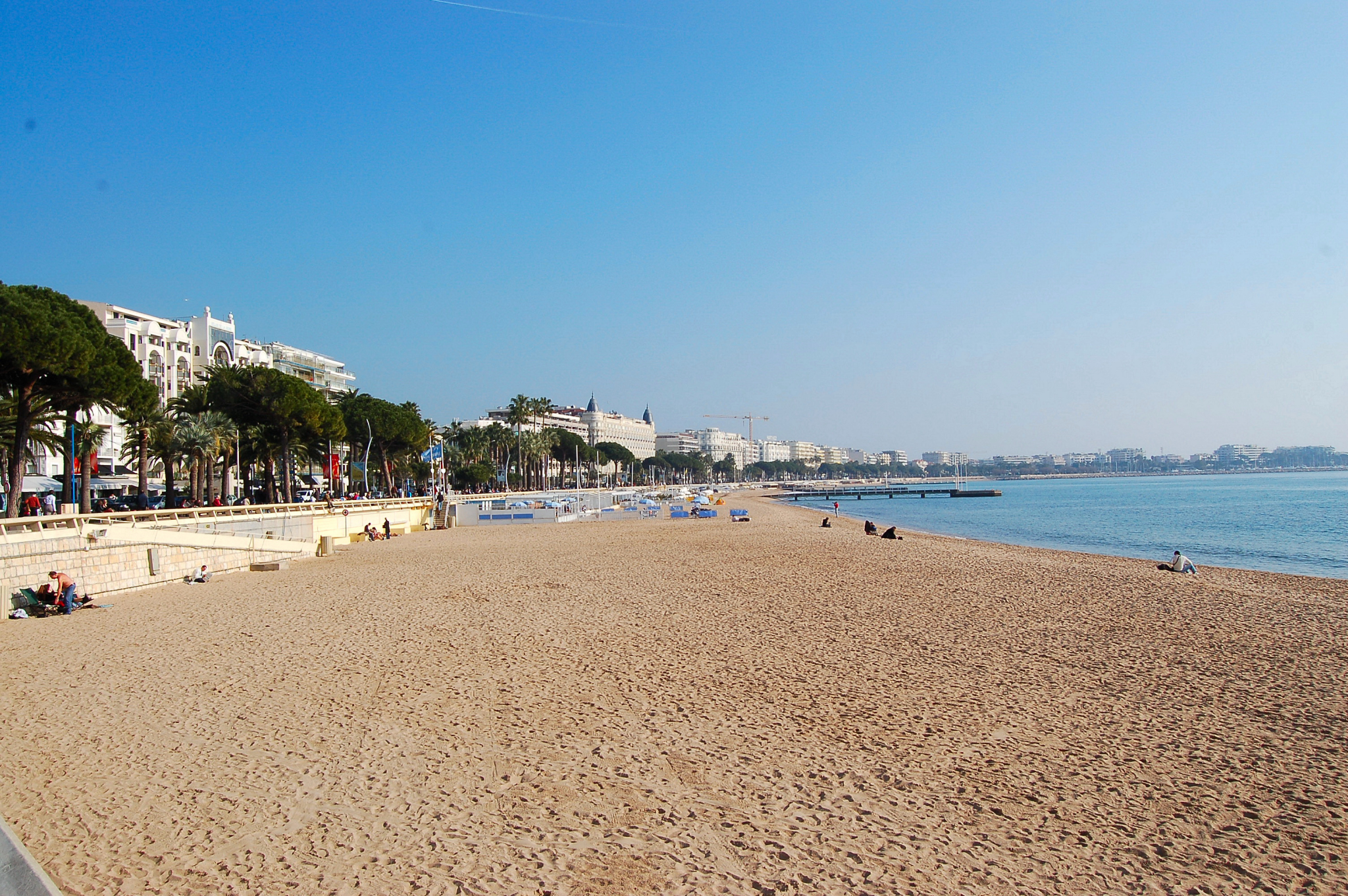
Cannes has a long sandy beach along the Croisette, which is unusual on this coast where pebbles are the norm. Roughly a third of it is free public beach and the rest is private clubs charging for a lounger and umbrella.
If you want free sand, head toward the western end near the Palais or east toward Plage du Midi. If you want the full lounger-and-waiter experience, the private clubs are pleasant and cost about what a nice lunch costs.
Rue d’Antibes
The main shopping street, one block inland from the Croisette, where the prices are normal and the crowds are locals. Good for a wander, better for lunch.
Day Trips from Cannes
This is where Cannes earns its keep as a base. The TER regional train runs along the coast constantly and is inexpensive.
Antibes is fifteen minutes away and has a spectacular covered market, a Picasso museum in a seafront castle, and old ramparts you can walk. Easily our favorite quick trip.
Nice is about thirty minutes and is the Riviera’s real capital, with the Promenade des Anglais, the old town, and the best food market on the coast. We wrote a full Nice travel guide if you want to build a proper day around it.
Grasse sits in the hills twenty five minutes inland and is the historic center of French perfume making, with factory tours where you can blend your own scent.
Monaco is about an hour by train and worth a half day for the palace, the casino, and the sheer strangeness of the place.
Èze is a medieval village clinging to a cliff above the sea, best reached by bus, and one of the most photographed spots on the coast for good reason.
Where to Eat in Cannes
Skip the Croisette for dinner unless someone else is paying. The restaurants there are priced for people arriving on boats.
Instead, eat in Le Suquet, where the staircase streets are lined with small places doing Provençal seafood, or on the streets just behind the old port. Look for bouillabaisse, grilled daurade, socca, and ratatouille done properly.
Marché Forville for breakfast and picnic supplies, as covered above.
For a cheap and excellent lunch, find a boulangerie and get a pan bagnat, the Niçoise tuna sandwich that is the regional street food. Two of those and a bottle of rosé on the beach is a legitimate Riviera meal.
Getting Around Cannes and the Riviera
Cannes itself is entirely walkable. The train station sits in the middle of town, five minutes from the port and ten from the beach.
The TER coastal train is the single best travel tool on the Riviera. It runs from Saint-Raphaël through Cannes, Antibes, Nice, Monaco, and on to the Italian border, with frequent departures and low fares. You do not need a car.
Nice Côte d’Azur Airport is the regional gateway, about thirty minutes from Cannes. There is a direct express bus, and the train works with one easy connection.
If you are renting a car for the hill villages, be warned that parking in Cannes is expensive and the old town streets are not car friendly. We would rent for a day, not a week.
Where to Stay in Cannes
Near the old port and Le Suquet is our preference. You are walking distance to the market, the ferries, the beach, and the best restaurants, and rates are lower than on the Croisette.
The Croisette is the luxury strip. Sea views, big hotels, big prices.
Near the train station is the practical budget choice and still only ten minutes on foot from the water, which is worth knowing if you are day tripping heavily.
La Bocca, just west of the center, is quieter and cheaper with easy beach access, good if you have a car.
What Cannes Costs
The French Riviera is not cheap, but Cannes is a middle option. It costs less than Monaco or Saint-Tropez, roughly the same as or slightly less than Nice, and considerably more than inland Provence.
The biggest lever is timing. Shifting from mid-August to late September can cut accommodation costs meaningfully while barely changing the weather. The second biggest lever is eating one meal a day from the market or a bakery instead of a restaurant.
Our Europe trip cost breakdown has a fuller framework for setting a daily budget, and our how to plan a trip to Europe guide covers sequencing multiple stops.
Practical Tips
The beach along the Croisette is sandy, but much of the surrounding coast is pebbly, so water shoes are useful if you are exploring coves on the islands.
Sunday and Monday are quiet. Marché Forville closes Monday and many restaurants take Sunday evening or Monday off.
Ferries to the Lérins islands run less frequently outside summer. Check the last return time before you go, because getting stranded on Sainte-Marguerite is a real possibility.
French is more useful here than in Nice or Monaco. A bonjour before every interaction goes a long way.
Book train tickets for the TER at the station machine or in the SNCF app. No reservation needed, no seat assignments, just turn up.
Travel insurance is worth carrying for a trip built around prepaid coastal hotels and ferry days. Here is how we choose a policy for travel insurance in Europe.
Where to Book
Hotels: We book Riviera stays on Booking.com because the free cancellation coverage is strong and Cannes rates swing hard with the calendar. Lock something refundable early, especially if you are traveling in June through August, and rebook if a better rate appears.
Tours and day trips: For the Lérins ferries, Riviera coastal excursions, Grasse perfume workshops, and boat trips along the coast, we use Viator. Booking the island boats and any small group day trips ahead is smart in high season.
Flights: Fly into Nice Côte d’Azur and transfer. See our notes on the best time to book flights for timing.
Final Thoughts
Cannes surprised us. We expected a red carpet and a lot of money, and what we found was a market town with a medieval hill, a pair of quiet forested islands, and a train line that opens up the entire coast. Come in September, stay near the old port, take the boat to Sainte-Marguerite, and eat dinner on a staircase in Le Suquet as the sun goes down. That is the trip.
Continuing along the coast? Pair this with our Nice travel guide for the Riviera’s capital, our Annecy guide if you are heading inland to the Alps, and our best time to visit France guide to lock in your dates.
Keep Reading