Disclosure: This post contains affiliate links. If you book through our links, we may earn a small commission at no extra cost to you. Thanks for supporting Faceted Travel!
Table of Contents
Bosnia and Herzegovina is the cheapest country in the Balkans to travel in, and it is not close. A week here costs roughly what four days in Croatia costs, and the gap is widest exactly where it matters most: food, lodging and transport.
That is the headline. The useful part is knowing where the money actually goes, because Bosnia has a couple of costs that surprise people and a few places where spending a little more changes the trip completely. Here is the full breakdown.
The Short Answer
For a 7 day trip covering Sarajevo and Mostar, excluding international flights:
- Budget: $340 to $520 per person
- Mid range: $620 to $950 per person
- Comfortable: $1,100 to $1,600 per person
Those are per person figures based on two people sharing a room. Solo travelers should add roughly 30 percent, mostly on lodging.
Add flights on top. From the US, expect $650 to $1,100 round trip to Sarajevo depending on season and how many stops you accept.
Currency and Cash
Bosnia uses the convertible mark (BAM or KM), pegged to the euro at roughly 1.96 marks to 1 euro. That peg makes mental math easy: divide marks by two to get a rough euro figure, then adjust for the dollar.
Two practical notes that will save you money and hassle:
Bosnia is more cash based than Croatia or Montenegro. Cards work fine in Sarajevo hotels, chain shops and larger restaurants, but small guesthouses, family restaurants, taxis, museum entries and anything rural are frequently cash only. Carry more cash than you think you need.
Decline the ATM conversion offer. When a Bosnian ATM asks whether you want the transaction in dollars, always say no and let your own bank convert. The machine rate is consistently several percent worse. This one habit saves real money over a week.
Euros are sometimes accepted in Mostar at tourist businesses, but at a bad rate. Pay in marks.
Accommodation
This is where Bosnia pulls furthest ahead of its neighbors.
| Type | Sarajevo | Mostar | Smaller towns |
|---|---|---|---|
| Hostel dorm | $12 to $20 | $12 to $18 | $10 to $15 |
| Guesthouse or pension, double | $35 to $60 | $40 to $70 | $30 to $50 |
| Solid 3 star hotel | $60 to $95 | $65 to $110 | $45 to $75 |
| Boutique or 4 star | $110 to $180 | $120 to $200 | $80 to $130 |
The guesthouse tier is the sweet spot and it is genuinely excellent here. Family run pensions in the Bascarsija area of Sarajevo and in Mostar’s old town regularly include breakfast, and the hosts are usually the best source of information you will get all trip. We would take a $50 Bosnian guesthouse over a $50 hotel room in most of Europe without hesitating.
The one real price spike is Mostar old town in July and August, where a small number of rooms inside the walls meet enormous demand. Book those months two to three months out or stay a ten minute walk away and save 40 percent.
Search Bosnia and Herzegovina stays on Booking.com to compare. Filter for guesthouses specifically rather than hotels.
Food and Drink
Eating in Bosnia is one of the great travel bargains left in Europe.
- Burek or other pita from a bakery: $2 to $3.50, and it is a full meal
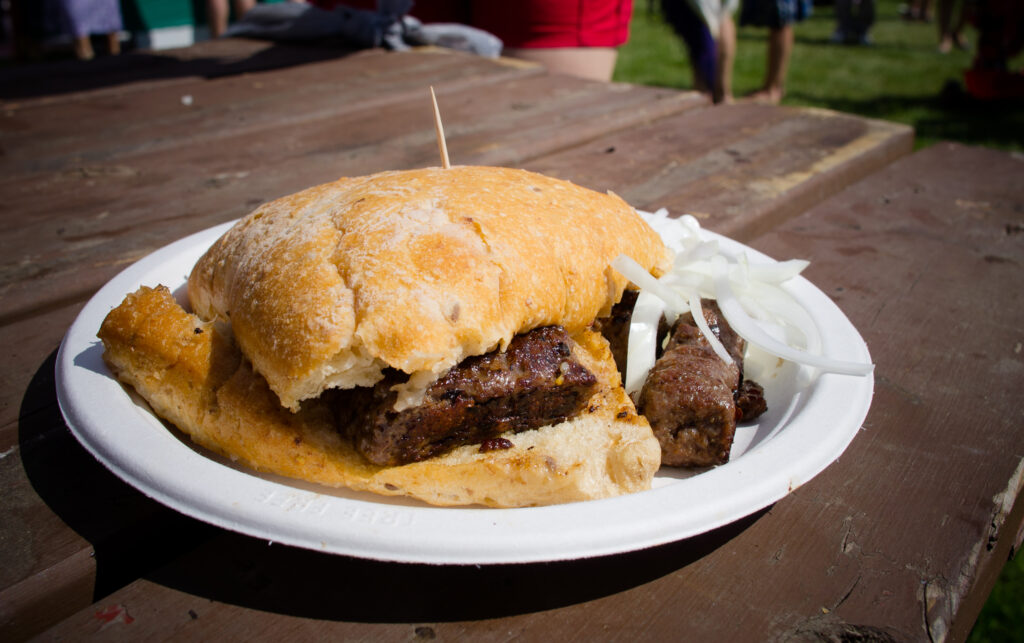
- Cevapi with somun bread, the national dish: $4 to $7
- Bosnian coffee with the copper set: $1.50 to $2.50
- Sit down lunch with a drink: $8 to $14
- Dinner at a good local restaurant: $12 to $22 per person
- Nicer dinner with wine in Sarajevo or Mostar: $28 to $45 per person
- Local beer, Sarajevsko or Nektar: $2 to $3.50
- Bottle of decent Herzegovinian wine in a restaurant: $14 to $25
Daily food budgets: $18 to $25 if you lean on bakeries and cevabdzinicas, $35 to $50 for two proper restaurant meals a day, $70 plus if you are seeking out the best places and drinking wine with dinner.
A note worth making: the cheap food here is not a compromise. Cevapi, burek and Bosnian coffee are the point of eating in Bosnia, and they are all in the bottom tier of the price range. You can eat extremely well on $25 a day.
Herzegovinian wine deserves a mention too. Zilavka (white) and Blatina (red) are the two native grapes, they are good, and they are cheap because almost nobody outside the region drinks them.
Getting Around
Buses
Buses are the default and they are cheap and reasonably reliable.
- Sarajevo to Mostar: $9 to $14, about 2.5 hours
- Mostar to Dubrovnik: $18 to $28, about 3.5 hours
- Sarajevo to Belgrade or Zagreb: $25 to $40
- Mostar to Split: $16 to $24
Buy at the station or online. Note that Sarajevo has two bus stations serving different destinations, which trips people up constantly. Confirm which one your ticket uses.
Rental car
A small car runs $28 to $50 a day in shoulder season, more in August. Fuel is roughly $6.00 to $6.60 per US gallon equivalent.
The important cost that is easy to miss: cross border fees. Most Bosnian rental companies charge $30 to $60 for a green card and permission to take the car into Croatia or Montenegro, and some prohibit it outright. Ask before booking, not at the counter.
A car is worth it if you want Kravice, Blagaj, Pocitelj, Jajce or the mountains. It is unnecessary for a Sarajevo and Mostar only trip. This is the same calculus we lay out in our Montenegro road trip itinerary.
Taxis and city transport
Sarajevo taxis are metered and cheap, usually $4 to $8 across town. Trams cost under $1. Mostar is small enough to walk entirely.
Activities and Entrance Fees
Bosnia’s attractions are remarkably inexpensive, and several of the best things are free.
- War Childhood Museum, Sarajevo: about $7
- Tunnel of Hope museum: about $6
- Gallery 11/07/95: about $9
- Sarajevo war history walking tour: $20 to $35
- Old Bridge Museum, Mostar: about $3
- Kravice waterfalls entry: about $6 in season
- Blagaj Tekke entry: about $3
- Full day Mostar, Kravice, Blagaj and Pocitelj tour from Mostar: $40 to $60
- Day trip to Mostar from Dubrovnik or Split: $55 to $85
- Neretva or Una rafting, full day with lunch: $50 to $80
- Jahorina or Bjelasnica day lift ticket: $22 to $32
Wandering Bascarsija, walking Stari Most, the Yellow Fortress viewpoint over Sarajevo and the old Olympic bobsled track are all free.
Budget $15 to $25 a day for activities on a normal sightseeing pace, or $40 to $60 a day if you are doing a guided tour most days.
Browse Bosnia tours and day trips on Viator to compare. The war history tours in Sarajevo are the category where a guide genuinely changes the experience rather than just adding convenience.
Sample Budgets, 7 Days
Budget backpacker: about $410 per person
- Hostel dorms, 6 nights: $95
- Food, bakeries and cevapi with a few restaurant meals: $145
- Buses between cities: $30
- Museums and one guided tour: $85
- Coffee, snacks, incidentals: $55
Mid range couple: about $780 per person
- Guesthouses and one nicer hotel, 6 nights: $210 per person
- Food, restaurant dinners plus casual lunches: $270
- Rental car for 4 days with fuel and parking: $135 per person
- Museums, Kravice, one full day tour: $115
- Wine, coffee, extras: $50
Comfortable: about $1,380 per person
- 4 star hotels and a boutique old town room, 6 nights: $520 per person
- Food, good restaurants throughout: $420
- Private driver for two day trips plus rental car: $255 per person
- Tours, entries, a rafting day: $135
- Extras: $50
What Makes Bosnia Cheaper Than Its Neighbors
Compared side by side, a mid range week costs roughly:
- Bosnia and Herzegovina: $620 to $950
- Montenegro: $850 to $1,300 (see our Montenegro cost breakdown)
- Croatia: $1,200 to $1,900 (see our Croatia cost breakdown)
The gap comes almost entirely from lodging and restaurants, and it exists because Bosnia’s tourism economy is much younger and much less coastal. There is no Adriatic beach premium here.
This is exactly why Bosnia works so well as an add on. If you are already spending Croatian prices for a week, three days in Bosnia barely moves your total while adding a completely different country. Our Croatia vs Montenegro comparison makes a similar point about pairing.
Where People Overspend
Day tripping instead of staying over. A $70 organized day trip from Dubrovnik to Mostar costs more than two nights in a Mostar guesthouse plus a bus, and gives you three hours in the town at its most crowded. Staying over is cheaper and better.
Airport transfers. Sarajevo’s airport is close to the city and a metered taxi is cheap. Prebooked transfers cost two to three times as much.
Eating in the immediate Stari Most sightline. Move one street back in Mostar and prices drop by a third for better food.
Skipping travel insurance and then needing it. Mountain roads, rafting and skiing all raise the odds. See is travel insurance worth it and our Europe insurance guide.
Where Spending More Actually Pays
A car for two or three days. Kravice, Blagaj, Pocitelj and the Neretva valley are the best of Herzegovina and awkward without one.
A guided war history tour in Sarajevo. The context is the whole value and you will not get it from plaques.
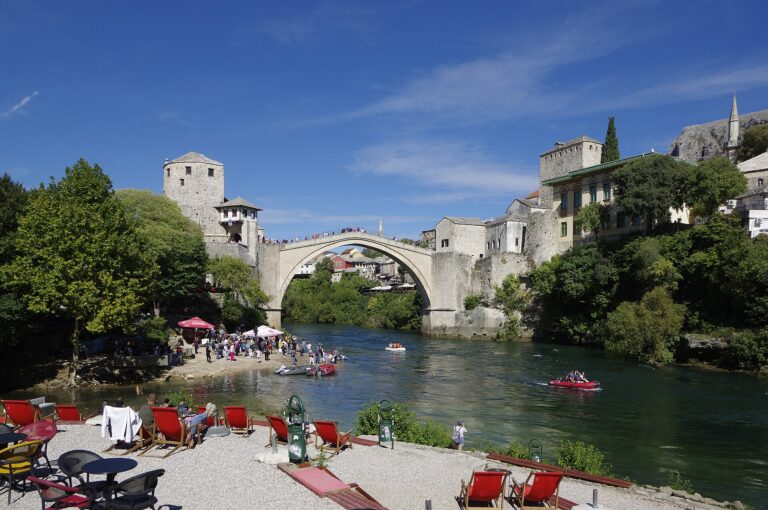
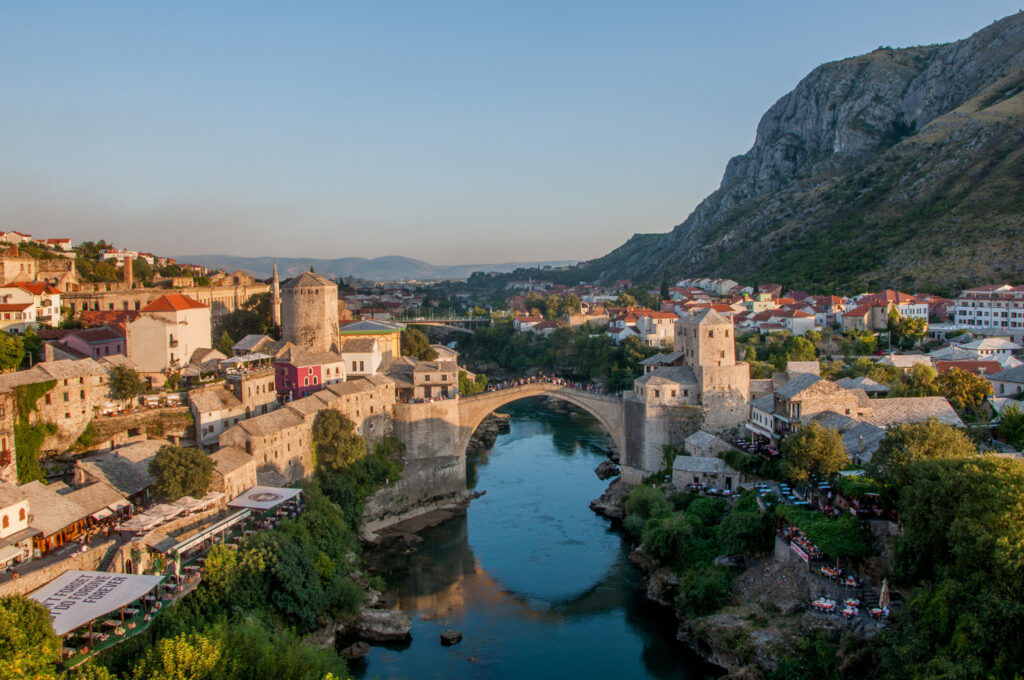
An old town room in Mostar for one night. Stari Most before 8am and after 7pm, with nobody on it, is the single best moment of the trip and you only get it by sleeping there.
Cutting the Flight Cost
Flights are usually the largest single line item. Two things help: flying into Zagreb, Split or Dubrovnik and busing in is often meaningfully cheaper than flying to Sarajevo directly, and points cover this route well. Our guide to using points and miles for free flights covers the transfer partners that work best for European itineraries, and how much a trip to Europe costs puts the airfare piece in context.
Where to Book
- Stays: Compare Bosnia and Herzegovina accommodation on Booking.com. Filter to guesthouses, sort by review score, and read the breakfast note.
- Tours and day trips: See Bosnia tours on Viator. Free cancellation on most listings makes it low risk to lock in the popular Kravice combination day early.
- Insurance: Compare policies before you book the rest.
Our Take
Bosnia is a country where a modest budget buys a genuinely good trip rather than a compromised one. The $780 per person mid range week is not the stripped down version of Bosnia, it is close to the best version, because the guesthouses, the food and the coffee culture that make this country special are all inexpensive by nature.
Save the extra money for the car and the one night inside Mostar’s old town. Those two are where spending changes the trip.
Keep planning: Read how to plan a trip to Bosnia and Herzegovina for the route and logistics, the best time to visit Bosnia to pin down your dates, and our Mostar and Sarajevo guides for what to actually do once you land.