Disclosure: This post contains affiliate links. If you book through our links, we may earn a small commission at no extra cost to you. Thanks for supporting Faceted Travel!
Table of Contents
Most people meet Herceg Novi through a car window at about forty kilometers an hour, on the way to somewhere else. It is the first real town you hit after crossing the border from Croatia, and because Kotor is only another hour down the road, almost everyone keeps driving. We did too, the first time. The second time we stopped for one night to break up a long drive, and we ended up staying three.
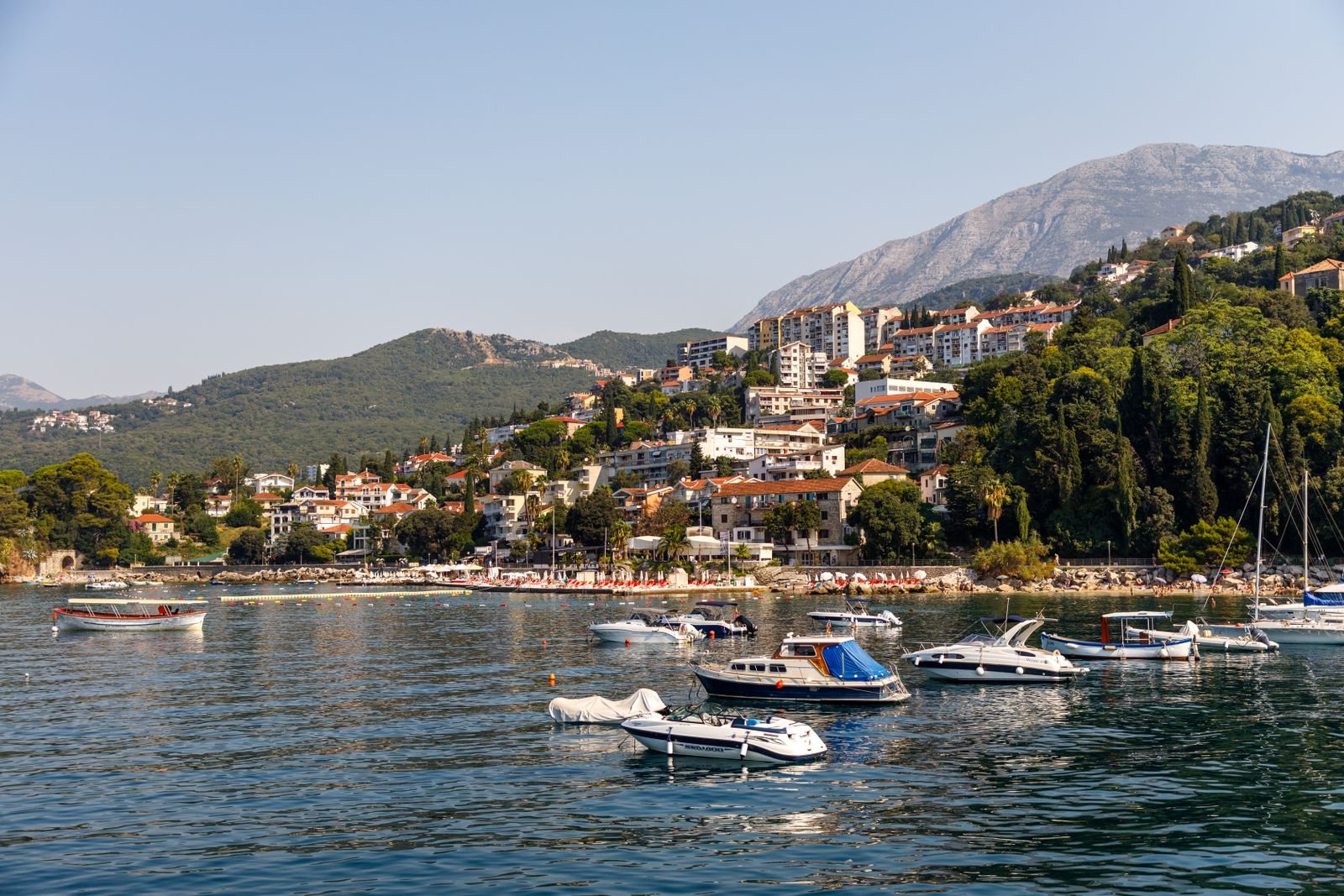
Here is what changed our minds: Herceg Novi is built on a hillside so steep that the town is essentially a staircase, and every landing on that staircase has a different view of the mouth of the Bay of Kotor. There is a fortress at the top, a fortress in the middle, and a fortress at the bottom. There are more flowers than any town this size has a right to. And because the tour buses do not stop, the old town at eight in the evening belongs almost entirely to people who live there.
Where Herceg Novi Sits and Why That Matters
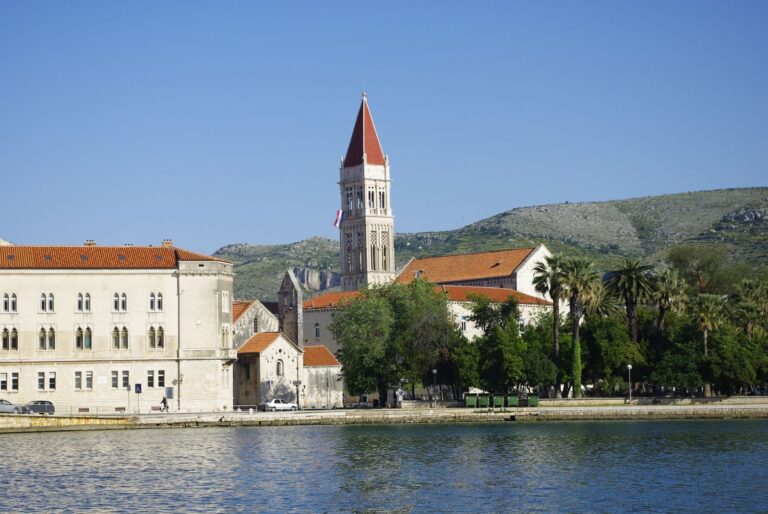
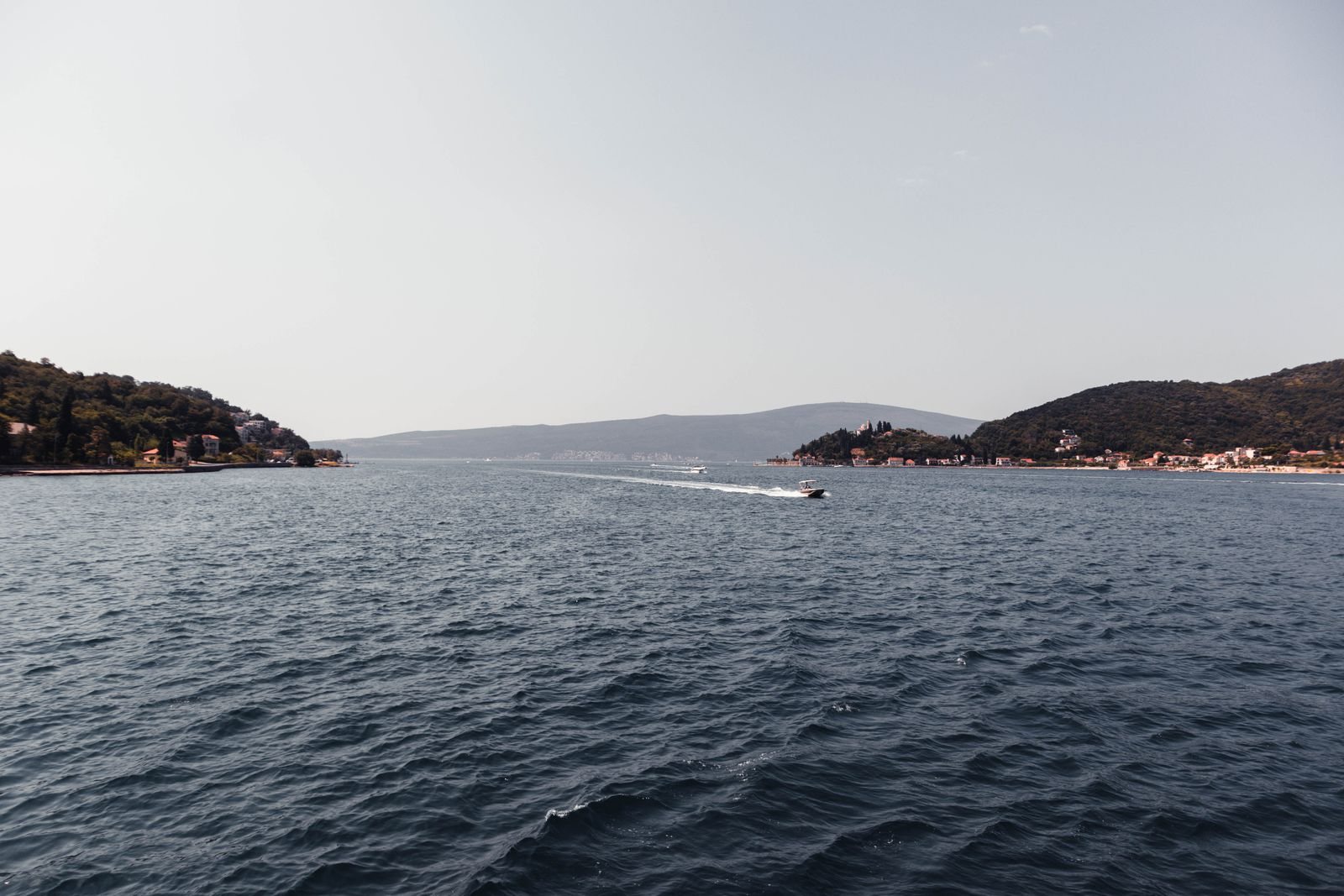
Herceg Novi guards the entrance to the Bay of Kotor, which is why it has been fought over by Bosnians, Ottomans, Venetians, Spaniards, French, Austrians, and Russians, most of whom left a wall behind. The town faces southwest across the water toward the Lustica Peninsula, which means it gets sunsets that Kotor, tucked deep in the bay under a mountain, simply cannot get.
Practically speaking, it is about 25 minutes from the Croatian border crossing at Debeli Brijeg and about an hour from Kotor. Tivat airport is 35 minutes away and Dubrovnik airport is roughly an hour and fifteen, border queue permitting. If you are driving down from Croatia, Herceg Novi is the logical first stop, and we now think it deserves a night rather than a coffee. If you want the full picture of how the drive fits together, our Montenegro road trip itinerary lays out the whole loop.
The staircase problem, explained honestly
We need to be upfront about this because it affects where you should book. Herceg Novi has around 1,800 steps connecting the waterfront promenade to the upper town and the highway above it. Not a figure of speech. Actual stone stairs, in flights, some of them steep.
If you have knee trouble, mobility limits, or you are traveling with small children and a stroller, this changes your trip. It does not rule the town out, but it means you want accommodation either right on the promenade or right in the old town, not “a short walk from both,” because there is no such thing here.
Things to Do in Herceg Novi
Walk the Pet Danica promenade
The seaside promenade runs about seven kilometers from Igalo in the west through Herceg Novi and on toward Meljine, and it is the single best thing in town. It is flat, it is paved, it hugs the water the entire way, and it is dotted with swimming ladders, small stone beaches, cafes with their tables practically in the sea, and locals doing laps at all hours.
We walked it in both directions on different days. Morning, before nine, it belongs to swimmers and old men with newspapers. Evening, around seven, it turns into the whole town’s living room. Do it both times.
Climb to the Kanli Kula fortress
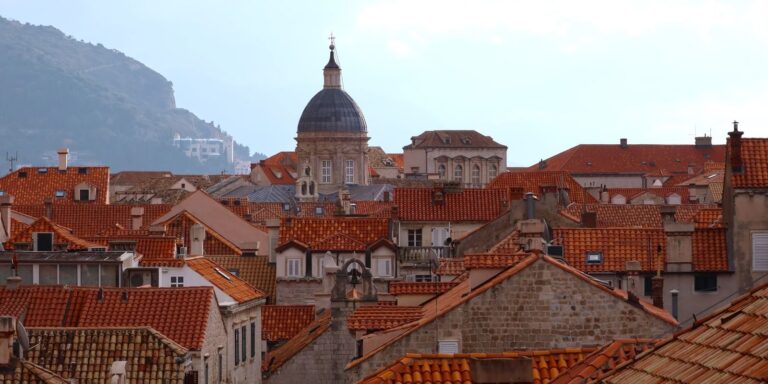
The “Bloody Tower” was an Ottoman prison, and it now serves as an open-air theater with what we think is the best paid view in the Bay of Kotor for the money. The entry fee is a few euros. From the ramparts you can see the entire mouth of the bay, the Lustica Peninsula opposite, the red roofs of the old town below you, and on a clear day the Croatian coastline to the northwest.
Go late afternoon. The light comes from the west here, straight down the bay, and it turns the whole thing gold for about forty minutes.
Poke around Forte Mare and the Old Town squares
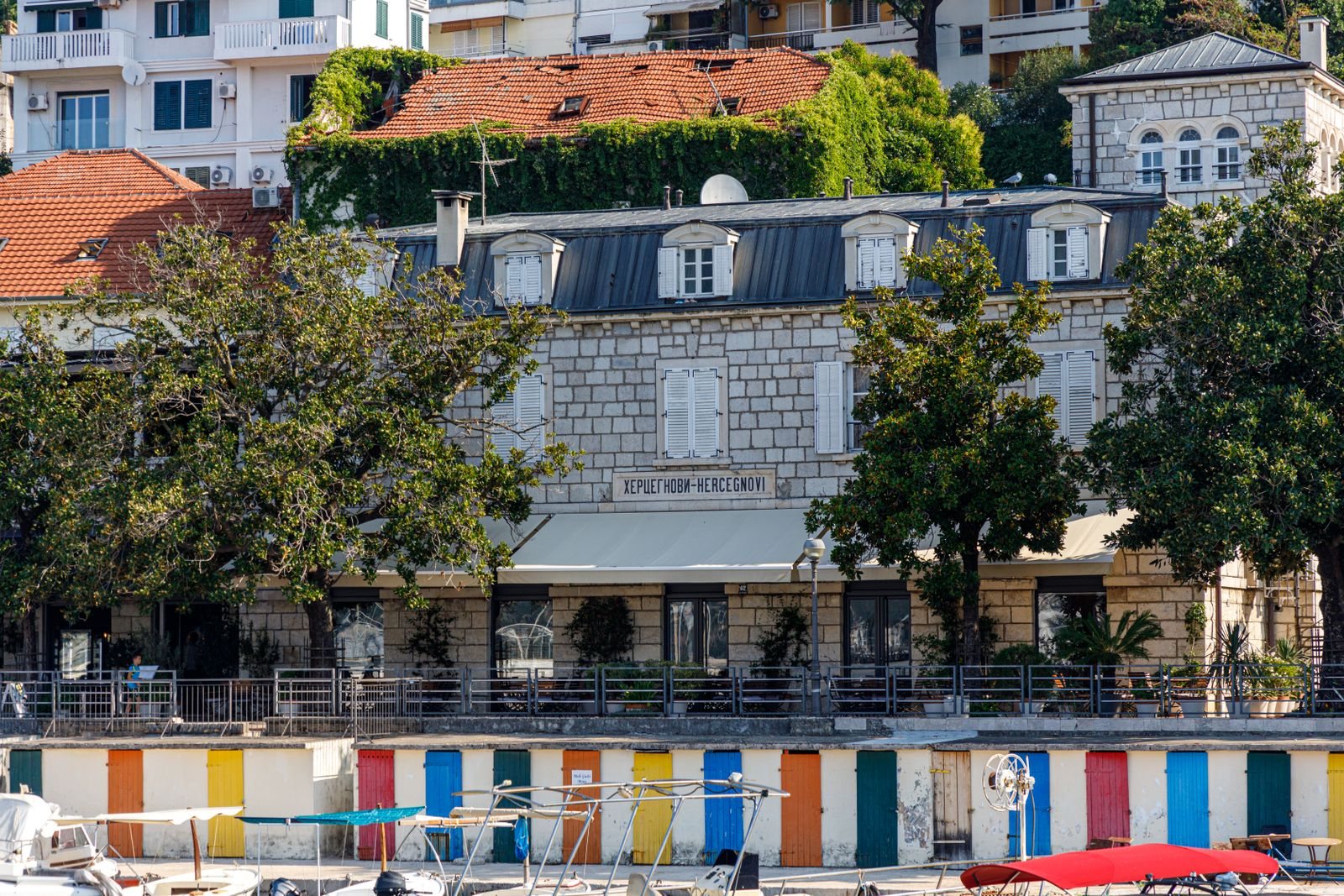
Forte Mare sits at sea level, right where the old town meets the water, and it is small enough to walk in twenty minutes. The better experience is the cluster of squares just above it: Belavista Square with its clock tower and the Church of Archangel Michael, and the narrow lanes running off it where the buildings are painted in ochres and faded pinks and every third doorway has a bougainvillea trying to take over.
This is where we ended up every evening. Order a coffee at a table on the square, watch the town go by, and understand that this is the entire point of Herceg Novi.
Take the boat to Mamula and the Blue Cave
From the harbor, small boats run out to the mouth of the bay and beyond. The standard trip takes in Mamula island, a circular fortress on a rock that was later a wartime prison and is now a hotel, and the Blue Cave on the Lustica Peninsula, where the water lights up an unreasonable shade of electric blue when the sun angle is right.
Two practical notes. Go in the morning, because the cave needs sun and afternoon wind chops up the crossing. And swimming inside the cave is the point, so bring a towel and wear your suit under your clothes.
Day trip to Savina Monastery
A fifteen-minute walk east of the old town, up through pine and cypress, Savina is a working Orthodox monastery with three churches on a terrace above the sea. It is quiet, free, and genuinely lovely, and the monks sell their own honey and rakija at a small window. Dress modestly, meaning covered shoulders and knees, and keep your voice down. It is a place of worship first and a sight second.
Swim at Rose or Zanjice
If you want the good swimming, get out of town. Rose is a tiny former fishing village on the Lustica side of the bay entrance, reachable by boat from the Herceg Novi harbor in about twenty minutes, and it has clear water, a handful of konobas, and almost no development. Zanjice, just around the point, is a pebble beach with the kind of water clarity people fly to Greece for.
Where to Stay in Herceg Novi
Three areas, three different trips.
The old town puts you inside the atmosphere, in the squares, with the church bells and the evening promenading right outside. You will climb stairs constantly and you will probably not have parking. Worth it for two nights.
The Pet Danica promenade west of the center gives you flat access to the water, easier parking, and a straightforward walk into town. This is where we would send most people, and it is where we stayed on our longer visit.
Igalo, a couple of kilometers west, is the spa district built around the mud and mineral springs. It is cheaper, it is quieter, it feels more like a residential town than a resort, and the promenade connects it to everything. Good value if you are staying a week.
Herceg Novi is meaningfully cheaper than Kotor or Budva for the same standard of apartment, often by twenty to thirty percent in July and August. If your budget is tight, this is one of the better bases on the whole coast. Our Montenegro trip cost breakdown has the real numbers we tracked.
Best Time to Visit Herceg Novi
May, June, and September are the sweet spot. Water is swimmable from about mid June through early October, the mimosa and oleander are going, and the town has not filled up.
February is worth flagging for one reason: the Mimosa Festival. Herceg Novi’s hillsides are covered in mimosa trees that bloom yellow in late winter, and the town throws a month-long festival around it. It is a genuinely local event, not a tourist product.
July and August are hot, busy, and pricier, though still less crowded than Kotor. If those are your only weeks, book accommodation early and plan swims for early morning.
November through March outside the festival is very quiet. Many seasonal restaurants close and boat trips stop running. Lovely for a slow, cheap, atmospheric few days, wrong for a beach trip. Our guide to the best time to visit Montenegro goes month by month for the whole country.
Where to Eat
The old town squares are where you go for atmosphere, and honestly the food there is fine rather than remarkable. For the good stuff, walk. The konobas along the promenade toward Meljine grill fish that came in that morning, and a whole sea bass with blitva, that Dalmatian tangle of chard and potato in olive oil and garlic, runs well under what you would pay for the same plate in Dubrovnik.
Order the local Vranac if you want red and Krstac if you want white. Both are Montenegrin, both are inexpensive, and both are better than they have any business being at that price.
Getting Around
You do not need a car inside Herceg Novi, and parking in the old town is genuinely painful. You do want a car for the region. If you are coming from Dubrovnik, the border crossing at Debeli Brijeg can take anywhere from ten minutes to two hours in summer, so leave early and check that your rental agreement allows the crossing, because many Croatian rentals require a green card supplement for Montenegro.
Buses run frequently along the coast to Kotor, Budva, and Tivat, and they are cheap and reliable. The bus station sits above the old town, which means more stairs.
Where to Book
We book our Montenegro stays through Booking.com, which has the deepest coverage of the apartments and small family-run guesthouses that make up most of Herceg Novi’s inventory. Filter for a terrace and a sea view, and read the reviews specifically for mentions of stairs, because listings here are optimistic about walking distances.
For the Blue Cave and Mamula boat trips, kayak rentals, and day tours that combine Herceg Novi with Kotor or the Lustica Peninsula, we use Viator. Booking the boat trips ahead matters in July and August, when the morning departures fill.
Is Herceg Novi Worth a Stop?
Yes, and we would push it further than that: it is worth two nights, not two hours. Herceg Novi is not the prettiest town on the Bay of Kotor, because Perast owns that title and it is not close. What it has instead is a real, functioning town with its own life going on around you, better sunsets than anywhere else in the bay, cheaper rooms, easier water access, and a promenade that we would happily walk every evening for a week.
Stop here first on your way in from Croatia. You will recalibrate what the rest of the trip is going to feel like.
If you are putting a Montenegro trip together, start with how to plan a trip to Montenegro for the logistics, then read our guides to Kotor and Perast for the rest of the bay. Coming down from Croatia? Our Dubrovnik travel guide covers the city you will almost certainly pass through on the way.