Disclosure: This post contains affiliate links. If you book through our links, we may earn a small commission at no extra cost to you. Thanks for supporting Faceted Travel!
Table of Contents
Ask ten people when to visit Montenegro and nine will say summer, which is exactly why the road between Budva and Kotor becomes a forty-minute parking lot every afternoon in August. We have been in this country in three different seasons now, and the honest answer is that Montenegro has two genuinely excellent windows, one very good one, and a peak season that most travelers should actively avoid.
The complication is that Montenegro is really two destinations sharing one small country. The coast is Mediterranean, hot and dry in summer, mild and wet in winter. Ninety minutes inland the mountains sit above 1,400 meters with alpine weather and snow from November to April. The best month for one is not always the best month for the other, and a trip that wants both needs a season that works for both.
Here is how we would decide.
The Short Answer
Best overall: late May to mid-June, and September. Warm sea, open mountain roads, manageable crowds, and prices roughly 30 to 40 percent below peak.
Best for beaches only: late June and early September. The Adriatic is at its warmest from August into early October, so September gives you the best swimming of the year without August’s chaos.
Best for hiking and the mountains: June through September, with July and August the most reliable weather at altitude.
Best value: October and April. Half the price, and still plenty to do if you are willing to trade swimming for sightseeing.
Worst for most people: the last two weeks of July and all of August. Not because the weather is bad, but because the coast is at capacity.
Month by Month
January and February
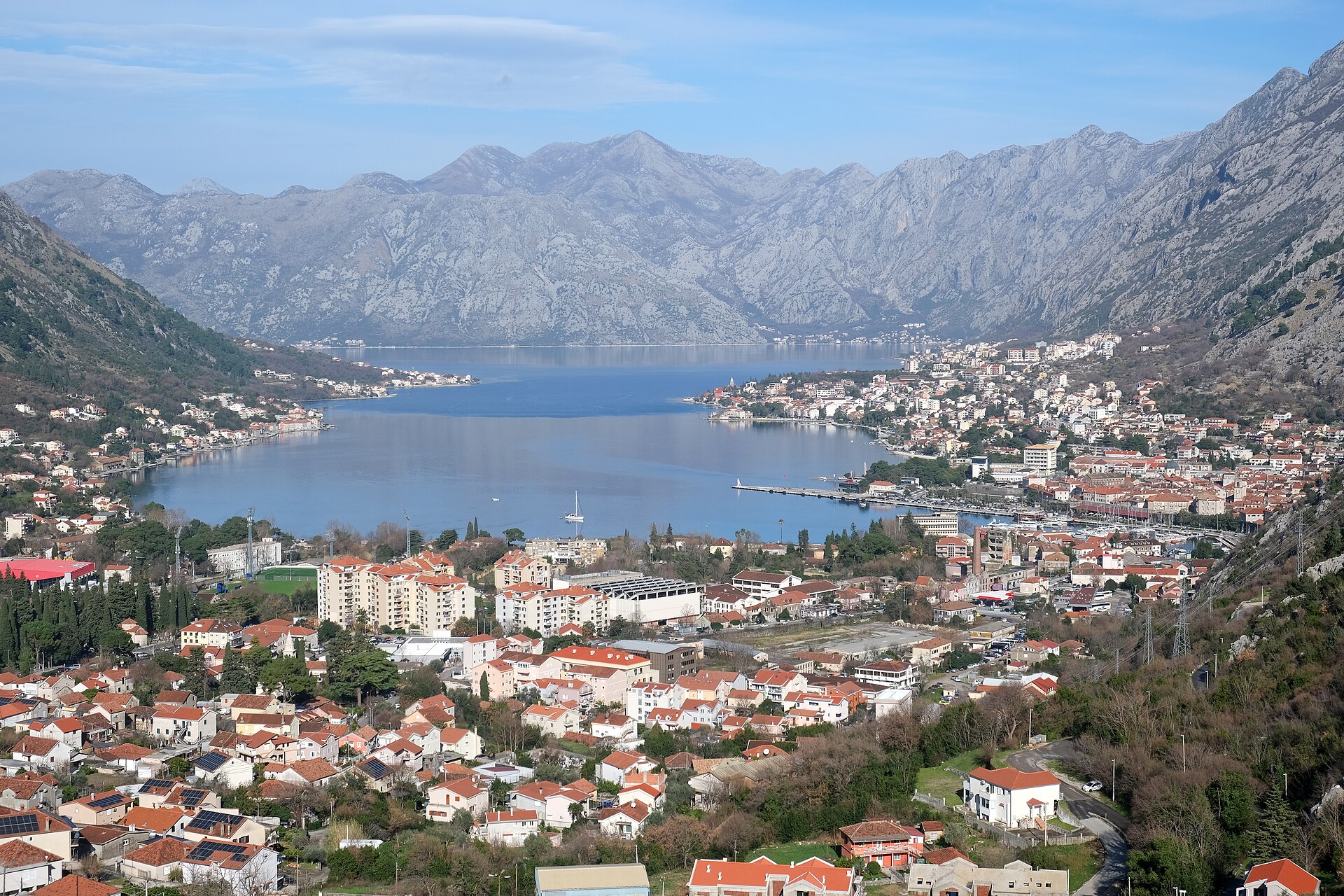
Cold and wet on the coast, with daytime highs around 10 to 13 degrees Celsius and this being one of the rainiest corners of Europe. Kotor’s Old Town in the rain, nearly empty, with the mountains disappearing into cloud is atmospheric in a way we did not expect to enjoy as much as we did. Most beach infrastructure is closed. Up north, Zabljak is a functioning small ski town. Prices are at their absolute floor.
Kotor’s carnival in February is a genuine local event and a good reason to come.
March
The turn. Days lengthen, almond and then cherry blossom appears on the coast, and highs reach the mid teens. Still too cold to swim, still plenty of rain, but excellent for walking Kotor’s walls without queuing or sweating. The mountain passes remain closed.
April
One of our favorite underrated months. The coast greens up spectacularly, temperatures reach 17 to 20 degrees, and the light is beautiful. Seasonal restaurants start reopening around Easter. The sea is still around 15 degrees, so swimming is for the committed only.
Durmitor and the high roads are usually still snowbound. This is a coast-and-bay month.
May
May is where Montenegro starts genuinely delivering. Highs reach the low to mid twenties, the sea climbs toward 19 or 20 degrees by month’s end, everything is open, and the crowds have not arrived. Wildflowers on the Lovcen and Durmitor slopes are exceptional.
The Tara River is at its highest and fastest, which makes May the best month for whitewater rafting if that is your priority. The Sedlo Pass in Durmitor typically opens late in the month.
Late May is, in our view, the single best two-week window in the Montenegrin calendar.
June
Excellent, and the best month if you want both coast and mountains without compromise. Highs on the coast run 26 to 29 degrees, the sea hits comfortable swimming temperature, mountain trails are clear, and the Durmitor ring road is open.
Early June is quiet. By the last week the coast is filling up and prices are climbing toward peak. If you can only travel in June, aim for the first two weeks.
July
Hot, dry, and busy. Coastal highs of 30 to 33 degrees, sea temperature around 25, essentially no rain. Every beach club is open and running, the festival calendar is full, and the mountains are at their most reliable for hiking.
It is also expensive and crowded, and the coastal road becomes genuinely painful. If you are locked into July, base yourself somewhere you can walk from and avoid driving between noon and eight.
August
The busiest and most expensive month by a clear margin. Regional holidays across the Balkans plus the European summer means the coast is at absolute capacity. Accommodation prices in Budva can be double the shoulder season, and popular beaches fill by ten in the morning.
The weather is reliable and the sea is at its warmest. If August is your only option, we would push you strongly toward the mountains, Skadar Lake and the less-developed south around Ulcinj rather than the Budva riviera. See our Budva, Montenegro travel guide for where to stay if you want the coast without the noise.
September
The other outstanding month, and for beach-focused trips arguably the best of the year. The sea holds its summer warmth at around 24 degrees, air temperatures ease back to a pleasant 26 to 28, and the crowds thin dramatically after the first week. Prices drop noticeably from mid-month.
The mountains are still fully accessible with clear, stable weather and the first hints of autumn color late in the month. If we were planning a trip today, September is when we would go.
October
Lovely and quiet. Coastal highs in the low twenties early in the month, cooling through it, with rain returning in the second half. Sea temperature stays swimmable into the first ten days or so. Durmitor turns gold and the trails are empty, though early snow is possible on the passes.
Seasonal restaurants and beach clubs begin closing from mid-month.
November and December
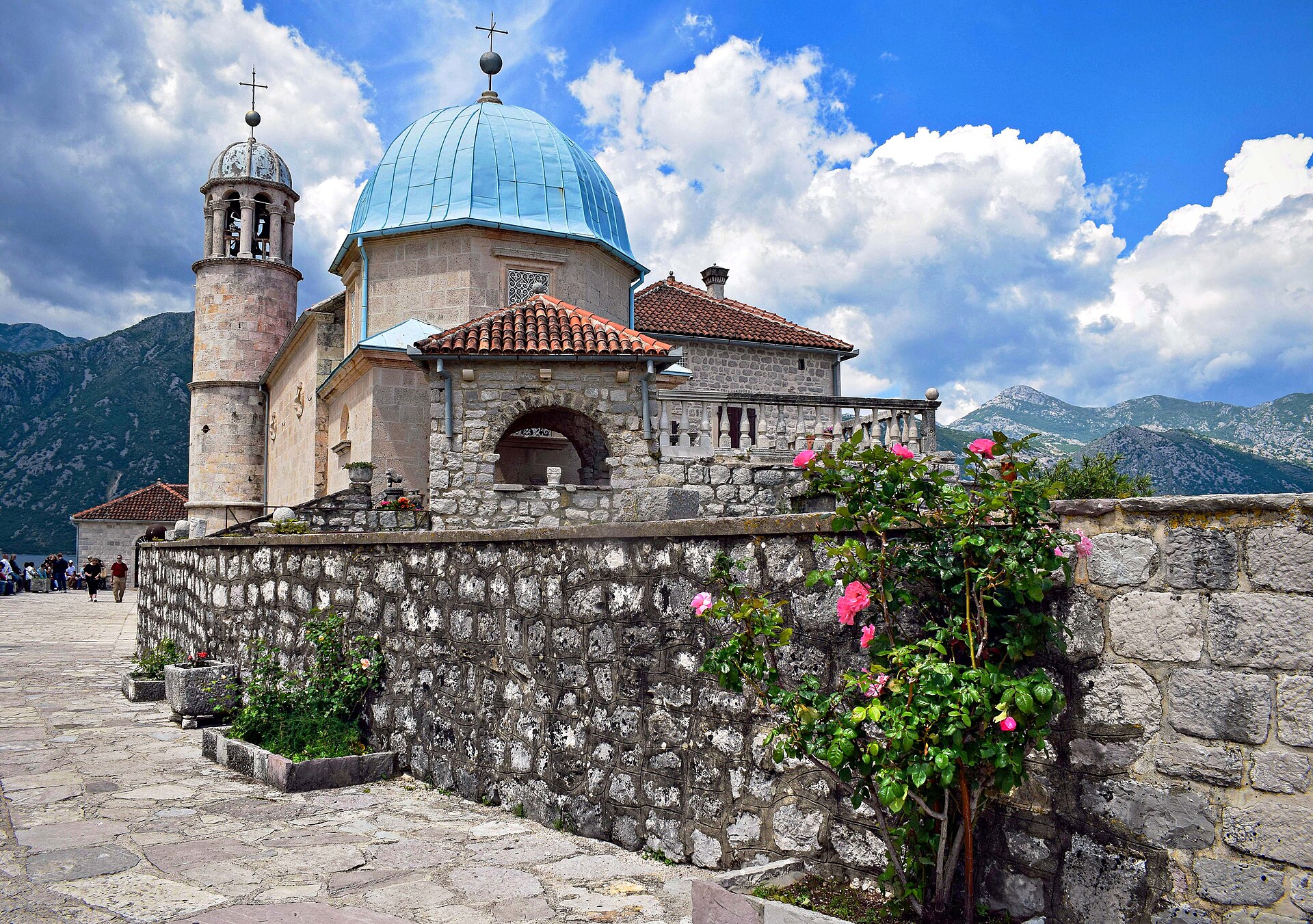
The rainy season on the coast, and one of the wetter places in Europe. Kotor and Perast are moody and empty, and prices are very low. Mountains are transitioning into ski season. Christmas and New Year bring a brief spike in Kotor and Podgorica.
Choosing By What You Actually Want
If you want to swim
The Adriatic here does not warm up quickly. It crosses a comfortable 22 degrees around mid-June and holds through mid-October. September is the peak of warm-water swimming with the smallest crowds, which is why we keep coming back to it.
If you want to hike
June through September for the high routes. May for lower trails and waterfalls at full volume. The Sedlo Pass and Bobotov Kuk are realistically June to early October only. See our Durmitor National Park and the Tara Canyon travel guide for what opens when.
If you want the lowest prices
November through March on the coast, with April and late October as the best compromise between price and things actually being open. Accommodation in Budva in October can run a third of its August rate for the same apartment.
If you want to avoid crowds
Any month except late June through August. Even in shoulder season, Kotor gets busy on cruise ship days: check the port schedule and walk the walls in the early morning regardless of season.
If you are combining Montenegro with Croatia
The seasons line up almost identically, so the same logic applies to both. We planned our Adriatic trips around exactly this overlap, and our best time to visit Croatia guide reaches nearly the same conclusion: late May, June and September.
Weather at a Glance
Coast (Budva, Kotor, Tivat)
- Winter: 10 to 14 degrees, wet
- Spring: 16 to 24 degrees, drying out
- Summer: 29 to 33 degrees, almost no rain
- Autumn: 26 down to 17 degrees, rain returning
Mountains (Zabljak, 1,456m)
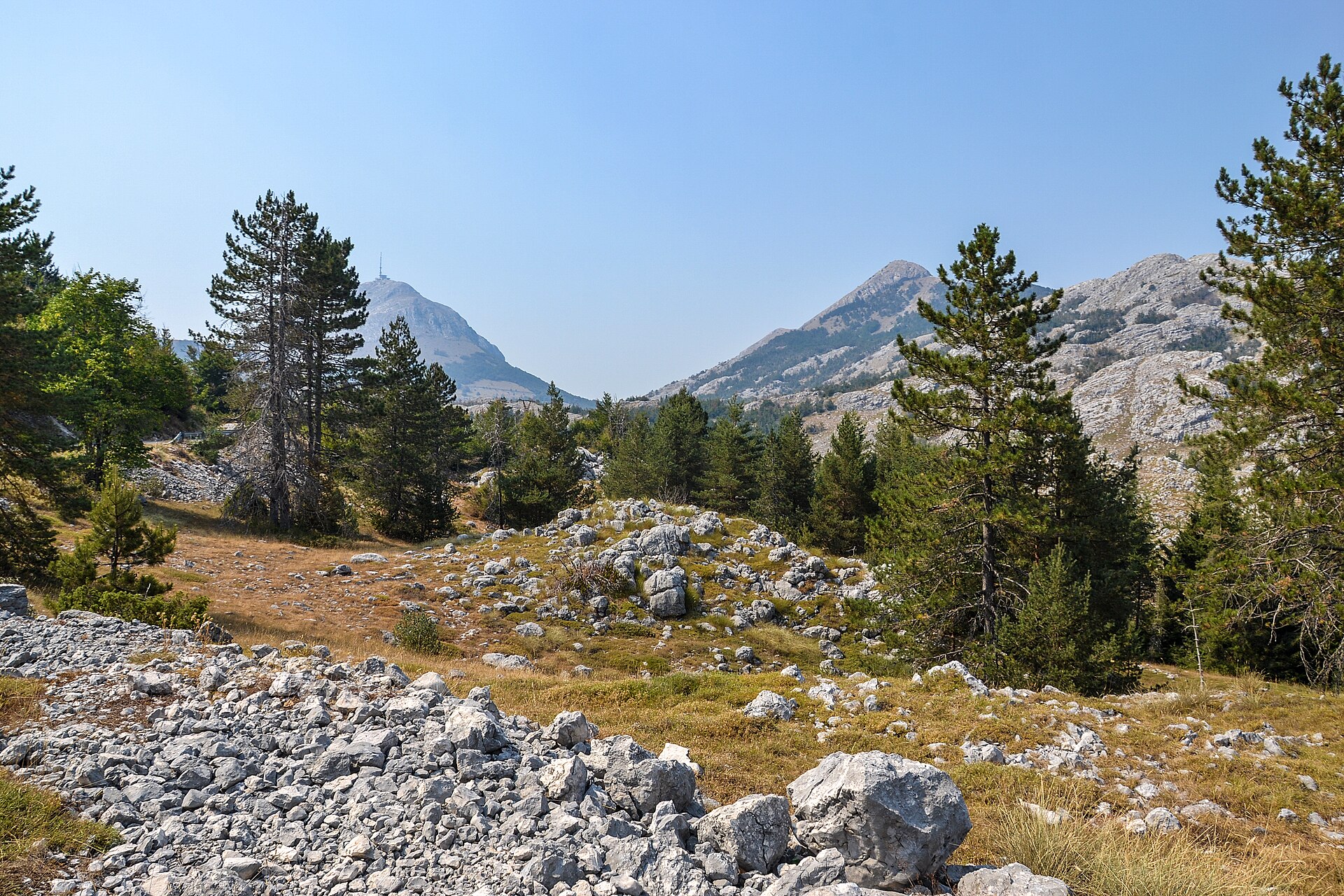
- Winter: minus 5 to 3 degrees, heavy snow
- Spring: 5 to 14 degrees, snow lingering
- Summer: 18 to 24 degrees, afternoon storms possible
- Autumn: 12 down to 5 degrees, early snow possible
The gap between coast and mountains is routinely 12 to 15 degrees on the same day. Pack for both if your trip crosses the divide.
Events Worth Timing a Trip Around
Montenegro’s calendar is smaller than Croatia’s but a few things are genuinely worth planning around.
Mimosa Festival, Herceg Novi (February). Three weeks of parades, brass bands and a great deal of mimosa-flavored everything in the bay’s northernmost town. It is the country’s biggest winter event and almost entirely local.
Kotor Carnival (February). Masked processions through the Old Town, held in the same Venetian tradition as Venice’s own. Small, weird and charming.
Sea Dance Festival (late August or early September). A large electronic and rock festival on Buljarica beach near Petrovac that draws tens of thousands. Book far ahead or avoid the coast entirely that week, depending on your taste.
Boka Night, Kotor (August). Decorated boats parade around the bay after dark, ending in fireworks off the Old Town. The best free evening on the Montenegrin calendar.
Kotor Summer Carnival (early August) and the Budva City Theatre season (July and August) fill out the peak-season calendar.
Olive and wine harvests (October). Bar and the Crmnica region south of Skadar Lake run small harvest events, and this is when the year’s olive oil appears in markets.
Nothing here is essential, but if your dates are flexible by a week, aligning with Boka Night or the Mimosa Festival gives an otherwise ordinary trip a memorable evening.
Booking Timing
For July and August, book accommodation three to four months out. Coastal inventory is genuinely finite and the good-value apartments go first.
For late May, June and September, six to eight weeks is usually enough, though Kotor’s small Old Town properties are an exception and sell out early in any warm month.
For April, October and winter, you can often book a couple of weeks ahead and still choose freely.
Where to Book
- Accommodation: Booking.com has the deepest Montenegro coverage, particularly the family-run apartments along the coast and the guesthouses in Zabljak that have no other web presence. Free-cancellation rates are worth taking in shoulder season when weather is less certain.
- Tours and activities: Viator lists the Bay of Kotor boat trips, Tara rafting, Skadar Lake cruises and Durmitor day tours, and its seasonal availability is a useful sanity check on whether a given activity actually runs in your month.
- Travel insurance: Montenegro is outside the EU, so European health cards do not apply. Shoulder-season trips with mountain activities are exactly where coverage earns its cost. Our comparison of annual vs. single-trip travel insurance walks through which makes sense for how often you travel.
So When Should You Go?
If you want one recommendation and no caveats: go the second week of September. Warm sea, warm air, open mountains, shrinking crowds, falling prices, and the light along the Bay of Kotor at that time of year is as good as the Adriatic gets.
If September does not work, late May into the first half of June is the near-identical alternative, with cooler water and better waterfalls in exchange.
Everything else is a trade, and now you know which one you are making.
Ready to build the itinerary? Start with how to plan a trip to Montenegro, then read our Kotor, Montenegro travel guide and Budva, Montenegro travel guide for the two towns most trips are built around.