Disclosure: This post contains affiliate links. If you book through our links, we may earn a small commission at no extra cost to you. Thanks for supporting Faceted Travel!
Table of Contents
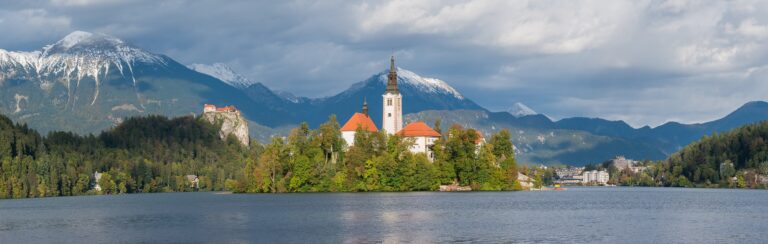
The first time we drove past Lake Bled and kept going, we honestly thought we were making a mistake. Twenty minutes later the valley opened up, the crowds vanished, and we were standing on a stone bridge looking at a lake three times the size of Bled with almost nobody on it.
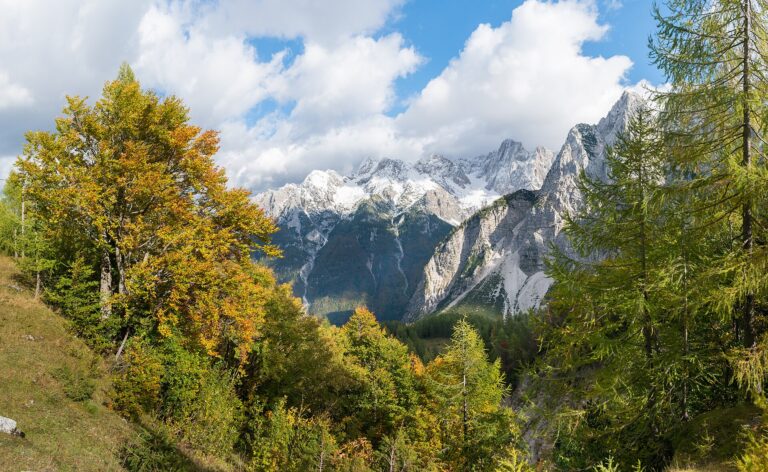
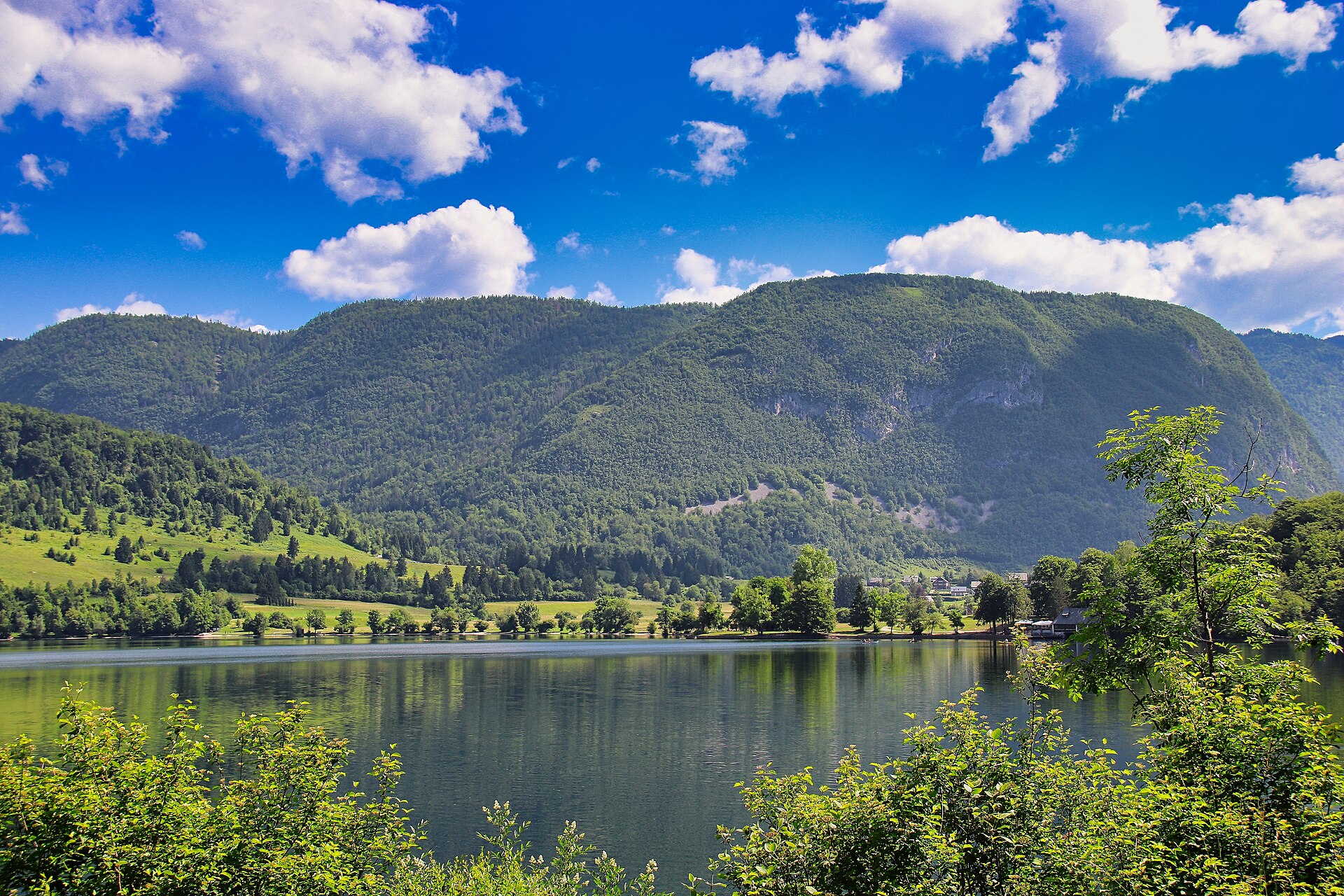
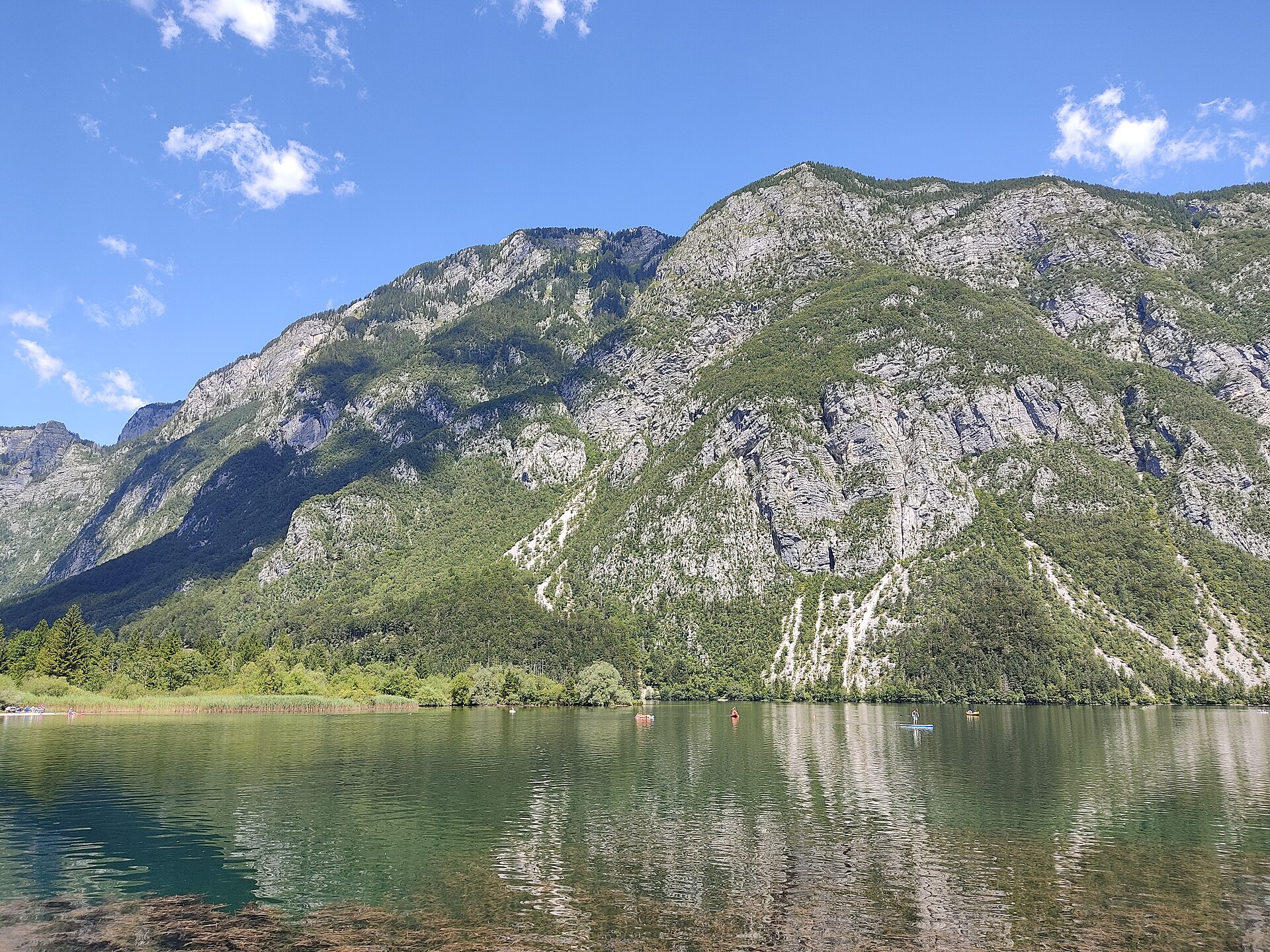
That is Lake Bohinj. It sits inside Triglav National Park, about half an hour southwest of Bled, and it is the answer to every complaint people have about Slovenia’s most famous lake. No entrance queue, no tour buses circling for parking, no fifteen-minute wait to photograph a church. Just a long glacial lake ringed by mountains, with swimming beaches, a gondola up to a ridge, and a waterfall at the far end.
We have now stayed in Bohinj on two separate trips, and it has become our recommended base for the entire Julian Alps. Here is everything we learned.
Where Lake Bohinj Actually Is
Bohinj is not one village. It is a valley with several small settlements strung along it, and knowing which is which saves a lot of confusion when you book.
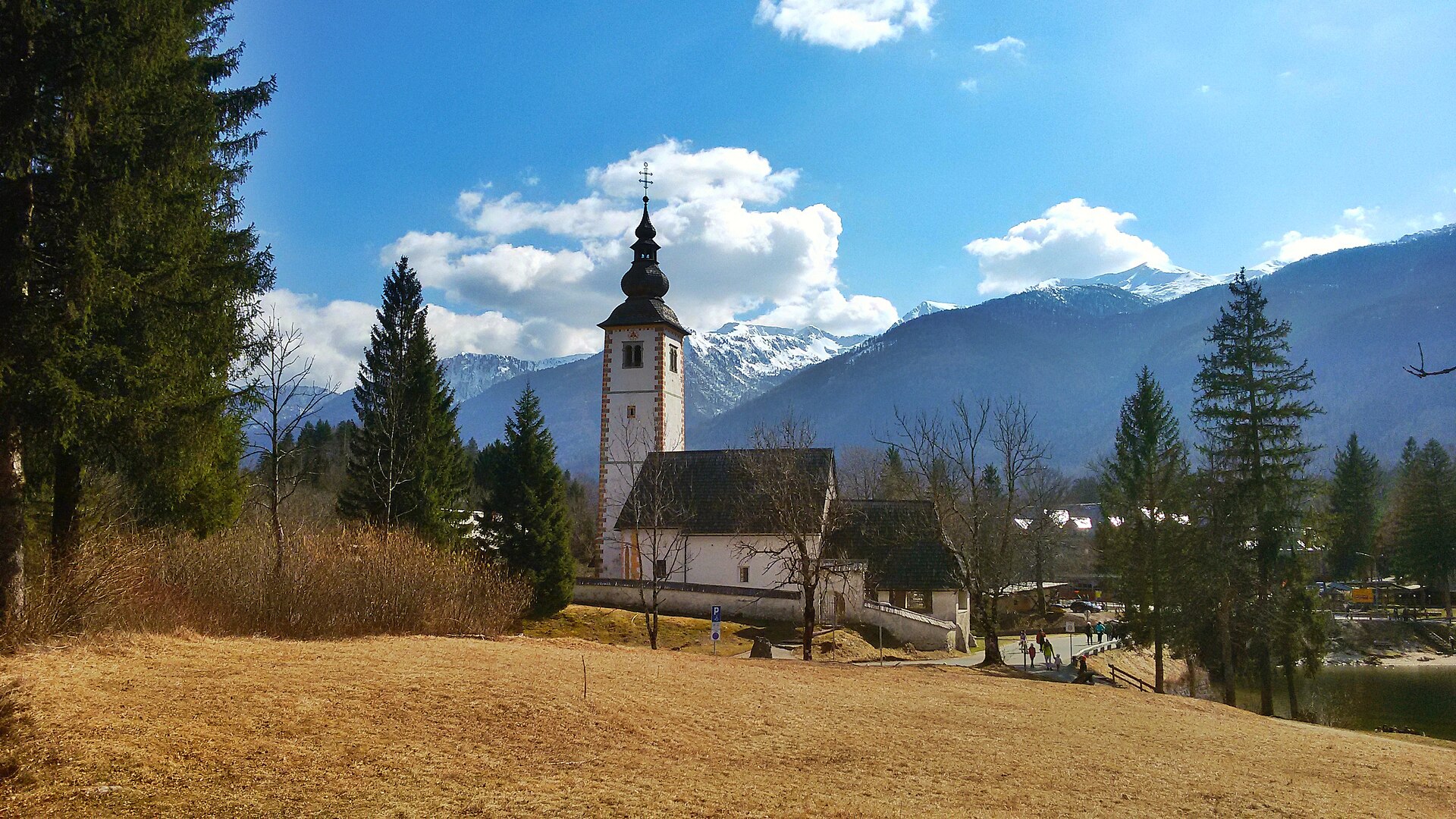
Ribcev Laz is the main hub at the eastern end of the lake. This is where the stone bridge, the Church of St John the Baptist, the tourist office and most of the hotels are. If someone says “Lake Bohinj” without qualifying it, they usually mean here.
Ukanc sits at the western end, roughly four kilometers along the lake. It is quieter, it is where the Vogel cable car and the Savica waterfall trailhead are, and it is where we would stay if we were going back tomorrow.
Stara Fuzina and Studor are traditional villages just north of Ribcev Laz, full of hayracks and old farmhouses. Cheaper apartments, five minutes from the water, genuinely lovely to walk through in the evening.
Bohinjska Bistrica is the largest town, about six kilometers east of the lake. It has the train station, the supermarket and the best prices, but you are not walking to the water from there.
Getting there from Ljubljana takes about 80 minutes by car. From Lake Bled it is 30 minutes. There is also a train from Ljubljana to Bohinjska Bistrica plus a local bus, which works but eats a chunk of your day. We drove both times, and the whole how to plan a trip to Slovenia question really does come down to whether you rent a car.
Best Things to Do at Lake Bohinj
Walk the Full Loop Around the Lake
This is the single best thing we did in the Julian Alps and it costs nothing. The circuit is about 12 kilometers and takes roughly three and a half hours at a relaxed pace with photo stops.
The north shore is the pretty half: a proper forest path right at the water’s edge, with pebble beaches every few hundred meters where you can stop and swim. The south shore is a quieter gravel road with fewer people and better mountain views looking back north.
Do it counterclockwise starting from Ribcev Laz so you get the forested north shore in morning light. Bring water. There is a cafe at Ukanc roughly halfway, and almost nothing else.
Ride the Vogel Cable Car
The Vogel gondola climbs from Ukanc to about 1,535 meters in four minutes, and the view at the top is the one that makes people rethink their Slovenia itinerary. You look straight down at the entire lake with the Triglav massif behind you.
We went up on a morning when the valley was under cloud and came out above it into full sun, which was worth the ticket on its own. In summer there are easy ridge walks from the top station, including a gentle 40-minute stroll to the Sija viewpoint that almost anyone can manage. In winter Vogel is a small ski area with a genuinely spectacular setting.
Go early. The 9am and 10am cars are quiet, and by noon in July there is a line.
Hike to the Savica Waterfall
Savica is the source of the Sava Bohinjka river, and it drops 78 meters out of a cliff face in an A shape that does not look real in photographs.
The hike is short but it is not flat: roughly 550 steps and 20 to 30 minutes each way from the parking area at the western end of the lake. There is an entrance fee, and honestly the waterfall is smaller in person than the marketing suggests. We still recommend it, mostly because the stairway itself is gorgeous and the viewing platform is a great place to sit for twenty minutes.
Go after rain if you can. In a dry August it thins out noticeably.
Swim, Kayak or Paddleboard
Unlike Bled, swimming in Bohinj is completely normal and completely free. The water is cold, roughly 18 to 22 degrees Celsius in high summer, and it is clear enough to see the bottom well out from shore.
Kayak and paddleboard rentals cluster near the Ribcev Laz bridge and at Ukanc. We paid around 15 to 20 euros for a couple of hours. Paddling the lake from the middle gives you the mountain panorama that you cannot get from the shore path, and in the early morning the water is glass.
Explore the Mostnica Gorge
This is the local secret that is not really a secret anymore but still gets a fraction of Bohinj’s visitors. From Stara Fuzina you cross the Devil’s Bridge and follow a trail up a narrow limestone gorge with water the color of blue curacao. About an hour and a half up there is a small waterfall and a meadow where cows graze in summer.
It is our favorite short walk in Slovenia. Bring a few euros for the trail fee at the entrance.
Take the Bohinj Bike Path
The valley is genuinely flat by Slovenian standards, and there is a paved cycle route linking Bohinjska Bistrica to the lake. Rentals run roughly 12 to 18 euros a day. If you are traveling with kids who are done with hiking, this is the reset button.
Where to Stay Around Lake Bohinj
We have stayed in Ukanc and in Stara Fuzina, and we would choose Ukanc again.
Ukanc puts you at the quiet end, walking distance from the cable car and the waterfall trail, with the lake path starting at your door. There is a campsite, a couple of hotels and a scattering of apartments. Evenings there are almost silent.
Ribcev Laz is the convenient choice: restaurants, the bus stop, boat rental, the postcard church. It is also the busiest strip in the valley during the day, though it empties out by eight in the evening.
Stara Fuzina and Studor are the value play. Family-run apartments, working farms, and a ten-minute walk to the water. This is where we found the best price-to-quality ratio.
Bohinjska Bistrica is the cheapest and the least atmospheric. Fine if you are on a tight budget and have a car.
One thing worth knowing: Bohinj books out solidly in July and August, and the good apartments go months ahead. Shoulder season is a completely different story, and we go into the timing tradeoffs in best time to visit Slovenia.
Where to Eat
Bohinj is not a food destination the way Ljubljana or the Istrian hills are, but it does mountain cooking well.
Look for jota (a sauerkraut and bean stew that is far better than it sounds), struklji (rolled dumplings, sweet or savory), grilled trout from the local rivers, and Bohinj cheese, which is made in the valley and sold at the dairy in Srednja Vas.
Restaurants cluster in Ribcev Laz and Stara Fuzina. Prices are lower than Bled and noticeably lower than Ljubljana: expect 12 to 18 euros for a main. Most kitchens close early, around 9pm, so do not plan a late dinner.
Bohinj vs Bled: Which Should You Choose?
We get asked this constantly, and our honest answer is that they are not really competing.
Bled is a 90-minute experience that is stunning and heavily managed. The island, the church, the castle, the cream cake, and then the crowd. It is worth seeing and we would not skip it.
Bohinj is a place to actually stay. It is bigger, wilder, quieter, cheaper, and it puts you inside Triglav National Park rather than at the edge of it.
Our recommendation: sleep in Bohinj, drive to Bled for an early morning, and be back at the big lake by lunchtime. That is exactly what we did on our second trip and it fixed every complaint we had about the first one. Our full Lake Bled guide covers how to do Bled without the crush.
Practical Tips We Wish We Had Known
Parking is paid and it adds up. The lots at Ribcev Laz, Ukanc and Savica all charge, and in high summer they fill by mid-morning. Many accommodations include a parking pass, so ask when you book.
Cash still helps. Cards are widely accepted, but the trail fees at Mostnica and some small dairies are cash only.
The weather changes fast. We had a 26-degree afternoon turn into a thunderstorm in under an hour. Carry a shell layer even in August.
There is a tourist tax. Around 3 euros per person per night, collected by your accommodation. Budget for it.
Cell coverage is patchy in the gorge and on the ridge. Download offline maps before you set out.
Where to Book
- Accommodation: we search Booking.com’s Slovenia listings for Bohinj apartments and guesthouses. Filter for free parking, since it genuinely saves money here.
- Cable car, rafting, guided hikes and day trips: Viator’s Slovenia listings cover Vogel, Triglav guided walks and transfers from Ljubljana if you are carless.
- Travel insurance: we always carry it for alpine trips because of the hiking and the weather. Our reasoning is in best travel insurance for Europe.
Our Honest Take
Lake Bohinj is the best value base in the Julian Alps and it is not close. You get a bigger lake, real hiking, swimming that is actually allowed and encouraged, a cable car with a top-tier view, and prices roughly 20 to 30 percent below Bled, all half an hour from the famous one.
The tradeoff is that Bohinj is quiet. There is no nightlife, restaurants close early, and if it rains for two days the valley feels small. Bring a book and treat it as the mountain half of a trip that also includes Ljubljana and the coast.
If you only have one night in the Julian Alps, stay in Bohinj and see Bled on the way through. We wish someone had told us that the first time.
Keep planning your Slovenia trip: build the route with how to plan a trip to Slovenia, price it out with how much does a trip to Slovenia cost, and pair the mountains with a couple of nights on the coast using our Piran guide.