Disclosure: This post contains affiliate links. If you book through our links, we may earn a small commission at no extra cost to you. Thanks for supporting Faceted Travel!
Table of Contents
Slovenia is the easiest country in Europe to plan badly, because it looks small enough that people assume they can do it in three days on the way to somewhere else. Then they arrive, drive forty minutes from an alpine lake to a wine region to a cave system to the sea, and realize they should have given it a week.
We have driven Slovenia twice now, once as a rushed add-on to a Croatia trip and once properly, and the difference was enormous. Here is the framework we use to build a Slovenia itinerary, how long each region actually deserves, and the handful of logistical decisions that shape everything else.
Start With the One Decision That Matters: Car or No Car
Almost every other choice in a Slovenia itinerary follows from this one.
Rent a car if you want the Julian Alps, the Soca Valley, the wine regions, the caves, or any village that is not on the main rail line. Slovenia is roughly the size of New Jersey and the road network is excellent. Ljubljana to Lake Bled is about 40 minutes. Ljubljana to the coast is about 75 minutes. You can genuinely see three landscapes in a day, which is the whole appeal of the country.
Skip the car only if your trip is Ljubljana plus one or two day trips. The capital is walkable, buses to Bled and Postojna are frequent and cheap, and parking in the old town is a nuisance you do not need.
We rent for anything longer than four days. The car is what turns Slovenia from a city break into a country.
One practical note: buy the vinjeta (motorway vignette) if you rent from a non-Slovenian country, for example picking up in Venice or Zagreb. Slovenian rentals almost always include it, but cross-border pickups often do not, and the fines are steep. You can buy one at any border-area gas station.
How Long Slovenia Actually Needs
Here is our honest allocation, based on making the mistake ourselves.
- 3 days: Ljubljana and Lake Bled only. Enough to like the country, not enough to see it.
- 5 days: Ljubljana, Bled, Bohinj, and one of either the caves or the coast.
- 7 days: The sweet spot. Ljubljana, the lakes, the Soca Valley, the Karst caves, and Piran. This is the itinerary we recommend most.
- 10 days: All of the above plus real hiking in Triglav National Park, the Vipava or Brda wine regions, and a slower pace throughout.
Ten days in Slovenia sounds like a lot until you are there. It is not.
The 7 Day Framework
This is the route we would hand a friend. It is a loop, so you can start and end at Ljubljana airport or run it in reverse from Venice or Zagreb.
Days 1 and 2: Ljubljana
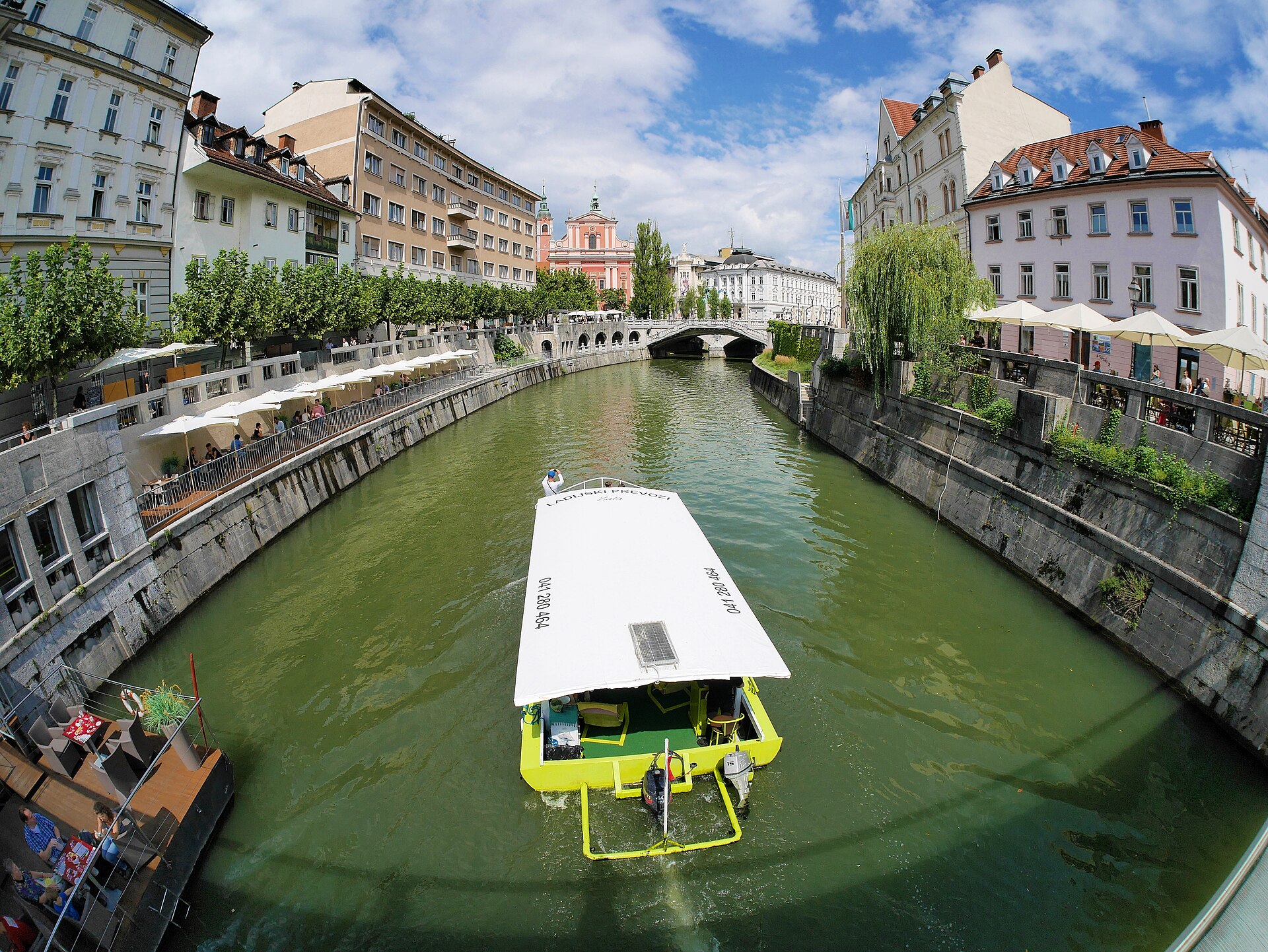
Start in the capital and do not rush it. Ljubljana is small, green, and unusually pleasant to be in, with a river running through the middle lined with cafes and a castle on the hill above. Two nights lets you have one full day plus two evenings, which is the right amount.
Walk the riverside, take the funicular up to the castle for the view over to the Alps on a clear day, and eat at the Central Market on a Saturday if your dates line up. The Open Kitchen food market runs Fridays from spring through autumn and is one of the best casual food events in Europe.
Our full breakdown of what to see and where to stay is in our Ljubljana travel guide.
Day 3: Lake Bled and Lake Bohinj
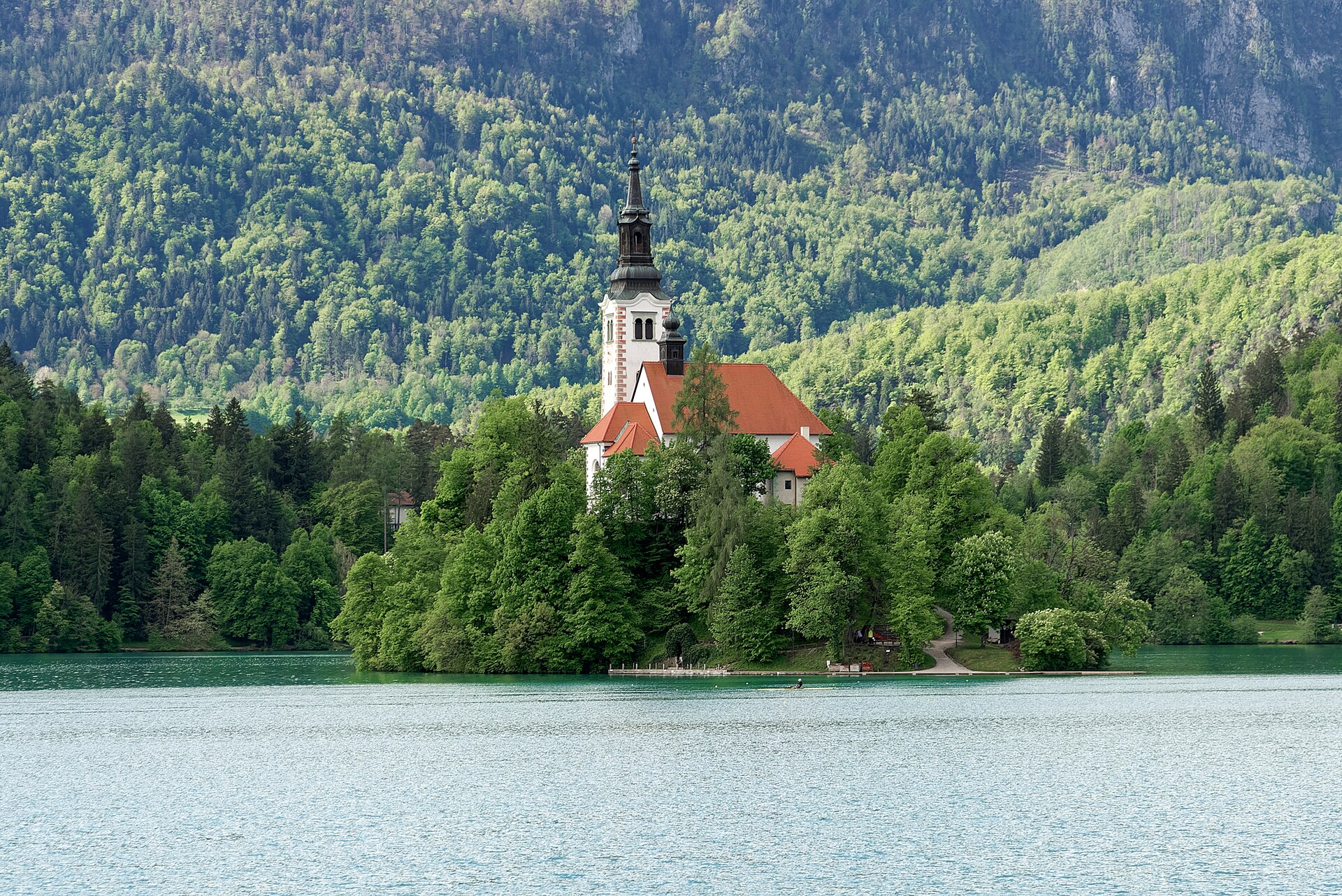
Pick up the car and drive north. Bled is 40 minutes away and it is exactly as photogenic as the pictures suggest, which is both the appeal and the problem. Go early, row or take a pletna boat to the island, walk up to Bled Castle, and then leave.
The move that improves this day enormously is continuing another 30 minutes to Lake Bohinj. It is four times larger than Bled, sits inside Triglav National Park, has a fraction of the crowds, and is where Slovenians actually swim. Stay the night in Bohinj rather than Bled if you can. It is quieter and cheaper.
Our Lake Bled guide covers the timing and the boat logistics in detail.
Day 4: The Vrsic Pass and the Soca Valley
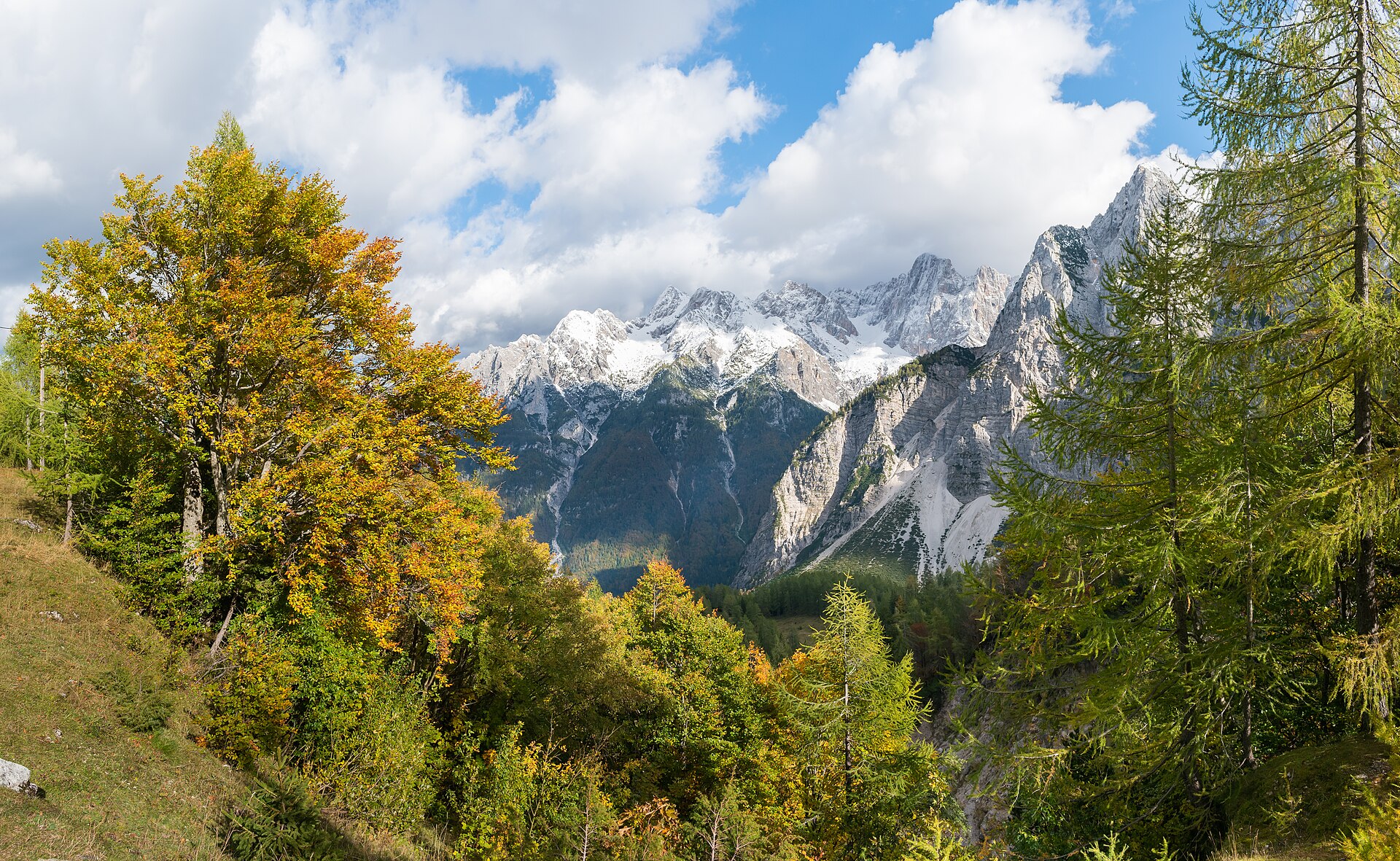
This is the best driving day in Slovenia and one of the best in Europe. The Vrsic Pass climbs over the Julian Alps in fifty numbered hairpin turns, tops out at about 5,285 feet, and drops into the Soca Valley on the other side.
The Soca River itself is the reason to come. It runs an almost unreal turquoise through a limestone gorge, and there are pull-offs, footbridges and swimming spots the whole way down. Base yourself in Bovec for adventure sports or Kobarid for food and history. Kobarid has a superb First World War museum covering the Isonzo Front, which is a piece of history most American travelers have never encountered.
Important: the Vrsic Pass is closed by snow roughly from November into May. Check before you build a trip around it.
Day 5: Goriska Brda or the Vipava Valley
Come down out of the mountains into wine country. Brda is the Slovenian continuation of Italy’s Collio, all hilltop villages and orange wine, and it sits ten minutes from the Italian border. Vipava is windier, wilder and increasingly the more interesting of the two for natural wine.
Either one is a half day of tasting and a long lunch, then continue toward the coast or the caves.
Day 6: Postojna or Skocjan Caves and the Karst
Slovenia’s cave country is genuinely world class and you have to choose between two very different experiences.
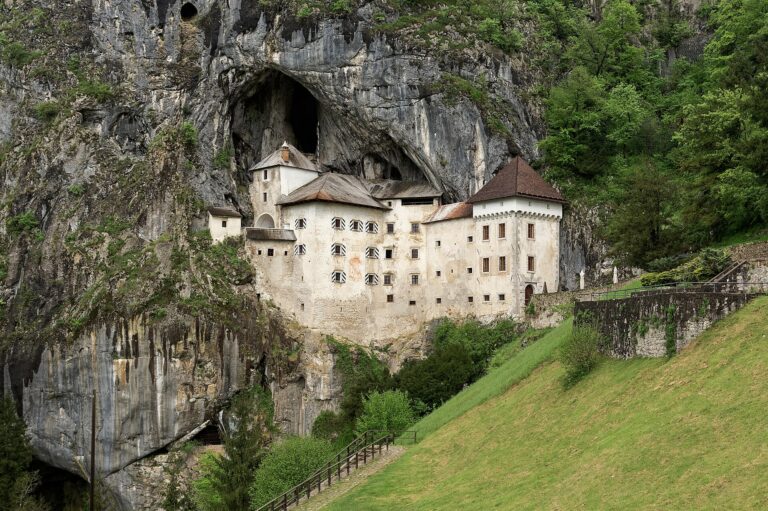
Postojna Cave is the famous one: 24 kilometers of passages, an electric train that takes you in, enormous well lit chambers, and the olm, a blind cave salamander found almost nowhere else. It is polished and busy and impressive. Pair it with Predjama Castle, built into a cliff face ten minutes away, which is one of the strangest buildings in Europe.
Skocjan Caves is a UNESCO site and, in our opinion, the more astonishing of the two. There is no train and no gift shop atmosphere. You walk a path along the rim of an underground canyon on a bridge a hundred meters above a river. Photography is not permitted, which tells you something about the tone. Fewer people, more awe.
If you have one day, we would take Skocjan. If you are traveling with kids, Postojna is the easier win.
Day 7: Piran and the Coast
Slovenia’s coastline is only about 29 miles long, which is a running national joke, but Piran at the end of it is a small Venetian-Gothic town on a peninsula and it is lovely. Park in the garage at the edge and take the shuttle in, because the old town is effectively car free.
Piran is the natural end of the loop, and it is also the natural bridge into a Croatia trip: Rovinj is under two hours south. Our Piran guide has the details.
The 10 Day Version
Add these three things, in this order of value:
- A full hiking day in Triglav National Park. The Seven Lakes Valley or the Pokljuka plateau, depending on your appetite. Slovenia is a hiking country first and a sightseeing country second, and a trip without a real trail day misses the point.
- A second night in the Soca Valley. Rafting, canyoning or just swimming. Bovec is a serious adventure sports town.
- Maribor and the Styria wine region in the east, which almost no foreign visitor sees, or a soak at one of the thermal spa towns like Rogaska Slatina.
Where Slovenia Fits With Neighboring Countries
Slovenia borders Italy, Austria, Hungary and Croatia, and it combines beautifully with all of them.
The most common pairing is Slovenia and Croatia, and it works well because Piran to Istria is a short drive and the two countries feel genuinely different. If that is your plan, our how to plan a trip to Croatia covers the other half, and the Istria food and wine guide picks up right where Brda leaves off.
Slovenia and northern Italy is the underrated pairing. Ljubljana to Venice is under three hours by car, and the Dolomites are about four. Flying into Venice and out of Ljubljana is often cheaper than a round trip to either.
Slovenia and Austria works if you are already headed to Hallstatt or Salzburg. The drive from Bled up over the Karawanks is about two and a half hours.
Flights and Getting In
Ljubljana Joze Pucnik Airport is small and served mostly by European carriers, so there are no direct flights from the United States. You will connect, usually through Frankfurt, Munich, Vienna, Paris or Istanbul.
The alternative that often saves money is flying into Venice, Zagreb, Vienna or Trieste and driving. Venice Marco Polo to Ljubljana is about three hours and frequently the cheapest routing. Just confirm your rental company allows cross-border travel into Slovenia and that the vignette is sorted.
We book flights on the timing rules in best time to book flights, which for European summer means roughly four to six months out.
Booking Order That Saves Money
- Flights first, especially for July and August, and check the multi-city option with Venice or Vienna.
- Car second. Slovenian fleets are small and summer rates climb hard. Book by March for an August trip.
- Bled and Bohinj accommodation third. The lakes have limited supply and sell out before anything else in the country.
- Ljubljana, the coast and the Soca Valley last. These have more availability and rarely need more than six to eight weeks.
- Cave tickets for Postojna or Skocjan online, since both run on fixed entry times and summer slots do fill.
Where to Book
- Hotels, apartments and farm stays: Booking.com for Slovenia is what we use. Slovenia has an excellent network of tourist farms and guesthouses that are almost all listed there and rarely anywhere else.
- Tours, caves and adventure sports: Viator’s Slovenia listings cover Postojna, Bled boat trips, Soca rafting and day trips from Ljubljana.
- Travel insurance: worth it here specifically because of the mountain activities and the weather-dependent Vrsic Pass. Our thinking is in best travel insurance for Europe.
Mistakes We Made So You Do Not Have To
We gave Slovenia three days the first time. It was enough to know we had shortchanged it and not enough to fix it. Give it seven.
We based in Bled for two nights. Bled is a day, not a base. Bohinj, Radovljica or Kranjska Gora are all better places to sleep.
We tried to do Postojna and Skocjan on the same day. You can technically do it. You should not. They blur together and you lose the thing that makes each one special.
We underestimated the Vrsic Pass drive. It is fifty hairpins and you will stop constantly. Budget the whole morning, not ninety minutes.
Our Honest Take
Slovenia is the best value week in Europe right now, and we do not say that lightly. It has alpine scenery that competes with Switzerland at a third of the price, a capital city that is nicer to spend an evening in than most of its bigger neighbors, world class caves, a real wine culture and a coastline, all inside a two hour drive of each other.
The catch is that it is no longer a secret, and Bled in particular now has a peak-season crowd problem. The answer is not to skip it. The answer is to see Bled before nine in the morning and spend your actual nights everywhere else.
Keep planning: price the trip out with how much does a trip to Slovenia cost, pick your dates using best time to visit Slovenia, and read our Ljubljana and Lake Bled guides for the two anchors of any itinerary.