Disclosure: This post contains affiliate links. If you book through our links, we may earn a small commission at no extra cost to you. Thanks for supporting Faceted Travel!
Table of Contents
- The Short Answer
- Flights: The Biggest Single Line Item
- Accommodation: Where the Islands Punish You
- Food and Drink: Cheaper Than You Expect
- Getting Between Islands
- Activities and Entry Fees
- Two Sample 10-Day Budgets
- How Greece Compares to the Rest of Europe
- The Costs People Forget to Budget
- Where to Book
- Seven Ways to Cut the Cost Without Cutting the Trip
- So What Should You Budget?
The honest answer is that two people can do ten days in Greece for about $3,800 or about $11,000, and both of those trips involve the same islands, the same food, and the same amount of sunshine. Greece has one of the widest price spreads in Europe, and almost all of it comes down to three decisions you make before you book anything.
We have been to Greece in June, in September, and once in a miserable and wonderful February, and the cost swung by more than double across those trips. Here is where the money actually goes, with real numbers, so you can build a budget that survives contact with reality.
The Short Answer
For two people traveling together for 10 days, flights from the US included:
| Style | Total for two | Per person per day on the ground |
|---|---|---|
| Budget | $3,600 to $4,500 | $95 to $120 |
| Mid-range | $5,500 to $7,500 | $150 to $210 |
| Comfortable to high-end | $9,000 to $16,000+ | $280 to $600+ |
The mid-range number is the realistic one for most American travelers doing Athens plus two islands in shoulder season, staying in decent 3 and 4 star hotels, eating at tavernas, and taking a few tours.
Flights: The Biggest Single Line Item
Round-trip economy from the US to Athens runs roughly:
- $550 to $750 in the low season, November through March
- $700 to $1,000 in shoulder season, April to May and October
- $1,000 to $1,600 in July and August
Departure city matters enormously. East coast hubs with direct seasonal service to Athens are consistently cheaper than anywhere in the interior. Flying from Denver, we have never once found a nonstop, and the connection through a European hub usually adds $150 to $250 over what a New York departure costs.
The single biggest saving available to most people is booking in the right window rather than switching airlines. Our guide to the best time to book flights covers the specific windows for transatlantic routes, and for summer Greece the difference between booking in January and booking in May is routinely $300 a person.
If you have points, Greece is one of the better transatlantic redemptions in shoulder season. Our post on using points and miles for free flights walks through how we approach it.
Accommodation: Where the Islands Punish You
This is where Greek trips quietly double in price, because not all islands cost the same. Not remotely.
Athens is one of the best value capitals in Europe.
- Budget hostel or basic guesthouse: 35 to 60 euros a night
- Solid 3 star hotel in Plaka or Koukaki: 80 to 130 euros
- 4 star with an Acropolis view: 150 to 250 euros
Santorini and Mykonos are in a different economy entirely.
- Simple room away from the caldera: 100 to 160 euros in shoulder season
- Mid-range hotel: 200 to 350 euros
- Caldera-view hotel with a plunge pool in August: 500 to 1,200 euros
Everywhere else sits between the two, much closer to Athens than to Santorini.
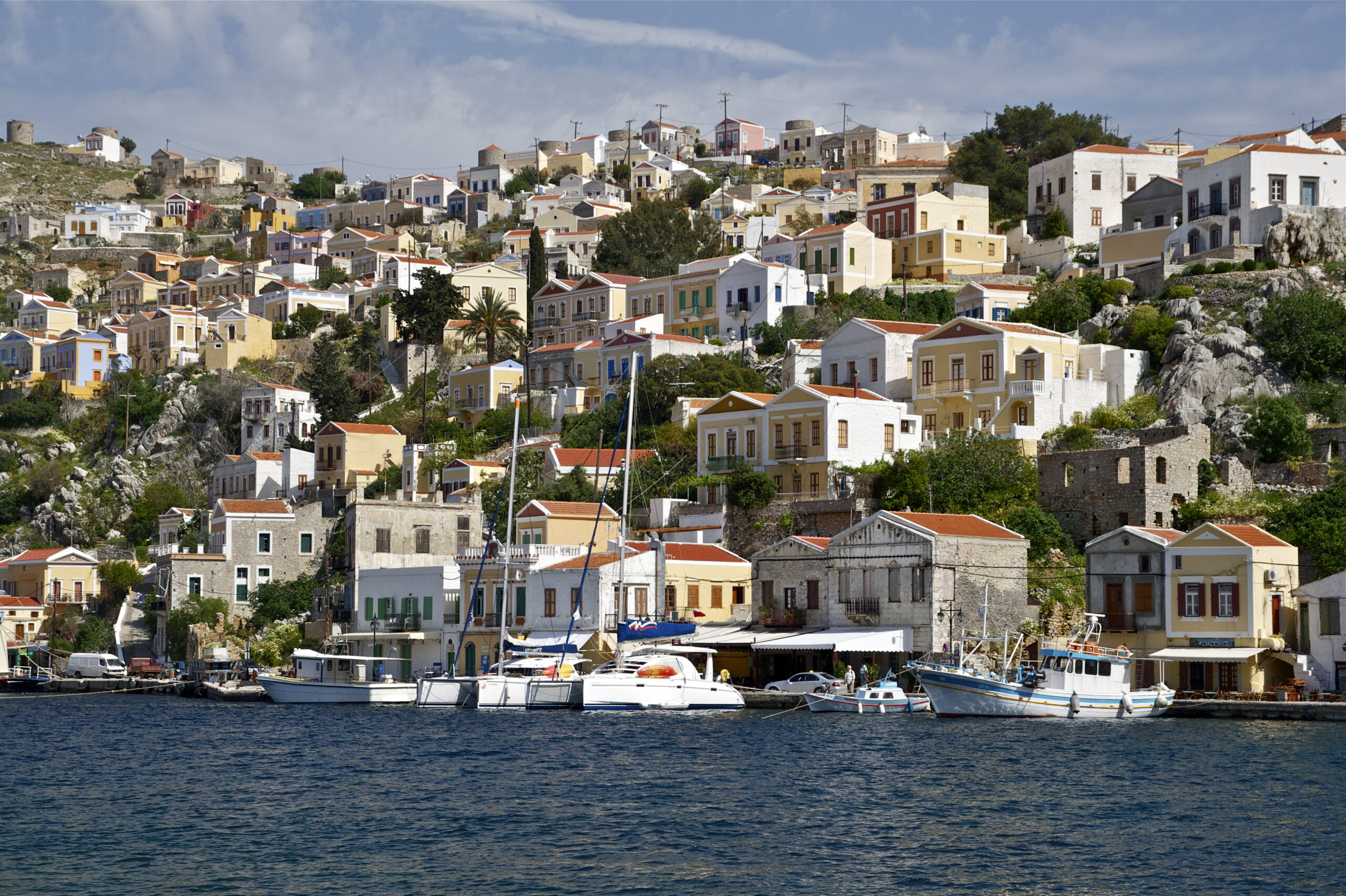
- Crete, Rhodes, Naxos, Paros: 70 to 160 euros for a good mid-range room
- Meteora and mainland towns: 70 to 120 euros
- Small, less-visited islands: 50 to 100 euros
The practical takeaway: swapping two Santorini nights for two Naxos nights can save 400 euros on a single trip without changing the shape of the holiday. We make this argument in detail in our Naxos travel guide, which is the island we send people to when the Santorini quotes come back and the budget does not work.
Food and Drink: Cheaper Than You Expect
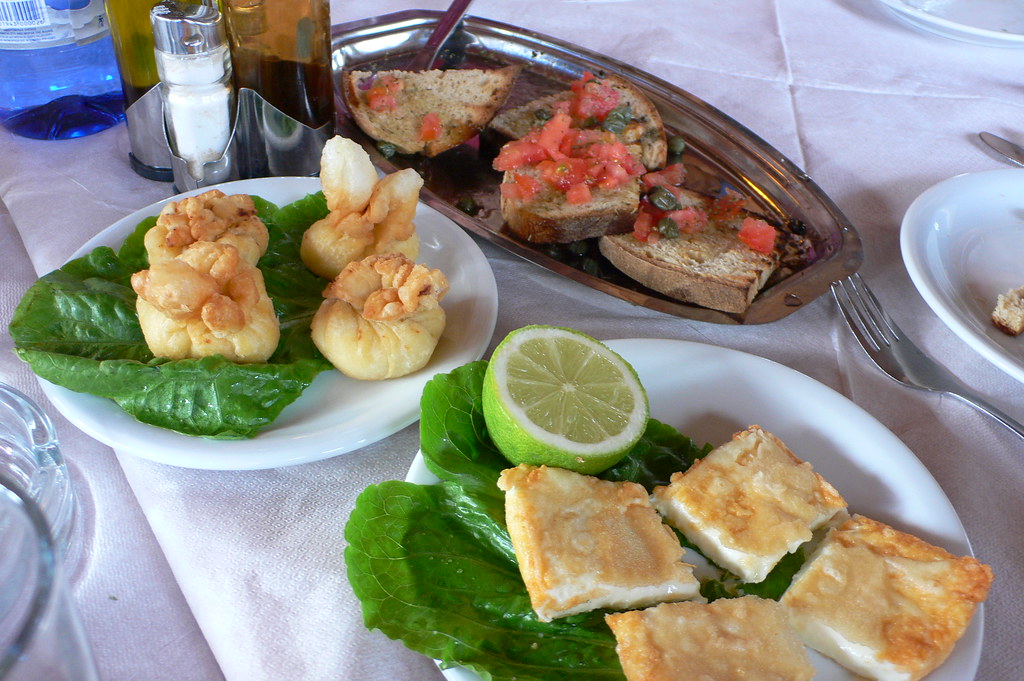
Greece is genuinely affordable to eat in, as long as you eat where Greeks eat.
- Coffee: 2 to 4 euros
- Gyros or souvlaki wrap: 3.50 to 5 euros, and it is a real meal
- Bakery breakfast for two: 6 to 10 euros
- Taverna lunch for two with a carafe of house wine: 25 to 35 euros
- Taverna dinner for two with wine: 35 to 55 euros
- Dinner at a caldera-view restaurant in Oia: 90 to 180 euros for two
- Beer: 4 to 6 euros
- Bottle of decent local wine in a shop: 7 to 12 euros
Budget 35 to 50 euros per person per day for food if you eat one taverna meal and keep breakfast and lunch casual. That is a comfortable, well-fed number, not a survival number.
The single largest food saving in Greece is refusing to eat with a view every night. The taverna two streets back from the water, with paper tablecloths and no English menu on a board outside, is usually both better and 40 percent cheaper.
Getting Between Islands
This is the cost that surprises first-time visitors, because it is not just money, it is days.
Ferries
- Athens (Piraeus) to Santorini, conventional ferry: 45 to 65 euros, 8 hours
- Athens to Santorini, high-speed: 75 to 120 euros, 5 hours
- Santorini to Naxos or Paros: 35 to 70 euros
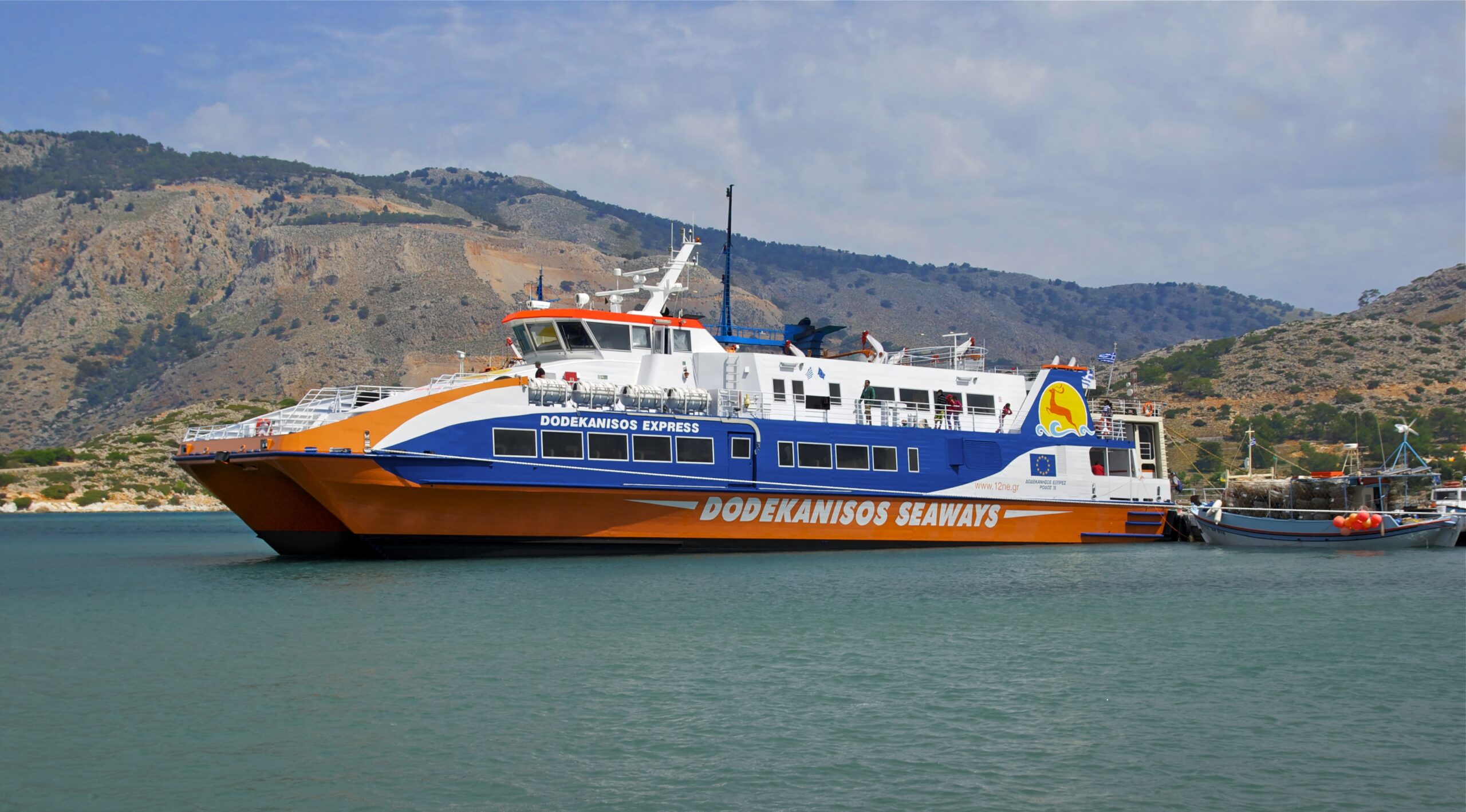
- Short Dodecanese hops, like Rhodes to Symi: 15 to 30 euros
- Vehicle on a ferry: add 60 to 120 euros per crossing
Domestic flights
Athens to Santorini, Mykonos, Crete, or Rhodes runs 60 to 180 euros one way depending on season and how far ahead you book. In July and August, flying is often the same price as the high-speed ferry and saves four hours. Do not assume ferries are always cheaper.
Rental cars
- 35 to 70 euros a day in shoulder season
- 60 to 110 euros a day in August
- Fuel is expensive, roughly 1.85 to 2.10 euros per liter, which is around $7.50 a US gallon
A car is essential on Crete and Rhodes, useful on Naxos, and mostly a liability on Santorini and Mykonos where parking is genuinely awful.
Activities and Entry Fees
Greece is inexpensive for sightseeing by European standards.
- Acropolis ticket: 20 to 30 euros depending on season
- Athens combined archaeological ticket: around 30 euros, covers seven sites
- Meteora monasteries: about 5 euros each
- Knossos on Crete: around 15 euros
- Half-day boat trip or catamaran cruise: 40 to 120 euros per person
- Guided walking tour: 25 to 60 euros per person
- Sunset sailing in Santorini: 100 to 180 euros per person
Budget 20 to 40 euros per person per day for activities on a normal sightseeing trip, more if boat days are the point of your holiday.
Two Sample 10-Day Budgets
Budget trip for two: Athens, Naxos, Paros in early May
| Item | Cost |
|---|---|
| Flights, 2 people | $1,400 |
| Accommodation, 9 nights at ~70 euros | 630 euros |
| Ferries | 180 euros |
| Food | 700 euros |
| Activities and transport | 300 euros |
| Total | ~$3,700 |
Mid-range trip for two: Athens, Crete, Santorini in late September
| Item | Cost |
|---|---|
| Flights, 2 people | $1,700 |
| Accommodation, 9 nights at ~150 euros | 1,350 euros |
| Ferries and one domestic flight | 320 euros |
| Rental car, 4 days | 220 euros |
| Food | 950 euros |
| Activities | 500 euros |
| Total | ~$6,400 |
Both of those are real trips people take. The difference is not comfort, it is which two islands are on the itinerary.
How Greece Compares to the Rest of Europe
This is the context that makes the numbers useful. Greece is not uniformly cheap and it is not uniformly expensive. It is two different countries wearing the same flag.
Athens and the mainland are among the best value in Western Europe. A comparable hotel night, taverna dinner, and museum ticket in Athens will all cost less than they do in Rome, Lisbon, Barcelona, or Vienna. Meteora, Thessaloniki, and the Peloponnese are cheaper still.
Crete, Rhodes, Naxos, Paros, and the less-famous islands land roughly where Portugal and southern Spain land. Good value, not remarkable value.
Santorini and Mykonos in peak season are more expensive than Paris, Amsterdam, or Copenhagen. A caldera-view room in August costs what a suite costs in most European capitals, and dinner with that view is priced accordingly.
So when someone tells you “Greece is cheap” and someone else tells you “Greece was the most expensive trip we ever took,” both are telling the truth about different itineraries. Our breakdown of what a trip to Europe costs puts Greece side by side with the rest of the continent if you are still choosing a country.
The Costs People Forget to Budget
These are the ones that quietly add 400 to 800 euros to a Greek trip and never appear in anyone’s spreadsheet.
- Airport transfers. Athens airport to the city center is around 40 to 55 euros by taxi and about 9 to 10 euros by metro. Island airport and port transfers add up fast across three islands.
- Luggage fees on domestic flights. Greek domestic carriers price checked bags separately, and 25 to 45 euros per bag per leg is normal.
- The ferry you have to change. Weather cancellations happen, and the rebooked crossing plus an unplanned hotel night is a real risk in shoulder season. This is the main argument for free-cancellation hotels.
- Sunbeds. Two loungers and an umbrella on an organized beach run 15 to 40 euros a day, more on Mykonos, where beach clubs regularly charge 80 euros and up for a front row pair.
- Tipping. Not obligatory but normal. Rounding up and leaving 5 to 10 percent at tavernas is the local practice.
- Cash. Smaller islands, monasteries, and rural tavernas are still cash-preferring, and ATM fees of 2.50 to 4 euros per withdrawal add up if you take small amounts often.
Where to Book
- Hotels and apartments: Search Greece stays on Booking.com. Free cancellation is worth prioritizing in Greece specifically, because ferry schedules change and weather cancels crossings more often than people expect.
- Tours and activities: Browse Greece tours on Viator. Acropolis skip-the-line entry, Meteora monastery circuits, catamaran days in the Cyclades, and Crete gorge hikes are all bookable ahead, which matters in peak season when the good slots sell out.
Travel insurance is the other line item worth pricing before you go. Ferry cancellations, missed connections, and summer heat-related medical issues are all real in Greece, and our post on the best travel insurance for Europe covers what is actually worth paying for.
Seven Ways to Cut the Cost Without Cutting the Trip
- Go in May, early June, late September, or October. This is the biggest lever available. Flights, hotels, and ferries all drop 30 to 50 percent from August prices, and the weather is better for anything involving walking.
- Swap one famous island for one good island. Naxos, Paros, Milos, and Rhodes all deliver, at roughly half the accommodation cost of Santorini or Mykonos.
- Give Athens more nights. It is the cheapest base in the country and has more to do than most people allow for.
- Eat one big taverna meal a day, not two. Bakery breakfast, gyros lunch, proper dinner. This alone saves 200 to 300 euros over ten days for two.
- Book ferries a few weeks out, not months. Greek ferry schedules for the following summer often are not fully released until late winter, and prices do not spike the way flights do, but the good departure times sell out.
- Reduce island hops. Every hop costs a ferry ticket, a hotel changeover, and roughly half a day. Three islands in ten days is a good ceiling. Two is often better.
- Skip the rental car where you do not need it. On Santorini and Mykonos, buses and a couple of taxis will beat parking costs and stress.
So What Should You Budget?
If you want one number to plan around: $5,500 to $7,500 for two people for ten days, flights included, in shoulder season, staying in comfortable mid-range hotels and eating well. That is the trip most people picture when they picture Greece, and it is achievable.
Push it to August with a caldera-view hotel and you are at $11,000 without doing anything extravagant. Move it to early May with Naxos instead of Santorini and you are under $4,000. Same country, same food, same water.
Keep planning your Greece trip: Start with our complete guide to planning a trip to Greece for itineraries and ferry sequencing, then check the best time to visit Greece to pin down your dates, and read our Crete travel guide for the island that gives you the most trip per euro.