Disclosure: This post contains affiliate links. If you book through our links, we may earn a small commission at no extra cost to you. Thanks for supporting Faceted Travel!
Table of Contents
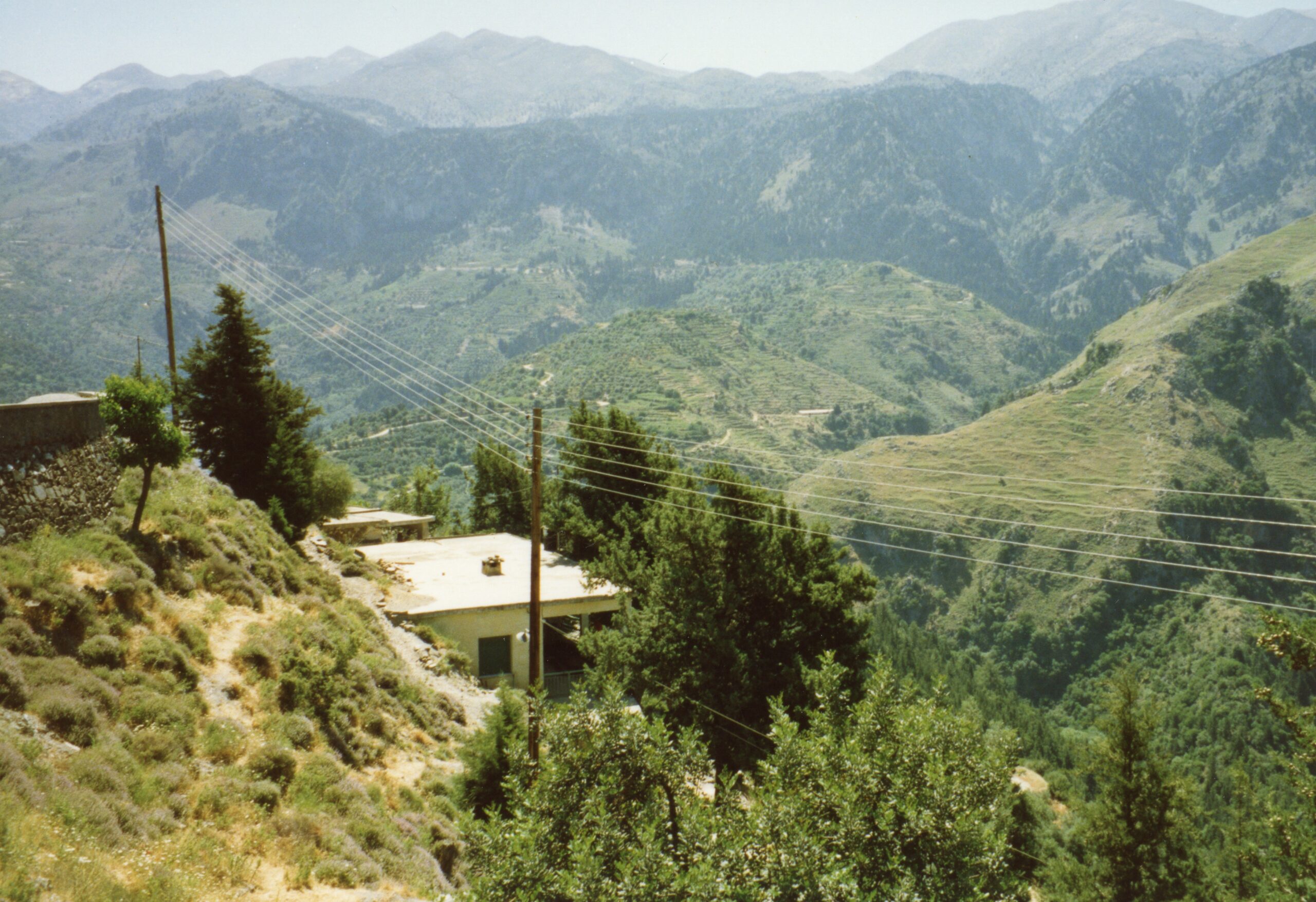
We arrived in Crete expecting another Greek island and left convinced we had been on a small country. It has mountains that hold snow into May, a gorge you walk for six hours to reach a village with no road, four distinct cities with their own personalities, and a south coast that feels closer to North Africa than to Athens.
That scale is the single most important thing to understand before you book. People give Crete three days as a tack-on to a Cyclades trip and then spend those three days driving. If you have already worked through the islands in our Santorini travel guide and Mykonos travel guide, Crete is the correction to that style of travel, not an extension of it.
Here is everything we wish we had known before we went.
Why Crete Is Different From the Rest of Greece
The Cyclades are compact and photogenic and largely built around the same white-and-blue template. Crete is 160 miles long, roughly the driving distance from Denver to Vail and back, and almost nothing about the west resembles the east.
Crete also had a civilization before Greece was Greece. The Minoans were building four-story palaces with plumbing here around 1900 BC, more than a thousand years before the Parthenon. Standing at Knossos, the thing that landed for us was not the reconstruction, which is divisive, but the age. You are looking at rooms that were already ancient ruins when the Romans showed up to gawk at them.
The practical version of all this: Crete has real cities with year-round populations, which means restaurants that stay open in November, hardware stores, and prices that have not been fully bent by cruise traffic. We paid less for better food here than anywhere else in Greece.
When to Go
Crete has the longest usable season in the country. Swimming starts in May on the south coast and holds into late October, and the shoulder months are genuinely pleasant rather than merely tolerable.
May and early June were our favorite. Wildflowers are still out in the mountains, the Samaria Gorge opens (usually the first week of May, weather depending), the sea is cold but swimmable, and Chania’s old town is not yet elbow to elbow.
July and August are hot and busy, with highs in the mid 90s and a north wind called the meltemi that can be strong enough to cancel boats. If this is your only window, base yourself on the south coast where the meltemi is blocked by the mountains.
September and October are the sleeper months. The sea is at its warmest, the crowds have thinned, and prices drop noticeably after the first week of October. Some south coast places close for the winter starting in November.
Winter is quiet, green, and cheap, with rain and genuinely cold mountain weather. Chania and Heraklion stay lively because people live there. Most beach towns do not.
Our guide to the best time to visit Greece breaks the whole country down month by month if you are still deciding.
Getting There and Getting Around
Crete has two main airports. Heraklion (HER) is the bigger one, with the most connections and the most flights from Athens. Chania (CHQ) is smaller, calmer, and better positioned if the west is your focus. A third airport at Sitia serves the far east with limited service.
Overnight ferries from Piraeus in Athens take about nine hours to either Heraklion or Chania. We took one and would do it again. You board around 9pm, sleep in a cabin, and wake up docking at sunrise, which effectively buys you a free hotel night and saves an airport day. Book a cabin rather than a deck seat if you want to actually sleep.
Rent a car. We say this about a lot of places, and on Crete it is not optional. The public bus network along the north coast is genuinely good and connects Chania, Rethymno, Heraklion, and Agios Nikolaos frequently and cheaply. Everything south of that main road, which is most of what makes Crete special, requires a car.
Driving notes that would have helped us. The national road along the north coast is fast and easy. The mountain roads are not bad but they are slow, and a 40 mile trip can take 90 minutes. Locals drive on the shoulder to let faster cars pass, which feels alarming the first three times and then becomes normal. Fuel up before heading into the interior, since stations are sparse.
Where to Base Yourself
Do not try to see Crete from one hotel. Two bases is the right answer for a week, three for ten days.
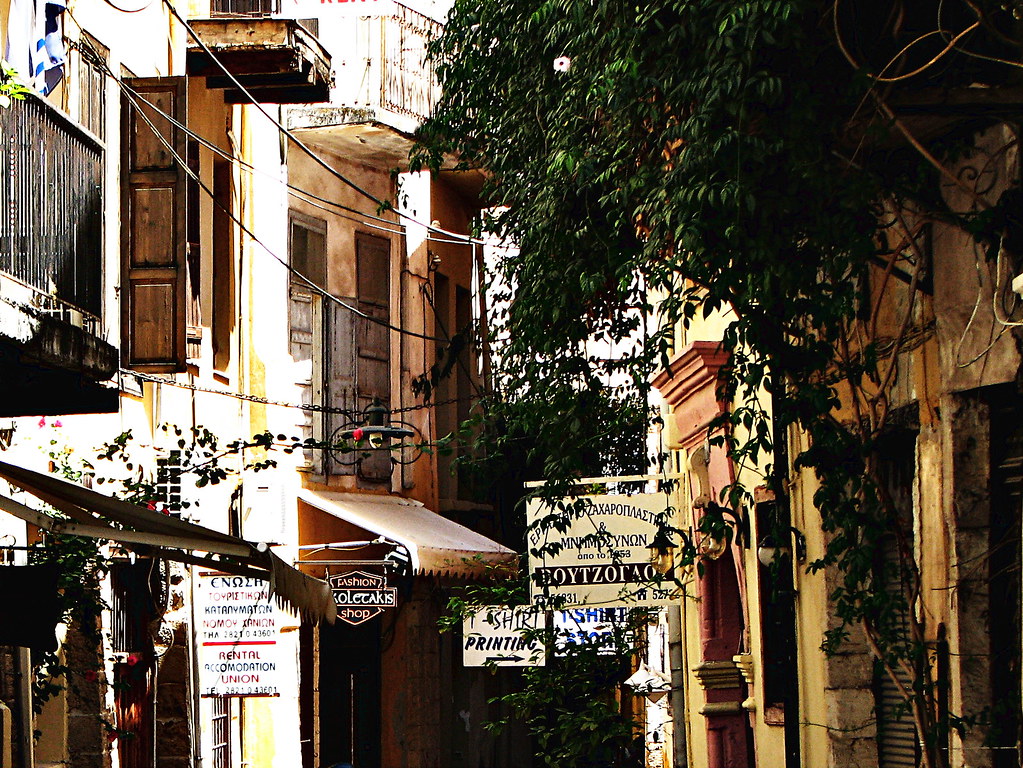
Chania is where we would send a first-timer. The Venetian harbor is the prettiest thing on the island, the old town is a genuinely walkable maze of Venetian and Ottoman architecture, and the west coast beaches are within reach. It is the base for Samaria, Elafonissi, and Balos.
Rethymno is the compromise pick, halfway along the north coast with its own excellent old town, a long sandy beach, and lower prices than Chania. If you want one base for the whole island, this is the least bad option.
Heraklion is the working capital and it is not charming, but it has the archaeological museum, which is world class and essential if Knossos is on your list, plus the best flight connections.
Agios Nikolaos and the east are quieter, with the Lasithi plateau, Spinalonga island, and the palm beach at Vai. This is the part most visitors skip.
The south coast (Loutro, Plakias, Matala, Paleochora) is where we would go to actually stop moving. Loutro has no road access at all. You arrive by ferry or on foot, and that is the entire appeal.
Best Things to Do in Crete
Walk the Samaria Gorge. Ten miles, downhill, roughly six hours, ending at a village on the Libyan Sea where you catch a boat out because there is no road. It is the single best day we had in Greece. Start early, bring more water than you think, and wear real shoes. Buses leave Chania around 6am and the whole thing is a full day commitment.
See Knossos, but see the museum first. The palace itself is heavily reconstructed and hard to read on its own. Spend two hours at the Heraklion Archaeological Museum looking at the frescoes and pottery, then go to the site and it clicks.
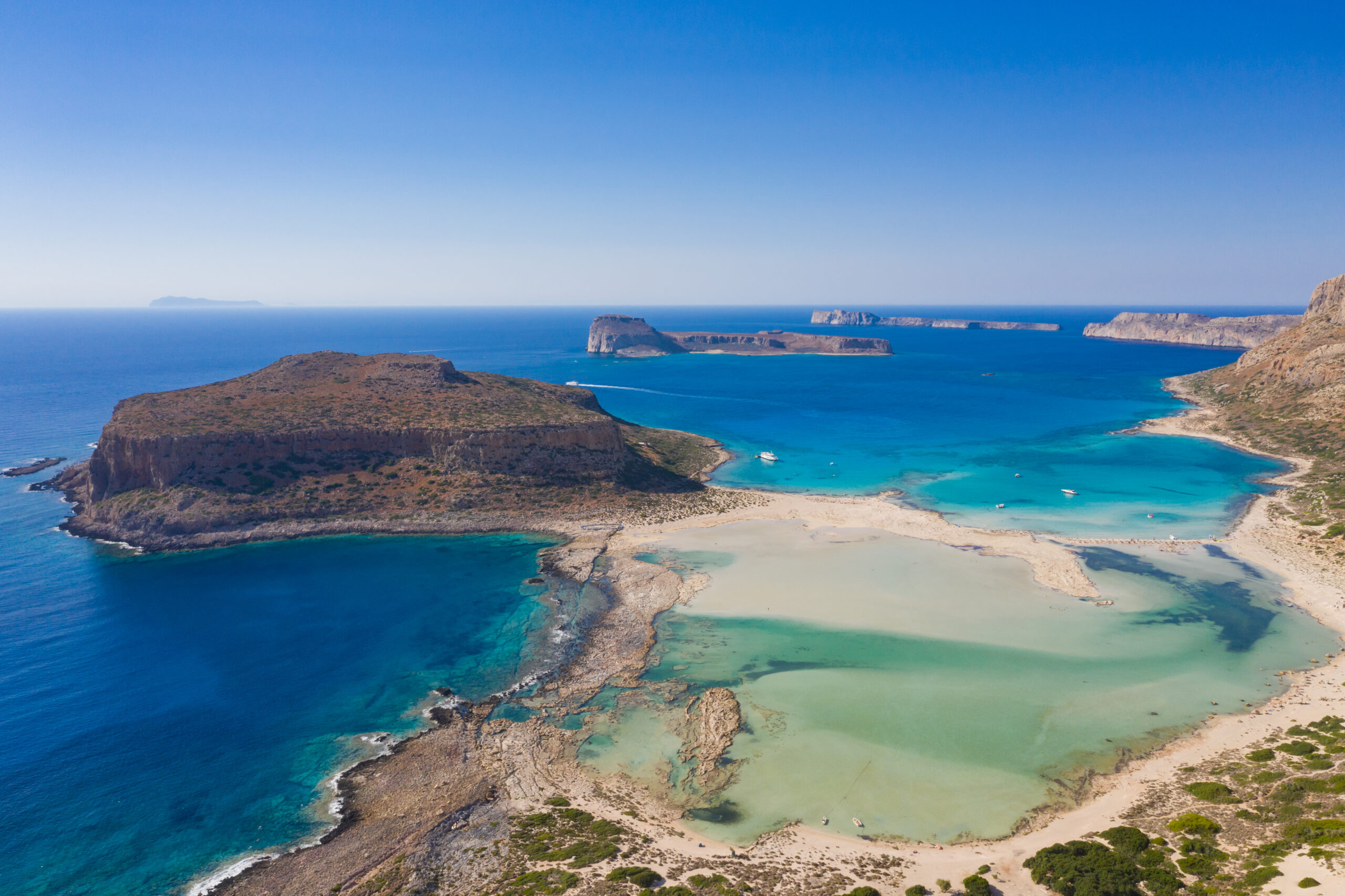
Get to Balos or Elafonissi. Balos is a lagoon on the northwest tip reached by boat from Kissamos or a rough dirt road plus a hike. Elafonissi has pink-tinged sand and shallow turquoise water on the southwest corner. Both are stunning and both are crowded from 11am to 4pm, so go early or late.
Wander Chania’s old town after dark. The day-trip crowds leave around six and the harbor becomes a completely different place.
Drive the Lasithi Plateau. A high agricultural basin ringed by mountains, dotted with the remains of old windmills, with almost no tourism infrastructure. It is the Crete that is still just Crete.
Eat. Cretan food is its own cuisine, not generic Greek. Look for dakos (barley rusk with tomato and mizithra cheese), lamb with stamnagathi greens, snails, and raki poured for free at the end of every meal whether you asked or not.
How Many Days You Need
This is the question we get asked most about Crete, and the honest answer is more than you were planning to give it.
Three days buys you one region and one big excursion. Fly into Chania, stay in the old town, do Samaria or Balos, eat well, leave. It is a good short trip as long as you accept that you are seeing the west and nothing else.
Five to six days is the first length where Crete makes sense. Two bases, usually Chania and somewhere on the south coast or in Rethymno, with a gorge day, a beach day, and a driving day in between.
Seven to ten days is what we would actually book. Three bases across the island, west to east, with room for the Lasithi plateau, Spinalonga, and at least two full days where you do not get in the car at all.
Two weeks gets you the whole island including the far east, plus real hiking beyond Samaria. Crete has more marked trail than any other Greek island and the E4 European path crosses the entire length of it.
For context, we have seen people give Santorini four days and Crete two on the same itinerary. It should be the other way around.
Crete With Kids
Crete works better for families than the smaller Cycladic islands, mostly because it has infrastructure. Pediatricians, pharmacies, supermarkets, and hotels with actual pools all exist here.
The north coast beaches between Rethymno and Heraklion are long, sandy, and shallow, which is the combination you want with small kids. Georgioupoli and Almyrida are the two we would look at first. Greek tavernas are genuinely welcoming to children in a way that surprises American parents, and nobody blinks at a kid at a table at 10pm.
Skip Samaria with anyone under about twelve. It is ten miles of loose rock and there is no exit point once you commit. The Imbros Gorge is the family-sized alternative at roughly two hours, with a similar feel and a road at both ends.
The aquarium at Gournes outside Heraklion and the water parks near Hersonissos are the standard rainy-or-too-hot-day answers, and Spinalonga island reliably fascinates older kids once they hear it was a leper colony until 1957.
Where to Book
We book almost everything for Greece through two places, and Crete was no exception.
- Hotels and apartments: Search Crete stays on Booking.com. Chania and Rethymno have the deepest inventory in the old towns, and free cancellation matters here because ferry and weather changes reshape plans.
- Tours and activities: Browse Crete tours on Viator. Samaria Gorge trips with bus and boat transport included, Balos and Gramvousa boat days, Knossos guided entry, and cooking classes are all easy to book, and the guided Samaria option solves the trailhead-to-ferry logistics problem.
For a longer Greece trip, our complete guide to planning a trip to Greece covers budgets, ferry sequencing, and how to combine Crete with the mainland and the Cyclades.
What Crete Costs
Crete is one of the better value destinations in Western Europe, and noticeably cheaper than Santorini or Mykonos.
A comfortable mid-range double in Chania old town ran us around 90 to 130 euros a night in shoulder season, less in Rethymno. A rental car was 35 to 55 euros a day booked ahead. A full taverna dinner for two with wine landed between 35 and 50 euros, and lunch was often under 20.
The costs that surprise people are fuel, which is expensive by American standards, and boat trips, which run 25 to 45 euros per person. Our breakdown of what a trip to Europe costs puts these numbers in context against the rest of the continent.
A Few Things We Would Do Differently
We based ourselves in one place for the first four days and burned two of them driving. Split your stay. The island is too long for a single base.
We also did Samaria on our second-to-last day and were too wrecked to enjoy the final one. Put the gorge early, while your legs are fresh and you still have days left to recover on a beach.
And we would have gone further east. Everyone we met who made it past Agios Nikolaos said the same thing: it was emptier, cheaper, and the part they would come back for.
—
Keep planning your Greece trip: Start with our complete guide to planning a trip to Greece for budgets and ferry logistics, then read our Athens travel guide for the mainland gateway and our Naxos travel guide if you want a Cyclades island with the same unhurried feel.