Disclosure: This post contains affiliate links. If you book through our links, we may earn a small commission at no extra cost to you. Thanks for supporting Faceted Travel!
Table of Contents
We have been to Portugal in February, in May, and in the last week of August, and those three trips felt like three different countries. February gave us an empty Porto and a bill that made us laugh. August gave us an Algarve beach where we could not find sand to put a towel on. May gave us the trip we would repeat.
There is no single best time to visit Portugal, because the country runs about 350 miles north to south and the weather at the top has almost nothing to do with the weather at the bottom. What there is, is a best time for your trip, and that comes down to which Portugal you are going for.
Here is how we would decide.
The Short Answer
May, early June, and late September into early October are the best all-around windows. Warm but not hot, long days, open everything, swimmable ocean in the south, and prices well below the July and August peak.
July and August are best only if beaches are the entire point and you have accepted the crowds and the cost.
November through March is the value window, genuinely good for cities and food, unreliable for anything involving the coast.
If you want one date to circle: the last two weeks of September. That is our pick.
Portugal Season by Season
Spring (March to May)
Spring is when the country turns green and then flowers. The Alentejo becomes an absurd carpet of wildflowers in April. The Douro terraces go bright. Almond blossom hits the Algarve in February and early March.
Temperatures in April run in the mid 60s Fahrenheit in Lisbon and the high 50s in Porto, climbing into the mid 70s by late May. Rain tapers as the season goes on, though April in the north stays genuinely wet.
Spring is our favorite time for the interior and the north. If your trip centers on Porto, the Douro Valley, or hiking, come in May.
The catch: Easter week shifts prices and crowds sharply, and ocean water is still cold. The Atlantic off Portugal does not warm up quickly, and in May it is bracing even in the Algarve.
Summer (June to August)
Summer is peak in every sense. Long days, guaranteed sun in the south, every restaurant and boat trip running, and festivals everywhere. Lisbon’s Santo Antonio celebration in mid June fills the Alfama with grilled sardines and street parties, and Porto’s Sao Joao on June 23 is one of the great nights in Europe.
It is also crowded and expensive. Algarve hotel rates can double or triple against May. Sintra’s palaces sell out days ahead. Lisbon’s viewpoints get shoulder to shoulder at sunset.
The heat splits by region. Lisbon runs in the mid 80s, the Algarve in the high 80s, and the interior Alentejo regularly clears 100 degrees Fahrenheit. Porto and the north stay noticeably milder, often in the high 70s, which makes northern Portugal a smart summer choice that most people overlook.
If you must travel in August, go north or go to Madeira, where the Atlantic keeps summer in the low 80s.
Autumn (September to November)
September is summer with the volume turned down. Water temperatures are at their annual warmest, the light gets softer, and by mid month the crowds thin noticeably. This is the single best month for combining cities and beaches.
October stays pleasant, in the low 70s in Lisbon and the high 60s in Porto, with rain returning gradually. It is also harvest in the Douro, which is the most atmospheric time to be in the wine country.
November is the turn. Days shorten, rain becomes frequent in the north, and coastal towns start closing for the winter. Cities still work fine and prices drop hard.
Winter (December to February)
Portuguese winter is mild by European standards. Lisbon sits around 58 degrees Fahrenheit during the day and rarely freezes. Porto is cooler and much wetter. The Algarve is the warmest corner of mainland Europe in January, often in the low 60s, which is why northern European retirees fill it.
What winter gives you: half-price hotels, empty museums, no lines at Pena Palace, and restaurants where you can walk in.
What winter takes: reliably swimmable ocean, many Algarve beach businesses, some boat trips and coastal tours, and daylight, since it is dark by 6pm.
We took a February trip built entirely around Porto, Lisbon, and food, and it was excellent. We would not have built a coastal trip around it.
Best Time by Region
Portugal really does need to be thought about regionally.
Lisbon. March through June and September through October. July and August are hot and packed, and the city’s hills make heat feel worse. Winter is a solid value play if you accept some rain.
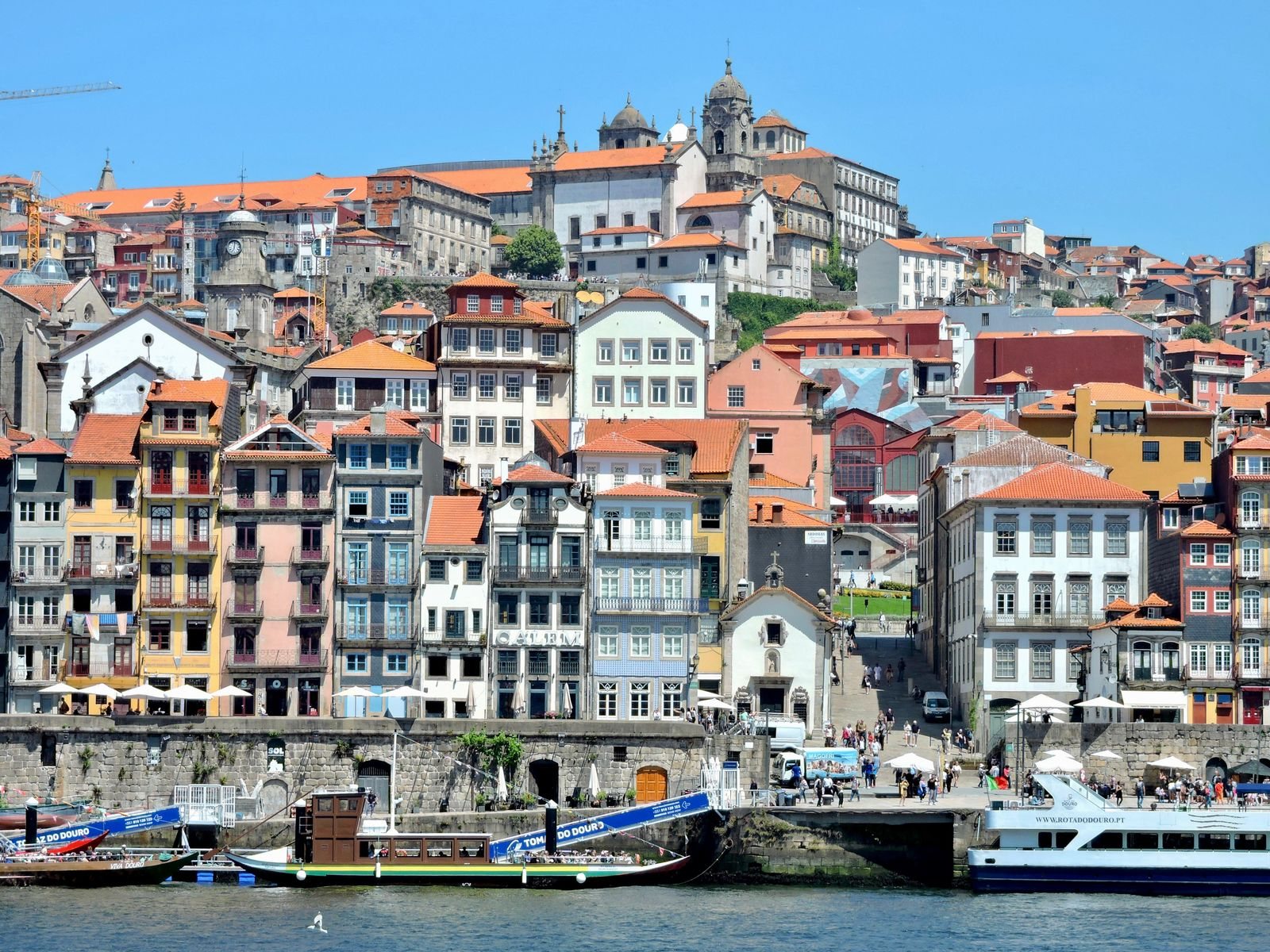
Porto and the north. May, June, and September. The north gets meaningfully more rain than the south, and winter there is genuinely wet. Summer stays comfortable, which makes Porto the best August option on the mainland.
Douro Valley. May and June for green terraces, late September and October for harvest. Skip late July and August unless your quinta has a pool, because the valley bakes.
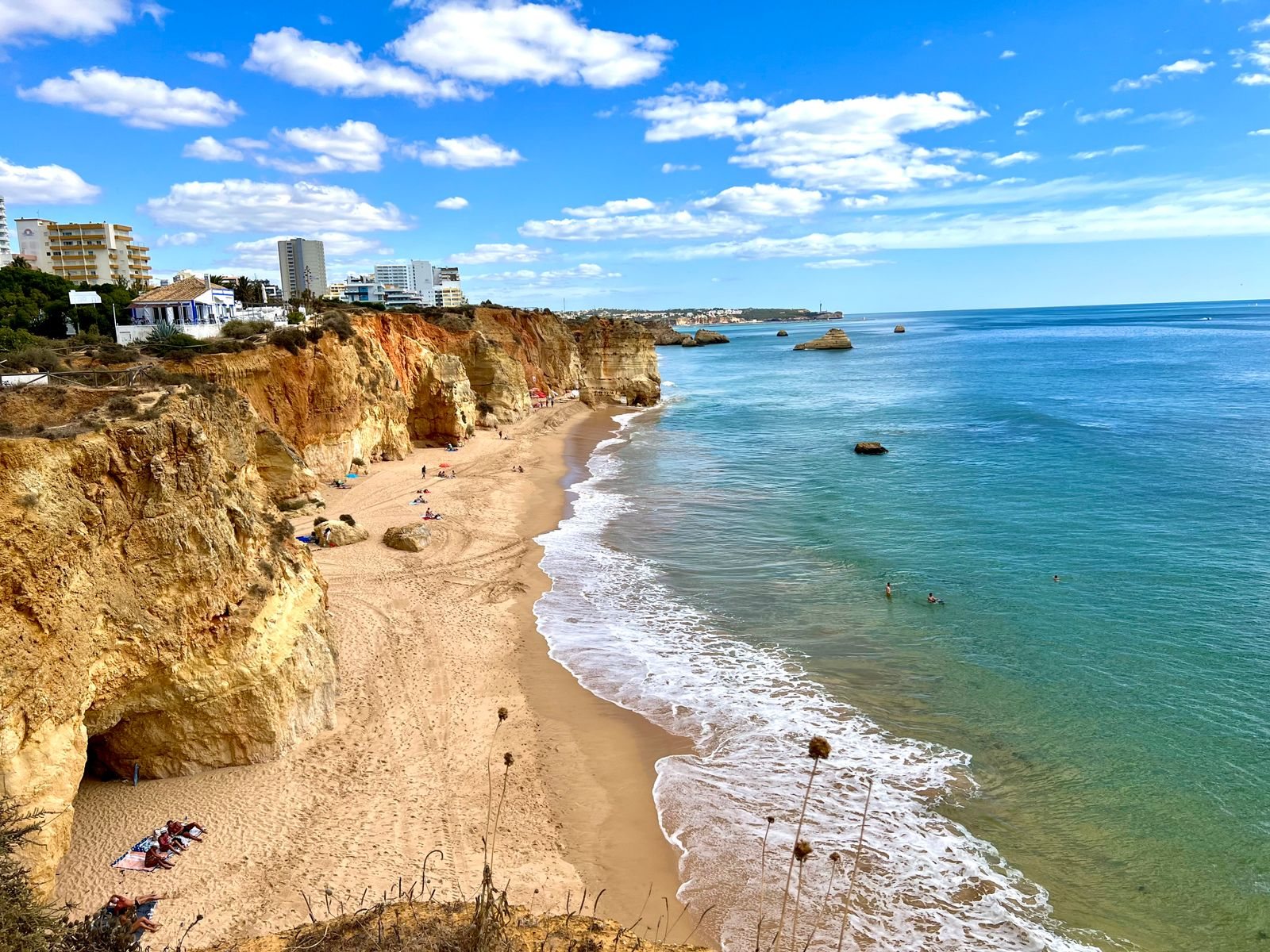
The Algarve. June and September are the sweet spots for beach weather without August pricing. May and October work if you do not mind cooler water. Our full Algarve travel guide breaks this down beach by beach.
Sintra. Shoulder seasons, and always early in the day. Sintra sits in its own microclimate that is cooler and mistier than Lisbon 30 minutes away, which is charming in September and clammy in January. See our Sintra travel guide for timing the palaces.
Alentejo. October through May. Summer here is the hottest part of the country by a wide margin.
Madeira. Any month. Genuinely. Winter highs in the low 60s, summer highs in the low 80s, and the hiking is good year round. Late spring is peak for flowers.
The Azores. June through September. Outside that window the Atlantic weather gets serious.
Crowds and Prices, Month by Month
Here is the honest shape of the year as we have experienced it:
- January and February: cheapest, quietest, wettest in the north. Great for cities.
- March: prices still low, weather improving, almond blossom in the south.
- April: lovely, but Easter creates a sharp spike. Check the dates before booking.
- May: our top pick overall. Excellent weather, moderate crowds, fair prices.
- June: very good through mid month, then festivals and school holidays push it up.
- July: high season. Book far ahead.
- August: peak of everything, including Portuguese domestic holidays. Highest prices of the year.
- September: the second best month. Warm water, thinning crowds, falling prices after the first week.
- October: quietly excellent. Harvest in the Douro, comfortable cities.
- November: cheap and grey. Fine for a city break.
- December: Christmas markets and lights in Lisbon and Porto, with a price bump around the holidays themselves.
Booking flights early matters more for the July and August window than any other, and our guide to when to book flights covers the timing we use.
What About the Weather Risks
Two things worth planning around.
Atlantic water is cold. Portugal is not the Mediterranean. Even in August, ocean temperatures on the west coast sit in the low to mid 60s Fahrenheit. The south coast of the Algarve runs warmer, in the low 70s at peak, because it faces a sheltered bay rather than the open Atlantic. If swimming matters, go south and go in late summer.
Nortada wind. From roughly May through September, a strong northerly wind kicks up along the west coast most afternoons. It is why the surf schools are there and it is why your beach day near Lisbon or Nazare might end at 3pm. Mornings are calmer.
Neither of these ruins a trip. Both change where you point it.
Festivals Worth Planning Around
Portugal builds its calendar around saints, harvests, and food, and a few of these are strong enough to plan a trip around.
Carnival, in February or early March depending on the year, is biggest in Torres Vedras and Loule. Loule’s version in the Algarve is the one to see if you are already south.
Festa de Sao Joao, Porto, the night of June 23. The whole city goes outside, everyone hits everyone else on the head with plastic hammers, sardines grill on every corner, and there are fireworks over the Douro at midnight. It is chaotic and wonderful. Book accommodation months out.
Festas de Santo Antonio, Lisbon, mid June. The Alfama and Graca neighborhoods fill with smoke, sardines, and street dancing, with the big parade on Avenida da Liberdade on June 12.
Vindima, the Douro grape harvest, mid September into October. Some quintas invite guests to pick and foot-tread. This is the most immersive time to visit the wine country and the hardest to book.
Festa dos Tabuleiros in Tomar happens only every four years in July, and women carry towers of bread and flowers taller than they are. If it lands during your trip, go.
Christmas and New Year bring markets and lights to Lisbon and Porto, and Madeira’s New Year fireworks display over Funchal harbor is one of the largest in the world.
The trade in every case is the same: more atmosphere, less availability. If you are targeting a festival, lock in your hotel before you lock in anything else.
Our Recommended Trip Windows
First trip to Portugal, cities and coast: late September. Lisbon, Sintra, Porto, and a few Algarve days, with warm water and manageable crowds.
Wine and food trip: early October. Douro harvest, cool enough for long lunches, northern Portugal at its best.
Budget trip: February. Cities only, half price, and pack a rain jacket.
Beach trip with kids on school holidays: late June rather than August, if you have any flexibility at all. The difference in cost and crowding is dramatic for two weeks of calendar.
Hiking trip: May in the mainland, or Madeira in almost any month.
Where to Book
- Hotels: Search Portugal stays on Booking.com. We book with free cancellation in the shoulder seasons, since rates in Portugal often drift down as dates approach outside of July and August.
- Tours and day trips: Browse Portugal tours on Viator. Sintra palace tours, Douro quinta days, and Algarve cave boat trips all book out in high season, so reserve those ahead even when your hotel is flexible.
The Bottom Line
If you can travel any week of the year, go in the second half of September. If you cannot, match the region to the season instead of forcing the season to fit the region. Northern Portugal in August, southern Portugal in June, cities in winter, wine country in October. Portugal is generous enough that there is a good version of this trip in almost every month.
Keep planning your Portugal trip: Start with our complete guide to planning a trip to Portugal, then dig into our Porto travel guide and our Douro Valley travel guide for the north.