Disclosure: This post contains affiliate links. If you book through our links, we may earn a small commission at no extra cost to you. Thanks for supporting Faceted Travel!
Table of Contents
The first time we priced a Norway trip, we closed the laptop and told ourselves we would go someday when we were richer. The second time, we actually built the budget line by line and realized we had been reacting to a headline number instead of a real one. Norway is genuinely expensive, but it is expensive in specific, predictable ways, and several of the biggest costs are entirely within your control.
Here is what a Norway trip actually costs, based on how we planned ours and what we would do differently.
The Short Answer
For a 10-day Norway trip, per person, including international flights from the US:
- Budget: $2,400 to $3,200
- Mid-range: $4,000 to $5,400
- Comfortable: $7,000 and up
That works out to roughly $150 per day at the budget end and $350 to $450 per day mid-range, before flights. Compared to Southern Europe, expect to pay 60 to 90 percent more for the same trip structure.
The good news is that the single most expensive category, food, is also the one where smart choices save the most.
Flights to Norway
Round-trip economy from the US East Coast to Oslo typically runs $550 to $900 in shoulder season and $900 to $1,400 in July and August. From the West Coast, add $150 to $300.
Oslo is your cheapest entry point by a wide margin. Flying directly into Bergen or Tromsø usually costs more and often routes through Oslo or Copenhagen anyway. We fly into Oslo and take domestic flights or trains from there.
Domestic flights within Norway are surprisingly reasonable. Oslo to Tromsø runs $70 to $160 one way if booked a few weeks ahead. Norwegian and SAS both compete on these routes. For a trip that includes the Arctic, flying is almost always cheaper than the equivalent overland travel once you count the nights you would spend in transit.
Our post on the best time to book flights covers the booking windows that have consistently saved us the most on transatlantic routes.
Accommodation Costs
This is where Norway hits hardest in the summer and softens the most in the shoulder seasons.
Hostels and budget rooms: $45 to $85 per night for a dorm bed, $90 to $140 for a private budget room. Norway’s hostel network is clean and well-run, and many have kitchens, which matters enormously for your food budget.
Mid-range hotels: $150 to $250 per night in Oslo and Bergen, $130 to $220 in Tromsø, higher in Lofoten in summer.
Higher-end: $300 to $500 and up, especially for anything with a fjord or harbor view.
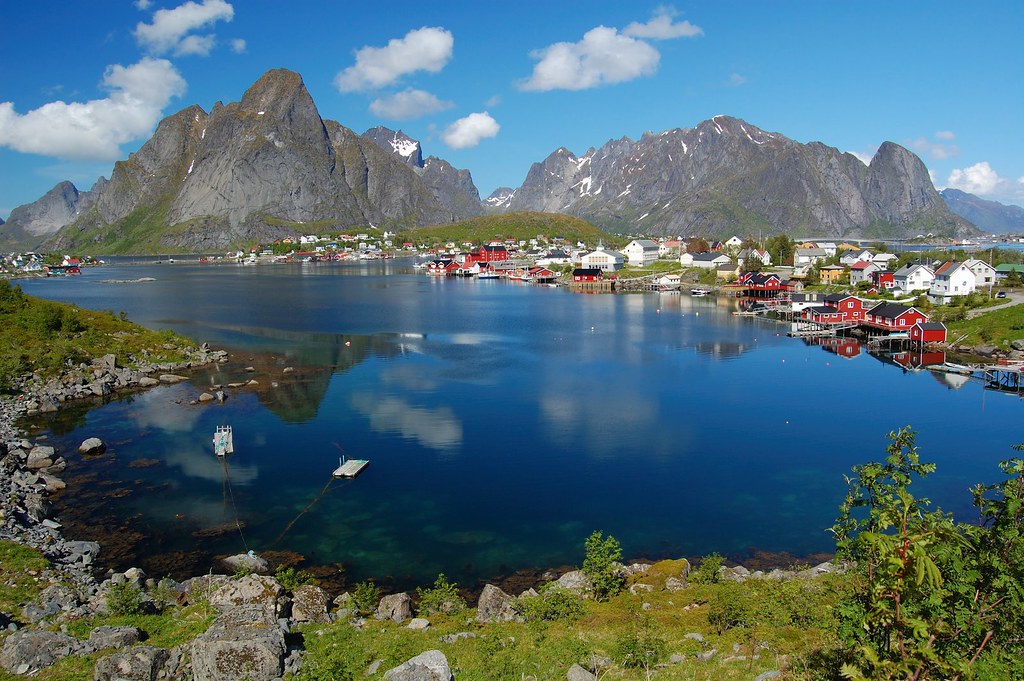
Cabins and rorbuer: The fishermen’s cabins in Lofoten run $150 to $350 a night and are worth budgeting for. They are the accommodation experience of the region.
Camping and Airbnb: Norway’s allemannsretten, the right to roam, allows free wild camping on uncultivated land as long as you stay at least 150 meters from the nearest house and move on after two nights. This is legal, common, and it is how many Norwegians travel their own country. If you are equipped for it, this single fact can cut your accommodation budget to near zero.
A note on timing: Norwegian hotels are business-oriented in the cities, so weekend rates in Oslo are often 25 to 40 percent lower than weekday rates. Structuring a city stay across a weekend is a real saving.
Food: The Category That Will Surprise You
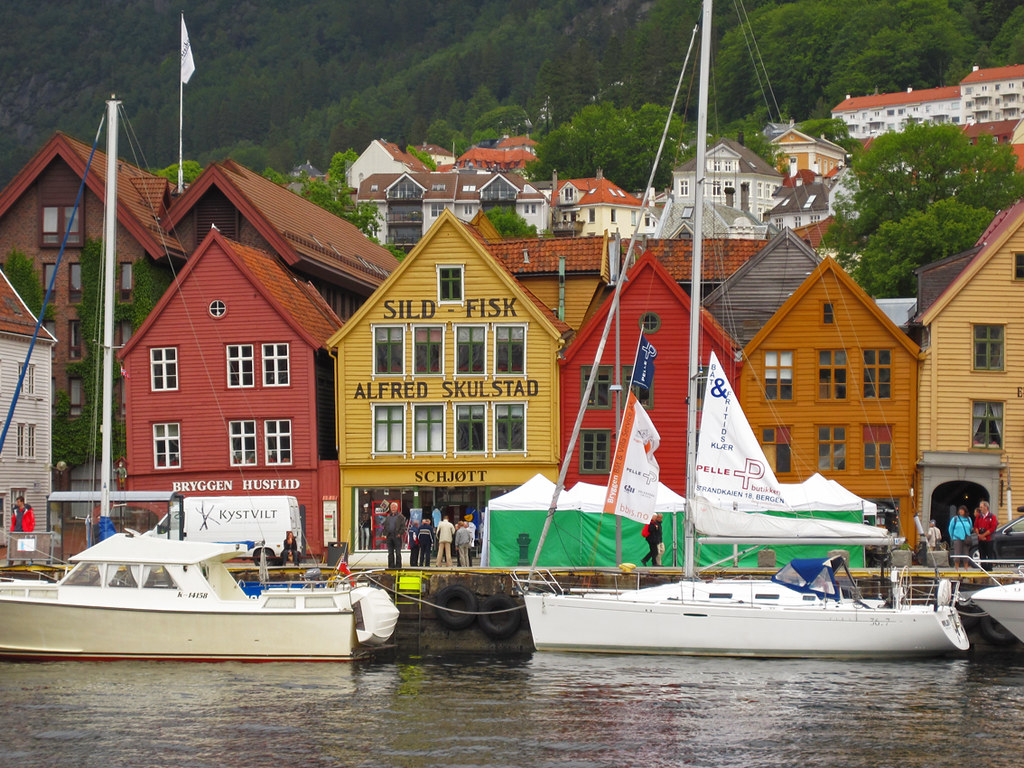
Restaurant food in Norway is the number one budget shock for visitors. Here is what you will actually pay:
- Casual restaurant main course: $28 to $45
- Nice restaurant dinner with wine: $85 to $140 per person
- Beer at a bar: $11 to $15
- Glass of wine: $13 to $18
- Coffee: $4.50 to $6
- Fast food combo meal: $16 to $20
Now here is the other side. Groceries in Norway are only moderately more expensive than the US. A supermarket run at Rema 1000, Kiwi, or Coop covers breakfast and lunch for two people for about $25 a day. Buy the ready-made sandwiches and salads, which are decent and cost $6 to $9.
The single biggest lever on your Norway budget is deciding to eat one restaurant meal a day instead of three. Doing that alone moves a two-week trip by $700 to $1,000 per person.
A few specific tips. Alcohol is state-controlled and sold only at Vinmonopolet shops, which close early and are shut on Sundays. Buying wine or spirits at duty free on arrival is legitimately cheaper. Tap water is excellent everywhere and nobody will look at you strangely for asking for it.
Transportation Inside Norway
Trains are scenic and reasonably priced if booked ahead. The Oslo to Bergen line, one of the great rail journeys in Europe, costs $45 to $70 with a minipris advance fare and $130 or more at the walk-up rate. Book as soon as the window opens, usually 90 days out.
Buses are the budget backbone. Vy and Nor-way Bussekspress cover routes trains do not, and fares are typically $20 to $60 for long stretches.
Ferries are part of the landscape. Most car ferries in the fjord region cost $10 to $30 for a car and driver. The Hurtigruten coastal route is a different category entirely, running $200 to $400 per day per person for a proper voyage.
Rental cars run $60 to $110 a day for a compact in summer, plus fuel at roughly $7.50 to $8.50 per gallon and toll roads that add up. A week of driving Lofoten or the fjords will realistically cost $800 to $1,100 all in for two people. It is also the only sensible way to see the more remote areas properly.
City transit is straightforward. Oslo single tickets are about $4.20, a 24-hour pass around $12.
Activities and What They Cost
This is the category most people underestimate, because Norway’s headline experiences are guided.
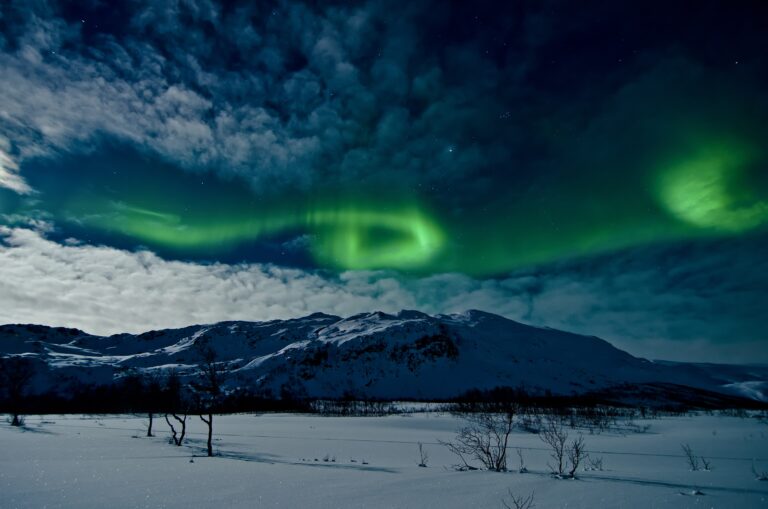
- Northern lights chase from Tromsø: $130 to $190
- Whale watching, winter, Tromsø area: $150 to $220
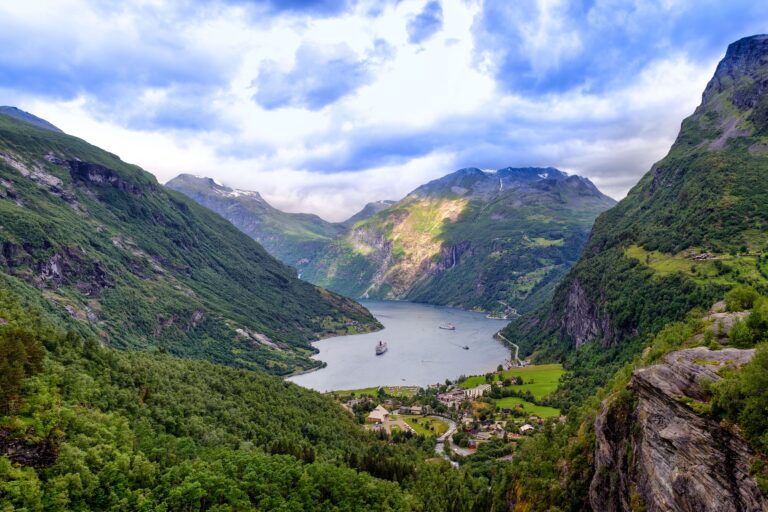
- Fjord cruise, Nærøyfjord or Geiranger: $50 to $95
- Norway in a Nutshell round trip from Oslo or Bergen: $250 to $350
- Dog sledding: $180 to $280
- Flåm Railway one way: $60
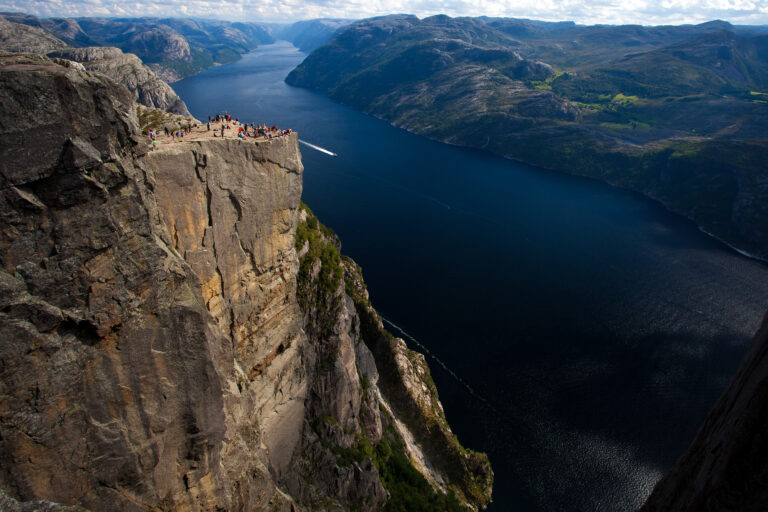
- Preikestolen or Trolltunga hike: free, but guided options run $120 to $200
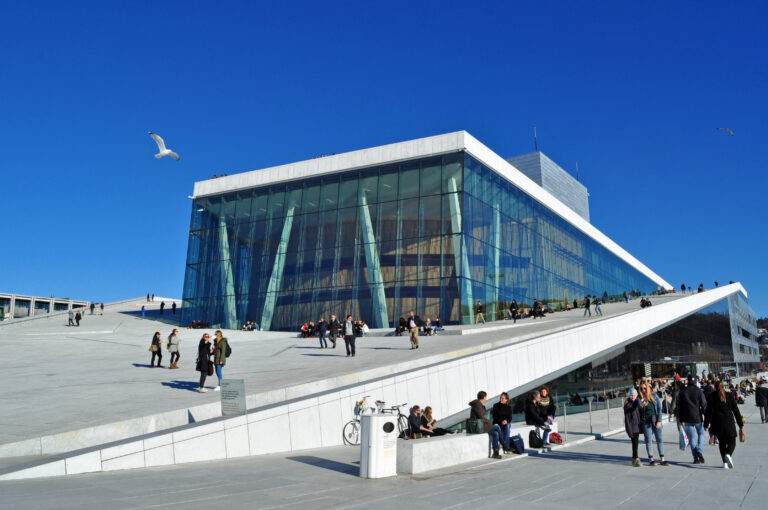
- Oslo museum entry: $15 to $22 each
- Bergen Fløibanen funicular: $16 round trip
Hiking is Norway’s great equalizer. The country’s best experiences, the trails to Preikestolen, Reinebringen, Segla, and hundreds of others, cost nothing but the transport to reach the trailhead. If you build an outdoor-heavy itinerary, your activity budget can be a fraction of what a tour-heavy one costs.
Our best time to visit Norway guide explains which experiences are seasonal, which matters because booking a northern lights trip in June is not a thing.
Sample 10-Day Budgets
Budget: $2,650 per person
Oslo, Bergen, and the fjords. Flights $700. Hostels and one budget hotel $600. Groceries plus three restaurant meals total $420. Oslo to Bergen train advance fare plus buses and ferries $280. Two paid activities plus free hiking $200. Transit, entries, and misc $250. Travel insurance $60. Contingency $140.
Mid-range: $4,600 per person
Oslo, Bergen, and Lofoten. Flights $850, plus a domestic flight north $130. Three-star hotels and one rorbu $1,650. One restaurant meal a day plus groceries $900. Trains, car rental for four days, ferries $620. Fjord cruise, guided hike, museums $450. Insurance $80. Contingency $220. Total lands right around $4,900 if you add a second guided experience, which we would.
Comfortable: $7,400 per person
Oslo, Bergen, Tromsø. Premium economy flights $1,600. Four-star hotels throughout $2,600. Restaurant meals daily $1,500. Domestic flights and first-class rail $650. Northern lights, whale watching, fjord cruise, dog sledding $780. Insurance $120. Contingency $150.
Eight Ways to Cut Your Norway Budget
1. Go in May, early June, or September. Shoulder season cuts accommodation 25 to 40 percent and the light is still long in May and June. September brings autumn color and the first aurora nights.
2. Cook most meals. The single biggest lever. Book accommodation with a kitchen.
3. Book trains the day the fare window opens. Minipris fares are a fraction of walk-up prices and they sell out.
4. Use the right to roam. If you camp, Norway becomes one of the cheapest countries in Europe rather than one of the most expensive.
5. Fly domestically instead of driving long distances. Oslo to Tromsø by air beats three days of driving and fuel.
6. Buy alcohol at duty free on arrival. The savings are real and legal.
7. Prioritize free nature over paid tours. Preikestolen, Reinebringen, and Fløyen cost nothing.
8. Structure city stays over weekends. Oslo and Bergen business hotels drop their rates Friday to Sunday.
Is Norway Worth the Cost?
We think so, with a caveat. If you go to Norway and spend your days in restaurants and museums, you will pay a premium for an experience you can get cheaper elsewhere. The value proposition is the landscape, and the landscape is largely free.
Standing on the edge of a fjord at 11pm in June with the sun still up, or watching the aurora move across the sky above the Lofoten peaks in February, is not a thing you can price against a cheaper alternative. There is no cheaper alternative. That is the entire argument.
Build the trip around the outdoors, eat like a Norwegian rather than a tourist, and Norway lands closer to a mid-range European trip than the horror stories suggest.
For context on how Norway compares to the rest of the continent, our how much a trip to Europe costs breakdown puts the numbers side by side.
Where to Book
- Hotels: Booking.com’s Oslo listings are the best starting point, and filtering for properties with kitchen facilities is the highest-value filter you can apply on a Norway trip.
- Tours and activities: Viator’s Norway tours cover fjord cruises, northern lights chases, dog sledding, and Norway in a Nutshell packages. Book the seasonal experiences early, especially aurora tours between December and March.
- Travel insurance: Norway trips involve ferries, domestic flights, and weather-dependent activities, and cancellations happen. Our guide to the best travel insurance for Europe covers what actually matters in the policy language.
Our Honest Take
Norway cost us about 35 percent more than a comparable trip to Italy, not the double or triple we had braced for. The difference came almost entirely from food and guided activities, and both are adjustable.
If we were planning it again with the same budget, we would spend less on hotels and more on the one or two guided experiences you genuinely cannot do yourself, and we would give ourselves an extra two days rather than compressing the itinerary. Norway punishes rushing. The weather turns, ferries reschedule, and the best moments tend to arrive when you have the slack to wait for them.
—
Planning the details? Start with our Oslo, Norway travel guide for the gateway city, our Bergen, Norway travel guide for the fjord capital, or our Lofoten Islands travel guide for the landscape that makes the whole budget worth it.
Keep Reading