Disclosure: This post contains affiliate links. If you book through our links, we may earn a small commission at no extra cost to you. Thanks for supporting Faceted Travel!
Table of Contents
- The Short Answer
- Understanding Mexico’s Two Seasons
- Mexico Month by Month
- Best Time to Visit the Yucatán and Caribbean Coast
- Best Time to Visit the Pacific Coast (Cabo and Puerto Vallarta)
- Best Time to Visit Central Mexico and the Colonial Cities
- When to Go for Fewer Crowds and Lower Prices
- Events and Festivals Worth Planning Around
- Where to Book Your Mexico Trip
- When Should You Go to Mexico?
The first time we tried to answer “when should we go to Mexico?” we realized we were asking the wrong question, because Mexico is not one destination with one season. The right time to lie on a Cancun beach is not the same as the right time to hike in the central highlands or watch whales off Baja, and figuring that out changed how we plan every trip south of the border.
Mexico is enormous and wildly varied, from Caribbean beaches to pine-covered mountains to high-desert colonial cities, and the weather, crowds, and prices swing a lot depending on where and when you go. The good news is that some part of Mexico is always in season. This guide breaks down the weather patterns, the month-by-month rhythm, and the best time to visit each major region, so you can match your trip to exactly what you want out of it.
The Short Answer
For most travelers, the best time to visit Mexico is the dry season, roughly November through April, when the weather across most of the country is sunny, warm, and comfortable. Within that window, November and April are the sweet spots: you get the great dry-season weather without the absolute peak crowds and prices of the December holidays and March spring break.
If your priority is saving money and dodging crowds, the shoulder and low seasons (late spring and fall) can be wonderful, as long as you understand the tradeoff, which is heat, humidity, and the chance of rain. Let us dig into why.
Understanding Mexico’s Two Seasons
Most of Mexico runs on two seasons rather than four: a dry season from about November to April and a rainy season from about May to October. This matters far more than temperature for planning, because the rainy season overlaps with Atlantic hurricane season, which officially runs June 1 to November 30 and peaks from August through October.
Here is the key nuance: the rainy season usually does not mean all-day downpours. Especially early on, it often means hot, humid mornings and a heavy afternoon or evening shower that clears out, leaving the landscape green and lush. The tradeoff is real humidity and a genuine (if usually small) hurricane risk on the coasts.
Altitude also changes everything. Coastal Mexico (Cancun, the Riviera Maya, Cabo, Puerto Vallarta) is hot and tropical year-round, while the central highlands (Mexico City, Oaxaca, San Miguel de Allende) sit at high elevation and stay mild to cool all year, with chilly evenings even in summer. So “Mexico weather” depends entirely on which Mexico you mean.
Mexico Month by Month
December to April: Dry Season and Peak Season
This is the classic time to visit, and for good reason. The weather across the country is at its best, sunny days, low humidity, and comfortable temperatures nearly everywhere. It is also the busiest and most expensive stretch, driven by the Christmas and New Year holidays in late December, spring break in March, and Easter (Semana Santa) around late March or April, which is a huge domestic travel week.
If you come during this window, book flights and hotels well in advance, particularly for the beach resorts. Our guide on how much a trip to Mexico costs shows just how much prices swing between peak and off-peak, and it is a big gap.
May to Early June: The Shoulder Sweet Spot
As the crowds thin after Easter, prices drop and the weather is still mostly dry and gorgeous, especially in May. This is one of our favorite windows: warm, sunny, and much better value, with the rainy season only just beginning to build by late May and early June. It does start to get hot and humid on the coasts, so pace yourself, but for the balance of weather, crowds, and cost, it is hard to beat.
June to October: Rainy Season and Hurricane Season
These are the hottest, most humid, and wettest months, and they overlap with hurricane season on both coasts (the Caribbean and Gulf especially). Rain is usually a daily afternoon or evening event rather than an all-day washout, and the countryside is at its greenest, but the humidity is serious and there is a real chance of a tropical storm disrupting a beach trip, with risk highest from August to October.
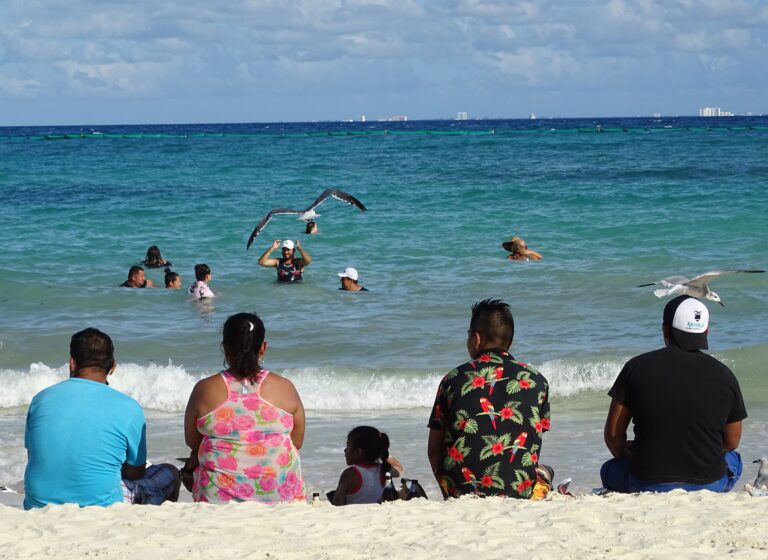
The upside is significant: this is the low season, so prices fall and crowds shrink. If you are flexible, watchful of the forecast, and mainly after a resort or city break, you can find excellent deals. This is exactly the kind of trip where we would not skip coverage, and our take on whether travel insurance is worth it walks through how we think about protecting a hurricane-season booking.
November: The Other Sweet Spot
November is a quiet gem. The rains have largely tapered off, the landscape is still lush and green, hurricane risk drops sharply, and the peak-season crowds and prices have not yet arrived. Add the Day of the Dead celebrations at the very start of the month (more on that below), and November is one of the most rewarding times to visit almost anywhere in the country.
Best Time to Visit the Yucatán and Caribbean Coast
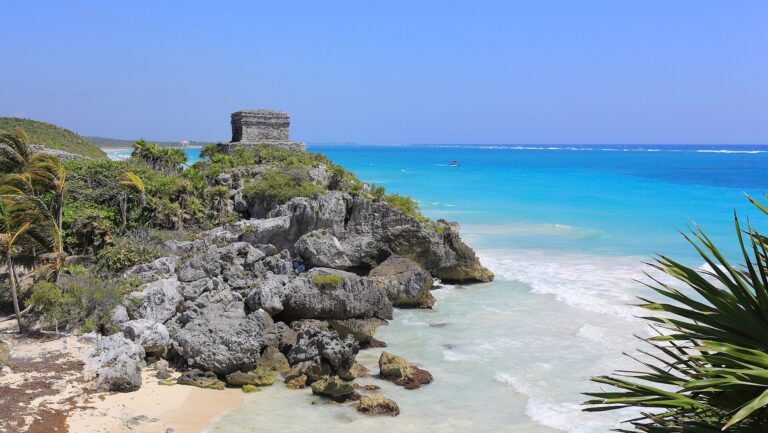
The Riviera Maya, home to Cancun, Playa del Carmen, and Tulum, is the part of Mexico most Americans picture, and its best weather runs from December through April: sunny, warm, and relatively dry, with the calm turquoise water the region is famous for.
Two extra factors matter here. First, hurricane season (peaking August to October) hits this coast hardest, so beach trips in those months carry the most weather risk. Second, this region deals with sargassum, a brown seaweed that can wash up on the Caribbean beaches, generally worst from roughly April through August. If pristine white sand is your top priority, the winter months are your safest bet. For a deeper look at the region, our Cancun guide and our roundup of the best all-inclusive resorts in Mexico for families both dig into where to base yourself.
Best Time to Visit the Pacific Coast (Cabo and Puerto Vallarta)
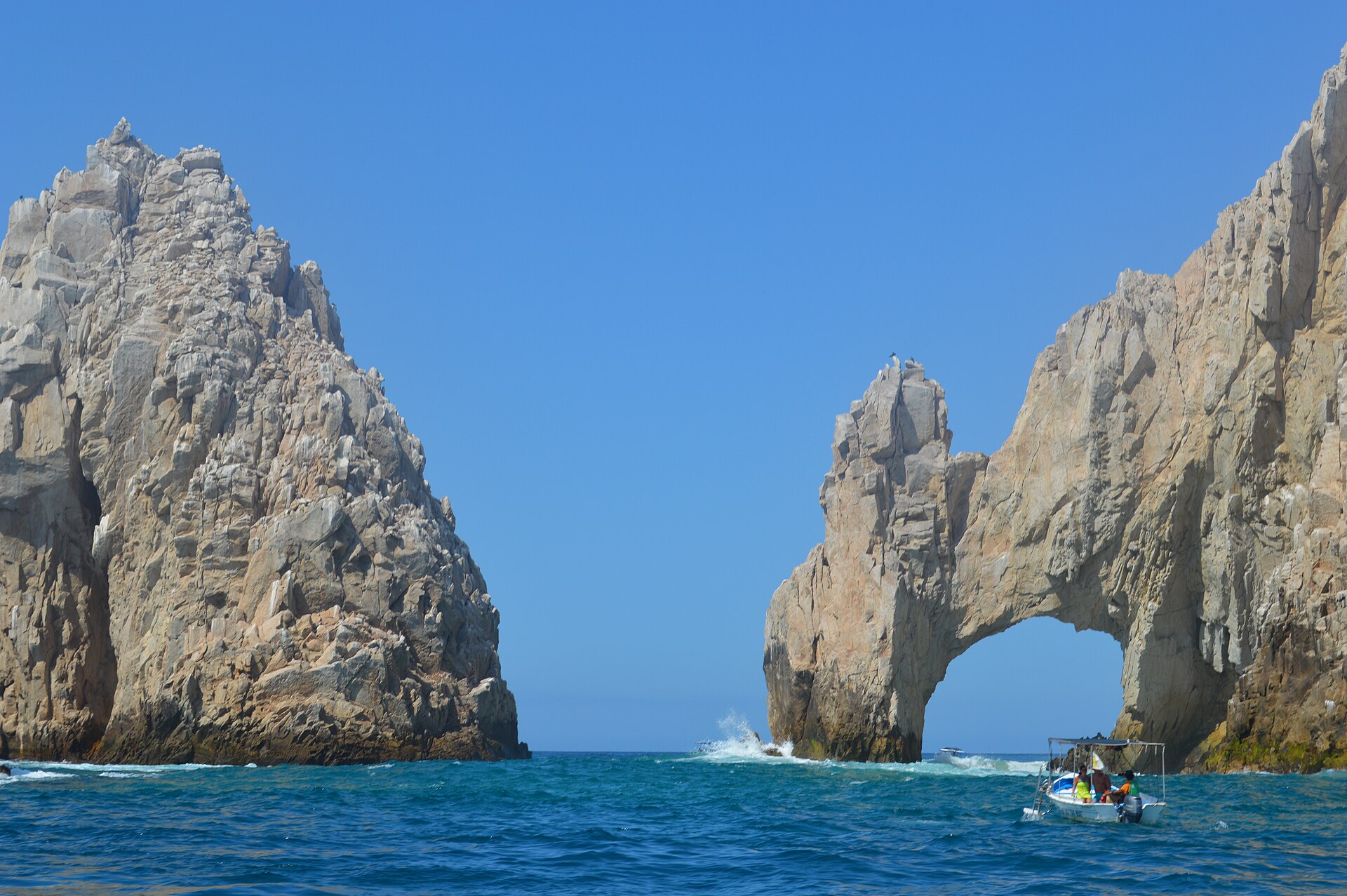
Mexico’s Pacific side, including Cabo San Lucas and the Puerto Vallarta area, also shines in the November to May window, with warm, dry, sunny days and lower humidity than the Caribbean.
The Pacific has its own headline event: whale watching. Humpback whales migrate to the waters around Puerto Vallarta and Los Cabos roughly from December to March, and gray whales gather in the Baja lagoons in the same window, making winter the prime time for one of the best wildlife experiences in the country. Cabo can see the occasional Pacific hurricane in late summer and fall, so the same low-season caution applies as on the Caribbean side.
Best Time to Visit Central Mexico and the Colonial Cities
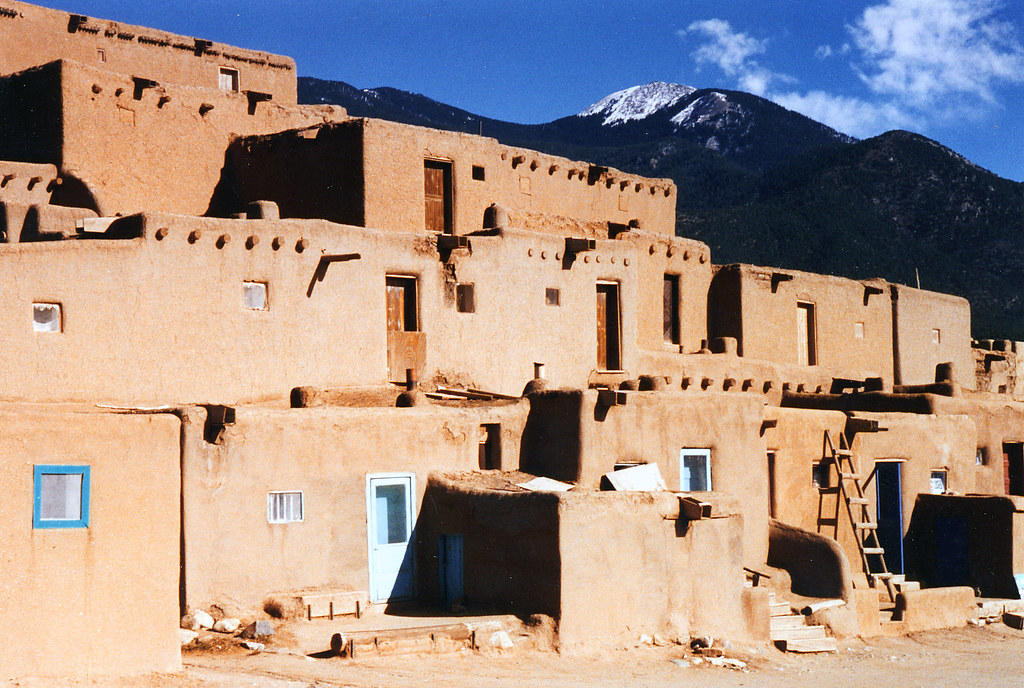
Here is where the altitude rule flips the script. Mexico City, Oaxaca, Guanajuato, and San Miguel de Allende all sit high in the mountains, so they stay mild year-round, warm days and cool-to-cold evenings, with far less brutal heat than the coasts even in summer.
The best time to visit the highlands is still the dry season (November to April) for the most reliable sunshine, but these cities are genuinely a year-round option, and the summer “rainy” season here is mostly pleasant, with warm days and short evening showers. If crowded beaches are not your goal, central Mexico is a fantastic warm-weather escape when the coasts are at their most humid.
When to Go for Fewer Crowds and Lower Prices
If your priority is value, aim for the low and shoulder seasons: May, June, September, and October. Prices on flights and hotels drop noticeably, popular sites are quieter, and you will have more room to breathe at the big attractions. The tradeoff is heat, humidity, and rain, plus hurricane risk on the coasts in the later months.
The genuine best-of-both-worlds picks, in our experience, are late April to May and November, when you catch dry-season weather with off-peak prices and crowds. For a full walkthrough of building a trip around these windows, see our how to plan a trip to Mexico guide.
Events and Festivals Worth Planning Around
Timing your trip to a great event can make it unforgettable:
Day of the Dead (Día de los Muertos), November 1 to 2, is one of the most moving and beautiful celebrations in the world, especially in Oaxaca and Mexico City. Book early, because it draws big crowds.
Whale season (December to March) on the Pacific and in Baja is prime time for humpback and gray whale watching.
Whale shark season (roughly June to September) near Cancun and Isla Mujeres lets you snorkel alongside the ocean’s gentle giants.
Semana Santa (Holy Week, late March or April) is a major domestic holiday with festive processions, but also packed beaches and higher prices, so plan around it accordingly.
Guelaguetza (July) in Oaxaca is a spectacular showcase of indigenous culture, dance, and food.
Where to Book Your Mexico Trip
Once you have picked your window, the timing has a direct effect on how you book. In the peak dry season, and especially around the December holidays, spring break, and Semana Santa, the best-value hotels and the most popular tours sell out weeks or even months ahead, so booking early genuinely saves you money and stress. In the low season, the opposite is true, and last-minute deals abound, but you will want the flexibility to move if a storm rolls in.
We book our Mexico hotels through Booking.com because the free-cancellation options let us lock in a good rate early and still adjust if the forecast or our plans change. You can compare hotels in Cancun and the Riviera Maya on Booking.com here, the region where seasonal timing (and demand) matters most.
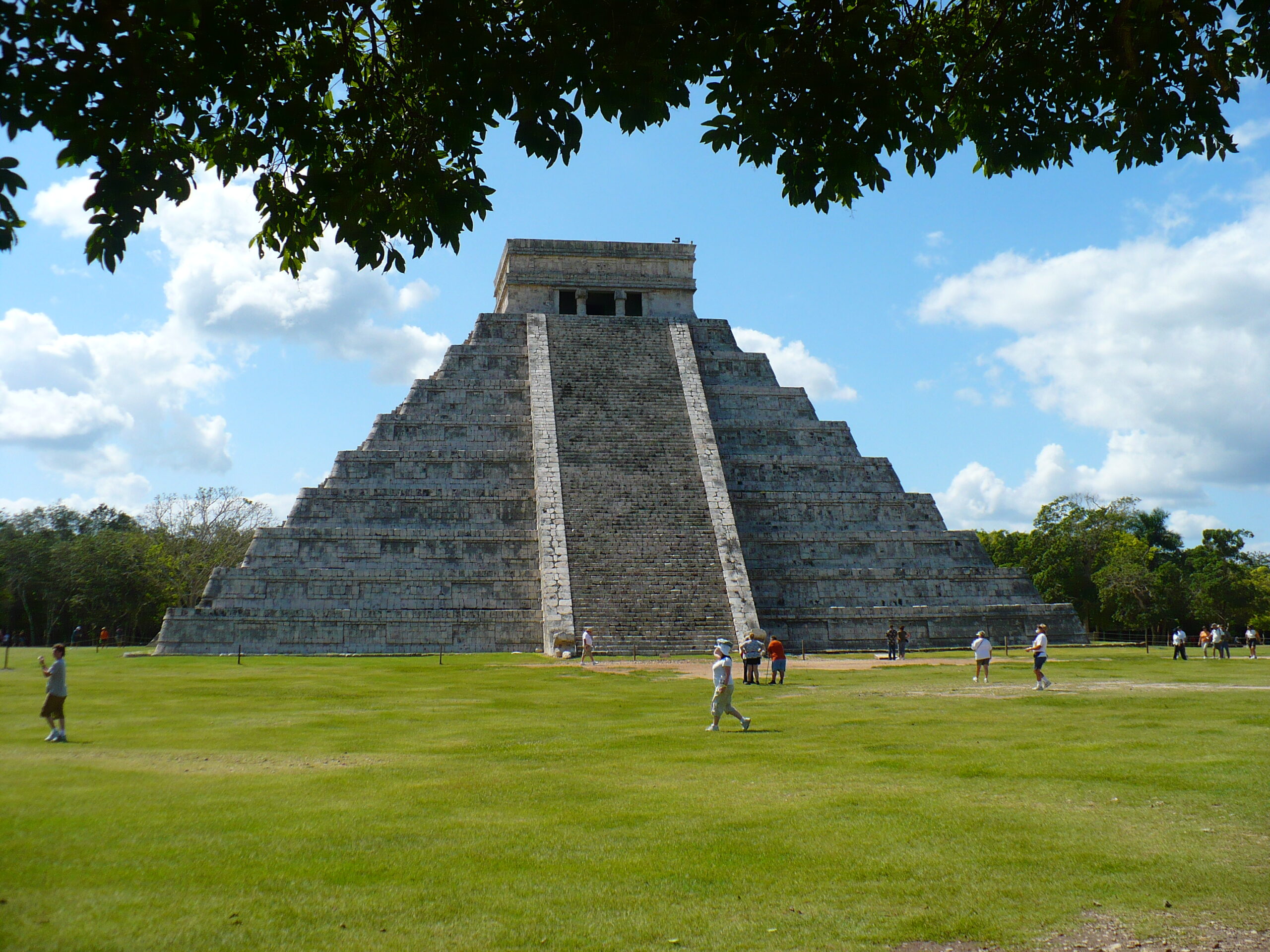
For tours, cenote trips, whale watching, and day trips to the Mayan ruins, we use Viator for the flexible cancellation and verified reviews, which is exactly what you want when the weather is variable. Browse Cancun and Riviera Maya tours on Viator and reserve the popular ones ahead of your dates.
When Should You Go to Mexico?
If we had to pick one answer, we would say aim for November or April for the best mix of great weather, manageable crowds, and reasonable prices almost anywhere in the country. Come in the deep dry season (December to March) for guaranteed beach sunshine and whale watching, if you do not mind peak prices and crowds. And do not be scared off the low season entirely, because with a flexible attitude, a close eye on the forecast, and good insurance, the shoulder months deliver real savings.
The beauty of Mexico is that there is no single right answer. Match the season to the region and the experience you want, whether that is turquoise Caribbean water, a whale off the bow in Baja, or a cool colonial-city evening, and you will find that some corner of Mexico is always calling at exactly the right time.
Ready to start planning? Do not miss our how to plan a trip to Mexico guide, our breakdown of how much a trip to Mexico costs, and our Cancun travel guide for the country’s most popular beach base.
Keep Reading