Disclosure: This post contains affiliate links. If you book through our links, we may earn a small commission at no extra cost to you. Thanks for supporting Faceted Travel!
Table of Contents
Mexico was the first country outside the US we ever visited together, and more than a decade and a dozen trips later it is still our go-to when we want big value, warm water, and a short flight. But “Mexico” is not one trip. It is beach towns and colonial cities, jungle cenotes and desert coastlines, all-inclusive resorts and taco stands, and the single biggest mistake first-timers make is treating it like a single destination instead of choosing the right slice of it.
The good news is that planning a Mexico trip is genuinely easy once you break it into steps. We have done the budget beach version, the splurgy resort version, and the culture-and-food version, and the framework below is exactly how we sort it out every time.
Here is our step-by-step guide to planning a trip to Mexico, from picking a region to booking the flights to handling the practical details nobody tells you about.
Step 1: Pick Your Region (This Is the Big Decision)
Mexico is enormous and wildly varied, so the first and most important step is deciding what kind of trip you want. Choose the region first, and everything else falls into place. Here are the four areas most travelers should consider.
The Riviera Maya (Cancun, Playa del Carmen, Tulum)
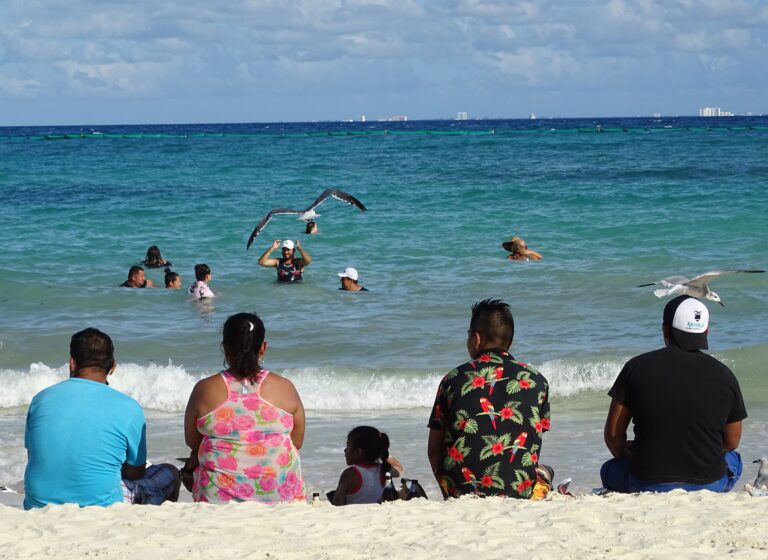
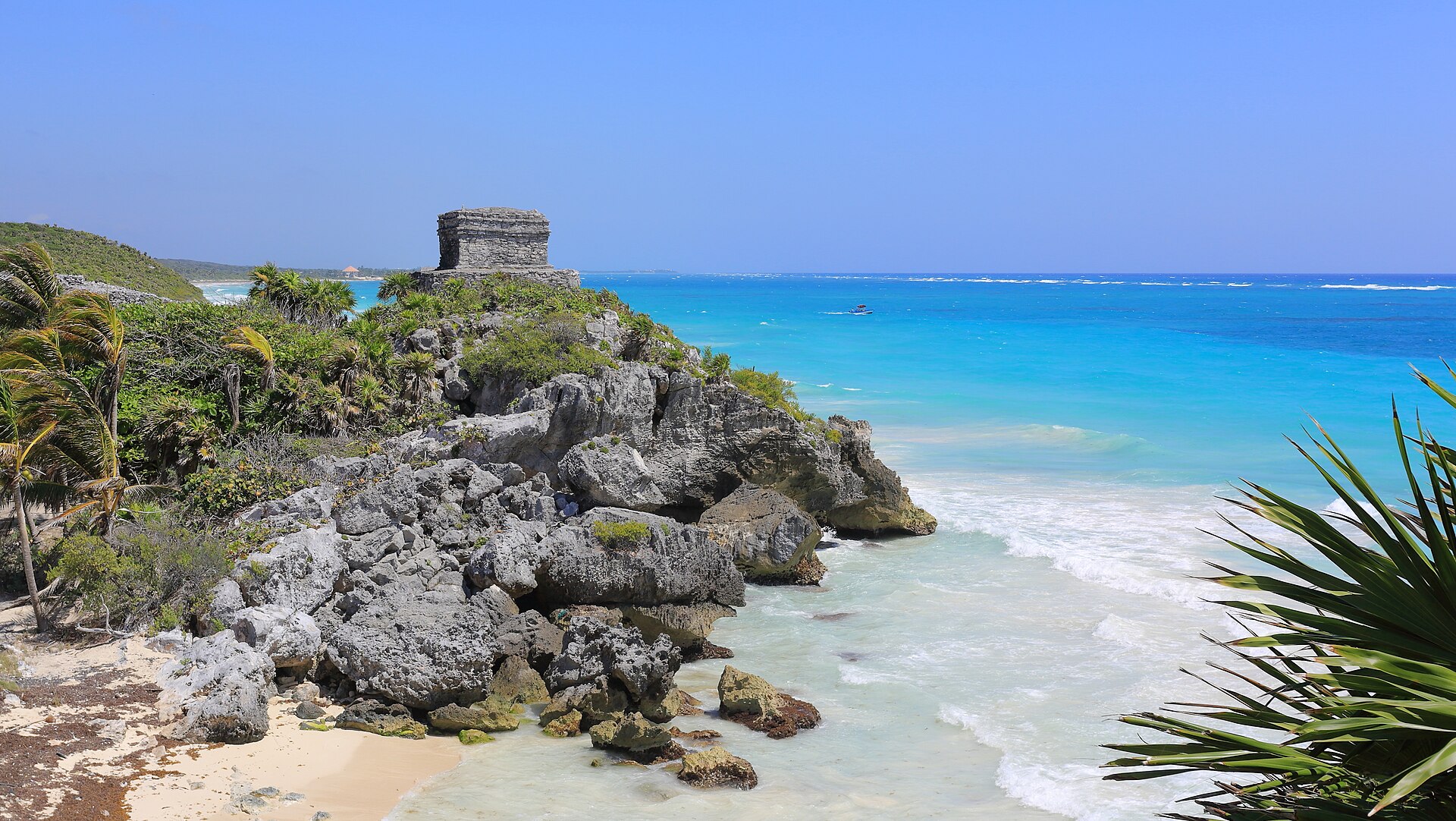
The Caribbean coast of the Yucatán Peninsula is the most popular region for first-timers, and for good reason: turquoise water, white sand, easy direct flights, and the biggest concentration of resorts in the country. Cancun is the gateway, with the famous Hotel Zone and the busiest airport. Just south, Playa del Carmen is a walkable beach town with a lively main street, and further down the coast, Tulum trades big resorts for boho beach clubs, cliffside ruins, and jungle cenotes.
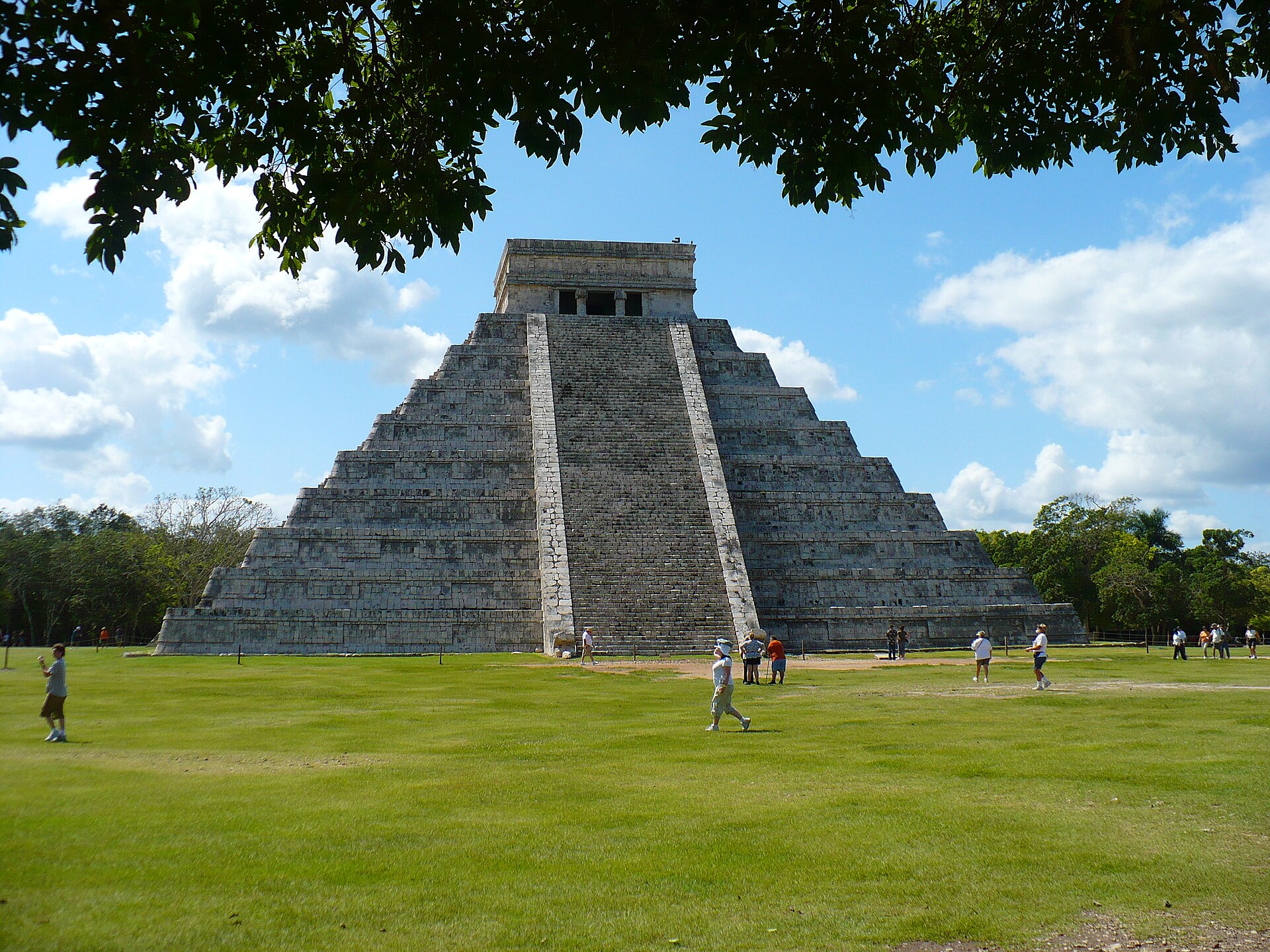
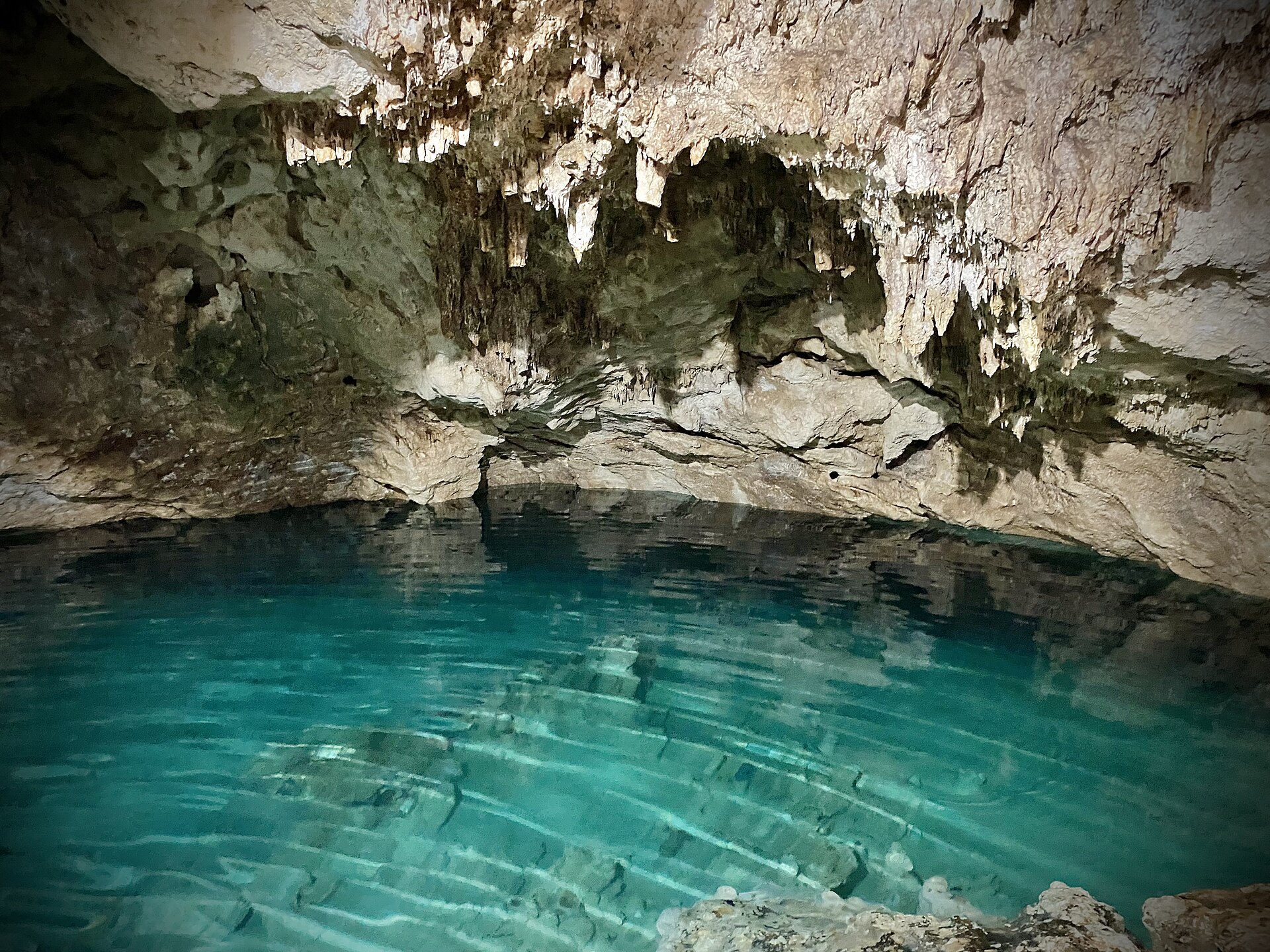
This region is also your base for Mayan ruins (Chichén Itzá, Cobá, Tulum), swimming in cenotes, and island-hopping to Isla Mujeres and Cozumel. If you want a classic beach-and-resort trip with the option to add culture, start here.
Los Cabos (Baja California Sur)
At the tip of the Baja peninsula, Cabo San Lucas offers a completely different landscape: dramatic desert meeting the sea, the iconic El Arco rock formation, sport fishing, whale watching in winter, and a buzzing nightlife-and-golf scene. The water here is cooler and rougher (much of the main beach is not swimmable), so Cabo is more about scenery, boat trips, and resorts than lounging in calm surf. It is a favorite for travelers from the western US thanks to short flights from California.
Puerto Vallarta and the Pacific Coast
On the mainland Pacific side, Puerto Vallarta blends a charming old town (the Zona Romántica) with a walkable seaside malecón, great food, and warm, swimmable water. Nearby Sayulita brings a laid-back surf-town vibe. This coast feels more authentically Mexican than the Riviera Maya’s resort strip, and it is our pick for travelers who want beach time plus a real sense of place.
Mexico City and the Colonial Interior
If your idea of a great trip is world-class food, museums, markets, and history rather than beaches, skip the coast entirely and head to Mexico City, one of the great capitals of the world, with day trips to the pyramids of Teotihuacán and colonial gems like Oaxaca, Guanajuato, and San Miguel de Allende. This is a different, deeper Mexico, and it deserves its own trip.
Step 2: Decide When to Go
Mexico’s beach regions have a clear high and low season, and knowing the difference saves you money and misery.
Peak season (December to April) brings dry, sunny, warm-not-scorching weather to the coasts, which is why it is the busiest and priciest time. If you want guaranteed beach weather and are visiting from a cold climate, this is the window, but book early and expect crowds, especially around the holidays, spring break, and Easter (Semana Santa).
Shoulder season (May and November) is our favorite. You get mostly great weather, thinner crowds, and noticeably lower prices, with only a small gamble on rain.
Low season (June to October) is hot, humid, and the rainy/hurricane season, with the highest risk in September and October. The upside is real: the lowest prices of the year, lush green landscapes, and empty beaches. Rain often comes as short afternoon storms rather than all-day washouts, so it is more doable than people think, but travel insurance matters more this time of year.
Step 3: Set Your Budget
Mexico can be a backpacker’s paradise or a luxury blowout, so pin down your budget early. The three big line items are flights, lodging, and food/activities. A budget beach trip staying in local hotels and eating at taco stands can run well under one hundred dollars a day per person, while a high-end all-inclusive or a boutique Tulum resort can run several hundred dollars a night.
We wrote a full breakdown with real numbers in our guide to how much a trip to Mexico costs, which walks through sample budgets for budget, mid-range, and luxury travelers. Read that before you book anything, because it will shape every other decision.
Step 4: Resort, Hotel, or Both?
This is where Mexico trips really diverge, and there is no wrong answer, only what fits your trip.
All-inclusive resorts are hugely popular in the Riviera Maya and Los Cabos for a reason. You pay one price and everything (food, drinks, pools, activities) is covered, which makes budgeting easy and vacationing effortless. They are especially great for families, groups, and anyone who wants to fully switch off. Our guide to the best all-inclusive resorts in Mexico for families is a good starting point.
Boutique hotels and local stays give you a more authentic, flexible trip, let you eat at the incredible restaurants outside the resort walls, and often cost less. This is our usual style in Puerto Vallarta and Playa del Carmen.
A blend is what we often do on longer trips: a few nights at a resort to relax, then a few nights at a hotel in town to explore. It gives you the best of both.
Step 5: Book Your Flights
Mexico is one of the most flight-accessible international destinations from the US and Canada, with direct routes to Cancun, Cabo, Puerto Vallarta, and Mexico City from dozens of cities. A few tips from our own booking habits:
Fly into the airport that matches your region (Cancun for the Riviera Maya, SJD for Los Cabos, PVR for Puerto Vallarta, MEX for the capital). Book two to four months ahead for the best fares in peak season. Use fare alerts and stay flexible on dates, since midweek flights are almost always cheaper. And remember that Cancun in particular is a fare-war airport, so deals pop up constantly if you watch for them.
Step 6: Plan Your Tours and Activities
Half the fun of Mexico is what you do beyond the beach. Depending on your region, that might mean snorkeling a cenote, touring Chichén Itzá, taking a catamaran to Isla Mujeres, whale watching off Cabo, zip-lining through the jungle, or joining a food and tequila tour.
We book the big-ticket excursions in advance so we are not scrambling on arrival, and we lean on Viator for the flexible cancellation and verified recent reviews, which matter a lot for weather-dependent activities. You can browse Mexico tours and excursions on Viator here and reserve the popular ones (cenote tours, Chichén Itzá day trips, and sunset cruises sell out) before you go.
Step 7: Handle the Practical Stuff
A few essentials that trip up first-timers:
Passport: US and Canadian citizens need a valid passport to fly to Mexico. Make sure yours is not close to expiring.
Money: The currency is the Mexican peso. Cards are widely accepted at resorts and larger businesses, but carry pesos for taxis, tips, markets, and small vendors. Withdraw from bank ATMs rather than the airport currency counters for better rates.
Tipping: Tipping is customary and appreciated, generally ten to fifteen percent at restaurants (check whether service is already included) and a bit for housekeeping, bartenders, and guides.
Water: Stick to bottled or filtered water, which is the norm even for many locals. Resorts and good hotels provide it.
Safety: Millions of travelers visit Mexico’s tourist regions safely every year. Stick to well-traveled areas, use hotel-arranged or reputable transport, do not flash valuables, and check current government travel advisories for your specific state before you go.
Travel insurance: We never skip it for Mexico, especially in hurricane season or if we have booked activities. It covers trip cancellation, medical care, and the occasional weather curveball. Here is how we think about coverage in our guide to whether travel insurance is worth it.
Where to Book
For lodging, we use Booking.com for its huge Mexico inventory and free-cancellation options, which let us lock in a room while we finalize plans. You can compare Mexico hotels and resorts on Booking.com here.
For tours, excursions, and day trips, we use Viator for the flexible cancellation and real reviews. Browse Mexico activities on Viator and book the popular ones ahead of time.
Sample Mexico Itineraries
The classic beach week (Riviera Maya): Fly into Cancun, split your time between a resort and a few nights in Playa del Carmen or Tulum, and mix beach days with a cenote swim and one Mayan ruins day trip.
The Pacific culture-and-beach trip: Fly into Puerto Vallarta, stay in the Zona Romántica, and blend beach time with old-town food, the malecón, and a day trip to Sayulita.
The scenery-and-adventure escape (Los Cabos): Fly into Cabo, base yourself at a resort along the corridor, and fill your days with a boat trip to El Arco, whale watching (in winter), and desert-meets-sea views.
The deep-culture trip (no beach): Fly into Mexico City, spend several days on food, museums, and markets, and day-trip to Teotihuacán before adding Oaxaca or Guanajuato.
Final Thoughts
The secret to a great Mexico trip is not a secret at all: pick the right region for the trip you actually want, go in the right season for your budget, and book the big pieces early. Do that, and Mexico consistently delivers more sunshine, flavor, and value per dollar than almost anywhere else within easy reach of North America.
We keep going back because Mexico keeps surprising us, from a plate of tacos al pastor in a Playa side street to a silent float in a jungle cenote to a whale breaching off the Cabo coast. Figure out which version of Mexico is calling you, and start planning. You will not regret it.
Ready to dig into specifics? Do not miss our guides to Cancun and Tulum for the Riviera Maya, Cabo San Lucas for Baja, and our full breakdown of how much a trip to Mexico costs to nail your budget.
Keep Reading