3 days in amsterdam — we’ve been researching and testing travel strategies for years, and this guide covers everything you need to know. This post contains affiliate links. If you book or buy something through our links, we may earn a small commission at no extra cost to you. Thanks for supporting Faceted Travel!
Table of Contents
- Before You Arrive: What to Know About Amsterdam
- Day 1: The Canals, the Jordaan, and the Anne Frank House
- Day 2: Museums, Markets, and the Museum Quarter
- Day 3: Day Trip to Zaanse Schans or More of the City
- Where to Stay in Amsterdam
- Getting Around Amsterdam
- Where to Book Your Amsterdam Trip
- Amsterdam Tips We Wish We’d Known
Table of Contents
- Before You Arrive: What to Know About Amsterdam
- Day 1: The Canals, the Jordaan, and the Anne Frank House
- Day 2: Museums, Markets, and the Museum Quarter
- Day 3: Day Trip to Zaanse Schans or More of the City
- Where to Stay in Amsterdam
- Getting Around Amsterdam
- Where to Book Your Amsterdam Trip
- Amsterdam Tips We Wish We’d Known
Table of Contents
- Before You Arrive: What to Know About Amsterdam
- Day 1: The Canals, the Jordaan, and the Anne Frank House
- Day 2: Museums, Markets, and the Museum Quarter
- Day 3: Day Trip to Zaanse Schans or More of the City
- Where to Stay in Amsterdam
- Getting Around Amsterdam
- Where to Book Your Amsterdam Trip
- Amsterdam Tips We Wish We’d Known
Three days in Amsterdam is exactly enough time to fall completely in love with this city — and start planning your return trip. We’ve done Amsterdam twice now, and both times it delivered in that specific way that only the best European cities do: beautiful on every canal, endlessly walkable, with food and culture that keep surprising you around every corner.
This itinerary is practical and honest. We’re going to skip the tourist traps, point you to the neighborhoods worth your time, and help you make the most of a long weekend in one of Europe’s most beloved destinations.
Before You Arrive: What to Know About Amsterdam
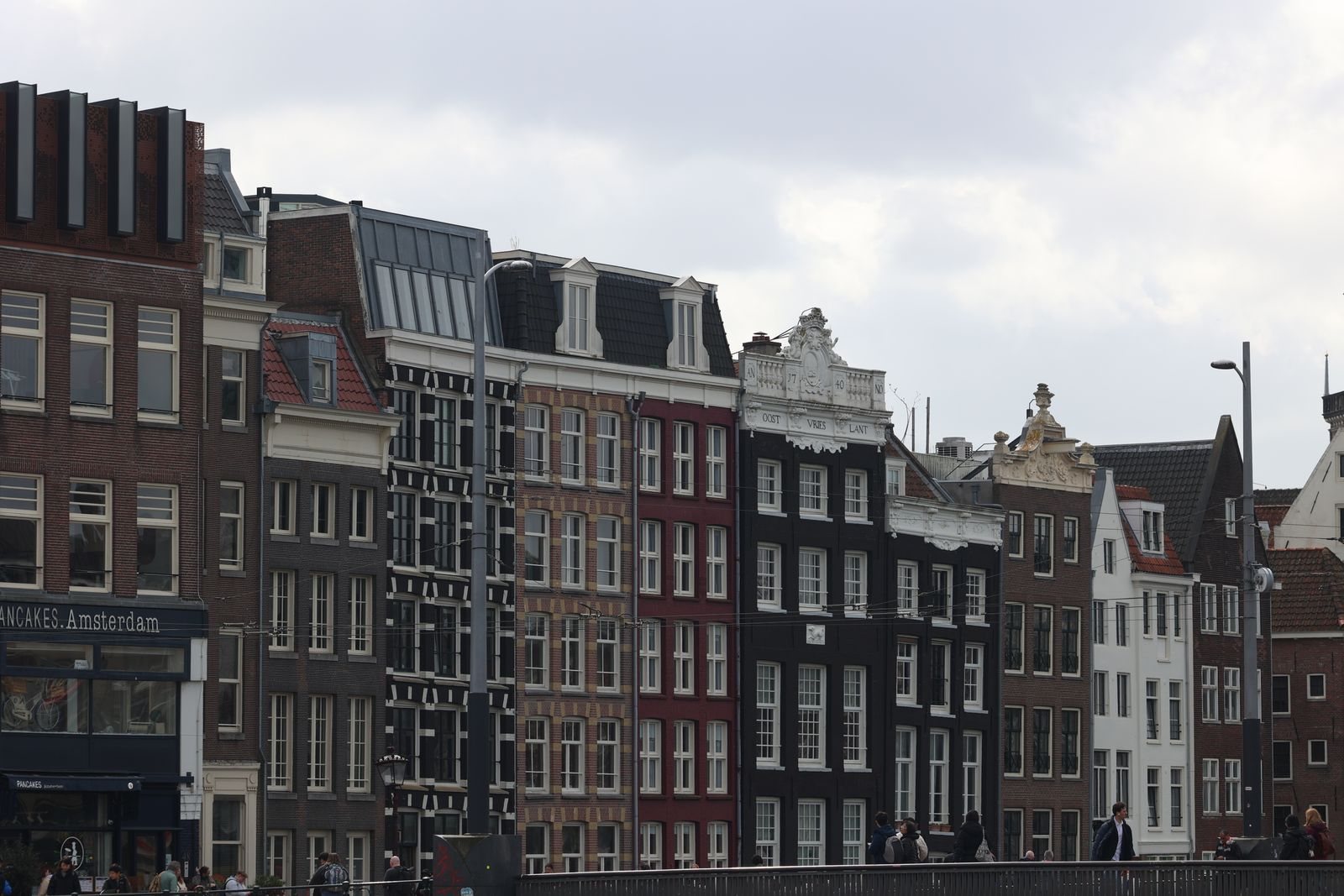
Amsterdam is a small city by European standards, and most of the top sights are walkable or a short tram ride apart. The famous canal ring (the UNESCO-listed Grachtengordel) is the heart of the city. The neighborhoods you’ll spend most of your time in are the Jordaan, the Museum Quarter, De Pijp, and the Old Center.
A few things to know before you go: bikes are everywhere and they have the right of way — watch your step when crossing bike lanes. Cannabis coffee shops are legal and common, but you don’t have to engage with them. The city is much smaller than its reputation suggests, and most things are accessible on foot once you’re oriented.
Day 1: The Canals, the Jordaan, and the Anne Frank House
Morning: Jordaan Neighborhood Walk
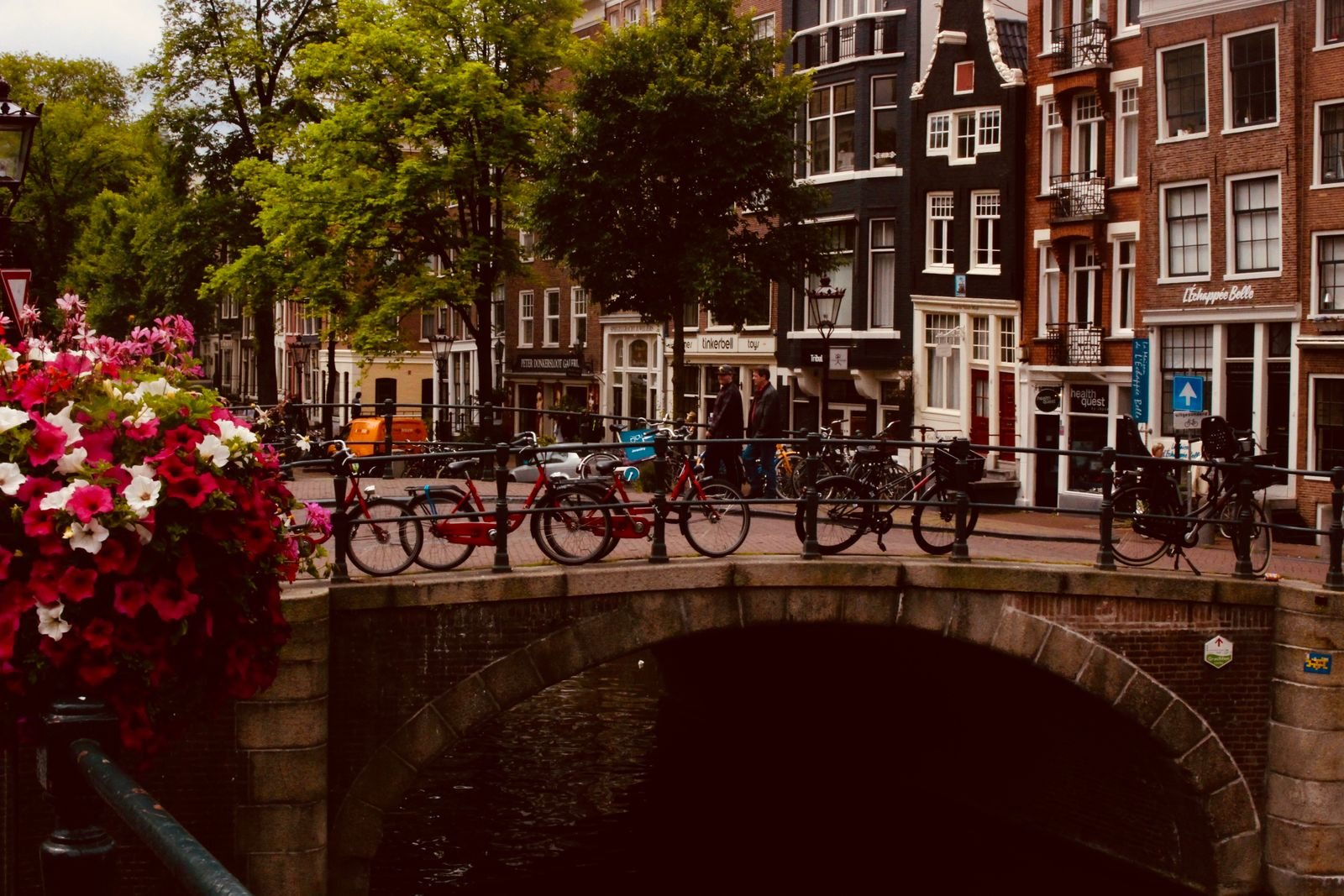
Start your Amsterdam trip in the Jordaan, the most beautiful neighborhood in the city. This former working-class district is now a charming maze of narrow streets, independent boutiques, brown cafés (Dutch pubs), and some of the prettiest canal views in the city. Walk along Bloemgracht and Egelantiersgracht for the best scenery — these are quieter than the main canals and feel genuinely local.
Stop for coffee at one of the many independent cafés along the way. Jordaan is the kind of neighborhood where you can spend two hours just wandering and looking at buildings, and that’s entirely the point.
Midday: Anne Frank House
The Anne Frank House is one of the most moving museum experiences in all of Europe, and it’s non-negotiable on a first visit to Amsterdam. Walk through the secret annex where Anne Frank and her family hid for over two years during the Nazi occupation. It’s quiet, intimate, and genuinely powerful.
Book tickets in advance — they sell out weeks ahead. This is the one thing you absolutely must not leave to chance. Tickets are available at annefrank.org. Morning slots tend to be slightly less crowded than afternoons.
Afternoon: Canal Boat Tour
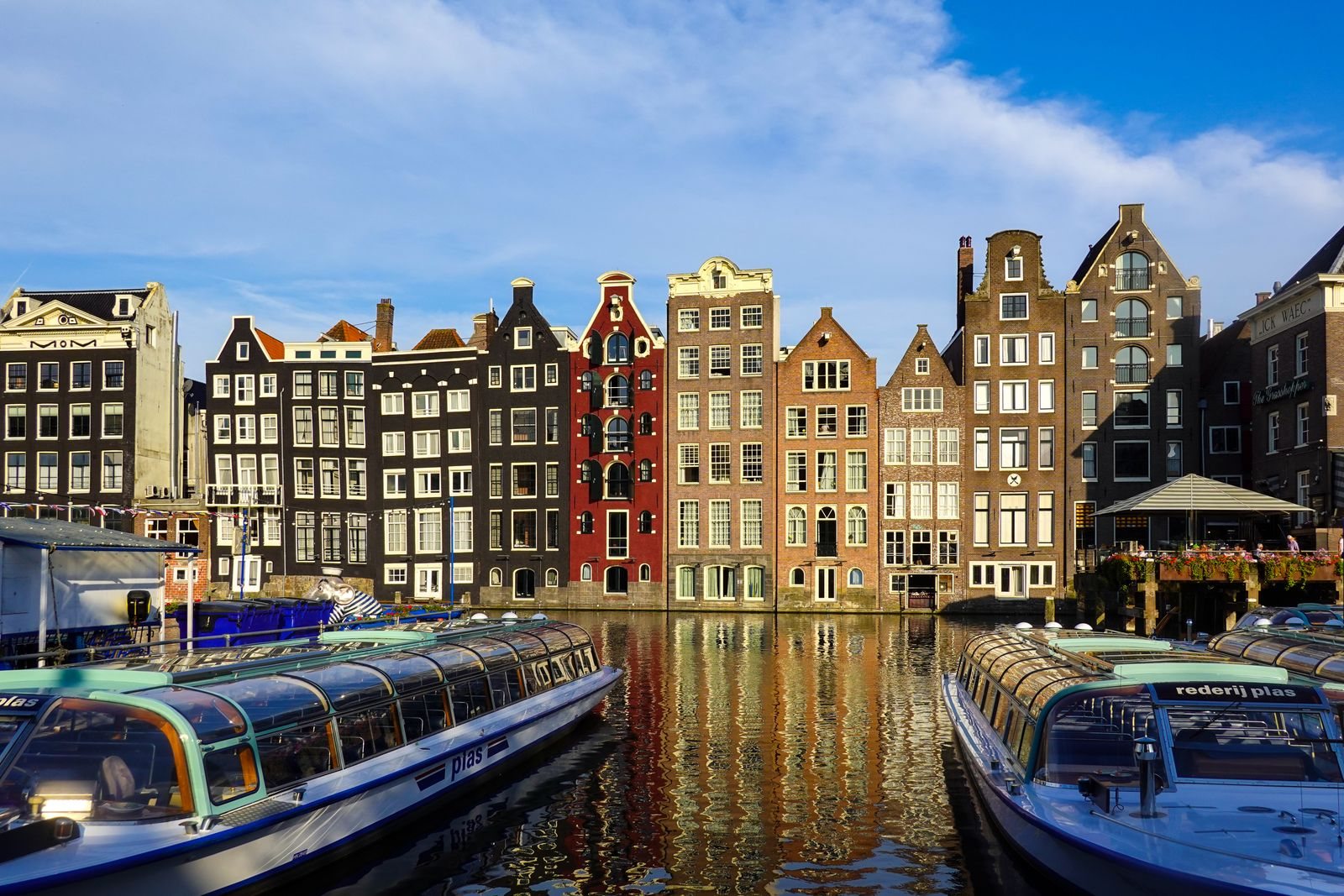
After the emotional weight of the Anne Frank House, a canal boat tour is the perfect reset. There’s no better way to understand Amsterdam’s layout, appreciate the historic architecture from the water, and simply relax after a morning of walking. The city looks completely different from the canals.
Book a guided canal tour through Viator’s Amsterdam canal tour selection — they have everything from classic boat tours to dinner cruises to private options. The 1-hour classic tours are perfect for a first day.
Evening: De Pijp for Dinner
Head to De Pijp for the evening — Amsterdam’s most vibrant neighborhood for food. Albert Cuypmarkt (open daily except Sunday) is a great afternoon stop if your timing lines up. For dinner, the streets around Ferdinand Bolstraat are packed with options. Bazar Amsterdam is a great choice for a festive atmosphere and Middle Eastern-inspired food at reasonable prices.
Day 2: Museums, Markets, and the Museum Quarter
Morning: Rijksmuseum or Van Gogh Museum
Amsterdam has two world-class art museums side by side in the Museum Quarter, and on a 3-day trip you should pick one for a proper deep dive rather than rushing through both.
The Rijksmuseum is the Dutch national museum — enormous, stunning, and home to Rembrandt’s Night Watch and Vermeer’s masterpieces. Budget 2–3 hours minimum. The Van Gogh Museum is smaller but equally excellent, tracing Van Gogh’s life and work in chronological order. It’s more emotionally engaging and better for non-museum people.
Both require advance booking. Book through the museum websites or via Viator for skip-the-line museum tickets.
Afternoon: Vondelpark and the Leidseplein
After the museum, walk through Vondelpark — Amsterdam’s version of Central Park, with locals picnicking, cycling, and generally enjoying life. It’s a lovely afternoon break from art and architecture. From Vondelpark, the Leidseplein is a 10-minute walk: a lively square with street performers, cafés, and easy restaurant options for a late lunch or early dinner.
Evening: Brown Café Culture
Amsterdam’s brown cafés (bruine kroegen) are the soul of local nightlife — dark, wood-paneled pubs serving Dutch beers and jenever (Dutch gin) that have been open for centuries in some cases. In’t Aepjen on Zeedijk is one of the oldest bars in Amsterdam (1519). Café ‘t Smalle in the Jordaan is another classic. Spending an evening pub-hopping between brown cafés is one of the most authentically Amsterdam things you can do.
Day 3: Day Trip to Zaanse Schans or More of the City
Option A: Day Trip to Zaanse Schans (Windmills)
If you’ve covered the main city highlights, day 3 is perfect for the Zaanse Schans windmill village, about 20 minutes by train from Amsterdam Centraal. This open-air museum has working windmills, traditional Dutch craftspeople, wooden shoe demonstrations, and cheese tastings. It’s touristy — but genuinely beautiful and worth the half-day trip.
You can also book a guided day trip that includes Zaanse Schans plus other Dutch countryside highlights through Viator Amsterdam day trips.
Option B: Old Center and NEMO
Alternatively, spend day 3 exploring the Old Center more deeply. The Red Light District is worth a daytime walk for its architecture (seriously — the canal houses here are extraordinary). The NEMO Science Museum has a rooftop terrace with excellent views over the city. The Flower Market on the Singel canal is a quick but colorful stop.
Where to Stay in Amsterdam
Location matters a lot in Amsterdam. Our recommendations by area:
- Jordaan or Canal Ring: The most beautiful and central option. Walk everywhere. Pricier but worth it for a first visit.
- Museum Quarter / Oud-Zuid: Quieter, upscale, close to the big museums and Vondelpark.
- De Pijp: Vibrant, local feel, excellent food scene. Great value compared to canal-ring hotels.
Search and compare hotels on Booking.com or Expedia. Book early — Amsterdam hotels fill up fast, especially May through September.
Getting Around Amsterdam
Walking is your main mode of transport for central Amsterdam. For longer distances, the tram network is excellent — buy an OV-chipkaart (transit card) at the airport or any train station. Renting a bike is authentic and fun, but navigate carefully: Amsterdam cyclists are fast and the unwritten rules take a day to learn. Uber works in Amsterdam if you want car transport.
Where to Book Your Amsterdam Trip
- Hotels: Booking.com | Expedia
- Canal tours, museum tickets & day trips: Viator Amsterdam
- Anne Frank House tickets: annefrank.org (book directly)
- Flights: See our guide to how to find cheap flights
- Travel insurance: Essential for Europe travel
Amsterdam Tips We Wish We’d Known
- Always look both ways on the bike lanes — cyclists move fast and have right of way
- Book Anne Frank House, Rijksmuseum, and Van Gogh Museum tickets weeks in advance
- The Jordaan on a rainy day is still beautiful — Amsterdam is a year-round city
- Cash is still widely used in traditional brown cafés — carry some euros
- Tap water in Amsterdam is excellent — skip the bottled water
- Spring (April/May) means tulips, but also maximum crowds. September–October is our favorite time to visit
Three days in Amsterdam will leave you wishing you had a fourth — but you’ll have seen the best of it, made memories on the canals, and probably already started thinking about coming back for Keukenhof in the spring or the Christmas markets in December. It’s that kind of city.
Planning resources: For the latest details, visit I Amsterdam – official city tourism, Rijksmuseum official site, and Anne Frank House official site.