Disclosure: This post contains affiliate links. If you book through our links, we may earn a small commission at no extra cost to you. Thanks for supporting Faceted Travel!
Table of Contents
- Why the Lofoten Islands Stole Our Hearts
- Where Exactly Are the Lofoten Islands?
- Best Time to Visit the Lofoten Islands
- How to Get to the Lofoten Islands
- The Best Things to Do in the Lofoten Islands
- Where to Stay in the Lofoten Islands
- What to Eat in Lofoten
- What to Pack for the Lofoten Islands
- Where to Book Your Lofoten Trip
- Final Thoughts on the Lofoten Islands
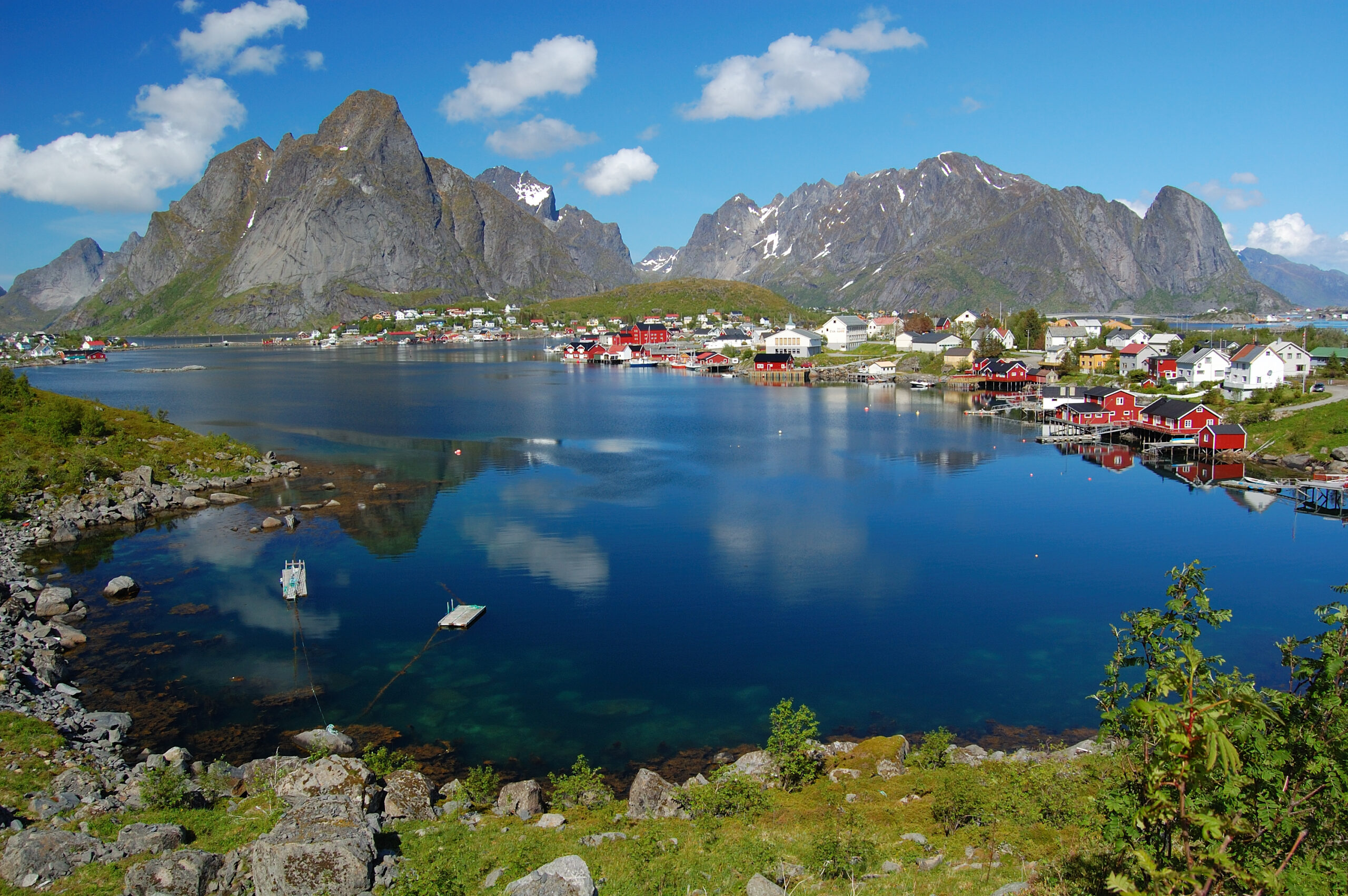
The first time we rounded a bend on the E10 highway and saw the village of Hamnoy, with its red fishing cabins tucked under a wall of jagged black peaks, we both actually gasped out loud. The Lofoten Islands are the kind of place that looks photoshopped in pictures and then somehow looks even better in person.
We spent nine days road tripping this Arctic archipelago, and it immediately jumped onto our short list of the most beautiful places we have ever set foot. If you are dreaming of dramatic mountains rising straight out of the sea, beaches that look tropical until you dip a toe in the freezing water, and tiny villages where cod dries on wooden racks in the salt air, this is your guide. Here is everything we learned about visiting the Lofoten Islands, from when to go to where to sleep.
Why the Lofoten Islands Stole Our Hearts
We have chased mountains in a lot of places, but Lofoten is different. The peaks here are not gentle rolling hills. They are sharp granite spires that shoot up 3,000 feet directly from the ocean, so you are standing on a white sand beach one minute and craning your neck at an alpine summit the next.
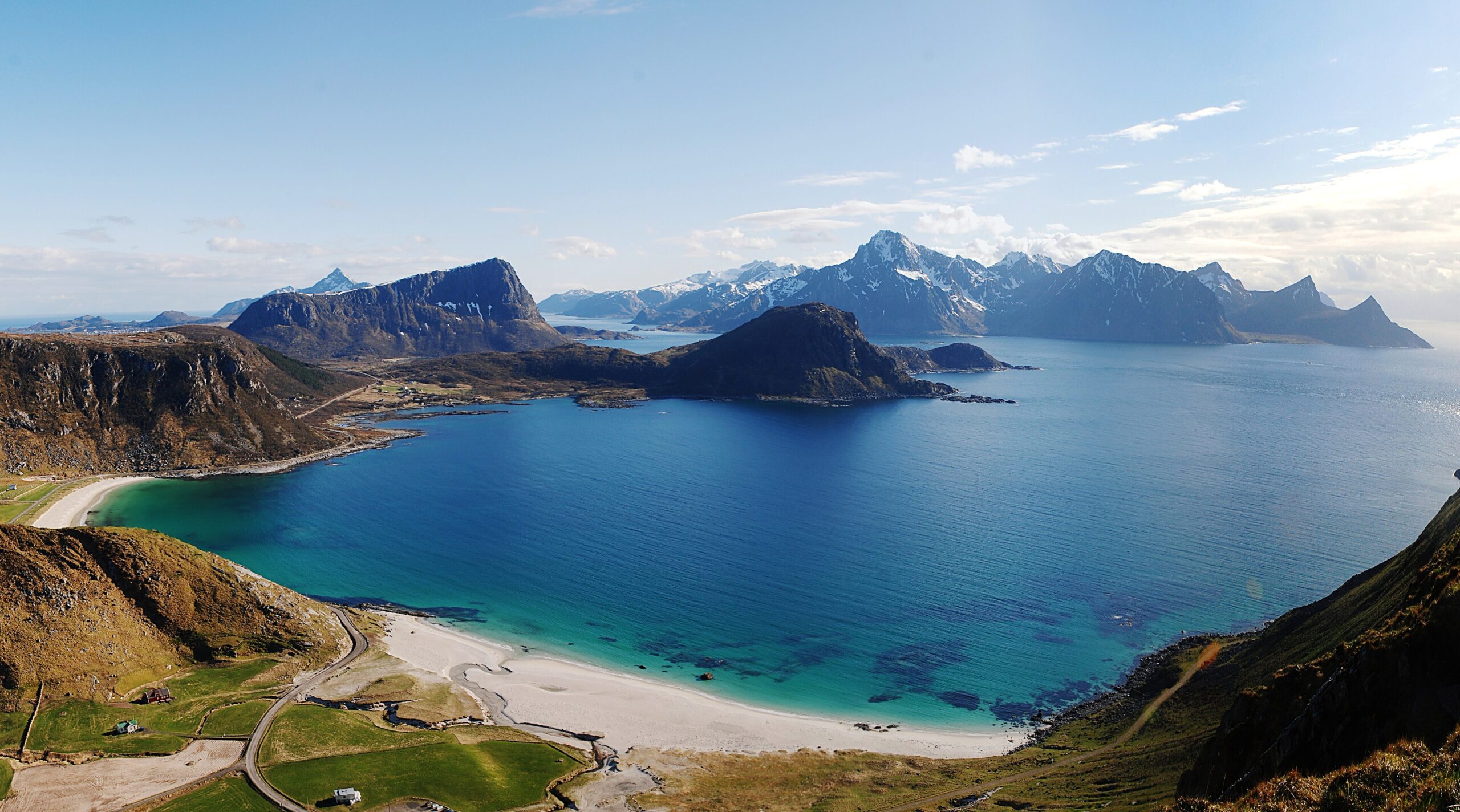
What surprised us most was the color. On a clear day the water glows an unreal shade of turquoise, the grass is electric green, and the cabins are painted that classic Norwegian barn red. It feels almost impossibly vivid. Add in the fact that the islands sit above the Arctic Circle, which means midnight sun in summer and northern lights in winter, and you have a destination that delivers pure magic in every season.
Lofoten is also refreshingly uncrowded compared to the big European hot spots. Even in peak summer, you can find an empty beach or a quiet trailhead if you are willing to drive a few extra minutes. That sense of space is a big part of the appeal.
Where Exactly Are the Lofoten Islands?
The Lofoten Islands are an archipelago in northern Norway, sitting well above the Arctic Circle at around 68 degrees north latitude. Despite being that far north, the Gulf Stream keeps the climate surprisingly mild for the region, so it never gets as brutally cold as you might expect.
The islands are strung together by a single main highway, the E10, connected by a clever series of bridges and tunnels. That means you can drive the entire chain from the town of Svolvaer in the north down to the fishing village of Å at the very tip in about three hours without a break. Of course, you will want to break constantly, because there is a photo op around every corner.
Best Time to Visit the Lofoten Islands
Honestly, there is no bad time to visit Lofoten. There are just very different times, and the right choice depends on what you want to see and do.
Summer and the Midnight Sun
We went in late June, and it was spectacular. From roughly late May through mid July, the sun never fully sets. The midnight sun means you can hike at 11pm in full daylight, which completely rewires your sense of time in the best way. Summer temperatures are mild, usually in the 50s and low 60s Fahrenheit, and all the roads, trails, and boat tours are open. This is the ideal window for hiking, beaches, and long scenic drives.
The tradeoff is that summer is the busy season, so book your accommodation early. It is also when the notorious Lofoten mosquitoes come out, so pack repellent.
Winter and the Northern Lights
Winter, roughly September through March, is the season for aurora hunting. Lofoten sits right under the auroral oval, and on a clear dark night the northern lights can dance directly over those iconic peaks. Winter also brings a moody, snow dusted beauty that photographers dream about.
Winter travel takes more planning, though. Days are extremely short, roads can be icy, and some trails are off limits without proper gear. If you want the aurora with a bit more daylight and milder conditions, late September and October are a sweet spot. For a broader look at timing your continent wide trip, our guide on the best time to visit Europe breaks down the seasons region by region.
How to Get to the Lofoten Islands
Getting to Lofoten is part of the adventure, and there are a few ways to do it.
The fastest option is to fly. Most visitors fly into Bodo or Evenes on the mainland, then either take a short connecting flight to the small airports at Svolvaer or Leknes, or hop on a ferry. The flight from Bodo over to the islands is short and jaw dropping.
We flew into Bodo and took the car ferry across to Moskenes, which drops you right at the scenic southern end of the archipelago. Standing on the deck as the peaks rose up out of the sea was one of the highlights of the whole trip.
However you arrive, you will want a rental car. Public transport exists but it is limited, and having your own wheels is the only way to truly explore at your own pace. The drive up from Bergen along Norway’s coast is also epic if you have extra time, and you can pair it with a stop in that gorgeous harbor city (more on that in our Bergen, Norway travel guide).
The Best Things to Do in the Lofoten Islands
We packed a lot into nine days, but even a shorter trip can hit the highlights. Here are the experiences we would not skip.
Hike Reinebringen for the Ultimate View
If you do one hike in Lofoten, make it Reinebringen. This steep climb up a set of Sherpa built stone stairs delivers the postcard view of Reine, with the village and its fjords spread out far below and peaks stretching to the horizon. It is a genuine workout, around 1,500 steps, so wear good shoes and take your time. The reward at the top is unforgettable.
Wander the Villages of Reine and Hamnoy
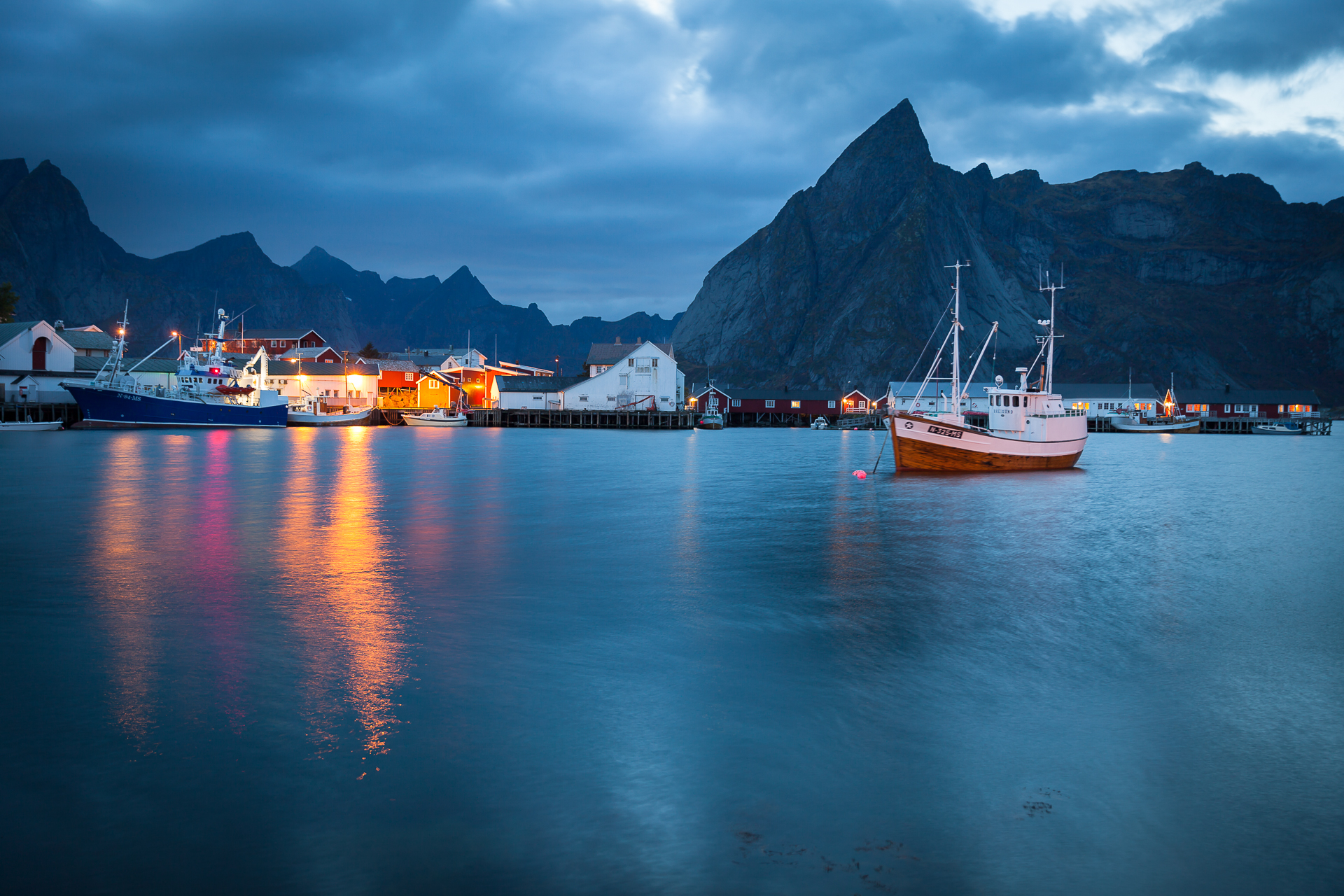
Reine and neighboring Hamnoy are the images you have probably seen on Pinterest a hundred times. Red rorbuer cabins perched on stilts over the water, framed by impossibly dramatic mountains. Spend an evening just walking around, crossing the little bridges, and watching the light change on the peaks. The classic Hamnoy photo is taken right from the bridge on the E10.
Relax on Kvalvika and Haukland Beaches
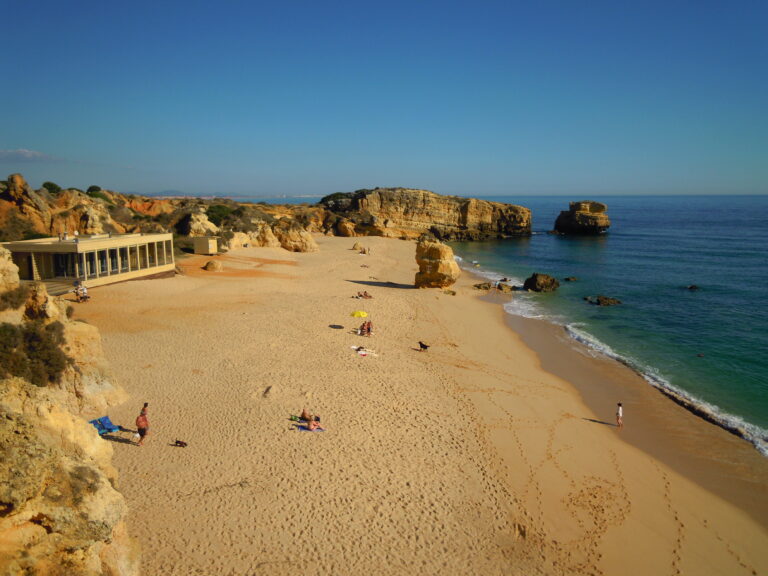
Yes, there are beaches in the Arctic, and they are stunning. Haukland Beach is easy to reach and has that surreal white sand and turquoise water combo. Kvalvika Beach takes a moderate hike to reach, which keeps it wild and quiet. We packed a picnic and spent a whole afternoon at Haukland, and even braved a very quick, very cold swim. Bring a towel and a sense of humor.
Step Back in Time at Å and Nusfjord
At the very southern tip of the road sits the tiny village of Å (yes, that is the whole name, and it is pronounced like “aw”). It is home to a wonderful open air fishing village museum where you can see how Lofoten families lived off the cod trade for centuries. Nusfjord, another beautifully preserved fishing village, is equally worth the detour. These stops add real depth to a trip that is otherwise all about scenery.
Chase the Northern Lights
If you visit in the darker months, aurora hunting is a must. Download an aurora forecast app, drive away from the few town lights, and find a spot with a clear northern view. Watching the sky ripple green over those black peaks is the kind of memory that stays with you forever. Patience and warm layers are key.
Where to Stay in the Lofoten Islands
The quintessential Lofoten experience is sleeping in a rorbu, a traditional red fisherman’s cabin, many of which have been converted into cozy waterfront lodging. Waking up in one of these, with the water lapping right below your window and a mountain filling the view, is worth every krone.
We based ourselves in the Reine and Hamnoy area in the south, which put us close to the most iconic scenery and the best hikes. If you prefer to be nearer to restaurants, shops, and the airport, the Svolvaer and Leknes area in the north is more convenient. Many travelers split their stay, spending a few nights at each end to cut down on driving.
A few tips on lodging. Book far in advance for summer, since the best cabins sell out months ahead. Consider a place with a kitchen, because eating out every night in Norway gets expensive fast. And do not underestimate the value of a water view, since in Lofoten the view is the whole point.
What to Eat in Lofoten
Lofoten is cod country. The islands are famous for stockfish, which is cod air dried on those wooden racks you will see everywhere, then exported around the world. Fresh seafood is the move here. We loved trying local cod dishes, creamy fish soup, and the occasional splurge on king crab.
Groceries are pricey but far cheaper than restaurants, so we cooked a lot of simple meals in our cabin and saved the dining out for a couple of special evenings. Do not leave without trying a cinnamon bun (skillingsbolle) from a local bakery, ideally still warm.
What to Pack for the Lofoten Islands
Lofoten weather is famously changeable, so the golden rule is layers. Even in summer you will want a warm mid layer, a waterproof rain jacket, and sturdy hiking shoes. The weather can swing from sunny to windy and wet within an hour, and being prepared means you never have to cut an adventure short.
Other essentials: a reusable water bottle (the tap water is pristine), a swimsuit if you are brave enough for a beach dip, sunglasses, and in summer, an eye mask so you can actually sleep through the midnight sun. For our full list of gear that survives trips like this, see our roundup of the best travel gear we actually use.
Where to Book Your Lofoten Trip
Ready to start planning? Here is where we book the pieces of a Lofoten trip.
For cabins and hotels, we use Booking.com because it has the widest selection of rorbuer and Lofoten stays, plus flexible cancellation on many properties, which matters when Arctic weather is unpredictable. Reserve early for summer dates.
For guided experiences like sea eagle safaris, fishing trips, aurora tours, and RIB boat rides through the fjords, we book through Viator. Having a local guide handle the logistics for the water based adventures took the guesswork out of some of our favorite days, and you can cancel most tours up to 24 hours ahead.
A quick reminder to sort out travel insurance before an adventure trip like this, since remote hikes and Arctic weather add a little extra risk. Our guide to the best travel insurance for Europe walks through what to look for.
Final Thoughts on the Lofoten Islands
Lofoten is not the easiest place to reach, and it is not the cheapest, but it rewards the effort in a way few destinations do. Between the peaks, the beaches, the red cabins, and that endless Arctic light, it delivered some of the most awe struck moments of our travels. If you have been putting a Norway trip on the someday list, let this be your sign to start planning.
If you are mapping out a bigger Scandinavian or European adventure, you might also enjoy our how to plan a trip to Europe guide, our honest breakdown of how much a trip to Europe costs, and our Bergen, Norway travel guide for the perfect gateway city on your way north. Happy travels, and give Hamnoy an extra look from that bridge for us.
Keep Reading