Disclosure: This post contains affiliate links. If you book through our links, we may earn a small commission at no extra cost to you. Thanks for supporting Faceted Travel!
Table of Contents
- How We Decide What Gear Makes the Cut
- Luggage: The Foundation of Everything
- Clothing and Footwear That Earn Their Space
- Electronics and Power
- Health, Comfort & Organization
- The Small Stuff That Punches Above Its Weight
- Protect the Gear (and the Trip)
- The Gear We Stopped Packing
- How All This Gear Fits Together
- Where to Buy Travel Gear
- Final Thoughts
We have dragged our gear through 30+ countries, and most of what we started with did not survive the journey. What follows is the short list that did: the stuff we actually pack, trip after trip, because it earned its place the hard way.
This is not a roundup of things we found on a bestseller list. Every item here has been rained on, sat on, overstuffed, dropped, or saved a trip outright. We update our own packing around this list every time we fly out of Denver, and it has not let us down yet. Here is the travel gear we genuinely use, why it works, and what we would skip.
How We Decide What Gear Makes the Cut
Our rule is simple: everything has to earn its weight. If an item does not get used on at least two out of three trips, it stays home permanently. After years of travel, three principles guide every purchase we make.
Durability beats price. Cheap gear that fails mid-trip costs more than good gear, in money and in vacation hours spent finding a replacement.
Versatility beats specialization. One jacket that handles rain, wind, and chilly evenings beats three single-purpose layers.
Weight is a tax you pay every day. Every ounce gets carried up stairs in metro stations and down cobblestone streets. Light gear is a gift to your future self.
Luggage: The Foundation of Everything
A Carry-On That Rolls and Takes a Beating
After years of testing, we are committed to hard-shell polycarbonate carry-ons with four spinner wheels. The hard shell protects everything inside, shrugs off rain, and slides through crowded airports without pulling your shoulder out of joint. Look for a TSA-approved lock built into the shell and a compression system inside.
We wrote a full breakdown of our favorite bags in our guide to the best carry-on luggage for frequent flyers, but the short version: buy once, cry once. A quality carry-on lasts a decade.
A Personal Item Backpack That Works as a Daypack
The second piece of our system is a 20 to 25 liter backpack that slides under the airline seat, then converts to our daily explorer bag at the destination. Must-haves: a luggage pass-through sleeve so it rides on top of the roller, a water bottle pocket, and a padded laptop compartment. Bonus points for lockable zippers in pickpocket-heavy cities.
Packing Cubes (The Cheapest Upgrade in Travel)
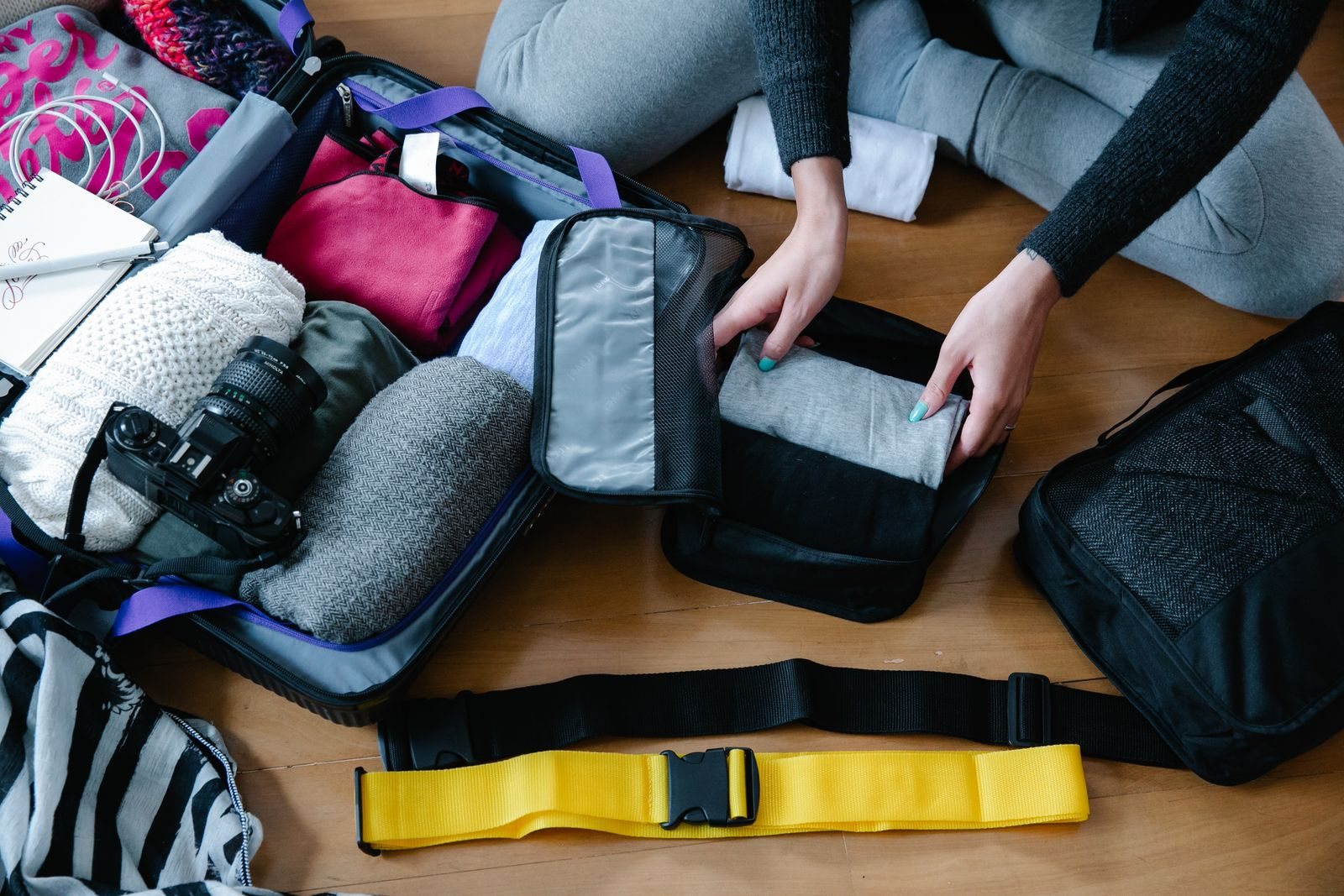
If you take one thing from this post, take this: compression packing cubes changed how we travel. Clothes stay organized by category, the compression zipper buys back a third of your suitcase space, and living out of a bag for two weeks stops feeling like rummaging through a laundry basket. We use them on every single trip, no exceptions. Our ultimate carry-on packing list shows exactly how we organize ours.
Clothing and Footwear That Earn Their Space
Merino Wool Everything
Merino wool shirts and socks are the single biggest clothing upgrade we have made. Merino regulates temperature in heat and cold, dries overnight, and (the real magic) resists odor so well you can wear a shirt three or four times between washes. That is how two people travel three weeks in carry-ons. Yes, merino costs more. It is worth every penny.
One Packable Rain Jacket
A lightweight rain shell that stuffs into its own pocket lives permanently in Todd’s daypack. It has saved us in Ireland, Iceland, Japan, and roughly every third travel day in between. Get one with pit zips for humid climates.
Comfortable Walking Shoes, Broken In Before You Fly
We log 15,000 to 25,000 steps on travel days, and nothing ruins a trip faster than bad shoes. Our formula is one pair of cushioned walking sneakers worn on the plane plus one packable second pair (sandals in warm climates, flats or slip-ons elsewhere). The non-negotiable rule: never bring brand-new shoes on a trip. Break them in for two weeks at home first.
Electronics and Power
A Universal Travel Adapter with USB-C Ports
One quality universal adapter with two or three built-in USB-C ports replaces a pouch full of plugs and wall bricks. Ours handles the UK, Europe, Asia, and Australia in one unit and charges three devices at once from a single outlet, which matters because European hotel rooms seem to hide their outlets behind the bed.
A 10,000+ mAh Power Bank
Your phone is your map, translator, camera, boarding pass, and tickets, and travel days drain it by 2pm. A slim power bank rated at least 10,000 mAh gives two to three full phone charges and has rescued us on long train days, delayed flights, and one very long night in an airport in Bangkok. Remember: power banks must go in your carry-on, never checked luggage.
An AirTag (or Four)
We put a tracker in every bag, checked or not. When an airline misplaced Kimberly’s bag on a connection through Frankfurt, we could see it sitting at the wrong terminal and told the agent exactly where it was. Peace of mind for the price of a nice lunch.
Noise-Canceling Earbuds
Long-haul flights, loud hostels, screaming toddlers in row 14: noise-canceling earbuds handle all of it and take up no space. We each carry a pair, and they are the first thing out of the bag when the seatbelt sign turns on. One tip learned the hard way: pack a cheap wired backup pair too. Earbud batteries die on 11-hour flights, some seatback entertainment systems still want a headphone jack, and losing one earbud in seat cushions over the Atlantic is apparently a thing that happens (twice).
Phone Camera Accessories Instead of a “Real” Camera
Controversial opinion from two people who used to haul a DSLR everywhere: for most travelers, the best camera is the phone already in your pocket, upgraded with two small accessories. A pocket tripod with a phone clamp gets you into your own photos (and unlocks night-mode shots of city skylines that look professional), and a clip-on lens cleaning cloth means the end of hazy photos from a pocket-smudged lens. We finally left the big camera home two years ago. Between the weight savings and the fact that the best camera is the one you actually have out, our trip photos got better, not worse. If you do carry a dedicated camera, a small padded cube inside the daypack protects it better than a bulky dedicated camera bag that screams “expensive gear inside.”
Health, Comfort & Organization
A Filtered or Collapsible Water Bottle
A collapsible silicone bottle weighs nothing, flattens when empty, and refills after security instead of paying $6 airport prices. In countries where tap water is questionable, a filtered bottle pays for itself in about four days of skipped bottled water and keeps plastic out of the ocean.
A Real Toiletry Kit with a Hook
A hanging toiletry kit sounds boring until you meet your first European bathroom with zero counter space. Hook it on the door, everything visible, nothing balanced on the sink edge. Add a handful of solid toiletries (shampoo bars, solid deodorant) to breeze through liquid limits.
A Compact First-Aid and Medicine Pouch
Nothing exotic: pain relievers, anti-diarrheal, antihistamines, band-aids, moleskin for blisters, motion sickness tablets, and any prescriptions in original bottles. Buying medicine in a foreign pharmacy at midnight with a phrasebook is an adventure we recommend avoiding. We restock the pouch the day we get home so it is always flight-ready.
A Travel Document Organizer
One zippered pouch holds passports, vaccination cards, backup credit card, a little emergency cash in US dollars, and photocopies of everything. It lives in the same pocket of the same bag on every trip, so there is never a where-is-my-passport moment at the check-in counter. (There used to be many.)
The Small Stuff That Punches Above Its Weight
A handful of tiny, cheap items do outsized work in our bags.
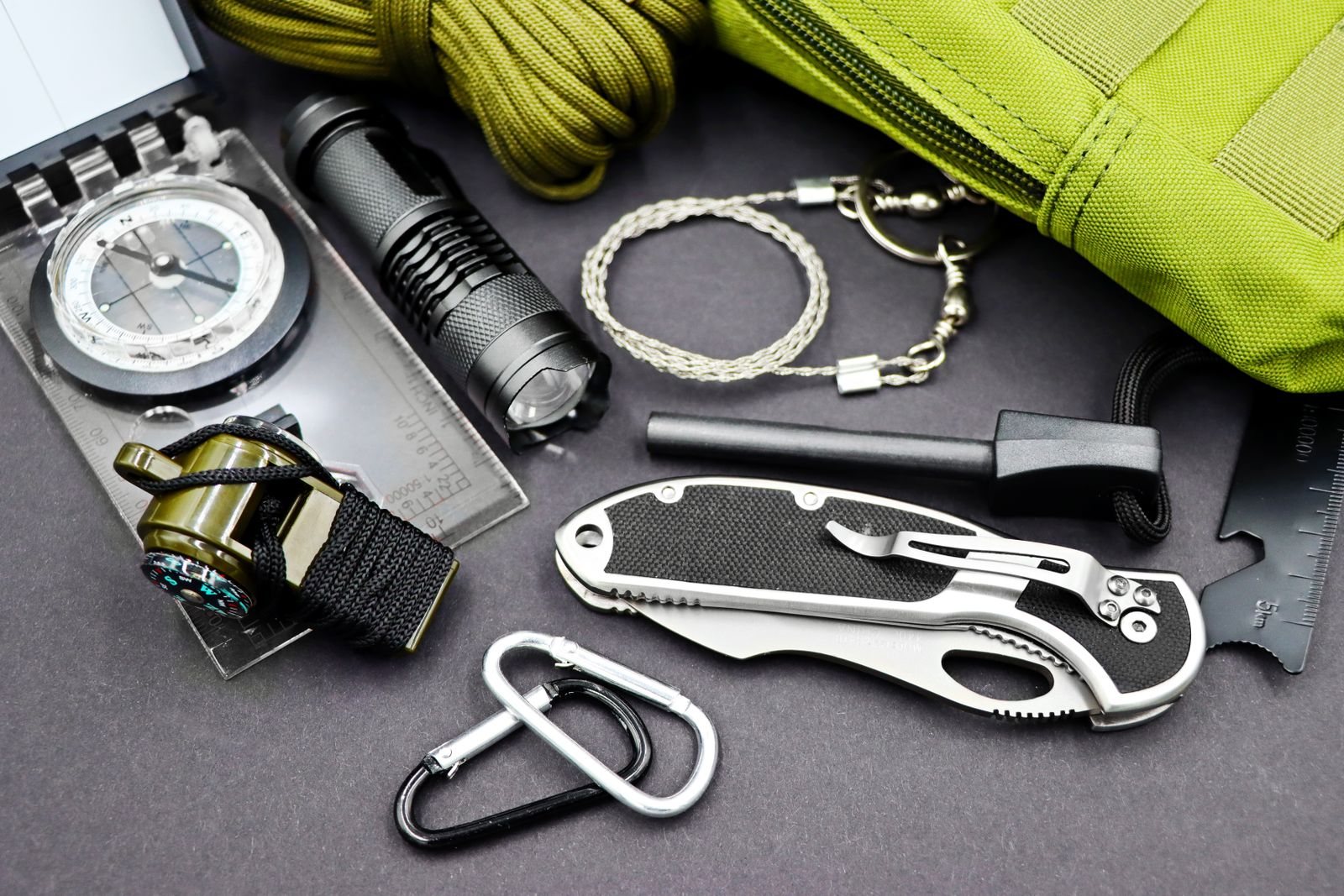
A stuff-sack dry bag. It weighs an ounce and has three jobs: waterproofing electronics on boat days, quarantining wet swimsuits from clean clothes, and serving as the dirty laundry bag. The best gear multitasks.
A braided travel clothesline. Merino dries overnight, but only if you can hang it. A twisted elastic clothesline needs no clips and strings up in any bathroom in ten seconds. This is the secret ingredient that makes the whole carry-on-only laundry system work.
TSA-approved luggage locks. Two on the backpack zippers for train days and crowded markets. They will not stop a determined thief, but they make your bag a harder target than the next one, and that is the entire game.
A pen. Customs and immigration forms still exist in a surprising number of countries, and the person with a pen on the plane is everyone’s best friend.
Reusable zip ties and a strip of duct tape wrapped around the pen. Between them we have fixed a broken zipper pull in Mexico, a flapping shoe sole in Rome, and a cracked luggage handle on the way home from Japan.
Protect the Gear (and the Trip)
One last piece of “gear” that does not go in a bag: travel insurance. After a decade of trips, we have used it for a delayed bag, a missed connection, and one urgent-care visit abroad, and every claim paid out more than the policies cost. Gear can be replaced out of pocket. A trip, or an overseas hospital bill, usually cannot. We walk through exactly what coverage is worth buying (and what to skip) in our guide to the best travel insurance for international trips.
The Gear We Stopped Packing
Learning what to leave home mattered as much as what to bring.
- Travel pillows (Todd’s neck disagrees, but they eat daypack space and hotel pillows exist)
- A “just in case” third pair of shoes (never once worn)
- Full-size anything (toiletries, towels, umbrellas: travel-size versions exist for a reason)
- More than one book (load the e-reader instead)
- Jeans (heavy, slow to dry, and merino or technical pants do everything better)
Every item above got cut after multiple trips of dead weight. Our bags got five pounds lighter and we have missed exactly none of it.
How All This Gear Fits Together
Our complete system for two people is two hard-shell carry-ons plus two personal-item backpacks, even for three-week international trips. The compression cubes make the space work, the merino makes the laundry math work, and skipping checked bags means we have not waited at a carousel (or lost a bag we could not track) in years. It also makes booking basic economy fares realistic, which pairs perfectly with the strategies in our guide on how to find cheap flights.
If you are building your own kit from scratch, start with the luggage system and packing cubes, add merino basics as budget allows, and pick up the electronics before your next international trip. You do not need everything at once. We built this kit over years, one trip’s lessons at a time.
Where to Buy Travel Gear
- Amazon carries nearly everything on this list (packing cubes, adapters, power banks, toiletry kits, collapsible bottles), usually at the best prices, and returns are painless if something disappoints.
- REI is our pick for the big-ticket items: merino layers, rain shells, and walking shoes. The generous return policy means you can actually trail-test gear, and the sales rack is dangerous.
- Direct from luggage brands often gets you longer warranties on carry-ons, and warranty service is the whole reason to buy quality luggage.
Final Thoughts
Great travel gear disappears into the background. You stop thinking about your bag, your shoes, your chargers, and just travel. That is the real test, and everything on this list passes it. Start with the pieces that fix your biggest annoyance (for most people, that is packing cubes and a better personal-item bag), and upgrade from there.
For more packing help, check out our ultimate carry-on packing list for the exact items we pack, our packing list for Europe for destination-specific tweaks, and our best carry-on luggage guide to pick the bag that carries it all. Happy travels!