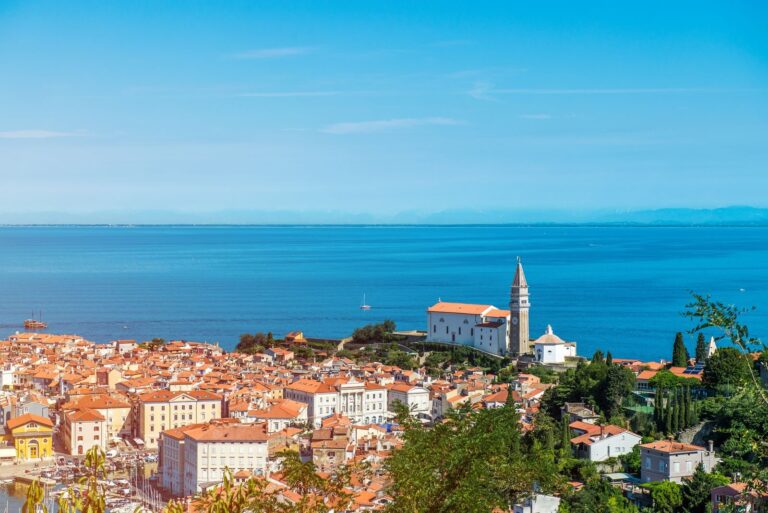
Cancun Travel Guide: Beyond the Hotel Zone (What to Know Before You Go)

ultimate guide to Cancun

Disclosure: This post contains affiliate links. If you book through our links, we may earn a small commission at no extra cost to you. We only recommend places and things we’ve personally used or vetted.

Cancun has a reputation problem. Mention it to a seasoned traveler and they’ll wrinkle their nose a little — Spring Break memories, the strip of identical all-inclusive resorts, party boats with foam cannons. We get it. We had the same instinct.

Then we actually went, and here’s what we found: the Hotel Zone is exactly what you’d expect, but it’s surrounded by — and acts as a gateway to — some of the most spectacular natural and archaeological wonders in the Western Hemisphere. The Great Mayan Reef is right there. Cenotes are everywhere. Chichen Itza is two hours away. Tulum is 90 minutes south. The Caribbean water is that impossible blue that exists almost nowhere else on earth.

Cancun done right is an excellent trip. Here’s how to do it right.

Is Cancun Actually Worth It?

Yes, if you know what you’re getting into. Cancun itself — specifically the Hotel Zone, or Zona Hotelera — is a 14-mile strip of beaches, resorts, clubs, and tourist infrastructure. It’s designed for convenience and beach access, and it delivers on both.

What Cancun is not is the authentic Mexico experience. For that, you go to downtown Cancun (El Centro), or — better — you use Cancun as a base and explore the surrounding region: the Yucatan Peninsula, the Riviera Maya, the archaeological sites, and the cenote network that makes this part of Mexico one of the most unique places on earth.

When to Visit Cancun

Best months: December through April. The dry season brings low humidity, consistent sunshine, and calm Caribbean seas. This is also peak season — prices are higher, and certain weeks (Christmas, spring break in March) get absolutely packed.

Shoulder season: May and early June are excellent — prices drop, crowds thin, and the weather is still warm and mostly sunny before the rainy season kicks in.

Hurricane season (June–November): The Yucatan Peninsula can be affected by tropical storms and hurricanes, most commonly August through October. Weather is more unpredictable, rain is possible, and you should always purchase travel insurance if visiting this time of year. The upside: hotel rates can be significantly lower.

If you’re booking during hurricane season, do not skip travel insurance. We recommend World Nomads for Mexico trips — see our full best travel insurance comparison.

Getting to Cancun

By air: Cancun International Airport (CUN) is one of the most well-connected resort airports in the Americas. Direct flights operate from dozens of US and Canadian cities — including budget carriers that make Cancun genuinely affordable to reach. Set price alerts on Google Flights; we’ve seen round-trip fares from major US cities under $200.

From the airport: The official taxi stands in the arrivals hall charge fixed rates by zone ($30–55 USD to the Hotel Zone). You can also book a shared shuttle through your hotel or via Viator’s Cancun airport transfer options. Private transfers are worth it if you’re arriving late or with a family.

Where to Stay in Cancun

The choice between the Hotel Zone and downtown defines your entire Cancun experience.

Hotel Zone (Zona Hotelera)

If you want beach access, resort amenities, and the full all-inclusive experience, you’re staying here. The Hotel Zone runs north to south, with the north end (near the airport) being more party-oriented and the south end being quieter and more upscale.

North Hotel Zone: Spring break central. Energetic, young, loud on weekends. Good if that’s your scene.

South Hotel Zone (Punta Cancun & beyond): Higher-end resorts, calmer vibe, still great beach access.

For families and couples who want a well-run all-inclusive, see our guide to the best all-inclusive resorts in Mexico — we break down the best options by budget and vibe.

Top picks for independent travelers: Hyatt Ziva Cancun (excellent service, multiple pools, great reef snorkeling right off property), Le Blanc Spa Resort (adults-only, genuinely luxurious), Moon Palace (massive, great for families with entertainment options for every age).

El Centro (Downtown Cancun)

The actual city of Cancun — where Mexicans live and work — is a 10–20 minute drive inland from the Hotel Zone. If you want local tacos and tortas, authentic markets, lower prices, and a more genuine Mexico experience, you stay here.

Hotels are significantly cheaper downtown. The tradeoff is you’ll need a cab or the R1/R2 bus to reach the beach. For budget travelers or those who plan to spend more time exploring the region than sitting at a pool, downtown makes sense.

Search all Cancun hotels on Booking.com

Cancun’s Best Beaches

The Hotel Zone has beachfront throughout, but quality varies significantly.

Playa Delfines — The best public beach in Cancun. At the southern end of the Hotel Zone, it’s wide, uncrowded relative to other Hotel Zone beaches, has no resort blocking access, and has the classic Cancun photo-op sign everyone knows. Stunning turquoise water.

Playa Gaviota Azul — Mid-Hotel Zone, adjacent to the Forum mall. Nice beach, good access, one of the calmer stretches.

Playa Norte (Isla Mujeres) — Not technically Cancun — it’s on a small island 20 minutes by ferry from the port — but Playa Norte is arguably the single most beautiful beach in the Cancun region. Shallow, impossibly calm turquoise water, powdery white sand. Day trip or stay overnight on the island.

What to Do in and Around Cancun

Snorkeling & Diving

Cancun sits on the edge of the Mesoamerican Barrier Reef, the second-largest coral reef system in the world. The snorkeling and diving here is world-class — diverse coral formations, sea turtles, colorful fish, and exceptional water clarity.

The MUSA Underwater Museum (Museo Subacuatico de Arte) is one of the most unique dive experiences on the planet: over 500 life-sized sculptures submerged in the Caribbean, now encrusted with coral. Available for both snorkeling and scuba. Book a MUSA snorkeling or diving tour through Viator — skip the glass-bottom boat and go in the water.

Cenotes

This is the thing that makes the Yucatan Peninsula unlike anywhere else. Cenotes are natural sinkholes or caves filled with freshwater, formed when ancient limestone collapsed to reveal the underground river system below. They’re scattered throughout the jungle surrounding Cancun — crystal clear, turquoise, and stunning.

Ik Kil — Near Chichen Itza; the most photographed, with vines hanging down into the blue water. Touristy but genuinely beautiful.

Gran Cenote — Near Tulum; possibly the most gorgeous we’ve visited. Clear enough to see the bottom, with stalactites in the cave sections.

Dos Ojos — Two connected cenotes near Tulum, famous for cave snorkeling and diving. One of the best cenote experiences available. Book a cenote tour from Cancun through GetYourGuide.

Chichen Itza

One of the Seven Wonders of the Modern World, Chichen Itza is a 2-hour drive from Cancun and absolutely worth a full-day excursion. The scale of El Castillo pyramid is humbling in person — photos don’t prepare you for it. Go early to beat the worst heat and crowds.

Book a guided Chichen Itza tour from Cancun on Viator — guided tours add significant historical context and typically include Ik Kil cenote and a buffet lunch.

Isla Mujeres

This small island 20 minutes by ferry from Cancun’s Puerto Juarez is one of the most charming places in Mexico. Golf cart rentals, beautiful beaches, excellent seafood, and a laid-back vibe completely different from the Hotel Zone. Playa Norte is the standout. Spend a day or stay overnight — it genuinely recharges you.

Book an Isla Mujeres day trip from Cancun on GetYourGuide.

Tulum Day Trip

Tulum is 90 minutes south of Cancun and home to one of the most dramatically situated archaeological sites in Mexico: Mayan ruins perched directly on the Caribbean cliffs. The beaches below the ruins are stunning. And the town of Tulum has its own distinct travel scene — more on that in our Tulum Travel Guide. It’s an easy and very worthwhile day trip from Cancun.

Where to Eat in Cancun

Hotel Zone

Most all-inclusives are self-contained, but if you’re eating outside your resort:

La Habichuela Sunset — One of Cancun’s best traditional Yucatecan restaurants, beautifully decorated garden setting. Try the cochinita pibil.

Kinich — Authentic Yucatecan cuisine in a relaxed, locally-loved setting. Papadzules (egg tacos in pumpkin sauce) and poc chuc (marinated pork) are not to be missed.

Harry’s — Upscale steakhouse and sushi hybrid in the Hotel Zone; excellent for a special dinner out.

Downtown El Centro

Mercado 23 and Mercado 28 — Local markets with food stalls serving tacos, antojitos, and fresh juice. Authentic and cheap.

La Parilla — A downtown institution for traditional Mexican food. Everything is good; the fajitas are excellent.

Cancun Travel Budget

Cancun’s cost depends enormously on where and how you stay.

Budget Level Accommodation Food Activities Daily Total
Budget Downtown hotel ($40–70/night) Market tacos + local restaurants ($20–35) Free beach + public cenotes $80–130/day
Mid-range Hotel Zone (non-all-inclusive) ($150–250) Mix of resort + restaurants ($50–80) Tours, snorkeling, Chichen Itza $250–400/day
All-inclusive Hotel Zone AI resort ($200–400/person) Included Add-on tours separately $250–450+/day (per person)

Note: All-inclusive pricing varies wildly by property, season, and how far in advance you book. The best rates are typically found 3–6 months out.

Where to Book Your Cancun Trip

Hotels & Resorts: Booking.com has the largest selection for Cancun, including all-inclusives that can be booked without a package.

Tours: Viator is our go-to for Cancun’s big excursions — Chichen Itza, MUSA diving, cenote tours. GetYourGuide is great for Isla Mujeres and water sports.

Travel Insurance: Required if traveling during hurricane season; highly recommended year-round. See our best travel insurance guide for Mexico-specific recommendations.

Practical Tips for Cancun First-Timers

The public bus is great. The R1 and R2 buses run the length of the Hotel Zone and downtown for about $0.80 USD. If you’re a budget traveler or just want to get around cheaply, use it.

Tap water is not safe. Stick to bottled water and be cautious with ice outside of established tourist restaurants.

Don’t drink the tap water — even to brush your teeth. Use the bottled water your hotel provides or buy your own.

USD is widely accepted in the Hotel Zone, but you’ll often get slightly worse rates than paying in pesos. Withdraw pesos from an airport ATM or your hotel for day-to-day use.

Book cenote and archaeological tours in advance. Popular cenotes and Chichen Itza have capacity limits, especially in peak season. Book a few days ahead at minimum.

Watch your belongings on public beaches. The Hotel Zone public beaches see pickpocketing. Don’t leave valuables unattended.

Final Thoughts: The Real Cancun

Cancun isn’t trying to be Mexico City or Oaxaca. It’s not pretending to be undiscovered or “authentic” in the way some destinations trade on. What it is, done well, is a beautiful stretch of Caribbean coastline with extremely convenient access to some of the most remarkable natural and historical sites in the Americas.

The Hotel Zone is a tool — use it for the beach and the comfortable base, then get out and explore. Swim in cenotes. Hire a guide for Chichen Itza. Take the ferry to Isla Mujeres. Make the drive to Tulum (our full Tulum guide has everything you need). The Caribbean will be waiting when you get back.

That’s the Cancun most visitors never see, and it’s genuinely, surprisingly wonderful.

San Diego Travel Guide: Beaches, Tacos & What to Actually Do

Disclosure: This post contains affiliate links. If you book through our links, we may earn a small commission at no extra cost to you. We only recommend places and things we’ve personally used or vetted.

San Diego is the kind of city that makes people say “I could live here.” Not in the abstract way people say it about cities they’ve read about — but immediately, on the first sunny afternoon when you’re eating a fish taco on a patio in North Park while a warm breeze comes off the ocean, watching people in t-shirts in the middle of January. It’s that immediate.

We’ve been to San Diego more times than we can count, and it keeps rewarding us. Whether you’re there for a long weekend or a full week, this guide covers where to stay, what to eat, which beaches are worth it, and how to do the city in a way that actually makes sense.

Why San Diego Works for Almost Everyone

San Diego is rare in that it genuinely has something for every kind of traveler. Beach people get 70 miles of Pacific coastline. Food people get one of the best taco cultures in the country plus a James Beard-worthy restaurant scene. Families get LEGOLAND, the San Diego Zoo, and calm bay beaches. Beer people get the birthplace of American craft brewing. History people get Old Town and the Maritime Museum. Outdoor people get Torrey Pines, Cabrillo, and Anza-Borrego a couple hours away.

It’s also one of the most consistently pleasant weather cities in the country — average highs hover around 70°F year-round with almost no rain between April and November.

When to Visit San Diego

Honestly? San Diego is good year-round, which is part of what makes it so appealing.

Best months: September and October are arguably peak San Diego — summer crowds have thinned, marine layer has cleared (more on that below), and the weather is perfection. April through June is also excellent.

Summer (June–August): Peak season and crowded, but the beach scene is fully alive. One caveat: San Diego experiences what locals call “June Gloom” — a persistent marine layer that can keep skies overcast most mornings through early July, sometimes all day. It burns off most afternoons but can feel gloomy if you were expecting pure sunshine.

Winter (November–February): Mild by any national standard (lows around 55°F), very little rain outside of January, and hotel prices drop. Downtown and the restaurant scene carry right on through winter. A great option if you want to escape a harsh winter elsewhere.

Getting to San Diego

By air: San Diego International Airport (SAN) is remarkably convenient — it’s literally 3 miles from downtown, with no freeway traffic to fight. Most major US carriers fly direct from most hubs. For tips on finding the best fares, see our cheap flights guide.

By car: If you’re in LA or anywhere along the Southern California coast, San Diego is a 2-hour drive south on the I-5. It’s a natural pairing — many people do a LA + San Diego trip together.

By train: Amtrak’s Pacific Surfliner runs between LA’s Union Station and San Diego’s Santa Fe Depot in about 2.5–3 hours and is genuinely scenic. Worth it for the coastal views alone.

Getting Around San Diego

Car: For the full San Diego experience — accessing multiple beaches, exploring neighborhoods, doing day trips — you’ll want a car. Parking exists, though downtown and La Jolla can be annoying.

Trolley: San Diego’s Green, Blue, and Orange trolley lines connect downtown, Old Town, Mission Valley, and the border. Useful for specific trips, not comprehensive enough to replace a car.

Rideshare: Uber and Lyft work fine everywhere in the city. If you’re staying in one area (say, just the Gaslamp or just La Jolla), you can absolutely get by without a rental.

Where to Stay in San Diego

San Diego’s neighborhoods are spread out enough that your base makes a real difference.

Gaslamp Quarter / Downtown

The most central and convenient location — close to Petco Park, the convention center, Seaport Village, and the trolley. The neighborhood itself is bar-heavy and can be loud on weekends, but the access to everything else is unbeatable. Good mid-range and luxury hotel options throughout.

Best picks: Hotel del Coronado (iconic resort, technically on Coronado Island but worth the splurge for a special trip), Pendry San Diego (boutique luxury, great rooftop), Kimpton Solamar (comfortable mid-luxury, great location).

La Jolla

San Diego’s most upscale village, perched on seaside cliffs with gorgeous ocean views, excellent restaurants, boutique shops, and some of the best scenery in Southern California. A 20-minute drive north of downtown. If you want a quieter, more relaxed base with stunning surroundings, La Jolla is hard to beat.

Great picks: Lodge at Torrey Pines (stunning craftsman property, adjacent to Torrey Pines Golf Course), La Valencia Hotel (historic pink landmark overlooking the cove).

Pacific Beach / Mission Beach

The beach town experience — casual, lively, great for people in their 20s and 30s who want to be steps from the sand, surrounded by bars and boardwalk energy.

Coronado

Connected to downtown by bridge or ferry, Coronado is a quiet, beautifully maintained island community with one of California’s best beaches. Family-friendly and a great choice for a calmer trip.

Browse all San Diego hotels on Booking.com

San Diego’s Best Beaches

Not all San Diego beaches are equal. Here’s how they break down:

Coronado Beach — Wide, clean, and breathtakingly beautiful, with the Hotel del Coronado as the backdrop. One of the best beaches in California, full stop. Calm water, gentle waves, feels like stepping into a postcard.

La Jolla Cove — Not a swimming beach — it’s a snorkeling and sea life destination. The cove is filled with leopard sharks (harmless), sea lions, and brilliant blue water. Book a La Jolla snorkeling tour through Viator to go out with a guide.

Pacific Beach — The central boardwalk beach, energetic and social, best for people-watching and beach bar culture.

Ocean Beach — More laid-back and local than PB, with a classic California beach town feel and a great pier.

Torrey Pines State Beach — Wide, uncrowded, backed by stunning sandstone cliffs and the Torrey Pines State Natural Reserve. One of the most beautiful and peaceful beaches in San Diego.

What to Do in San Diego

San Diego Zoo

One of the world’s truly great zoos — 4,000 animals across 650 species in beautifully designed habitats. Set aside a full day. Book San Diego Zoo tickets through Viator to skip the ticket line.

Balboa Park

San Diego’s cultural crown jewel: 1,200 acres of gardens, museums (16 of them, including the Natural History Museum, Museum of Art, and Air & Space Museum), theaters, and Spanish Colonial Revival architecture. Free to walk through; individual museum admission varies. Budget a half-day at minimum.

Old Town San Diego

The site of California’s first European settlement, now a state historic park with preserved adobe buildings, colorful Mexican restaurants, and decent shopping. It’s touristy but genuinely historic and easy to do in 2–3 hours.

Torrey Pines State Natural Reserve

Perched on dramatic cliffs above the Pacific, Torrey Pines is one of San Diego’s best-kept secrets. Trails wind through the rare Torrey pine forest to ocean overlooks that are genuinely stunning. Free to enter; $25 for parking on weekends.

Kayaking the La Jolla Sea Caves

La Jolla’s sandstone cliffs have carved sea caves that you can kayak through. A guided kayak tour through the caves is one of the most unique things you can do in San Diego. Book a La Jolla sea caves kayak tour on GetYourGuide.

Whale Watching

December through April, gray whales migrate along the San Diego coast — one of the best places in the US to see them. Book a whale watching cruise through Viator; most tours depart from Point Loma.

Where to Eat in San Diego

Tacos

San Diego is arguably the best city in the US for Mexican food outside of Mexico itself, owing to its position directly on the border. The taco scene alone is reason to visit.

Tacos El Gordo — Lines out the door, cash only, the best carne asada taco you’ll have in San Diego. Multiple locations; the Chula Vista original is worth the drive.

Las Cuatro Milpas — An institution in Barrio Logan since 1933. Handmade tortillas, simple perfection. Expect a wait.

Puesto — A more polished approach to Mexican street food, with creative tacos and excellent margaritas. Great for a nice dinner.

Craft Beer

San Diego is the birthplace of Stone Brewing and home to dozens of acclaimed craft breweries. AleSmith, Ballast Point, Societe, and Modern Times are all worth visiting. Little Italy and North Park have brewery clusters that are walkable.

Restaurants

Addison — San Diego’s only AAA Five Diamond restaurant, French-influenced fine dining in Del Mar. A special occasion dinner.

Juniper & Ivy — Rob Ruiz’s creative California cuisine in Little Italy; creative, fun, excellent cocktail program.

Ironside Fish & Oyster — Little Italy’s best seafood, in a stunning space. Great happy hour.

The Patio on Goldfinch — Mission Hills; beautiful garden patio, seasonal California menu, the kind of dinner you remember.

Day Trips from San Diego

Tijuana, Mexico — 30 minutes south at the border crossing. Day trippers cross for Avenida Revolucion street food, the Mercado Hidalgo, and surprisingly good restaurants. Take the trolley to the border, walk across, and Uber around Tijuana — no need for a car.

Anza-Borrego Desert State Park — 90 minutes east, California’s largest state park. Wild flowers in spring (February–March) are stunning. A completely different landscape from coastal San Diego.

Julian — A small mountain town 90 minutes northeast, famous for apple pies and old-gold-rush charm. Perfect fall day trip.

For more day trip ideas from our home base, see our best day trips from Denver for comparison — a very different region but equally good options.

San Diego Travel Budget

San Diego is a California city — prices reflect that, though it’s slightly more affordable than LA and significantly more than smaller US destinations.

Budget Level Hotel/Night Food/Day Activities Daily Total
Budget Hostel or motel ($60–90) Tacos + casual ($25–40) Free beaches + parks $100–150/day
Mid-range Mid-hotel ($150–230) Mix of casual + dinner ($50–80) Zoo, kayaking, tours $240–370/day
Luxury La Jolla / Coronado hotel ($350+) Fine dining + craft cocktails ($100–150) Private tours, boat charters $500+/day

Where to Book Your San Diego Trip

Flights: How to Find Cheap Flights — SAN is well-served by budget carriers; Frontier and Southwest frequently have sales from many US cities.

Hotels: Booking.com for the widest selection across all neighborhoods and budgets.

Tours & Activities: Viator for the zoo, whale watching, and La Jolla tours. GetYourGuide for kayaking and outdoor adventures.

Packing: San Diego is a layers destination — warm days, cool evenings, always a beach bag. Check our best carry-on luggage guide if you’re flying in light.

Final Thoughts: Is San Diego Worth It?

Every single time. San Diego is one of those rare cities that seems like it should be overshadowed by its neighbor Los Angeles — and yet it holds its own completely. The scale is more human, the pace is more relaxed, the beaches are arguably better, and the tacos are definitely better.

Whether you have a weekend or a week, whether you’re coming for the beach or the food or the Zoo or just to sit in the sun and decompress, San Diego delivers. Consistently, warmly, without asking too much of you.

It’ll make you say “I could live here.” That’s the highest compliment you can give a city.

Bali Travel Guide: What to Do, Where to Stay & How to Do It Right

Disclosure: This post contains affiliate links. If you book through our links, we may earn a small commission at no extra cost to you. We only recommend places and things we’ve personally used or vetted.

There’s a reason people go to Bali once and start planning their return before they’ve even landed home. This island has a particular pull to it — something in the way the light hits a rice terrace at golden hour, the smell of incense wafting from a roadside temple, the fact that a genuinely excellent dinner costs less than a fast food combo back home. We resisted the hype for years. Then we went. Now we understand.

This Bali travel guide covers what we actually wish we’d known before our trip: the best areas to stay, the temples worth the drive, the beaches that actually deliver, and how to avoid the common tourist traps.

Why Bali Is Still Worth the Hype

Bali has been “discovered” for decades at this point, and yet it keeps drawing travelers from every corner of the world — and for good reason. Yes, some areas like Kuta and Seminyak have been thoroughly developed. But step even slightly outside the tourist bubble and you’ll find a place of genuine spiritual beauty, incredible hospitality, and a culture that still feels very much alive and its own thing.

The food is phenomenal. The cost of living (for visitors) is remarkably low. And the sheer variety of what you can do — surf one morning, trek to a volcanic crater the next, attend a Kecak fire dance at sunset — is hard to beat anywhere on earth.

When to Visit Bali

Best time: April–October, which is Bali’s dry season. Skies are clear, humidity is manageable, and you won’t have to worry about rainstorms washing out your plans.

Peak months: July and August are the absolute busiest — school holidays in Australia and Europe drive serious crowds. Prices spike and popular spots like Tegallalang Rice Terrace feel overwhelmingly crowded. If you can, aim for April–June or September–October for the best balance of good weather and manageable crowds.

Rainy season (November–March): Bali doesn’t shut down — rain typically comes in afternoon downpours rather than all-day drizzle, and the island stays lush and gorgeous. Prices drop significantly, and the island feels more authentic. If budget is your priority, shoulder or low season is the move.

Getting to Bali

By air: Bali’s Ngurah Rai International Airport (DPS) in Denpasar is surprisingly well-connected. Direct routes exist from many Asian hubs including Singapore, Kuala Lumpur, Hong Kong, Tokyo, and Sydney. From the US, you’ll typically connect through one of those cities — expect a total travel time of 20–28 hours depending on routing.

Check our full guide on how to find cheap flights for tips on finding the best fares — Bali airfare rewards flexibility on dates.

Tip on travel insurance: Bali is the kind of destination where things happen — motorbike scrapes, stomach bugs, sudden volcano activity disrupting flights. Don’t skip travel insurance. We recommend World Nomads for Bali because they specifically cover adventure activities and have solid medical evacuation coverage. See our best travel insurance guide for a full comparison.

Getting Around Bali

This is the part nobody fully prepares for. Bali has no real public transit system, and traffic in the south (especially around Seminyak, Kuta, and Canggu) can be genuinely brutal.

Grab: The Grab app (Southeast Asia’s Uber equivalent) works well in most areas and is significantly cheaper than negotiating with taxis. Download it before you arrive.

Scooter rental: Widely available for $5–8/day. If you’re comfortable riding a scooter, this is the best way to explore the island — it gives you total freedom and lets you stop wherever you want. If you’ve never ridden one before, Bali traffic is not the place to learn.

Private driver: For day trips and longer excursions, hiring a private driver for the day ($50–70 USD) is excellent value. You get a knowledgeable local, air conditioning, and door-to-door service. Your accommodation can usually arrange this.

Where to Stay in Bali

Bali’s geography means your base matters — each area has a different vibe. Choose based on what you’re there for.

Seminyak — Best for Beaches, Shopping & Nightlife

The most polished part of southern Bali, Seminyak has a great beach, excellent restaurants (everything from warungs to French fine dining), high-end beach clubs, and stylish boutique hotels. It’s touristy but done well — less chaotic than Kuta, more developed than Canggu.

Great picks: The Layar (private villas, stunning pool), W Bali Seminyak (luxury beach club energy), boutique villas throughout.

Ubud — Best for Culture, Nature & Wellness

Bali’s spiritual and artistic heart, Ubud sits inland surrounded by rice terraces and jungle. This is where you come for temple-hopping, cooking classes, traditional dance performances, and genuinely excellent food. The retreat and yoga scene here is world-class.

Great picks: COMO Uma Ubud (stunning hilltop property), Alaya Ubud (boutique, great location near the market), countless private villa rentals available through Booking.com.

Canggu — Best for Surfers & Digital Nomads

Canggu has a younger, more laid-back energy than Seminyak — surf breaks, rice paddies, hipster cafes, and a social scene that runs late. The beach here is darker sand (volcanic) and not great for swimming but ideal for surfing.

Nusa Dua — Best for Families & Resort Stays

Nusa Dua is Bali’s luxury resort enclave — gated, calm, and quiet. If you want a proper beach holiday with swimming pools, restaurants that cater to kids, and a low-hassle environment, this is your base.

Search all Bali hotels and villas on Booking.com

What to Do in Bali

Temples Worth the Drive

Tanah Lot — Bali’s most iconic image: a temple perched on a rock in the sea, silhouetted at sunset. Absolutely worth it, but go early or near sunset to beat the crowd.

Uluwatu Temple — Clifftop temple on the southern Bukit peninsula, 70 meters above the Indian Ocean. The views are extraordinary. Stay for the Kecak fire dance performance at sunset ($10–15) — it’s one of the most memorable things you can do in Bali. Book Uluwatu sunset Kecak tickets through Viator to guarantee your spot.

Besakih Temple — Bali’s “Mother Temple,” the largest and holiest complex on the island, perched on the slopes of Mount Agung. The scale of it is humbling. Come with appropriate clothing (a sarong, which you can rent at the entrance).

Tirta Empul — A sacred water temple where Balinese Hindus come to purify themselves in spring-fed pools. You can participate in the purification ritual respectfully — an incredibly moving experience.

Rice Terraces

Tegallalang Rice Terrace (near Ubud) is the most photographed, and rightly so — the UNESCO-listed terraced fields are genuinely spectacular. Go early morning (before 8am) to avoid the worst of the tourist swarm and get the light you actually came for.

Beaches

Bali’s beaches vary wildly depending on where you are:

  • Seminyak Beach — Long, beautiful sunset beach, great beach clubs
  • Nusa Dua — Calm, clear water, ideal for swimming and families
  • Padang Padang — Small, stunning cove beach on the Bukit; some of the clearest water in southern Bali
  • Green Bowl Beach — Hidden gem on the Bukit, requires climbing 300 steps down a cliff; crystal water, almost no crowds

Day Trips & Tours

Mount Batur Sunrise Trek: Hike an active volcano in the dark, arrive at the summit at sunrise, eat breakfast cooked over volcanic steam. One of the best experiences in all of Southeast Asia. Book a guided Mount Batur sunrise trek on Viator — guides are required and worth it.

Nusa Penida: A 45-minute fast boat from Sanur takes you to this wild, undeveloped island with some of the most dramatic scenery in all of Indonesia. Broken Beach, Angel’s Billabong, and Kelingking Beach are otherworldly. One day is enough; two lets you relax. Book a Nusa Penida day tour through GetYourGuide.

Cooking Class: An afternoon Balinese cooking class in Ubud — you visit the local market, learn about spices and techniques, and cook a full meal — is one of those experiences that sounds cheesy until you’re doing it and realize you’re having one of the best afternoons of your trip.

Where to Eat in Bali

Ubud

Locavore — The best restaurant in Bali, arguably one of the best in Southeast Asia. Farm-to-table Indonesian cuisine at an internationally excellent level. Reserve well in advance.

Naughty Nuri’s — Famous for BBQ ribs and killer martinis. An institution. Expect a wait.

Warung Babi Guling Ibu Oka — The place in Ubud for babi guling (ceremonial spit-roasted suckling pig). Cheap, extraordinary, and a true local classic.

Seminyak / Canggu

Merah Putih — Beautiful modern Indonesian in a stunning open-air space; one of Seminyak’s best.

Warung Sunset — Unpretentious local warung with great nasi goreng and satay for almost nothing.

The Lawn — Canggu beach club with great food, pool access, and perfect sunset views.

Bali Travel Budget

Bali is very affordable once you’re there — it’s the flights that cost you.

Budget Level Accommodation Food Activities Daily Total
Budget Hostel/guesthouse ($15–25) Warungs ($5–10/day) Temples + rice terraces ($5–15) $30–50/day
Mid-range Boutique hotel/villa ($60–120) Mix of warungs + restaurants ($20–35/day) Tours + Viator experiences ($30–60) $110–215/day
Luxury Private villa with pool ($200–500) Fine dining + beach clubs ($60–100/day) Private driver, premium tours $300–700/day

Where to Book Bali

Flights: Use Google Flights + set price alerts. For reward travel strategies, check our cheap flights guide.

Hotels & Villas: Booking.com has the widest selection for Bali, including private villas. Filter by “villa” to find private pool properties that often rival hotel prices.

Tours: Viator and GetYourGuide both have strong Bali inventories — we use these for Mount Batur, Nusa Penida, and dance performances.

Travel Insurance: Don’t skip it for Bali. World Nomads covers adventure activities and medical evacuation, which matters for a destination this remote. Full comparison in our travel insurance guide.

Practical Tips for First-Timers

Dress respectfully at temples. You’ll need a sarong and a sash (available to borrow or buy at most temple entrances). Women shouldn’t enter during menstruation — this is a sincere religious belief, not a rule to work around.

Watch the water. Stick to bottled water. Ice in tourist restaurants is typically filtered and fine; ice in very local establishments may not be.

Bargain (politely) at markets. In markets and with street vendors, a friendly negotiation is expected. At shops with fixed prices, don’t bother.

The Bali belly is real. Be cautious with street food the first day or two while your stomach adjusts. Carry loperamide.

Respect the offerings. Small flower and incense offerings (canang sari) are placed on sidewalks, doorways, and streets throughout the day as part of Hindu religious practice. Step around them, not on them.

Tipping: Not culturally mandatory but appreciated — 10% at restaurants, round up for drivers and guides.

Is Bali Worth It?

Yes. Without reservation.

Bali is one of those places that somehow lives up to its reputation — and then delivers something you weren’t expecting on top of it. It works for every kind of traveler: surfers, families, couples on a honeymoon, solo travelers, wellness-seekers, foodies. The island has a way of giving you exactly what you show up looking for.

If you’re comparing it to other tropical destinations, read our Costa Rica First-Timer Guide — both are exceptional, but in very different ways.

Pack light, get a Grab account, hire a driver for at least one full-day excursion, and go see the sunrise from Mount Batur. You won’t regret any of it.

Barcelona Travel Guide: What to Do, Eat & See (First-Timer to Repeat Visitor)

Barcelona Spain travel destination featuring architecture food and Mediterranean beaches

Disclosure: This post contains affiliate links. If you book through our links, we may earn a small commission at no extra cost to you. We only recommend places and things we’ve personally used or vetted.


The first thing you notice in Barcelona is that the streets smell like food. Olive oil and garlic drifting from open kitchen doors, fresh bread from the panaderias, the salt tang of the Mediterranean two blocks away. Before you’ve seen a single Gaudí building or walked a meter of Las Ramblas, the city has already made its argument for why you should stay longer than you planned.

We’ve been to Barcelona twice — once for four days as first-timers, once for a longer stretch when we wanted to actually understand the city. Both times it delivered.


Why Barcelona Is One of Europe’s Best Cities

Barcelona sits in an unusual position: it’s simultaneously one of Europe’s most visited cities and one that still manages to feel like it belongs to the people who live there. The neighborhoods have real character. The food scene extends far beyond tourist-trap paella. The architecture — Gaudí’s Barcelona in particular — is unlike anything else on earth.


When to Visit Barcelona

Best months: May–June and September–October. Warm but not blistering, crowds are manageable, outdoor dining is perfect, and hotel rates are more reasonable than July–August.

Summer (July–August): Peak heat (90–100°F), peak crowds, peak prices. Book everything weeks in advance.

Spring (March–April): Excellent. Mild temperatures (60–70°F), far fewer crowds, and the city is genuinely beautiful.

Winter (November–February): Underrated. The city empties of tourists, locals reclaim it, and restaurant reservations are easy.


Getting to Barcelona

By air: Barcelona–El Prat Airport (BCN) is well-connected to hubs across Europe and direct to major US cities. The Aerobus runs express from the airport to Plaça de Catalunya in 35 minutes for €6.

By train: Barcelona is 2.5 hours from Madrid by AVE, 4.5 hours from Paris by TGV. Train travel in Europe often beats flying when you factor in airport time.

Pro tip: Get travel insurance before any international trip. See our best travel insurance guide for the options we actually recommend.


Getting Around Barcelona

Barcelona is one of Europe’s most walkable cities. The Gothic Quarter, El Born, Eixample, and Barceloneta are all accessible on foot if you’re staying centrally.

Metro: Fast, cheap, and covers the entire city. A 10-trip T-Casual card (~€12) is the best value for most visitors.

Taxi / Rideshare: Taxis are metered and reliable. Cabify and Bolt are the main rideshare apps.


Where to Stay in Barcelona

Gothic Quarter (Barri Gòtic)

The medieval heart of Barcelona — labyrinthine streets, Roman ruins, the Barcelona Cathedral, the best tapas bars. An ideal base for first-timers.

Top picks: Hotel Arts (luxury, right on the beach), Hotel 1898 (beautiful historic building on Las Ramblas), Sercotel Amelia Barcelona (boutique, great value).

El Born / El Raval

Our preferred area for repeat visitors — El Born is younger, more local-feeling, with excellent restaurants, independent boutiques, and the Picasso Museum.

Eixample

Barcelona’s elegant grid neighborhood with wide boulevards, Modernista architecture, and the best cocktail bars. A quieter base with easy metro access.

Search all Barcelona hotels on Booking.com — wide range across all neighborhoods.


The Gaudí Buildings: What to See and How to Do It

Antoni Gaudí’s work is Barcelona’s primary architectural attraction. The most popular sites sell out weeks in advance — book ahead.

Sagrada Família

The most visited building in Spain and one of the most extraordinary structures on earth. Gaudí’s masterpiece basilica has been under construction since 1882 and is still ongoing. The interior floods with colored light from the stained glass.

Our strong advice: Book at least 2–3 weeks ahead in peak season. Book Sagrada Família tickets on Viator — skip-the-line tickets with audio guide are worth it.

Park Güell

Gaudí’s hillside park above the city — mosaic terraces, organic stone colonnades, and panoramic views of Barcelona. The ticketed Monumental Zone requires advance booking.

Book Park Güell tickets on GetYourGuide to secure your slot.

Casa Batlló

On Passeig de Gràcia — Gaudí’s most fantastical residential building, its facade resembling dragon scales and bones. The evening “Magic Nights” experience is particularly atmospheric.

La Pedrera (Casa Milà)

La Pedrera’s undulating stone facade and extraordinary rooftop with Gaudí’s famous chimneys are among the most photographed in Barcelona.

Palau Güell

In El Raval, less visited than the big names but extraordinary — intricate ironwork, parabolic arches, and a rooftop of colorful mosaic spires.


Best Things to Do in Barcelona

Gothic Quarter Walking Tour

The Gothic Quarter’s Roman roots, medieval churches, and atmospheric plazas reward slow exploration. Book a Gothic Quarter walking tour on Viator — excellent half-day tours run for $20–40/person.

Picasso Museum

One of Europe’s most important collections of early Picasso work, housed across five connected medieval palaces in El Born. Book tickets online; the queues without tickets are brutal.

Barceloneta Beach

Barcelona’s city beach stretches 4 km along the Mediterranean. Perfectly swimmable and reliably warm May–October, just 15 minutes walk from the Gothic Quarter.

La Boqueria Market

Barcelona’s famous covered market on Las Ramblas is worth a walk-through for the visual spectacle. Don’t buy prepared food here — walk through and then eat breakfast in El Raval instead.

Montjuïc

The hill above the port offers panoramic city views, the MNAC art museum, the Olympic Stadium (from the 1992 Games), and the Fundació Joan Miró.


Where to Eat in Barcelona

Tapas (The Right Way)

Avoid Las Ramblas for meals. The better tapas experience is in El Born, Barceloneta, and Eixample.

Can Paixano (La Xampanyeria): A legendary cava bar in Barceloneta — standing room only, dirt cheap, tremendous cava and bocadillos.

Bar del Pla: El Born’s best sit-down tapas bar. The ham croquetas are transcendent.

Seafood

La Mar Salada: Excellent paella and rice dishes near Barceloneta — honest, well-executed without tourist-trap pricing.

La Cova Fumada: The birthplace of the bombas and one of the most authentic seafood bars in the city. Cash only, no menu, no reservations.

Fine Dining

Disfrutar: Three Michelin stars, consistently ranked among the world’s 10 best restaurants. Book months in advance.

Tickets: Albert Adrià’s avant-garde tapas bar. Theatrical, creative, excellent. Also books out months in advance.


Day Trips from Barcelona

Montserrat (1 hr): The jagged mountain monastery northwest of Barcelona — one of Catalonia’s most sacred sites and most dramatic landscapes.

Sitges (40 min): A beautiful whitewashed beach town — quieter than Barcelona, gorgeous beaches, great seafood restaurants.

Girona (1 hr by train): A perfectly preserved medieval city with a cathedral that rivals Barcelona’s and a beautiful Jewish quarter.

Costa Brava (1.5 hrs): Rugged coastline with rocky coves, medieval villages, and significantly cleaner water than city beaches.


Barcelona vs. Other European Cities

Our take: Paris is deeper culturally but more expensive. Amsterdam is more walkable but smaller in scope. Barcelona occupies its own category — modernist architecture, Mediterranean beach access, and the distinct Catalan identity create something that doesn’t quite exist elsewhere. See our Paris in 4 days guide and 3 days in Amsterdam guide for full comparisons.

If you’re building a Spain itinerary, Barcelona pairs beautifully with Sevilla — see our Sevilla travel guide for what to expect.


Barcelona Travel Tips

  • Book Gaudí sites weeks ahead. Sagrada Família in peak season can be sold out a month in advance.
  • Eat on Spanish time. Lunch is 2–4 p.m.; dinner starts at 9 p.m. Eating at 6:30 marks you as a tourist.
  • Watch your belongings on Las Ramblas. Pickpocketing is endemic — use a front-pocket wallet.
  • Learn a few Catalan words. “Gràcies” and “bon dia” are appreciated more than their Spanish equivalents.
  • Take the metro. Fast, cheap, and goes everywhere. Get a T-Casual card.

How Many Days Do You Need?

3 days: The minimum to see the highlights — Sagrada Família, Gothic Quarter, Park Güell, and the beach.

4–5 days: The sweet spot. Time to slow down in El Born, take a day trip, eat properly.

1 week: You’ll leave feeling like you understand the city — and already planning your return.


Final Thoughts

Barcelona is one of those rare cities that delivers on its reputation and then some. The Gaudí buildings alone are worth crossing an ocean for. But the city’s best qualities are subtler: a neighborhood bar where the cava costs €2, a morning walk through a Gothic quarter that’s been continuously occupied for 2,000 years, a beach sunset over the Mediterranean that makes everything else feel very far away.

Go. Take more time than you think you need. Eat at 9 p.m.

Questions about Barcelona? Drop them in the comments — we check and always write back.

Best Beaches in Kauai: Our Favorites on the Garden Isle (After 6 Visits)

Beautiful beach in Kauai Hawaii perfect for swimming snorkeling and sunsets

Disclosure: This post contains affiliate links. If you book through our links, we may earn a small commission at no extra cost to you. We only recommend places and things we’ve personally used or vetted.


We have been to Kauai six times. We keep going back not because we haven’t seen everything — we’ve seen most of it — but because Kauai’s beaches are, in our honest opinion, the most beautiful in the United States. And we want to sit on them again.

The thing about Kauai’s beaches is that each one has a completely different personality. Some are calm, glassy, and perfect for swimming. Some are wild and rough and spectacular to watch. Some require a long hike to reach and reward you with near-total seclusion.


A Few Things to Know Before You Go

Kauai’s beaches change seasonally. Winter swells (October–March) make the North Shore dangerous for swimming. Always check the surf report before entering water.

You need a car. Kauai’s beaches span from Hanalei on the north to Poipu on the south, and public transit is minimal. Rent a car — ideally a 4WD.

Parking fills up early. Hanalei Bay, Ke’e Beach, and Tunnels can have full parking lots by 8 a.m. in peak season. Arrive early or use Kauai’s county beach shuttle from Hanalei Town.

Na Pali Coast beaches require commitment. The most spectacular stretch has no road access — reaching Na Pali beaches means the Kalalau Trail, a boat, or a kayak.


The Best Beaches in Kauai

1. Hanalei Bay

If we had to pick one beach that represents what Kauai is — the version of this island you hold in your imagination — it would be Hanalei Bay. The bay is a two-mile crescent of golden sand backed by emerald mountains, with the Hanalei River flowing into the west end and Bali Hai-esque peaks rising dramatically behind everything.

In summer, Hanalei is great for swimming, stand-up paddleboarding, and general floating around in the warm Pacific. In winter, the bay transforms into a serious surf break and swimming is not advisable, but the watching is extraordinary.

Best for: Everything in summer. Watching surfers in winter. Sunsets year-round.


2. Tunnels Beach (Makua Beach)

Tunnels is Kauai’s best snorkeling beach — one of the best snorkeling spots in all of Hawaii. The reef just offshore creates a protected lagoon in summer teeming with sea turtles, reef fish, and the occasional spinner dolphin.

Best for: Snorkeling (summer), swimming (summer). Winter brings significant surf — not for swimming.

Book a Kauai snorkeling tour from the North Shore on Viator if you’d prefer a guided experience with gear included.


3. Ke’e Beach

At the end of the road on the North Shore — literally the last point where Highway 560 ends — Ke’e Beach is where the pavement stops and the Kalalau Trail begins. Watching the sun drop behind the Na Pali cliffs while the water turns from blue to gold to pink is among the most beautiful things we’ve ever seen.

Note: Ke’e Beach requires a timed parking reservation during peak season. Book at gohaena.com before your visit.

Best for: Snorkeling (summer), sunset watching, Kalalau Trail access.


4. Poipu Beach

Poipu is Kauai’s most swimmer-friendly beach — on the sunny South Shore, protected from North Shore winter swells with consistently calm, clear water year-round. Hawaiian monk seals haul out on the beach here regularly.

Best for: Family swimming, monk seal watching, year-round swimming.

For families specifically, see our full guide to Kauai with kids — Poipu is a centerpiece of our family recommendations.


5. Shipwreck Beach (Keoniloa Bay)

Just east of the Grand Hyatt Kauai, Shipwreck Beach is a dramatic stretch of golden sand backed by sea cliffs and pounded by strong shore break. It’s not a swimming beach, but as a spectacle it’s extraordinary. Hike up the bluffs for panoramic views of the South Shore coastline.

Best for: Walking, watching waves, photography, cliff hike views.


6. Anini Beach

Anini is Kauai’s hidden gem — protected by the longest fringing reef in Hawaii, which creates a lagoon so calm you could practically stand up in it. The beach is lined with ironwood trees that provide shade, rare and precious on a Hawaiian beach.

Best for: Calm swimming, snorkeling, families, shade.


7. Secret Beach (Kauapea Beach)

Reaching it requires a steep 10-minute hike down a trail through thick jungle. When you emerge, you’ll find a vast, wild, cliff-backed beach — half a mile of golden sand, almost entirely undeveloped.

Best for: Dramatic scenery, photography, adventurous beach walkers.


8. Haena Beach Park

Just before the road ends at Ke’e, Haena Beach Park is a long open-ocean beach that’s largely local-feeling despite its beauty. In summer it’s swimmable; in winter the shore break and currents make it dangerous. The ancient Maniniholo Dry Cave is right across the road (free to explore).


Beaches by Activity

Activity Best Beach
Swimming (family-safe year-round) Poipu Beach, Anini Beach
Snorkeling Tunnels, Ke’e, Anini
Watching big surf Hanalei Bay (winter), Shipwreck Beach
Seclusion & scenery Secret Beach, Haena
Sunset Ke’e Beach, Hanalei Bay
Sea turtle spotting Tunnels, Poipu

What to Pack for Kauai Beaches

  • Reef-safe sunscreen — required by Hawaiian law since 2021
  • Snorkel gear — bring your own or rent from Snorkel Bob’s in Kapaa
  • Water shoes — useful for reef entry at Tunnels and Ke’e
  • Dry bag — keeps your phone and wallet safe in the water
  • Beach umbrella — shade is scarce on most Kauai beaches

Planning Your Beach Days

North Shore beach day: Tunnels for morning snorkeling → Ke’e for late afternoon + sunset. Stop in Hanalei Town for lunch.

South Shore beach day: Poipu for morning swimming → Shipwreck Beach for the afternoon walk and cliff views.

Anini beach day: Pair with Kilauea Lighthouse for a quieter North Shore day that avoids the Hanalei crowds.

See our full one-week Kauai itinerary for a complete day-by-day beach and activity plan.


Where to Stay for Beach Access

Princeville / Hanalei area: Best for North Shore beach access — Hanalei Bay, Tunnels, Ke’e, and Anini are all within 20 minutes.

Poipu area: Best for year-round swimming. Great resort options.

See our complete guide to where to stay in Kauai for neighborhood-by-neighborhood recommendations.


Boat and Kayak Access to Na Pali Beaches

The Na Pali Coast’s pocket beaches can only be reached by the Kalalau Trail, by kayak (summer only), or by boat tour.

Book a Na Pali Coast boat tour on Viator — these are among our favorite Kauai experiences and the best way to see the full coastline.


Final Thoughts

We’ve been to Hawaii many times and Kauai’s beaches remain our favorites on earth. Start with Hanalei Bay. Snorkel Tunnels. Watch the sunset from Ke’e. And then start planning your second trip.

See everything else Kauai has to offer in our complete guide to best things to do in Kauai.

Which Kauai beach is your favorite? Leave a comment — we love hearing from fellow Kauai obsessives.

Nashville Travel Guide: Music, Food & Where to Stay (From People Who’ve Been Twice)

Nashville Tennessee travel destination for music honky-tonks and southern food

Disclosure: This post contains affiliate links. If you book through our links, we may earn a small commission at no extra cost to you. We only recommend places and things we’ve personally used or vetted.


Nobody warned us how loud Nashville would be. Not just the music — though yes, it’s everywhere, blaring from every open door on Broadway at noon on a Tuesday — but the energy. The whole city has an electricity to it that’s hard to describe until you’re standing in the middle of it with a cold beer, wondering why you haven’t come here sooner.

We’ve been to Nashville twice now: once for a long weekend with friends, once as a couple who wanted something different. Both trips were completely worth it. Here’s what we’ve learned.


Why Nashville Is Worth Your Time Right Now

Nashville gets a reputation as a bachelorette party city, and sure, the Nash Bash crowd is real and highly visible. But underneath the LED cowboy hat economy is a genuinely great American city with a world-class food scene, one of the country’s best live music ecosystems, a growing arts district, and neighborhoods that have nothing to do with Broadway.

The trick to a great Nashville trip is knowing how to balance the two: embrace the honky-tonk chaos when you’re in the mood for it, and know where to escape to when you’re not.


When to Visit Nashville

Best months: April–May and September–October. Temperatures are mild (60s–75°F), outdoor patios are in full swing, and the crowds haven’t hit their summer peak yet.

Summer (June–August): Hot and humid (85–95°F), and the city is absolutely packed. The energy is high, but so are hotel prices and wait times.

Winter (December–February): Underrated. Hotel rates drop significantly, the honky-tonks are still rocking every night, and you’ll have a much easier time getting a table at popular restaurants.

CMA Fest (June): If you’re a country music fan, this is the weekend to plan around — four days of concerts and performances on multiple stages. Book months in advance.


Getting to Nashville

By air: Nashville International Airport (BNA) is well-connected to most US hubs. See our guide on how to find cheap flights for strategies that work.

By car: Nashville is a reasonable drive from Atlanta (4 hrs), Chicago (5 hrs), St. Louis (4.5 hrs), and Charlotte (6 hrs). It’s a solid road trip anchor.

Rideshare: Nashville is very rideshare-friendly — Uber and Lyft are plentiful downtown.


Where to Stay in Nashville

Downtown / SoBro (South of Broadway)

The most convenient base — everything is walkable from here, including Broadway, the Ryman, Bridgestone Arena, and dozens of restaurants.

Best options: Graduate Nashville, The Joseph (luxury, rooftop bar), Virgin Hotels Nashville (stylish, mid-luxury).

The Gulch

Upscale, walkable neighborhood about 10 minutes south of Broadway. A great choice if you want to be close to the action without sleeping directly above it.

Great picks: 1 Hotel Nashville (eco-luxury), Kimpton Aertson (boutique, excellent bar).

East Nashville

Nashville’s creative, independent neighborhood — coffee shops, vinyl record stores, farm-to-table restaurants, and zero bachelorette parties.

Search all Nashville hotels on Booking.com


The Broadway Honky-Tonk Experience (Yes, You Have to Do It)

Lower Broadway is Nashville’s famous strip of live-music bars. The honky-tonks are free to enter, and most have live bands playing country music starting as early as 10 a.m.

  • Tootsie’s Orchid Lounge — the OG, beloved by locals and legends alike.
  • Legends Corner — great live music, a little less touristy.
  • Wildhorse Saloon — massive, with free line dancing lessons on weekend afternoons.
  • Kid Rock’s Big Ass Honky Tonk — the rooftop view of Broadway is legitimately excellent.

Beyond Broadway: Nashville’s Real Neighborhoods

12 South

One of Nashville’s most charming streets — lined with independent boutiques, acclaimed restaurants, and the famous “I Believe in Nashville” mural.

Don’t miss: Frothy Monkey (coffee), Burger Up (best burger in Nashville), Imogene + Willie (denim shop).

East Nashville

The city’s creative heart. Eat brunch at Mas Tacos or Mitchell Delicatessen, browse Five Points for independent shops.

Germantown

Just north of downtown, now one of Nashville’s most culinarily exciting neighborhoods. Henrietta Red, Rolf and Daughters, and Butchertown Hall are all here.


Best Restaurants in Nashville

Hot Chicken (Mandatory)

  • Prince’s Hot Chicken Shack: The original, the legend. Expect a wait.
  • Hattie B’s Hot Chicken: More locations, slightly shorter waits, still excellent.
  • Party Fowl: Good hot chicken with a fun bar atmosphere.

Fine Dining

  • Husk Nashville: Southern cuisine in a beautiful Victorian building.
  • The Catbird Seat: Nashville’s most prestigious tasting menu restaurant. Book weeks ahead.
  • Rolf and Daughters: The handmade pasta alone is worth a visit.

Casual Favorites

  • The Loveless Cafe: A Nashville institution since 1951. The biscuits and country ham are iconic.
  • Arnold’s Country Kitchen: A meat-and-three cafeteria-style institution.
  • Mas Tacos Por Favor: East Nashville’s beloved taqueria, cash only, perfect.

Live Music Beyond Broadway

The Ryman Auditorium — the “Mother Church of Country Music” is one of the most beautiful performance spaces in America. Book Ryman tickets and tours on Viator.

The Bluebird Cafe — a small, intimate listening room where songwriters perform their own music. This is where Garth Brooks was discovered.

Station Inn — a legendary bluegrass venue in the Gulch. No-frills, great acoustics, serious musicians.

Third Man Records — Jack White’s record label and vinyl shop with regular live performances. A Nashville original.


Nashville Tours Worth Booking

Honky-Tonk Crawl — Guided bar crawls hit the best Broadway spots. Book on Viator — several options at $30–$50/person.

Music City Food Tour — Guided walking tours hit 5–8 restaurants across a neighborhood. Find food tours on GetYourGuide.

Johnny Cash Museum — A well-curated museum with extensive memorabilia. Even non-fans come away impressed.


Nashville vs. New Orleans

Both are iconic American music-and-food cities. Read our full New Orleans travel guide for context. New Orleans is weirder, more historic; Nashville has better hotel infrastructure and a food scene that’s catching up fast. Both deserve your time.


Nashville Travel Tips

  • Don’t drive on Broadway. Traffic is brutal and parking is expensive. Rideshare in and out.
  • Book restaurants ahead. Top spots book 2–3 weeks out on weekends.
  • Use a travel credit card. See our best travel credit cards guide for picks that actually pay off.
  • Budget extra for the honky-tonks. Drinks on Broadway add up faster than you’d expect.

Day Trips from Nashville

Jack Daniel’s Distillery (Lynchburg, 90 min): The world’s best-selling American whiskey, made in a dry county. Tours are well-run and genuinely interesting.

Mammoth Cave National Park (2.5 hrs): The world’s longest-known cave system. Book tours ahead.

Chattanooga (2 hrs): A surprisingly excellent mid-sized city with a fantastic aquarium and revitalized riverfront.


Final Thoughts

Nashville rewards visitors who come with an open mind. The Nashville that’ll stick with you is the songwriter at the Bluebird playing something achingly personal, the hot chicken that temporarily removes your ability to speak, the sunrise over the Cumberland River with the city waking up around you.

It’s a great American city. Go find your version of it.

Questions about Nashville? Drop them in the comments — we read every one and always reply.

Best Carry-On Luggage for Frequent Flyers (Our Tested Picks)

carry-on luggage airport terminal travel bag

Best carry-on luggage for frequent flyers — we’ve been researching and testing travel strategies for years, and this guide covers everything you need to know. This post contains affiliate links. If you book or buy something through our links, we may earn a small commission at no extra cost to you.

The right carry-on luggage genuinely changes how you travel. After years of testing bags across dozens of trips — Europe city-hopping, long-haul Asia travel, weekend domestic flights — we’ve narrowed it down to the carry-ons that consistently perform. Here are the best carry-on bags for frequent flyers, broken down by type and travel style.

What Makes a Great Carry-On?

Before the recommendations: what actually matters in a carry-on for frequent flyers. Size compliance is non-negotiable — the bag must fit in an overhead bin on your primary airlines (check their dimensions; US domestic is usually 22x14x9 inches). Durability matters because airport handling is rough and wheels/handles fail on cheaper bags. Weight matters because the bag itself eats into your weight allowance. And organization — whether it’s a hardshell spinner or a travel backpack — affects how efficiently you can move.

spinner carry-on luggage best travel bag
airport terminal carry-on luggage travel

Best Hardshell Carry-On Spinners

spinner carry-on luggage best travel bag

Carry-On Size Guide by Airline

  • US domestic (most airlines): 22 x 14 x 9 inches
  • International carriers (most): 21.5 x 15.5 x 9 inches or similar
  • Budget airlines (Spirit, Frontier, Ryanair, EasyJet): Much smaller personal item allowances — check current policies before booking, as these change frequently
  • Rule of thumb: A 40L backpack fits virtually everywhere; a larger spinner may be gate-checked on regional jets

Packing Cubes: The Carry-On Game-Changer

Whatever bag you choose, packing cubes transform carry-on travel. They compress your clothing, keep categories organized (tops, bottoms, underwear/socks), and make it possible to unpack and repack in 10 minutes. Eagle Creek and Compression packing cubes on Amazon are our go-to recommendations — get a set of 3–4 in different sizes.

See also our guide to packing for Europe for a complete clothing and gear list to go with your carry-on.

Our Top Carry-On Pick

For most frequent flyers, the Away Carry-On (hardshell spinner) or the Osprey Farpoint 40 (travel backpack) are the two best options depending on your travel style. Both hold up to years of regular travel, both fit in overhead bins, and both make the carry-on-only lifestyle genuinely comfortable. Compare carry-on options on Amazon.

Planning resources: For the latest details, visit TSA’s carry-on rules and restrictions, IATA baggage allowance guidelines, and RTINGS.com luggage reviews and ratings.

Packing List for Europe: What to Bring (and What to Leave Home)

packing suitcase travel europe luggage

Packing list for europe — we’ve been researching and testing travel strategies for years, and this guide covers everything you need to know. This post contains affiliate links. If you book or buy something through our links, we may earn a small commission at no extra cost to you.

We’ve packed for Europe more times than we can count. This is the Europe packing list we actually use: stripped of the stuff we always leave in the bag untouched and full of the things we’ve been glad to have at midnight in a train station in Portugal.

The Golden Rule: Pack Less

Pack less than you think you need. You’ll carry your bag through cobblestone streets, up four flights of stairs in a Paris apartment, and on and off trains at 6am. Our rule: for 1–3 weeks, a carry-on only. Europe has laundromats, and merino wool base layers dry overnight in a hotel sink.

Clothing for Europe

Build a capsule wardrobe in neutrals (navy, grey, black) that mix and match. For a 10-day trip: 3–4 tops, 2 pants, 1 lightweight layer, 1 packable rain jacket (essential for UK/northern Europe), 4–5 merino socks and underwear, 1 walking shoe that works for dinner. Wear your bulkiest items on travel days.

travel packing essentials Europe trip bag

Merino wool is the best travel fabric: it resists odor, dries fast, and works in a wide temperature range. Shop merino travel shirts on Amazon.

Shoes for Europe

Shoes are the biggest mistake most Europe packers make. The cobblestones of Rome, Prague, and Lisbon will destroy your feet in anything not designed for walking. Our recommendations: one pair of supportive walking shoes or trail runners that are also presentable enough for dinner (Allbirds, Hoka Clifton, ON Running all work well), and sandals in summer. Leave heels at home unless you’re going to a single city for a special event.

Tech and Electronics Packing List

  • Universal power adapterEurope uses Type C/E/F plugs; get one with USB-A and USB-C ports
  • Portable battery pack — essential for long days navigating with your phone
  • Unlocked phone or international SIM card — don’t rely on roaming charges
  • Noise-canceling earbuds — for overnight trains and long flights
  • Laptop/tablet — optional; a phone handles most needs

Documents and Money

  • Passport (check expiry — many countries require 6 months validity beyond travel dates)
  • Digital and printed copies of bookings stored in email
  • Travel credit card with no foreign transaction fees — see our guide to the best travel credit cards
  • Some euro cash for rural areas, markets, and old-school cafes
  • Travel insurance documents — see our travel insurance guide

Toiletries and Health

Buy most toiletries at your destination — European pharmacies and grocery stores are excellent and it saves carry-on liquid space. Must-brings: prescription medications, any specific skincare products you depend on, blister bandages (for cobblestone feet), and a small first-aid kit. A good toiletry organizer makes TSA screening much faster.

travel accessories packing essentials Europe trip

The Bag: Carry-On Recommendation

A 40L travel backpack that fits overhead bin requirements is the gold standard for European travel. Osprey Farpoint 40 and Away Bigger Carry-On are excellent options — they’re durable, pack efficiently, and keep your hands free. See our full guide to the best carry-on luggage for frequent flyers for detailed recommendations.

What NOT to Pack for Europe

  • A full-size umbrella (get a compact travel one or buy one there)
  • A hair dryer (hotels provide them)
  • More than 2 pairs of shoes
  • Your entire skincare routine
  • Jeans (they’re heavy, slow to dry, and uncomfortable in summer heat)
  • Anything you’d be devastated to lose

The lighter you pack, the more you enjoy the trip. Every item on your packing list should earn its place — and if you haven’t used something by day 3, it probably didn’t deserve to come.

Planning resources: For the latest details, visit U.S. State Department traveler’s checklist, TSA – what you can bring on a plane, and European Travel Commission official site.

Best All-Inclusive Resorts in Mexico for Families (By Region)

all-inclusive resort pool beach mexico family

Best all-inclusive resorts in mexico — we’ve been researching and testing travel strategies for years, and this guide covers everything you need to know. This post contains affiliate links. If you book or buy something through our links, we may earn a small commission at no extra cost to you. Thanks for supporting Faceted Travel!

The all-inclusive resort formula works especially well for families — and Mexico has developed some of the best family all-inclusives in the world. When you have kids in tow, knowing exactly what your trip will cost (food, drinks, activities, entertainment: all covered) removes the biggest source of vacation stress. Add white-sand beaches, warm Caribbean water, and kids’ clubs that genuinely entertain children from morning to dinner, and it’s not hard to see why Mexico all-inclusives dominate family vacation planning.

We’ve researched the best options across Mexico’s main resort regions to help you find the right fit for your family’s budget and style.

What to Look for in a Family All-Inclusive

Not all all-inclusives are created equal, especially for families. Here’s what actually matters:

all-inclusive resort pool Cancun Mexico
  • Kids’ club quality — A good kids’ club (usually ages 4–12) is the difference between parents relaxing on the beach and parents chasing children around. Look for structured programming, safe supervision ratios, and activities that actually engage kids.
  • Pool setup — Family resorts should have multiple pools: a shallow splash area for toddlers, a main pool for older kids, and an adult-only pool for when the kids are in the club. Water slides are a huge bonus for the 6–12 set.
  • Food quality and variety — The best all-inclusives have multiple restaurants (not just a buffet), including options that work for picky eaters. Look for resorts with at least 4–5 dining options.
  • Beach quality — Protected, calm water is essential for young children. The Cancún Hotel Zone and Riviera Maya generally have calmer Caribbean water than Pacific resorts.
  • Room configuration — Family suites or connecting rooms matter enormously. Suite-style layouts with separate sleeping areas for parents and kids are worth the premium.

Best Regions for Family All-Inclusives in Mexico

Cancún Hotel Zone

Cancún has the most developed resort strip in Mexico and the widest range of all-inclusive options. The Hotel Zone (Zona Hotelera) is a 14-mile barrier island with resorts on both sides. The Caribbean-facing beaches have calm, protected water that’s ideal for families. Cancún International Airport has the most direct flights from the US and Canada of any Mexico resort destination, which helps with the logistics of traveling with kids.

Top family resorts in Cancún: Moon Palace Cancún (exceptional kids’ club and water parks), Hard Rock Hotel Cancún (entertainment-focused, teens love it), Hyatt Zilara/Ziva (adjacent properties — Zilara is adults-only, Ziva is family-focused with excellent amenities).

Riviera Maya (Playa del Carmen to Tulum)

The Riviera Maya — the Caribbean coast south of Cancún — is home to some of Mexico’s most beautiful resort properties, often set in jungle backing directly onto the beach. The water here is calmer and the setting more natural than the Cancún hotel zone. Playa del Carmen has a walkable town center that gives a sense of local life beyond the resort fence.

Top family resorts: Iberostar Selection Paraíso Maya (massive complex with incredible pools and kids’ club), Finest Playa Mujeres (ultra-luxury with exceptional family amenities), Grand Velas Riviera Maya (award-winning food, beautiful design, strong kids’ programming).

Riviera Maya all-inclusive resort beach Mexico

Los Cabos (Pacific Mexico)

Los Cabos (Cabo San Lucas and San José del Cabo at the tip of the Baja Peninsula) offers a different Mexico experience — dramatic desert-meets-sea scenery, Pacific rather than Caribbean, and a generally more luxurious price point. Many beaches in Cabo have strong Pacific surf that’s not suitable for young children — look for resorts on protected coves or with pool-focused amenities. Popular for family travel from the US West Coast.

Top family resorts: Dreams Los Cabos (solid family programming, good beach), Barceló Gran Faro Los Cabos (newer property, excellent value), Marquis Los Cabos (adults lean, but good for families with older teens).

Tips for Booking Mexico All-Inclusives

  • Book early for peak season — Christmas, New Year’s, spring break, and summer fill up 6–12 months in advance. Prices are significantly higher during these windows.
  • Shoulder season is excellent — Late April through early June, and September through early November bring much lower prices with the same quality. Hurricane season (June–November) in the Caribbean has risk, but most years the weather is fine.
  • Check for kids stay/eat free deals — Many Mexico resorts offer kids under 12 free with paying adult rooms. This dramatically changes the value calculation for families.
  • Read recent reviews on TripAdvisor — Quality varies by season and management changes. Recent reviews (last 6 months) are far more useful than aggregate scores.
  • Travel insurance is worth it for family trips — See our travel insurance guide — with kids, the cancellation coverage alone pays for the policy.

Where to Book Your Mexico All-Inclusive

The best Mexico all-inclusive for your family is the one that matches your specific priorities — whether that’s a world-class kids’ club, a stunning beach, top-tier food, or the best value for your budget. Use the frameworks above to narrow your choices, read recent reviews, and book early. A week in a great Mexico all-inclusive with your family is genuinely one of the most relaxing trips you can take.

Planning resources: For the latest details, visit Visit Mexico – official tourism site, TripAdvisor’s top Mexico resorts, and Booking.com Mexico all-inclusive hotels.

Costa Rica First-Timer Guide: Arenal, Guanacaste & More

costa rica jungle waterfall rainforest wildlife

Costa rica travel guide — we’ve been researching and testing travel strategies for years, and this guide covers everything you need to know. This post contains affiliate links. If you book or buy something through our links, we may earn a small commission at no extra cost to you. Thanks for supporting Faceted Travel!

Costa Rica punches well above its weight as a travel destination. A country slightly smaller than West Virginia somehow manages to contain volcanoes, cloud forests, both Pacific and Caribbean coasts, world-class wildlife, and an outdoor adventure scene that gives New Zealand real competition. We left Costa Rica already planning when to come back — which is pretty much the universal traveler response.

This first-timer’s guide covers the two regions that deliver the best Costa Rica experience for most visitors: Arenal (volcano, hot springs, adventure) and Guanacaste (Pacific beaches, surfing, dry tropical forest).

Why Costa Rica Works for First-Timers

Costa Rica is one of the most accessible adventure destinations in the world. English is widely spoken in tourist areas. The infrastructure is solid. It’s politically stable. The adventure activities — zip-lining, white water rafting, volcano hikes, wildlife tours — are well-organized and safe. And the sheer variety of ecosystems you can experience within a compact area means you can pack an extraordinary range of experiences into one week.

howler monkey wildlife Costa Rica rainforest

The country’s “Pura Vida” ethos (pure life) is genuinely pervasive — there’s a warmth and ease to interactions here that makes first-time visitors immediately comfortable.

Arenal: Volcano, Jungle, and Hot Springs

Arenal Volcano is Costa Rica’s iconic image — a near-perfect conical stratovolcano rising from the jungle, periodically shrouded in cloud. The town of La Fortuna at the base is the adventure hub of the country, with an overwhelming number of tour options and the famous natural hot springs fed by geothermal activity.

What to Do Around Arenal

  • Hot springs — The geothermal-fed hot springs around La Fortuna range from budget (Tabacón, Baldi) to luxury. Some of the best are free — Río Cholín natural hot springs, reached by a short hike, are essentially a natural hot river with no entry fee.
  • Zip-lining — Arenal has some of the most spectacular zip-line courses in the world, with cables running above the jungle canopy with the volcano as backdrop. Book through Viator’s Arenal tours.
  • Hanging bridges — Walking through the Mistico Arenal Hanging Bridges Park at dawn is one of the best wildlife experiences in Costa Rica — sloths, toucans, and howler monkeys are common sightings.
  • White water rafting — The Sarapiquí River near La Fortuna has excellent Class III–IV rapids. Book a half-day raft trip — it’s one of the best value activities in the area.
  • Arenal Lake boat tour — Lago Arenal is beautiful and birds and wildlife are plentiful along the shores. Several outfitters offer guided boat tours.

Wildlife at Arenal

Costa Rica contains 5% of the world’s biodiversity. Around Arenal, sloths are reliably spotted in the cecropia trees near the lake and hanging bridge parks. Howler monkeys announce sunrise and sunset daily (loudly — bring earplugs if you’re a light sleeper). Scarlet macaws, toucans, and resplendent quetzals are all possible sightings. Hire a local naturalist guide for a dawn bird walk for the best wildlife encounter of your trip.

Guanacaste: Pacific Beaches and Dry Tropical Forest

Guanacaste Province on Costa Rica’s northwest Pacific coast is where most beach-focused visitors head. The region has a completely different ecosystem from Arenal — drier, sunnier, and more open — and a string of beach towns from Tamarindo (surfer-focused, well-developed) to quieter gems like Playa Conchal (one of the most beautiful beaches in Costa Rica, made of tiny shells rather than sand) and Playa Flamingo.

Arenal Volcano Costa Rica tropical landscape

Tamarindo

Tamarindo is the most developed beach town in Guanacaste — consistent surf break, excellent nightlife and restaurants, good infrastructure. It’s the easiest option for first-timers who want Pacific beach access with reliable amenities. Surf lessons for beginners are excellent here. Turtle nesting tours at Playa Grande nearby (October–February) are extraordinary.

Rincon de la Vieja Volcano

Rincon de la Vieja National Park in northern Guanacaste contains an active volcanic system with mud pots, fumaroles, hot springs, and excellent hiking through dry tropical forest. It’s significantly less visited than Arenal but equally fascinating geologically. The trails to the active crater are rigorous but spectacular. Book a guided Rincon de la Vieja tour through Viator.

Suggested Costa Rica First-Timer Itinerary

  • Days 1–4: Arenal/La Fortuna — hot springs, hanging bridges, zip-lining, white water rafting
  • Days 5–8: Guanacaste — fly or drive to the beach. Tamarindo or Playa Flamingo. Surf lessons, beach time, Rincon de la Vieja day trip.
  • Day 9: Fly home from Liberia (LIR) — the Guanacaste airport is your most convenient exit point

Practical Costa Rica Information

  • Currency: Costa Rican Colón (CRC), but USD is accepted almost everywhere
  • Best time to visit: December through April (dry season in most of the country). May–November brings rain, but also lower prices and fewer crowds.
  • Getting around: Rental car gives maximum flexibility. Shuttle services connect major tourist destinations. Public buses are very cheap but slow.
  • Travel insurance: Strongly recommended — adventure activities mean accident risk. See our complete travel insurance guide

Where to Book Your Costa Rica Trip

Costa Rica earns its reputation as one of the world’s great adventure travel destinations. The biodiversity is staggering, the infrastructure makes it accessible, and the combination of jungle, volcano, and beach in one compact country is genuinely unique. It’s also a place that rewards return visits — there are whole regions (the Osa Peninsula, the Caribbean coast, Monteverde cloud forest) that we haven’t covered here because a first trip to Costa Rica is really just the beginning.

Planning resources: For the latest details, visit Visit Costa Rica – official tourism board, Costa Rica National Parks (SINAC), and U.S. National Parks – inspiration for nature trips.