Disclosure: This post contains affiliate links. If you book through our links, we may earn a small commission at no extra cost to you. Thanks for supporting Faceted Travel!
Table of Contents
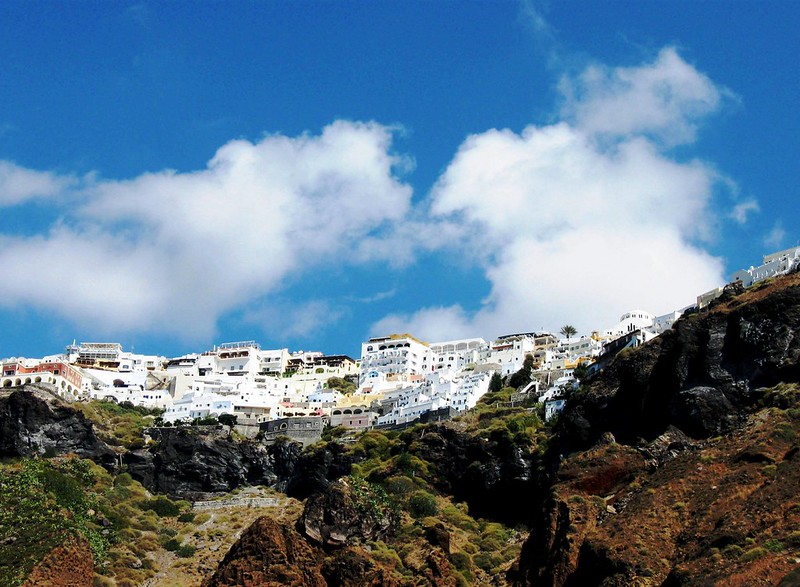
The first time we visited Greece, we went in late September, almost by accident, and it turned out to be one of the best travel decisions we have ever made. The sea was still warm, the islands had emptied of their August crowds, and we watched a Santorini sunset with room to breathe. Ever since, we have been a little obsessed with the question of when to go, because in Greece, timing changes everything.
Greece is a year-round destination, but the experience you get in July is wildly different from the one you get in April or October. The right month depends on whether you want beach heat or hiking weather, lively nightlife or quiet villages, peak-season energy or shoulder-season value. This guide breaks down Greece season by season and month by month, so you can pick the perfect time for the trip you actually want.
The Short Answer: When Is the Best Time to Visit Greece?
If you want our honest, one-line recommendation, it is this: visit in the shoulder seasons, roughly May to mid-June and September to early October. You get warm, sunny weather, swimmable seas, open restaurants and ferries, and noticeably thinner crowds and lower prices than in the peak of summer. For most travelers, that is the sweet spot.
That said, there is no single “best” time, only the best time for your priorities. Beach lovers and party-seekers may want the full heat and buzz of July and August. Hikers, history buffs, and budget travelers will be happier in spring or fall. And a handful of savvy visitors even love the quiet, moody charm of a Greek winter. Let us walk through it all.
Greece by Season
Spring (April to May)
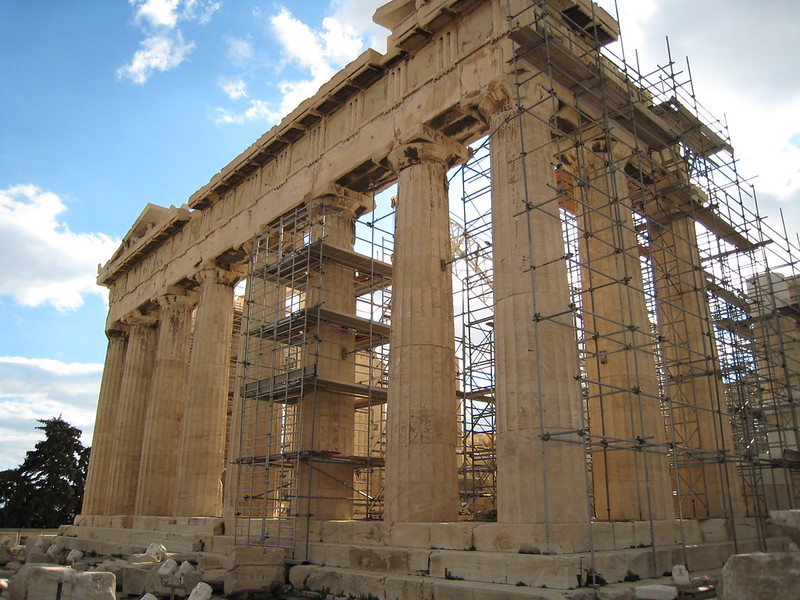
Spring is one of our favorite times to visit Greece, especially if you love the mainland and the historic sites. The landscape is green and covered in wildflowers, temperatures are mild and comfortable for exploring, and places like the Acropolis are far more pleasant to tour than in the summer heat. This is prime time for Athens and archaeological sites, where midday sun can be brutal later in the year.
By late April and May, the islands begin to wake up. Hotels, restaurants, and ferry schedules ramp up, the sea starts to warm (though it is still bracing in April), and the crowds have not yet arrived. Easter, which usually falls in April or early May on the Greek Orthodox calendar, is the most important holiday of the year and an incredible cultural experience, though it does mean busier travel and some closures around the holiday itself.
Summer (June to August)
Summer is high season, and it is high season for a reason: reliably hot, sunny, dry weather, warm seas, and the islands humming with energy. This is the Greece of the postcards, with long beach days, buzzing nightlife on islands like Mykonos, and that golden Mediterranean light everyone dreams about.
The trade-offs are real, though. July and August are the hottest, most crowded, and most expensive months, with temperatures regularly climbing into the mid-30s Celsius (mid-90s Fahrenheit) and heat waves pushing higher. Popular spots like Santorini can feel overwhelmed at sunset, ferries and hotels sell out, and prices peak. August is also when Greeks themselves go on holiday, so domestic travel spikes. If summer is your only option, book early, plan around the midday heat, and consider less-famous islands.
Fall (September to October)
If we had to pick one season, fall might win. September is glorious: the sea is at its warmest after a summer of sunshine, the weather is still reliably beautiful, and the peak crowds thin out noticeably once school is back in session. Prices ease, the islands relax, and everything is still open and running. Our best Greek memories cluster in September.
October continues the magic, especially early in the month, though the weather grows more variable as it goes on and the sea slowly cools. By late October, island tourist infrastructure begins to wind down, ferries reduce their schedules, and some seasonal hotels and restaurants close for the year. It is a wonderful time for the mainland and larger islands, and a lovely, mellow moment to visit if you do not mind the occasional cloudy day.
Winter (November to March)
Winter is the season most travelers never consider, and while it is not for everyone, it has its rewards. The small Cyclades islands largely shut down, with many hotels, restaurants, and ferries running minimal or no service, so this is not the time for a classic island-hopping trip. But Athens and the major cultural sites stay open, far quieter and cheaper, and you can tour the Acropolis in peaceful solitude.
Winter can be cold, gray, and rainy, particularly in the north and at altitude (Greece even has ski resorts in the mountains). But mild, sunny days do happen, and larger islands like Crete stay relatively lively year-round. If you want history, low prices, and no crowds, and you skip the small islands, a Greek winter can be surprisingly rewarding.
Greece Month by Month
January and February: The coldest, quietest months. Great for low-cost city breaks in Athens and cultural touring without crowds, but most islands are dormant. Pack for cool, wet weather.
March: Winter loosens its grip. The mainland begins to green up and early spring wildflowers appear, but the islands are still mostly quiet. A good time for Athens and off-season value.
April: Spring arrives in earnest, with mild temperatures and blooming landscapes. Excellent for the mainland and historic sites. Islands start opening up late in the month. Watch for Greek Orthodox Easter.
May: One of the best months overall. Warm, sunny days, comfortable for both sightseeing and early beach time, ferries and hotels fully operating, and crowds still light. Highly recommended.
June: Early June is close to ideal, with summer weather and warm seas but pre-peak crowds. By late June, high season is ramping up and prices climb. A fantastic month to visit.
July: Full summer. Hot, dry, sunny, and busy. Peak beach and nightlife season, but also peak crowds and prices. Book everything well ahead.
August: The hottest and most crowded month, amplified by Greek domestic holidays. Beautiful but intense and expensive. Best for those who want maximum sun and energy and do not mind the crush.
September: Our top pick alongside May. The sea is at its warmest, the weather is still superb, and the summer crowds fade after the first week or two. Wonderful for islands and beaches with better value.
October: Lovely, especially early in the month, with warm-enough seas and pleasant days. Weather turns more variable later, and island services begin winding down toward month’s end. Great for the mainland and larger islands.
November and December: Back into the off-season. Cool and often wet, with most small islands closed, but Athens and the big sights remain open, quiet, and cheap. December brings festive charm to the cities.
The Best Time to Visit Greece by Interest
For beaches and swimming: Late June through September, when the sea is warmest and the weather most reliable. September in particular offers warm water with fewer crowds.
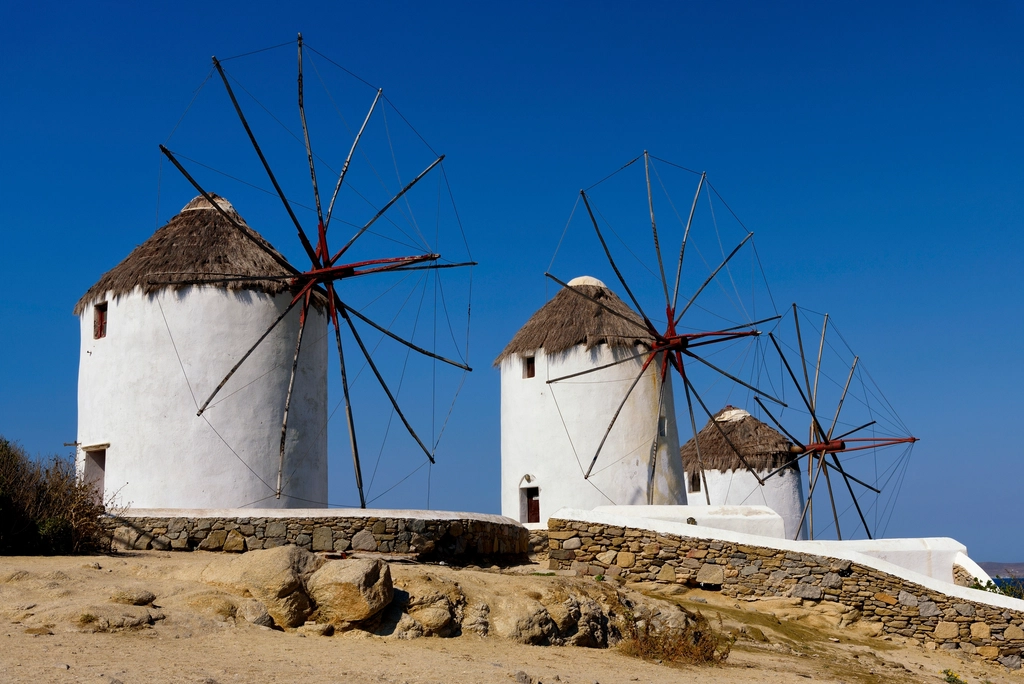
For island hopping and nightlife: July and August deliver the fullest ferry schedules, liveliest scenes, and best party atmosphere, especially on Mykonos and Ios. Just expect crowds and high prices.
For history, ruins, and Athens: Spring (April to May) and fall (October) are ideal, with comfortable temperatures for walking the Acropolis and open-air sites that are punishing in midsummer heat.
For hiking and the outdoors: Spring and fall are best, with mild weather and green (spring) or golden (fall) landscapes. Summer is too hot for serious hiking on most islands.
For budget travelers: The shoulder and off seasons, roughly May, late September, October, and the quiet winter months, bring the lowest prices on flights and hotels. Our guide to how much a trip to Europe costs shows just how much timing affects your total.
For avoiding crowds: May, early June, late September, and October give you the best balance of good weather and breathing room. Deep winter is emptiest of all, if you stick to the mainland.
When We Personally Go
For a first trip built around the famous islands, we point friends toward the second half of September. You get warm seas, gorgeous weather, that unbeatable Santorini sunset with a little more elbow room, and softer prices than in August. May is a close second, greener and fresher if a touch cooler in the water.
If your trip centers on Athens, the mainland, or the ancient sites, spring and fall are the clear winners, with April and October offering the most comfortable sightseeing weather. And if you dream of quiet and cannot resist a bargain, an Athens-focused winter break can be a delight. The pattern we keep coming back to: aim for the shoulders, and let the islands and the cities each shine in their best season.
Where to Book
- Hotels: We use Booking.com to compare island and mainland hotels, and prices shift dramatically by season, so it pays to check different months.
- Tours and experiences: Viator has Acropolis tours, island day trips, catamaran cruises, and sunset sails across the country.
Whenever you go, we always recommend travel insurance for an international trip, especially one built around island ferries and connecting flights that weather can disrupt. Our guide to the best travel insurance for Europe covers what to look for.
Practical Tips for Timing Your Greece Trip
Book peak season far in advance. For July and August, especially on Santorini and Mykonos, reserve hotels and ferries months ahead. The best places sell out.
Respect the heat in summer. If you visit in July or August, plan sightseeing for early morning and evening, and save midday for the beach, the pool, or a shady lunch. Bring sun protection and stay hydrated.
Watch the ferry calendar in shoulder season. Ferry frequency drops as fall turns to winter and does not fully return until spring. If you are island hopping in October or April, double-check schedules before locking in your plans.
Consider Easter carefully. Greek Orthodox Easter is a beautiful, deeply cultural time to visit, but expect busier domestic travel and some closures around the holiday itself.
Mix cities and islands by season. If you are traveling in the shoulder or off months, weight your itinerary toward Athens, Crete, and larger islands that stay active, and save the small Cyclades for the warmer, busier season.
Final Thoughts: There Is No Bad Time, Only the Right Time
Greece rewards travelers in every season, which is part of what makes it so special. The trick is matching the month to your priorities: summer for full beach-and-party energy, spring and fall for the sweet spot of great weather and fewer crowds, and winter for quiet, affordable culture in the cities. Get the timing right and Greece will exceed even your highest expectations.
Our advice, if you take nothing else from this guide: seriously consider the shoulder seasons. May, early June, and September gave us the warm seas and blue skies we came for, without the peak-season crush or the peak-season prices. That is the Greece we keep going back for.
Planning the rest of your trip? Dive into our destination guides for Santorini, Mykonos, and Athens, and for the bigger picture, see our companion guides on the best time to visit Europe and the best time to visit Italy.