Disclosure: This post contains affiliate links. If you book through our links, we may earn a small commission at no extra cost to you. Thanks for supporting Faceted Travel!
Table of Contents
- When to Visit Grand Teton
- Getting There and Getting Around
- The Best Scenic Drives and Overlooks
- The Best Hikes in Grand Teton
- Wildlife Watching
- Pairing Grand Teton with Yellowstone
- Where to Book Your Grand Teton Trip
- Where to Stay
- A Perfect 3-Day Grand Teton Itinerary
- Practical Tips We Learned the Hard Way
- How Many Days Do You Need in Grand Teton?
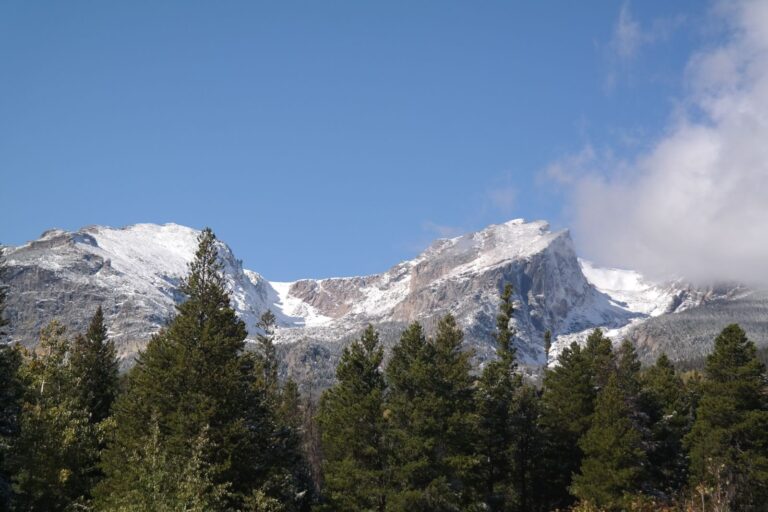
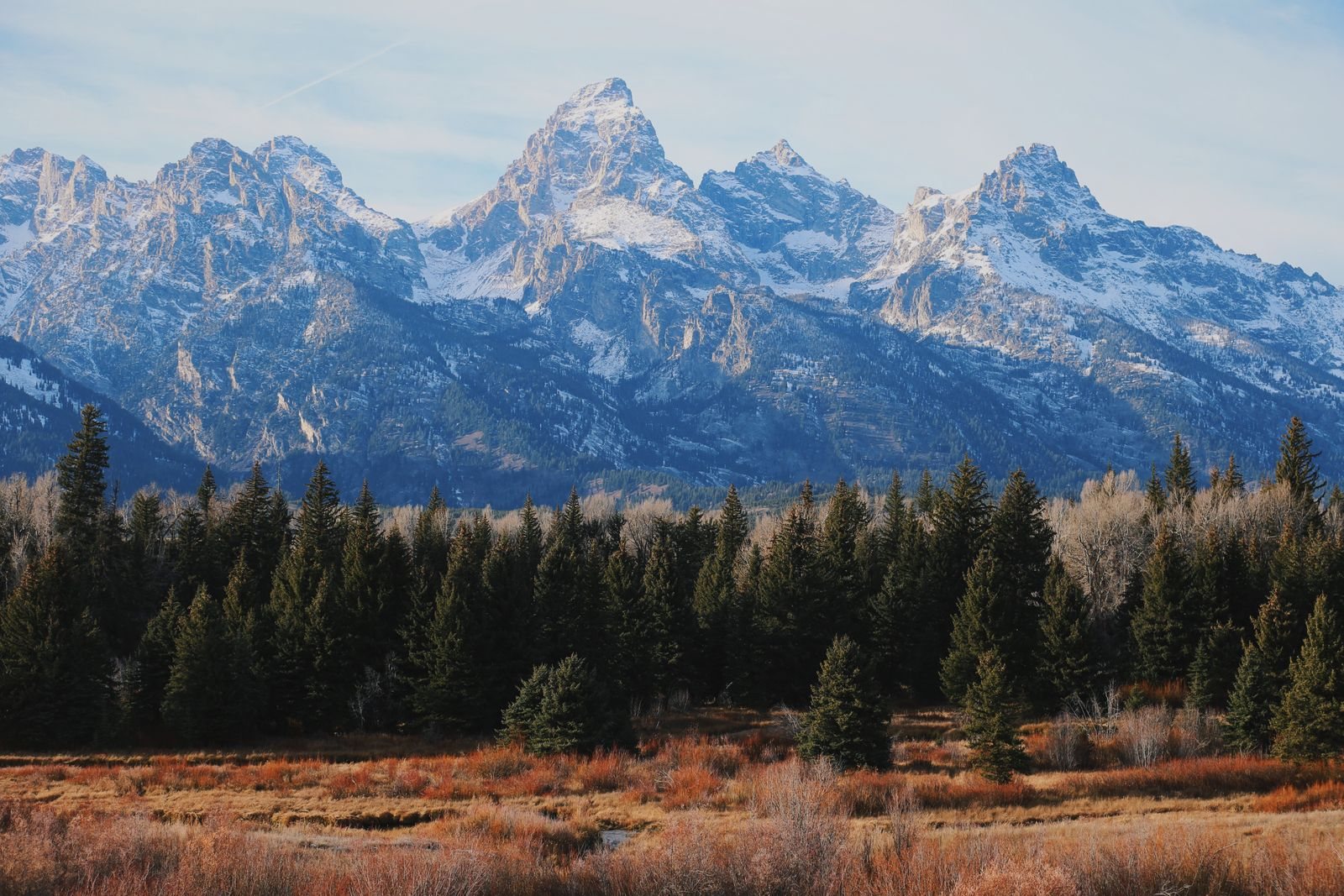
The first time we pulled over at Snake River Overlook and saw the Teton range punch straight up out of the valley floor, neither of us said a word for a full minute. There are no foothills here to ease you in, just a flat sagebrush plain and then 13,000-foot granite peaks rising almost vertically, with the Snake River winding silver in the foreground. Grand Teton National Park in northwest Wyoming is one of the most dramatic mountain landscapes in the country, and it sits just ten miles south of Yellowstone, which means you can pair two bucket-list parks in a single trip.
This Grand Teton travel guide covers when to go, the scenic drives and overlooks you cannot miss, our favorite hikes for every fitness level, where to spot wildlife, where to stay, and the planning lessons we learned so your trip runs smoother than our first one did.
When to Visit Grand Teton
Timing shapes everything here, from which roads are open to whether you are sharing the trail with a crowd or a moose.
Summer (mid-June to early September) is peak season and the most reliable window. Every road, trail, and visitor service is open, wildflowers carpet the meadows, and the long days give you light until almost 9pm. The tradeoff is busier trailheads and pricier, fuller lodges, so book early.
September and early October is our favorite time to visit. The crowds thin out, the cottonwoods and aspens turn gold against the gray peaks, the elk start bugling, and the air gets that crisp high-country bite. It is hard to beat a clear fall morning at Oxbow Bend.
Spring (May to early June) brings rushing rivers, baby bison, and green valleys, but higher trails are still snowed in and some roads open late. It is a beautiful, quiet shoulder season if you stick to the valley floor.
Winter (November to April) turns the park into a snowy wonderland. The interior Teton Park Road closes to cars and becomes a groomed trail for cross-country skiing and snowshoeing, and nearby Jackson Hole Mountain Resort draws skiers from all over the world.
Getting There and Getting Around
Grand Teton is one of the most accessible national parks in the West, which is part of why we love it. Jackson Hole Airport (JAC) sits inside the park itself, with the Tetons as your backdrop on landing, so you can be at a trailhead within 30 minutes of grabbing your bags. If you are flying in, our guide to finding cheap flights covers the fare-tracking tricks we use to keep mountain-town airfare reasonable.
You will want a rental car. The park is spread out, public transit is limited, and the best overlooks and trailheads are scattered along a 40-mile stretch. Fill your tank in Jackson before you head in, because gas inside the park is limited and expensive.
The Best Scenic Drives and Overlooks
Even if you never lace up a hiking boot, Grand Teton rewards you from the road. These are the pullouts we return to every single trip.
Snake River Overlook
This is the view Ansel Adams made famous, and it still stops you cold. The bend of the river leads your eye straight to the peaks. Come at sunrise when the granite glows pink.
Oxbow Bend
A slow curve of the Snake River that mirrors Mount Moran on a calm morning. It is one of the best wildlife spots in the park, too, with frequent moose, otters, beavers, and bald eagles. Early morning and dusk are golden.
Schwabacher Landing
A short gravel road leads to a quiet riverside spot with beaver ponds that throw a perfect reflection of the range. Our pick for sunrise photography, and usually less crowded than Oxbow.
Mormon Row
The weathered Moulton barns standing in front of the Tetons may be the most photographed barns in America, and for good reason. The historic homestead district tells the story of the hardy settlers who farmed this valley.
Signal Mountain Summit Road
A narrow five-mile road climbs to a sweeping panorama of the entire valley, the Snake River, and the full Teton range. The best big-picture view you can get without hiking.
The Best Hikes in Grand Teton
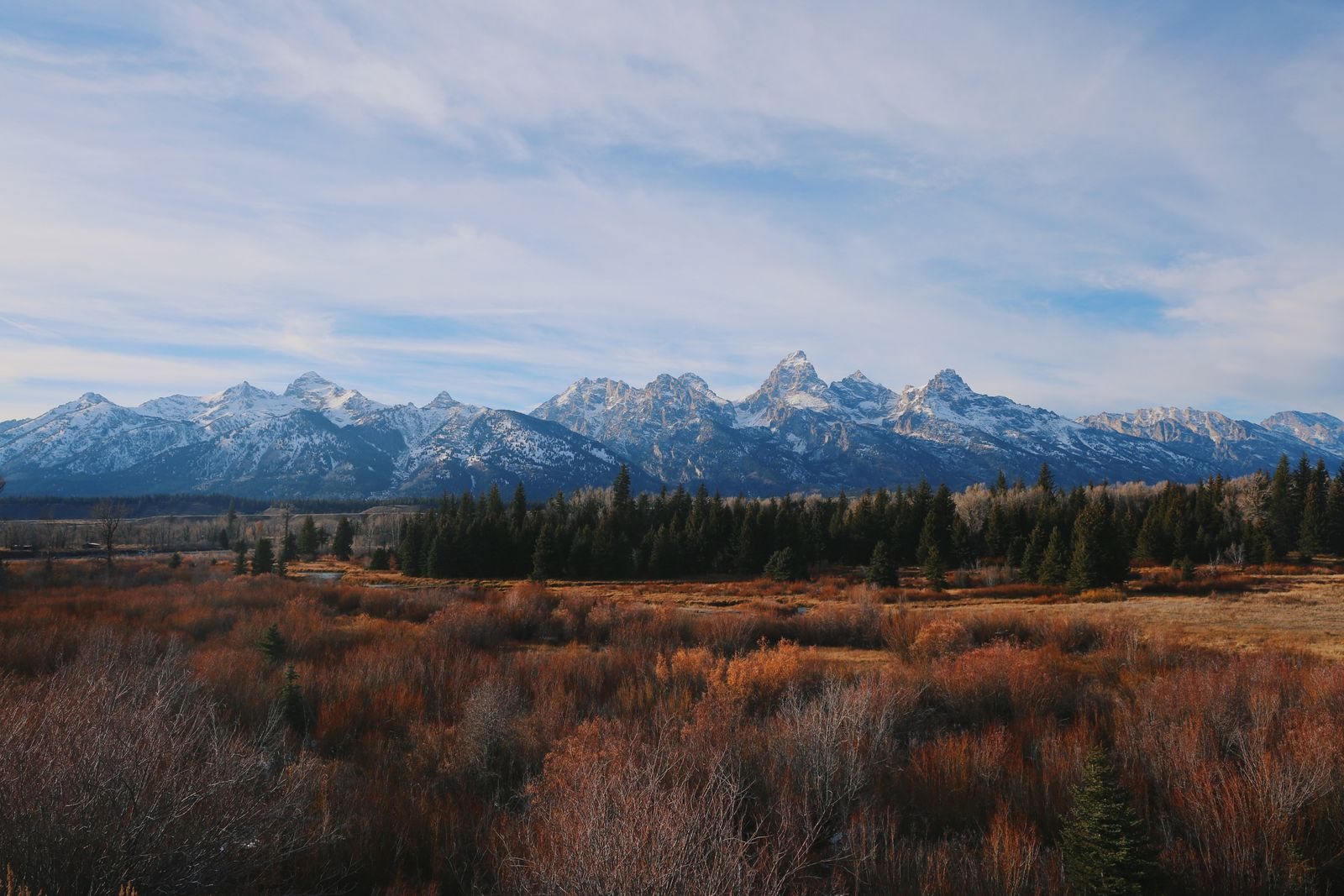
The Tetons are a hiker’s dream, with trails for everyone from stroller-pushing families to alpine scramblers. Here are the ones worth planning your days around.
Jenny Lake and Hidden Falls
The classic Grand Teton hike. Take the shuttle boat across shimmering Jenny Lake, then walk a short distance to Hidden Falls and up to Inspiration Point for a knockout view over the water. You can extend it by continuing into Cascade Canyon, one of the prettiest valley hikes in the park, flanked by sheer canyon walls and often dotted with moose.
Taggart Lake
A gentle 3-mile round trip through meadows recovering from old wildfires, ending at a clear lake with the peaks reflected on its surface. Perfect for families or an easy first-day leg-stretcher.
Phelps Lake via Death Canyon Trailhead
A moderate loop in the quieter southern end of the park, passing the Laurance Rockefeller Preserve, with a beautiful lake and a popular jumping rock for the brave.
Delta Lake
This one is a hidden gem and a workout. An unofficial, steep, boulder-scrambling offshoot of the Amphitheater Lake trail leads to a stunningly blue glacial lake right at the foot of the Grand Teton. It is roughly 8 miles round trip with serious elevation, and the payoff is one of the best alpine views in the park. Only attempt it if you are sure-footed and prepared.
Wildlife Watching
Grand Teton is one of the best places in the lower 48 to see big animals in the wild, and that is a huge part of the magic. We have watched bison herds cross the road, moose wade through willow flats, and a black bear amble across a meadow at dusk.
The valley is home to bison, elk, moose, pronghorn, black bears, grizzly bears, and the occasional wolf. Dawn and dusk are by far the best times to look, and the willow flats around Oxbow Bend, Moose-Wilson Road, and the Gros Ventre area are reliable spots.
A few rules we never break: keep at least 25 yards from most wildlife and 100 yards from bears and wolves, never get between a mother and her young, and carry bear spray on every hike and know how to use it. This is grizzly country, just like our Yellowstone National Park travel guide describes, so the same precautions apply. Give every animal the space it deserves, and use a zoom lens instead of your feet to get closer.
Pairing Grand Teton with Yellowstone
Here is the planning tip that changes everything: Grand Teton and Yellowstone are connected by the John D. Rockefeller Jr. Memorial Parkway, and the drive between the two takes only about an hour. Most travelers fly into Jackson, explore the Tetons, then drive north into Yellowstone, making for one of the greatest road trips in America.
If you have a week, split it between the two. The Tetons give you dramatic peaks, alpine lakes, and intimate hikes, while Yellowstone delivers geysers, hot springs, and sprawling wildlife valleys. Read our full Yellowstone National Park travel guide to plan the second half of the loop. For even more big-mountain inspiration, our Glacier National Park travel guide covers another Montana stunner a day’s drive north.
Where to Book Your Grand Teton Trip
Hotels and Lodges: Search Jackson and Teton-area hotels on Booking.com. The in-park lodges book up to a year ahead, while the town of Jackson has the widest range of hotels, inns, and vacation rentals.
Tours and Activities: Browse Grand Teton tours on Viator, including Snake River float trips, wildlife safari drives, guided hikes, and combo tours that pair the Tetons with Yellowstone.
Travel Insurance: Remote terrain, grizzly country, and unpredictable mountain weather make this a smart trip to insure. See our best travel insurance guide for how we choose a policy.
Where to Stay
Inside the park, the lodges put you right in the scenery. Jackson Lake Lodge is famous for its picture-window view of the range, Jenny Lake Lodge offers cozy luxury cabins near the best hikes, and Colter Bay has more affordable cabins and a campground on the lake. These book out a year in advance for summer.
Jackson is the lively gateway town about 20 minutes south, with the iconic antler-arch town square, great restaurants, art galleries, and the full range of hotels and rentals. It is our usual base because of the food and convenience.
Teton Village, at the base of Jackson Hole Mountain Resort, is a good choice if you want resort amenities and the aerial tram.
Camping: The park’s campgrounds, including Jenny Lake, Signal Mountain, Colter Bay, and Gros Ventre, are spectacular. Most take reservations on recreation.gov, and the popular ones fill the moment they open, so book early.
A Perfect 3-Day Grand Teton Itinerary
Day 1: Drive the scenic loop with stops at Snake River Overlook, Oxbow Bend, and Mormon Row, ideally starting at sunrise. Hike to Taggart Lake in the afternoon, then catch sunset at Schwabacher Landing.
Day 2: Take the morning shuttle boat across Jenny Lake, hike to Hidden Falls and Inspiration Point, and continue into Cascade Canyon as far as your legs want to go. Spend the evening exploring the town of Jackson.
Day 3: Go wildlife watching at dawn along Moose-Wilson Road or the Gros Ventre, then either tackle a bigger hike like Delta Lake or take a relaxing Snake River float trip. If you are continuing on, drive north into Yellowstone.
Practical Tips We Learned the Hard Way
- Start at dawn. The light is best, the wildlife is most active, and the popular trailheads like Jenny Lake fill up by mid-morning in summer.
- Carry bear spray and know how to use it. Buy it in Jackson; you cannot fly with it. Keep it accessible, not buried in your pack.
- Book lodging absurdly early. In-park lodges and the best campgrounds release about a year out and fill fast.
- Fuel up and pack snacks. Services inside the park are limited and pricey, and you will not want to interrupt a great morning to drive back to town.
- Layer up. Even in July, mornings can start near freezing and afternoons can bring thunderstorms. Bring rain gear and warm layers.
- Respect the altitude. The valley sits around 6,800 feet. Drink extra water and take it easy your first day.
How Many Days Do You Need in Grand Teton?
Two days lets you drive the overlooks and squeeze in a signature hike like Jenny Lake, but it will feel rushed. Three days is our sweet spot: one for the scenic drives, one for a big hike, and one for wildlife and a river float. If you are pairing the Tetons with Yellowstone, give yourself a full week so neither park feels like a checklist.
Grand Teton is the kind of place that rewards slowing down. Sit on a lakeshore, watch a moose wade through the willows, and let those impossible peaks do the rest. It remains one of our favorite places in the entire country, and we suspect it will become one of yours, too.
For more outdoor and national park inspiration, pair this guide with our Yellowstone National Park travel guide, Glacier National Park travel guide, and Zion National Park travel guide for the ultimate Western road trip.