Disclosure: This post contains affiliate links. If you book through our links, we may earn a small commission at no extra cost to you. Thanks for supporting Faceted Travel!
Table of Contents
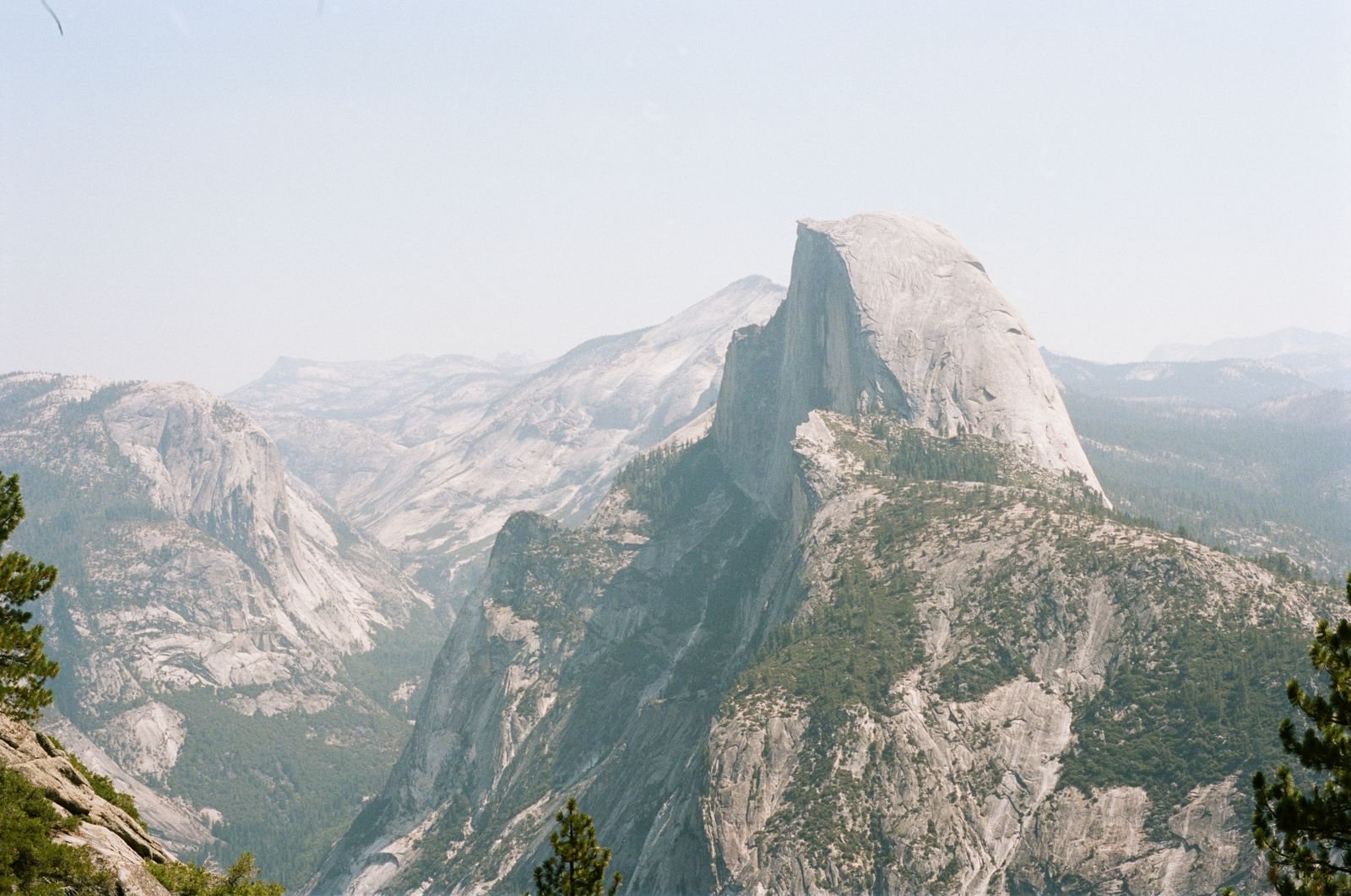
The first time we drove into Yosemite Valley and Half Dome came into view through the trees, we both went quiet. We have stood at the rim of the Grand Canyon and watched geysers erupt in Yellowstone, but nothing quite prepared us for that wall of granite rising straight up out of the valley floor.
Yosemite National Park is one of those places that lives up to every photo you have ever seen, and then some. Waterfalls thunder down cliffs taller than skyscrapers, giant sequoias have been standing since before the Roman Empire, and the light at sunset turns the whole valley gold. We have visited a few times now, in different seasons, and we have learned a lot about how to do this park well (and what we would skip). Here is everything we wish someone had told us before our first trip.
Why Yosemite Is Worth the Hype
Most people picture Yosemite Valley, and for good reason. That seven mile stretch holds the icons: El Capitan, Half Dome, Yosemite Falls, Bridalveil Fall. But the park is enormous, over 1,200 square miles, and the valley is only about one percent of it. If you have time, the high country of Tuolumne Meadows and the giant trees of Mariposa Grove are just as memorable and far less crowded.
What sets Yosemite apart from the other big western parks is the sheer scale of the rock. The granite cliffs are some of the tallest in the world, and you feel small in the best possible way. We have hiked a lot of national parks, and nothing humbles you quite like standing at the base of El Capitan watching climbers the size of ants inch their way up.
When to Visit Yosemite
Timing matters more here than at almost any other park we have visited, so think about what you want to see.
Spring (April to June): Our Favorite
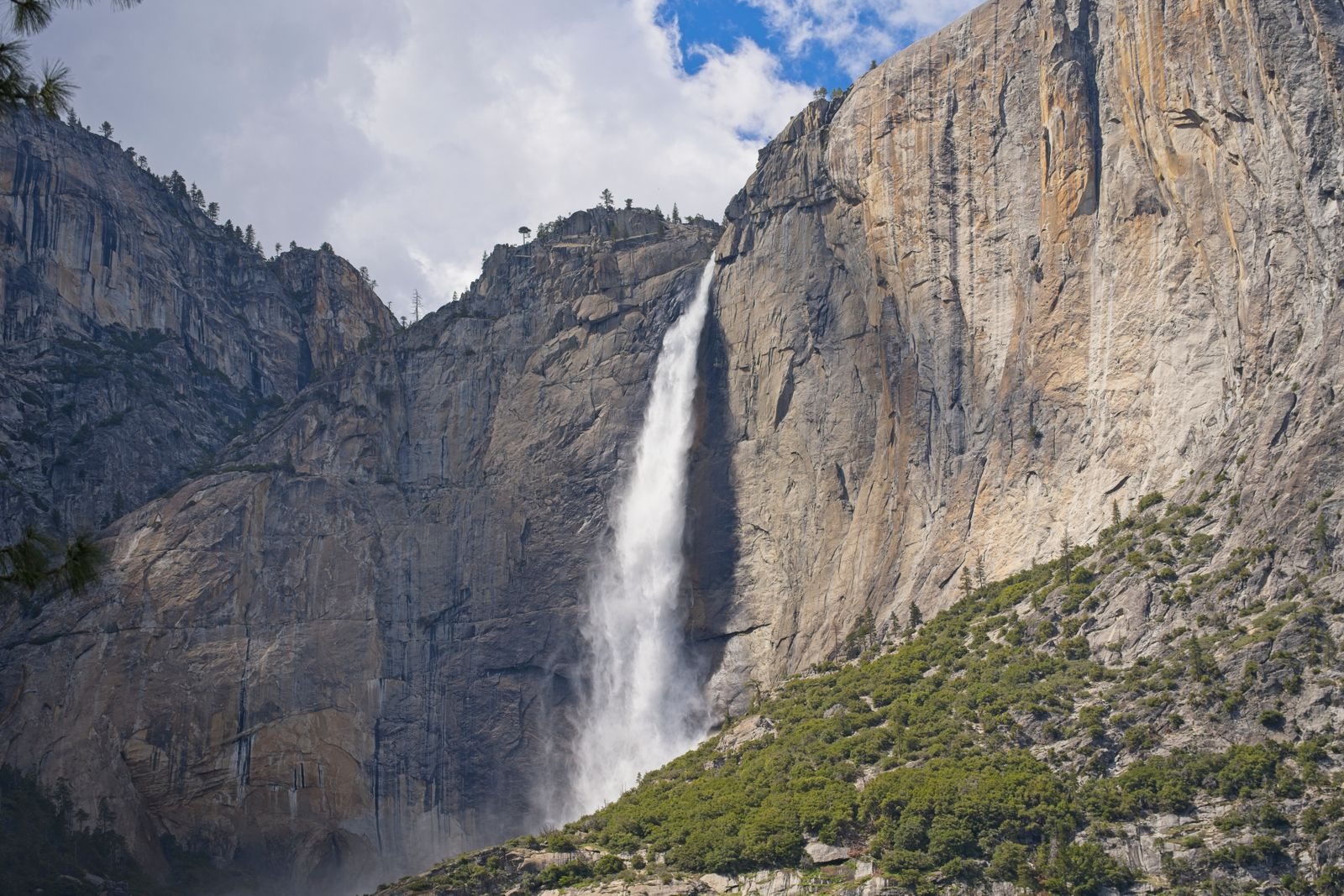
If you only care about one thing, make it the waterfalls, and that means spring. Yosemite Falls and Bridalveil are fed by snowmelt, and by July many of them slow to a trickle or dry up entirely. We visited in late May once and the falls were absolutely roaring, with rainbows in the mist. The downside is that the high country, including Tioga Road and Glacier Point, often stays closed into late May or June because of snow.
Summer (July to August): Everything Open, Everyone There
Summer is when the entire park is accessible, including Tioga Road and the high country. It is also when half of California seems to show up. Parking lots fill by mid morning, and traffic in the valley can be slow. If you come in summer, start early, like sunrise early, and you will have a much better time.
Fall (September to October): The Sweet Spot for Crowds
Fall is quieter, the weather is still pleasant, and the light is gorgeous. The waterfalls are mostly gone, but the trade off in elbow room is worth it for a lot of travelers. This is a great time to combine Yosemite with a swing over to Lake Tahoe, which is only a few hours away.
Winter (November to March): Quiet and Magical
Winter Yosemite is a different world. Snow dusts the granite, the crowds vanish, and you can even ice skate at Curry Village with Half Dome looming overhead. Tioga Road closes, and you will need chains for your tires, but if you want solitude and a postcard scene, winter delivers.
How to Get There and Getting a Reservation
Yosemite sits in central California, and the closest major airports are Fresno (about 2.5 hours), Sacramento (about 3.5 hours), and San Francisco (about 4 hours). We have flown into San Francisco and made a road trip out of it, which we highly recommend if you have the time.
One important heads up: in recent years Yosemite has used a peak hours reservation system during the busy season. The rules change year to year, so check the official National Park Service site before you go. If a reservation is required and you have a hotel booking inside the park, that usually covers you. The entrance fee is 35 dollars per vehicle and is good for seven days, or you can use the America the Beautiful annual pass, which we buy every year and which pays for itself fast if you visit more than two parks.
Where to Stay In and Around Yosemite
Lodging is the single biggest planning challenge for Yosemite, so book early. Like, months early.
Inside the Park
Staying inside the park means you wake up surrounded by the scenery and beat the day trippers to the trailheads. The Ahwahnee is the grand historic hotel, splurgy and gorgeous. Yosemite Valley Lodge puts you walking distance from Yosemite Falls. Curry Village offers cabins and canvas tents at a more reasonable price. These book up six months to a year out for summer dates, so plan accordingly.
Outside the Park
If in park lodging is full or out of budget, the gateway towns are your friend. El Portal and Mariposa sit near the Arch Rock entrance, Oakhurst is south near the Wawona entrance and Mariposa Grove, and Groveland is to the west. We have stayed in Oakhurst and found it an easy 45 minute drive to the valley. Booking a hotel just outside the park is often far cheaper, and you still get early access if you leave at dawn.
The Best Things to Do in Yosemite
Stand Beneath Yosemite Falls
At 2,425 feet, Yosemite Falls is one of the tallest waterfalls in North America. The Lower Yosemite Fall trail is a flat, easy one mile loop that gets you to the base, and in spring you will get misted. For the ambitious, the Upper Yosemite Fall trail climbs to the top, but it is a strenuous all day effort.
Drive or Hike to Glacier Point
If you do one thing for the view, make it Glacier Point. The overlook sits 3,200 feet above the valley floor and gives you a jaw dropping panorama of Half Dome, the high country, and the waterfalls. You can drive right up (when the road is open, typically late May through October) or hike the Four Mile Trail if you want to earn it. Sunset here is unforgettable.
Walk Among the Giant Sequoias at Mariposa Grove
Mariposa Grove is home to over 500 mature giant sequoias, including the Grizzly Giant, which is estimated to be around 3,000 years old. Walking among trees that wide and that old is a genuinely moving experience. The grove is near the south entrance, so it pairs well with arriving from or staying in Oakhurst.
Explore Tuolumne Meadows and Tioga Road
When Tioga Road is open in summer, do not skip the high country. Tuolumne Meadows sits at 8,600 feet and feels worlds away from the busy valley, with alpine meadows, granite domes, and crisp air. The drive itself is one of the most scenic in the country.
Bike the Valley Floor
We rented bikes one trip and it was the best decision we made. The valley has 12 miles of paved bike paths, and pedaling around frees you from the parking nightmare while letting you cover way more ground than walking. You glide right past meadows with Half Dome reflected in the river.
Hike to Mirror Lake or Vernal Fall
For an easy payoff, Mirror Lake is a gentle walk to a calm pool that reflects Half Dome (best in spring before it dries). For a heart pumping classic, the Mist Trail to Vernal Fall has you climbing granite steps right alongside the rushing water. You will get soaked, and you will love it.
What We Would Skip
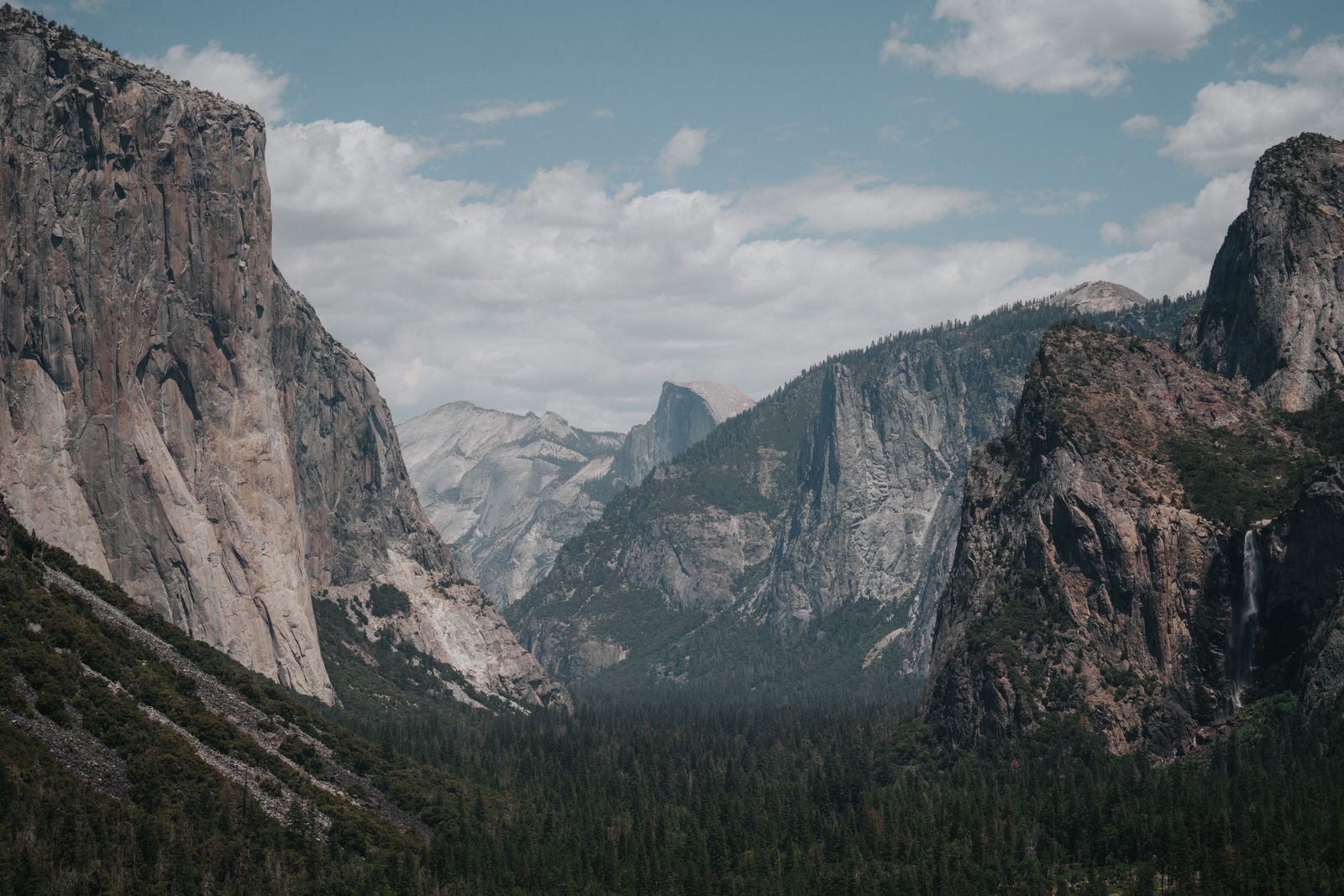
We are big believers in not trying to do everything. If your time is short, skip the long drive out to Hetch Hetchy unless you are a serious hiker chasing solitude. And honestly, do not waste a precious sunset stuck in the Glacier Point parking hunt if the road is jammed; the Tunnel View pullout gives you a spectacular valley vista with far less hassle. Tunnel View at sunrise or sunset, by the way, might be the single most photographed spot in the park, and it deserves the reputation.
Tips From Our Trips
Start early every single day. The difference between arriving at 7 a.m. and 10 a.m. is the difference between an empty trail and a packed one.
Pack layers, even in summer. The valley can be warm while the high country is chilly, and mountain weather shifts fast.
Bring a refillable water bottle and snacks. Food options inside the park are limited and pricey.
Download offline maps before you arrive. Cell service is spotty to nonexistent in much of the park, which is honestly part of the charm.
Store all food in the bear lockers. Yosemite bears are clever, and a car is not a safe place for snacks.
Consider travel insurance for a big national park trip, especially if you are flying in and booking nonrefundable lodging months ahead. We break down why in our guide to whether travel insurance is worth it, and for a domestic park trip the peace of mind is real.
Where to Book
Ready to start planning? Here is where we book the pieces of a Yosemite trip:
Hotels: For lodging in the gateway towns of Oakhurst, Mariposa, and Groveland, we use Booking.com to compare options and prices. Filter by guest rating and book the refundable rate when you can, since plans around a park trip often shift.
Tours and Experiences: For guided hikes, photography tours, and day trips from the Bay Area, browse Viator. If you are short on time or do not want to deal with the reservation and parking logistics, a guided day tour from San Francisco or Fresno takes the stress out of it.
Rental Car: A car is essential for Yosemite. Book early for summer dates, as availability at the nearest airports gets tight.
Final Thoughts
Yosemite is one of those rare places that somehow exceeds the expectations its own photos create. Whether you come for the thundering spring waterfalls, the silent giant sequoias, or just to stand at Tunnel View and feel small, it will stay with you. Give it at least two full days, three or four if you can, start your mornings early, and let yourself slow down enough to actually look up.
If you are building out a bigger western national parks road trip, do not miss our guides to Yellowstone, Zion, and Grand Teton. And since so many Yosemite trips start in the Bay Area, our San Francisco travel guide will help you tack a city stay onto your mountains. Happy travels, and watch out for those bears.