Disclosure: This post contains affiliate links. If you book through our links, we may earn a small commission at no extra cost to you. Thanks for supporting Faceted Travel!
Table of Contents
- When to Visit Boston
- Getting to Boston and Getting Around
- Walking the Freedom Trail
- Top Things to Do in Boston
- Best Neighborhoods in Boston
- What to Eat in Boston
- A Perfect 3-Day Boston Itinerary
- How Many Days Do You Need in Boston?
- Where to Stay in Boston
- Day Trips from Boston
- Boston on a Budget and Practical Tips
- Where to Book
- Final Thoughts
Boston is the rare American city where you can walk a 250-year-old cobblestone street in the morning, watch a Red Sox game in the afternoon, and eat the best clam chowder of your life that same night. We came expecting a history lesson and left with a soft spot for one of the most walkable, characterful cities in the country.
This Boston travel guide covers when to visit, how to get around, the Freedom Trail and the rest of the must-do sights, the neighborhoods worth your time, what to eat, and a 3-day itinerary that balances colonial history with present-day fun. Boston rewards travelers who slow down and walk, so lace up comfortable shoes and let us show you around.
When to Visit Boston
Boston has four genuine seasons, and the city feels different in each.
Fall (September to early November) is our favorite. The weather is crisp, the light is golden, and the surrounding New England countryside explodes into the best foliage in the United States. It is also peak season, so book ahead.
Spring (April to June) is lovely once the chill lifts, with blooming magnolias along Commonwealth Avenue and the Public Garden at its prettiest. Early spring can still be raw and gray, so pack layers.
Summer (July to August) is warm, lively, and full of harbor cruises, outdoor dining, and baseball. It is the busiest stretch and prices climb, but the long days are wonderful.
Winter (December to March) is cold and snowy, but it has its charms: cozy pubs, holiday lights on Newbury Street, and far smaller crowds. Just dress seriously for the weather.
Getting to Boston and Getting Around
Logan International Airport (BOS) sits remarkably close to downtown, just a few minutes across the harbor. The Silver Line bus runs from the airport into the city for free, which is one of the best transit deals in the country, or you can grab the subway, a taxi, or a rideshare easily.
Boston is also a major Amtrak hub. The train from New York City takes about 4 hours and drops you right downtown at South Station, which makes Boston an easy add-on to a Northeast trip. If you are pairing the two cities, our New York City travel guide covers the other anchor of the corridor.
Once you arrive, here is the most important thing we can tell you: Boston is a walking city. It is compact, and the historic core is best explored on foot. When your feet need a break, the subway (locals call it the “T”) is cheap and easy, with color-coded lines that cover most of what you will want to see. We barely used rideshares the entire trip. Skip renting a car unless you are heading out of town, because Boston traffic and parking are famously punishing.
Walking the Freedom Trail
The Freedom Trail is the single best way to understand Boston, and it is the first thing we recommend to anyone visiting. It is a 2.5-mile route marked by a red line (sometimes painted, sometimes brick) right in the sidewalk, connecting 16 historic sites tied to the American Revolution.
You will pass the Massachusetts State House, the Granary Burying Ground (where Paul Revere and John Hancock are buried), the Old State House, the site of the Boston Massacre, Faneuil Hall, the Paul Revere House, and the Old North Church of “one if by land, two if by sea” fame, finishing across the river near the USS Constitution and Bunker Hill. You can follow the whole line on your own for free, or join a guided walk led by a costumed guide for the stories that bring it to life. Give it at least half a day, and do not rush the stops that grab you.
Top Things to Do in Boston
Wander Beacon Hill and the Public Garden
Beacon Hill is the postcard Boston you are picturing: gas lamps, brick row houses, and impossibly photogenic Acorn Street, often called the most photographed street in America. Stroll up Charles Street for boutiques and cafes, then spill out into the Boston Public Garden, the first public botanical garden in the country. Ride the famous Swan Boats in warm months and find the bronze “Make Way for Ducklings” statues that kids adore.
Catch a Game at Fenway Park
Even if you are not a baseball fan, Fenway Park is worth it. Opened in 1912, it is the oldest ballpark in Major League Baseball, home of the Green Monster wall and a sense of history you can feel in the creaky seats. Catch a Red Sox game if the schedule lines up, or take a ballpark tour on a non-game day.
Explore World-Class Museums
Boston punches far above its weight on museums. The Museum of Fine Arts is one of the best in the country, and the nearby Isabella Stewart Gardner Museum is a jewel box built around a stunning interior courtyard (and the site of the most famous unsolved art heist in history). For families, the Museum of Science and the New England Aquarium on the waterfront are both excellent.
Stroll the Harbor and the North End
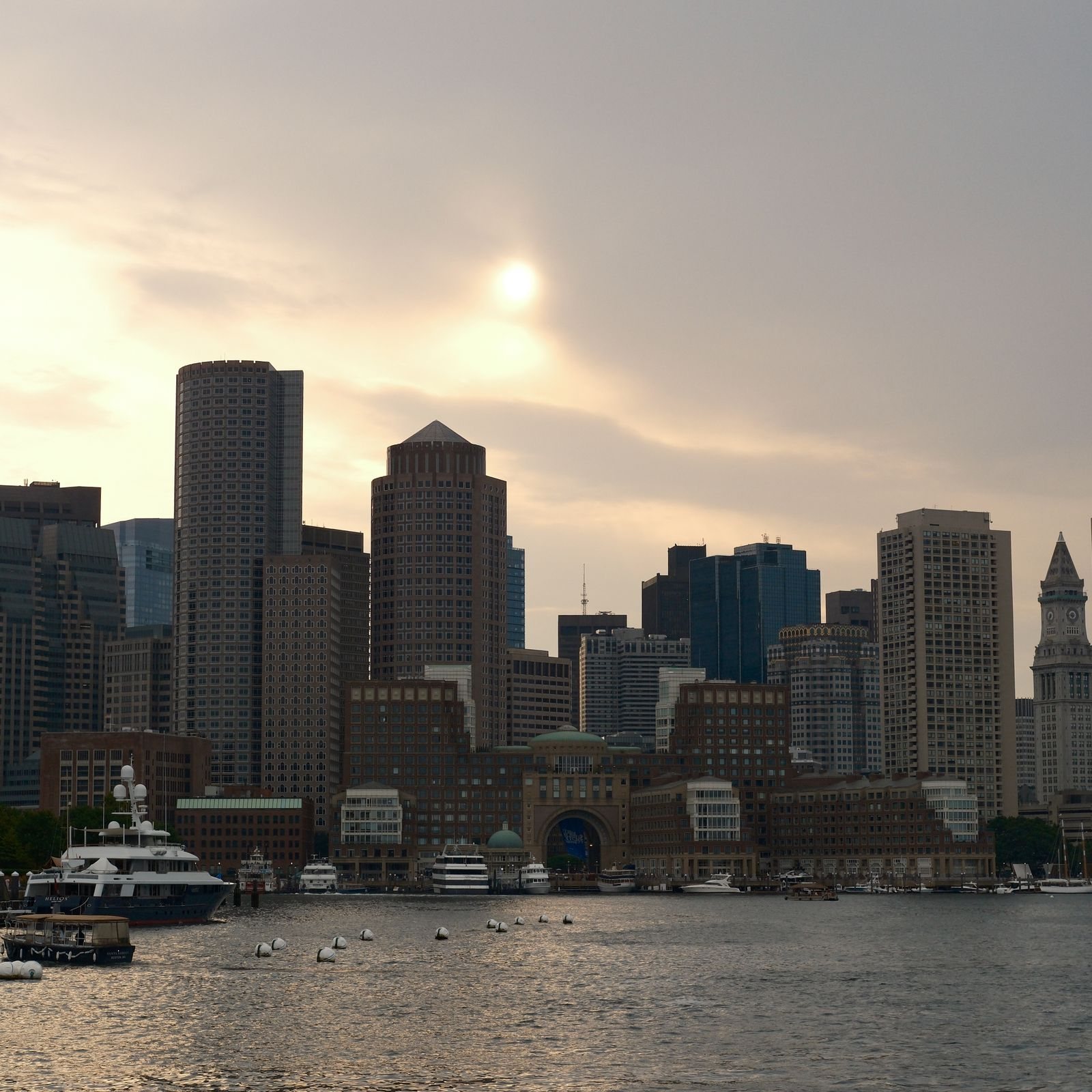
Boston is a harbor city, and the revitalized Seaport and the historic waterfront are great for a walk, a harbor cruise, or a whale-watching trip in season. Just inland, the North End is Boston’s Little Italy, a tight grid of streets packed with red-sauce restaurants, espresso bars, and the legendary cannoli rivalry between Mike’s Pastry and Modern Pastry.
Day Trip to Cambridge
Just across the Charles River, Cambridge is home to Harvard and MIT. Wander through Harvard Yard, browse the bookshops and cafes of Harvard Square, and soak up the college-town energy. It is one subway stop away and makes for an easy half-day.
Best Neighborhoods in Boston
Knowing the neighborhoods helps you plan where to wander and where to sleep.
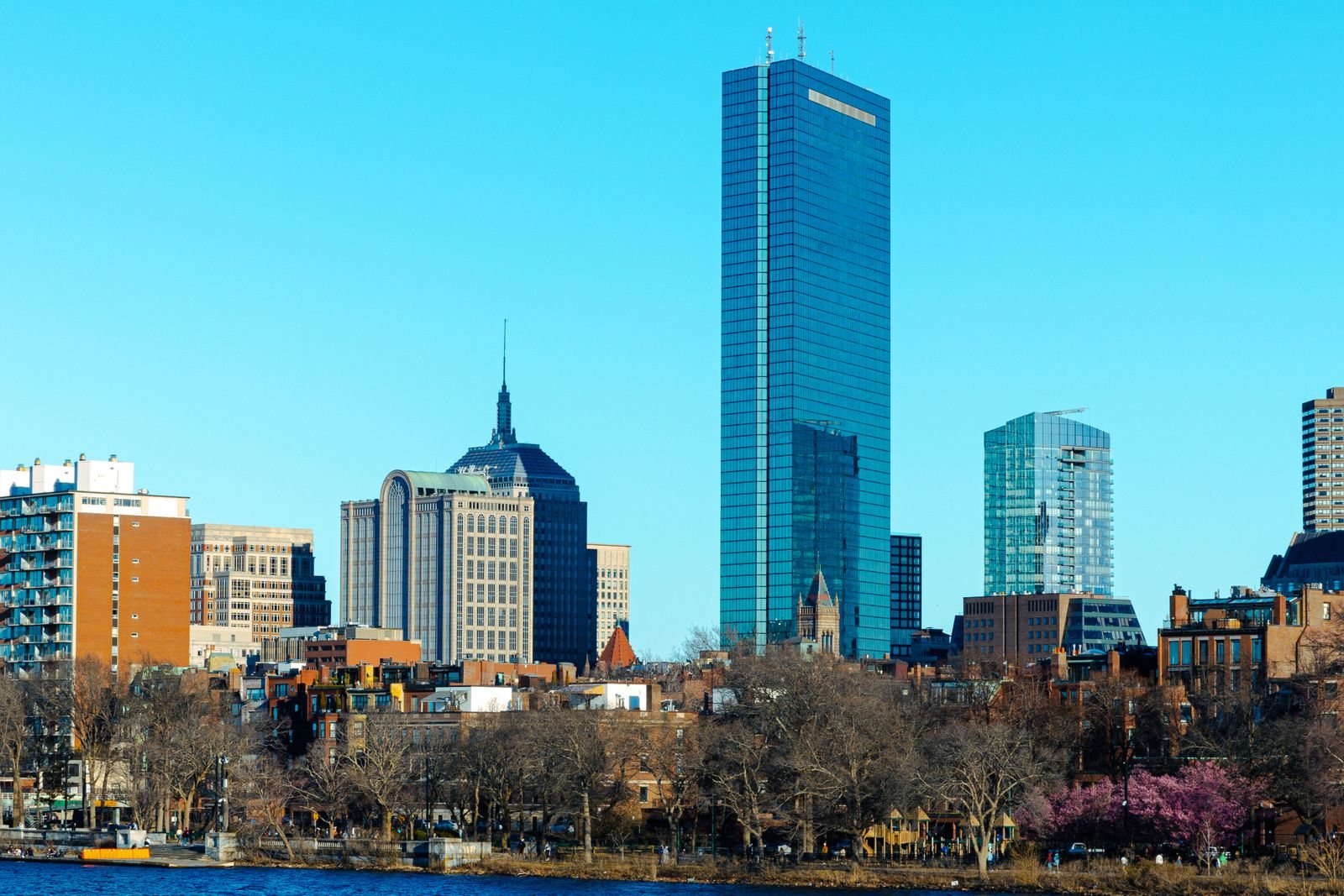
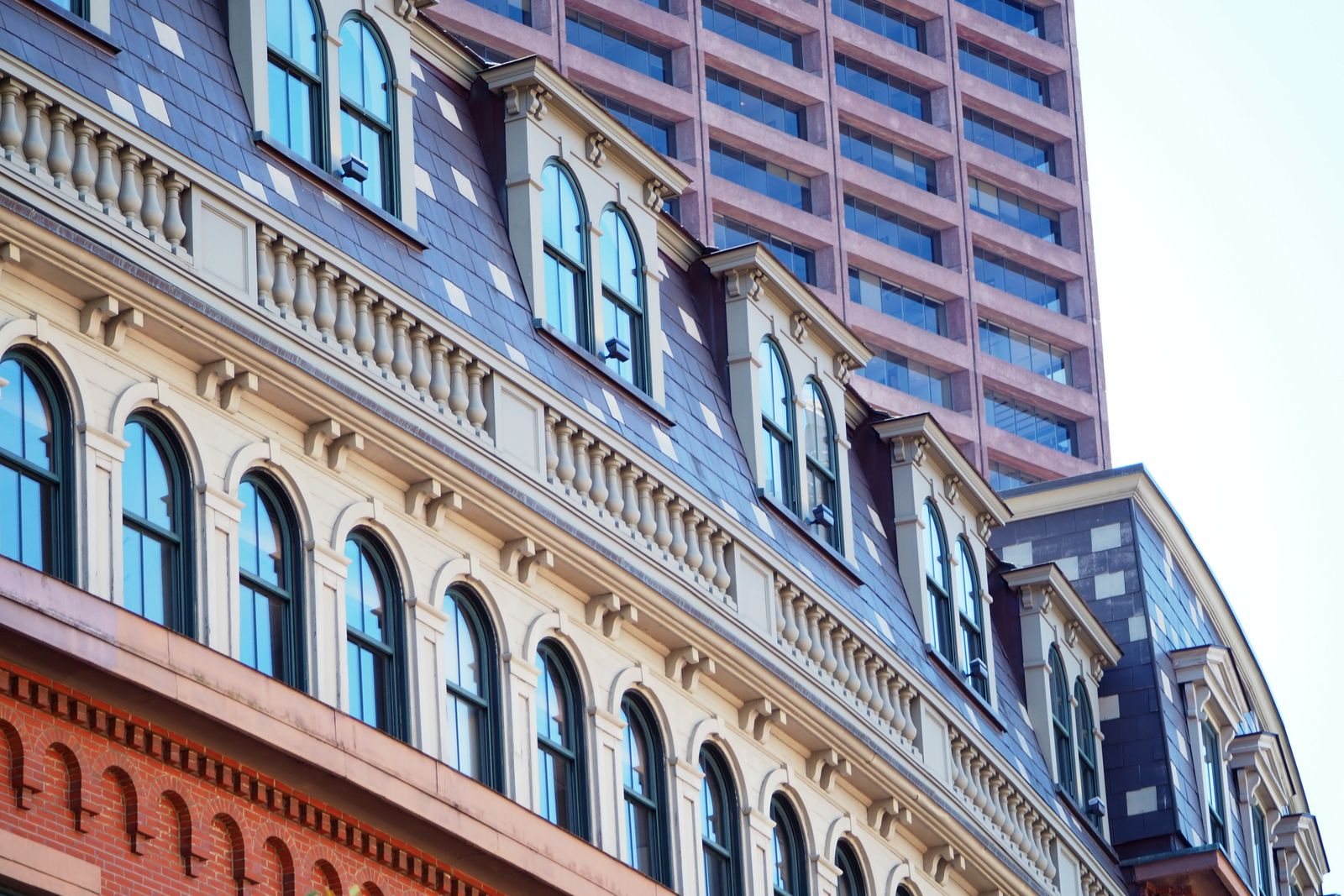
Back Bay is elegant and central, with the shops of Newbury Street, brownstone-lined blocks, and easy access to everything. Beacon Hill is historic and charming, ideal for a romantic stroll. The North End is all Italian food and old-world atmosphere. Downtown and the Financial District put you steps from the Freedom Trail. The Seaport is the modern, glassy waterfront district with newer hotels and restaurants. Cambridge offers a more academic, laid-back base across the river.
What to Eat in Boston
Boston is a serious food city, and seafood is the headliner.
- Clam chowder: the creamy New England classic. Try it at a no-frills spot near the harbor and skip any version that is not thick and rich.
- Lobster roll: buttery, toasted, and stuffed with fresh Maine lobster. Worth every penny.
- Fresh oysters and raw bar: the cold Atlantic waters produce excellent oysters. The Union Oyster House is the oldest continuously operating restaurant in the country.
- North End Italian: handmade pasta, then a cannoli for the walk home.
- Boston cream pie and Boston baked beans: the namesake classics, if you want the full local experience.
Pair it all with a local craft beer, since the Boston area has a thriving brewery scene.
A Perfect 3-Day Boston Itinerary
Day 1: History. Walk the Freedom Trail from the State House through downtown to the North End. Have lunch at Faneuil Hall or Quincy Market, finish the afternoon at the Paul Revere House and Old North Church, and stay in the North End for an Italian dinner and a cannoli.
Day 2: Neighborhoods and museums. Spend the morning on Beacon Hill and in the Public Garden, then shop or stroll Back Bay and Newbury Street. Spend the afternoon at the Museum of Fine Arts or the Isabella Stewart Gardner. Catch a Red Sox game or a Fenway tour in the evening.
Day 3: Water and Cambridge. Take a morning harbor cruise or visit the New England Aquarium, then cross the river to Cambridge for Harvard Square. Use any leftover time for a museum you missed or a final lobster roll on the waterfront.
How Many Days Do You Need in Boston?
Two full days lets you cover the headline sights: one day for the Freedom Trail and the North End, and one for Beacon Hill, Back Bay, and a museum. Three days is the sweet spot, adding Fenway, the harbor, and a Cambridge side trip without feeling rushed. If you want to use Boston as a base for New England day trips (Salem, Cape Cod, or the coast of Maine), give yourself four or five days and enjoy the slower pace.
Where to Stay in Boston
For first-time visitors, we recommend basing yourself in Back Bay or downtown, where you will be walking distance from the Freedom Trail, the Public Garden, and excellent restaurants, with subway access to everything else. Beacon Hill is gorgeous if you want charm and quiet, while the Seaport suits travelers who like modern hotels and a waterfront vibe. Boston hotels are not cheap, so booking early genuinely pays off, especially in fall and during big events. Staying near a subway line will save you both money and aching feet.
Day Trips from Boston
Boston is a fantastic launchpad for New England. Salem (the witch-trial town) is a quick train ride and especially fun in October. Cape Cod and its beaches make a great summer escape. Portland, Maine, with its lobster shacks and lighthouses, is about two hours north, and the rugged beauty of Acadia National Park is within reach for a longer add-on. Plymouth, Lexington, and Concord round out the history-lover’s list.
Boston on a Budget and Practical Tips
Boston has a reputation for being expensive, but it is friendlier to budgets than you might expect. The Freedom Trail, the Public Garden, Harvard Yard, and most of the historic sights cost nothing to enjoy, and the free Silver Line from the airport saves you on day one. Eat lunch from market stalls at Quincy Market, use the T instead of rideshares, and look for “free admission” evenings at some museums.
A few practical notes from our trip. Boston weather changes fast, so pack layers no matter the season. The city is very safe overall, but use normal urban awareness late at night. Bostonians talk fast and walk faster, and jaywalking is practically a local sport, though we still suggest using crosswalks. Tipping follows the US standard of 18 to 20 percent at restaurants. If you are flying in, our guide on how to find cheap flights can help you land a better fare, and it never hurts to read up on travel protection before any trip.
Where to Book
These are the platforms we use to plan our own city trips:
- Hotels: Booking.com has the widest selection of Boston hotels, from Back Bay boutiques to Seaport high-rises, with free cancellation on most.
- Tours and experiences: Viator offers guided Freedom Trail walks, harbor cruises, food tours of the North End, and whale-watching trips.
Final Thoughts
Boston manages something most cities cannot: it carries the weight of American history without feeling like a museum. You can stand where the Revolution started, then turn a corner into a buzzing Italian neighborhood or a packed ballpark. It is compact, walkable, full of great food, and easy to love in just a few days. Give it three, walk the red line, and finish with a lobster roll by the water.
Planning a Northeast adventure? Read our New York City travel guide and Washington D.C. travel guide for the other big cities on the corridor, and our Acadia National Park travel guide if you want to add some New England wilderness to the trip.