Disclosure: This post contains affiliate links. If you book through our links, we may earn a small commission at no extra cost to you. Thanks for supporting Faceted Travel!
Table of Contents
- When to Visit Berlin
- Getting to Berlin and Getting Around
- Understanding Berlin’s History (and Why It Matters Here)
- Top Things to Do in Berlin
- Best Neighborhoods in Berlin
- What to Eat in Berlin
- A Perfect 3-Day Berlin Itinerary
- How Many Days Do You Need in Berlin?
- Where to Stay in Berlin
- Day Trips from Berlin
- Berlin on a Budget and Practical Tips
- Where to Book
- Final Thoughts
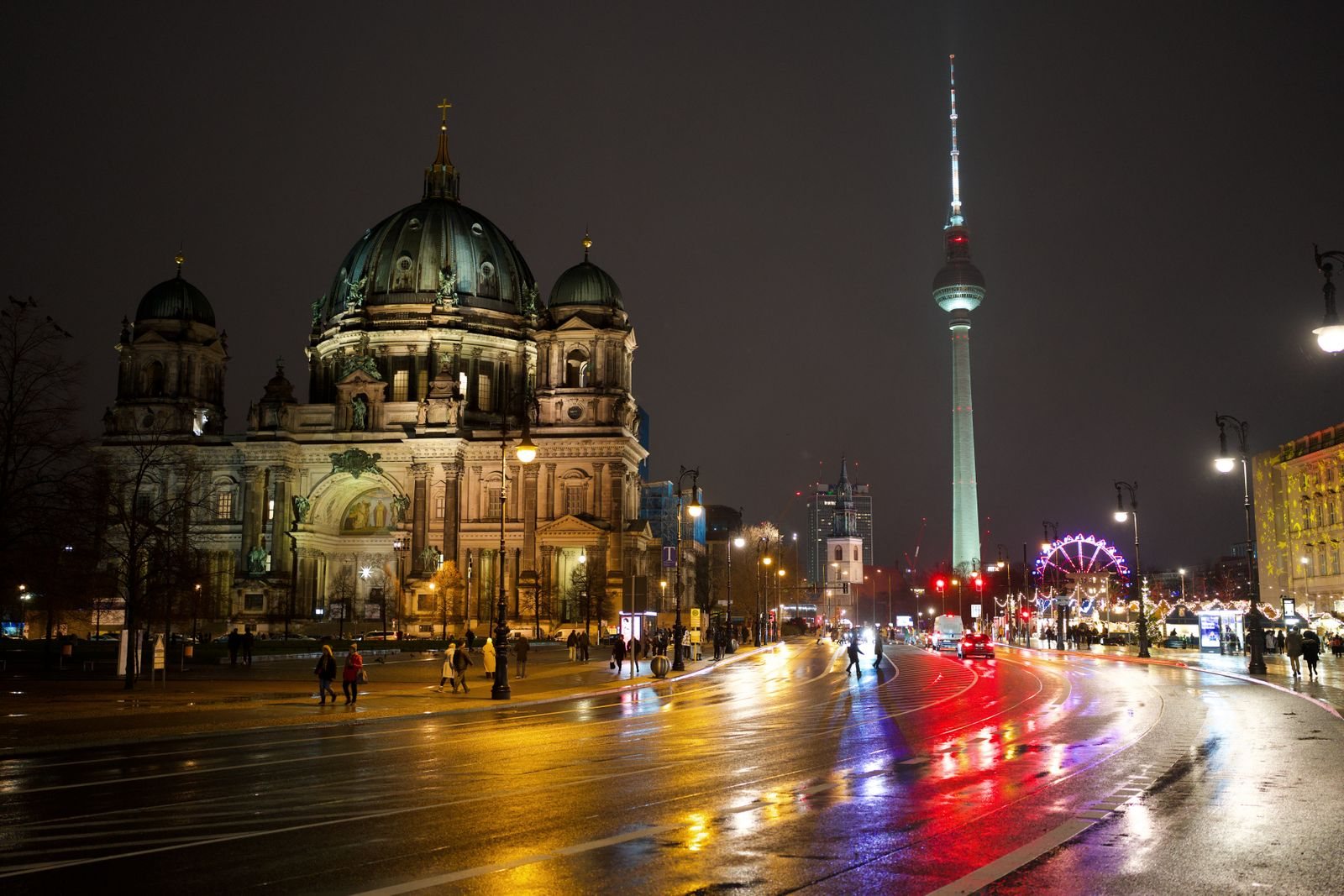
Berlin is not a pretty city in the way Vienna or Prague are pretty, and that is exactly why we love it. It is raw, creative, and layered with history you can still touch, a place that wears its scars openly and turns them into art, museums, and some of the best nightlife in Europe.
This Berlin travel guide covers when to go, how to get around, the historic sites that everyone should see, the neighborhoods that give the city its edge, what to eat, and a 3-day itinerary that balances the heavy history with the fun. Berlin is huge and a little intimidating at first, so we will help you focus on what matters most for a first visit.
When to Visit Berlin
Berlin is a year-round city, but the seasons shape the experience.
Summer (June to August) is peak Berlin: long days, packed beer gardens, open-air clubs, lakeside swimming, and a city that feels fully alive. It is the busiest and most expensive time, but the energy is hard to beat.
Spring (April to May) and early fall (September to October) are our favorites. The weather is pleasant, the crowds are thinner, and the parks and outdoor cafes are in full swing without the summer prices.
Fall (late October to November) turns crisp and moody, which suits Berlin’s character. Museums and cozy cafes come into their own.
Winter (December to February) is cold and gray, but the Christmas markets are wonderful and the world-class indoor culture (museums, opera, clubs) keeps the city busy. Pack a serious coat.
Getting to Berlin and Getting Around
Berlin Brandenburg Airport (BER) connects the city to destinations across Europe and beyond. From the airport, the Airport Express train and regional trains reach the center in about 30 to 45 minutes cheaply.
Berlin is also a major rail hub, with fast, comfortable trains to the rest of Germany and neighboring countries. The high-speed train to Munich takes about 4 hours, making the two cities an easy pairing, and our Munich, Germany travel guide covers the southern half of the country if you want to see both.
Within the city, Berlin’s public transport is excellent: the U-Bahn (subway), S-Bahn (city rail), trams, and buses all run on one integrated ticket system. Buy a day pass or a multi-day pass and you can go almost anywhere. Berlin is also wonderfully bike-friendly and surprisingly flat, so renting a bike or using the bike-share is a great way to cover its long boulevards. The city is large and spread out, so plan to combine walking with transit rather than trying to do it all on foot.
Understanding Berlin’s History (and Why It Matters Here)
You cannot understand Berlin without engaging with its 20th-century history, and the city does not want you to. It was the capital of Nazi Germany, then split in two by the Berlin Wall for nearly three decades during the Cold War, then reunited in 1990. That history is woven into the streets, and confronting it is one of the most powerful parts of any visit.
This is not a downer; it is what gives Berlin its depth. The city has chosen to remember rather than hide, and the result is some of the most thoughtful memorials and museums anywhere in the world.
Top Things to Do in Berlin
See the Brandenburg Gate and Reichstag
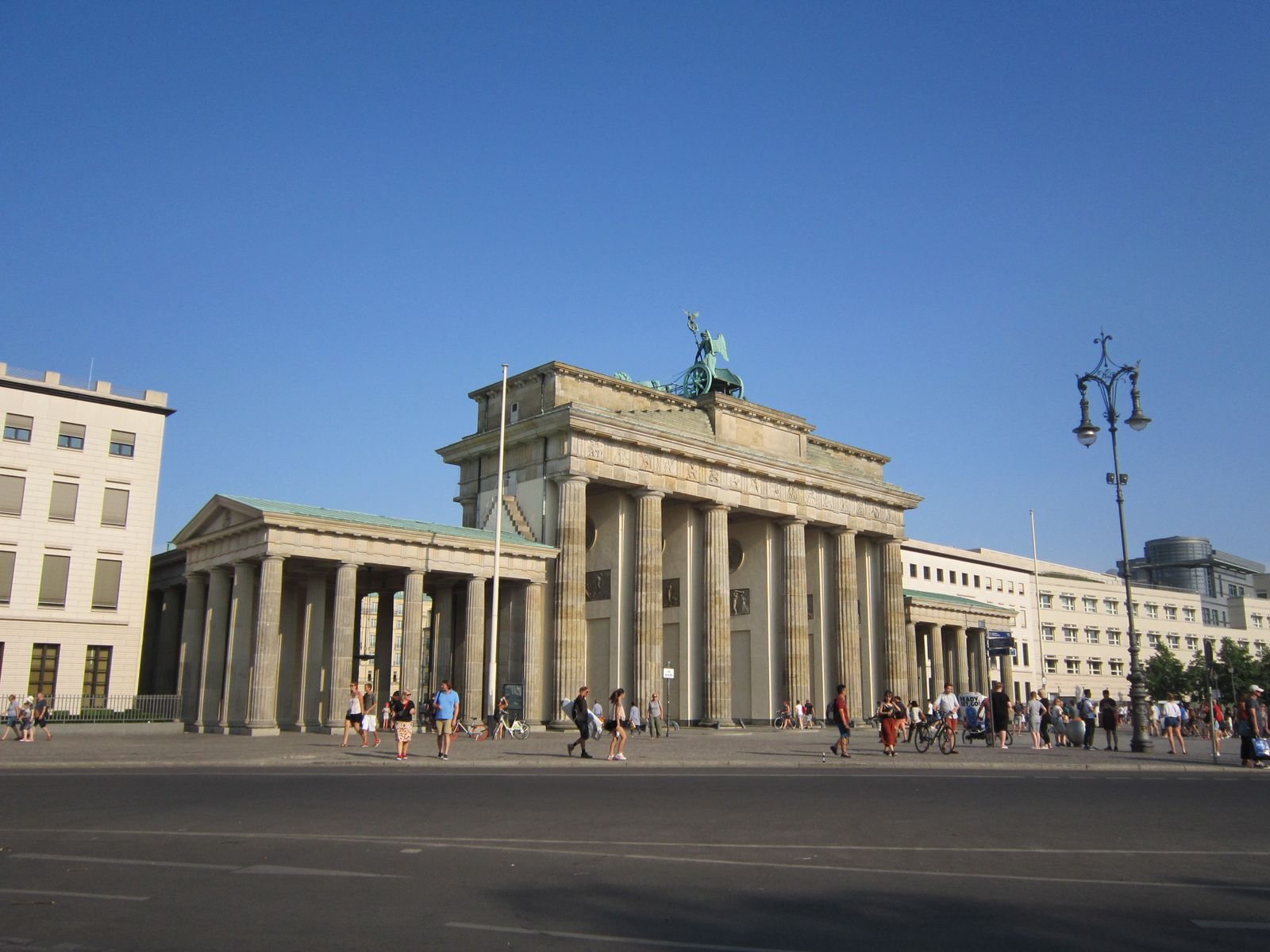
The Brandenburg Gate is Berlin’s iconic symbol, a neoclassical arch that has witnessed Napoleon, Nazi rallies, the divided city, and the celebrations of reunification. Right nearby, the Reichstag (the German parliament) offers free entry to its stunning glass dome with city views if you book ahead online. Between them lies the moving Memorial to the Murdered Jews of Europe, a field of 2,711 concrete slabs you can walk through.
Walk the Berlin Wall and the East Side Gallery
Pieces of the Berlin Wall still stand, and visiting them is essential. The East Side Gallery is a 1.3-km surviving stretch covered in murals by artists from around the world, including the famous painting of two leaders kissing. For the fuller story, the Berlin Wall Memorial on Bernauer Strasse preserves a section with a watchtower and “death strip” and explains daily life in the divided city. Checkpoint Charlie, the famous Cold War crossing point, is touristy but historically significant.
Explore Museum Island
A UNESCO World Heritage Site, Museum Island is a cluster of five world-class museums on an island in the Spree River. The Pergamon (with its monumental ancient altar and gate) and the Neues Museum (home to the famous bust of Nefertiti) are the highlights. Even one museum here is worth a half day.
Dive Into the Neighborhoods and Street Art
Berlin’s soul lives in its neighborhoods. Wander Kreuzberg and Friedrichshain for street art, vintage shops, Turkish food, and the city’s legendary alternative scene. The street art here is genuinely some of the best in the world, turning whole buildings into canvases.
Relax in Tiergarten and the Lakes
Berlin is greener than people expect. The vast Tiergarten park sits in the city center, perfect for a stroll or a bike ride, and in summer locals escape to lakes like Wannsee and the Spree-side beach bars. Few major capitals make it this easy to find water and trees.
Best Neighborhoods in Berlin
Mitte is the historic and central heart, home to most of the headline sights, great for first-timers. Kreuzberg is edgy, multicultural, and famous for food and nightlife. Friedrichshain is younger and grittier, with the East Side Gallery and the city’s club scene. Prenzlauer Berg is leafy, gentrified, and family-friendly, full of cafes and Sunday markets. Charlottenburg in the former West is more elegant and traditional, with grand shopping on the Kurfurstendamm.
What to Eat in Berlin
Berlin’s food scene is a mix of hearty German classics and a genuinely international, multicultural plate.
- Currywurst: the quintessential Berlin street food, a sliced sausage doused in curried ketchup. Cheap, beloved, and everywhere.
- Doner kebab: Berlin has a huge Turkish community, and many argue the modern doner was perfected here. The lines at the best stands are long for a reason.
- Schnitzel and other German classics: crispy breaded cutlets, sausages, and pretzels, best washed down with local beer.
- International eats: Vietnamese, Middle Eastern, vegan (Berlin is one of Europe’s most vegan-friendly cities), and beyond.
- Beer gardens and craft beer: from traditional gardens to a growing craft scene, drinking outdoors is a summer ritual.
A Perfect 3-Day Berlin Itinerary
Day 1: Central history. Start at the Brandenburg Gate and Reichstag dome, walk to the Holocaust Memorial, continue down Unter den Linden, and visit Checkpoint Charlie. Spend the afternoon on Museum Island. Have dinner in Mitte.
Day 2: The Wall and the east. Visit the Berlin Wall Memorial on Bernauer Strasse in the morning, then head to the East Side Gallery. Spend the afternoon and evening exploring Friedrichshain and Kreuzberg for street art, food, and nightlife.
Day 3: Parks, neighborhoods, and your pace. Bike or stroll through Tiergarten, browse a market in Prenzlauer Berg, and pick a museum or memorial you missed. In summer, end at a lakeside or riverside beer garden.
How Many Days Do You Need in Berlin?
Berlin is big, and two days only scratches the surface. Two full days lets you cover the central history and one neighborhood. Three days is the realistic minimum to see the headline sights, walk the Wall, and feel the energy of at least a couple of neighborhoods. Four or five days lets you go deeper into the museums, the parks, the lakes, and day trips, and Berlin genuinely rewards the extra time. We would not plan less than three.
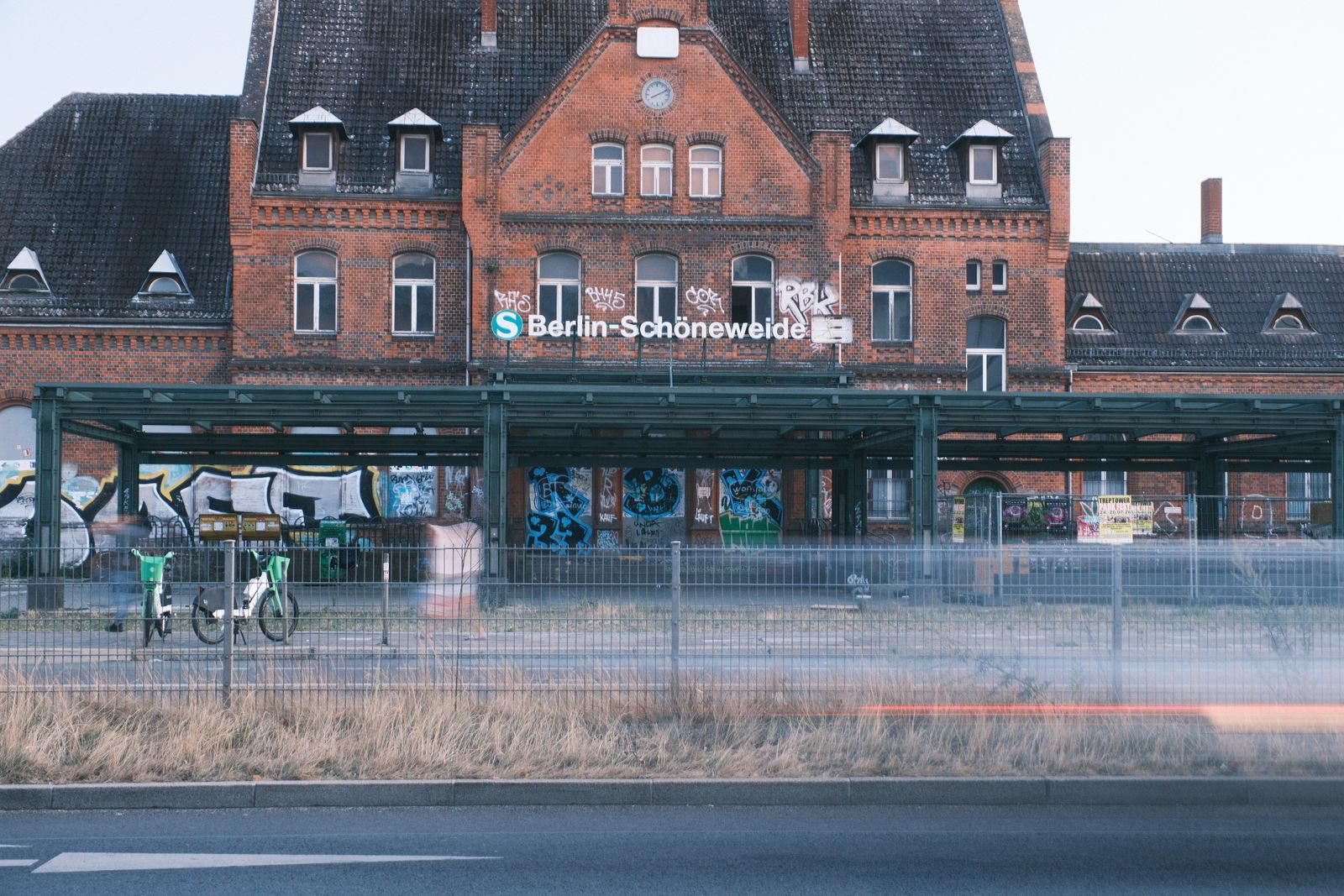
Where to Stay in Berlin
For first-time visitors, Mitte is the most convenient base, putting you walking distance from the major sights and on top of the transit network. For a livelier, more local feel, Prenzlauer Berg (calmer, leafy) and Kreuzberg (edgier, full of food and nightlife) are both excellent. Charlottenburg suits travelers who prefer a more traditional, upscale, quieter area in the former West. Berlin is more affordable than many Western European capitals, so your accommodation budget stretches further here. Wherever you stay, prioritize being near a U-Bahn or S-Bahn station.
Day Trips from Berlin
A few day trips are worth considering. Potsdam, just outside the city, is home to the spectacular Sanssouci Palace and gardens, an easy and rewarding half or full day by S-Bahn. The Sachsenhausen Memorial, a former concentration camp, offers a sobering and important experience for those who want to engage further with the history. In summer, the surrounding lakes make for an easy escape.
Berlin on a Budget and Practical Tips
Berlin is one of the better-value major capitals in Western Europe. Many of its most powerful sights are free: the Brandenburg Gate, the Holocaust Memorial, the East Side Gallery, the Reichstag dome (with advance booking), and the Berlin Wall Memorial cost nothing. Street food is cheap and excellent, transit passes are reasonable, and a free walking tour is a great orientation on day one. For a fuller breakdown of costs across a German or European trip, our guide on how much a trip to Europe costs lays out real numbers.
A few practical notes. Germany still loves cash, so carry some euros even though cards are increasingly accepted. Berlin is generally safe, but use normal awareness around nightlife districts and watch for pickpockets at major sights. Sundays are quiet, with most shops closed (though restaurants, museums, and markets stay open). Validate your transit ticket when you board or risk a fine. And before you travel, it is always smart to sort out travel insurance for Europe, especially for a longer trip.
Where to Book
These are the platforms we use to plan our own European trips:
- Hotels: Booking.com has the widest selection of Berlin hotels and apartments across every neighborhood, with free cancellation on most.
- Tours and experiences: Viator offers guided Third Reich and Cold War walking tours, Museum Island skip-the-line tickets, street art tours, and day trips to Potsdam.
Final Thoughts
Berlin is a city that asks something of you. It does not coast on charm or beauty; it makes you think, then rewards you with creativity, freedom, and energy you will not find anywhere else. Walk the Wall, stand at the Brandenburg Gate, eat a currywurst on a street corner, and lose an evening in Kreuzberg, and you will understand why this scrappy, reinvented capital gets under so many travelers’ skin. Give it three days at least, and let it surprise you.
Building a German or Central European adventure? Read our Munich, Germany travel guide for the very different south, and our Prague travel guide and Vienna, Austria travel guide for the classic cities most often paired with Berlin.