Disclosure: This post contains affiliate links. If you book through our links, we may earn a small commission at no extra cost to you. Thanks for supporting Faceted Travel!
Table of Contents
- How to Choose Your Alaska Trip
- When to Visit Alaska
- Getting to Alaska and Getting Around
- Anchorage: Your Gateway City
- Seward and Kenai Fjords National Park
- Denali National Park
- Talkeetna and Flightseeing
- Fairbanks and the Northern Lights
- Wildlife and Bear Safety
- Inside Passage and Cruises
- What Alaska Costs
- What to Pack
- Where to Book
- A Suggested 7-Day Alaska Itinerary
- Final Thoughts
Alaska does not feel like the rest of the United States. The mountains are taller, the glaciers are bigger, the summer days seem to never end, and the wildlife wanders through the scenery as if you were the visitor (which you are). We are Colorado people who think we know big mountains, and Alaska still made us go quiet.
This Alaska travel guide is built for first-timers. We cover when to go, how to get around, which regions deserve your limited days, and how to avoid the biggest planning mistake: trying to see all of it in one trip. The state is more than twice the size of Texas, so a little strategy goes a long way.
How to Choose Your Alaska Trip
Alaska is really a handful of trips in one. Most first visits focus on one of these three, and it helps to decide before you book anything.
- Southcentral Alaska: Anchorage, Seward, Kenai Fjords, Girdwood and the Kenai Peninsula. This is the easiest region for road trips and the best value for first-timers.
- Interior Alaska: Denali National Park, Talkeetna and Fairbanks. This is the place for big mountains, tundra and northern lights in winter.
- Southeast Alaska: Juneau, Ketchikan, Sitka and the Inside Passage. Usually done by cruise or ferry, with rainforest, whales and glaciers.
If you have a week, pair Anchorage with either Seward or Denali. If you have ten days, you can do both by train and car. Trying to cover all three regions in a week will feel rushed.
When to Visit Alaska
Timing shapes everything, so be deliberate.
- Late May to mid-June: Fewer crowds, lower prices and long daylight. Wildlife is active, but some tours and lodges are just opening.
- Mid-June to mid-August: Peak season. Expect nearly 20 hours of daylight in Anchorage around the solstice, the warmest weather and the most tour options. Book early.
- Late August to mid-September: Our favorite window. Crowds drop, tundra turns red and gold, bears feed on salmon and you can start seeing the northern lights again as nights get dark.
- October to March: Cold, dark and magical for aurora hunting, dog sledding and winter sports. Most visitor services are limited.
Pack layers no matter when you go. A summer day in Alaska can swing from sunny and 70 degrees to cold and rainy within hours.
Getting to Alaska and Getting Around
Most visitors fly into Anchorage’s Ted Stevens International Airport, which has nonstop flights from many U.S. cities including Seattle, Denver and Minneapolis. Fairbanks and Juneau also receive flights. If you are tracking prices, our best time to book flights guide explains how far ahead to look.
Getting around depends on your route.
- Rental car: The best way to explore the Kenai Peninsula and the Anchorage area. Roads are good, but summer rental cars sell out and prices climb, so book months ahead.
- Alaska Railroad: One of the most scenic train rides in the country. Routes connect Anchorage with Seward, Talkeetna, Denali and Fairbanks. Glass-domed cars make photography easy and driving unnecessary.
- Tour buses and shuttles: Useful for Denali, where private vehicles are limited inside the park.
- Small planes: Alaska runs on bush planes. Flightseeing and fly-in bear viewing are bucket-list experiences.
Anchorage: Your Gateway City
Anchorage is where most trips begin and end, and it is better than its reputation as just an airport stop. It sits between mountains and the Cook Inlet, and you can see moose in town.
Walk or bike the Tony Knowles Coastal Trail for water and mountain views, and keep an eye out for moose and, in season, beluga whales near the inlet. The Anchorage Museum is one of the best in the state for Alaska Native culture and art. Visit the Alaska Native Heritage Center for storytelling, dance and traditional dwellings.
Eat well while you are here. Fresh salmon, halibut tacos, reindeer sausage and craft beer are all easy to find. Save your appetite for king crab, which is an Alaska must.
Day Trips from Anchorage
- Girdwood and Alyeska: A 40-minute drive south. Ride the Alyeska Tramway for panoramic views and visit the Alaska Wildlife Conservation Center to see moose, bears and bison up close.
- Portage Glacier area: Cruise to the glacier on Portage Lake or hike nearby trails.
- Hatcher Pass: A mountain valley with old mining buildings, wildflowers and sweeping views in summer.
Seward and Kenai Fjords National Park
Seward is a harbor town at the head of Resurrection Bay, about 2.5 hours south of Anchorage by car. The drive on the Seward Highway is one of the most beautiful in America. Pull off often. You may see Dall sheep on the cliffs and beluga whales in Turnagain Arm.
Kenai Fjords Boat Cruises
A full-day or half-day boat cruise is the highlight. You will glide past tidewater glaciers, hear ice calving into the water and often see humpback whales, orcas, sea otters, puffins and sea lions. Cruises range from about four to eight hours, and the longer ones go farther into the park for better glacier time. Bring layers and motion sickness medication if you need it.
Exit Glacier
The only part of Kenai Fjords you can reach by road. A short, flat trail leads to the base of the glacier, and a longer climb goes up to the Harding Icefield for a big-view hike. Signs along the path show how far the ice has retreated, and it is a powerful sight.
Other Seward Activities
Visit the Alaska SeaLife Center, try sea kayaking in Resurrection Bay and enjoy fish and chips on the waterfront. Stay two nights if you can, so the cruise does not feel rushed.
Denali National Park
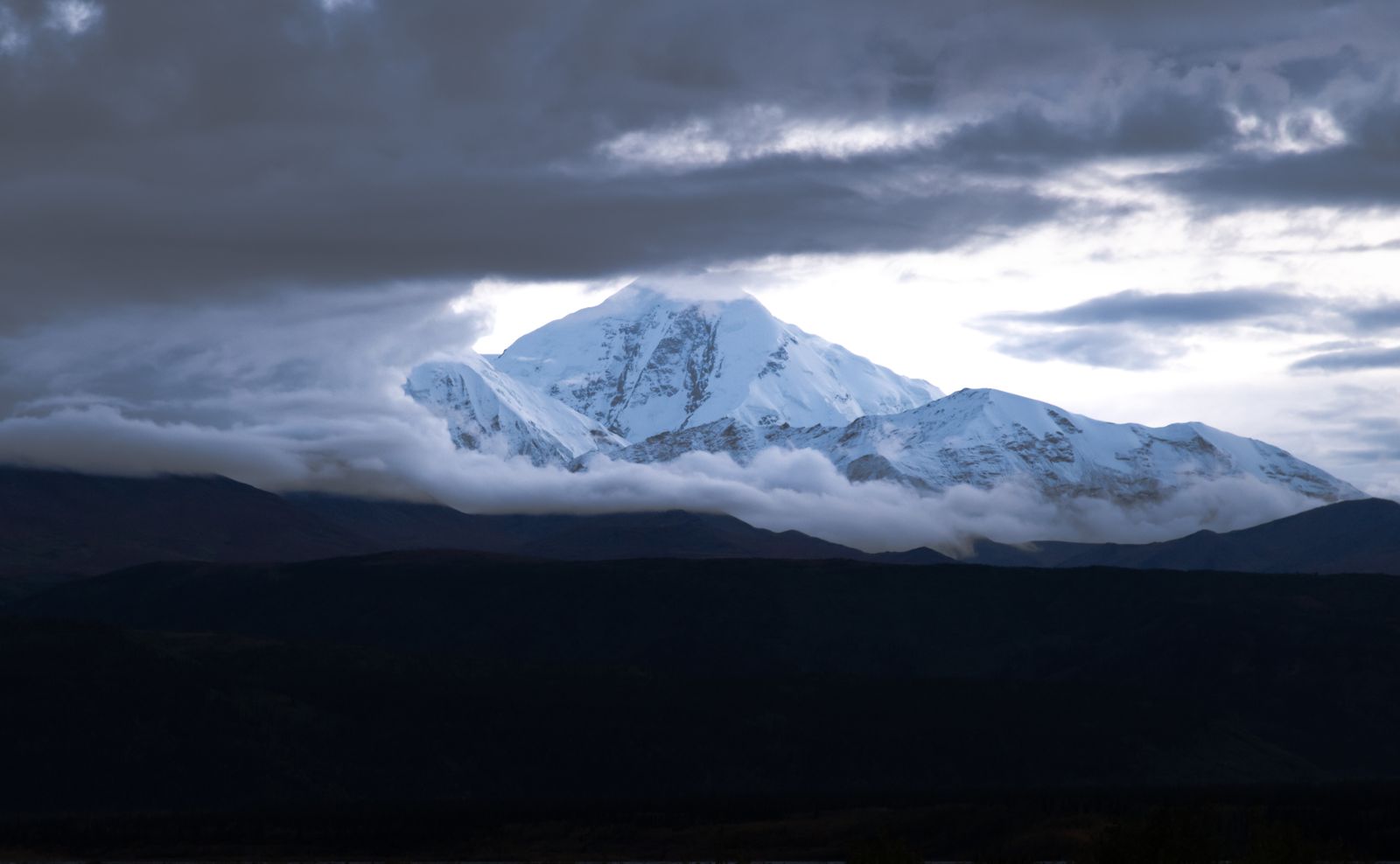
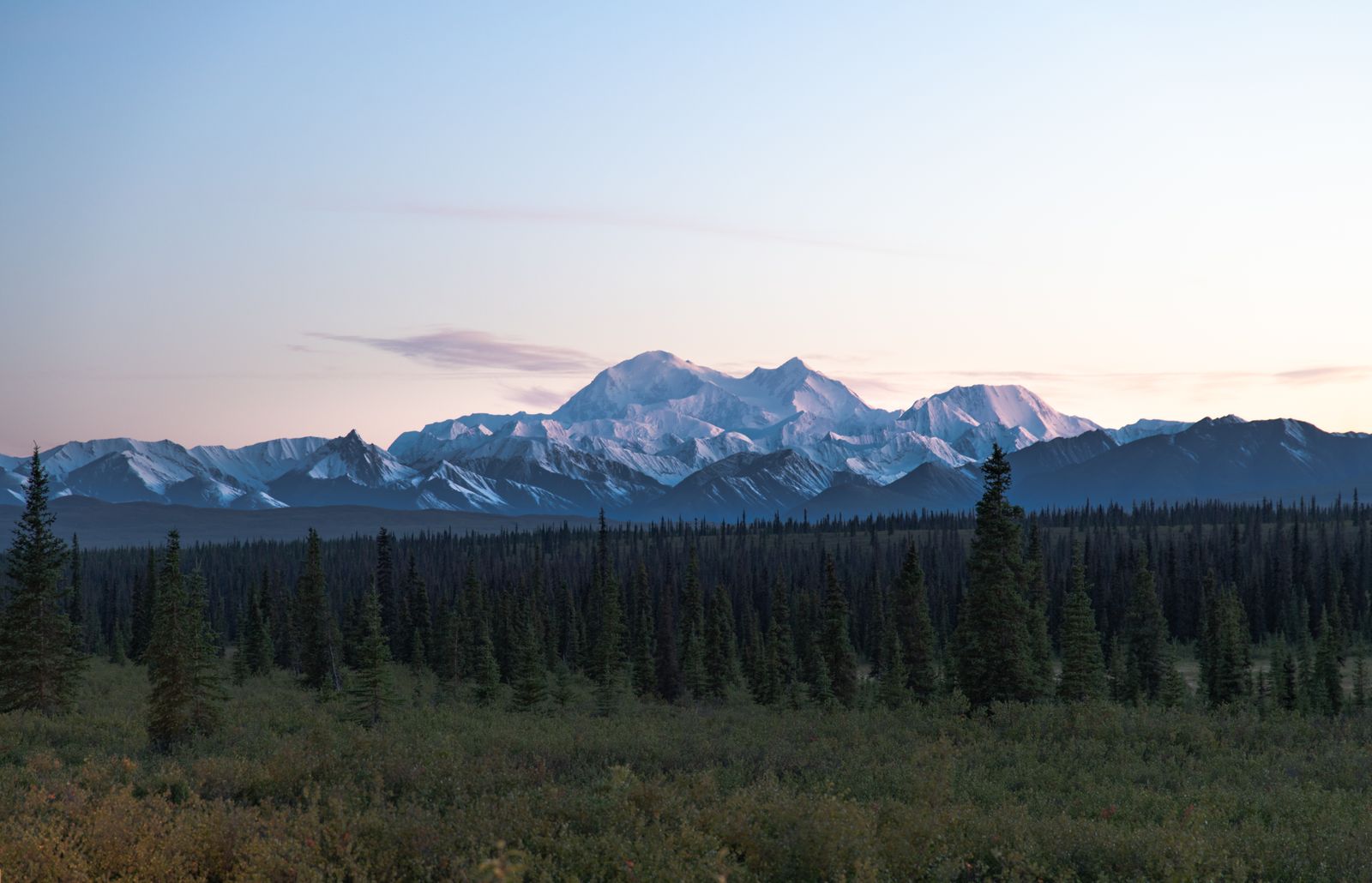
Denali’s 20,310-foot peak is the tallest in North America, and on a clear day it dominates the horizon. Here is the catch: the mountain is hidden by clouds more often than not, and only a portion of visitors get a full view. That is part of its mystique, and the park is worth visiting even if the summit stays shy.
Exploring the Park
Denali has just one park road, and private vehicles can only go a limited distance. To go deeper, you ride a park bus. Options include the narrated Tundra Wilderness Tour and the cheaper transit buses, which allow you to hop off and hike. Road conditions beyond a certain point can change because of landslide closures, so check the National Park Service’s website before you book.
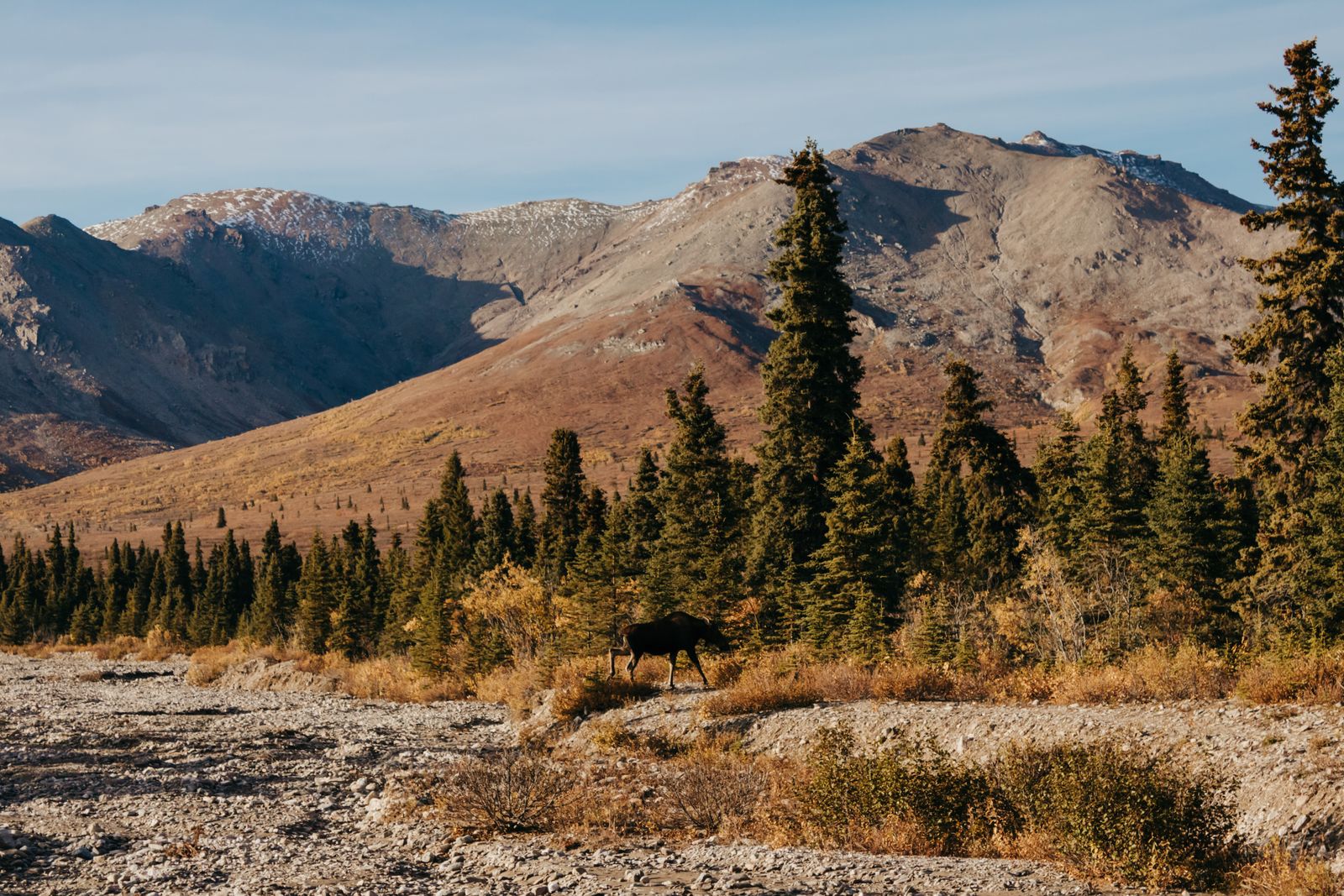
The wildlife here is wonderful. Grizzlies, caribou, Dall sheep, moose and wolves are all possible. Our best sighting was a grizzly digging for roots on a ridge, a reminder that Denali is wild country on its own terms.
Where to Stay Near Denali
Lodging clusters near the park entrance in Healy and Cantwell, and along the highway. Book early, because summer rooms fill many months in advance. Camping inside the park is also popular, with permits released in advance.
Talkeetna and Flightseeing
Talkeetna is a quirky little town that serves as the launch point for climbers heading to Denali. It has a main street with cafes, gift shops and a good brewery. Its best attraction is a flightseeing tour over Denali, with an optional glacier landing. It is expensive, but ranks among the most memorable things we have done. Book flights for a morning when the weather looks clear, and expect cancellations when the clouds roll in.
Fairbanks and the Northern Lights
Fairbanks sits under the auroral oval, which gives it some of the best aurora viewing in the country. The best season runs from late August through early April, with clear, dark nights and active solar conditions. Winter visitors can add hot springs, dog sledding and ice sculpture. In summer, Fairbanks brings midnight sun, river cruises and the Museum of the North.
Wildlife and Bear Safety
Alaska’s animals are a main attraction and a responsibility. A few rules keep everyone safe.
- Stay at least 300 feet from bears and 25 yards from moose, and never approach wildlife for a photo.
- Carry bear spray on hikes and know how to use it.
- Make noise on trails, hike in groups when you can and store food correctly.
- Moose can be more dangerous than bears. Give them lots of room, especially with calves nearby.
If you want guaranteed bear viewing, consider a fly-in tour to places like Katmai National Park, where bears gather at the river to catch salmon in summer. It is pricey and weather dependent, but it is an experience you will remember for the rest of your life.
Inside Passage and Cruises
The most popular way to see Southeast Alaska is a cruise through the Inside Passage, with stops in Juneau, Skagway and Ketchikan. Highlights include Mendenhall Glacier near Juneau, whale watching, the White Pass and Yukon Route railway in Skagway, and totem poles in Ketchikan. Cruises are efficient, but also crowded in peak season, and you get only a few hours in each port. If you prefer more time, consider the Alaska Marine Highway ferry system, which is slower but lets you explore more independently.
What Alaska Costs
Alaska is not cheap. Everything has to travel a long way, and the season is short.
- Lodging: Summer rates are high. Book far ahead, and look at vacation rentals and cabins for better value.
- Food: Restaurants are pricey, and fresh seafood costs more than you expect. Grocery stores help with picnics.
- Tours: Glacier cruises, flightseeing and Denali buses are the big-ticket items. Decide which two or three matter most.
- Savings: Travel in late May or September, drive instead of flying between regions and mix one splurge with free hikes. Our best travel credit cards for families post has more ideas.
What to Pack
Layers, layers, layers. Bring waterproof outerwear, sturdy walking shoes, a warm hat, sunglasses and a sleep mask (the midnight sun is real). Add bug spray, since mosquitoes can be intense in June and July. Binoculars and a zoom lens are worth their weight for wildlife. Our best travel gear list covers many of the items we carry.
Where to Book
These are the platforms we rely on for big trips like this one:
- Hotels and lodges: Booking.com lists hotels, lodges and cabins in Anchorage, Seward, Talkeetna, Denali and beyond, often with free cancellation that matters for a trip this complex.
- Tours and experiences: Viator covers glacier cruises, whale watching, flightseeing, Denali tours and northern lights excursions, with options at many price points.
A Suggested 7-Day Alaska Itinerary
Day 1: Land in Anchorage, rent a car and explore the Coastal Trail and downtown.
Day 2: Drive the Seward Highway, stopping in Girdwood and Portage, then settle in Seward.
Day 3: Kenai Fjords boat cruise and an afternoon at Exit Glacier.
Day 4: Drive or ride the train north to Talkeetna, with a walk through town and dinner at a local brewery.
Day 5: Flightseeing over Denali in the morning (weather permitting), then continue to the park.
Day 6: Denali park bus tour with wildlife spotting and short hikes.
Day 7: Head back to Anchorage by train or car for your flight home.
Final Thoughts
Alaska is a trip that asks for planning, patience and a bit of budget, and it pays you back with scenery that stays with you for years. Pick one or two regions, build in weather buffers and say yes to at least one splurge. You will not regret it.
If mountains are your thing, read our Banff National Park travel guide for the Canadian Rockies, our Seattle travel guide for the Pacific Northwest starting point many Alaska trips run through, and our Yellowstone National Park travel guide for another wildlife-rich wilderness.