Disclosure: This post contains affiliate links. If you book through our links, we may earn a small commission at no extra cost to you. Thanks for supporting Faceted Travel!
Table of Contents
- The Short Answer
- Scenery and Beaches
- Cities and History
- Food and Wine
- Cost: Where Does Your Money Go Further?
- Crowds and Tourism
- Getting Around
- Best Time to Visit
- Trip Length: How Many Days Do You Need?
- Sample Itineraries for Each Country
- Common Mistakes We See
- What About Safety and Scams?
- Who Should Choose Croatia?
- Who Should Choose Italy?
- Practical Notes Before You Book
- Our Verdict
- Where to Book
- Final Thoughts
Both countries have turquoise water, old stone towns and food that makes you cancel your dinner plans for the rest of the week. So which one deserves your next vacation? We have spent time in both, and the honest answer is that it depends on what kind of traveler you are, what you want to spend and when you can go.
Here is how Croatia and Italy compare on the things that matter most: scenery, beaches, cities, food, cost, crowds, getting around and the best time to go. By the end you should know which one fits your trip.
The Short Answer
Choose Croatia if you want island hopping, clear Adriatic swimming and a compact trip with a lot of coastline. Choose Italy if you want world-class art, famous cities, incredible regional food and variety that could fill years of visits. Choose neither in August if you hate crowds and heat.
If you are torn, ask yourself one question: do you want to spend most of your days on the water, or in the streets? Water points to Croatia. Streets, museums and long lunches point to Italy.
Scenery and Beaches
Croatia
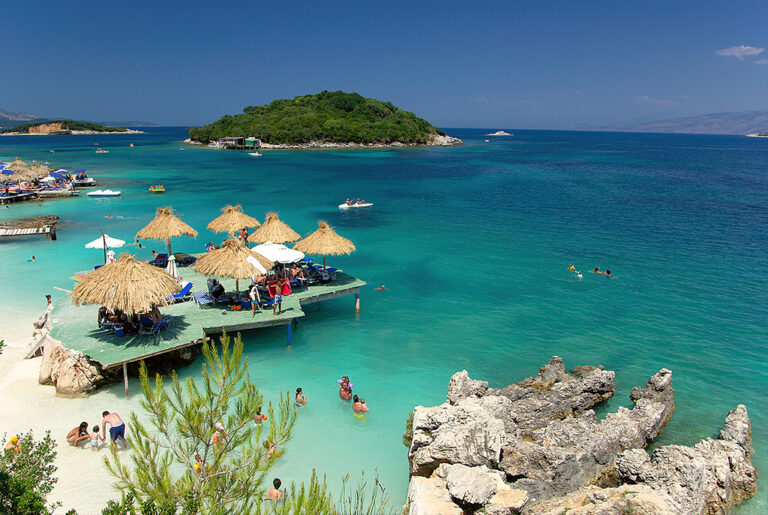
Croatia’s coast is one of the most beautiful in Europe. More than a thousand islands, pine-fringed coves and water so clear you can see the bottom from a boat make it a dream for swimmers and sailors. Most beaches are pebble or rock rather than sand, so bring water shoes.
Italy
Italy has everything: the Amalfi Coast, Sardinia, Sicily, the Cinque Terre and the Dolomites. Beaches range from soft sand to dramatic cliffs. It is more varied than Croatia, but the best beach areas can be pricey and packed in summer.
Winner: Croatia for pure coastal swimming, Italy for variety.
Cities and History
Italy wins this round by a mile. Rome, Florence, Venice, Naples and Milan each deserve a trip of their own, and the art, architecture and ancient history are on a different scale. If museums and monuments are your priority, Italy is hard to beat.
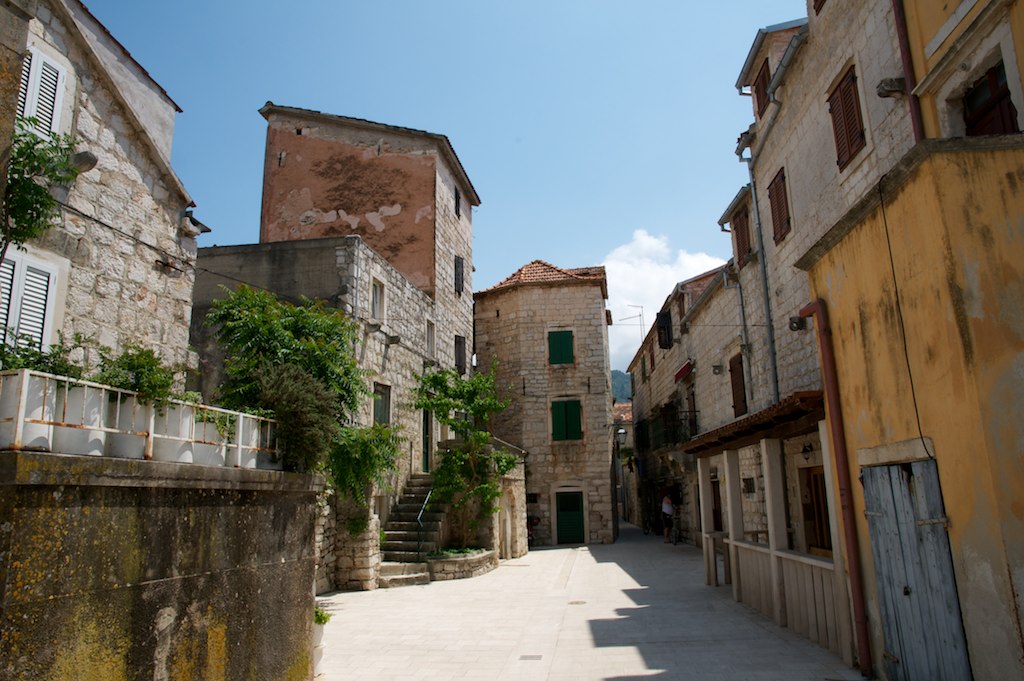
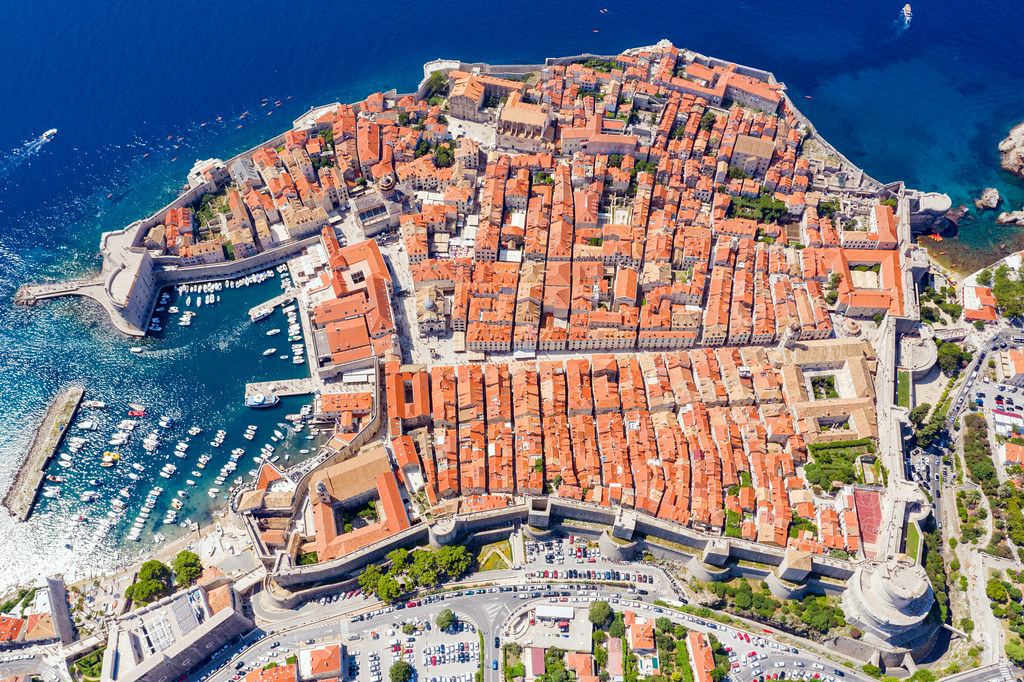
Croatia’s cities are smaller but charming. Dubrovnik’s walled old town and Split’s Roman palace are unforgettable, and you can see the highlights in a day or two. If you are curious about the region more broadly, our Greece vs Croatia comparison shows how Croatia stacks up against another classic Mediterranean choice.
Winner: Italy.
Food and Wine
Italian food is famous for a reason. Regional cooking changes every hundred miles, from fresh pasta in Emilia-Romagna to seafood in Sicily to pizza in Naples. Even a simple lunch at a small trattoria can be memorable, and the wine is excellent everywhere.
Croatian food is lighter and more Mediterranean, with fresh seafood, grilled fish, olive oil and cured meats on the coast. Inland, the cuisine is heartier, with Central European and Balkan touches. It is very good, but less varied than Italy.
Winner: Italy, though Croatia’s coastal seafood is a delight.
Cost: Where Does Your Money Go Further?
Croatia has become more expensive in recent years, especially in Dubrovnik and the most popular islands in July and August. It is still generally cheaper than the big Italian tourist hubs, though. Italy’s costs vary wildly: Rome, Venice and the Amalfi Coast are expensive, while the south and smaller towns can be great value.
In our experience, a week on the Croatian coast and a week in Italy’s headline cities end up in a similar range once you add up lodging, ferries or trains and restaurants. The savings come from choosing the shoulder season and avoiding the most famous spots. If budget is your top priority, you may also want to look farther south. Our Albania vs Croatia comparison shows how much a neighboring country can save you.
Winner: Close. Croatia is slightly cheaper on average, Italy has more budget options if you go off the beaten path.
Crowds and Tourism
Both are very popular, and both can feel overwhelming at peak times. Dubrovnik is famously busy when cruise ships arrive, and Venice, Rome and Florence can be shoulder to shoulder in summer. Croatia has a shorter season, so July and August are intense. Italy’s season is longer, with busy spells in spring and fall as well.
The best way to avoid crowds in either country is to travel in May, June or September, visit major sights early or late and add a lesser-known stop. In Croatia, that might mean a smaller island or an inland town. In Italy, consider the countryside or a city that is not on every first-timer’s list.
Winner: Neither, but Italy has more places to escape to.
Getting Around
Croatia
You will probably rely on a rental car, buses and ferries. The coastal roads are beautiful but winding, and ferries are an essential part of island hopping. Plan ahead in summer, since popular routes sell out.
Italy
Italy has an excellent train network between major cities, and high-speed trains make Rome, Florence and Venice easy to link. A car is useful in the countryside but a headache in cities, where traffic restrictions and parking are tricky.
Winner: Italy for public transit, Croatia if you love a coastal road trip.
Best Time to Visit
Croatia is at its best from late May to mid-June and from September to early October. The sea is warm, the days are long and crowds thin out. Italy is lovely in spring and fall, with milder temperatures for sightseeing. Summer is hot in both countries, especially in southern Italy.
If you want a beach holiday, aim for June or September. If you want to explore cities, spring and fall are best.
Trip Length: How Many Days Do You Need?
Croatia works well in a week to ten days, covering Dubrovnik, Split and a few islands. Italy can take much longer, since each region is a destination of its own. For a first trip, we suggest ten days with three stops, such as Rome, Florence and Venice, rather than rushing through everything.
If you want something shorter and quieter, our Croatia vs Slovenia comparison shows an alternative that combines lakes, mountains and coast in a compact package.
Sample Itineraries for Each Country
One Week in Croatia
Fly into Dubrovnik and spend two nights walking the old town walls and taking a boat to the nearby Elaphiti Islands. Travel north by ferry or car to Hvar or Korcula for two nights of swimming and seafood. Finish in Split for two nights, with a day trip to Krka National Park or Trogir. This route covers the best of the Dalmatian coast without too much driving.
Ten Days in Italy
Start in Rome for three nights, giving yourself time for the Colosseum, the Vatican and a few long dinners. Take a fast train to Florence for three nights, with a day trip into the Tuscan countryside. Finish in Venice for two nights, then leave a day to relax on Lake Garda or in Bologna if you like food. This classic route is easy by train and hits the famous highlights.
Common Mistakes We See
The biggest mistake in Croatia is trying to see too much. The islands are slow by design, and ferries take time, so pick two or three bases and stay put. In Italy, the most common mistake is cramming five cities into a week, which leaves you with a blur of train stations and no memories of actual meals.
Another is booking too late. Ferries, popular restaurants, timed museum entries and the best hotels sell out in summer in both countries. Reserve the big things early and leave the rest flexible. Finally, do not underestimate the heat. Plan sightseeing for mornings and evenings and use the middle of the day for a swim or a long lunch.
What About Safety and Scams?
Both countries are generally safe for visitors. In Italy, watch for pickpockets around major sights and on crowded trains, and be wary of unofficial taxis at stations. In Croatia, petty crime is rare, but tourist traps and inflated prices can appear in the busiest harbors. A little common sense and a money belt or secure bag go a long way in either place.
Who Should Choose Croatia?
Croatia is ideal for beach and boat lovers, couples looking for a romantic coastal trip, families who want clear, calm water and travelers who prefer a smaller country that is easy to understand. It is also great for sailing, kayaking and hiking in national parks like Plitvice and Krka.
Who Should Choose Italy?
Italy is the right choice for food lovers, history buffs, art fans, first-time Europe visitors and anyone who wants a long list of options for return trips. It suits both active travelers and those who are happy to linger over a long lunch.
Practical Notes Before You Book
Croatia uses the euro, and Italy does too, so you will not need to juggle currencies between them. Both countries are in the Schengen Area, which makes it simple to combine them. In fact, a ferry crosses the Adriatic between Italian ports like Ancona or Bari and Croatian cities, which lets you do a two-country trip without flying.
Pack comfortable walking shoes for both, since cobblestones are everywhere. Bring modest clothing that covers your shoulders and knees for churches in Italy and Croatia alike, and a light layer for evenings, even in summer. Pack water shoes for Croatian pebble beaches, and a small day bag that zips closed for crowded Italian cities. Last, buy travel insurance for peace of mind, especially if you are booking ferries and non-refundable tours.
Our Verdict
If we had to pick for a one-week summer trip, we would go to Croatia for the swimming and island life. If we had to pick for a spring or fall trip centered on food, culture and wandering, we would pick Italy every time. The truth is that they are not really competitors. They are two different kinds of vacation, and the best answer is eventually to do both.
Where to Book
We use Booking.com for nearly every stay we take, and both Croatia and Italy have huge selections with free cancellation. Search Croatia stays on Booking.com or search Italy stays on Booking.com to compare prices and reviews.
For tours, Viator lists island boat trips, city walking tours and skip-the-line museum tickets in both countries. Browse Croatia tours on Viator or Italy tours on Viator.
Final Thoughts
Whichever country you pick, book the shoulder season, leave room for slow days and eat everything. Both Croatia and Italy reward travelers who go with curiosity and an appetite, and neither will disappoint.
Weighing more European destinations? Read our Greece vs Croatia guide, our Albania vs Croatia comparison and our Croatia vs Slovenia guide.