Disclosure: This post contains affiliate links. If you book through our links, we may earn a small commission at no extra cost to you. Thanks for supporting Faceted Travel!
Table of Contents
We booked two nights in Riga expecting a quick stopover and ended up wishing we had given it a week. One evening we were standing in a cobbled square looking up at a building covered in stone faces, dragons, and screaming gargoyles, and Todd said what we were both thinking: how is this place not swarmed with tourists?
Riga is the capital of Latvia and the largest city in the Baltics, and it is a genuine stunner that most American travelers have never even considered. It has a UNESCO-listed medieval old town, the greatest concentration of Art Nouveau architecture in the world, a buzzing food-hall market inside old Zeppelin hangars, and prices that feel like a gift after Western Europe. It is easy to reach, easy to walk, and endlessly surprising.
Here is everything we learned about visiting Riga, including when to go, how to get around, what not to miss, and why you should build in more time than you think you need.
Why Riga Belongs on Your Baltic Itinerary
Most people who make it to this corner of Europe are doing a Baltic loop through Tallinn, Riga, and Vilnius, or hopping over from a Scandinavian trip. Riga sits right in the middle of that route, and we think it is the most rewarding of the three cities for a first-timer.
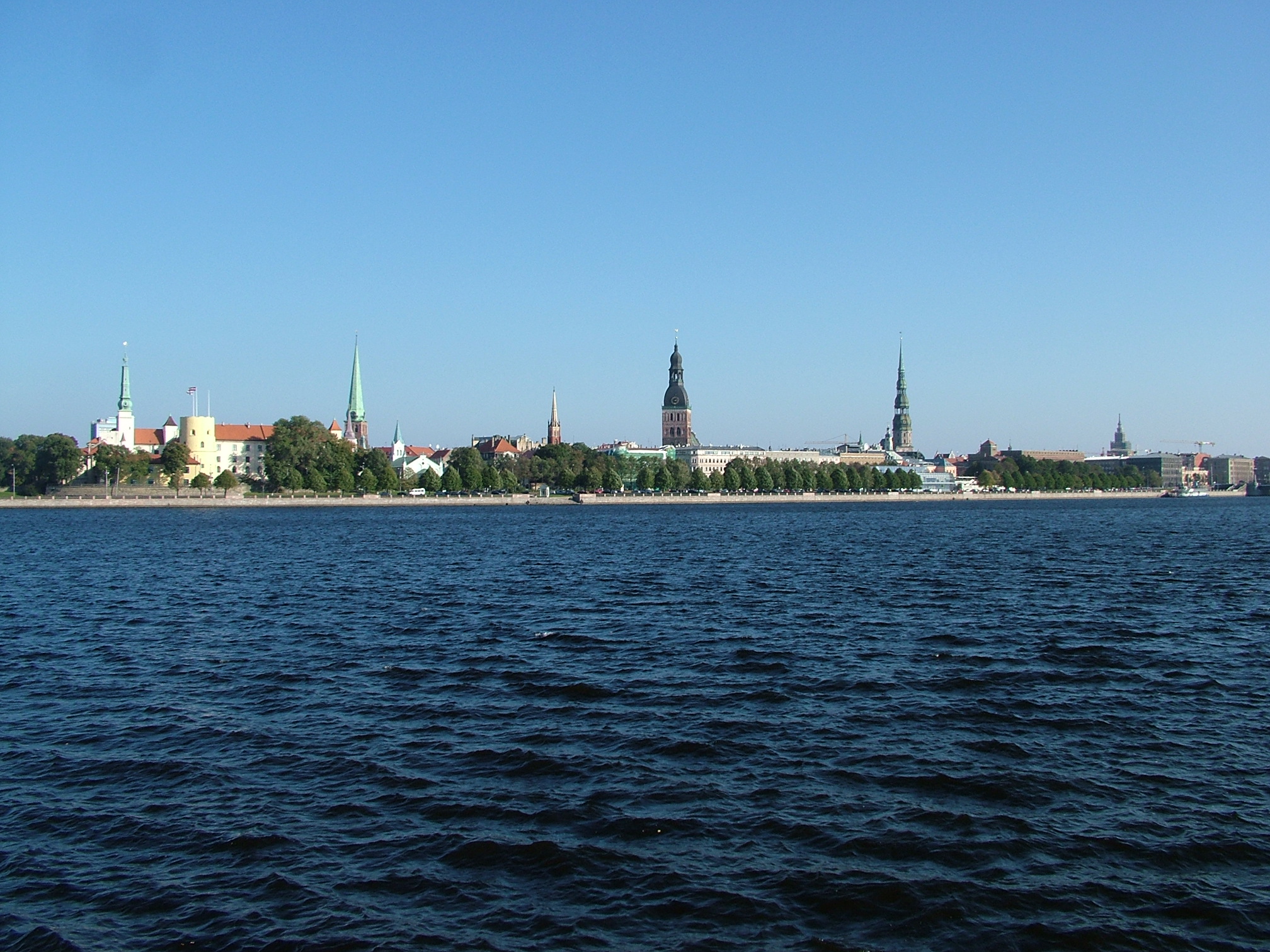
The old town, Vecrīga, is a compact tangle of cobbled lanes, church spires, and pastel merchant houses that goes back to the 13th century. Step just outside it and you enter a completely different world: block after block of ornate Art Nouveau facades, some of the most extravagant early-1900s architecture anywhere on the planet. Add the wide Daugava River, sprawling green parks with a canal running through them, and a covered market that could eat a whole afternoon, and you have a city that punches far above its reputation.
It is walkable, affordable, and refreshingly uncrowded. You can hit the highlights in two days, but Riga rewards the traveler who lingers, and it pairs perfectly with a swing north to Tallinn, Estonia for a two-capital Baltic trip.
Best Time to Visit Riga
We visited in early September and thought the timing was close to ideal. The summer crowds had thinned, the parks were just starting to turn gold, and the cafe terraces were still open and busy in the afternoon sun.
Here is how the seasons break down, from our own experience and from talking with locals:
Summer (June to August) is peak season and the most reliable weather, with long days (the sun barely sets in June), warm afternoons, and the city fully alive with outdoor markets, festivals, and riverside beer gardens. It is the busiest and priciest time, though “busy” in Riga is still gentle compared with Prague or Amsterdam.
Shoulder season (May and September) is our sweet spot. The weather is mild, the crowds are light, prices dip, and the light is beautiful. If you want the city at its most relaxed, aim here.
Winter (November to March) is cold and dark, with short days and temperatures that regularly drop below freezing. The upside is real, though: the Christmas market in the old town square is one of the prettiest in the Baltics (Riga claims to have put up the first decorated Christmas tree in history), and the whole city looks magical under snow. Just pack for serious cold.
If Riga is one stop in a larger European route and you are weighing the seasons, our guide on the best time to visit Europe walks through the tradeoffs region by region.
How to Get to Riga and Get Around
Riga International Airport is the largest in the Baltics, so it is genuinely easy to reach, with budget and full-service flights from across Europe. From the airport, a city bus or a cheap taxi gets you into the center in about twenty to thirty minutes.
If you are doing a Baltic loop, comfortable long-distance buses connect Riga with Tallinn (about four and a half hours north) and Vilnius (about four hours south), and they are inexpensive, modern, and have wifi. We took the bus up to Tallinn and it was one of the easiest intercity trips we have done anywhere.
Once you are in Riga, you will not need a car. The old town and the Art Nouveau district are all walkable, and almost everything a visitor wants to see sits within a compact core. Trams and trolleybuses cover anything farther out, and they are simple and cheap. We are big believers in matching your transport to the destination, the same logic we lay out in our how to plan a trip to Europe guide: skip the rental car in a walkable capital and save it for the countryside.
Best Things to Do in Riga
Get Lost in the Old Town (Vecrīga)
Riga’s old town is the heart of any visit, and the best way to experience it is to wander with no fixed plan. The cobbled lanes open onto squares lined with guild halls and cafes, church bells ring across the rooftops, and around every corner is another crooked, colorful building with a story.
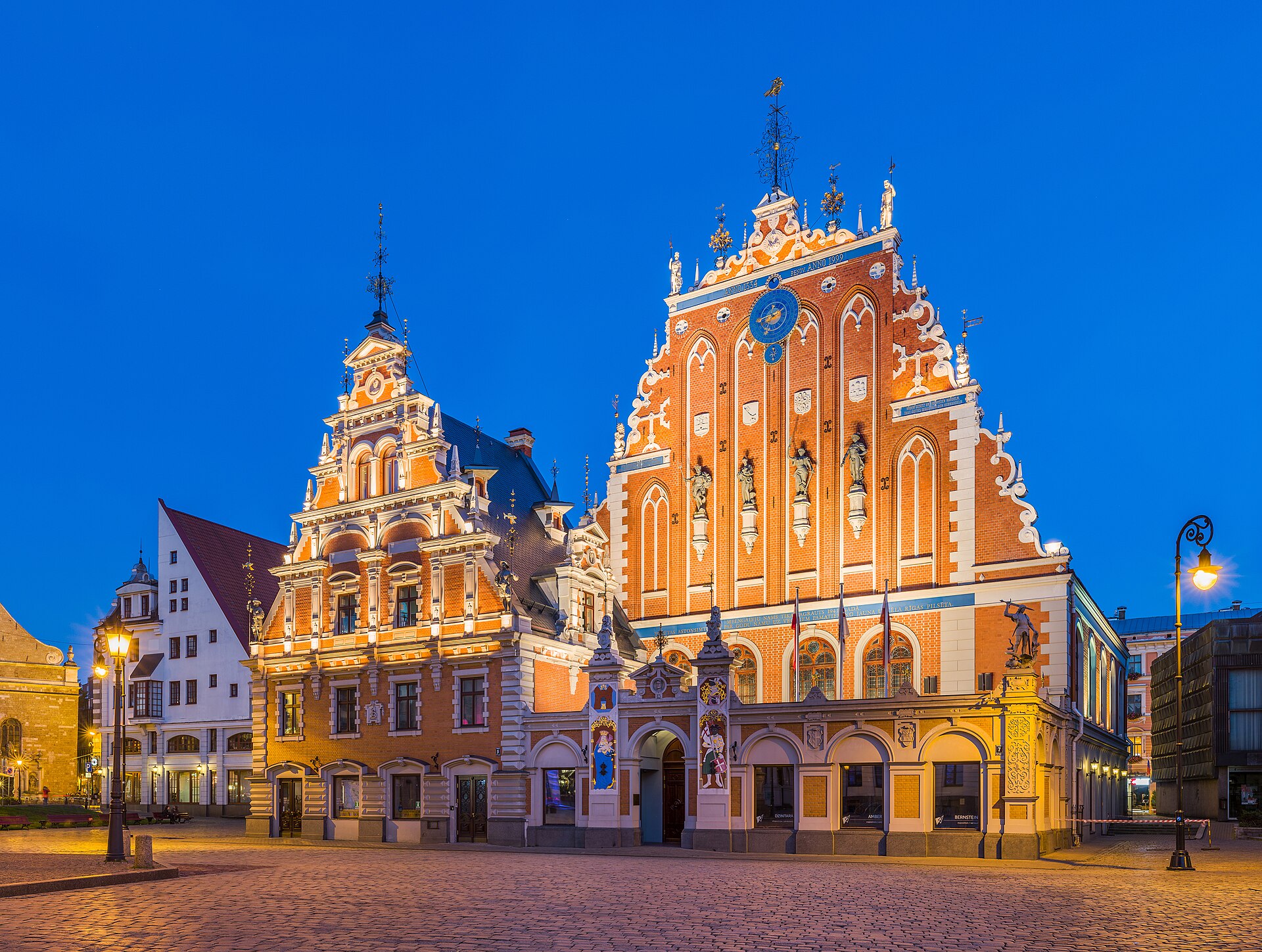
Start at Town Hall Square, where the flamboyant House of the Blackheads sits like a wedding cake made of brick and gold. Go early for empty streets and soft morning light, then come back after dark when the lamps glow and the terraces fill up. It feels like two different towns.
Marvel at the Art Nouveau District
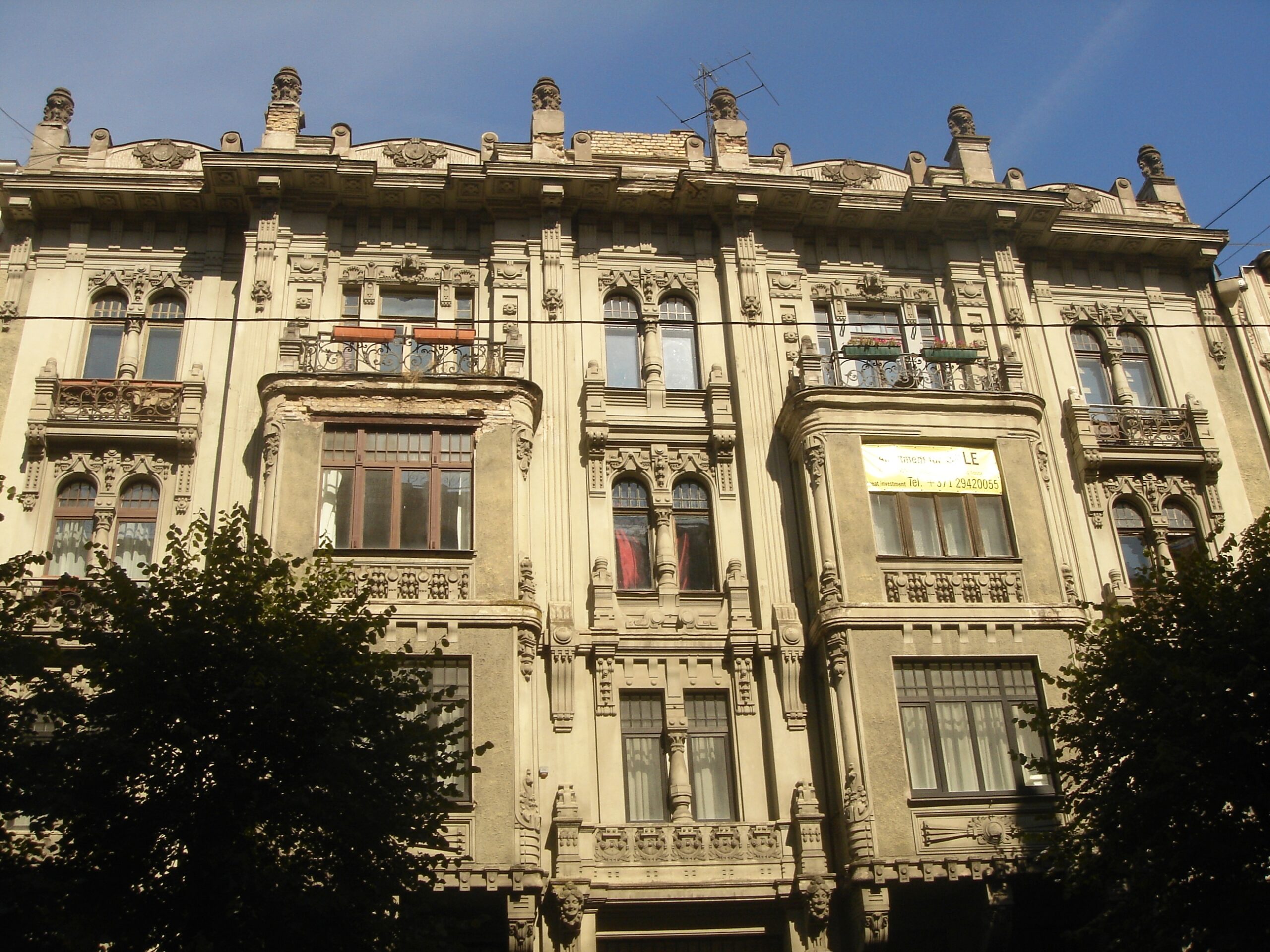
This is the thing that truly sets Riga apart. Just north of the old town, the streets of the “quiet center” hold the densest collection of Art Nouveau architecture in the world, roughly a third of all the buildings in central Riga are in the style. Alberta iela (Alberta Street) is the showstopper, a single block where nearly every facade drips with sculpted faces, mythical creatures, flowers, and towering figures.
Walk it slowly and keep looking up, because the best details are three and four stories overhead. There is a small Art Nouveau museum on the same street if you want to see how people actually lived behind those facades.
Climb St. Peter’s Church Tower
For the classic Riga panorama, ride the elevator (or climb) up the tower of St. Peter’s Church. From the observation deck you get a sweeping view over the red rooftops of the old town, the spires of the other churches, and the wide sweep of the Daugava River. It is the best orientation you can get, and it is worth timing for late afternoon light.
Explore the Central Market
The Riga Central Market is one of the largest and oldest markets in Europe, and it is housed in a cluster of enormous pavilions that were originally built as German Zeppelin hangars. Inside you will find mountains of black bread, smoked fish, fresh berries, pickles, cheese, and flowers, plus food stalls serving cheap and delicious local plates.
We grabbed smoked fish, dark rye bread, and local honey and put together the best picnic of the trip. Go hungry, bring a little cash, and give yourself time to wander all the halls.
We booked a small-group food and history walking tour through Viator that ended at the market, and it turned out to be one of the highlights of our stay. You can browse current Riga tours and food experiences on Viator here and lock in the popular ones ahead of time.
Stroll Bastejkalns Park and the City Canal
Between the old town and the Art Nouveau district runs a ribbon of green: Bastejkalns Park, where a canal winds beneath little bridges past the Freedom Monument, the National Opera, and the University. It is a lovely, easy walk, and in summer you can take a small boat along the canal and out onto the river. In autumn the whole stretch turns gold and it is one of the prettiest urban parks we have strolled in Europe.
Take a Day Trip to Jurmala or Sigulda
If you have a third or fourth day, Riga is a great base for a day trip. Jurmala is a string of beach towns on the Baltic coast, about thirty minutes away by train, famous for wide white-sand beaches, pine forests, and rambling wooden art nouveau villas. In the other direction, Sigulda sits in the Gauja Valley amid castles, caves, and forest trails, sometimes called the “Switzerland of Latvia.” Both are easy, cheap train rides.
Where to Eat in Riga
Latvian food is hearty, seasonal, and shaped by long winters, which means lots of rye bread, potatoes, smoked fish, forest mushrooms, berries, and rich soups. It is also having a real moment, with a wave of young chefs turning local ingredients into genuinely exciting modern cooking.
For a taste of tradition, look for grey peas with bacon (the unofficial national dish), cold beet soup in summer, and warm rye bread with honey. For value, the food stalls at the Central Market and the many bakeries and cafes around the old town will feed you well for very little. And do not skip a stop for Black Balsam, the intense herbal liqueur that Latvians are proud of, usually softened into a cocktail or stirred into coffee. Overall, Riga is one of the best-value food cities we have found in Europe, where a great sit-down meal costs a fraction of what it would in Paris or Copenhagen.
Where to Stay in Riga
Because the old town and the Art Nouveau district are so close together, we recommend staying in or near the old town so you can walk out the door and into the best of the city in minutes.
Luxury: The Grand Poet and the Neiburgs Hotel offer stylish, design-forward rooms right in the historic center with excellent service and a fraction of a Western-European luxury price tag.
Mid-range: Boutique hotels and well-run guesthouses inside the old town, like the Hotel Justus, put you steps from the main squares in comfortable, character-filled rooms.
Budget: Riga has a superb hostel and cheap-hotel scene, and even the budget options are often set in beautifully restored old buildings.
Where to Book
We booked our stay through Booking.com because Riga’s best-located old-town rooms are a genuine bargain and the top ones fill up fast in summer, and free cancellation let us hold a place while we finalized our dates. You can compare Riga hotels on Booking.com here.
For the food tour, a walking tour, and our day trip out to Sigulda, we use Viator for the flexible cancellation and verified reviews. Browse Riga tours and activities on Viator and reserve the popular ones before they sell out.
Because any trip can hit a snag, from a delayed Baltic flight to a lost bag, a little travel insurance goes a long way. We break down how we think about it in our guide to the best travel insurance for a Europe trip.
Practical Tips for Visiting Riga
Bring some cash, but cards work almost everywhere. Latvia uses the euro, and cards are accepted widely, but small market stalls sometimes prefer cash.
Two nights is the minimum. You can see the highlights in a day and a half, but three or four nights lets you add Jurmala or Sigulda and slow down.
Pack layers, even in summer. Baltic weather turns quickly, and evenings get cool. Our packing list for Europe covers exactly what we bring for shoulder-season city trips.
Look up. The best of Riga’s Art Nouveau detail is several stories overhead, so keep your eyes on the upper facades.
Learn a couple of words. A simple “paldies” (thank you) goes a long way, and locals appreciate the effort.
Is Riga Worth It?
For us, completely, and it is one of the most underrated capitals in Europe. Riga gives you a fairytale old town, jaw-dropping architecture, a fantastic food and market scene, and genuine value, all in a compact, walkable, welcoming package that never felt overrun.
If you love handsome old cities, rich history, and the thrill of a place that most people back home have not discovered yet, Riga will win you over fast. Give it more time than you think you need, look up as you walk, and let one of the Baltics’ best-kept secrets surprise you the way it surprised us.
Planning more of this corner of Europe? Do not miss our guide to Tallinn, Estonia for its fairytale Old Town, our best time to visit Europe guide for nailing the seasons, and our master how to plan a trip to Europe guide to tie the whole route together.
Keep Reading