Disclosure: This post contains affiliate links. If you book through our links, we may earn a small commission at no extra cost to you. Thanks for supporting Faceted Travel!
Table of Contents
- Why Visit Asheville?
- When to Visit Asheville
- How Many Days Do You Need?
- Getting to and Around Asheville
- Tour the Biltmore Estate
- Explore Downtown Asheville
- Drink Your Way Through Beer City USA
- Drive the Blue Ridge Parkway
- Chase Waterfalls Around Asheville
- Where to Eat in Asheville
- Where to Stay in Asheville
- Where to Book
- Practical Tips for Visiting Asheville
- Day Trips from Asheville
- Final Thoughts: Is Asheville Worth It?
Asheville is what happens when you drop an artsy college town into the middle of the Blue Ridge Mountains and give it 50 breweries. We rolled in planning a quick two-night stop and ended up rearranging the rest of our trip to stay longer.
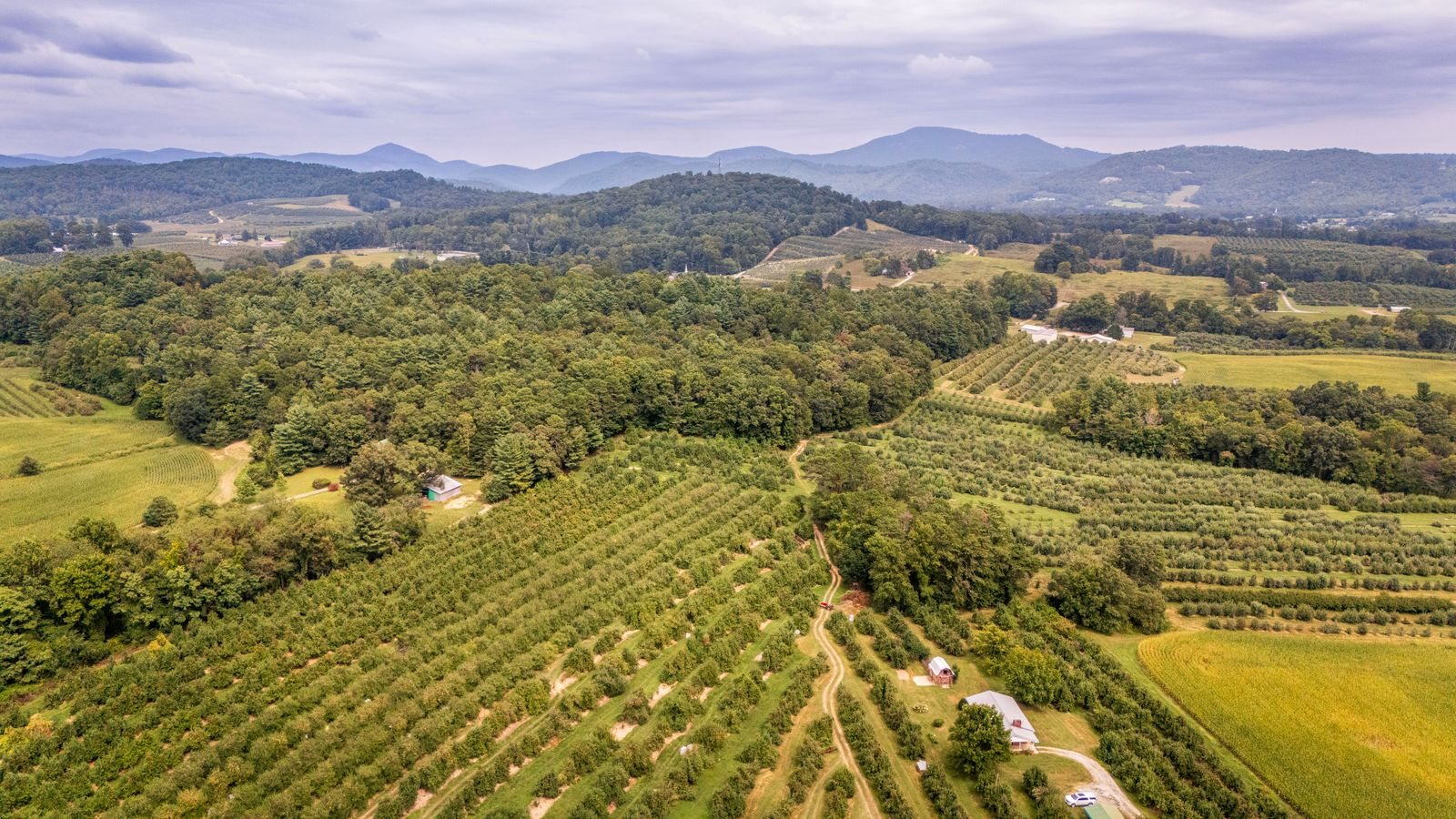
Tucked into western North Carolina where the Blue Ridge Parkway winds past 6,000-foot peaks, Asheville blends outdoor adventure, a nationally famous food and beer scene, and America’s largest home into one compact, walkable package. This guide covers everything we learned: the best things to do, where to eat and drink, where to stay, and the mountain drives you absolutely cannot skip.
Why Visit Asheville?
Asheville consistently lands on “best small cities in America” lists, and after a few days there we understood why. In a single day you can hike to a waterfall, tour a Gilded Age mansion, eat a James Beard-nominated dinner, and finish with live bluegrass in a brewery taproom. Few places in the country pack that much variety into a downtown you can cross on foot in 15 minutes.
It is also the perfect base for the mountains. The Blue Ridge Parkway runs right past town, Great Smoky Mountains National Park is about an hour west, and Pisgah National Forest starts practically at the city limits.
When to Visit Asheville
Fall (late September through early November) is peak season for a reason. The Blue Ridge Mountains put on one of the best leaf shows in America, usually peaking mid-to-late October at elevation. Book lodging months ahead and expect weekend crowds.
Summer (June to August) brings warm days in the 80s, afternoon thunderstorms, and every waterfall running full. The mountain elevation keeps Asheville cooler than most of the South.
Spring (April to May) means wildflowers, rushing waterfalls, and fewer crowds. Some higher parkway sections may still close for weather in early spring.
Winter (December to March) is the quiet season and hotel prices show it. The Biltmore’s Christmas display in November and December is legitimately spectacular and became one of our favorite holiday travel memories.
How Many Days Do You Need?
Three days works beautifully: one for the Biltmore Estate, one for downtown’s food, art, and breweries, and one for the Blue Ridge Parkway and a hike. Add a fourth day if you want to explore Great Smoky Mountains National Park, which pairs naturally with an Asheville trip. Our full Great Smoky Mountains National Park travel guide covers that side of the mountains.
Getting to and Around Asheville
Asheville Regional Airport (AVL) sits 15 minutes south of downtown with nonstop flights from a growing list of cities, including Denver seasonally, Charlotte, Atlanta, and Chicago. Many travelers fly into Charlotte (2 hours) or Atlanta (3.5 hours) for cheaper fares and road-trip in, and the drives are pretty.
You will want a car. Downtown itself is walkable and has plenty of parking garages, but the whole point of Asheville is the mountains around it, and there is no practical transit to the parkway, the trailheads, or the waterfalls.
Tour the Biltmore Estate
The Biltmore is Asheville’s marquee attraction and it earns the hype. George Vanderbilt’s 250-room French Renaissance château is the largest privately owned home in America, set on 8,000 acres of gardens and forest designed by Frederick Law Olmsted, the man behind Central Park.
A few things we wish we had known:
- Buy tickets online at least a few days ahead. Entry is timed and prices rise at the gate. It is not cheap (think theme-park pricing), but the grounds alone justify the cost.
- Budget most of a day. The house tour takes 2 hours with the audio guide, and the gardens, winery, and Antler Hill Village fill the rest easily.
- The winery tasting is included with admission. It is at Antler Hill Village, a free shuttle ride from the house, and the sparkling wines surprised us.
- Spring means tulips, summer means roses, fall means foliage, and Christmas means 50-plus decorated trees inside the house. There is no bad season.
Explore Downtown Asheville
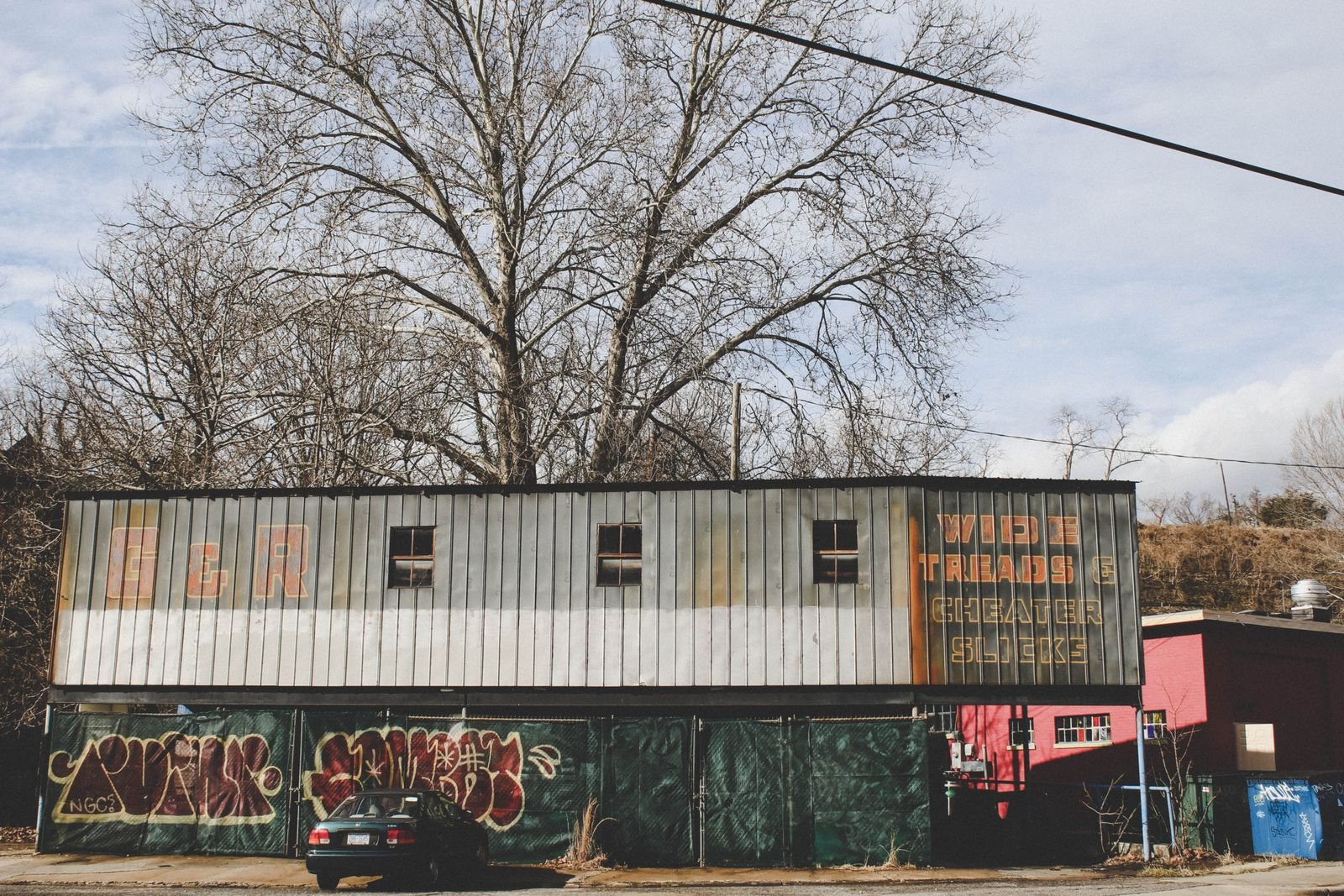
Downtown Asheville is dense with galleries, indie bookstores, buskers, and restaurants. Start at Pack Square and just wander. The Grove Arcade, a restored 1929 shopping palace, is worth a walk-through, and the art deco S&W Building and Basilica of Saint Lawrence give the skyline real character.
Do not miss the River Arts District, a former industrial strip along the French Broad River where more than 200 working artists keep open studios in old warehouses. We spent a whole afternoon watching glassblowers and potters work, and we flew home with a ceramic mug that Kimberly still uses every morning.
Drink Your Way Through Beer City USA
Asheville has more breweries per capita than almost any US city, and the quality matches the quantity.
- Burial Beer Co. was our favorite: farmhouse ales and stouts in a scythe-decorated taproom in the South Slope brewery district.
- Wicked Weed Brewing put Asheville on the national beer map. The Funkatorium, their sour-dedicated taproom, is a must for sour fans.
- Highland Brewing, Asheville’s original craft brewery (1994), has a huge family-friendly campus with live music and a rooftop bar.
- Sierra Nevada’s East Coast home sits 20 minutes south in Mills River, and calling it a brewery undersells it. It is a beer destination resort with tours, a huge restaurant, and a backyard amphitheater.
The South Slope neighborhood packs a dozen taprooms into a few walkable blocks just south of downtown, which makes for the easiest brewery crawl of your life.
Drive the Blue Ridge Parkway
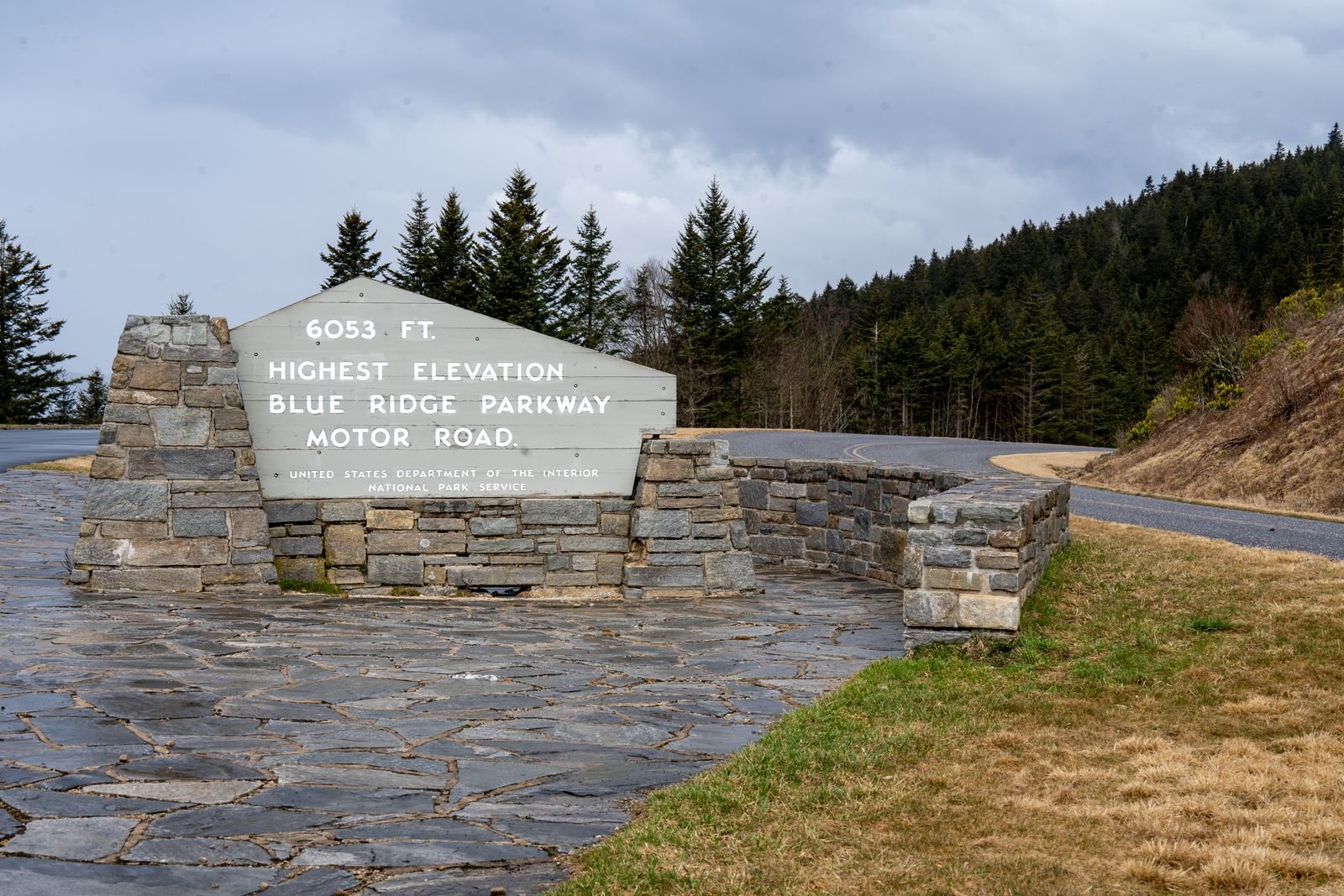
The Blue Ridge Parkway, “America’s Favorite Drive,” passes right by Asheville, and the stretch south of town is among its most dramatic.
- Craggy Gardens (milepost 364): high-elevation balds covered in purple rhododendron in June, with a short trail to a 360-degree summit view.
- Mount Mitchell (milepost 355 spur): the highest peak east of the Mississippi at 6,684 feet. You can drive nearly to the top and walk the last 300 yards to the observation deck.
- Mount Pisgah (milepost 408): a classic 3-mile round-trip hike to a summit platform with views back toward the city.
- Graveyard Fields (milepost 418): waterfalls, blueberry bushes in late summer, and a moody high-valley landscape unlike anything else on the parkway.
The parkway speed limit is 45 and the curves mean you will average less. That is the point. Pack snacks, stop at every overlook that calls to you, and give it a full half day at minimum.
Chase Waterfalls Around Asheville
Western North Carolina claims more than 250 waterfalls within an hour of Asheville.
- Looking Glass Falls in Pisgah National Forest is a 60-foot roadside stunner, zero hiking required.
- Sliding Rock, just up the road, is a natural 60-foot rock waterslide with a swimming hole. Yes, adults do it too. Yes, the water is freezing. Yes, Todd went twice.
- Catawba Falls near Old Fort rewards a moderate 3-mile round-trip hike with a 100-foot cascading wall of water.
- DuPont State Forest, 45 minutes south, packs three major falls (including Triple Falls of Hunger Games fame) into one easy loop hike.
Where to Eat in Asheville
Asheville’s food scene punches far above its size, with a deep bench of chef-driven kitchens and Appalachian ingredients.
Cúrate, chef Katie Button’s Spanish tapas institution, is the hardest reservation in town and worth planning around. The jamón and the gin tonics transported us straight back to Spain.
Chai Pani won the James Beard award for Outstanding Restaurant, and its Indian street food (order the okra fries, trust us) is joyful, fast, and affordable.
Buxton Hall Barbecue does whole-hog, wood-smoked Carolina barbecue in a former skating rink on the South Slope. Get the red slaw and the banana pudding pie.
12 Bones Smokehouse is the lunch-only, line-out-the-door rib joint the Obamas made famous. The blueberry-chipotle ribs sound wrong and taste so right.
Biscuit Head serves cathead biscuits (as in, big as a cat’s head) with a jam bar. It is the correct Asheville breakfast.
Where to Stay in Asheville
Downtown puts everything walkable: restaurants, breweries, galleries. Boutique hotels like the art-filled Kimpton and the rooftop-bar AC Hotel anchor the scene, with prices to match in leaf season.
South Slope keeps you steps from the brewery district and a 10-minute walk to the center. Great for beer-focused trips.
Biltmore Village, near the estate entrance, is quieter and handy for a Biltmore-heavy itinerary, with a mix of historic cottage shops and chain hotels.
Cabin rentals in the surrounding mountains (Black Mountain, Weaverville, Fairview) deliver the fireplace-and-long-view experience if you have a car. This is what we chose, and morning coffee on a deck above the fog line was unforgettable.
Where to Book
Planning your own Asheville trip? Here is how we book:
- Hotels and cabins: Booking.com covers Asheville’s boutique hotels, motels, and mountain cabins alike. Filter for 8.5+ guest ratings and free cancellation.
- Tours and experiences: Viator has Biltmore tickets with transport, guided waterfall hikes, brewery tours (someone else drives, smart), and Blue Ridge Parkway tours.
Practical Tips for Visiting Asheville
- Book fall weekends early. October lodging sells out months ahead, and rates double. If your dates are flexible, midweek visits in leaf season cost dramatically less and the overlooks are half as crowded.
- Check parkway closures before you drive. Sections of the Blue Ridge Parkway close for weather and repairs, especially in winter and early spring. The National Park Service posts real-time closure maps.
- Downtown parking is easy, street parking is not. Use the city garages (the first hour is often free) instead of circling for meters.
- Altitude sneaks up on the weather. Downtown might be sunny and 75 while Mount Mitchell is foggy and 55. Throw a layer in the daypack for any parkway day.
- Make dinner reservations. The best kitchens in town book out on weekends, Cúrate especially. Reserve when you book your hotel, not when you arrive.
- Tipping your brewery bartender a dollar a pour keeps the local beer economy humming and gets you better recommendations than any app.
Day Trips from Asheville
Great Smoky Mountains National Park is about an hour west. Do the Cataloochee Valley for elk at dawn, or push to Clingmans Dome for the view from the top of the Smokies.
Chimney Rock State Park (45 minutes southeast) pairs a 315-foot granite monolith with a 404-foot waterfall and views over Lake Lure.
Hot Springs (45 minutes northwest) is a tiny mountain town where the Appalachian Trail runs down Main Street and you can soak in natural mineral baths beside the French Broad River.
Black Mountain (20 minutes east) is a postcard small town with rocking chairs on every porch and great antiquing.
Brevard and the Land of Waterfalls (50 minutes southwest) anchors Transylvania County, home to Looking Glass Falls, Sliding Rock, and the entrance to Pisgah National Forest. Keep an eye out for the town’s famous white squirrels; spotting one became a full-blown competition in our car.
Final Thoughts: Is Asheville Worth It?
Asheville earned a permanent spot on our “cities we would move to” list. It has the mountain access of a national park gateway town, the food scene of a city five times its size, and a creative streak all its own. Come for the Biltmore or the breweries, but budget time for the parkway overlooks and waterfall trails, because the Blue Ridge is the real headliner here.
If you are planning a Southern road trip, pair Asheville with our guides to Great Smoky Mountains National Park, Charleston, South Carolina, and Nashville, Tennessee. All three chain together into one incredible week behind the wheel. Happy travels!