Disclosure: This post contains affiliate links. If you book through our links, we may earn a small commission at no extra cost to you. Thanks for supporting Faceted Travel!
Table of Contents
- Why Singapore Is So Worth Visiting
- When to Visit Singapore
- Getting There and Getting Around
- The Best Things to Do in Singapore
- Eating Your Way Through Singapore
- Where to Stay in Singapore
- Smart Tips for Visiting Singapore
- The Best Neighborhoods to Explore in Singapore
- Singapore on a Budget
- Is Singapore Good for a Layover?
- Frequently Asked Questions About Singapore
- Where to Book
- Final Thoughts
Singapore hit us like a jolt of the future the moment we stepped off the plane: spotless, green, futuristic, and buzzing with some of the best food on the planet. It is a city-state where supertrees glow at night, hawker stalls serve Michelin-recognized noodles for a few dollars, and four cultures blend into one of the most fascinating places we have ever visited.
We are Todd and Kimberly, and Singapore is the rare destination that works brilliantly as a first stop in Asia, a layover worth extending, or a trip in its own right. It is easy, safe, and endlessly interesting. Here is our complete guide to making the most of the Lion City.
Why Singapore Is So Worth Visiting
Singapore is a tiny island nation that punches far above its size. It is famously clean, efficient, and safe, with an incredible public transit system and a reputation as one of the easiest places in Asia for first-time visitors. English is widely spoken, which smooths the whole experience.
But what makes it special is the blend. Chinese, Malay, Indian, and Western influences mix in the food, the architecture, the festivals, and the neighborhoods. Add world-class attractions, lush gardens woven through a dense city, and a food scene that ranges from humble hawker centers to fine dining, and you have a destination that delivers far more than its small size suggests.
When to Visit Singapore
Singapore sits just north of the equator, so it is hot and humid year-round, with temperatures in the high 80s Fahrenheit every day and frequent afternoon showers. There is no bad time weather-wise, just hot and hotter.
The slightly drier months of February to April are often considered the most comfortable. The wetter monsoon period runs roughly November to January, though rain usually comes in short, intense bursts rather than all-day downpours. Big events like the Formula 1 night race in September and festivals throughout the year can be highlights but raise hotel prices, so check the calendar. Whenever you go, plan for heat: indoor air conditioning, hydration, and midday breaks are your friends.
Getting There and Getting Around
Singapore’s Changi Airport is regularly ranked the best in the world, and it is an attraction in itself, with indoor waterfalls, gardens, and a butterfly habitat. It is also a major hub, making Singapore an easy and rewarding stopover on the way to other parts of Asia.
Once in the city, the MRT (subway) is clean, cheap, efficient, and easy to navigate, reaching nearly everything a visitor wants. Buses fill in the gaps, and taxis and rideshares are affordable and metered. You will not need a car, and frankly you would not want one. Grab a stored-value transit card or just tap a contactless bank card to ride.
Singapore makes a natural pairing with the rest of Southeast and East Asia. We often combine it with our guides to Bangkok, Bali, and Phuket.
The Best Things to Do in Singapore
Gardens by the Bay
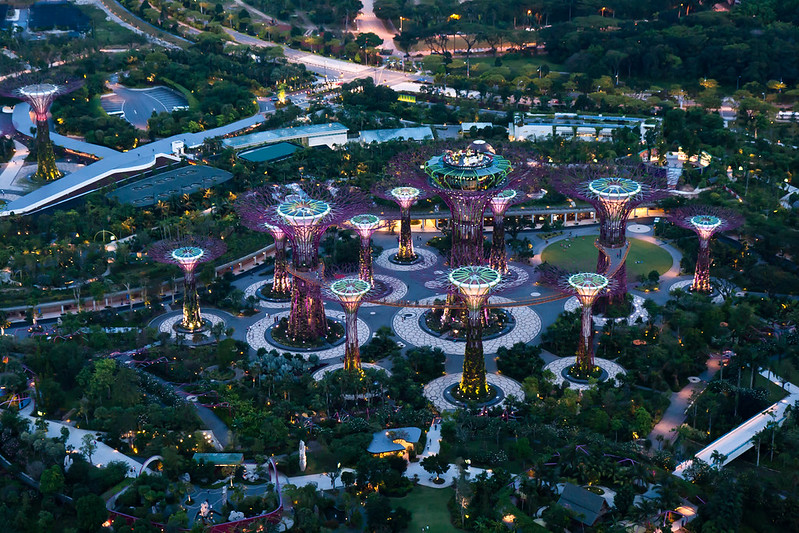
The iconic Supertree Grove, those towering vertical gardens that light up in a nightly show, is Singapore’s signature sight. Visit the Cloud Forest and Flower Dome conservatories, then stay for the free light display after dark. It is pure futuristic magic.
Marina Bay and the Skyline
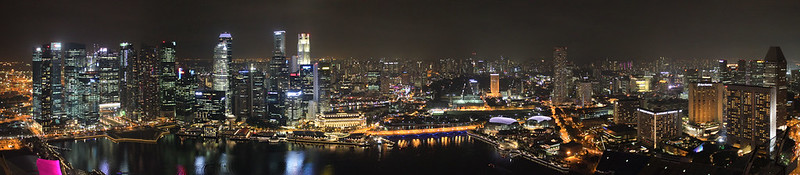
Marina Bay is the glittering heart of modern Singapore, anchored by the boat-shaped Marina Bay Sands hotel. Walk the waterfront promenade, catch the Spectra light and water show, and take in one of the best urban skylines anywhere, especially at night.
The Cultural Neighborhoods
Singapore’s neighborhoods are a joy to explore. Chinatown, Little India, and Kampong Glam (the Malay-Arab quarter) each burst with color, temples, mosques, street art, and incredible food. Wandering them is our favorite way to feel the city’s multicultural soul.
Sentosa Island
This resort island is Singapore’s playground, with beaches, Universal Studios, aquariums, and family attractions. It is touristy but genuinely fun, especially with kids.
Singapore Botanic Gardens
A UNESCO World Heritage Site and a peaceful green escape, the Botanic Gardens (and the stunning National Orchid Garden within) showcase why Singapore is called a city in a garden.
If you love big, modern Asian cities, you will also enjoy our guides to Seoul and Tokyo with kids.
Eating Your Way Through Singapore
Food might be the single best reason to visit Singapore, and the heart of it is the hawker center. These open-air food courts gather dozens of stalls serving cheap, spectacular dishes, some so good they have earned Michelin recognition. Eating at a hawker center is essential, affordable, and a window into the culture.
Must-try dishes include Hainanese chicken rice (the unofficial national dish), chili crab, laksa (a spicy coconut noodle soup), char kway teow, satay, and roti prata. The blend of Chinese, Malay, and Indian cooking means you can eat something different and delicious at every meal. Wash it down with a kopi (local coffee) or a fresh sugarcane juice.
Beyond hawker fare, Singapore has a glittering fine-dining scene and rooftop bars with knockout views, so you can splurge as much or as little as you like.
Where to Stay in Singapore
Singapore is compact and transit-friendly, so almost anywhere central works, but a few areas stand out.
Marina Bay is the splashy, modern choice, home to Marina Bay Sands and close to Gardens by the Bay. The Civic District and Bugis area put you near museums and neighborhoods. Chinatown and Kampong Glam offer characterful boutique stays and brilliant food on your doorstep. Orchard Road is the place for shopping lovers.
Singapore hotels run pricier than much of Southeast Asia, so it pays to book ahead and compare. Even budget travelers can find clean, well-located hostels and guesthouses, especially in the cultural quarters.
Smart Tips for Visiting Singapore
A few things to know. Singapore takes its rules seriously, with fines for things like littering, jaywalking, and eating on the MRT, so be mindful. Dress for heat and humidity, but carry a light layer for aggressively air-conditioned malls and trains. Tap water is safe to drink. And budget a little more than you might for other Asian destinations, since Singapore is one of the region’s pricier cities, though the hawker food keeps daily costs down.
If it is a long-haul trip, do not skimp on the basics. We never travel internationally without coverage, as we explain in our guide to whether travel insurance is worth it.
The Best Neighborhoods to Explore in Singapore
Singapore’s cultural neighborhoods are where the city’s multicultural personality really shines, and wandering them is our favorite free activity. Chinatown blends ornate temples (including the Buddha Tooth Relic Temple), traditional shophouses, and one of the city’s best hawker centers with trendy bars and boutiques tucked down side streets. Little India is a feast for the senses, with garland sellers, spice shops, the colorful Sri Veeramakaliamman Temple, and the wonderfully chaotic Mustafa Centre open around the clock.
Kampong Glam, the historic Malay-Arab quarter, is anchored by the golden-domed Sultan Mosque and lined with the boutiques, cafes, and street art of Haji Lane, one of the most photogenic spots in the city. For a quieter, more local vibe, Tiong Bahru is a leafy, low-rise neighborhood of art deco architecture, indie cafes, bookshops, and a beloved old market.
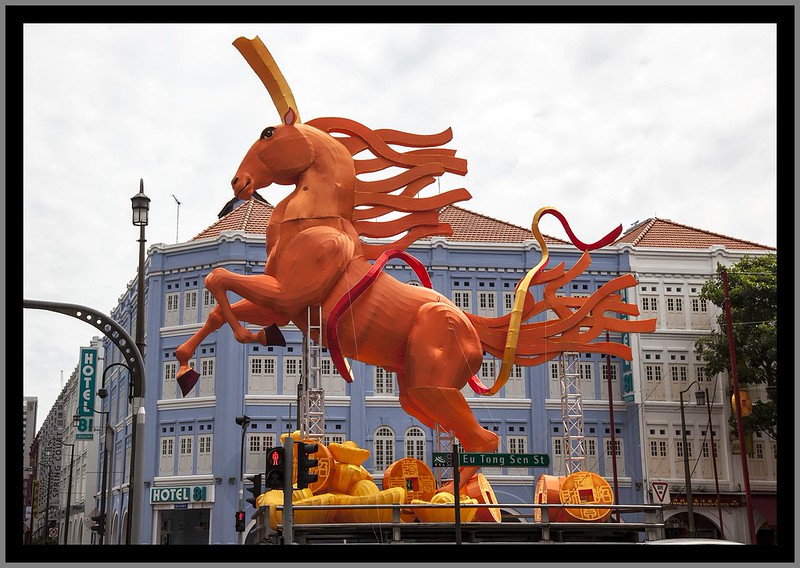
Each of these areas is easily reached by MRT and best explored slowly on foot, ideally around a meal so you can eat your way through. If you only have time for a couple, we would point you to Chinatown and Kampong Glam first. Together they capture the blend of old and new, sacred and stylish, that makes Singapore so endlessly interesting to walk.
Singapore on a Budget
Singapore has a reputation as an expensive city, and it can be, but smart travelers eat and explore well for far less than people expect. The single biggest money saver is the food: hawker centers serve genuinely spectacular meals for 3 to 6 dollars, so you can eat like royalty on a tiny budget. Markets like Maxwell, Old Airport Road, and Lau Pa Sat are destinations in themselves.
Many of Singapore’s best experiences are also free or cheap. Gardens by the Bay’s outdoor Supertree light show, the Marina Bay light and water show, the Botanic Gardens, the cultural neighborhoods, and the city’s countless parks cost nothing. The MRT keeps transport cheap, and tap water is safe, so you skip bottled-water costs. Where the budget tightens is hotels, which run pricier than the rest of Southeast Asia, but hostels and small boutique stays in Chinatown or Kampong Glam keep lodging reasonable. Lean on hawker food and free sights, and Singapore is surprisingly affordable.
Is Singapore Good for a Layover?
One of the smartest ways to experience Singapore is to extend a layover, since Changi is a major hub and the city is so easy to navigate. With a long layover, you can stash your bags, take the MRT downtown in about 30 minutes, and see Marina Bay, Gardens by the Bay, and a hawker meal in half a day.
Changi Airport itself is worth arriving early for, with its indoor waterfall at Jewel, gardens, a butterfly habitat, and even a rooftop pool. If you have a layover of more than a few hours, do not just sit at the gate. Even a short foray into the city gives you a real taste of Singapore, and it is part of why we consider it the perfect gateway to Asia.
Frequently Asked Questions About Singapore
How many days do you need in Singapore? Two to three full days is ideal for a first visit, enough to see Gardens by the Bay and Marina Bay, explore Chinatown, Little India, and Kampong Glam, eat your way through the hawker centers, and spend a half day at Sentosa or the Botanic Gardens. Even a single day or a long layover gives you a great taste, while four days lets you slow down and add day trips or more of Sentosa.
Is Singapore expensive? It is one of the pricier cities in Asia, especially for hotels, alcohol, and taxis. But food can be incredibly cheap thanks to hawker centers, public transit is affordable, and many top attractions are free. Your daily budget depends heavily on how you eat and sleep, and budget travelers do just fine here.
Is Singapore good for families? Yes, it is one of the most family-friendly destinations in Asia. It is clean, safe, and easy to get around, with attractions like Sentosa, Universal Studios, the zoo and night safari, and Gardens by the Bay that kids love. English is widely spoken, which makes traveling with children even smoother.
Where to Book
Here is how we book a Singapore trip:
Hotels: We compare stays around Marina Bay, Chinatown, and Bugis on Booking.com, balancing location near an MRT stop with price. Book early, since good-value rooms go fast.
Tours and Experiences: Gardens by the Bay tickets, Sentosa attractions, food tours through the hawker centers, and night city tours are easy to compare and reserve on Viator. A guided hawker food tour is a fantastic introduction.
Final Thoughts
Singapore is clean, easy, safe, and absolutely delicious, the perfect gateway to Asia or a dazzling destination on its own. Marvel at the Supertrees, wander Chinatown and Little India, and eat everything in sight at the hawker centers. We left planning how soon we could route a layover back through.
For more Asia inspiration, dive into our guides to Bangkok, Chiang Mai, and Bali. Safe travels.