Disclosure: This post contains affiliate links. If you book through our links, we may earn a small commission at no extra cost to you. Thanks for supporting Faceted Travel!
Table of Contents
Key West is what happens when America runs out of road and decides to throw a party about it. Mile Marker 0 sits at the corner of Whitehead and Fleming, 90 miles from Cuba, and everything around it runs on island time: pastel conch houses, six-toed cats, key lime pie, and a nightly sunset celebration that has been going strong for decades.
We’ve bounced around plenty of beach towns, from Miami to Cancun, and Key West remains one of one. Here’s our complete guide to doing it right.
Why Visit Key West?
The southernmost city in the continental US feels closer to the Caribbean than to the mainland, because it practically is. You get gin-clear water and the only living coral barrier reef in the continental US, a walkable historic district stuffed with 19th-century architecture, literary history (Hemingway wrote here for a decade), fresh-off-the-boat seafood, and a cheerfully eccentric local culture that calls itself the Conch Republic.
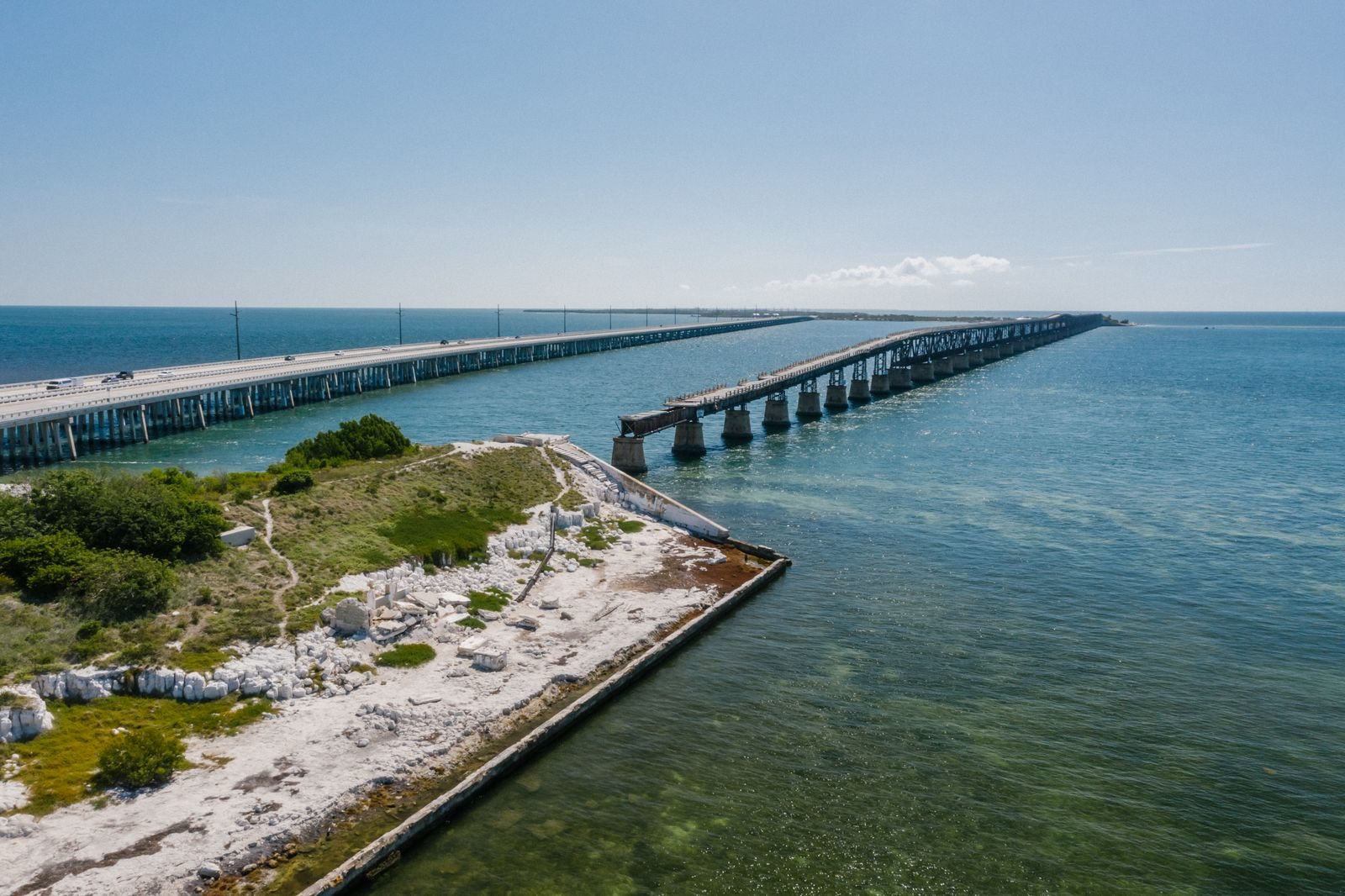
And then there’s the drive: the Overseas Highway, 113 miles of bridges and turquoise water hopping from key to key. It’s one of America’s great road trips, and it ends at the party.
When to Go to Key West
Best time: March through May. Warm (low 80s), drier than summer, and the winter-peak crowds and prices ease after Spring Break. December through February is glorious weather-wise but the most expensive.
Summer (June through September): Hot, humid, and the cheapest season. Mornings are great for snorkeling; afternoons bring quick thunderstorms. Hurricane season technically runs June through November.
Fall (October and November): A sweet spot of warm water, thinner crowds, and good rates. Fantasy Fest in late October is a wild costumed week; book around it deliberately, either to join or to avoid.
Heads up: Key West is tiny and popular. Holiday weeks, Fantasy Fest, and winter weekends sell out months ahead.
Getting to Key West
Fly: Key West International (EYW) takes nonstops from Miami, Atlanta, Dallas, and several East Coast hubs. Fares run higher than mainland Florida airports; sometimes flying into Miami or Fort Lauderdale and driving saves real money.
Drive the Overseas Highway: The classic. About 3.5 to 4 hours from Miami without stops, but you’ll want stops: Islamorada’s sandbar restaurants, the Seven Mile Bridge, and Bahia Honda State Park’s beaches. Leave early; the two-lane road backs up by mid-morning in season.
Once you’re there, ditch the car. Old Town is completely walkable, and bikes, scooters, and the Duval Loop free bus cover everything else. Hotel parking often costs $30 to $50 per night, so consider dropping a rental car entirely if you fly in.
Where to Stay in Key West
Old Town: The heart of it all, with guesthouses and inns in restored conch houses, steps from Duval Street, Mallory Square, and the best restaurants. Worth the premium.
Duval Street and around: Maximum nightlife convenience; light sleepers should aim a block or two off the strip.
New Town: Chain hotels near the airport with better prices; you’ll bike or ride the bus into Old Town.
Stock Island: One key up, with a working-waterfront vibe, marina hotels, and some of the best seafood around. Quieter and a bit cheaper.
What to budget: Winter rates at Old Town guesthouses run $350 to $600 per night; summer drops to $180 to $300. Many historic inns are adults-only; check before booking with kids.
👉 Search Key West hotels on Booking.com
Top Things to Do in Key West
Sunset at Mallory Square
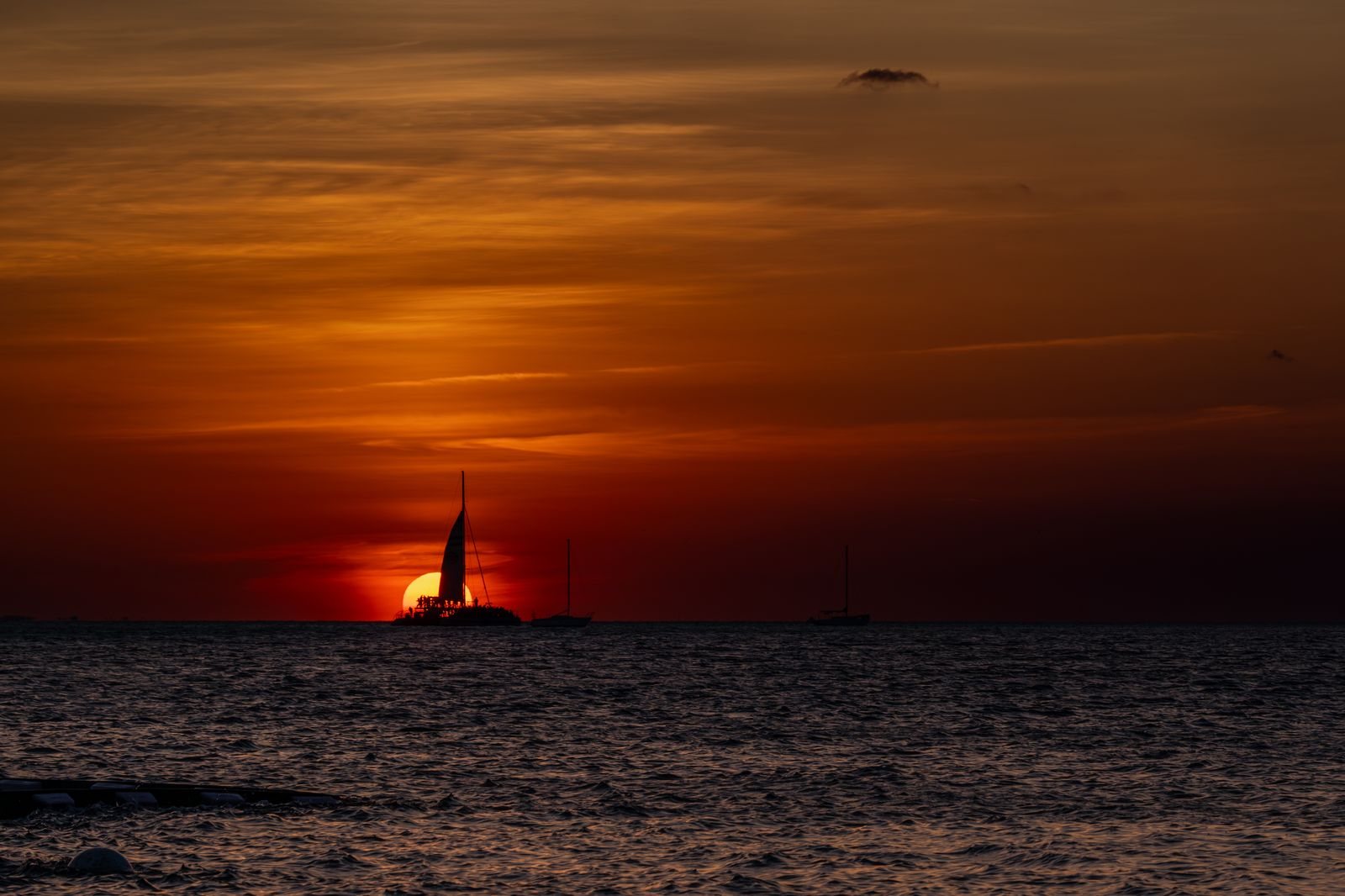
Every evening, the town gathers at Mallory Square for the Sunset Celebration: street performers, cat jugglers, food carts, and a crowd cheering the sun into the Gulf. Touristy? Absolutely. Skippable? Absolutely not. For a quieter version, watch from the Edward B. Knight Pier or a sunset sail.
Snorkel the Coral Reef
The only living coral barrier reef in the continental US sits 6 miles offshore. Morning catamaran trips reach the best sites before the wind picks up; look for parrotfish, rays, and the occasional turtle. Dry Tortugas trips (below) add even clearer water.
The Hemingway Home and Museum
Hemingway wrote A Farewell to Arms and To Have and Have Not at this Spanish-colonial house on Whitehead Street, now famously patrolled by dozens of six-toed cats descended from his own. The guided tours are genuinely funny and worth the ticket.
Day Trip to Dry Tortugas National Park
Seventy miles west by ferry or seaplane lies one of America’s least-visited national parks: a massive 19th-century brick fort rising from water so clear it looks rendered. The Yankee Freedom ferry sells out weeks ahead; the seaplane is a splurge you will not regret.
Duval Street and the Bar Crawl Classics
The famous mile runs Gulf to Atlantic, lined with open-air bars. Hit Sloppy Joe’s (Hemingway’s hangout), the Green Parrot (locals’ dive with live music), and Captain Tony’s (the original Sloppy Joe’s location). Live music starts mid-afternoon and goes late.
Key West Butterfly and Nature Conservatory
A glass conservatory fluttering with hundreds of butterflies and a pair of resident flamingos, Rhett and Scarlett. It’s a surprisingly serene hour and a hit with kids and adults alike.
Fort Zachary Taylor State Park
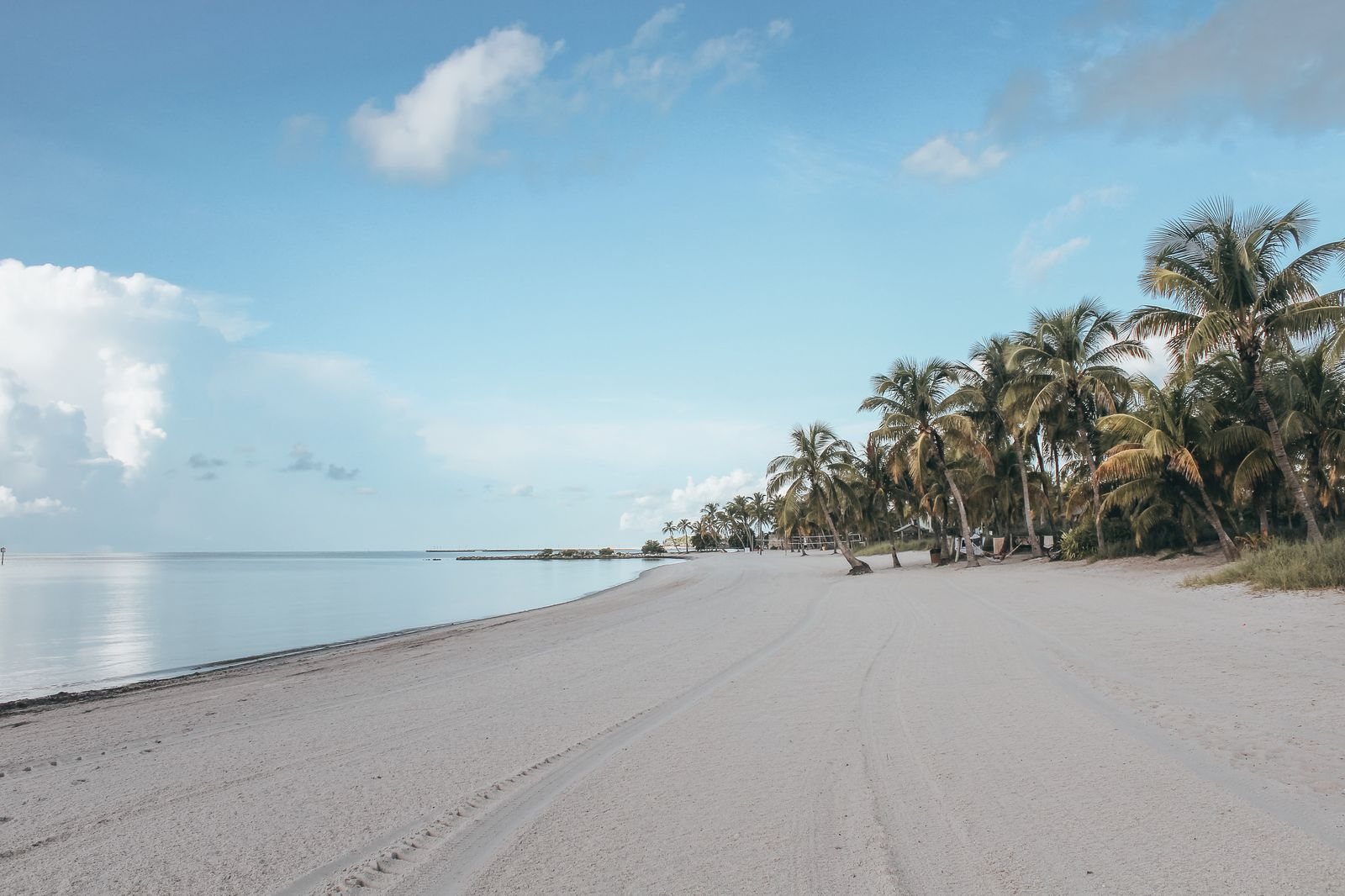
The best beach in Key West proper, backed by a Civil War-era fort and shaded picnic pines. The water is clearest here and the snorkeling off the rocks is decent. Bring water shoes; the beach is natural coral, not powder sand.
The Southernmost Point Buoy and Mile Marker 0
Yes, you queue for a photo with a giant concrete buoy. Yes, you do it anyway, ideally at sunrise before the line forms. Then walk two blocks to snap Mile Marker 0 on US-1, the end (or start) of America’s East Coast highway.
A Perfect Three-Day Key West Itinerary
Day 1, Old Town: Sunrise photo at the Southernmost Point, breakfast at Blue Heaven, Hemingway Home tour, afternoon at Fort Zachary Taylor beach, then Mallory Square sunset and dinner on Duval.
Day 2, On the Water: Morning reef snorkel trip, fish tacos at Garbo’s Grille, lazy afternoon at the Butterfly Conservatory or hotel pool, sunset sail with champagne.
Day 3, Dry Tortugas (or Lazy Day): Full-day ferry to Fort Jefferson with snorkeling off the beach. Or, for a slower day: rent bikes, tour the Truman Little White House, graze the food trucks, and close with key lime pie from Kermit’s.
Where to Eat in Key West
Blue Heaven: Breakfast under the banyan tree with roaming roosters; the lobster benedict and banana bread are legendary. Expect a line; it moves.
Eaton Street Seafood Market: Lobster rolls and conch chowder from a no-frills market. Locals’ pick.
Garbo’s Grille: A food cart turned cult favorite for Korean BBQ tacos and mahi sandwiches.
Latitudes (Sunset Key): A short free ferry to a white-tablecloth dinner on the sand. The special-occasion spot; book well ahead.
El Siboney: Old-school Cuban comfort: ropa vieja, plantains, and cafe con leche at honest prices.
Kermit’s Key Lime Shoppe: The frozen key lime pie slice dipped in chocolate, eaten on a hot afternoon, is a core Key West memory.
What to budget: Casual lunches $15 to $25; dinner mains $25 to $45. Happy hours (4 to 6pm) take the edge off bar prices.
Where to Book Your Key West Trip
Hotels: Search Key West hotels on Booking.com
Tours & Activities: Browse Key West tours on Viator including reef snorkel catamarans, sunset sails, jet ski island loops, and Dry Tortugas day trips
Getting Here Cheaply: Compare EYW fares against Miami plus a rental car; our guide to finding cheap flights shows how we decide.
Travel Insurance: For hurricane-season trips, refundable rates plus coverage is the smart play; see our travel insurance guide.
Key West Travel Tips
Skip the car in town. Walk, bike, or ride the free Duval Loop; parking is scarce and pricey.
Book Dry Tortugas first. The ferry sells out before anything else on your itinerary; build the trip around it.
Mornings are for the water. Seas are calmest and clearest before noon; save bars and museums for the afternoon heat.
Watch the happy hour boards. Nearly every bar runs one; Duval on a budget is entirely possible.
Respect the chickens. Free-roaming roosters are protected local celebrities. They will wake you at dawn; consider it island charm.
Sunscreen, reef-safe. Required by good sense and increasingly by local rules; the reef thanks you.
Key West FAQ
Is Key West good for families? Yes, with the right base. The Butterfly Conservatory, Fort Zachary beach, glass-bottom boats, and the aquarium fill days easily; just note many guesthouses are adults-only and Duval gets rowdy after dark.
How many days do I need? Three days covers the icons plus a water day. Add a fourth for Dry Tortugas without rushing.
Do I need a passport? No. It feels international, but it’s still Florida.
Can you swim in Key West? Yes, though natural beaches are smaller and coral-based; Fort Zachary Taylor and Smathers Beach are the go-tos, and boat trips reach the best water.
Is Key West walkable? Old Town is one of the most walkable destinations in America: flat, compact, and shaded. You may never start the car.
When is Fantasy Fest? The last week of October: ten days of costumes, parades, and grown-up mayhem. Book a year out to join; pick another week for a quiet trip.
How Many Days in Key West?
Three nights is the sweet spot: enough for Old Town, a reef trip, and a proper sunset or three. Add a fourth night for Dry Tortugas, and tack on Keys road-trip stops (Bahia Honda, Islamorada) on your way down or back.
Round out a Florida swing with our guides to Miami and Orlando, or keep the island energy going with Cancun just across the water. However you get here, order the key lime pie. Both kinds. You’re on island time now.