Disclosure: This post contains affiliate links. If you book through our links, we may earn a small commission at no extra cost to you. Thanks for supporting Faceted Travel!
Table of Contents
- South Rim vs. North Rim: Which Should You Visit?
- When to Visit the Grand Canyon
- The Best Viewpoints on the South Rim
- Hiking the Grand Canyon
- Beyond the Rim: River Trips and Helicopters
- How the Grand Canyon Compares to the Southwest’s Other Parks
- Where to Book Your Grand Canyon Trip
- Where to Stay
- A Perfect 2-Day South Rim Itinerary
- Practical Tips We Learned the Hard Way
- Visiting the Grand Canyon with Kids
- What to Pack for the Grand Canyon
- How Many Days Do You Need at the Grand Canyon?
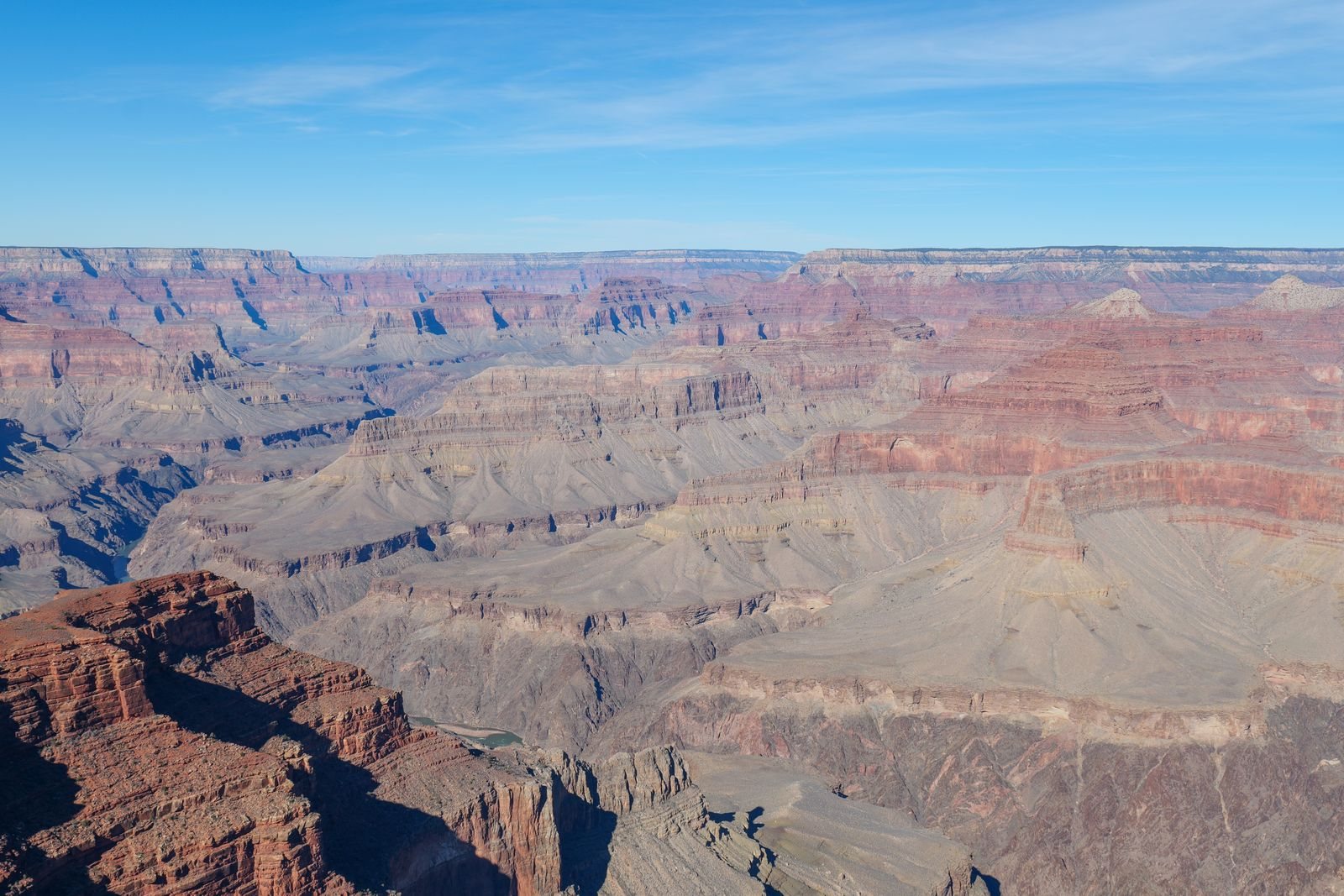
The first time we walked up to the rim and the Grand Canyon dropped away in front of us, we both just stopped talking. Photos do not prepare you for the scale of it: a mile deep, ten miles across, glowing in bands of orange and rust that shift every hour of the day. We have stood at a lot of overlooks over the years, and this one still left us speechless.
This Grand Canyon travel guide covers the difference between the South and North Rims, when to go, the best viewpoints and hikes, how to handle the crowds and the heat, where to stay, and the rookie mistakes we made so your trip goes smoother than ours.
South Rim vs. North Rim: Which Should You Visit?
The single biggest decision is which rim to base your trip around, because they are very different experiences and a five-hour drive apart.
The South Rim is the classic Grand Canyon. It is open year-round, has the most viewpoints, the most lodging, the free shuttle system, and the famous panoramas you have seen on postcards. About 90 percent of visitors come here, so it is busier, but it is also the easiest to plan around and the most accessible if your time is limited. If this is your first visit, start here.
The North Rim sits a thousand feet higher, which makes it cooler, greener, and far quieter. Only about 10 percent of visitors make it up here, and it is only open from mid-May to mid-October because snow closes the road in winter. The views are just as staggering but feel more intimate and wild. We loved the solitude, but it takes more effort to reach.
For a first trip, we recommend the South Rim. Once you are hooked (and you will be), come back for the North Rim’s quiet magic.
When to Visit the Grand Canyon
Timing changes the trip completely, mostly because of heat and crowds.
Spring (March to May) is our favorite window for the South Rim. The temperatures are pleasant on the rim, the inner canyon has not turned into an oven yet, and the crowds are lighter than summer. Snow can still dust the rim in early spring, which is gorgeous.
Summer (June to August) is peak season: long days, everything open, but big crowds and brutal inner-canyon heat that regularly tops 100 degrees. If you visit in summer, hike early and never underestimate the canyon. This is also the only season the North Rim is in full swing.
Fall (September to October) brings cooler air, thinner crowds, and beautiful light. Another excellent time to go, and the last chance for the North Rim before it closes.
Winter (November to February) transforms the South Rim into a snow-dusted wonderland with very few people. It is cold and some services scale back, but a dusting of snow on red rock is unforgettable. The North Rim is closed.
The Best Viewpoints on the South Rim
You could spend an entire trip just chasing overlooks, and honestly that is a fine way to do it.
- Mather Point is the first view most people see, right by the main visitor center, and it is a stunner. Go at sunrise to beat the crowds.
- Yavapai Point has a geology museum and one of the broadest panoramas on the rim.
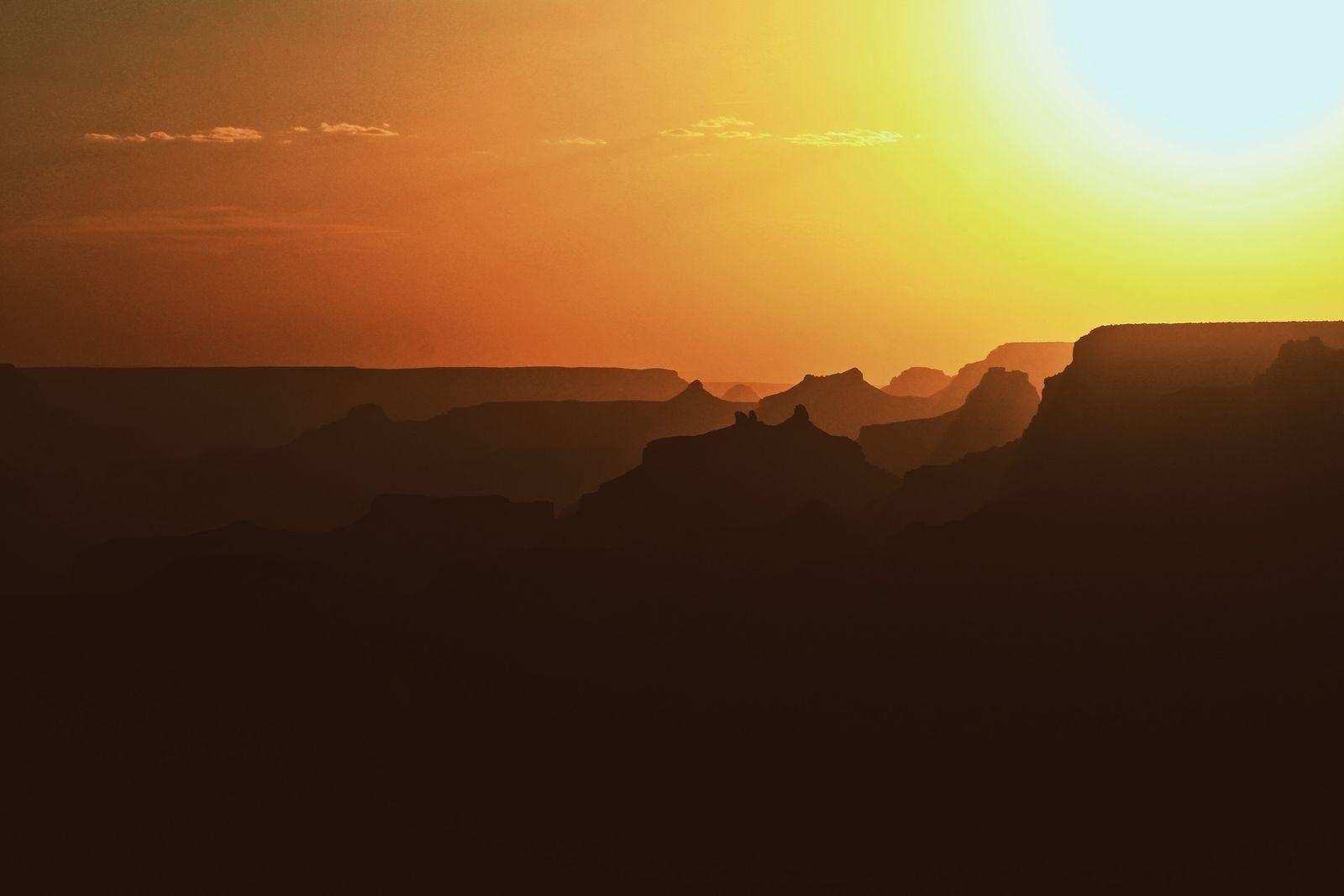
- Hopi Point, out along Hermit Road, is the classic sunset spot with wide views up and down the canyon. The free shuttle reaches it when private cars cannot.
- Desert View, 25 miles east, is anchored by the historic Watchtower and offers a totally different perspective with the Colorado River visible far below.
- Hermits Rest, at the end of Hermit Road, is a quieter spot with a lovely historic building and big views.
A tip we are glad we followed: the Rim Trail is mostly flat and paved for long stretches, so you can walk between viewpoints and hop the shuttle when your feet give out. The light changes so much that a viewpoint at noon and the same one at sunset feel like two different places.
Hiking the Grand Canyon
The canyon rewards anyone willing to step below the rim, even a little. But it demands respect: going down is optional, coming back up is mandatory, and the climb out is where people get into trouble.
Bright Angel Trail
The most popular corridor trail starts right in the village and switchbacks down with rest houses and seasonal water along the way. You can turn around at the 1.5-mile or 3-mile rest house for a solid taste of the inner canyon. Do not attempt to reach the river and return in a single day. Rangers will tell you the same thing, and they are right.
South Kaibab Trail
Steeper and more exposed than Bright Angel, but with jaw-dropping ridgeline views the whole way. Ooh Aah Point (about 1.8 miles round trip) and Cedar Ridge (about 3 miles round trip) are fantastic turnaround spots. There is no water on this trail, so carry plenty.
Rim Trail
If you want the views without the strenuous climb, the Rim Trail traces the edge with almost no elevation change. It is the easiest, most family-friendly way to soak up the canyon, and large sections are paved and shuttle-accessible.
Rim-to-Rim and Backcountry
Serious hikers dream of the rim-to-rim crossing or an overnight at Phantom Ranch at the bottom. These require permits, fitness, and planning months ahead. If that is your goal, study the park’s backcountry pages carefully.
Beyond the Rim: River Trips and Helicopters
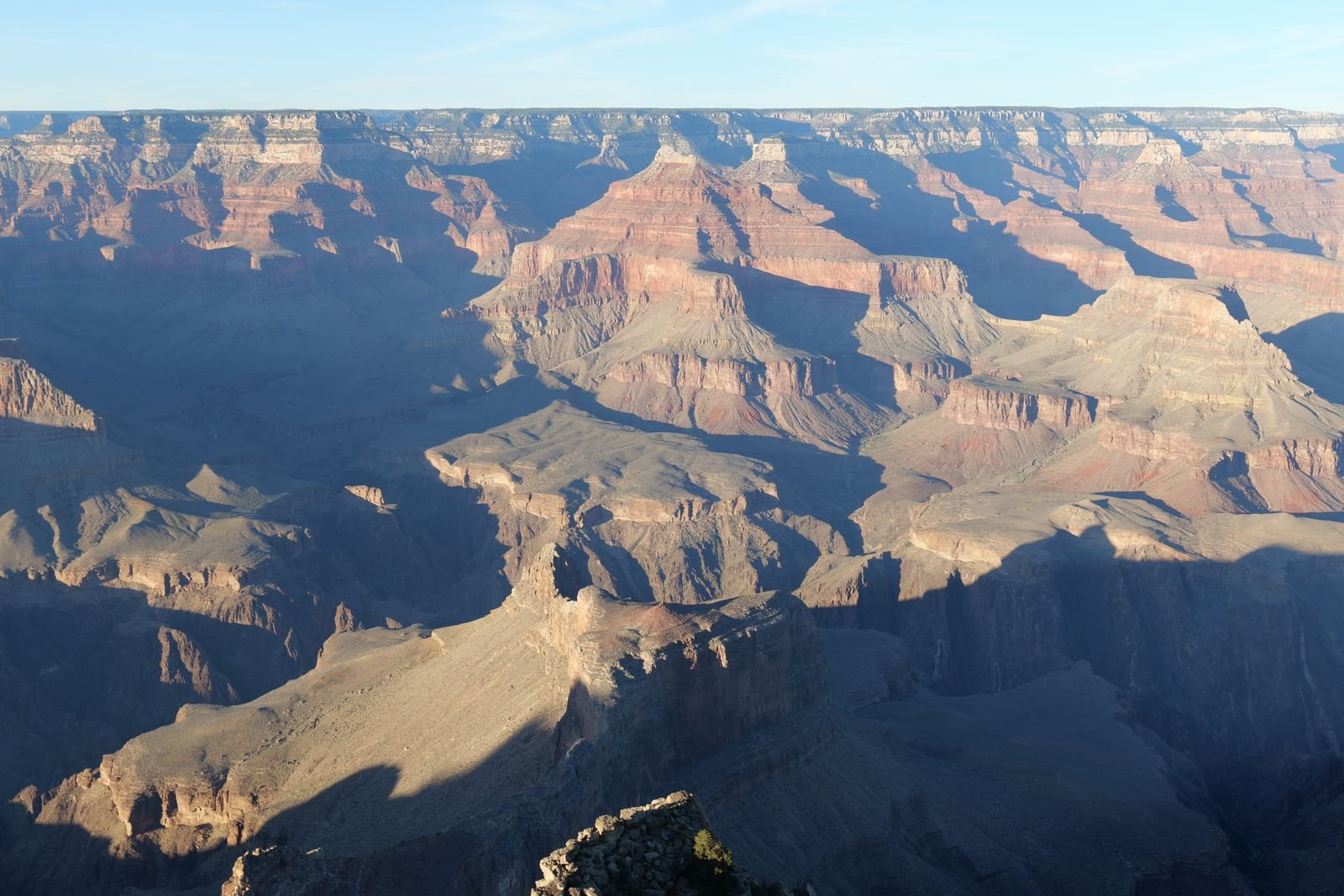
The Grand Canyon is more than an overlook. A Colorado River rafting trip, from a single day to multi-day expeditions, shows you the canyon from the bottom up and is a bucket-list adventure. Helicopter and small-plane tours give you the aerial scale that even the best viewpoint cannot. And the Desert View Watchtower and the historic buildings of Grand Canyon Village are worth slowing down for.
If you are building a bigger Southwest road trip, the Grand Canyon pairs naturally with our Zion National Park travel guide and our Sedona, Arizona travel guide, both within a few hours’ drive.
How the Grand Canyon Compares to the Southwest’s Other Parks
People often ask us how the Grand Canyon stacks up against the region’s other famous parks, and the honest answer is that each one offers something different. The Grand Canyon is about sheer overwhelming scale and that one-of-a-kind first look over the edge. Zion, a few hours northwest, is more intimate and lush, with towering red walls you hike between rather than peer down into, and adventurous routes like the Narrows and Angels Landing. Sedona is less about a single landmark and more about red-rock vistas, vortex energy, and spa-town comfort. Bryce Canyon, near Zion, dazzles with its otherworldly orange hoodoos. If you have a week, stringing several of these together makes one of the great road trips in America. If you only have a few days, the Grand Canyon earns the top spot for first-timers because nothing else on Earth quite matches it.
Where to Book Your Grand Canyon Trip
Hotels and Lodges: Search Grand Canyon hotels on Booking.com. The in-park lodges on the South Rim (El Tovar, Bright Angel Lodge, and others) book up to a year ahead, while the gateway town of Tusayan just outside the entrance has more options.
Tours & Activities: Browse Grand Canyon tours on Viator including helicopter flights, sunset jeep tours, river rafting day trips, and guided rim hikes.
Getting Here Cheaply: Most visitors fly into Phoenix or Las Vegas and drive in (about 3.5 to 4.5 hours). Flagstaff is the closest small airport. Our guide to finding cheap flights covers fare strategies that have saved us hundreds.
Travel Insurance: Heat, elevation, and strenuous hiking make this a smart trip to insure, especially if you plan to go below the rim. See our travel insurance guide.
Where to Stay
Inside the park (South Rim), the historic lodges put you steps from the rim and let you catch sunrise and sunset without driving. El Tovar is the grand old hotel; Bright Angel Lodge and Maswik Lodge are more budget-friendly. Book six months to a year out.
Tusayan, just outside the south entrance, has chain hotels, restaurants, and the IMAX theater, a convenient and slightly cheaper base.
Williams and Flagstaff, about an hour to 90 minutes south, offer more variety, Route 66 charm, and lower prices, plus Flagstaff is a great basecamp for the wider region.
North Rim has the Grand Canyon Lodge (the only in-park option, seasonal) and limited nearby choices, so book very early if you go that way.
A Perfect 2-Day South Rim Itinerary
Day 1: Arrive and catch sunset at Hopi Point via the Hermit Road shuttle. The next morning, watch sunrise at Mather Point, then hike partway down the South Kaibab Trail to Ooh Aah Point or Cedar Ridge for the best below-the-rim views. Afternoon on the Rim Trail between viewpoints.
Day 2: Drive the Desert View scenic road east, stopping at the overlooks and finishing at the Watchtower. If you have energy, hike a stretch of Bright Angel Trail in the cooler morning hours before the heat builds.
Practical Tips We Learned the Hard Way
- Hike early. Below the rim, mornings are cool and afternoons are dangerous in summer. Start at dawn and be heading up before midday.
- Carry way more water than you think. The dry air hides how much you are sweating. We refill at every fountain.
- Use the free shuttles. Parking near the viewpoints fills fast; the shuttle network on the South Rim is excellent and frees you from circling for spots.
- Respect the canyon. Do not try to reach the river and back in one day. Every year people who are fitter than us learn this the hard way.
- Book lodging early. In-park rooms vanish a year out. Set a reminder the moment your dates are set.
- Mind the elevation. The South Rim sits around 7,000 feet, so you may feel winded faster than expected.
Visiting the Grand Canyon with Kids
The Grand Canyon is a fantastic family destination if you plan around the heat and the drop-offs. The flat, paved Rim Trail lets little legs enjoy the views safely, and the free shuttle means you can ride when they tire out. The park’s Junior Ranger program is genuinely engaging and gives kids a mission as they explore. We kept our family hikes short and below-the-rim only in the cool morning hours, always with hats, sunscreen, and far more water than seemed necessary. Hold hands near the edges, since many overlooks have low or no railings. The Yavapai Geology Museum and the Desert View Watchtower break up the day with shade and stories, and a sunset at Mather Point is a memory kids will keep.
What to Pack for the Grand Canyon
The high-desert environment catches people off guard. Even in summer, mornings on the 7,000-foot rim can be chilly while the inner canyon bakes, so layers are essential. We never go without a refillable water bottle (or two), a wide-brimmed hat, strong sunscreen, sturdy closed-toe shoes for any below-the-rim walking, and a light rain shell for the afternoon storms that pop up in monsoon season (July to September). Download offline maps before you arrive, because cell service is patchy throughout the park. A small daypack with snacks and electrolytes turns a good hike into an easy one.
How Many Days Do You Need at the Grand Canyon?
One day lets you see the headline viewpoints and dip below the rim, but it feels rushed. Two days is our sweet spot for the South Rim: one for sunrise, the shuttle viewpoints, and a below-the-rim hike, and one for the Desert View drive and a slower morning. Add a third day if you want a river trip, a helicopter tour, or a venture to the North Rim.
The Grand Canyon is one of those places that quietly rearranges your sense of scale. Do not try to conquer it. Walk the rim slowly, watch the light move across the walls, step a little way down to feel the depth, and let one of the world’s great wonders do the rest.
For more Southwest and national park inspiration, pair the Grand Canyon with our guides to Zion National Park, Sedona, Arizona, and Las Vegas for an unforgettable desert road trip.