
Cape Town Travel Guide: Safari, Wine & the Atlantic

cape town table mountain south africa coastline

Cape town travel guide — we’ve been researching and testing travel strategies for years, and this guide covers everything you need to know. This post contains affiliate links. If you book or buy something through our links, we may earn a small commission at no extra cost to you. Thanks for supporting Faceted Travel!

Cape Town is the kind of city that recalibrates your sense of what a city can be. Mountains rising straight from the ocean. Vineyards an hour from the beach. Wildlife within driving distance of world-class restaurants. We went expecting to love it and came home genuinely overwhelmed by how much more it delivered than we’d anticipated.

This is your complete Cape Town travel guide — covering the iconic sights, the wine lands, the wildlife, and everything you need to plan an unforgettable trip to one of Africa’s most spectacular cities.

Why Cape Town Belongs on Your Africa Itinerary

Cape Town offers a combination of experiences that exists nowhere else on Earth: dramatic natural scenery (Table Mountain, Cape Point, the Atlantic coastline), world-class wine within day-trip distance, Big Five safari within a few hours’ drive, and an urban energy that’s cosmopolitan, creative, and genuinely surprising.

The food scene has exploded over the past decade. The beaches — Clifton, Camps Bay, Boulders Beach with its penguin colony — are extraordinary. And the people, from the warmth of the Cape Malay community in Bo-Kaap to the energy of the local craft beer scene, make Cape Town one of the most memorable cities we’ve ever visited.

Table Mountain: The Essential Cape Town Experience

Table Mountain dominates Cape Town’s skyline and skyline and your first day. The cable car to the summit takes about five minutes and deposits you on a flat-topped plateau with 360-degree views that take your breath away — the city spread below, the Atlantic on three sides, and on clear days, views stretching to the Winelands and beyond.

Book cable car tickets in advance — the cable car closes in strong winds (frequently) and the queue without advance tickets can be long. Download the Table Mountain Aerial Cableway app to check real-time wind closures. Alternatively, several hiking routes ascend the mountain if you prefer earning the view.

Cape Town ocean view South Africa travel

Book a guided Table Mountain experience through Viator’s Cape Town tours for options combining the cable car with city highlights.

Cape Point and the Cape Peninsula

The Cape Peninsula day trip is one of the most spectacular drives in Africa. The route takes you along Chapman’s Peak (a dramatic cliff-road above the Atlantic), through Noordhoek, past the penguin colony at Boulders Beach in Simon’s Town, and out to Cape Point — the dramatic headland at the southwestern tip of Africa where two oceans famously meet.

Cape Point is inside the Table Mountain National Park (entry fee applies). The hike up to the old lighthouse takes about 30 minutes and gives stunning views. Budget a full day for the peninsula loop — there’s too much to rush. This is one of the best self-drive routes in South Africa if you’re comfortable driving on the left.

Book a guided Cape Peninsula tour through Viator Cape Town if you’d prefer a driver — highly recommended so you can focus on the scenery.

Boulders Beach: African Penguins

The African penguin colony at Boulders Beach in Simon’s Town is one of Cape Town’s most delightful surprises — hundreds of penguins nesting, waddling, and swimming among the boulders while visitors watch from boardwalks just meters away. African penguins (also called jackass penguins for their donkey-like bray) are an endangered species, making this encounter genuinely meaningful as well as adorable. Entry fee applies; book in advance at Cape Nature.

The Cape Winelands: Stellenbosch and Franschhoek

The Cape Winelands are just 45 minutes from Cape Town and home to some of the finest wine in the Southern Hemisphere. Stellenbosch is the main wine town — beautiful Cape Dutch architecture, a historic university town atmosphere, and dozens of excellent estates producing world-class Cabernet Sauvignon, Chenin Blanc, and Pinotage.

Franschhoek is smaller, more upscale, and arguably even more beautiful — a French Huguenot village in a narrow valley surrounded by mountains and vineyards. The Franschhoek Wine Tram connects many estates and is a wonderful way to spend a lazy afternoon. The restaurant scene in Franschhoek is exceptional — this is widely considered one of the best food destinations in South Africa.
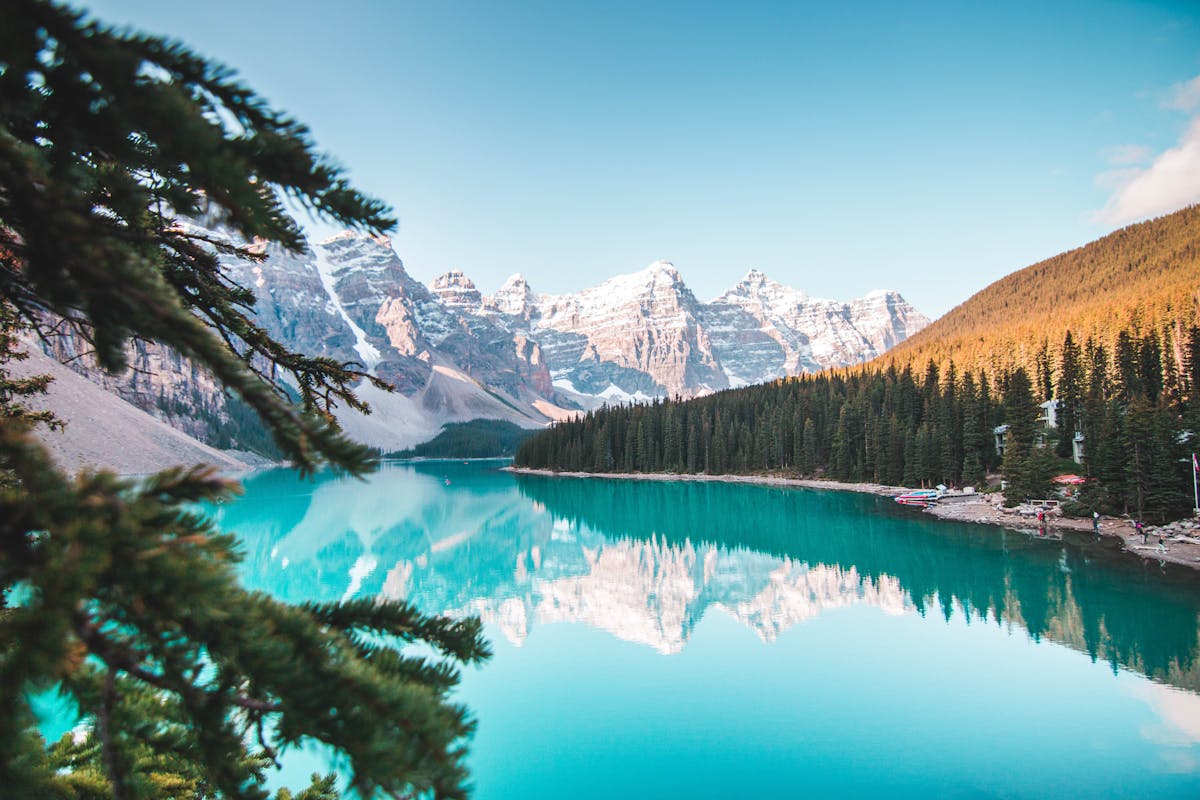
Cape Winelands South Africa vineyard landscape

Book a guided Winelands tour through Viator’s Cape Town wine tours so you can drink freely without worrying about driving.

Bo-Kaap: Cape Town’s Most Colorful Neighborhood

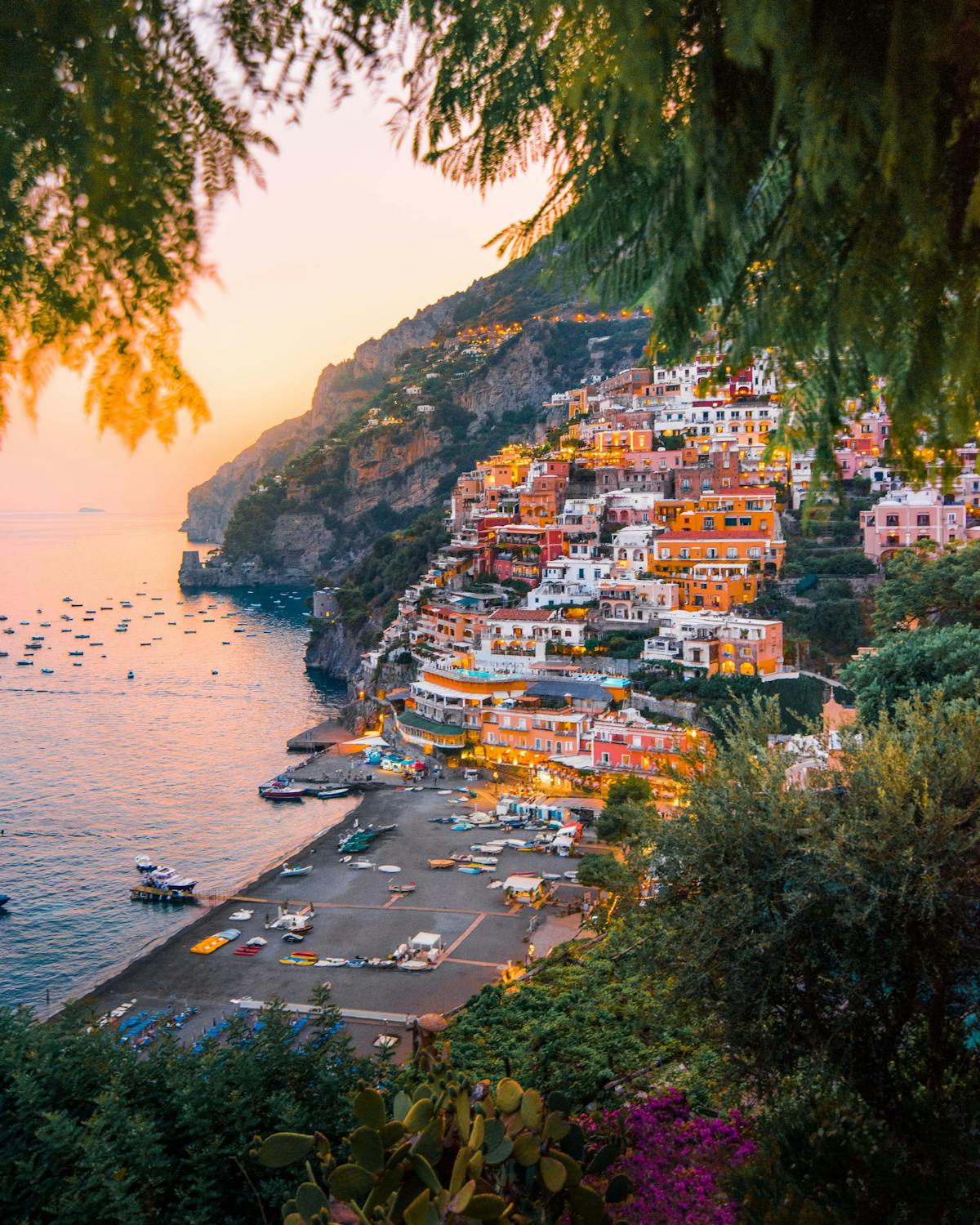
Bo-Kaap is the neighborhood of brightly painted houses on the slopes of Signal Hill, home to Cape Town’s Cape Malay community. The pastel facades (every house a different color) are one of Cape Town’s most iconic images. The neighborhood has a fascinating history as a community of freed slaves and political exiles who developed a distinct culture, cuisine, and identity over centuries. The Bo-Kaap Museum tells this story well. Come early morning for the best light and fewer crowds.

Safari from Cape Town

Cape Town is uniquely positioned as a safari gateway — several private reserves offering Big Five experiences are within a 2–4 hour drive. Aquila Private Game Reserve (2 hours) and Inverdoorn (3 hours) are the most popular options for a day or overnight safari from the city.

For a more immersive safari experience, Kruger National Park requires a flight (2 hours to Johannesburg, then another short hop). But even a day trip safari from Cape Town will give you lion, elephant, rhino, buffalo, and giraffe sightings — a genuinely extraordinary day. Book through Viator’s Cape Town safari day trips.

Where to Stay in Cape Town

  • V&A Waterfront: Most convenient, safest, excellent restaurants and shopping. Best for first-timers.
  • Gardens / City Bowl: Central, close to Table Mountain cable car, good value.
  • Camps Bay / Atlantic Seaboard: Beach access, sunset views, glamorous. More expensive.
  • De Waterkant: Boutique neighborhood, great food scene, LGBTQ+ friendly.

Book on Booking.com or Expedia for the best rates.

Cape Town Travel Tips

  • Safety awareness: Cape Town has high inequality and petty crime — stay aware in crowds, don’t display expensive electronics, use Uber rather than street taxis
  • Rent a car for the Cape Peninsula — you’ll want the flexibility
  • Best time to visit: November through April (Southern Hemisphere summer) — warm and dry. Winter (May–October) brings cooler temperatures but beautiful green landscapes and lower prices
  • Load-shedding (Eskom power outages) is a reality — your hotel will have backup power, but be aware when planning activities
  • Travel insurance is essential — see our complete travel insurance guide

Where to Book Your Cape Town Trip

Cape Town earns its reputation as one of the world’s great cities, and no description fully prepares you for the experience of standing at the cable car summit with the city and ocean and mountains spreading in every direction. Plan at least a week — you’ll need it.

Planning resources: For the latest details, visit Cape Town Tourism official site, Table Mountain National Park (SANParks), and South African Tourism – Cape Town guide.

Morocco Day Trip from Spain: The Complete Tangier Guide

morocco medina colorful market spices

Morocco day trip from spain — we’ve been researching and testing travel strategies for years, and this guide covers everything you need to know. This post contains affiliate links. If you book or buy something through our links, we may earn a small commission at no extra cost to you. Thanks for supporting Faceted Travel!

Standing in the medina of Tangier with the call to prayer echoing over the rooftops, knowing that an hour ago you were in Spain — this is one of travel’s great experiences of contrast and proximity. A Morocco day trip from Spain is genuinely one of the most fascinating things you can do in southern Europe, and Tangier is the gateway city that makes it possible.

Here’s exactly how to do the Tangier day trip from southern Spain — which ferry to take, what to see, and how to make the most of the few hours you have.

Is a Morocco Day Trip Actually Worth It?

Yes — with important caveats. Tangier is a fascinating, complex city that rewards exploration, but a day trip doesn’t give you time to see it properly. What a day trip does give you is a powerful first impression of Morocco, an understanding of why you need to come back for longer, and the visceral experience of crossing from Europe to Africa in under an hour.

If you’re based in Algeciras, Tarifa, or the Costa del Sol and have a free day, the Morocco day trip is absolutely worth it. If this is your only chance to see Morocco ever, we’d push you to stay at least two or three nights — but a day is infinitely better than nothing.

morocco colorful market souk tangier

How to Get from Spain to Tangier by Ferry

From Tarifa (Fastest Crossing)

The fastest ferry crossing is from Tarifa (the southernmost point of mainland Europe) to Tangier-Ville ferry terminal — just 35 minutes. FRS ferries operate this route multiple times daily. Tarifa itself is a beautiful windsurfing town worth spending a few hours in if your schedule allows.

From Algeciras

Algeciras has more frequent ferry departures to Tangier Med port (90 minutes) — this port is 45 km from Tangier city, so you’ll need transport to the medina. Multiple ferry companies operate this route. Algeciras is the main crossing point for trucks and freight, so it’s busier but more flexible for scheduling.

Book a Guided Day Trip

For a first-time Morocco day trip, we strongly recommend booking a guided day trip that includes the ferry, transport, and a local guide in Tangier. Navigating Tangier independently is manageable, but the medina is confusing and aggressive touts are a reality. A local guide transforms the experience — you’ll see more, understand more, and spend far less energy fending off unwanted “help.” Book through Viator’s Tangier day trips from Spain for the best options departing from various Costa del Sol cities.

What to See in Tangier

The Medina

The medina is the old walled city and the heart of any Tangier visit. Narrow alleyways, spice vendors, artisan workshops, and the smell of mint tea — this is Morocco in its most immediate and overwhelming form. The Grand Socco (main square) and Petit Socco (smaller inner square) are the main anchors. The Kasbah (fortress) at the top of the medina has excellent views over the Strait of Gibraltar and the coast.

tangier morocco street medina

The American Legation Museum

Tangier has a unique history as an international zone (1923–1956) and a favorite of Beat Generation writers — Paul Bowles, William S. Burroughs, and Jack Kerouac all spent significant time here. The American Legation Museum, housed in a beautiful historic building, tells this story and houses an excellent collection of Moroccan art. It’s free to enter and fascinating.

The Café de Paris and the Old City

The Place de France and Café de Paris area is where Tangier’s cosmopolitan history is most visible — this is where spies and writers and diplomats drank coffee during the International Zone era. Today it’s a pleasant square for a mint tea and a moment to take stock of the sensory overload of the medina.

Cap Spartel and the Caves of Hercules

If your day trip allows extra time, Cap Spartel is the point where the Atlantic meets the Mediterranean — the northwest tip of the African continent. The Caves of Hercules nearby are legendary in Roman mythology and have a dramatically shaped opening that looks like an upside-down map of Africa. Both are easily included in a guided day trip itinerary.

Morocco Day Trip Practical Tips

  • Your passport is required — a day trip to Morocco is crossing an international border. Carry your passport, not just your ID card.
  • Moroccan dirhams — you can exchange euros at banks in Tangier, but many shops and restaurants accept euros at a rough exchange rate. Carry small bills.
  • Bargaining is expected in the souks. Start at roughly a third of the asking price and negotiate from there. Don’t be offended — it’s part of the experience.
  • Dress modestly — shoulders and knees covered is respectful, especially in the medina.
  • Say no clearly to unofficial “guides” — they will offer to show you around and then demand payment. If you want a guide, book one officially in advance.
  • Try the food — tagine, bastilla (pigeon or chicken pastry), mint tea. Don’t leave without eating something.

Where to Book Your Morocco Day Trip

  • Guided day trips from Spain: Viator Tangier day trips — options from Marbella, Málaga, Costa del Sol, Seville
  • Ferry booking: FRS (frs.es) for Tarifa–Tangier; Baleària or Acciona for Algeciras–Tangier Med
  • Travel insurance: Always smart when crossing international borders — see our travel insurance guide
  • Sevilla as a base: Check out our Sevilla travel guide — it pairs perfectly with a Tangier day trip

A Morocco day trip from Spain is one of the most memorable single days you can have in southern Europe — intense, beautiful, disorienting in the best possible way, and genuinely unlike anywhere else. Just be prepared: whatever you expected Morocco to feel like, the reality will be more vivid, louder, and more wonderful than that. And you’ll almost certainly start planning a return trip before you’re back on the ferry.

Planning resources: For the latest details, visit Visit Morocco – official tourism, Spain Tourism official site, and ONCF Morocco train information.

Sevilla, Spain: A Travel Guide to Andalusia’s Most Beautiful City

sevilla spain architecture plaza cathedral

Seville spain travel guide — we’ve been researching and testing travel strategies for years, and this guide covers everything you need to know. This post contains affiliate links. If you book or buy something through our links, we may earn a small commission at no extra cost to you. Thanks for supporting Faceted Travel!

If you’ve ever doubted whether one city could contain this much beauty, history, and sensory overload in a walkable area — Sevilla will correct that immediately. The capital of Andalusia is one of the most atmospheric cities in all of Europe, and it deserves far more attention than it typically gets from travelers who head straight to Barcelona or Madrid.

We spent four days in Sevilla and could have stayed twice as long. Here’s everything you need to plan your trip to this extraordinary city.

Why Sevilla Should Be on Your Spain Itinerary

Sevilla hits differently than other Spanish cities. It’s smaller, slower, and more intensely local than Barcelona or Madrid. The historic center is compact enough to walk everywhere. The architecture — Moorish, Gothic, Renaissance, Baroque — is staggering. The food scene is outstanding and remarkably affordable. And then there’s flamenco, which was born here in Andalusia and reaches its most authentic expression in the tablaos and peñas of Sevilla.

It’s also genuinely hot in summer (40°C/104°F is not unusual in July and August), which is why spring and fall are the ideal times to visit. April during Semana Santa (Holy Week) or the Feria de Abril (April Fair) is extraordinary but crowded and expensive — book well in advance if you’re targeting those weeks.

Real Alcazar palace Sevilla Spain travel guide

The Alcázar: Sevilla’s Crown Jewel

The Real Alcázar of Sevilla is one of the most beautiful buildings in Europe, full stop. This royal palace complex — still in use by the Spanish royal family — is a masterpiece of Mudéjar architecture: Moorish design and craftsmanship executed by Muslim artisans for Christian rulers after the Reconquista. The result is something that exists nowhere else: intricate geometric tilework, carved stucco arches, and garden courtyards that feel lifted from a dream.

You’ll recognize it if you’ve seen Game of Thrones — the Water Gardens scenes were filmed here. Budget 2–3 hours minimum. Book tickets online in advance (alcazarsevilla.org) — lines without tickets can be 90+ minutes. Consider a guided Alcázar tour through Viator for expert historical context and skip-the-line access.

Triana: The Authentic Local Neighborhood

Cross the Guadalquivir River from the historic center to reach Triana, Sevilla’s most authentically local neighborhood. This is where the city’s flamenco and bullfighting traditions run deepest, where the ceramics workshops produce the famous Sevillano tiles, and where you’ll find tapas bars that serve locals rather than tourists. The Mercado de Triana is excellent for a mid-morning snack. Walking back across the Isabel II Bridge at sunset with the Sevilla skyline behind you is a perfect moment.

Sevilla Food and Tapas Culture

Sevilla is one of the great tapas cities of Spain — and unusually, many bars here still offer free tapas with every drink order (a tradition that has disappeared elsewhere). The local specialties to seek out: espinacas con garbanzos (spinach with chickpeas), carrillada (braised pork cheek), pescaíto frito (fried fish), and the excellent local fino sherry.

flamenco performance in Sevilla Andalusia Spain

For a proper tapas crawl, focus on the streets around the Alfalfa neighborhood and the Alameda de Hércules boulevard. Bodega Santa Cruz (aka Las Columnas) near the cathedral is touristy but excellent. El Rinconcillo, dating to 1670, claims to be the oldest bar in Sevilla.

Where to Stay in Sevilla

Location matters in Sevilla. The two best areas:

  • Historic Center / Santa Cruz: Walking distance to everything. More expensive but completely worth it for a first visit.
  • El Arenal: Between the river and the cathedral. Great location, slightly more affordable than Santa Cruz.

Search and compare hotels on Booking.com or Expedia. Book well in advance for spring — Semana Santa and Feria week see prices triple and rooms sell out months ahead.

Where to Book Your Sevilla Trip

Sevilla Travel Tips

  • Visit the Alcázar and Cathedral first thing in the morning or late afternoon to avoid peak crowds
  • Sevilla shuts down for siesta (roughly 2–5pm) more seriously than most Spanish cities — plan accordingly
  • Dinner doesn’t start until 9pm or later — embrace the schedule
  • The city is very walkable; skip the hop-on hop-off bus and use your feet instead
  • Consider adding a day trip to Córdoba (45 minutes by high-speed train) to see the extraordinary Mezquita

Sevilla rewards slow travel. The more time you spend simply sitting in a plaza with a glass of fino, watching the city go about its business, the more you’ll understand why Andalusia has captivated travelers for centuries. Come with comfortable shoes, an empty stomach, and no particular plans for the afternoons.

Planning resources: For the latest details, visit Visit Sevilla – official tourism office, Spain Tourism – Seville, and Royal Alcázar of Seville official site.

Best Day Trips from Lisbon: Sintra, Cascais & More

sintra palace portugal day trip from lisbon

Best day trips from lisbon — we’ve been researching and testing travel strategies for years, and this guide covers everything you need to know. This post contains affiliate links. If you book or buy something through our links, we may earn a small commission at no extra cost to you. Thanks for supporting Faceted Travel!

Lisbon might be the best base city in all of Europe for day trips — within 30–45 minutes, you can be in a fairy-tale palace town, a beach resort, a medieval hilltop village, or a world-heritage wine region. We spent a week in Lisbon on our last Portugal trip and did three day trips, and every single one was worth the early morning train ride.

Here are the best day trips from Lisbon, ranked by ease and payoff — plus exactly how to get to each one.

1. Sintra: Palaces and Fairy Tales (Our Top Pick)

Sintra is non-negotiable on any Lisbon trip. This UNESCO World Heritage town in the Sintra Mountains, just 40 minutes from Lisbon by train, is so absurdly beautiful that it barely feels real. Pastel-colored palaces perch on forested hilltops, Moorish castles emerge from the mist, and the whole place has an otherworldly, fantasy-novel quality that photographs don’t fully capture.

What to See in Sintra

  • Pena Palace — The crown jewel. This Romanticist palace painted in vivid yellow and red sits at the top of the hill and has sweeping views over the town and coastline. Book tickets in advance — it sells out.
  • Moorish Castle — Just below Pena Palace, the medieval castle walls offer incredible views. Less crowded than the palace.
  • Quinta da Regaleira — The most mysterious site in Sintra: a neo-Manueline estate with a famous spiral “initiation well” that descends underground. Fascinating and unique.
  • Historic Center — The town itself is beautiful. Stop at Sintra’s famous pastry shops for travesseiros (almond and egg pastry pillows).

Getting to Sintra

Take the direct train from Lisbon’s Rossio station — trains run frequently and take about 40 minutes. Buy your return ticket at the station. Once in Sintra, a local bus (434 or 435) connects the train station to the main sights, or you can hike up (steep but beautiful). Book a guided Sintra day trip from Lisbon if you want expert context and skip-the-line access.

2. Cascais: Beach Town with Portuguese Character

Cascais is a charming coastal resort town on the Estoril Coast, 40 minutes west of Lisbon by train. It’s a popular weekend getaway for Lisboetas, and you’ll understand why immediately: whitewashed buildings, a busy fishing harbor, pretty beaches, and a relaxed Atlantic vibe that’s more authentic than many Portuguese coastal towns.

Unlike many beach day trips, Cascais has a genuinely walkable town center worth exploring beyond just the beach. The pedestrianized shopping streets, the fish market, and the Museum of the Counts of Castro Guimarães (free on Sundays) are all worth time.

sintra palace portugal fairy tale architecture

Combine Sintra and Cascais in One Day

One of the best Portugal travel hacks: take the train to Sintra in the morning, spend 4–5 hours there, then catch a local bus (403) along the dramatic cliff coast to Cascais, explore the town, and return to Lisbon by train from Cascais. This is one of the most scenic routes in all of Portugal. Book this as a guided combo tour through GetYourGuide’s Sintra and Cascais day trips.

3. Óbidos: A Medieval Walled Village

Óbidos is the kind of Portuguese village that makes you feel like you’ve time-traveled. The entire medieval town is enclosed by ancient walls, the streets are cobblestoned and flower-lined, and the village is so well-preserved that it feels almost too perfect. It’s about 80 km north of Lisbon.

Óbidos is famous for ginjinha — Portuguese sour cherry liqueur served in a small edible chocolate cup. You’ll be offered it everywhere and you should absolutely say yes every time. The village is small enough to walk in 1–2 hours, making it ideal as a half-day component of a wider day trip.

Getting there: Regular buses from Lisbon’s Campo Grande terminal (about 1 hour). Or book a guided day trip from Lisbon that combines Óbidos with other villages.

4. Setúbal and the Arrábida Natural Park

If you’re craving nature and beaches, the Arrábida Natural Park south of Lisbon offers some of the most stunning coastline in all of Portugal — dramatic limestone cliffs dropping to crystal-clear turquoise water that looks more like the Maldives than Europe. The water is legitimately that blue.

The Serra da Arrábida is also wonderful for hiking, with trails through the nature reserve offering views over the cliffs and coast. The town of Setúbal at the base is worth a quick explore for its seafood restaurants.

cascais portugal seaside town beach

Getting there is easiest by car (rent from Lisbon) or on a guided day trip — public transport to the park is limited. Check GetYourGuide’s Arrábida tours for boat trips and hiking options.

5. Évora: Ancient Rome in the Alentejo

Évora is a full day trip — about 1.5 hours from Lisbon by train — but one of the most rewarding ones. This UNESCO World Heritage city in the Alentejo region has Roman ruins (a remarkably intact 1st-century temple right in the town center), medieval city walls, a cathedral dating to the 12th century, and the haunting Chapel of Bones built from the remains of 5,000 monks.

Évora also has some of the best Alentejo cuisine in the region — wine, slow-braised pork, açorda bread soups, and a regional cheese scene that deserves more attention. Plan a proper lunch here. Take the morning train from Lisbon’s Oriente station for the best timing.

6. The Douro Valley Wine Region (Ambitious Day Trip)

Technically this is closer to Porto, but ambitious travelers have done Douro Valley from Lisbon. The terraced vineyards along the Douro River are a UNESCO World Heritage landscape, and the wine — port and Douro reds — is world-class. This is best done as an organized tour from Lisbon or, better yet, as a reason to add a night or two in Porto to your trip. See our Lisbon travel guide for more on planning your Portugal visit.

Where to Book Your Lisbon Day Trips

Day Trip Tips for Lisbon

  • Start early — Sintra especially gets very crowded by 10am. First train is the best train.
  • Validate your train ticket before boarding — Portuguese train conductors do check, and fines are steep.
  • Wear comfortable shoes — Sintra, Évora, and Óbidos involve a lot of cobblestones and hills
  • Buy a Lisbon transit card (Viva Viagem) at the airport — it covers trains to Sintra and Cascais
  • Book palace tickets in advance for Pena Palace and Quinta da Regaleira — especially in summer

The best day trips from Lisbon genuinely rival the city itself in terms of wow factor — Sintra in particular is one of those rare travel experiences that stays with you for years. Plan at least two day trips into your Lisbon itinerary, and don’t be surprised if they end up being the highlight of your Portugal visit.

Planning resources: For the latest details, visit Lisbon’s official tourism board, Visit Portugal – official tourism, and Sintra’s palaces and parks official site.

3 Days in Amsterdam: A First-Timer’s Complete Itinerary

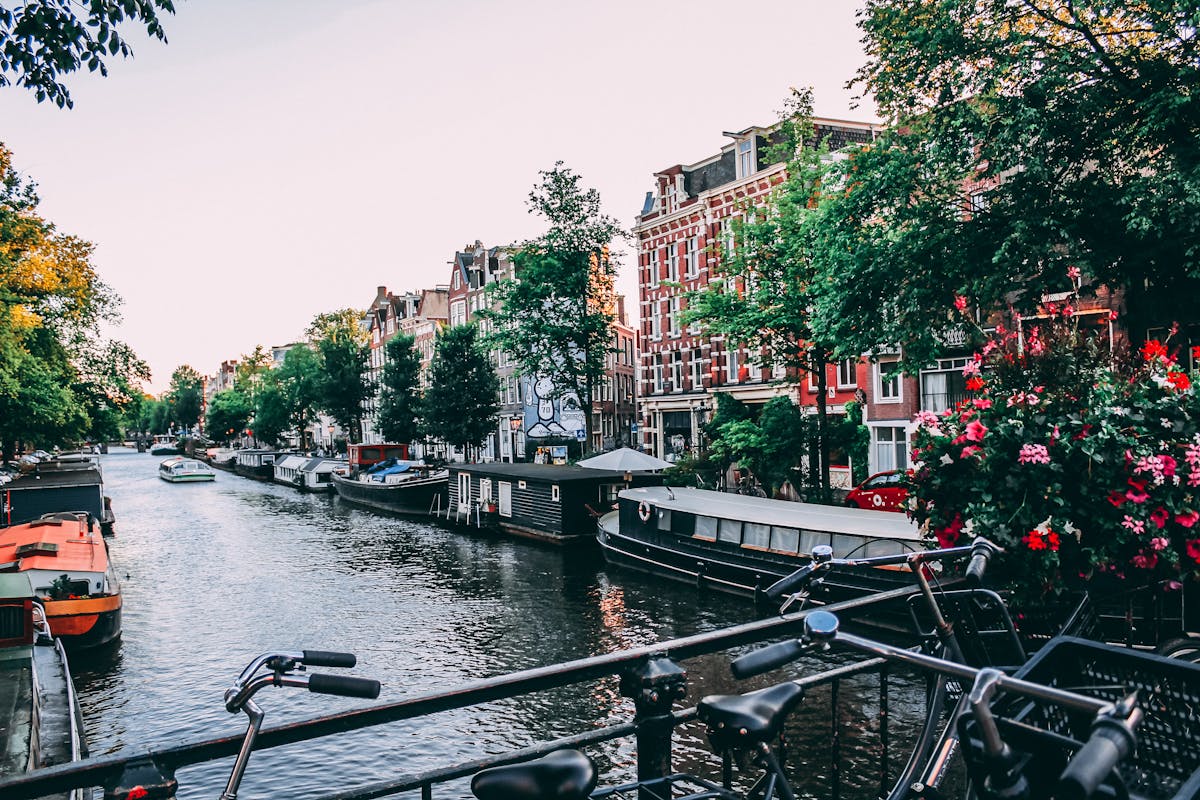
amsterdam canal houses netherlands bicycles

3 days in amsterdam — we’ve been researching and testing travel strategies for years, and this guide covers everything you need to know. This post contains affiliate links. If you book or buy something through our links, we may earn a small commission at no extra cost to you. Thanks for supporting Faceted Travel!

Three days in Amsterdam is exactly enough time to fall completely in love with this city — and start planning your return trip. We’ve done Amsterdam twice now, and both times it delivered in that specific way that only the best European cities do: beautiful on every canal, endlessly walkable, with food and culture that keep surprising you around every corner.

This itinerary is practical and honest. We’re going to skip the tourist traps, point you to the neighborhoods worth your time, and help you make the most of a long weekend in one of Europe’s most beloved destinations.

Before You Arrive: What to Know About Amsterdam

Amsterdam is a small city by European standards, and most of the top sights are walkable or a short tram ride apart. The famous canal ring (the UNESCO-listed Grachtengordel) is the heart of the city. The neighborhoods you’ll spend most of your time in are the Jordaan, the Museum Quarter, De Pijp, and the Old Center.

A few things to know before you go: bikes are everywhere and they have the right of way — watch your step when crossing bike lanes. Cannabis coffee shops are legal and common, but you don’t have to engage with them. The city is much smaller than its reputation suggests, and most things are accessible on foot once you’re oriented.

Day 1: The Canals, the Jordaan, and the Anne Frank House

Morning: Jordaan Neighborhood Walk

Start your Amsterdam trip in the Jordaan, the most beautiful neighborhood in the city. This former working-class district is now a charming maze of narrow streets, independent boutiques, brown cafés (Dutch pubs), and some of the prettiest canal views in the city. Walk along Bloemgracht and Egelantiersgracht for the best scenery — these are quieter than the main canals and feel genuinely local.

Stop for coffee at one of the many independent cafés along the way. Jordaan is the kind of neighborhood where you can spend two hours just wandering and looking at buildings, and that’s entirely the point.

Midday: Anne Frank House

The Anne Frank House is one of the most moving museum experiences in all of Europe, and it’s non-negotiable on a first visit to Amsterdam. Walk through the secret annex where Anne Frank and her family hid for over two years during the Nazi occupation. It’s quiet, intimate, and genuinely powerful.

Book tickets in advance — they sell out weeks ahead. This is the one thing you absolutely must not leave to chance. Tickets are available at annefrank.org. Morning slots tend to be slightly less crowded than afternoons.

amsterdam canal bike bridge netherlands

Afternoon: Canal Boat Tour

After the emotional weight of the Anne Frank House, a canal boat tour is the perfect reset. There’s no better way to understand Amsterdam’s layout, appreciate the historic architecture from the water, and simply relax after a morning of walking. The city looks completely different from the canals.

Book a guided canal tour through Viator’s Amsterdam canal tour selection — they have everything from classic boat tours to dinner cruises to private options. The 1-hour classic tours are perfect for a first day.

Evening: De Pijp for Dinner

Head to De Pijp for the evening — Amsterdam’s most vibrant neighborhood for food. Albert Cuypmarkt (open daily except Sunday) is a great afternoon stop if your timing lines up. For dinner, the streets around Ferdinand Bolstraat are packed with options. Bazar Amsterdam is a great choice for a festive atmosphere and Middle Eastern-inspired food at reasonable prices.

Day 2: Museums, Markets, and the Museum Quarter

Morning: Rijksmuseum or Van Gogh Museum

Amsterdam has two world-class art museums side by side in the Museum Quarter, and on a 3-day trip you should pick one for a proper deep dive rather than rushing through both.

The Rijksmuseum is the Dutch national museum — enormous, stunning, and home to Rembrandt’s Night Watch and Vermeer’s masterpieces. Budget 2–3 hours minimum. The Van Gogh Museum is smaller but equally excellent, tracing Van Gogh’s life and work in chronological order. It’s more emotionally engaging and better for non-museum people.

Both require advance booking. Book through the museum websites or via Viator for skip-the-line museum tickets.

Afternoon: Vondelpark and the Leidseplein

After the museum, walk through Vondelpark — Amsterdam’s version of Central Park, with locals picnicking, cycling, and generally enjoying life. It’s a lovely afternoon break from art and architecture. From Vondelpark, the Leidseplein is a 10-minute walk: a lively square with street performers, cafés, and easy restaurant options for a late lunch or early dinner.

Evening: Brown Café Culture

Amsterdam’s brown cafés (bruine kroegen) are the soul of local nightlife — dark, wood-paneled pubs serving Dutch beers and jenever (Dutch gin) that have been open for centuries in some cases. In’t Aepjen on Zeedijk is one of the oldest bars in Amsterdam (1519). Café ‘t Smalle in the Jordaan is another classic. Spending an evening pub-hopping between brown cafés is one of the most authentically Amsterdam things you can do.

amsterdam museum rijksmuseum architecture

Day 3: Day Trip to Zaanse Schans or More of the City

Option A: Day Trip to Zaanse Schans (Windmills)

If you’ve covered the main city highlights, day 3 is perfect for the Zaanse Schans windmill village, about 20 minutes by train from Amsterdam Centraal. This open-air museum has working windmills, traditional Dutch craftspeople, wooden shoe demonstrations, and cheese tastings. It’s touristy — but genuinely beautiful and worth the half-day trip.

You can also book a guided day trip that includes Zaanse Schans plus other Dutch countryside highlights through Viator Amsterdam day trips.

Option B: Old Center and NEMO

Alternatively, spend day 3 exploring the Old Center more deeply. The Red Light District is worth a daytime walk for its architecture (seriously — the canal houses here are extraordinary). The NEMO Science Museum has a rooftop terrace with excellent views over the city. The Flower Market on the Singel canal is a quick but colorful stop.

Where to Stay in Amsterdam

Location matters a lot in Amsterdam. Our recommendations by area:

  • Jordaan or Canal Ring: The most beautiful and central option. Walk everywhere. Pricier but worth it for a first visit.
  • Museum Quarter / Oud-Zuid: Quieter, upscale, close to the big museums and Vondelpark.
  • De Pijp: Vibrant, local feel, excellent food scene. Great value compared to canal-ring hotels.

Search and compare hotels on Booking.com or Expedia. Book early — Amsterdam hotels fill up fast, especially May through September.

Getting Around Amsterdam

Walking is your main mode of transport for central Amsterdam. For longer distances, the tram network is excellent — buy an OV-chipkaart (transit card) at the airport or any train station. Renting a bike is authentic and fun, but navigate carefully: Amsterdam cyclists are fast and the unwritten rules take a day to learn. Uber works in Amsterdam if you want car transport.

Where to Book Your Amsterdam Trip

Amsterdam Tips We Wish We’d Known

  • Always look both ways on the bike lanes — cyclists move fast and have right of way
  • Book Anne Frank House, Rijksmuseum, and Van Gogh Museum tickets weeks in advance
  • The Jordaan on a rainy day is still beautiful — Amsterdam is a year-round city
  • Cash is still widely used in traditional brown cafés — carry some euros
  • Tap water in Amsterdam is excellent — skip the bottled water
  • Spring (April/May) means tulips, but also maximum crowds. September–October is our favorite time to visit

Three days in Amsterdam will leave you wishing you had a fourth — but you’ll have seen the best of it, made memories on the canals, and probably already started thinking about coming back for Keukenhof in the spring or the Christmas markets in December. It’s that kind of city.

Planning resources: For the latest details, visit I Amsterdam – official city tourism, Rijksmuseum official site, and Anne Frank House official site.

Moab Utah Road Trip: The Ultimate Adventure Guide

moab utah red rock canyon arches national park

Moab utah road trip — we’ve been researching and testing travel strategies for years, and this guide covers everything you need to know. This post contains affiliate links. If you book or buy something through our links, we may earn a small commission at no extra cost to you. Thanks for supporting Faceted Travel!

The red rock canyons rise up around you like something out of a fever dream — and you realize no photo has ever come close to capturing this. A Moab Utah road trip is one of those rare travel experiences that genuinely exceeds the hype, and we say that as people who’ve been here multiple times and still find ourselves planning the next trip back.

Moab sits in the heart of canyon country in southeastern Utah, flanked by two of America’s most spectacular national parks: Arches and Canyonlands. But the town itself — funky, outdoorsy, and surprisingly good for food — is also worth the trip. Whether you’re coming for a long weekend or a full week, this guide covers everything you need to know to plan the ultimate Moab road trip.

Why Moab Should Be on Your Road Trip List

Moab is one of those places that genuinely works for almost every type of traveler. Hardcore hikers love it for the strenuous canyon trails and slickrock scrambles. Mountain bikers make pilgrimages here for the legendary Slickrock Trail. Families come for ranger-led programs and awe-inspiring scenery that even the most screen-addicted kids can’t ignore. And for couples, the sunsets over the red rocks are downright cinematic.

The town also serves as the jumping-off point for some seriously epic side trips — including Dead Horse Point State Park (one of the most dramatic overlooks in the entire American West) and the White Rim Road for those with 4WD vehicles and a spirit of adventure.

When to Visit Moab, Utah

Spring (March through May) and fall (September through November) are the sweet spots for a Moab Utah road trip. Temperatures are comfortable for hiking — typically in the 60s and 70s — and the light is absolutely stunning in those shoulder seasons. Wildflowers bloom in spring, and the canyon walls take on a deeper, richer color in autumn.

Summer is brutal. We’re talking 100°F+ temperatures that make afternoon hiking genuinely dangerous. If summer is your only option, go early morning (trails by 6am), take a long midday break, and plan water activities like the Colorado River for the hottest hours. Winter is actually underrated — the crowds disappear, the red rock looks stunning against snow, and temperatures are mild during the day — but some roads and trails may close.

Getting to Moab

Moab doesn’t have a major airport, so a road trip really is the best way to get here. The most common routes:

  • From Denver: About 4 hours via I-70 West through the Rockies — one of the most scenic drives in America. This is how we always do it. If you’re doing a bigger Colorado + Utah road trip, check out our guide to the best day trips from Denver for ideas to combine into your itinerary.
  • From Salt Lake City: About 3.5–4 hours via US-191 South.
  • From Las Vegas: About 5 hours via I-15 North and US-191.

A rental car is essentially mandatory — you’ll want 4WD or at least AWD if you plan to explore any backcountry roads. Plan to fill up before entering canyon country; gas in Moab itself is more expensive than surrounding areas.

Arches National Park: Don’t Skip the Classics

Arches is the crown jewel of any Moab Utah road trip, and yes — it’s as spectacular as every Instagram photo suggests. The park contains more than 2,000 natural stone arches, the highest concentration anywhere on Earth.

moab arches national park red rock hiking

The Iconic Hikes

Delicate Arch Trail is non-negotiable. It’s 3 miles round-trip with 480 feet of elevation gain, and the payoff — standing in that natural amphitheater with the arch framing the La Sal Mountains — is one of the best moments in American hiking. Go early morning or late afternoon to avoid the worst heat and crowds. Timed entry reservations are now required from April through October; book these well in advance on recreation.gov.

The Windows Section is the best bang-for-your-buck short hike. The primitive loop (1 mile) takes you through North Window, South Window, and Turret Arch with minimal effort and maximum reward. Great for families or anyone who wants big views without a serious hike.

Devil’s Garden Trail is our pick for the best full-day hike in Arches. The primitive loop is 8 miles and passes Landscape Arch (one of the world’s longest natural arches), Double O Arch, and requires some scrambling on bare sandstone. Bring plenty of water and more snacks than you think you need.

Book a Jeep Tour

If you want to get into the backcountry without needing your own 4WD setup, a guided jeep tour is absolutely worth it. Local guides take you to spots that most visitors never see — hidden arches, ancient petroglyphs, canyon overlooks that aren’t on any trail map. We recommend booking through Viator’s Moab jeep and 4WD tours to compare options and read verified reviews before you go.

Canyonlands National Park: The Wilder Side

About 30 minutes from Moab, Canyonlands is bigger, wilder, and significantly less visited than Arches. The park is divided into four districts; Island in the Sky is the one most road trippers access.

Mesa Arch at sunrise is one of the most photographed moments in all of Utah — the arch frames the canyon below and the light goes impossibly orange. It’s just a half-mile round-trip hike. Get there 45 minutes before sunrise if you want a good spot (or any spot — it gets crowded).

Grand View Point is the best overlook in the park — a sweeping 360-degree panorama of the Colorado and Green River canyons that stretches for miles. The trail out to the point adds another mile and is mostly flat.

Dead Horse Point State Park is technically not in Canyonlands, but it’s right next door and the overlook there rivals anything in either national park. Don’t skip it.

Beyond the Parks: What Else to Do in Moab

Colorado River Activities

The Colorado River runs right through Moab and offers an excellent escape from midday heat. Half-day and full-day raft trips cover calm sections suitable for families, while sections upstream offer Class III–IV rapids for more adventurous paddlers. Book through Viator to compare river outfitters.

utah canyonlands desert landscape road trip

Mountain Biking

The Slickrock Trail is legendary — 12 miles of technical riding on sandstone that will challenge even experienced mountain bikers. Less experienced riders should check out the Bar M Loop (7.5 miles, mostly flat, great views) as an introduction to Moab’s backcountry terrain. Local bike shops rent high-end trail and e-bikes by the day.

Dark Sky Stargazing

Moab sits in one of the darkest night sky regions in the country. On a clear night, the Milky Way is visible with the naked eye, and the red rock silhouettes against a star-packed sky is something you won’t forget. Canyonlands is an International Dark Sky Park; drive out to the Grand View Point parking lot after dark for an unforgettable show.

Where to Eat in Moab

For a small town, Moab punches well above its weight on food. A few favorites:

  • Moab Brewery — The go-to post-hike spot. Huge portions, solid burgers, great craft beer list. Expect a wait on weekends.
  • Desert Bistro — Upscale and genuinely excellent. Worth booking ahead for a special evening. The lamb is outstanding.
  • Eklectica Café — Beloved local breakfast spot. Cash only, quirky decor, and some of the best breakfast burritos we’ve had anywhere.
  • Quesadilla Mobilla — A food truck that shouldn’t be as good as it is. Get there early; they sell out.

Where to Stay in Moab

Moab has a solid range of options from budget-friendly motels to upscale glamping and boutique hotels. A few approaches:

  • In town — Most hotels and motels are on US-191 (Main Street), walking distance to restaurants and gear shops. Convenient and easy.
  • Glamping / resort — Properties like Red Cliffs Lodge and Sorrel River Ranch sit along the Colorado River with stunning red rock views. Worth it for a splurge.
  • Camping — The BLM land around Moab is legendary for free and low-cost dispersed camping. Sites at Arches and Canyonlands should be booked months in advance.

Search current availability and rates on Booking.com or Expedia.

Gear Up Before You Go

Moab is not the place to be underprepared. The terrain is rugged, the sun is intense, and conditions can change fast. A few things worth having:

  • A quality hydration pack — critical for canyon hiking in any season
  • Sun protection: hat, sunglasses, SPF 50+ sunscreen
  • Trekking poles for the more technical hikes
  • A camp kitchen setup if you plan to camp or do multi-day backcountry

REI Co-op in Salt Lake City or online is our go-to for gear; their expert staff can help outfit you for exactly what you’re planning.

Where to Book Your Moab Trip

Moab Utah Road Trip: Final Tips

  • Book timed entry reservations for Arches as soon as they open (typically 4 months in advance for peak season)
  • Fill your gas tank and water bottles before heading into the parks — services are limited inside
  • Download offline maps before you go — cell service is spotty in canyon country
  • Respect the cryptobiotic soil — the dark, lumpy crust on the desert floor takes decades to form and is destroyed in a single footstep. Stay on trails or slickrock
  • Pack out everything — leave no trace principles apply especially strictly here

A Moab Utah road trip is one of those experiences that recalibrates your sense of scale and leaves you genuinely, deeply glad you made the drive. Whether this is your first time or your fifth, the canyon country of southeastern Utah never gets old. Start planning, book those timed entry passes early, and we’ll see you out on the red rock.

Planning resources: For the latest details, visit Arches National Park (NPS), Canyonlands National Park (NPS), and Discover Moab – official visitor guide.

A Memorable 2 1/2 Week Family-Friendly Trip to Greece and Turkey

faceted travel, family trip to greece, family trip to turkey, affordable travel, traveling on a budget


Embarking on a family-friendly adventure to Greece and Turkey promises an unforgettable experience filled with ancient history, stunning landscapes, and warm hospitality. This 2 1/2 week itinerary will guide you through the highlights of both countries, ensuring a well-rounded and enjoyable trip for the whole family.

Days 1-3: Athens, Greece
Upon arrival in Athens, the capital of Greece, you and your family will be captivated by the rich history and iconic landmarks. Begin your journey by visiting the Acropolis, where you can explore the Parthenon, Erechtheion, and Temple of Athena Nike. Take a leisurely stroll through the charming Plaka neighborhood, known for its traditional shops and tavernas. Don’t miss the opportunity to delve into Greek history at the National Archaeological Museum and wander through the Ancient Agora, home to the Temple of Hephaestus and Stoa of Attalos. A day trip to Cape Sounion to witness the breathtaking sunset at the Temple of Poseidon should also be on your itinerary.

Days 4-6: Santorini, Greece
Board a ferry to the enchanting island of Santorini, where white-washed buildings cling to the cliffs overlooking the Aegean Sea. Explore the picturesque villages of Oia, Fira, and Imerovigli, each offering unique charm and stunning views. Discover the ancient ruins of Akrotiri, an archaeological site that provides insight into the Minoan civilization. Spend leisurely days on the black sand beaches of Perissa and Kamari, enjoying the crystal-clear waters. A sunset cruise around the caldera is a must-do activity, allowing you to witness the magical hues of the Santorini sunset. Don’t forget to indulge in local delicacies such as fava, tomatokeftedes, and Assyrtiko wine.

Days 7-9: Istanbul, Turkey
Fly to Istanbul, a city that bridges Europe and Asia, and immerse yourselves in its vibrant culture. Marvel at the grandeur of the Hagia Sophia, the Blue Mosque, and the Topkapi Palace. Get lost in the labyrinthine alleys of the Grand Bazaar, where you can shop for spices, textiles, and Turkish delights. Take a cruise along the Bosphorus Strait, admiring the city’s skyline from the water. Explore the historic district of Sultanahmet, visiting the Basilica Cistern and the Hippodrome. To truly experience Turkish tradition, treat your family to a Turkish bath and savor a delightful Turkish meal.

Days 10-12: Cappadocia, Turkey
Fly to Cappadocia, a unique region known for its surreal landscapes and cave dwellings. Rise early for a mesmerizing hot air balloon ride, where you’ll witness the magical landscape from above. Explore the rock formations and ancient churches of the Goreme Open-Air Museum. Venture into the underground cities of Kaymakli or Derinkuyu, fascinating for both children and adults alike. Embark on a hike through the Rose Valley or Love Valley, immersing yourselves in the stunning natural beauty. Complete your Cappadocia experience with a traditional Turkish folk dance show and dinner in a cave restaurant.

Days 13-14: Bodrum, Turkey
Fly to Bodrum, a coastal paradise renowned for its beautiful beaches and vibrant nightlife. Check into a beachfront resort and unwind on the golden sands, basking in the Mediterranean sun. Visit the imposing Bodrum Castle, which houses the Museum of Underwater Archaeology. Take a boat trip to the nearby Greek island of Kos, exploring its ancient ruins and charming villages. Engage in water sports activities such as snorkeling, diving, or paddleboarding. Treat your taste buds to fresh seafood at one of the local seaside restaurants.


Bid farewell to Greece and Turkey as you board your flight back home, cherishing the memories of an incredible family-friendly journey. From the ancient wonders of Athens to the ethereal landscapes of Cappadocia, this 2 1/2 week itinerary has provided you and your family with a well-rounded experience, showcasing the best of both countries.

Exploring the Best of Japan: A 3-Week Journey from Tokyo to Okinawa

faceted travel, tokyo, best of japan, budget travel, travel the world


Embarking on a three-week adventure through Japan offers the perfect opportunity to immerse yourself in the country’s rich culture, history, and natural beauty. From the bustling streets of Tokyo to the pristine beaches of Okinawa, this itinerary will guide you through the must-visit destinations, ensuring an unforgettable experience.

Week 1: Tokyo – A Metropolis of Wonders
Begin your journey in Tokyo, a city that seamlessly blends tradition and modernity. Explore the vibrant neighborhoods of Shibuya, Shinjuku, and Harajuku, where you can witness the latest fashion trends and indulge in delectable street food. Marvel at iconic landmarks such as the Tokyo Tower, Meiji Shrine, and the Imperial Palace. Don’t miss the opportunity to visit the historic district of Asakusa and immerse yourself in the ancient charm of Senso-ji Temple. To savor the freshest seafood, head to the world-famous Tsukiji Fish Market. For a day of tranquility, take a picturesque day trip to Nikko, where the Toshogu Shrine and breathtaking natural scenery await.

Week 2: Kyoto and Osaka – Unveiling Japan’s Cultural Heritage
Hop on a bullet train and make your way to Kyoto, the cultural heart of Japan. Spend a few days exploring the city’s magnificent temples and gardens, including the awe-inspiring Kinkaku-ji (Golden Pavilion), the mystical Fushimi Inari Shrine with its thousands of vermillion torii gates, and the ethereal Arashiyama Bamboo Grove. Experience a traditional tea ceremony and stroll through the enchanting geisha district of Gion. Take a day trip to Nara, where you can encounter the majestic Todai-ji Temple and the friendly deer of Nara Park. Journey onward to Osaka, a city renowned for its vibrant food scene. Delight in the flavors of Dotonbori, visit the historic Osaka Castle, and explore the trendy district of Umeda. Don’t forget to marvel at the captivating marine life at the Osaka Aquarium Kaiyukan.

Week 3: Okinawa – Paradise on Earth
Fly from Osaka to Okinawa, a tropical paradise in the southernmost part of Japan. Begin your Okinawa adventure in Naha, the capital city. Immerse yourself in history by visiting the iconic Shuri Castle and wander through the bustling streets of Kokusai Street, where you can shop for unique souvenirs and savor delicious local cuisine. Embark on a short flight to Ishigaki Island, known for its pristine beaches and crystal-clear waters. Spend your days snorkeling or diving, exploring vibrant coral reefs, and indulging in the island’s fresh seafood. Take a day trip to Kabira Bay, a picturesque location with its turquoise waters and stunning views. Conclude your journey on Miyako Island, where you can unwind on its white sandy beaches and soak in the laid-back atmosphere.


A three-week adventure from Tokyo to Okinawa offers an incredible opportunity to experience the best of Japan. From the bustling streets of Tokyo to the cultural wonders of Kyoto and Osaka, and the tropical paradise of Okinawa, this itinerary ensures an unforgettable journey through Japan’s diverse landscapes, rich history, and vibrant culture. So, pack your bags, immerse yourself in the beauty of Japan, and create memories that will last a lifetime.

Money-Saving Travel Hacks: Budget-Friendly Ideas to Save on Accommodations, Food, and Attractions

faceted travel, affordable travel tips, money saving travel hacks, budget travel ideas

Traveling is an enriching experience, but it can often come with a hefty price tag. However, with some smart planning and budget travel hacks, you can enjoy your vacation without breaking the bank.

In this article, we will share a comprehensive list of money-saving travel ideas and tricks to help you save on accommodations, food, and attractions. By implementing these strategies, you can make the most of your travel budget and create unforgettable memories without compromising on quality.

I. Researching Travel Accommodations

  1. Research and Compare Prices:
    • Utilize hotel comparison websites to find the best deals.
    • Check for discounts and promotional offers on hotel websites.
    • Consider booking directly with the hotel to avoid additional fees.
  2. Stay in Budget Accommodations:
    • Opt for budget-friendly options such as hostels, guesthouses, or budget hotels.
    • Look for accommodations located slightly away from tourist hotspots for better prices.
  3. Consider Alternative Accommodation Options:
    • Explore vacation rental platforms like Airbnb or HomeAway for affordable, home-like stays.
    • House-sitting or couch-surfing can offer free accommodations in exchange for small responsibilities.
  4. Use Loyalty Programs and Memberships:
    • Join hotel loyalty programs to earn points and enjoy exclusive discounts.
    • Utilize memberships like AAA or AARP for additional accommodation discounts.
  5. Travel during Off-Peak Seasons:
    • Prices for accommodations tend to be lower during off-peak seasons.
    • Research the destination’s low season and plan your trip accordingly.

II. Affordable Food Options For Travel

  1. Eat Like a Local:
    • Explore local markets and street food stalls for affordable and authentic dining experiences.
    • Ask locals for recommendations on budget-friendly restaurants.
  2. Cook Your Own Meals:
    • Book accommodations with kitchen facilities to prepare some of your meals.
    • Shop at local grocery stores and markets for fresh and inexpensive ingredients.
  3. Opt for Lunch Specials and Happy Hours:
    • Many restaurants offer lunch specials with discounted prices.
    • Take advantage of happy hours for discounted drinks and appetizers.
  4. Share Meals:
    • Splitting larger portions or ordering multiple dishes to share can help reduce costs.
    • Consider dining with travel companions to share expenses.
  5. Carry Snacks and Water:
    • Pack snacks and refillable water bottles to avoid overpriced snacks and drinks while out and about.

III. Affording Travel Attractions

  1. Research Free and Low-Cost Attractions:
    • Many destinations offer free or low-cost attractions, such as parks, museums with discounted admission days, or walking tours.
    • Take advantage of these opportunities to explore and learn without spending a fortune.
  2. City Passes and Attraction Bundles:
    • Look for city passes or attraction bundles that offer discounted entry to multiple attractions.
    • Compare prices and the included attractions to ensure it aligns with your interests.
  3. Take Advantage of Free Walking Tours:
    • Many cities offer free walking tours led by locals or experienced guides.
    • These tours provide insights into the city’s history and culture without a hefty price tag.
  4. Look for Discount Coupons and Promo Codes:
    • Check local tourism websites, guidebooks, or online platforms for discount coupons or promo codes for attractions.
  5. Explore Nature and Outdoor Activities:
    • Nature parks, hiking trails, and beaches often offer free or low-cost recreational activities.
    • Take advantage of the natural beauty of your destination for budget-friendly entertainment.
faceted travel, budget travel tips, travel hacks, traveling on a budget, travel ideas

By implementing these budget travel ideas and tricks, you can save money on accommodations, food, and attractions without compromising on the quality of your travel experience. Remember to plan ahead, research your options, and be open to alternative choices. With a little creativity and flexibility, you can create unforgettable memories while staying within your budget. So, start planning your next trip and enjoy the thrill of traveling without breaking the bank.