Disclosure: This post contains affiliate links. If you book through our links, we may earn a small commission at no extra cost to you. Thanks for supporting Faceted Travel!
Table of Contents
- Why Dublin Is Worth Your Time
- The Best Things to Do in Dublin
- Where to Eat and Drink in Dublin
- Traditional Irish Music in Dublin
- The Best Neighborhoods to Explore
- Day Trips from Dublin
- Dublin’s Literary Soul
- Dublin on a Budget
- When to Visit Dublin
- Where to Book Your Dublin Trip
- A Few Common Questions About Dublin
- Getting Around Dublin
- A Perfect 3-Day Dublin Itinerary
- Practical Tips We Learned the Hard Way
- How Many Days Do You Need in Dublin?
We landed in Dublin on a grey, drizzly morning and were a little worried the weather would dampen the trip. By that afternoon, warm in a snug pub with a pint settling in front of us and a stranger three stools down telling us his life story, we understood what everyone means about Irish hospitality. Dublin is not the flashiest capital in Europe, but it might be the friendliest, and we fell hard for it.
This Dublin travel guide covers the must-see sights, the best neighborhoods, where to eat and drink, day trips worth taking, when to go, and the practical tips we wish someone had handed us before we arrived.
Why Dublin Is Worth Your Time
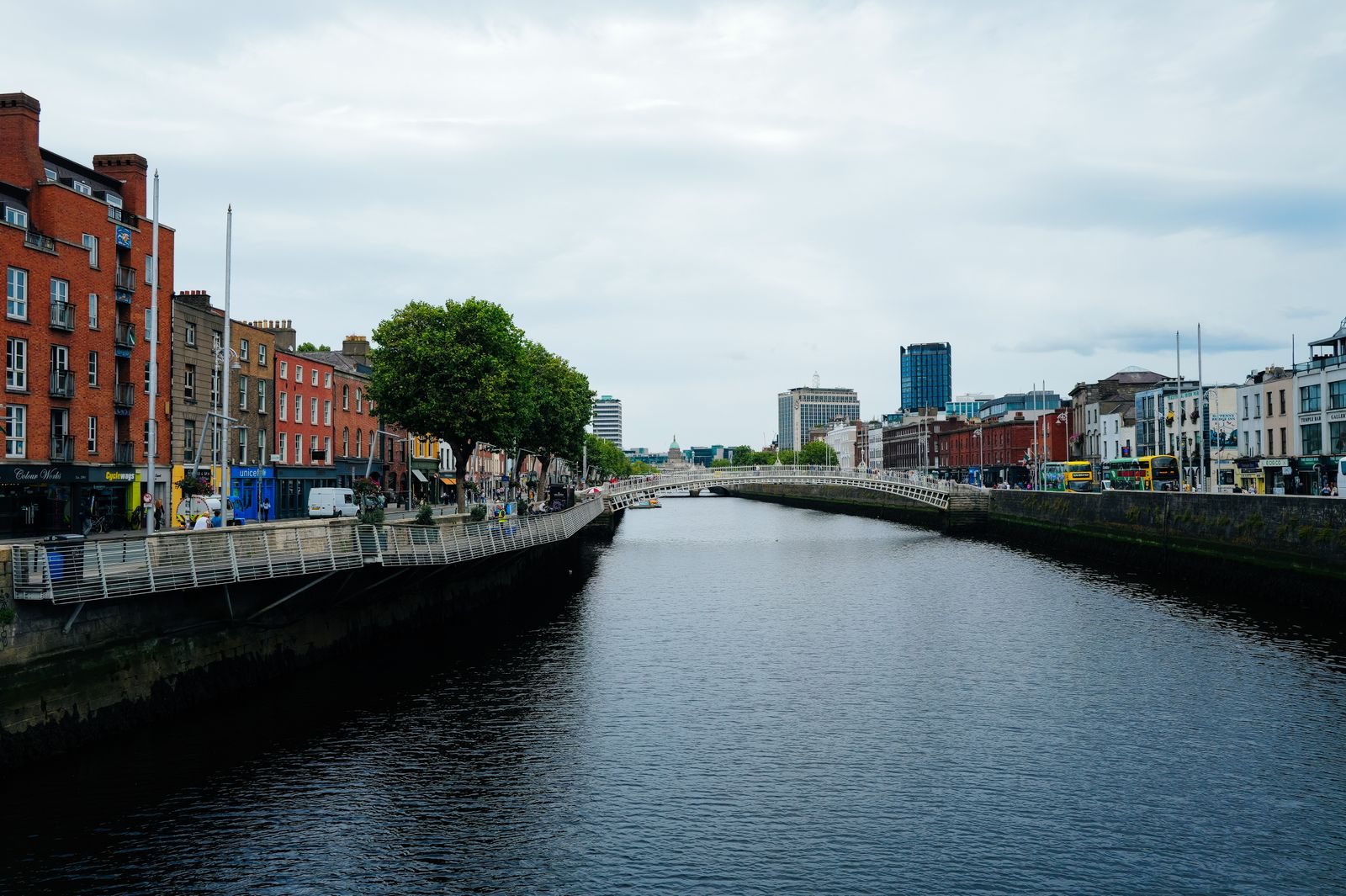
Dublin packs a thousand years of history, a world-class literary heritage, and one of the best pub cultures on the planet into a compact, walkable city. You can stroll from a medieval castle to a Viking-era cathedral to a buzzing food market in twenty minutes. It is the kind of place where the conversations you have with locals end up being the highlight, and where a rainy afternoon is just an excuse for another cup of tea or a slow pint.
It is also an easy first stop in Europe for many travelers, with friendly English-speaking locals, a manageable size, and great connections onward to the rest of Ireland and the continent.
The Best Things to Do in Dublin
Trinity College and the Book of Kells
Founded in 1592, Trinity College is a gorgeous oasis in the city center, and its Old Library is one of the most beautiful rooms we have ever stepped into. The Long Room, lined floor to soaring ceiling with ancient books, is breathtaking, and the Book of Kells, a stunning illuminated medieval manuscript, lives here too. Book a timed ticket ahead to skip the worst of the lines.
Guinness Storehouse
Yes, it is touristy, and yes, it is worth it. The Guinness Storehouse walks you through the history and brewing of Ireland’s most famous export across seven floors, finishing in the Gravity Bar where you sip a perfect pint with a 360-degree view over the city. We are not even big stout drinkers and we loved it.
Dublin Castle and Christ Church Cathedral
Dublin Castle anchors the historic core, with centuries of Irish history layered into its grounds and state apartments. A short walk away, Christ Church Cathedral and the nearby St. Patrick’s Cathedral are stunning medieval churches well worth a visit.
Kilmainham Gaol
This former prison is one of the most moving and important historical sites in Ireland, central to the country’s fight for independence. The guided tour is sobering and unforgettable. Book ahead, because it sells out.
Temple Bar (in Moderation)
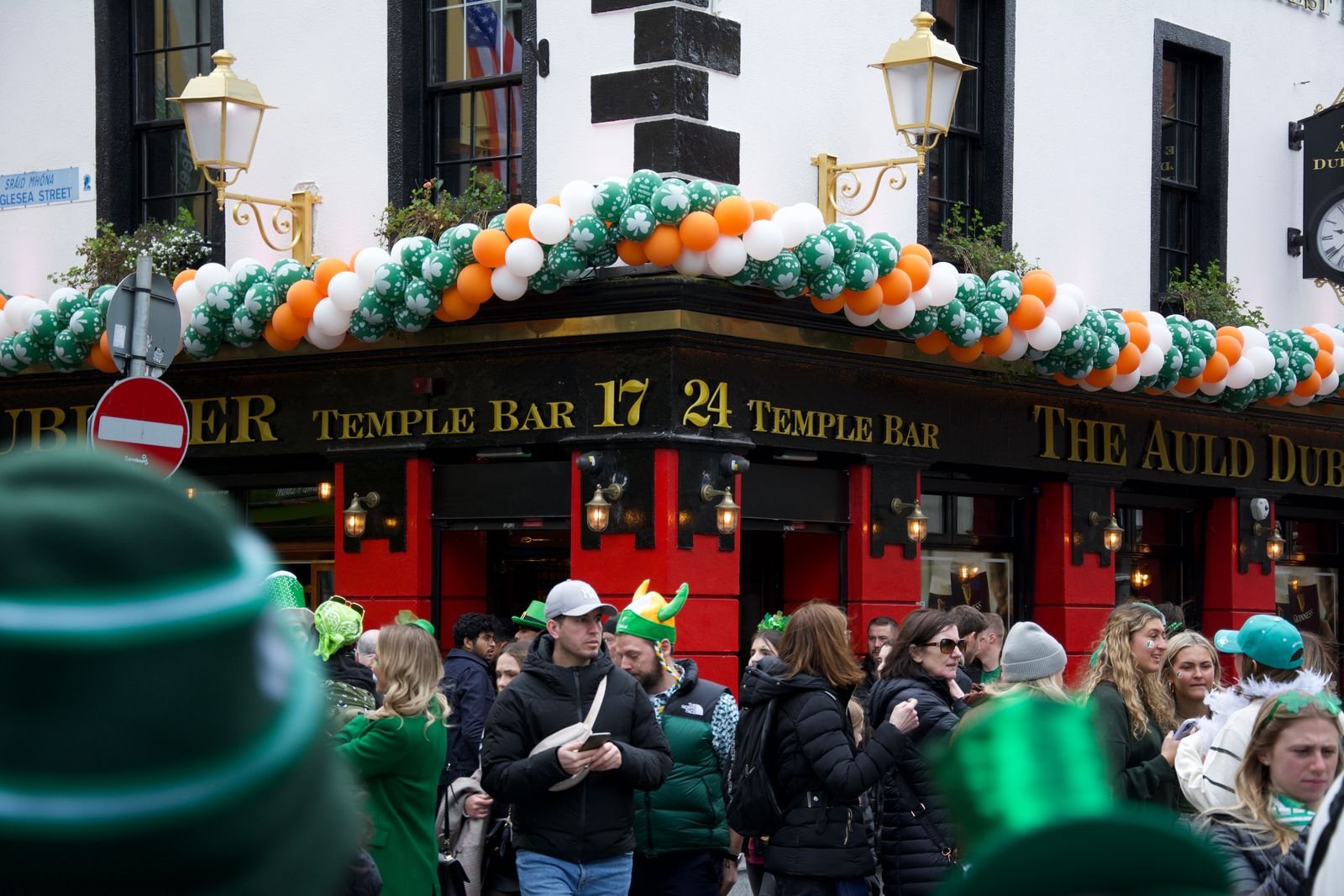
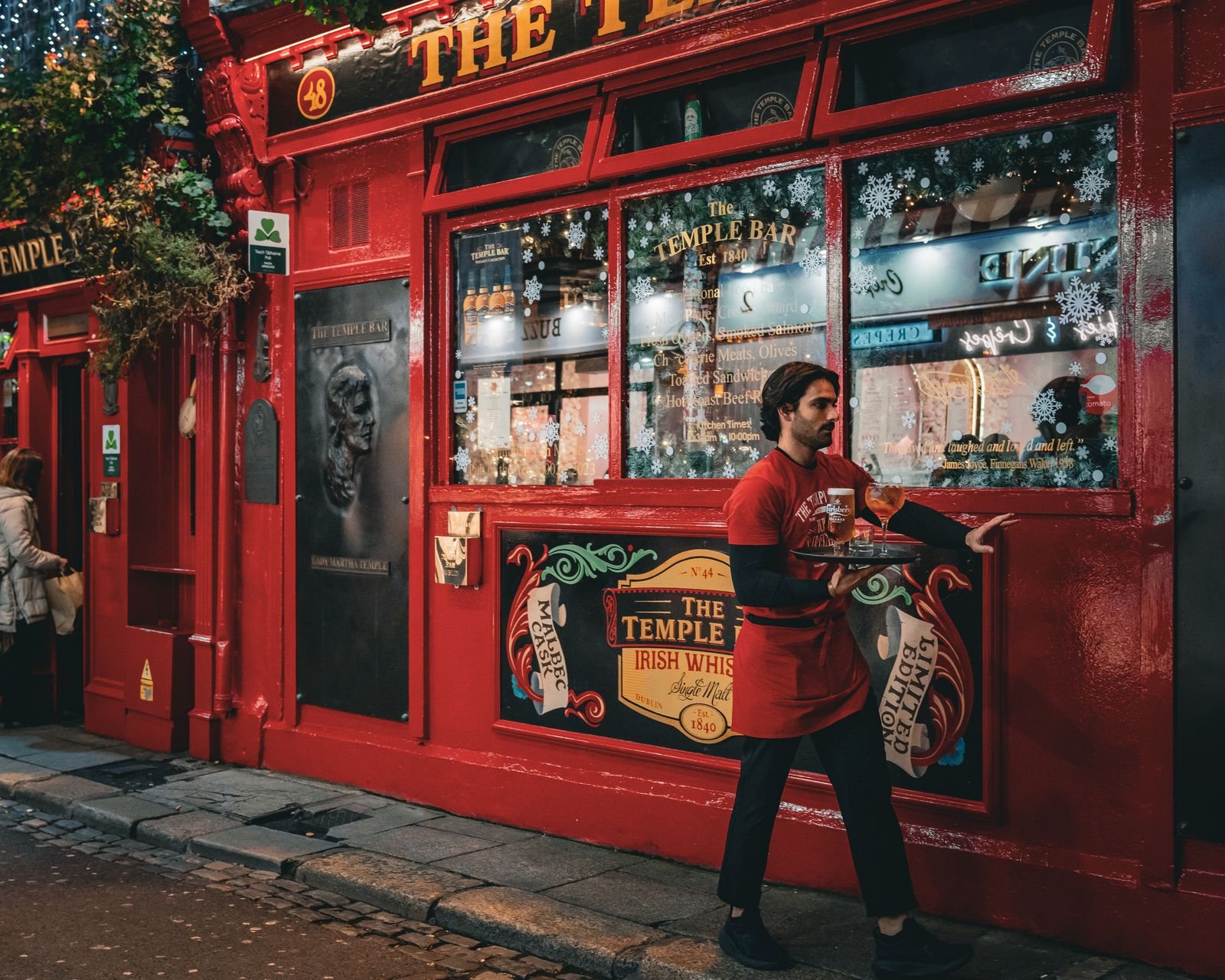
Temple Bar is the cobblestoned, photogenic, very touristy nightlife district. It is fun to wander and soak up the atmosphere, but the pints are pricey and the crowds thick. We enjoyed a quick look, then found better-value pubs with more local character a few streets away.
Where to Eat and Drink in Dublin
Irish food has come a long way, and Dublin’s dining scene genuinely surprised us. Start your mornings with a proper full Irish breakfast at least once. For lunch, the Avoca cafes and the stalls at George’s Street Arcade are great. Modern Irish restaurants around the city center put out excellent seafood, lamb, and seasonal produce.
But the real soul of Dublin is the pub. We loved the older, character-filled spots like The Long Hall, Kehoe’s, and The Stag’s Head, all dripping with Victorian charm. Order a pint of Guinness (it really does taste better here), settle in, and if there is live traditional music, even better. Many pubs in the Stoneybatter and Camden Street areas feel more local than the Temple Bar crush.
Traditional Irish Music in Dublin
If there is one experience we tell everyone not to miss, it is an evening of live traditional Irish music in a Dublin pub. There is nothing quite like squeezing into a warm, crowded room while a circle of musicians trades fiddle, tin whistle, bodhran drum, and guitar, the tempo building until the whole pub is stamping along. The best sessions are often unannounced and free, happening in the corner of an ordinary pub rather than on a stage. We had great luck in the pubs along Camden Street and around Stoneybatter, away from the tourist crush. Cobblestone in Smithfield is famous among locals for its sessions. Arrive early to get a seat, buy a pint, and just let the music carry the night. It is the kind of spontaneous, communal joy that sums up everything we loved about Dublin.
The Best Neighborhoods to Explore
The city center and Grafton Street is the bustling commercial heart, great for shopping, street performers, and people-watching, with St. Stephen’s Green offering a leafy escape.
Temple Bar is the nightlife and arts quarter, lively and central but pricey.
The Liberties, one of Dublin’s oldest neighborhoods, is full of history, the Guinness Storehouse, and a gritty, authentic character that is rapidly gaining great food and drink spots.
Stoneybatter, north of the river, has become Dublin’s hip neighborhood, full of independent cafes, vintage shops, and excellent pubs, with far fewer tourists.
Day Trips from Dublin
Dublin is a fantastic base for exploring beyond the city.
- Howth, a charming fishing village a short train ride away, offers a gorgeous cliff walk, fresh seafood, and harbor views. Our favorite easy escape.
- The Cliffs of Moher and Galway make a long but spectacular day trip to Ireland’s wild west coast.
- Glendalough, a stunning monastic site set among lakes and mountains in the Wicklow Mountains, is pure Irish scenery.
- Newgrange, a 5,000-year-old passage tomb older than the pyramids, is an awe-inspiring archaeological wonder north of the city.
Dublin’s Literary Soul
Dublin is a UNESCO City of Literature, and you feel it everywhere. This is the city of James Joyce, Oscar Wilde, W.B. Yeats, Samuel Beckett, and Bram Stoker, and it wears that heritage proudly. The Museum of Literature Ireland (MoLI) and the Dublin Writers Museum are wonderful for book lovers, but our favorite way to soak it up was a literary pub crawl, where actors perform passages between historic watering holes that famous writers once frequented. Even if you are not a big reader, the storytelling tradition is woven into ordinary conversations here, and it explains a lot about why the pubs feel like living rooms. Stop into a few of the cozy older bookshops around the city center and you will catch the same spirit.
Dublin on a Budget
Dublin has a reputation as a pricey city, and it can be, but we found plenty of ways to keep costs down. Many of the best experiences are free: wandering Trinity College’s grounds, strolling St. Stephen’s Green and Phoenix Park (one of Europe’s largest city parks, home to wild deer), and exploring the National Museum and National Gallery, which do not charge admission. Eat your big meal at lunch when set menus are cheaper, picnic from the food markets, and nurse your pints at local pubs away from Temple Bar where prices are noticeably lower. The DART and buses are far cheaper than taxis, and a Leap Visitor Card bundles public transport at a discount. Off-season visits drop hotel prices significantly.
When to Visit Dublin
Summer (June to August) brings the warmest weather, long daylight, and the liveliest atmosphere, but also the biggest crowds and highest prices. Even in summer, pack layers and a rain jacket.
Spring and Fall (April to May, September to October) are our favorite windows: milder crowds, decent weather, and lovely light. St. Patrick’s Day in mid-March turns the whole city into a festival if you want the full Irish experience.
Winter (November to February) is cold, wet, and dark early, but cozy, atmospheric, and cheap, with pubs at their most inviting and Christmas markets adding sparkle.
A thing to know about Irish weather: it is changeable year-round. We had sun, rain, and wind in a single afternoon more than once. A waterproof layer is your best friend in every season.
Where to Book Your Dublin Trip
Hotels: Search Dublin hotels on Booking.com. Staying near the city center or St. Stephen’s Green keeps you walkable to most sights; the Temple Bar area is central but noisy at night.
Tours & Activities: Browse Dublin tours on Viator including Cliffs of Moher day trips, Guinness and whiskey tastings, literary pub crawls, and Newgrange excursions.
Getting Here Cheaply: Dublin Airport is a major European hub with frequent budget connections from the UK and the continent. Our guide to finding cheap flights covers the booking strategies we actually use.
Travel Insurance: For any international trip we always recommend coverage. See our travel insurance guide for our picks.
A Few Common Questions About Dublin
Is Dublin expensive? It can be, especially for hotels and pints in the tourist core, but the free museums and parks, lunch deals, and local pubs make it manageable on a moderate budget.
Is Dublin safe? Yes, it is a friendly and generally safe city. As in any capital, keep an eye on your belongings in crowded tourist areas and at night around busier nightlife districts.
Do I need to know Irish (Gaelic)? No. Everyone speaks English. You will see Irish on signs and hear it celebrated, but you will have no trouble getting around.
Is Dublin a good first trip to Europe? Absolutely. The shared language, compact size, warm locals, and easy onward connections make it one of the gentlest, most rewarding introductions to European travel.
Getting Around Dublin
Dublin’s center is wonderfully walkable, and we covered most of the main sights on foot. For longer hops, the LUAS tram and the DART suburban train (great for reaching Howth and the coast) are easy to use. Buses fill in the gaps. We rarely needed taxis. Skip a rental car unless you are heading out to explore the wider countryside, since parking and driving on the left in the city center is more hassle than help.
A Perfect 3-Day Dublin Itinerary
Day 1: Trinity College and the Book of Kells in the morning, wander Grafton Street and St. Stephen’s Green, then spend the afternoon at Dublin Castle and Christ Church. Cap the night with pints and trad music in an old city-center pub.
Day 2: Kilmainham Gaol in the morning (book ahead), the Guinness Storehouse and the Liberties in the afternoon, then dinner and drinks in Stoneybatter for a more local evening.
Day 3: Take the DART out to Howth for the cliff walk and a seafood lunch, or do a full-day trip to Glendalough and the Wicklow Mountains.
Practical Tips We Learned the Hard Way
- Book the big sights ahead. The Book of Kells, Kilmainham Gaol, and the Guinness Storehouse all sell timed tickets that go fast in peak season.
- Carry a rain layer always. The weather flips fast in every season.
- Pace the pints. Irish pub hospitality is generous; an evening can get long quickly.
- Use the DART for the coast. It is cheap, scenic, and the easiest way to escape the city for a few hours.
- Tap to pay everywhere. Contactless cards work nearly universally; you rarely need cash.
- Look beyond Temple Bar. The best pubs and best value are usually a few streets away from the tourist core.
How Many Days Do You Need in Dublin?
Two days covers the headline sights at a brisk pace. Three days is our sweet spot, giving you the museums and castles, real pub evenings, and one day trip out to the coast or the mountains. With four or five days you can use Dublin as a base for the Cliffs of Moher, Galway, and a deeper taste of Ireland beyond the capital.
Dublin won us over not with grand monuments but with its warmth: the easy conversations, the cozy pubs, the sense that everyone has a story and time to tell it. Slow down, talk to people, and let the city’s famous friendliness do the rest.
For more European city inspiration, pair Dublin with our guides to Edinburgh, London, and Prague for a classic first trip across the pond.