Disclosure: This post contains affiliate links. If you book through our links, we may earn a small commission at no extra cost to you. Thanks for supporting Faceted Travel!
Table of Contents
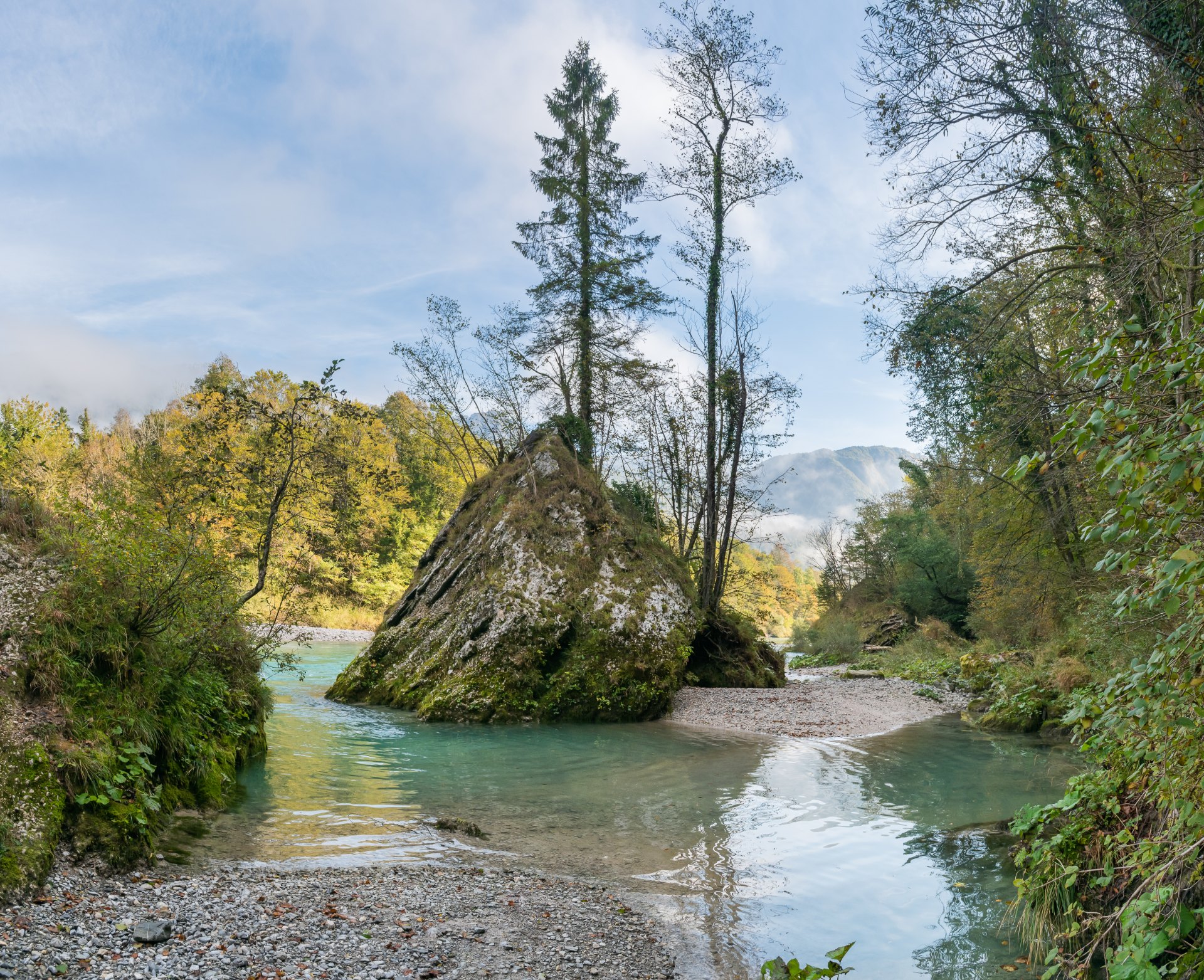
We had seen photographs of the Soca River before we drove over the Vrsic Pass, and we assumed the color had been pushed in editing. It had not. The water really is that improbable milky turquoise, and the first time you look down into it from a footbridge you will do the same thing we did, which is stand there far longer than you planned.
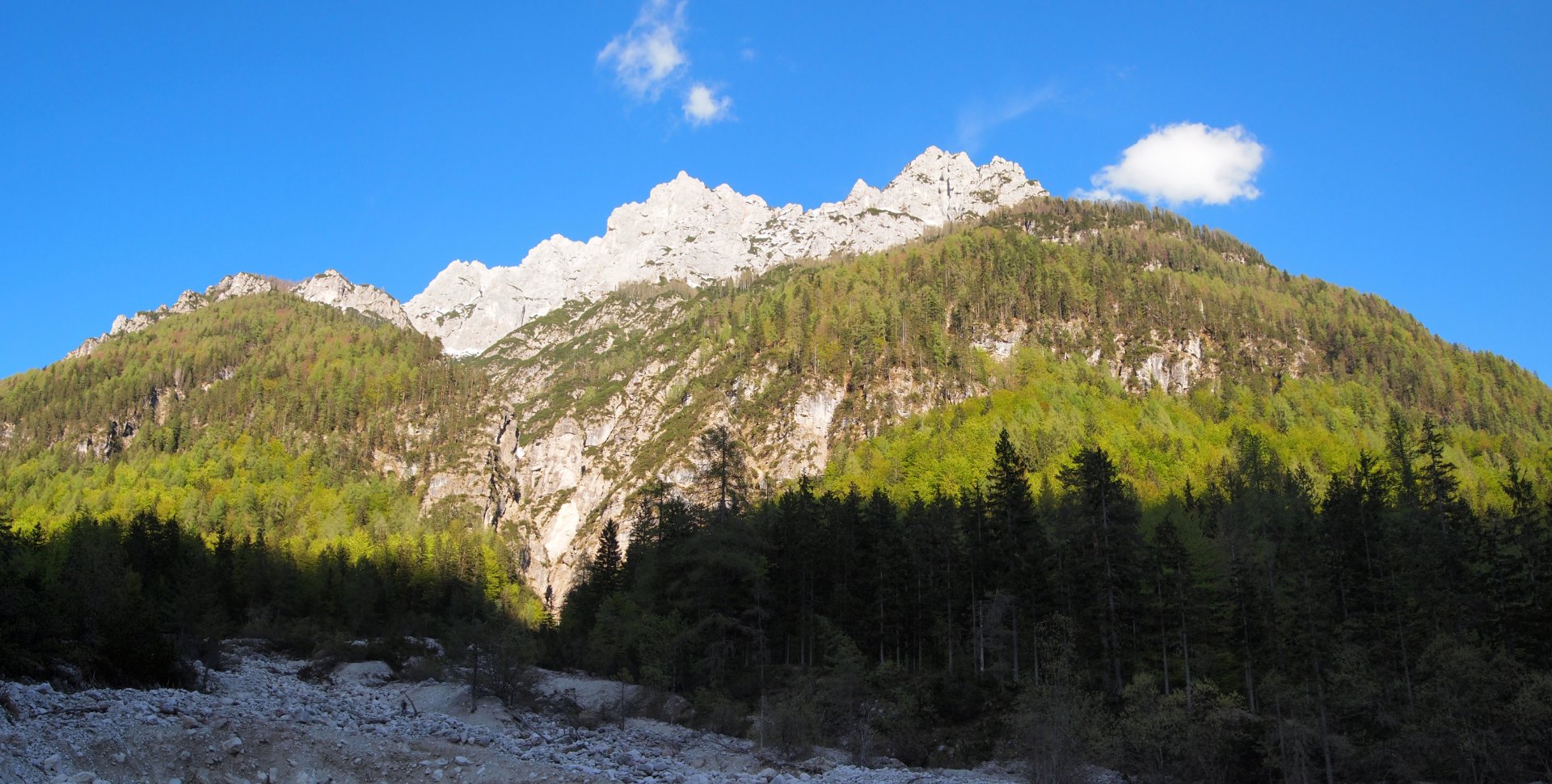
The Soca Valley is the wildest, least developed corner of Slovenia, and it is the part of the country that most people skip because Lake Bled photographs better. That is a mistake. This is where Slovenia stops being a tidy postcard and becomes a genuine mountain destination: a river you can raft, gorges you can walk into, a Napoleonic and First World War history that is hiding in plain sight, and the highest peaks in the country standing over all of it inside Triglav National Park.
This guide covers how to get there, how to structure your days, what the Vrsic Pass drive is actually like, and where to base yourself. It pairs closely with our Slovenia road trip itinerary, which routes this valley into a wider loop.
Where the Soca Valley Actually Is
The Soca (pronounced roughly SO-cha) rises high in the Julian Alps near the Vrsic Pass, runs southwest through Bovec and Kobarid, and eventually crosses into Italy where it becomes the Isonzo. Almost everything travelers care about sits along a 40 kilometer stretch between Bovec at the northern end and Tolmin at the southern end.
Triglav National Park wraps around the whole upper valley. It is Slovenia’s only national park, it covers about four percent of the country, and it contains Mount Triglav itself at 2,864 meters. Lake Bohinj sits inside the same park on the other side of the mountains, which surprises people, so if you have already read our Lake Bohinj guide you are looking at two faces of the same protected area.
The practical distances:
- Ljubljana to Bovec via Kranjska Gora and the Vrsic Pass: about 2 hours 30 minutes in summer
- Ljubljana to Bovec via Idrija and Tolmin: about 2 hours, open year round
- Lake Bled to Bovec over the pass: about 1 hour 45 minutes
- Bovec to Kobarid: 25 minutes
- Bovec to Trieste, Italy: about 2 hours
Driving the Vrsic Pass
This is the approach we recommend, and it is an attraction in its own right. The Vrsic Pass climbs from Kranjska Gora over 50 hairpin bends, 24 going up and 26 coming down, each one numbered on a stone marker with its altitude. The road tops out at 1,611 meters, which makes it the highest mountain pass in Slovenia.
A few things we wish someone had told us. The cobblestone sections on the northern side are original, laid by Russian prisoners of war during the First World War, and they are genuinely slippery when wet. The Russian Chapel at bend 8 is worth the five minute stop, since it memorializes the prisoners who died building the road in an avalanche in 1916, and it reframes the whole drive. There is no fuel between Kranjska Gora and Bovec, so fill up first.
The pass closes with snow, typically from late October or November until May. Check before you commit to it. If it is shut, the Idrija and Tolmin route is longer on paper but perfectly pleasant, and it takes you past the mercury mining town of Idrija, which is a UNESCO site and a fair lunch stop.
We would not attempt this pass at night, in fog, or in a camper van you are not fully comfortable with. In good conditions it is a joy. Give it two hours rather than the hour the map suggests, because you will keep stopping.
The Best Things to Do in the Soca Valley
Walk the Soca Trail
The Soca Trail runs about 25 kilometers from the river’s source down to Bovec, and you do not have to do all of it. The best short section is from the Velika Korita, the Great Gorge, where the river has cut a narrow slot through white rock. Footbridges cross at intervals and the color of the water directly below them is the reason you came.
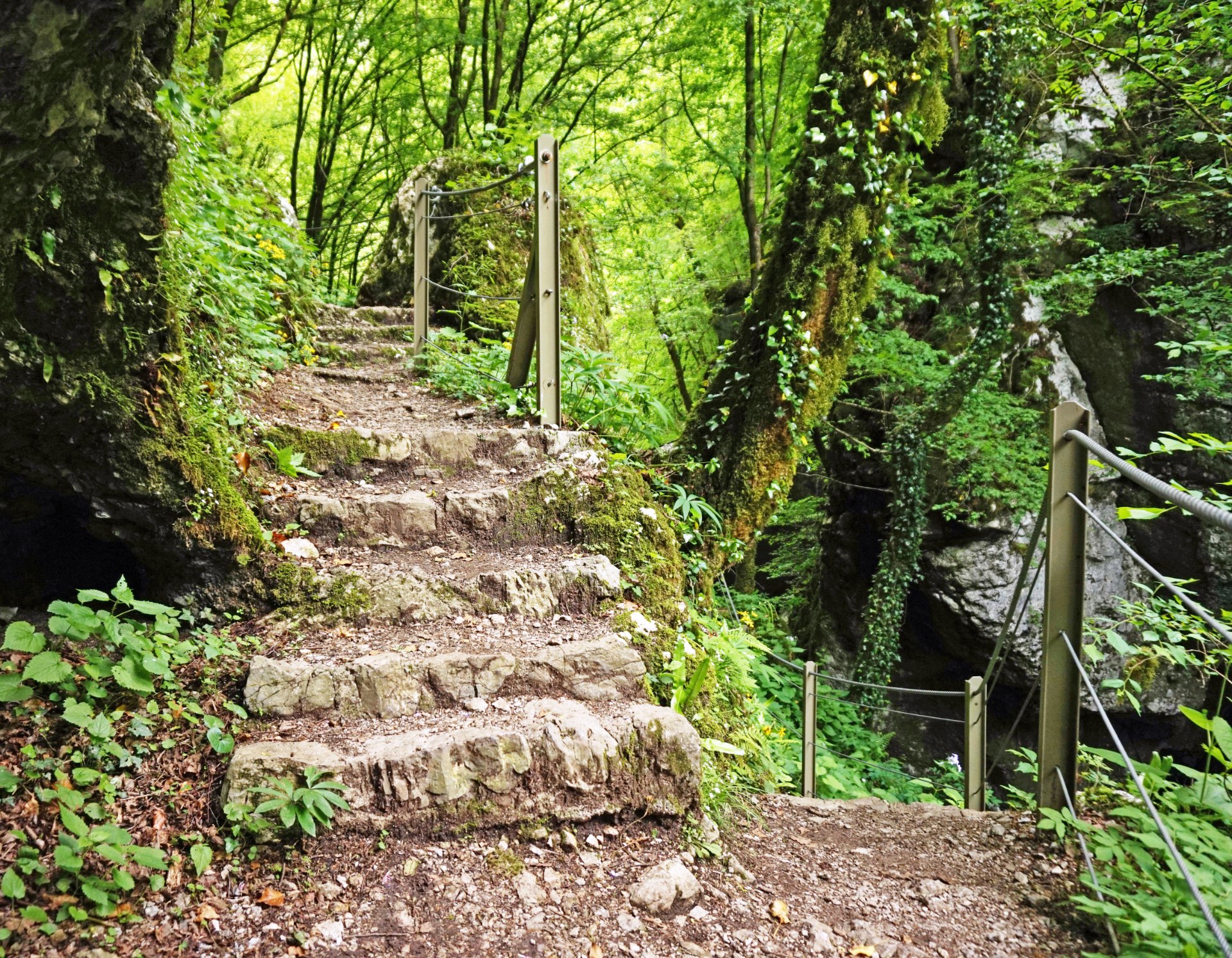
The source itself, the Izvir Soce, is a short but steep scramble from the parking area near the Koca pri Izviru Soce hut. There are steel cables bolted into the rock on the final stretch. It is not technical, but it is not a stroll either, so wear real shoes.
Raft, kayak or canyon
The Soca is one of the better whitewater rivers in Europe and the season runs roughly April to October, with the highest water in late spring snowmelt. Family rafting trips out of Bovec run around 10 kilometers and handle class two and three water. If you want something calmer, the lower stretches near Tolmin are gentler.
Canyoning in the Sunik or Fratarica gorges is the other signature activity here. We did a half day and it was the most fun we have had in Slovenia, though we would flag that it involves jumping into very cold water repeatedly, so know your tolerance.
Kozjak Waterfall
A 20 minute walk from Kobarid brings you to Slap Kozjak, a 15 meter waterfall that drops into a rounded chamber of rock that looks engineered. Late morning light coming through the opening is what makes the photographs work. The path involves some wooden walkways and can be crowded in August, but it is easy and it is free.
Kobarid and the First World War
Kobarid was Caporetto, the site of the 1917 breakthrough that shattered the Italian front and that Hemingway drew on for A Farewell to Arms. The Kobarid Museum is small, unsentimental and genuinely excellent, and the outdoor Kobarid Historical Trail loops past trench lines and gun positions in about three hours.
We had not planned to spend a full afternoon on this and we ended up doing exactly that. If you have any interest in the period, budget for it.
The Tolmin Gorges
At the southern end of the valley, the Tolmin Gorges are the lowest point in Triglav National Park. The Devil’s Bridge spans 60 meters above the water, and the Bear’s Head is a boulder wedged between the gorge walls. The loop takes about 90 minutes and it is a good option on a hot day, since the gorge stays cool.
Where to Stay in the Soca Valley
Bovec is the activity capital. If you want rafting, canyoning, paragliding off Mount Kanin or a base for the Vrsic Pass, stay here. It is small, it is full of outfitters, and it has enough restaurants to keep a week interesting.
Kobarid is the food and history choice. It is quieter and prettier, and it happens to have some of the best restaurants in Slovenia, including Hisa Franko, which has held multiple Michelin stars. If you are the sort of traveler who plans around dinner, base here.
Tolmin is the budget and festival option, cheaper again and well positioned for the gorges.
Accommodation here skews toward apartments, farm stays and small guesthouses rather than hotels. Book earlier than you think for July and August, because the valley genuinely runs out of beds. Our full breakdown of what a week here costs sits in how much a trip to Slovenia costs.
Where to Eat
The Soca Valley punches far above its size on food, and Kobarid is the reason. Hisa Franko, just outside town, is the internationally famous one, and it needs booking months ahead. Its sister restaurant Hisa Polonka in Kobarid itself is casual, affordable and excellent, and it is where we would send anyone who cannot get the tasting menu.
Beyond that, look for the word gostilna, which signals a family run inn. The valley specialties worth ordering are Soca trout, usually grilled whole with nothing more than oil and herbs, and frika, a crisp potato and cheese pancake that came over the mountains from the Friuli side. Kobariski struklji are sweet walnut dumplings served as dessert and they are protected by name, so you will only find the real thing here.
In Bovec the restaurants cluster around the main square and cater to hungry rafters, which means portions are generous and the standard is solid rather than remarkable. Book dinner in July and August, even in small places, because the valley fills.
When to Go
June and September are the sweet spot. The river is running, the pass is open, the trails are clear, and you are not fighting for parking.
July and August are hot, busy and expensive by Slovenian standards. Swimming is glorious, rafting is at its most family friendly, and every apartment is full.
May is beautiful and green with the highest water for rafting, but the Vrsic Pass may still be closed and higher trails will hold snow.
October turns the valley gold and empties it out. Many outfitters close mid month.
Winter is a different trip entirely. Kanin has skiing, Bovec stays open, but the pass closes and the valley goes quiet.
We go into the seasonal detail country wide in the best time to visit Slovenia.
Practical Tips We Wish We Had Known
You need a car. Public transport into the valley exists but it is thin, and the whole appeal is the freedom to stop. Buses run Ljubljana to Bovec, but they take four hours and they do not go over the pass in most seasons.
Cash still matters in small places. Mountain huts and some trailhead kiosks are card resistant. Carry 50 euros in small notes.
The water is cold. The Soca comes off snowmelt and hovers around 8 to 12 degrees Celsius even in August. Wetsuits are included on commercial trips for a reason.
Parking at popular trailheads is paid and limited. The Velika Korita and Kozjak lots fill by 10am in summer.
Mobile coverage drops in the gorges. Download offline maps before you leave Bovec.
Respect the park rules. Wild camping is illegal in Triglav National Park and it is enforced. Drones need permits.
Weather turns fast. We have started a hike in sun and finished in a hailstorm in the same two hours. Carry a shell layer regardless of the forecast.
Where to Book
- Accommodation: we search Booking.com’s Slovenia listings for Bovec and Kobarid apartments. Filter for free parking, which is standard here and worth confirming.
- Rafting, canyoning, guided hikes and transfers: Viator’s Slovenia listings cover Soca rafting, canyoning and day trips from Ljubljana if you are without a car.
- Travel insurance: we always carry it for anything involving whitewater or alpine hiking. Our reasoning is in our travel insurance guide.
Our Honest Take
The Soca Valley is the reason we now tell people not to plan Slovenia as a two day stop between Vienna and Croatia. Lake Bled is lovely and it is also the most photographed 40 hectares in the country. Drive three hours west and you get a river that looks like it was invented, a mountain pass with real history built into the road surface, and a valley where you can still find a stretch of water to yourself in August.
Give it three nights minimum. Two nights means you drive the pass, walk one gorge and leave frustrated. Three lets you raft, hike, do Kobarid properly and still have an evening with nothing scheduled, which in this valley is the best evening you will have.
If you are building a wider trip, start with how to plan a trip to Slovenia for the logistics, then route the valley into our Slovenia road trip itinerary. And if you are pairing Slovenia with the coast, our Piran guide covers the two hour drive south to the Adriatic.