Disclosure: This post contains affiliate links. If you book through our links, we may earn a small commission at no extra cost to you. Thanks for supporting Faceted Travel!
Table of Contents
- Why Visit Olympic National Park?
- When to Visit Olympic National Park
- Getting to Olympic National Park
- The Three Worlds of Olympic
- More of the Best Things to Do
- Where to Stay Near Olympic National Park
- Where to Book
- Sample 3-Day Olympic Itinerary
- How Many Days Do You Need in Olympic?
- Practical Tips for Visiting Olympic
- Is Olympic National Park Worth Visiting?
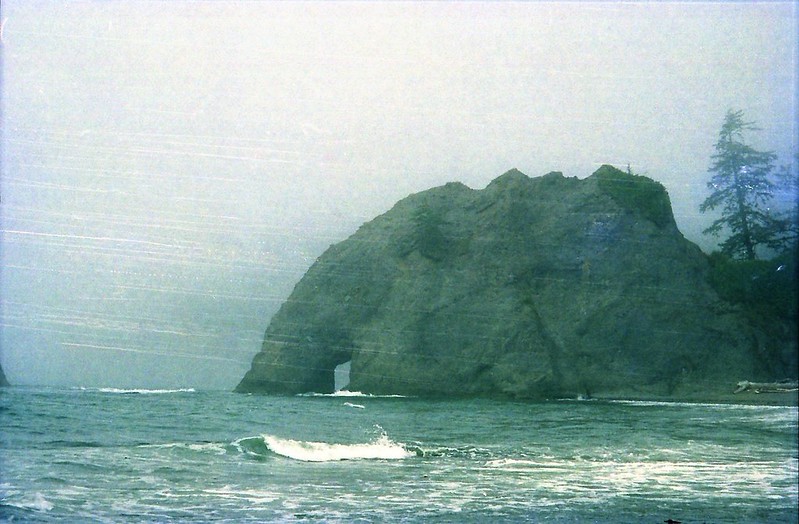
We stood on Rialto Beach at low tide, sea stacks rising out of the fog like something from a dream, and two hours later we were walking through a rainforest so green and so quiet it felt like the volume of the whole world had been turned down. That is the magic of Olympic National Park: three completely different worlds inside one park boundary, and you can touch all of them in a single day.
Olympic is one of the most diverse national parks in the country, and one of the most underrated. This guide covers the best things to do in Olympic National Park, the three ecosystems you need to see, where to stay, how to plan your loop around the peninsula, and the practical details that make a trip here run smoothly.
Why Visit Olympic National Park?
Olympic protects nearly a million acres of Washington’s Olympic Peninsula, and it is really three parks in one: glacier-capped mountains, lush temperate rainforest, and a wild, rugged Pacific coastline. Very few places on earth let you go from tide pools to old-growth rainforest to alpine meadows in an afternoon, and Olympic is the best of them.
It is a UNESCO World Heritage Site and an International Biosphere Reserve, home to Roosevelt elk, black bears, and some of the largest trees in the country. There is no road through the middle of the park, so US-101 loops around the peninsula and short spur roads branch inward to each highlight. That layout is the key to planning a good trip, and we will map it out below.
If you love the national parks the way we do, Olympic belongs on the list right alongside our guides to Glacier and Yellowstone. It has a completely different personality: mossy, misty, and coastal rather than wide-open western.
When to Visit Olympic National Park
July, August, and September are the prime months. This is the drier season, Hurricane Ridge road is fully open, and the mountain trails are clear of snow. It is also the busiest stretch, so book lodging early.
Late June is a lovely shoulder window, with wildflowers starting in the high country and smaller crowds, though some alpine snow can linger.
October brings fall color, moody skies, and quiet trails, with the rainforest at its most atmospheric. Pack real rain gear.
November through May is wet, and the rainforest earns its name, but that is also when it is greenest and emptiest. Hurricane Ridge becomes a winter snow destination when the road is open. Coastal storm-watching in winter is a thing here, and it is spectacular.
We visited in early September and had cool, mostly clear days on the coast and in the rainforest and crisp, wide-open views from Hurricane Ridge, which is about as good as this park gets.
Getting to Olympic National Park
The park sits across Puget Sound from Seattle, and most trips start there. From Seattle, you can drive south around the sound or, far more fun, take a Washington State Ferry across the water and cut straight onto the peninsula. The ferry ride itself is a highlight, with views back at the Seattle skyline and out toward the mountains.
Port Angeles is the main gateway town on the north side of the park and the base for Hurricane Ridge, Lake Crescent, and the Sol Duc area. The drive from Seattle to Port Angeles takes roughly two and a half to three hours including a ferry.
You need a car here, full stop. The park’s highlights are spread around the peninsula on US-101, and there is no through-road or shuttle network. Build in generous drive times, because moving between the coast, the rainforest, and the mountains takes real hours.
The Three Worlds of Olympic
The Mountains: Hurricane Ridge
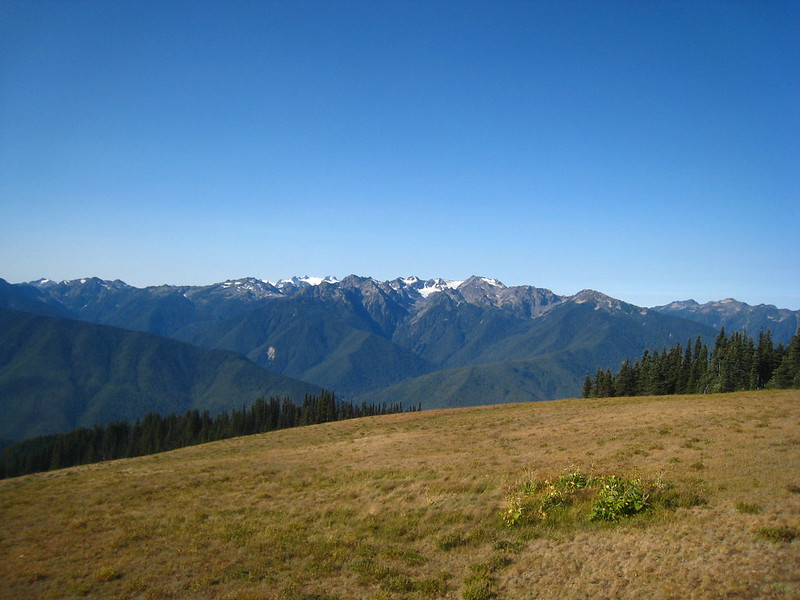
The most accessible high country in the park, Hurricane Ridge is a paved drive up from Port Angeles to a mile-high viewpoint with sweeping panoramas of the glaciated Olympic Mountains, including Mount Olympus. Short meadow trails start right at the visitor center, wildflowers bloom in summer, and deer and marmots are common. On a clear day, this is one of the great mountain views in the Northwest. Check road status before you go, as it can close in bad weather.
The Rainforest: Hoh and Quinault
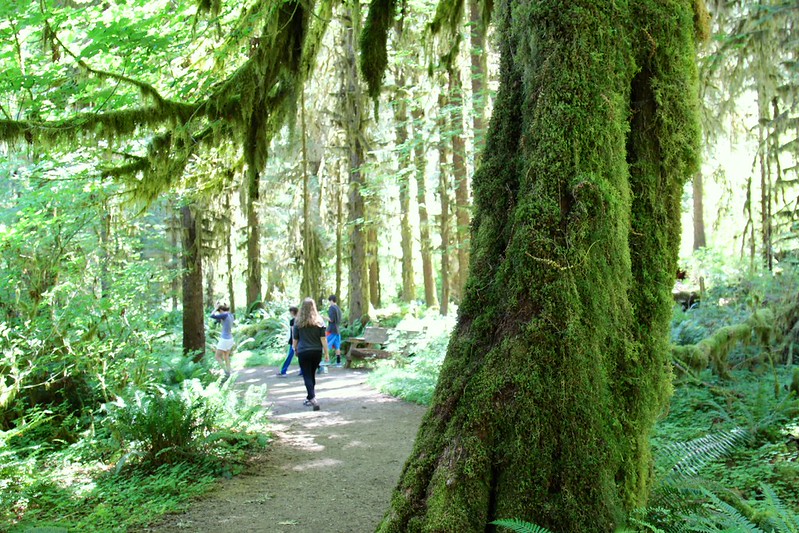
The Hoh Rain Forest is the crown jewel, one of the largest temperate rainforests in the United States. The Hall of Mosses Trail is a short, otherworldly loop through moss-draped bigleaf maples and towering spruce and fir. It is genuinely one of the most beautiful short walks we have ever taken. The Quinault Rain Forest to the south is quieter, ringed by a gorgeous lake, and home to several record-size trees.
The Coast: Rialto, Ruby, and Second Beach
Olympic’s wilderness coastline is unlike any other in the Lower 48: fog-wrapped sea stacks, tide pools full of starfish and anemones, driftwood the size of telephone poles, and eagles overhead. Rialto Beach and its Hole-in-the-Wall arch, Ruby Beach with its dramatic stacks, and the walk out to Second Beach near La Push are the classics. Time a visit around low tide for the best tide pooling.
More of the Best Things to Do
Lake Crescent
This deep, impossibly blue glacial lake glows turquoise on a sunny day. Rent a kayak, swim off the docks, or hike the short trail to Marymere Falls through old-growth forest. Historic Lake Crescent Lodge sits right on the shore.
Sol Duc Falls and Hot Springs
An easy, beautiful forest walk leads to Sol Duc Falls, one of the park’s prettiest waterfalls. Nearby, the Sol Duc Hot Springs Resort has mineral soaking pools, perfect for tired hiking legs.
Marymere Falls and the Old-Growth Trails
Short interpretive trails throughout the park wind through some of the last great stands of old-growth forest in the country. Even a 30-minute walk here feels like stepping back in time.
Wildlife Watching
Keep an eye out for Roosevelt elk in the Hoh and Quinault valleys, marmots and deer at Hurricane Ridge, and bald eagles along the coast. Dawn and dusk are your best odds.
The Best Short Hikes
You do not need to be a backcountry expert to see the best of Olympic. Some of our favorite easy-to-moderate walks: the Hall of Mosses (about a mile of pure rainforest wonder), Marymere Falls at Lake Crescent (a gentle forest stroll to a 90-foot cascade), Sol Duc Falls (an easy walk to one of the park’s prettiest waterfalls), and the Hurricane Hill trail up top for panoramic mountain views. Ambitious hikers can climb the Hoh River Trail deep into the valley or tackle the strenuous Mount Storm King switchbacks above Lake Crescent for one of the best viewpoints in the park. Whatever your fitness level, there is a trail here that will leave you speechless.
Where to Stay Near Olympic National Park
Port Angeles
The most convenient base for a first visit. This working town on the north coast has plenty of hotels and restaurants and puts you within easy reach of Hurricane Ridge, Lake Crescent, and Sol Duc.
Inside the Park Lodges
For a splurge, the historic park lodges immerse you in the scenery: Lake Crescent Lodge on its glowing lake, Sol Duc Hot Springs Resort in the forest, and Kalaloch Lodge perched above the coast. These book up months ahead for summer, so reserve early.
Forks and the West Side
The small town of Forks (yes, the Twilight town) is the closest base to the Hoh Rain Forest and the coastal beaches, handy if you want to prioritize the rainforest and shoreline over the mountains.
Where to Book
- Hotels: We use Booking.com to compare Port Angeles hotels and peninsula lodges, most with free cancellation.
- Tours and experiences: Viator has guided day tours from Seattle, rainforest and coast combos, and kayaking trips if you would rather not drive it all yourself.
Sample 3-Day Olympic Itinerary
Day 1: Arrive via the Seattle ferry and drive to Port Angeles. Head up to Hurricane Ridge for the afternoon mountain views and meadow walks, then settle in for the night in Port Angeles.
Day 2: Lake Crescent in the morning (kayak or the Marymere Falls hike), Sol Duc Falls and a hot springs soak in the afternoon, overnight on the west side near Forks.
Day 3: Hoh Rain Forest and the Hall of Mosses first thing, then the coast: Ruby Beach and Rialto Beach at low tide before the drive back.
With four or five days you can slow the whole thing down, add more coastal beaches, tackle a longer trail in the Hoh valley, and never feel rushed between the park’s far-flung corners.
How Many Days Do You Need in Olympic?
Because the park is so spread out, we would not try to see it in fewer than three days. Two is enough for one or two of the three ecosystems, but you will spend a lot of it driving.
Three days is the realistic minimum to touch all three worlds, mountains, rainforest, and coast, at the pace we describe above. It is a full, rewarding trip.
Four to five days is the sweet spot. It gives you buffer for the peninsula’s long drive times and often-changeable weather, room to add extra beaches and trails, and time to simply sit by Lake Crescent or on a foggy beach and take it in. Olympic rewards slowing down.
Practical Tips for Visiting Olympic
Get the pass. Olympic charges an entrance fee, but the America the Beautiful annual national parks pass pays for itself fast if you visit a few parks a year.
Plan around the drive. There is no shortcut through the middle. Map your days so you are not backtracking across the whole peninsula, and fuel up in the towns.
Pack layers and rain gear no matter the forecast. Coastal fog, mountain wind, and rainforest drizzle can all happen in one day.
Check the tide tables before you hit the beaches. Low tide means safe tide pooling and passable headlands; high tide can strand you.
Download maps offline. Cell service is spotty to nonexistent across much of the peninsula.
Fill the tank and stock snacks. Services are sparse once you leave the gateway towns.
Is Olympic National Park Worth Visiting?
Without question. Olympic is one of the most diverse and soul-restoring parks in the entire system, three landscapes in one, all of them wild and beautiful. Standing on a fog-draped beach at dawn and walking through a glowing green rainforest by lunch is the kind of day you remember for years.
Pair it with a couple of days in Seattle and you have one of the best trips the Pacific Northwest can offer. We are already plotting our return.
Building a Pacific Northwest trip? Pair Olympic with our guides to Seattle and Portland, and if you love national parks, do not miss our Glacier National Park guide.